What That Means for Doors
Wildwood is not the same housing stock as the rest of our service area
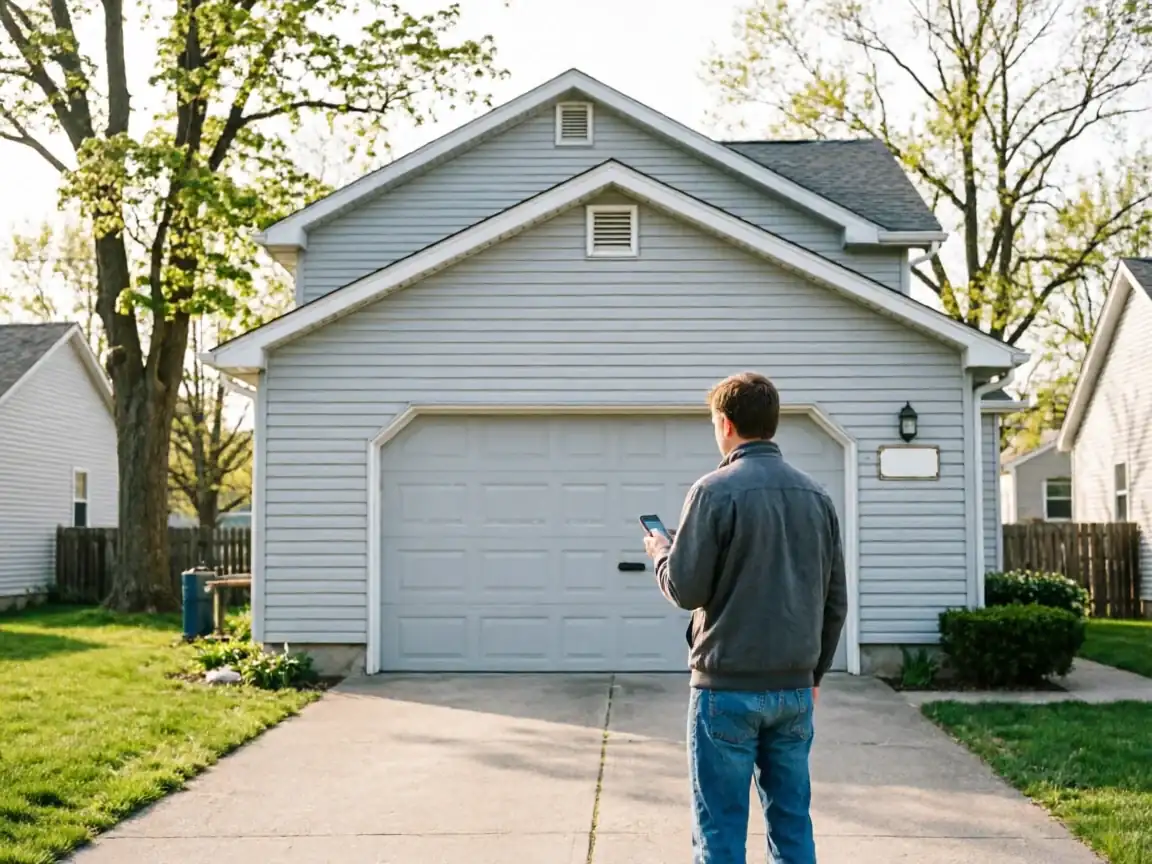
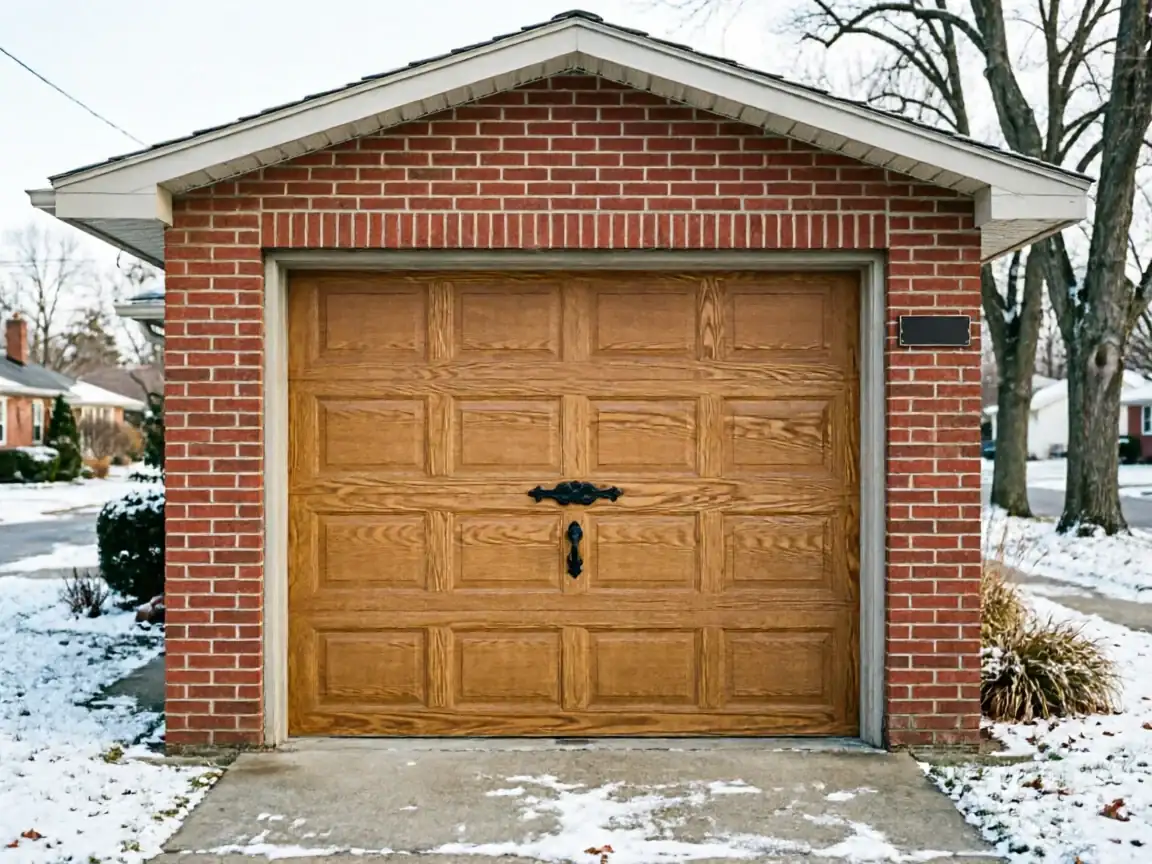
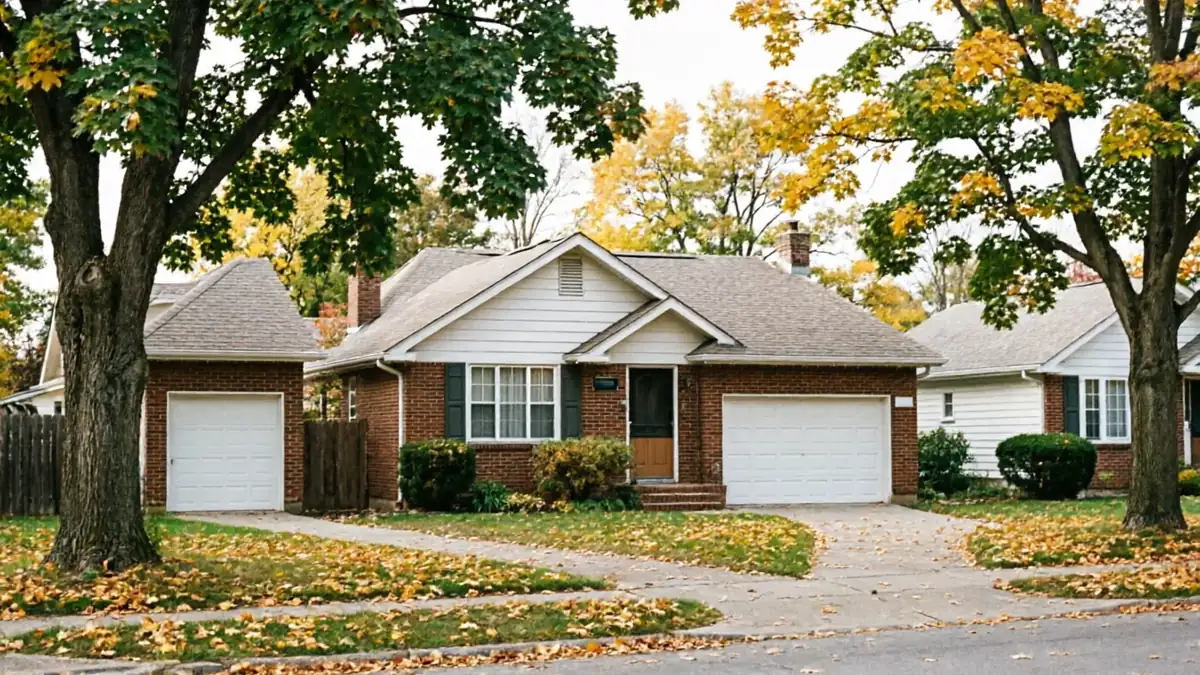
Across the broader territory, homes trace back to a median build year of 1969, with most of the stock going up in the 1960s and 70s. Wildwood runs later - its homes center on a median build year of 1992. That's a full generation newer, and it changes what we find when we open the panel.
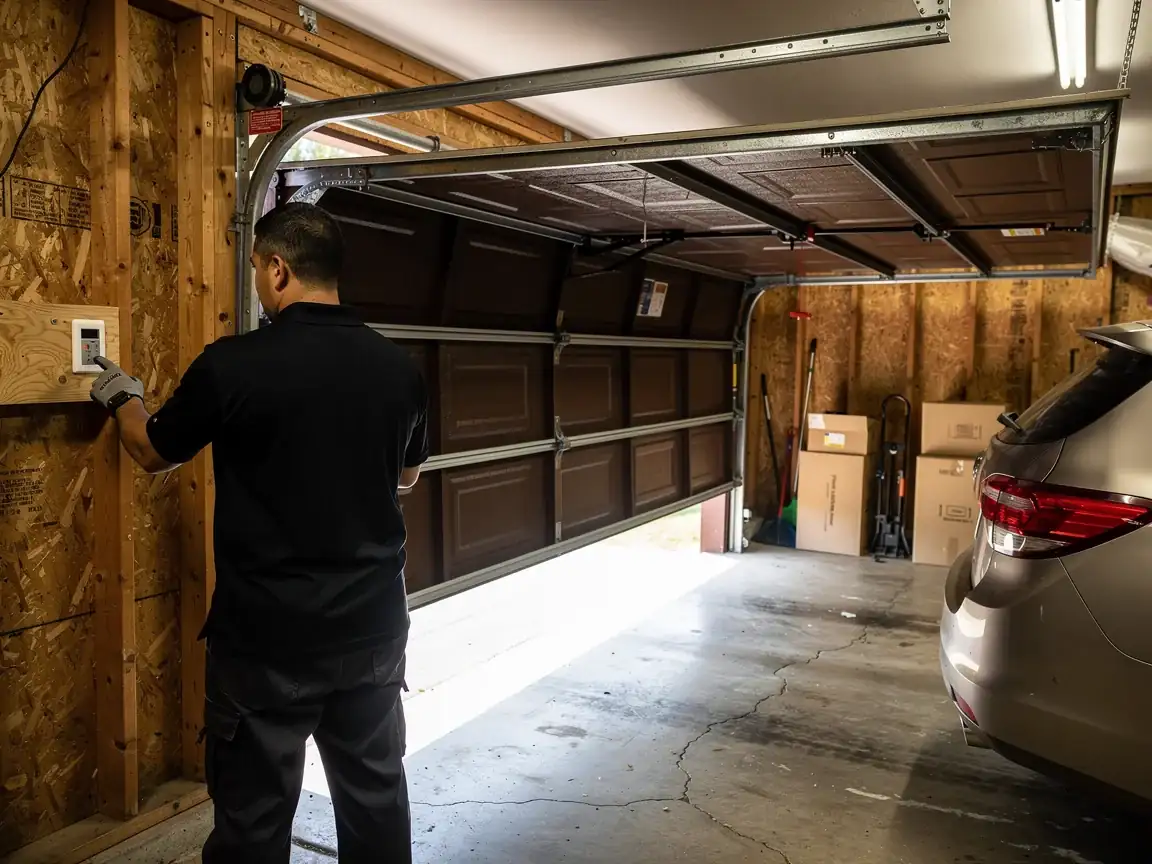
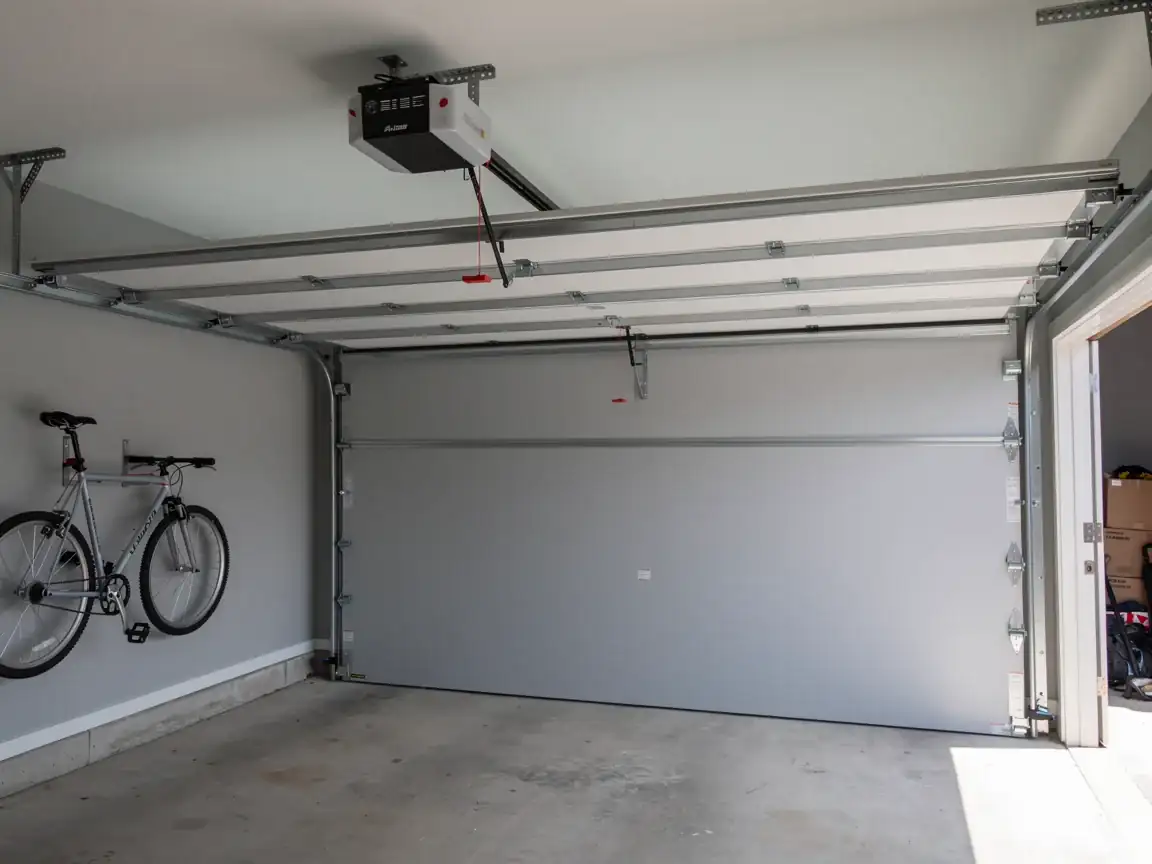
Homes from the early 90s on almost always came with photo-eye safety sensors already wired in
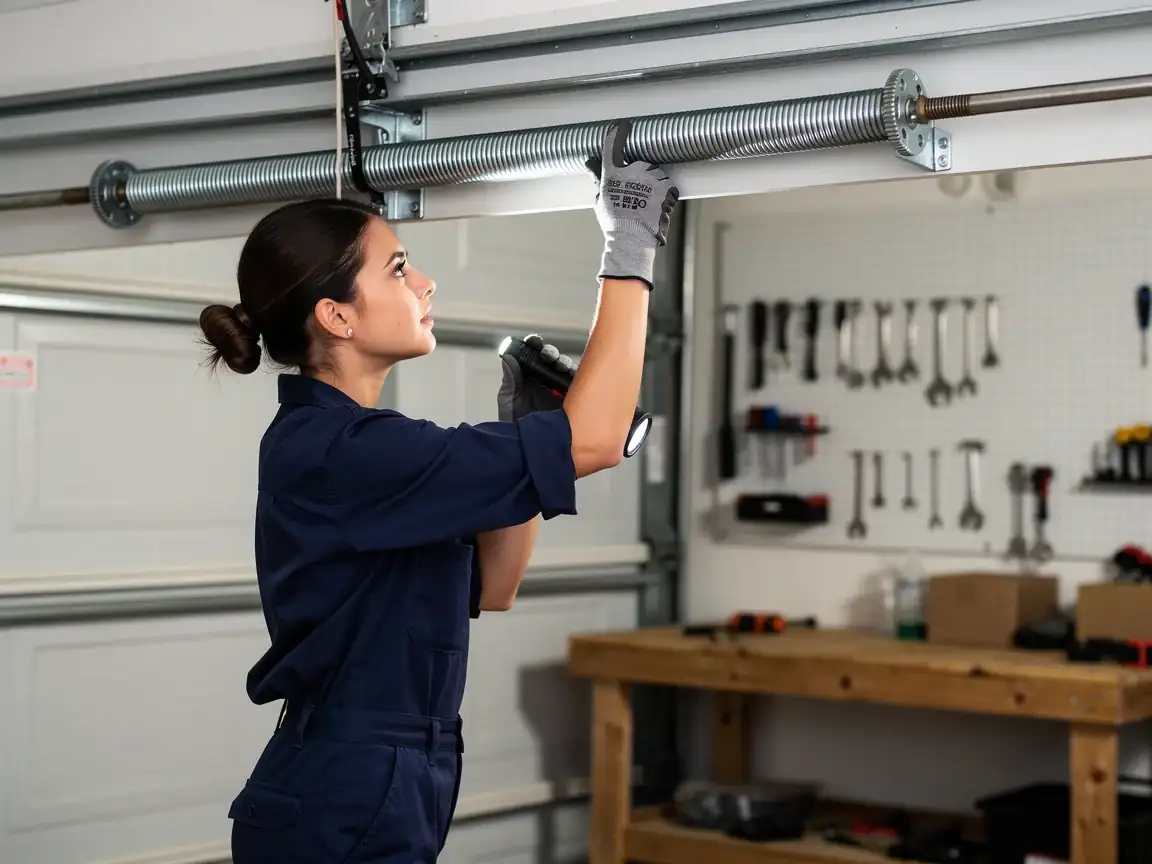
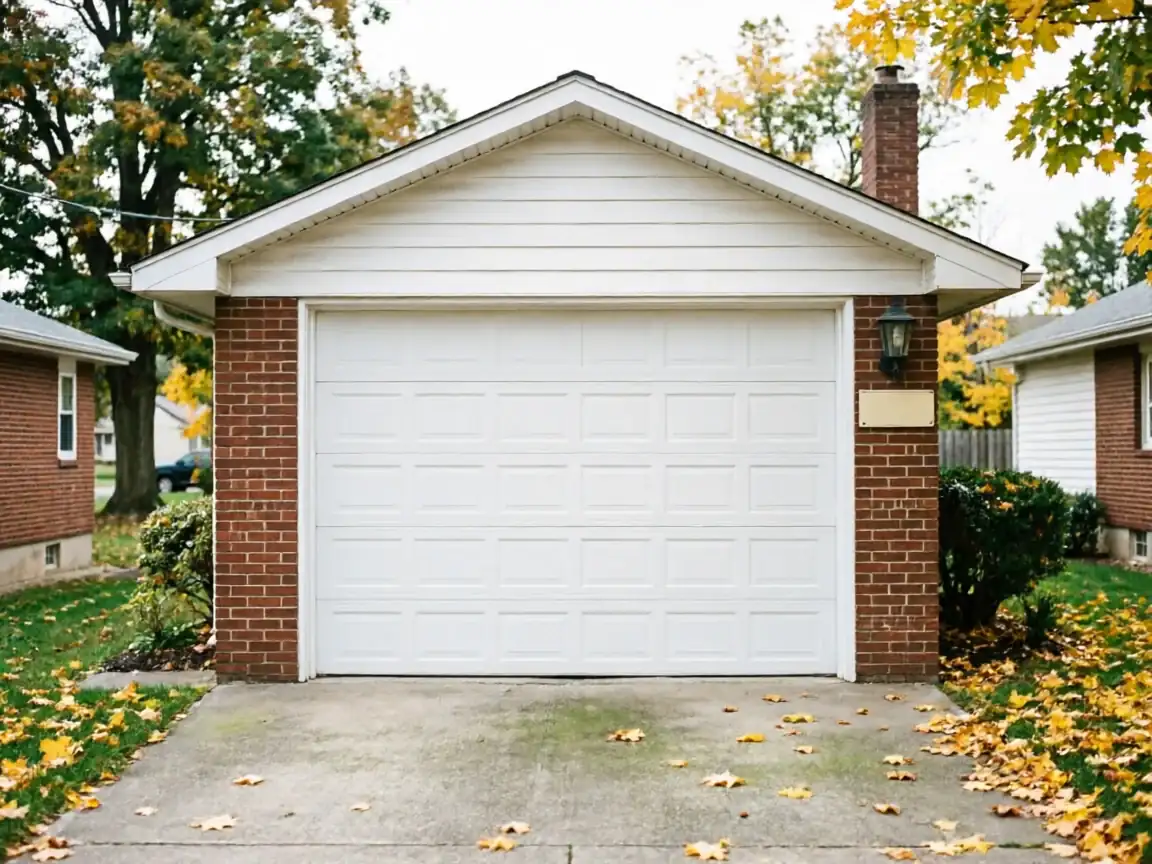
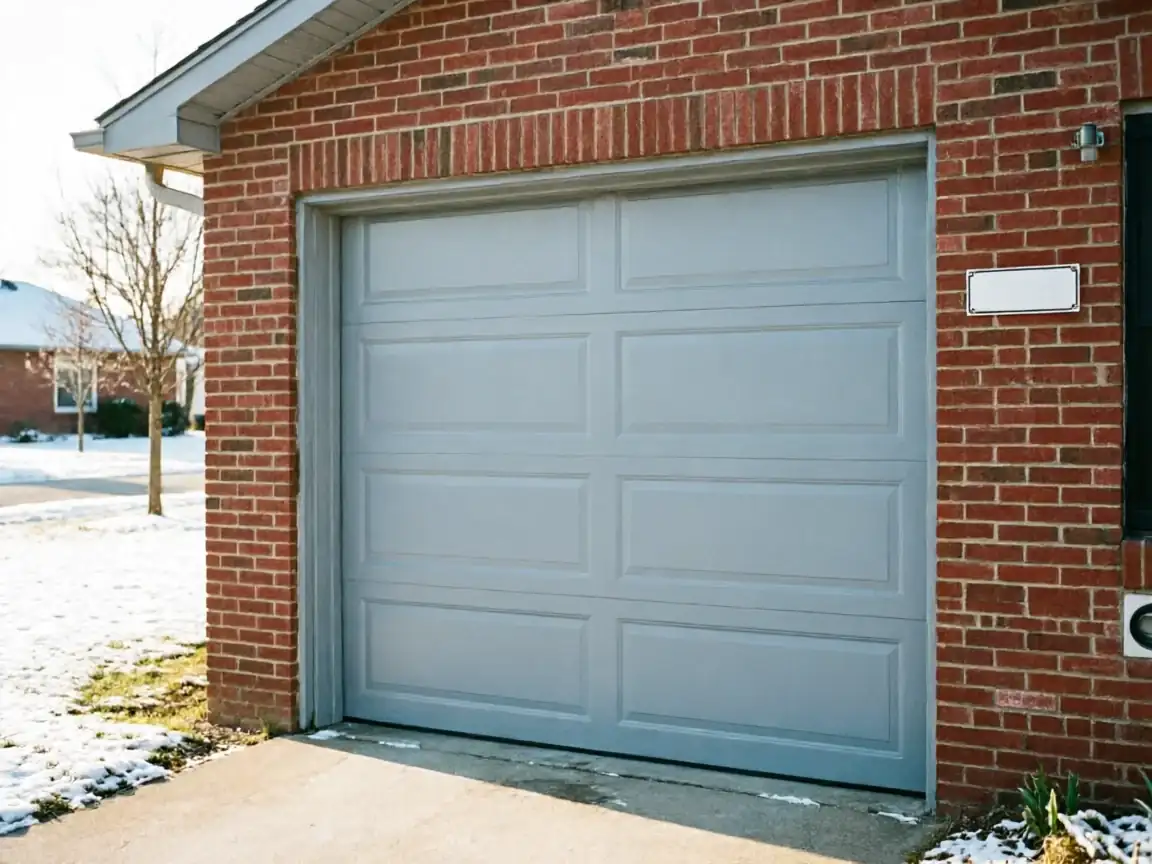
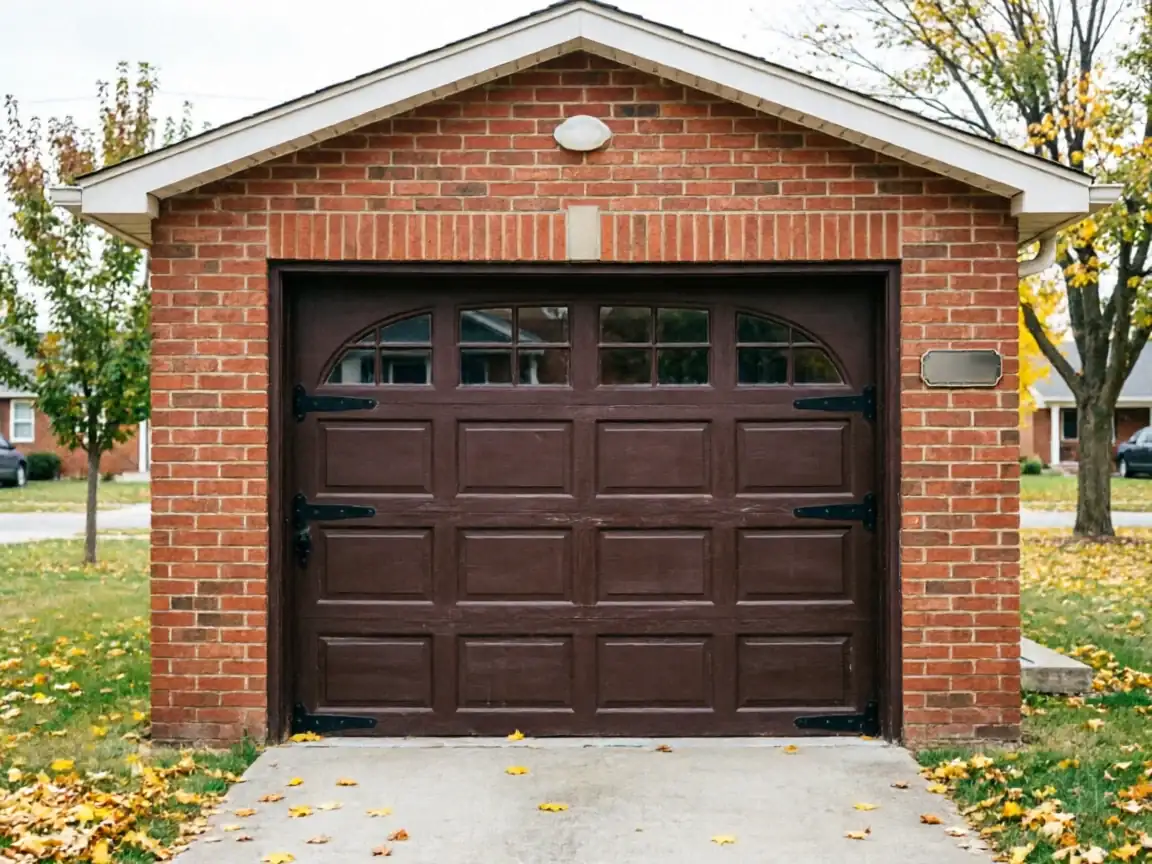
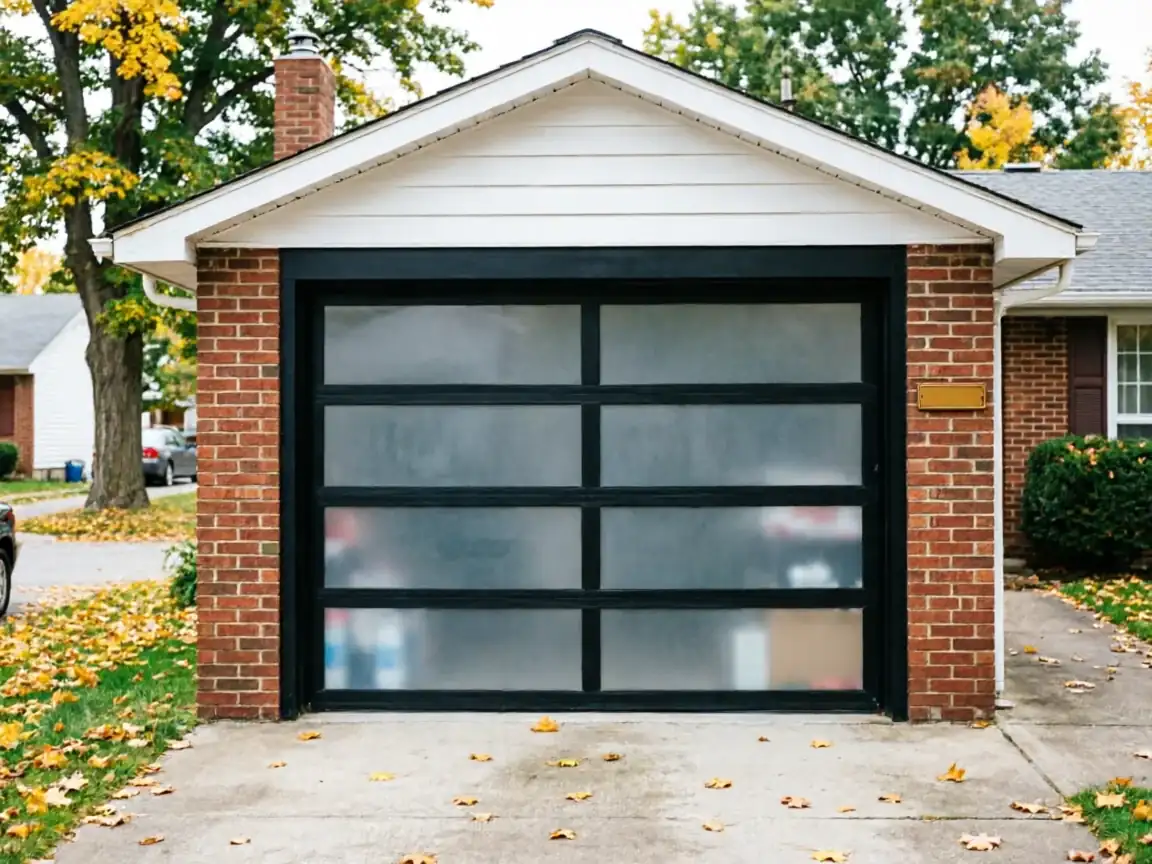
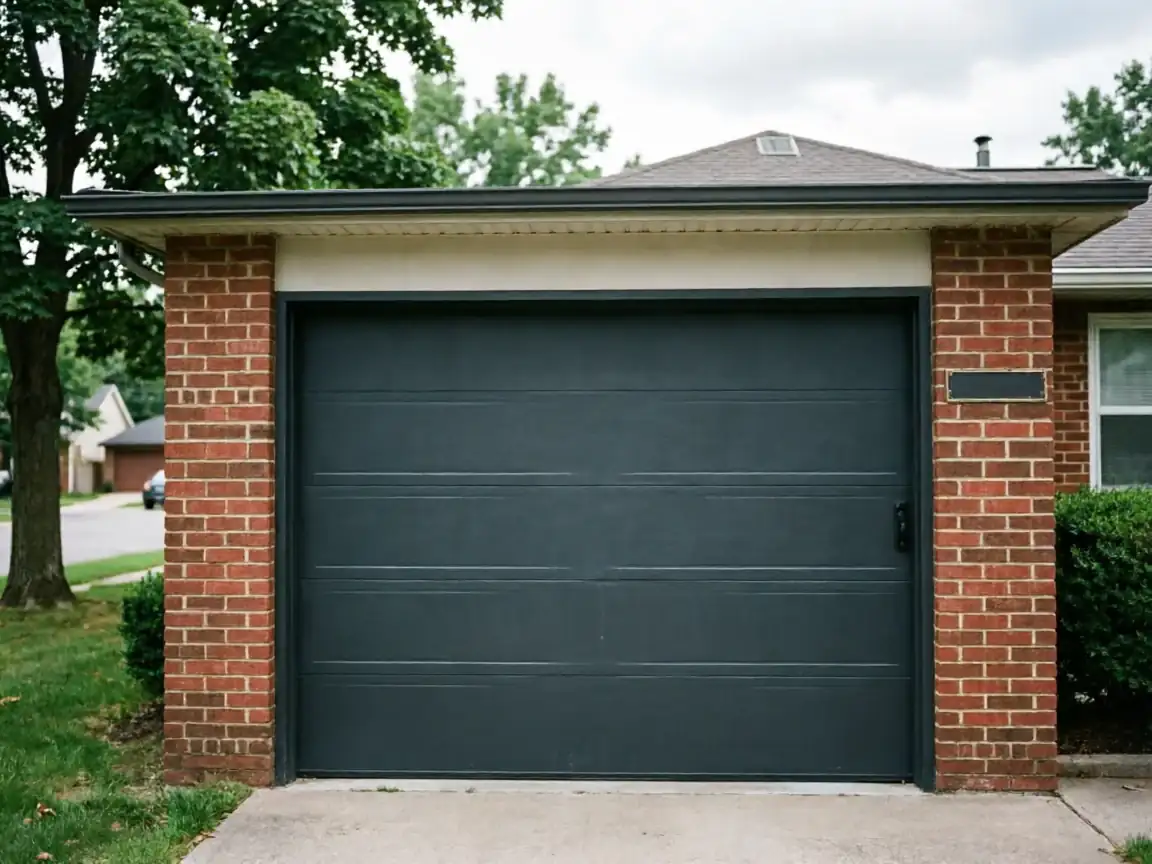
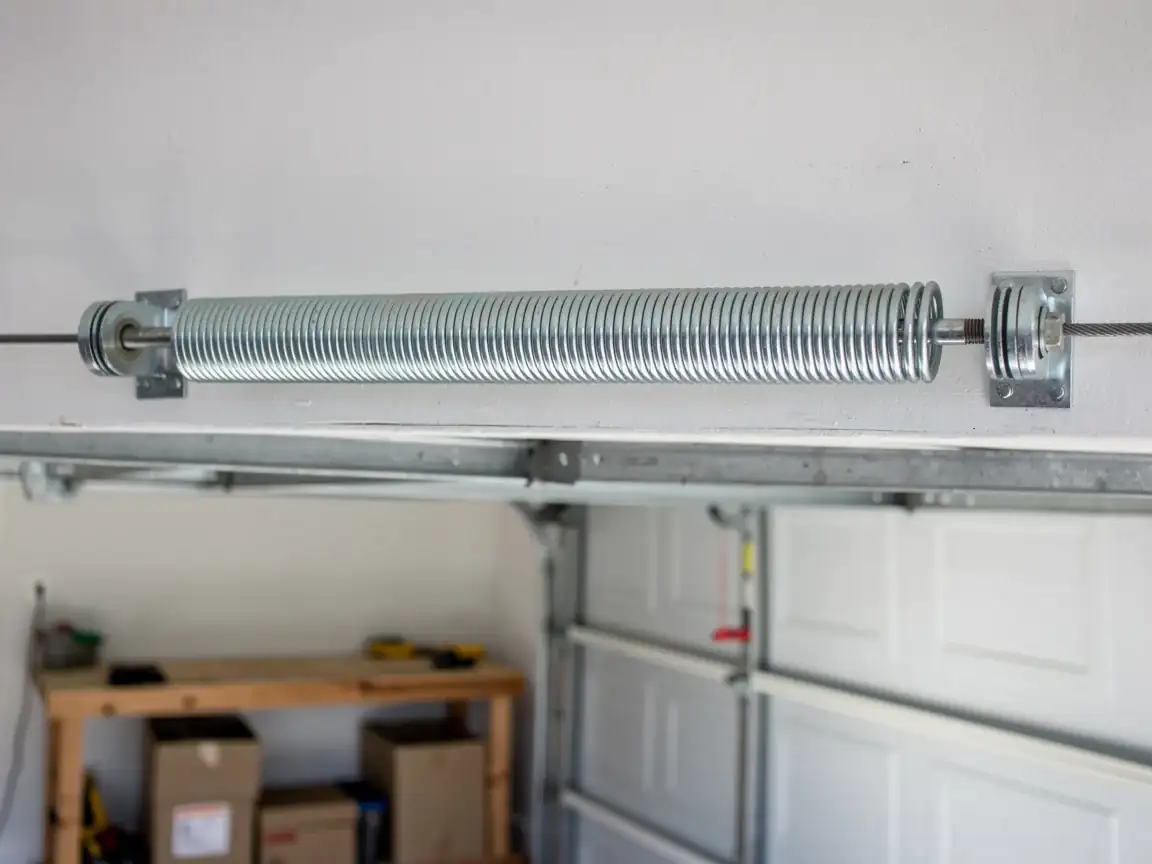
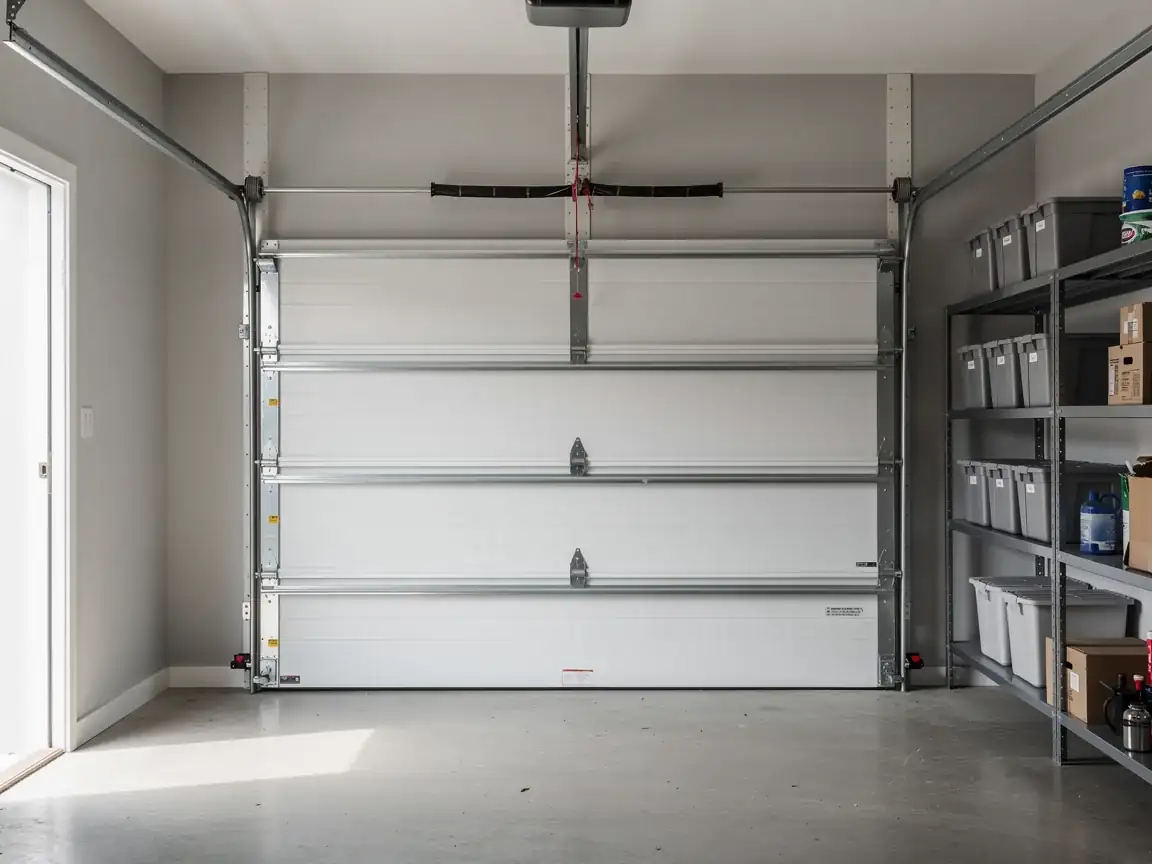
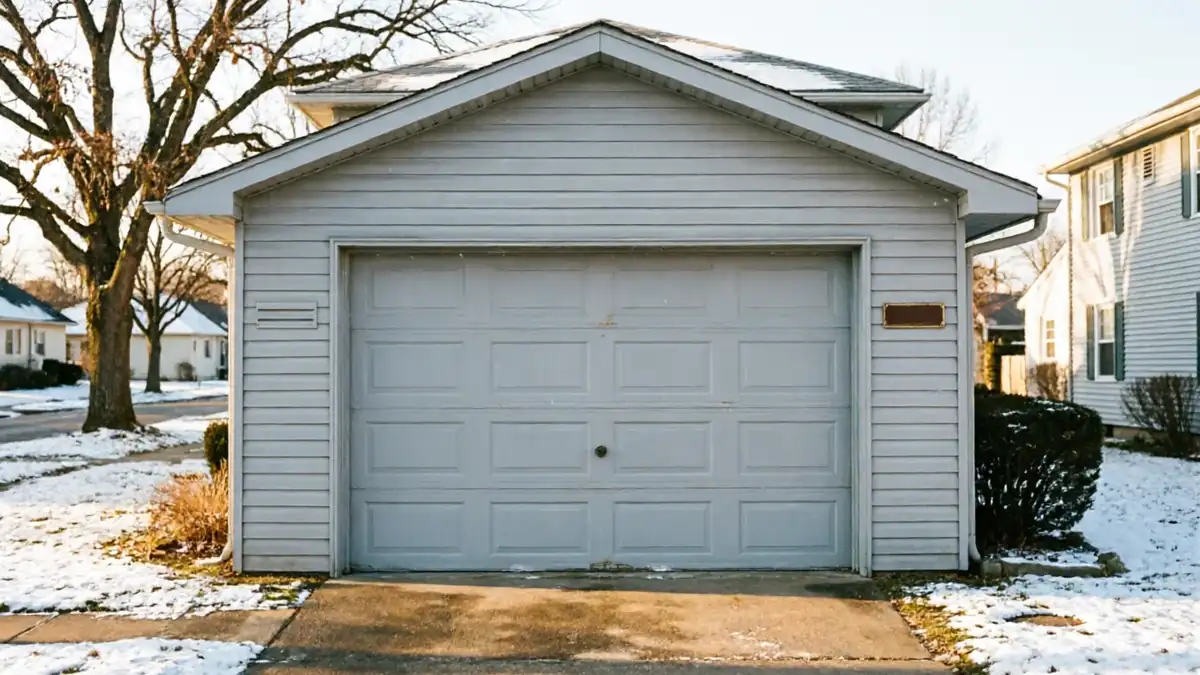
Since that became a federal requirement for openers in 1993. The doors themselves tend to be insulated steel sections rather than the older single-layer wood or one-piece doors you still see in the 1960s pockets of the wider area. Springs are more likely to be torsion-mounted on a center shaft rather than the side-mounted extension setups that show up on older garages.
The climate here is cold and moderate
So insulation value on these newer doors actually does some work in winter - unlike an uninsulated older door where it's mostly cosmetic. When something fails on a Wildwood door, it's usually an opener board, a worn roller, or a cable that's frayed from age, not the kind of frozen-in-place hardware you find on a 50-year-old track.
The Houses Here
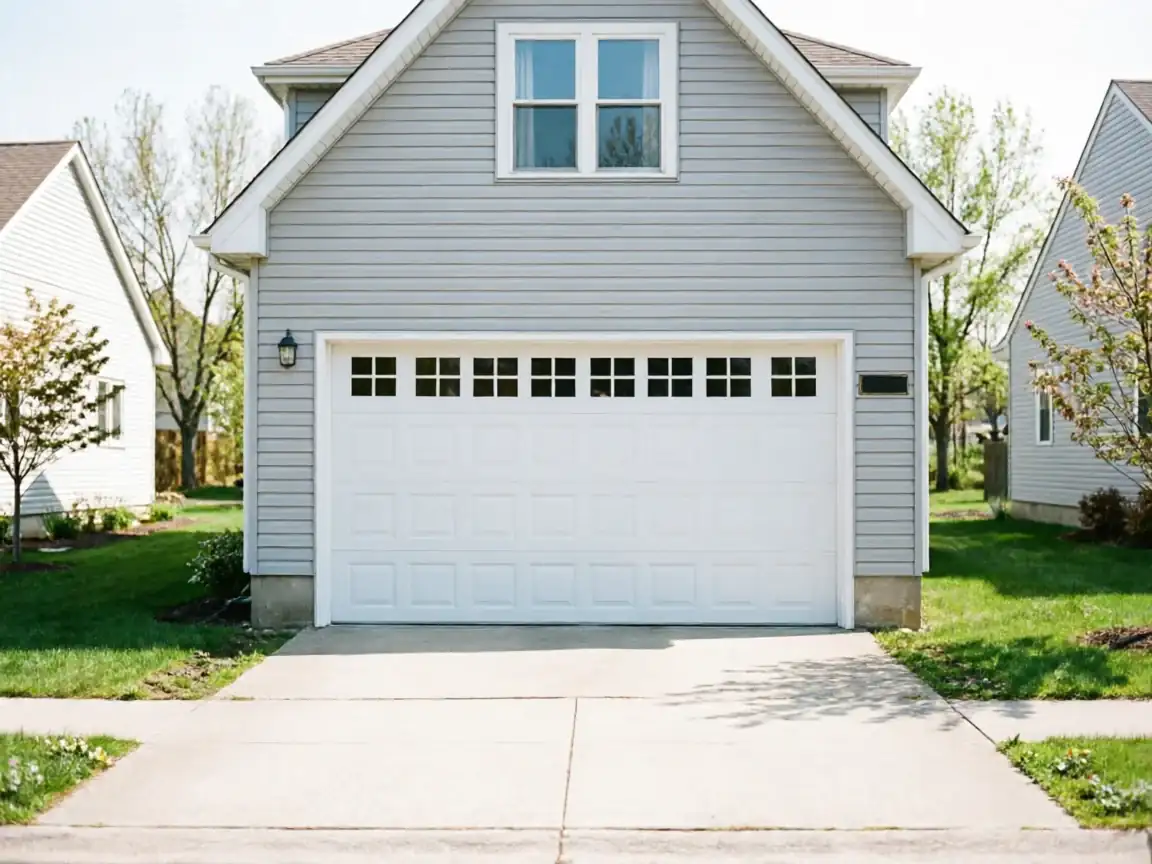
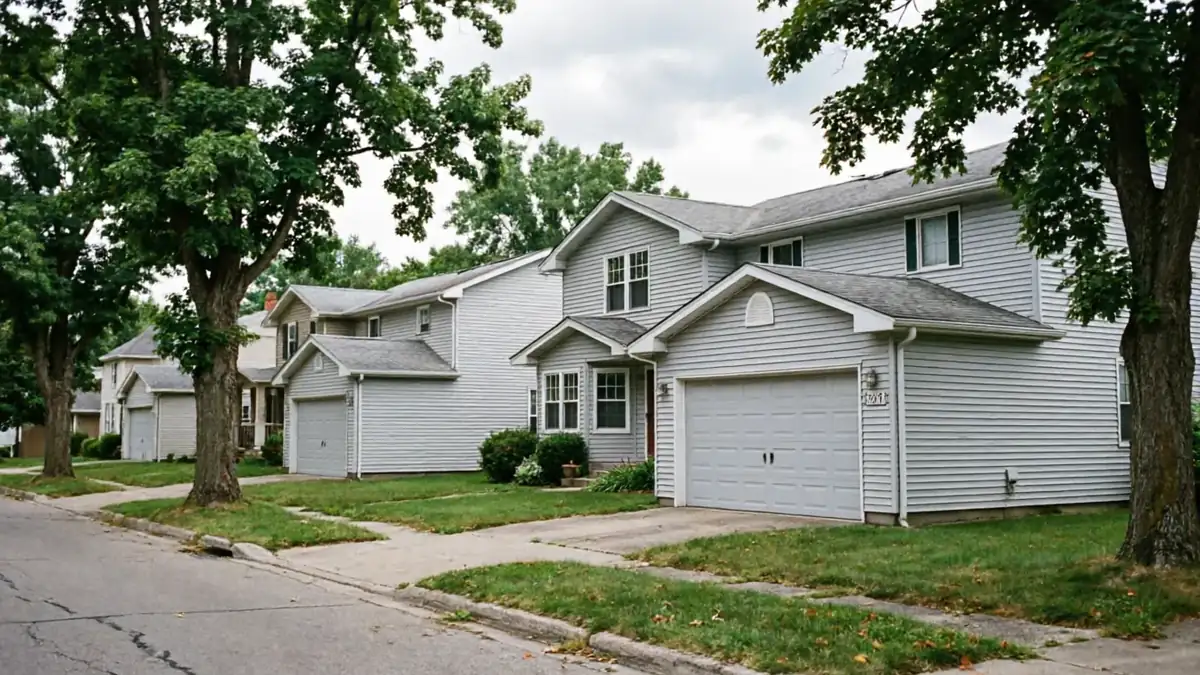
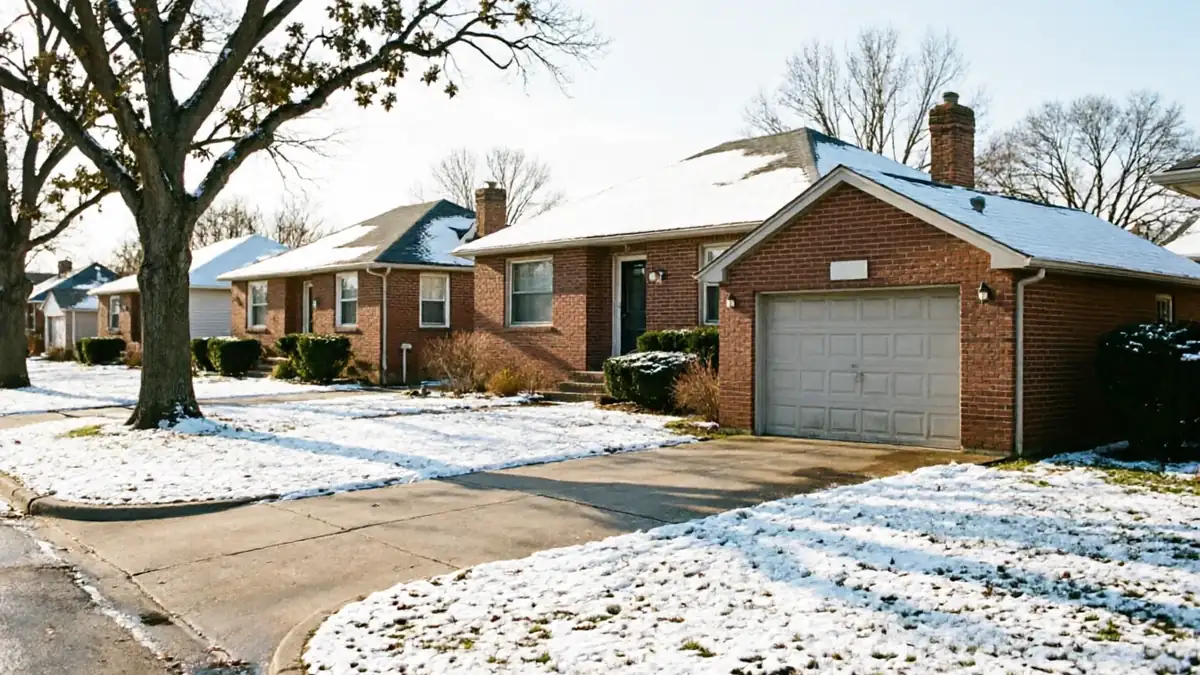
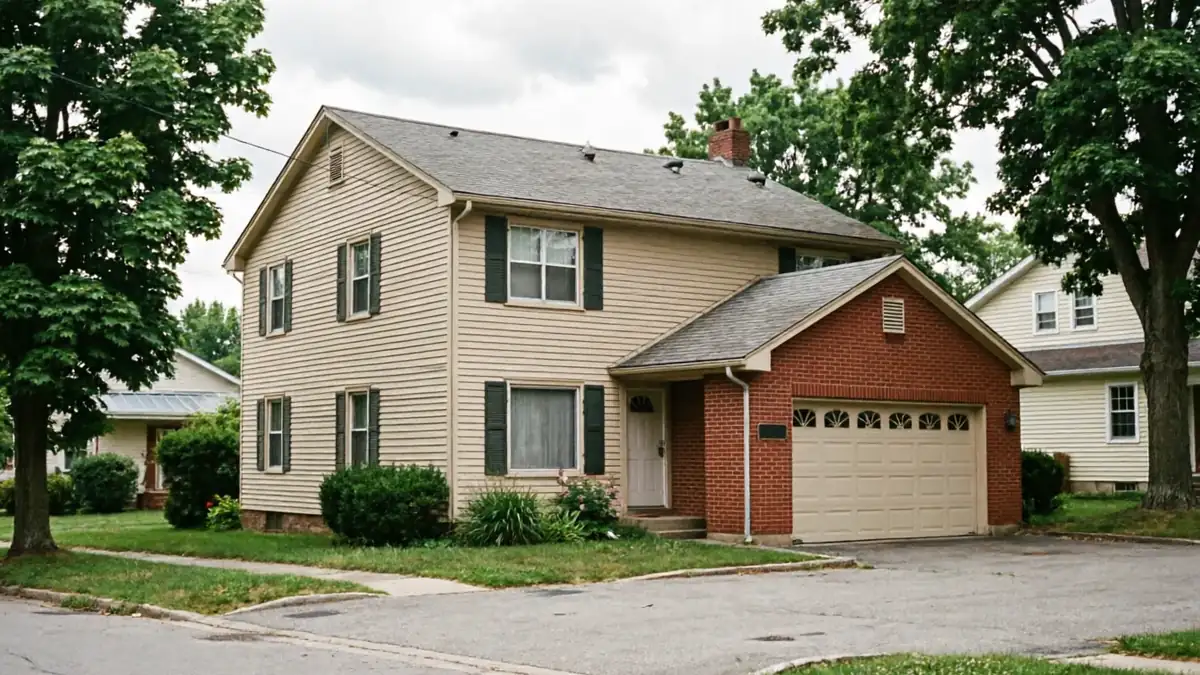
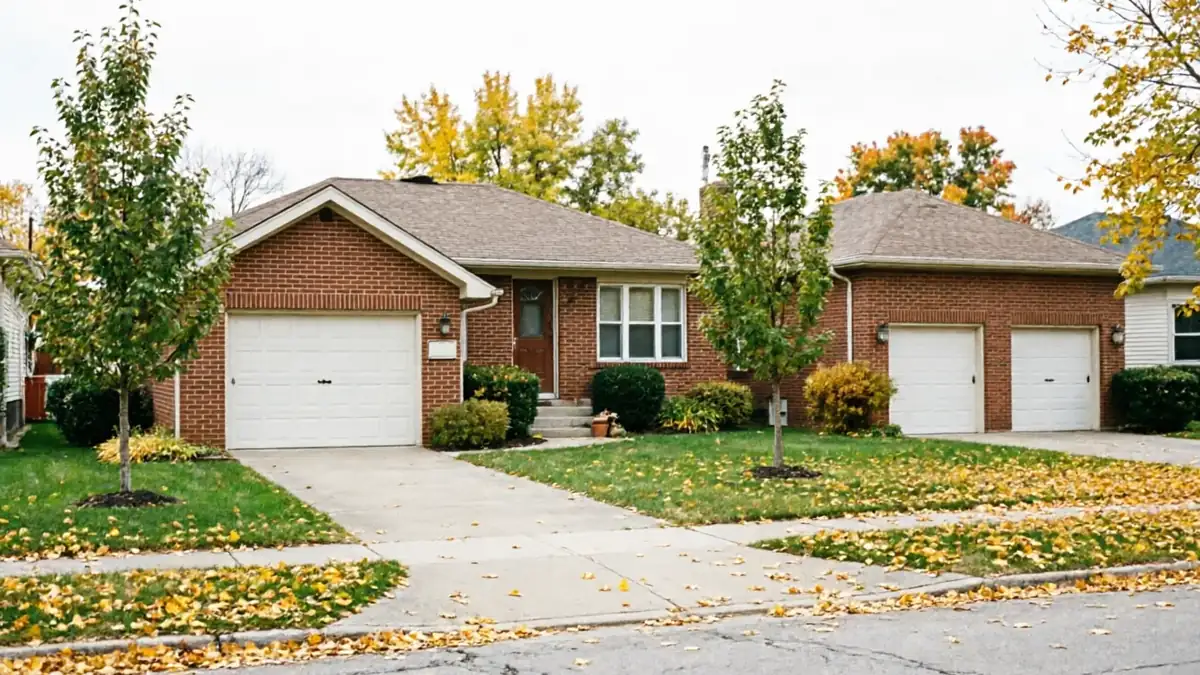
Wildwood has about 12,966 households, and the median income runs $157,750 - well above the $86,641 median across the broader service area. That gap shows up in the garages themselves. We see more three-car layouts here, wider double doors, and higher-end opener units with belt drives and keypad entry rather than the bare chain-drive setups common on older, smaller homes.
For context, the full service area we cover counts 274,722 households and 148,813 owner-occupied houses. Wildwood is a smaller, newer slice of that total, not a representative sample of it. If you're used to hearing general advice about 1960s torsion springs or original wood doors, most of that doesn't apply to a Wildwood build from the 90s or 2000s.
What we do still see here: doors that have simply logged 20-30 years of cycles. Rollers wear out, cables fray, and openers from that era are reaching the end of their expected service life even on a well-built house. Newer doesn't mean maintenance-free, it means different failure points than the older stock nearby.
How Soon We Can Come Out
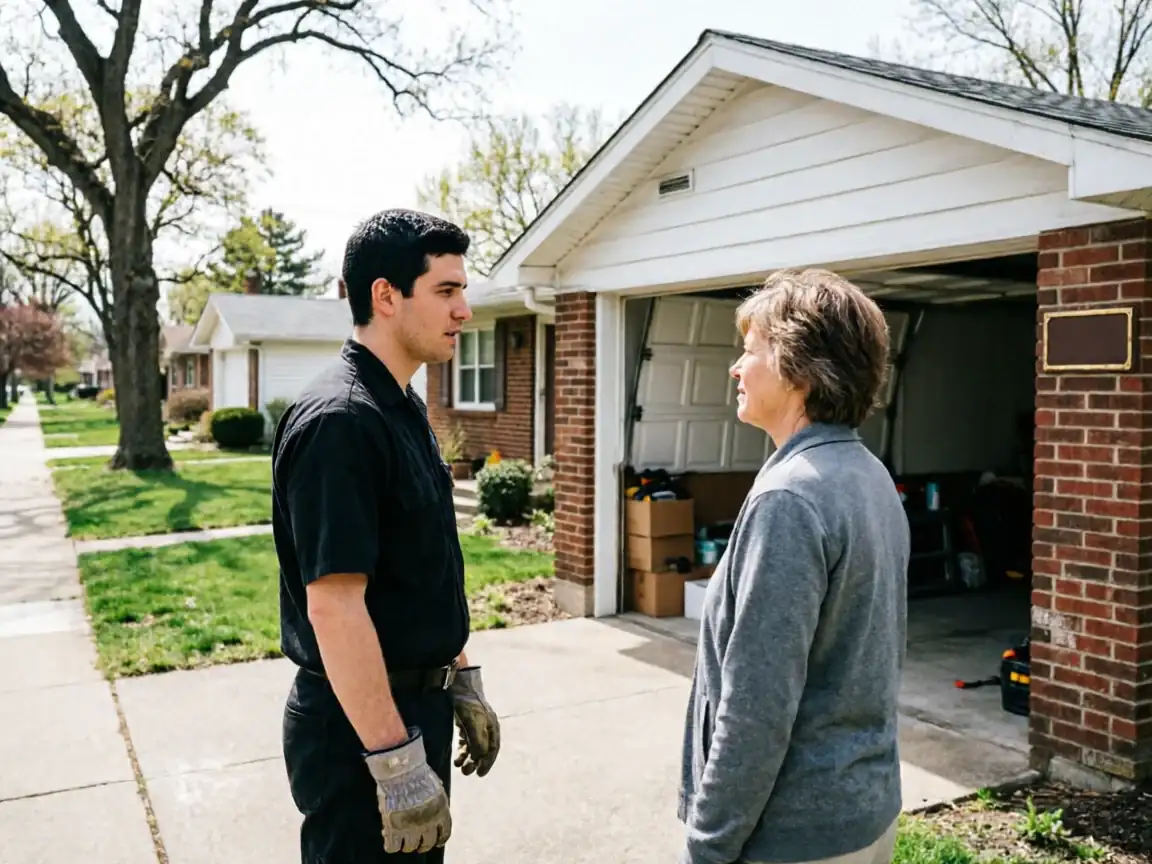
We're based in Chesterfield, and Wildwood sits about 8 miles out. We don't keep a depot or drop-in counter in Wildwood itself - every job starts with a drive from our shop. When you call, tell us what the door is doing (won't open, stuck halfway, spring snapped, opener dead) so we can bring the right parts on the truck rather than making a second trip.
We don't advertise a guaranteed arrival window for Wildwood specifically, since it depends on where our trucks already are that day and what the job ahead of yours needs. What we can tell you is that 8 miles is a short drive, not a cross-county haul, and it's within the normal range we run every day.
If your door is stuck open or closed and it's blocking a car you need, say so when you call - that changes how we route the day. If it's a noise or a slow roller, that's a job we can schedule rather than rush.
What We Do Not Do
We don't keep a stock of parts for every door style sitting in a warehouse in Wildwood
Because there isn't one here. Anything unusual gets ordered and that can mean a wait if the part isn't common.
We also won't tell you a repair makes sense on a door that's cheaper to replace outright
On a 1990s-era Wildwood garage, that's a real conversation sometimes: if the opener board, the springs, and the rollers are all failing around the same time, patching each one separately usually costs more than swapping the unit.
We don't do walk-in service out of a storefront in Wildwood
Everything routes through our Chesterfield shop and the truck comes to you. And we're not going to guess at a diagnosis over the phone and quote a fixed price before someone's looked at the actual spring, track, or panel in person. Garage doors have enough variables - torsion vs extension, single vs double, the age of the opener - that a phone quote is a guess, not a number you should plan around.