Why It Happens Here
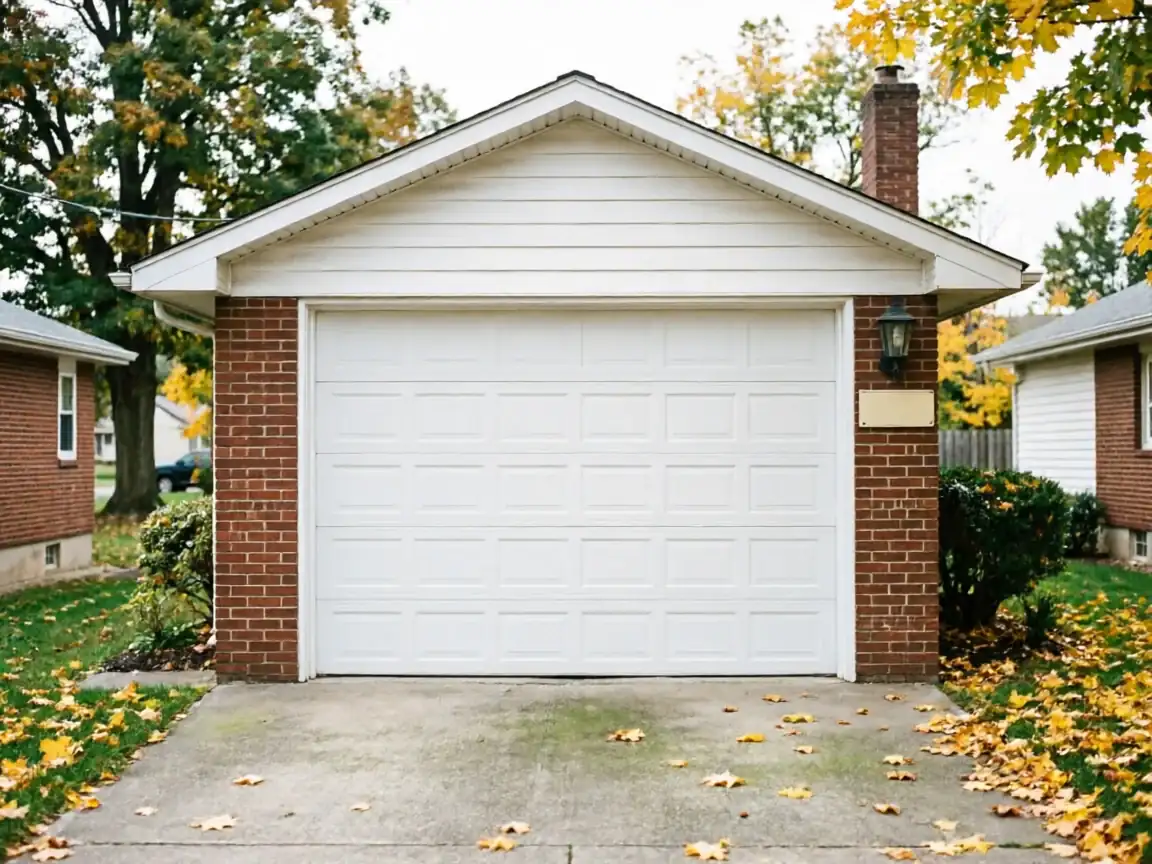
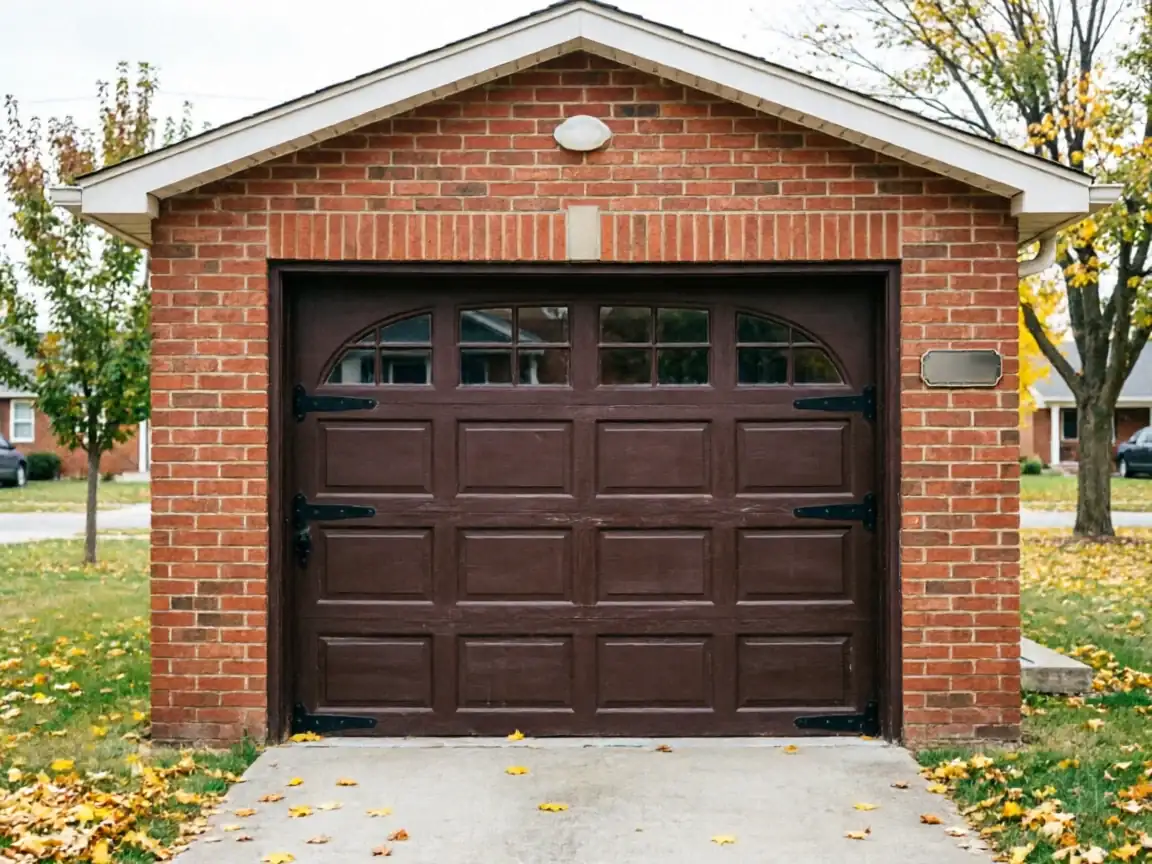
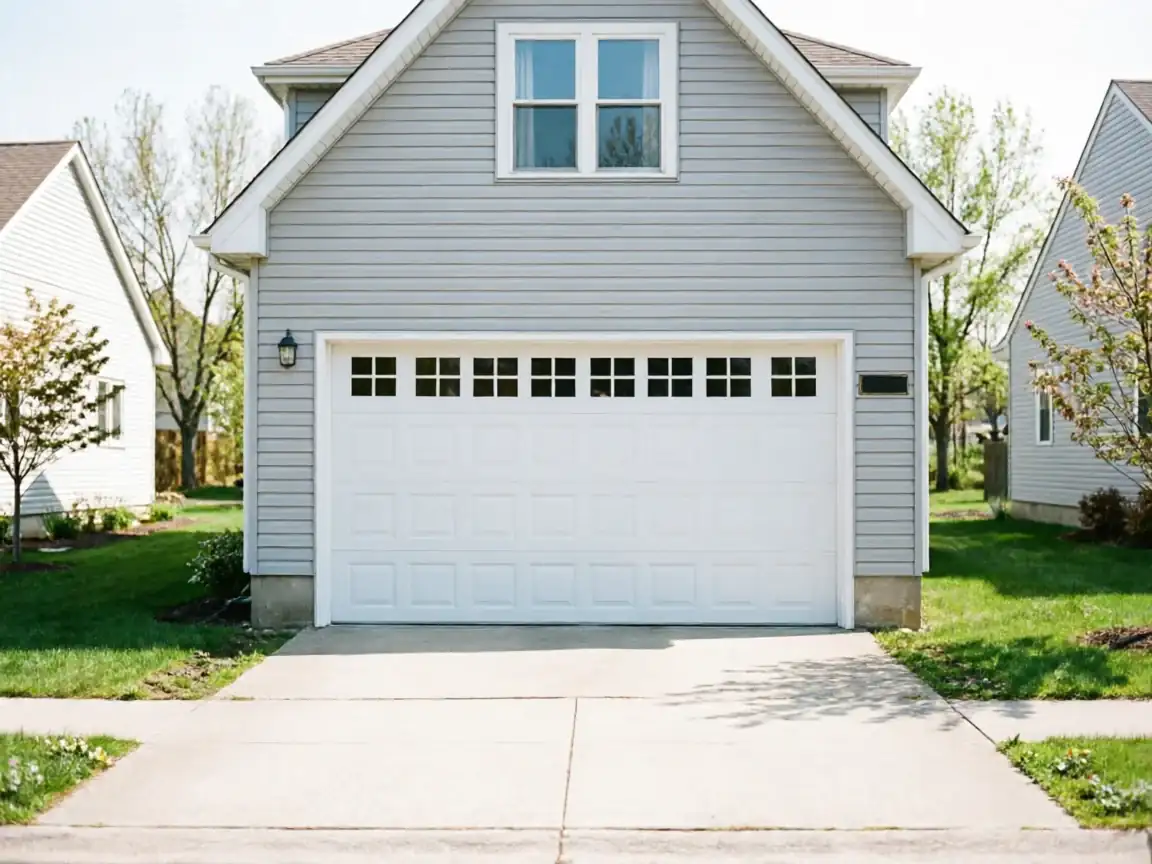
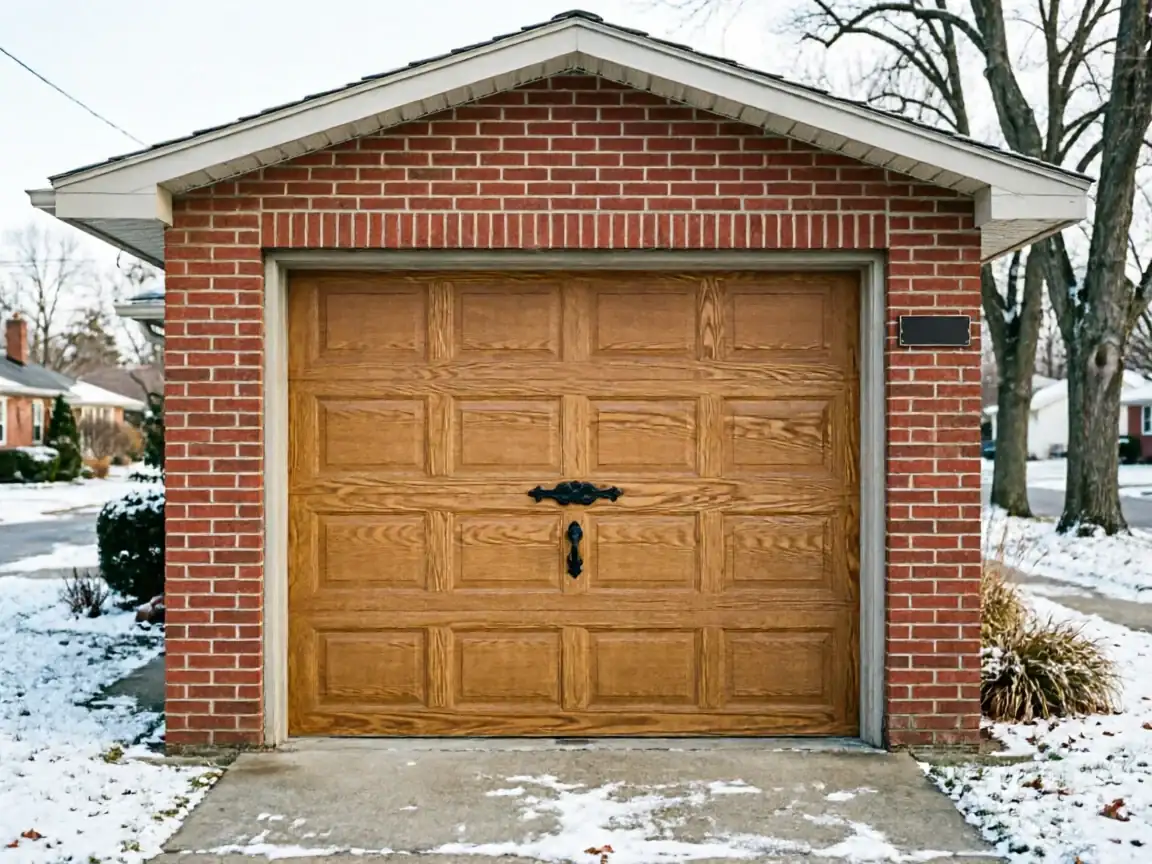
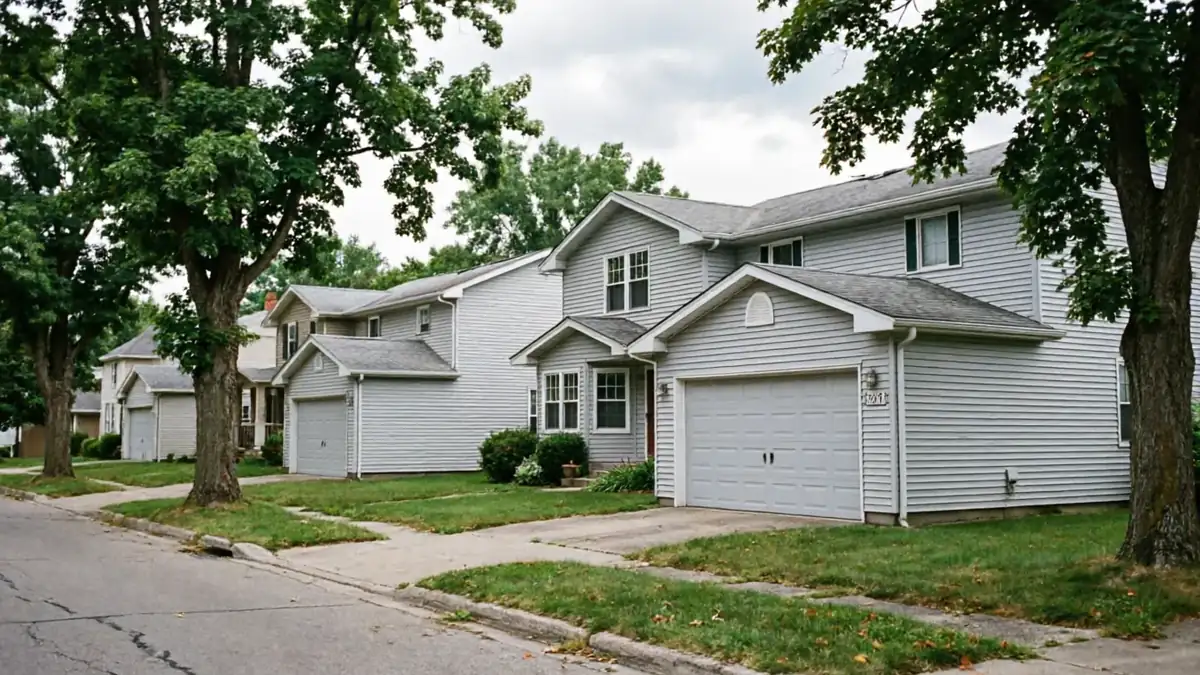
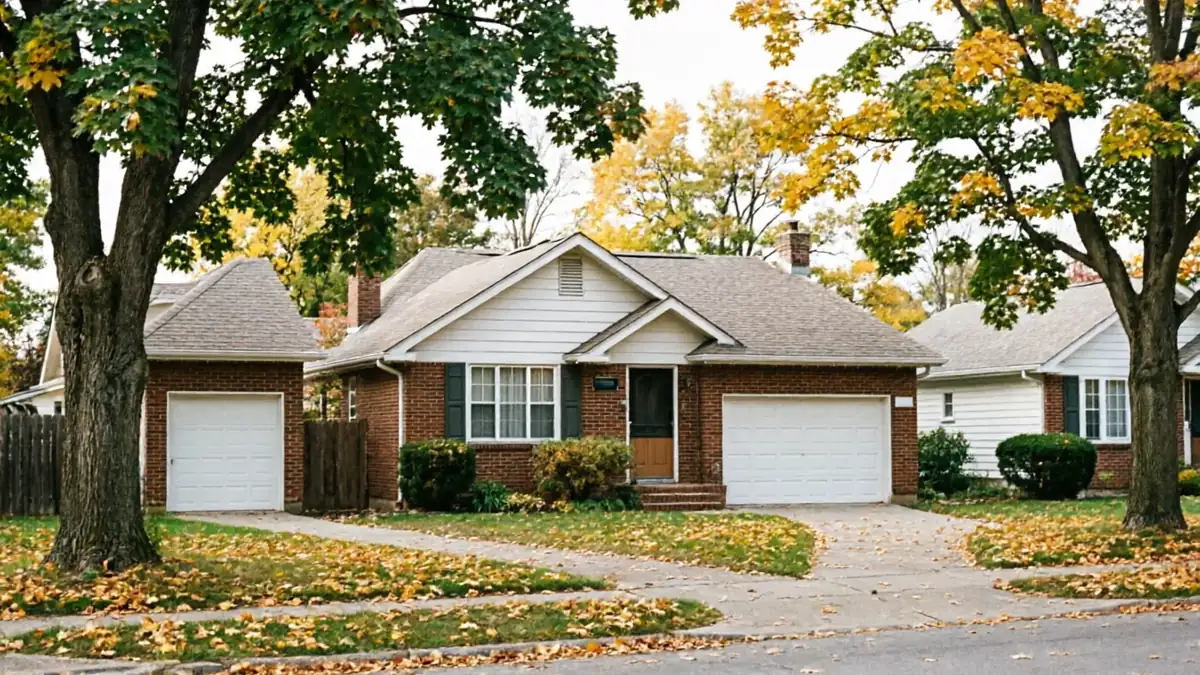
Most of the housing stock in this part of the county went up between 1947 and 2011
With the bulk of it dating to the 1960s and 70s across the 55 named subdivisions we work in. That matters for cables because a lot of those garages still have the original torsion or extension hardware, or a replacement from decades back that was never upgraded to a thicker gauge. A cable that's been flexing over the same drum or pulley for fifty years develops frayed strands long before the door shows any other sign of trouble.
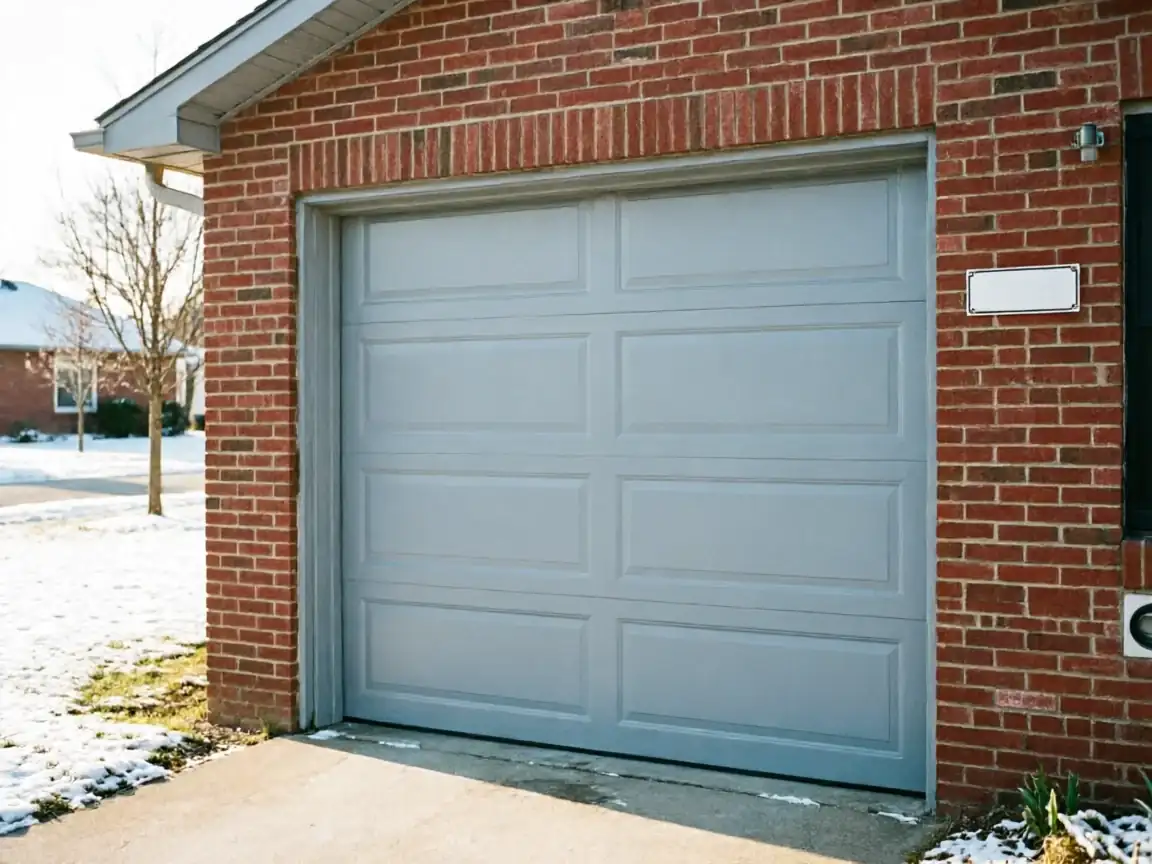
The cold-moderate climate band this area sits in adds its own wear
Winter temperature swings make the galvanized coating on older cables contract and crack, and road salt tracked into the garage on tires speeds up corrosion at the bottom fixture where the cable clamps to the door. We see this pattern across the service area - from the older streets near Clarkson Valley and Ellisville out through Town and Country and Manchester - wherever a house still has its original lift hardware.
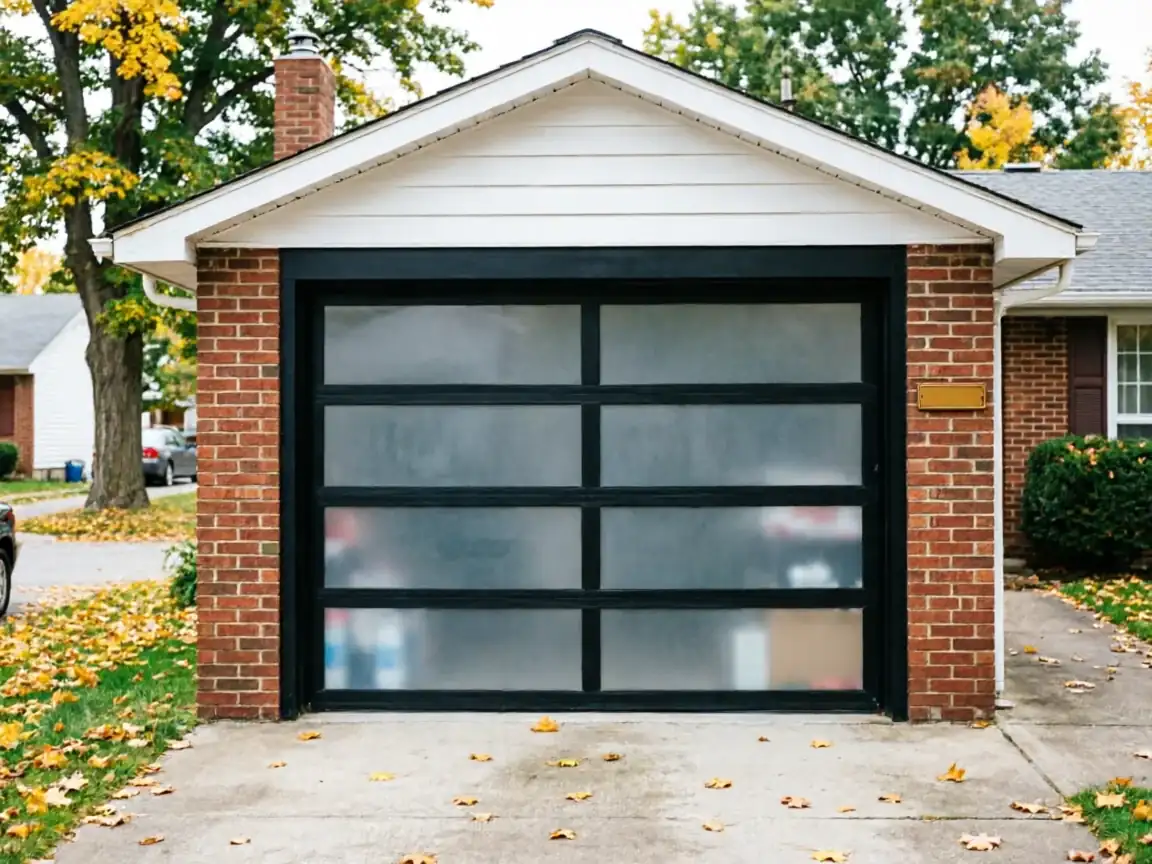
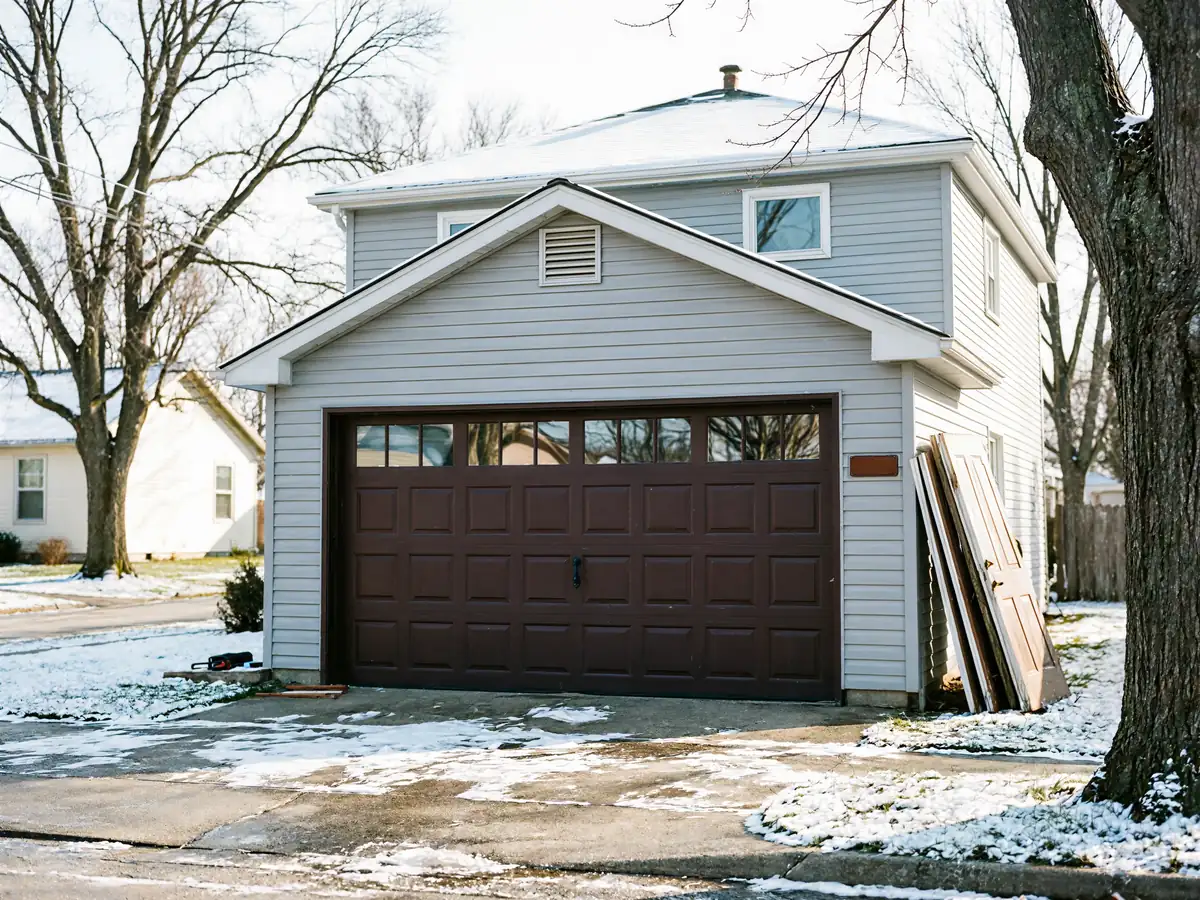
Newer builds in the area, especially anything from the 2000s on
Tend to have galvanized or vinyl-coated cable that holds up better, but even those wear out eventually. The fix isn't exotic. It's matching the right cable gauge and length to the door and doing both sides at once, because if one cable is frayed the other one is close behind it.
What Can Go Wrong
A frayed cable rarely fails quietly. The most common version: one strand goes, the cable unwinds off the drum, and the door drops unevenly on one side, sometimes jamming sideways in the tracks. On a torsion-spring door, this can happen fast enough to pinch a finger or drop the door on a car bumper if someone's underneath it when it lets go.
The second pattern is slower - a cable that's stretched or slipped off its drum groove, so the door runs crooked every time you open it, scraping a track or binding a roller. Left alone, that uneven pull puts extra load on the opener's drive mechanism and can bend the track itself, turning a cable job into a track and roller job.
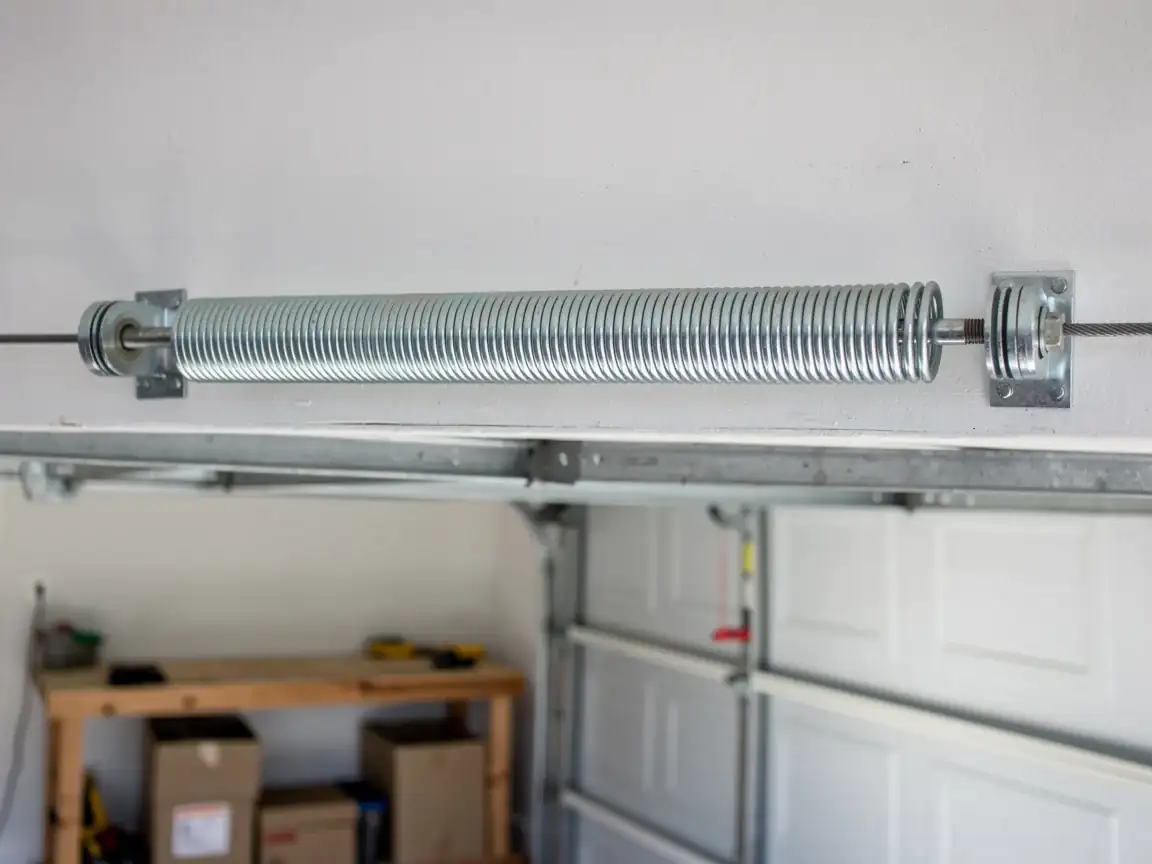
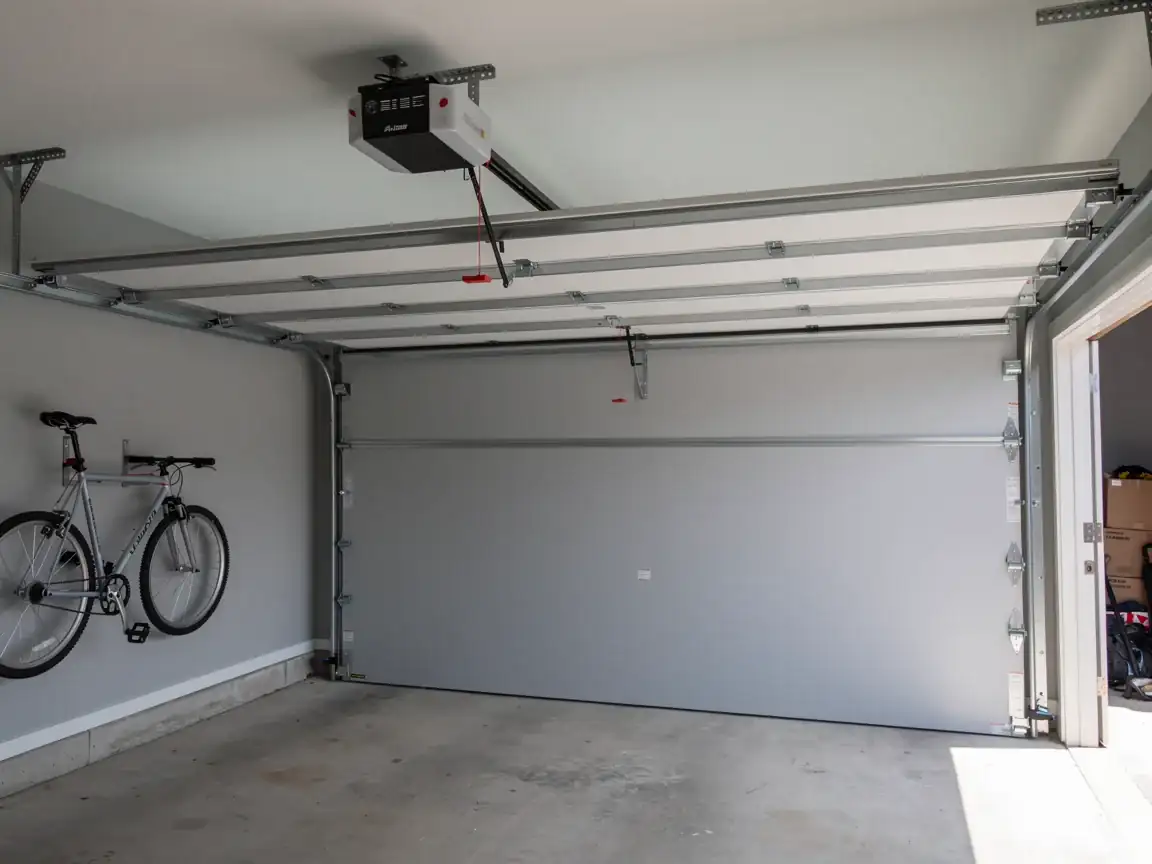
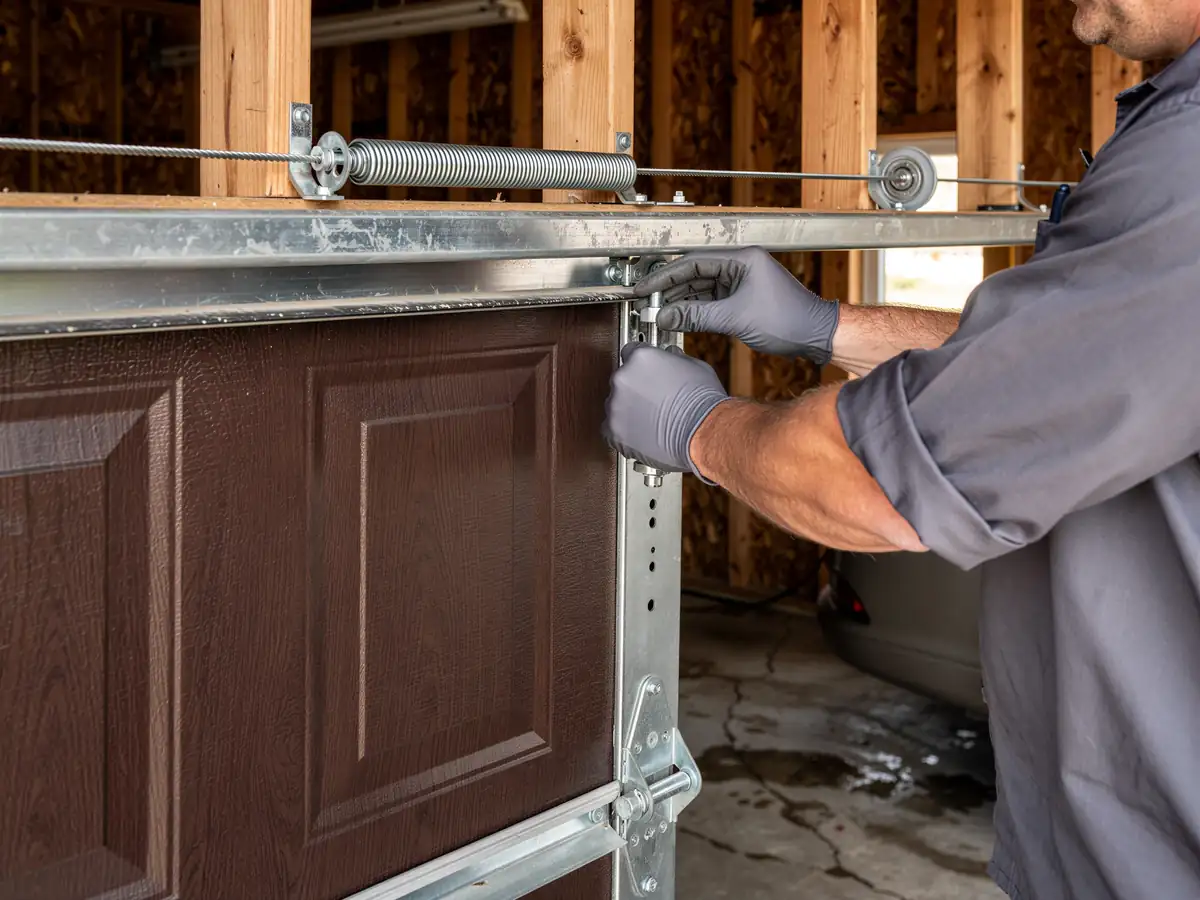
On older extension-spring setups, common in the 1960s and 70s builds across this area, we also see the safety cable - the one that runs through the extension spring itself - rusted through and no longer doing its job if the spring ever snaps. That's not the lift cable, but it's part of the same inspection and it's worth checking every time, because a spring failure without a working safety cable is how doors fall.
What the Fix Involves
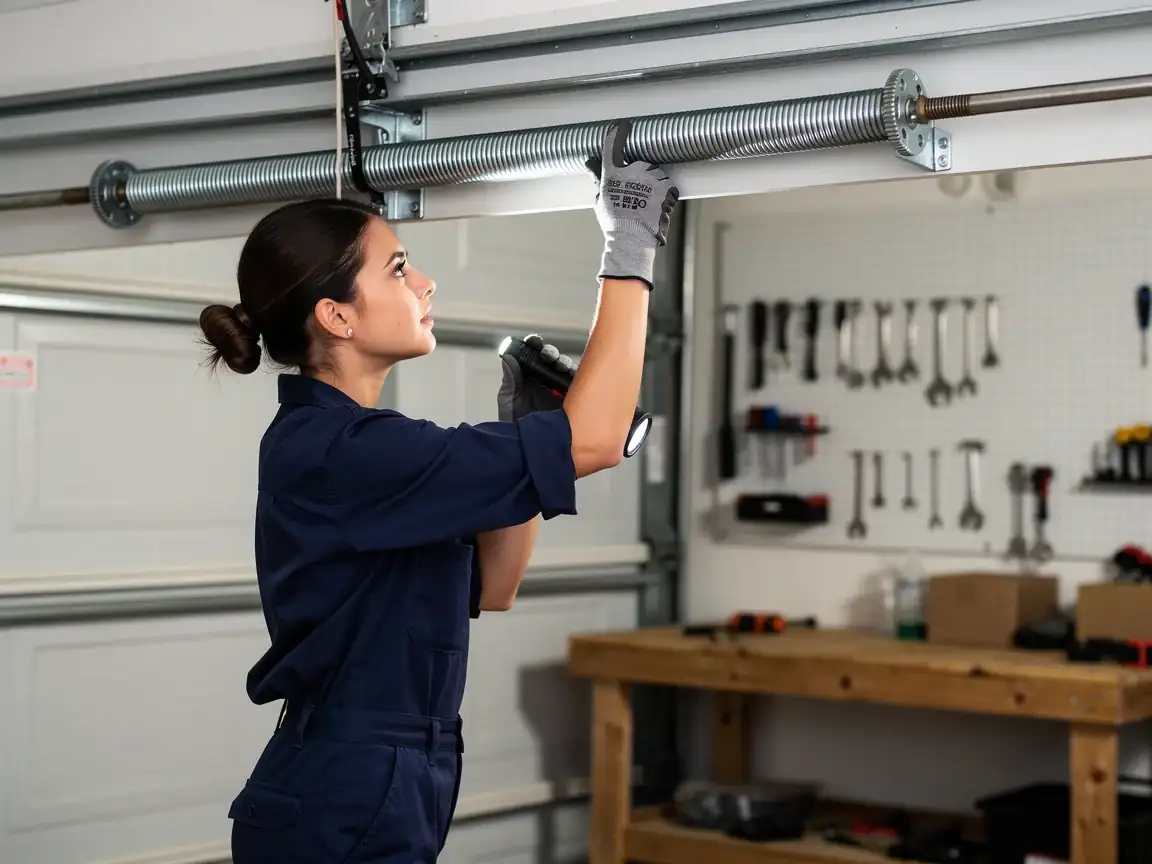
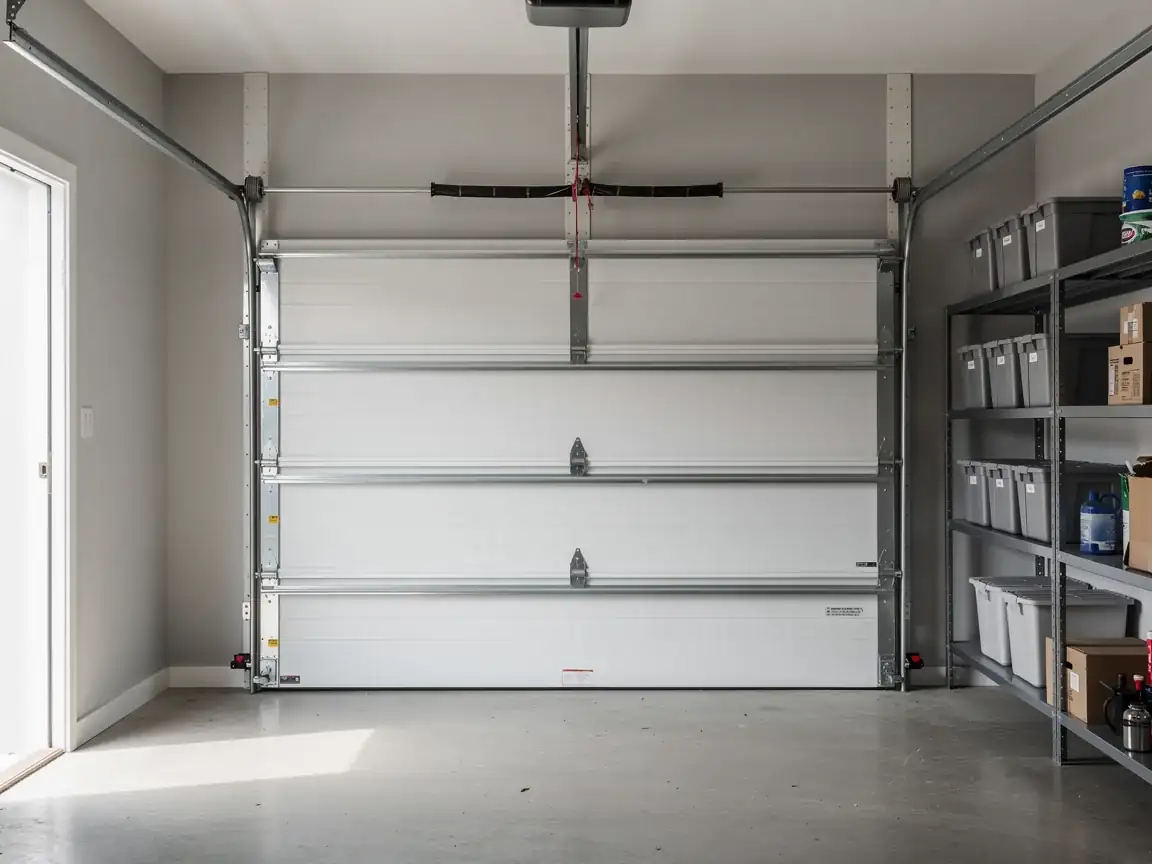
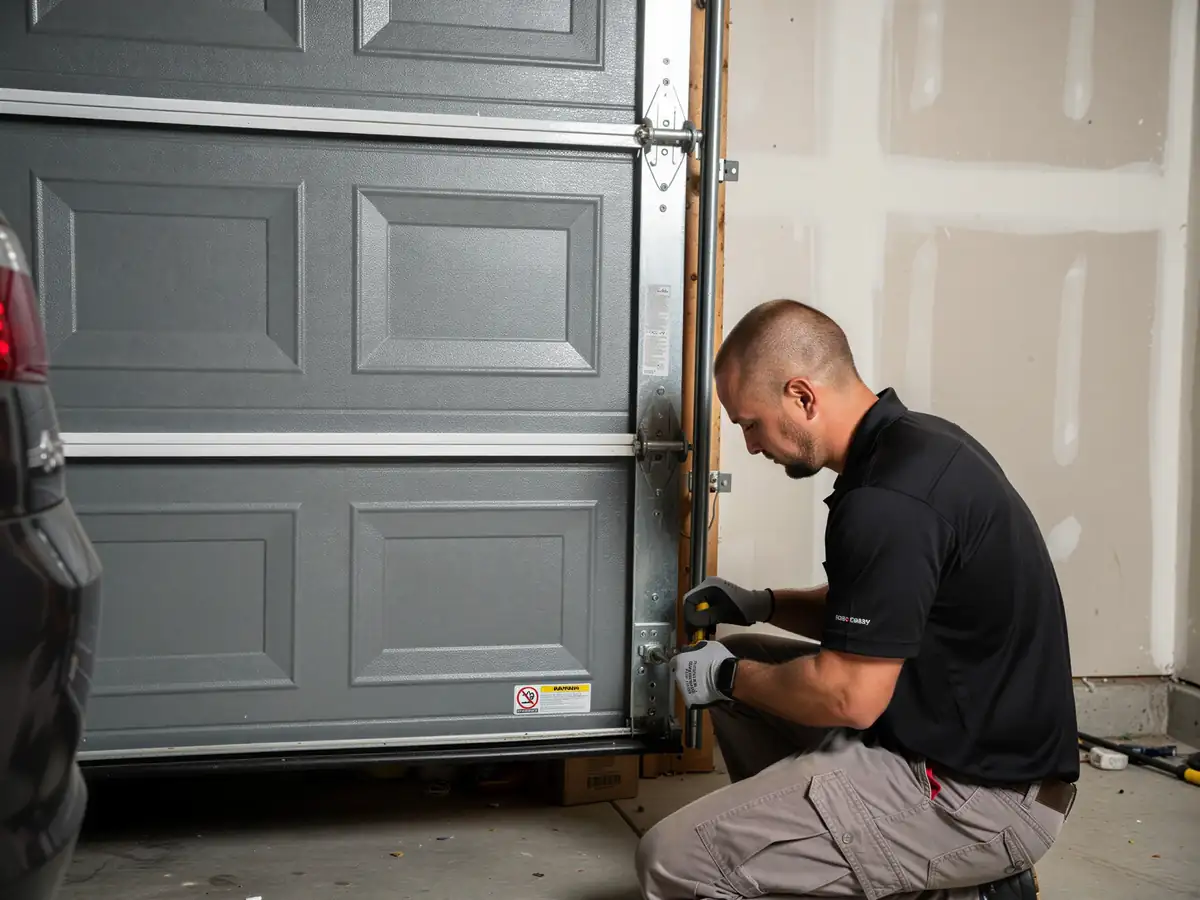
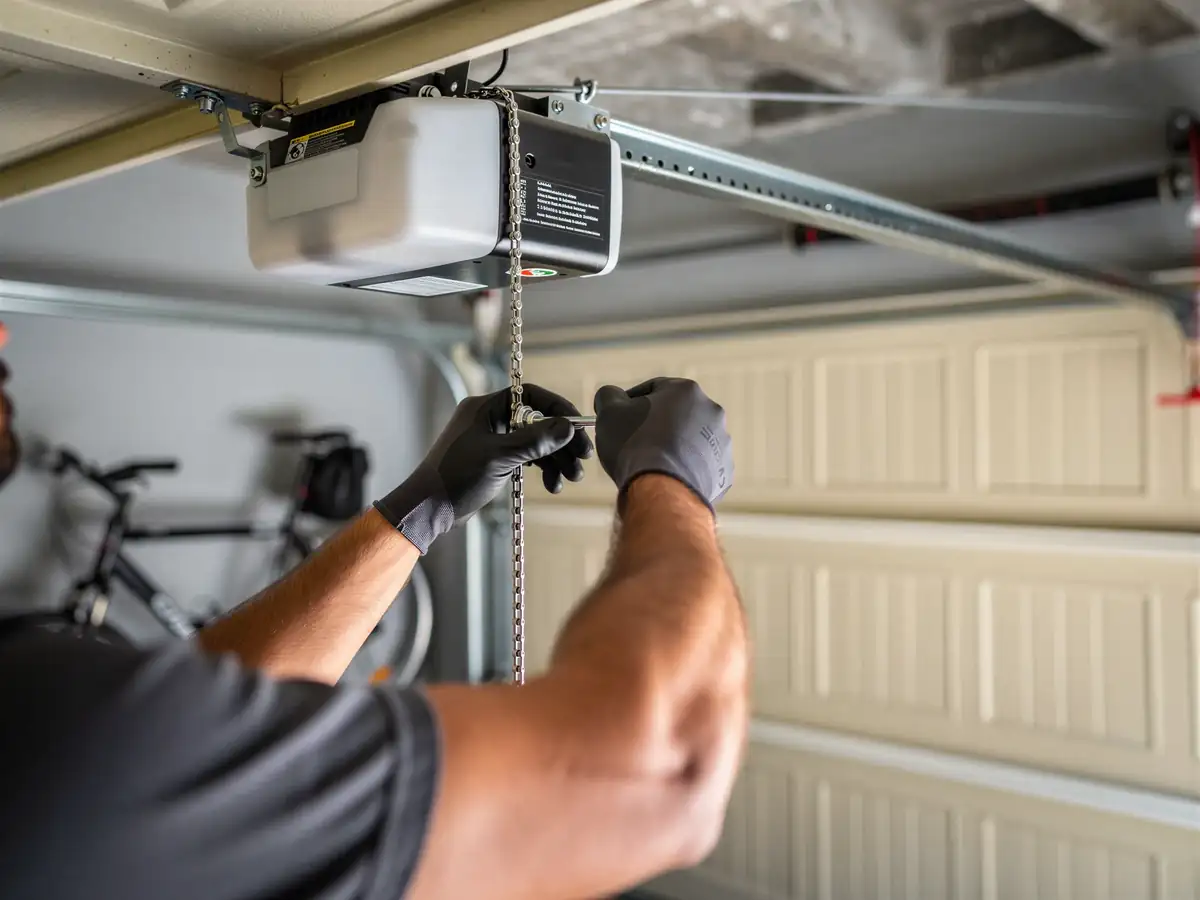
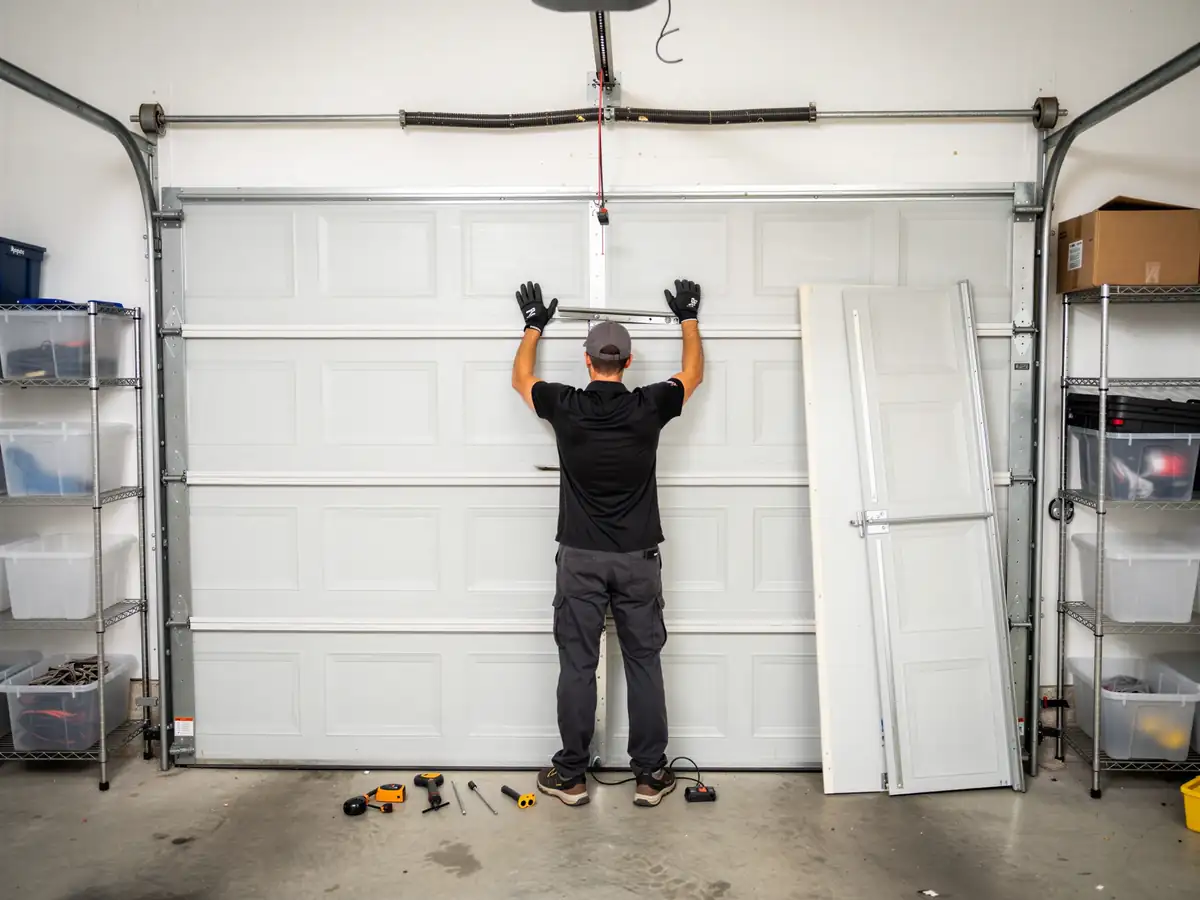
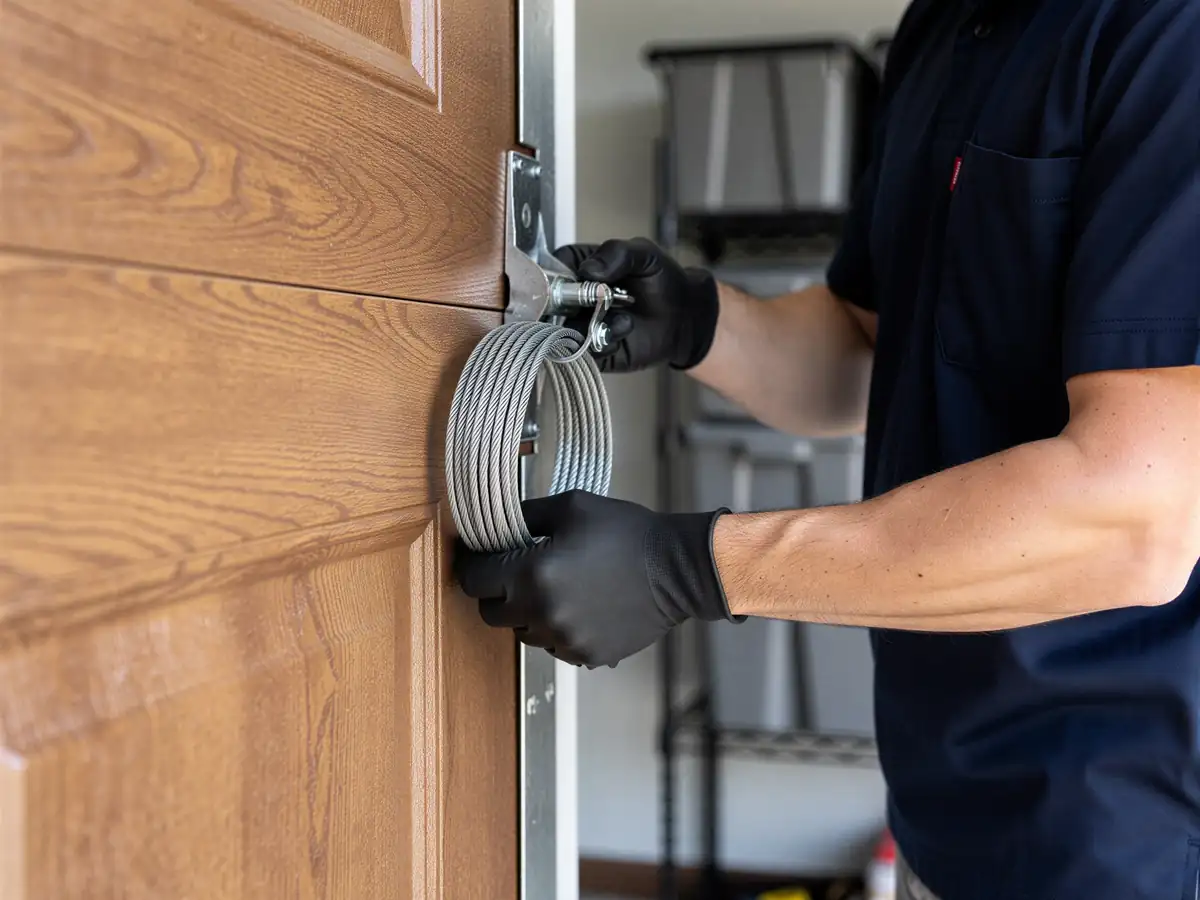
We pull the door, check both cables, both drums, and the bottom fixtures on each side, since a cable rarely fails in isolation from wear on the hardware around it. If one cable is frayed, we replace both, matched to the correct length and gauge for your door and spring system - mixing an old cable with a new one just moves the failure point to the other side within a season or two.
We also check the drums for grooving or cracking, since a cable can look fine but still jump off a worn drum. On extension-spring doors we inspect the safety cables through the springs at the same time, since that's a five-minute check once the door is already open.
One limitation worth saying plainly: if the drums, track, or opener bracket are also worn or bent from running on a bad cable for a while, that's a separate repair, and we'll tell you before we start rather than padding the invoice after. A straightforward two-cable replacement on a standard double door is usually a same-visit job; anything involving a bent track or a seized drum takes longer because we're sourcing parts to match what's already on the door, and that's not always next-day.
The Symptom
The clearest sign is a door that hangs crooked
Lower on one side than the other - when it's partway open or fully closed. You might also hear a snapping or popping sound right before it happens, especially on a cold morning when the cable's already stiff. If the door won't budge at all and one side looks slack while the other is taut, that's a cable off the drum, not a spring failure, and the door shouldn't be forced up by hand or by the opener until it's looked at.
Some owners notice the slower version first
The door runs noisily to one side, a roller rubs the track, or the opener strains and reverses partway through a cycle. That's usually a cable slipping its groove rather than a full break, and it's worth a call before it progresses to a jam. Either way, don't run the opener repeatedly trying to force it - that's how a partial fray becomes a full snap, and how a simple cable swap turns into a track replacement.