The Cost of This Job
We can't give you a flat number here without looking at the door
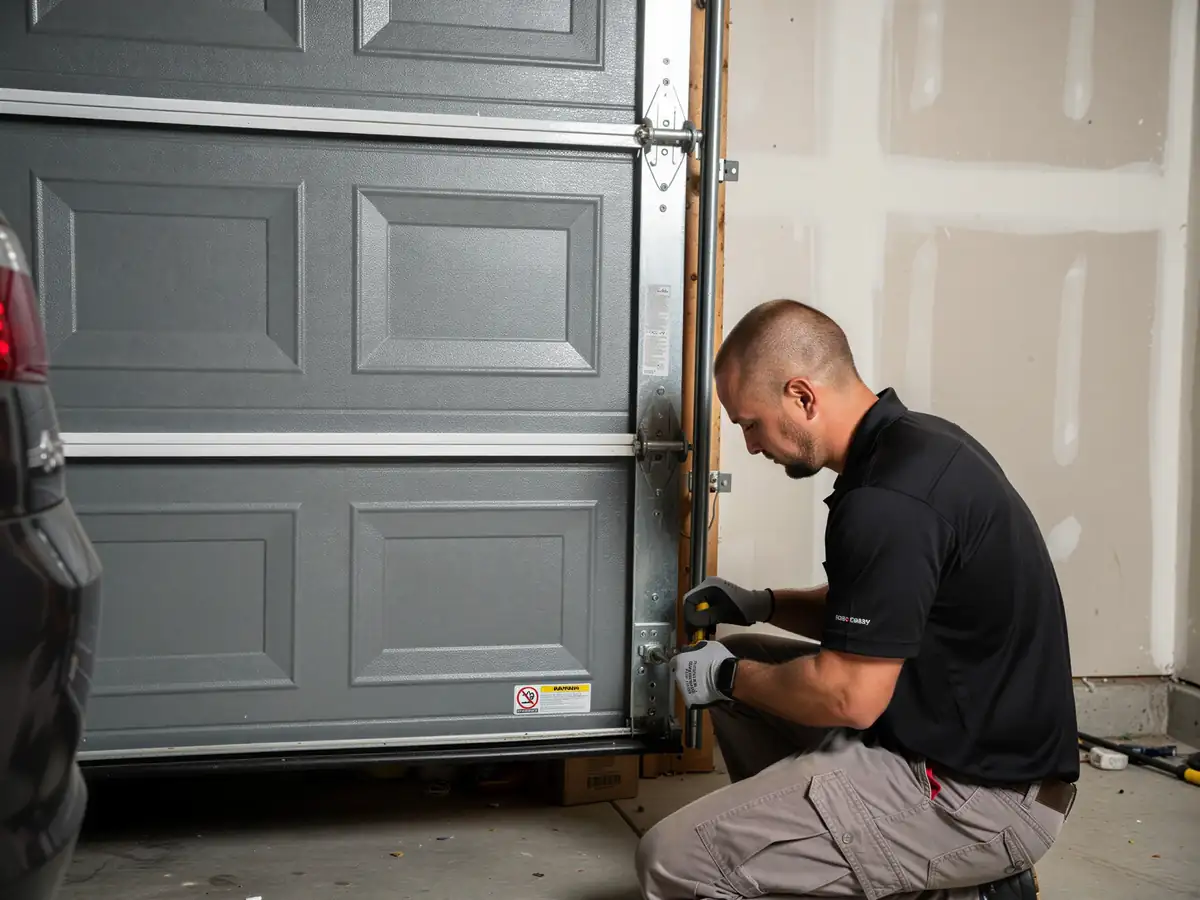
And we're not going to pretend otherwise. A sensor realignment on its own is a short job. But a lot of the calls we get that start as "my door won't close" turn into something bigger once we're under the rail: a bracket that's rusted through its mounting screw, a wire nicked by a mower or chewed by moisture, or a jamb that's shifted enough that no amount of re-aiming holds. Most garage doors in this market sit in homes built between 1947 and 2011, with the median landing around 1969, so the low-voltage wiring behind the sensor eyes is often original or close to it. That changes the job from "loosen two screws" to "replace the run." The honest answer is that we quote sensor work after we see the bracket, the wire path, and the slab it's bolted to - not before. If a tech tells you a price over the phone for this one, be skeptical.
We also won't chase a drift problem by just re-aiming the eyes over and over if the real issue is the slab or the bracket
That's a patch, not a fix, and it'll bring you right back to the same call in a month.
Where People Go Wrong
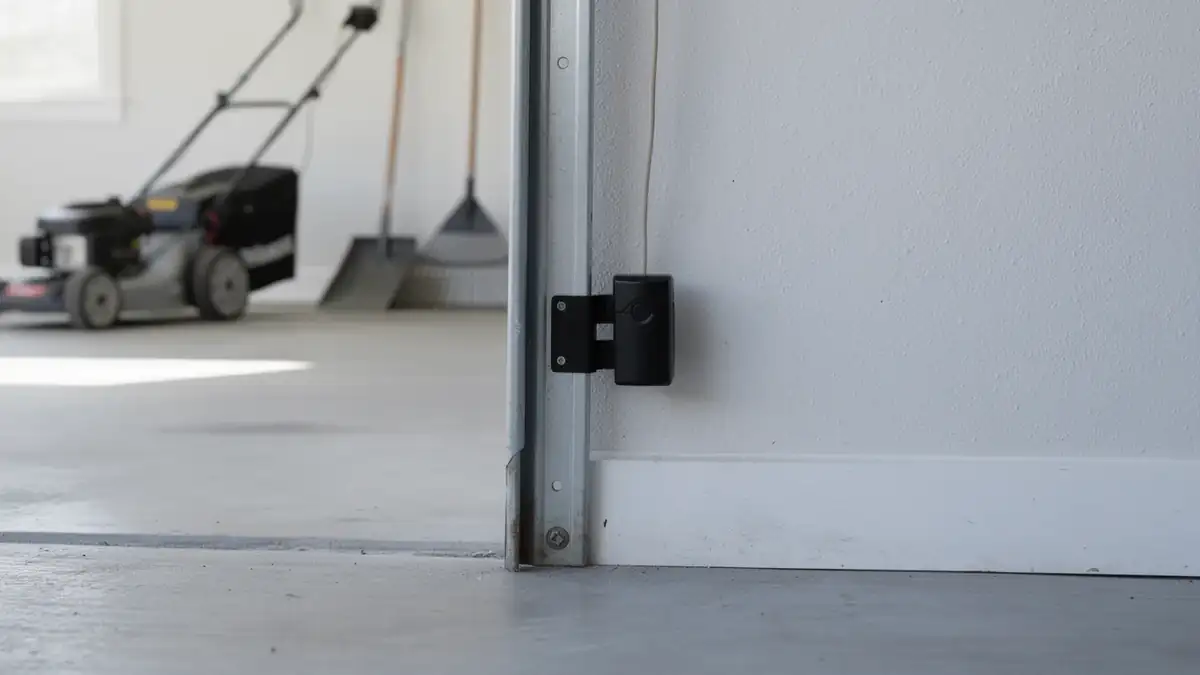
The most common mistake is treating sensor drift as a one-time adjustment instead of asking what moved. People get the blinking light to go solid, call it fixed, and don't look at why the beam walked off in the first place. In the housing stock around here - a cluster of 1960s and 70s builds spread across the 55 named subdivisions that make up this area - the sensor brackets are frequently screwed straight into a wood jamb that's shrunk, swelled, or warped over fifty-plus years. Re-aiming the eye treats the symptom. The jamb is still moving.
The second mistake is ignoring the slab itself. Owners assume the problem is the sensor unit failing, order a new pair online, swap them in, and get the same drift two weeks later because the apron under the door has settled or heaved. A new sensor bolted to a moving surface will drift again, full stop.
The third: running extension cords or trouble lights across the sensor wire path during a weekend project, then forgetting the wire's pinched. We see this more than you'd think in garages that double as workshops.
How Local Conditions Play In
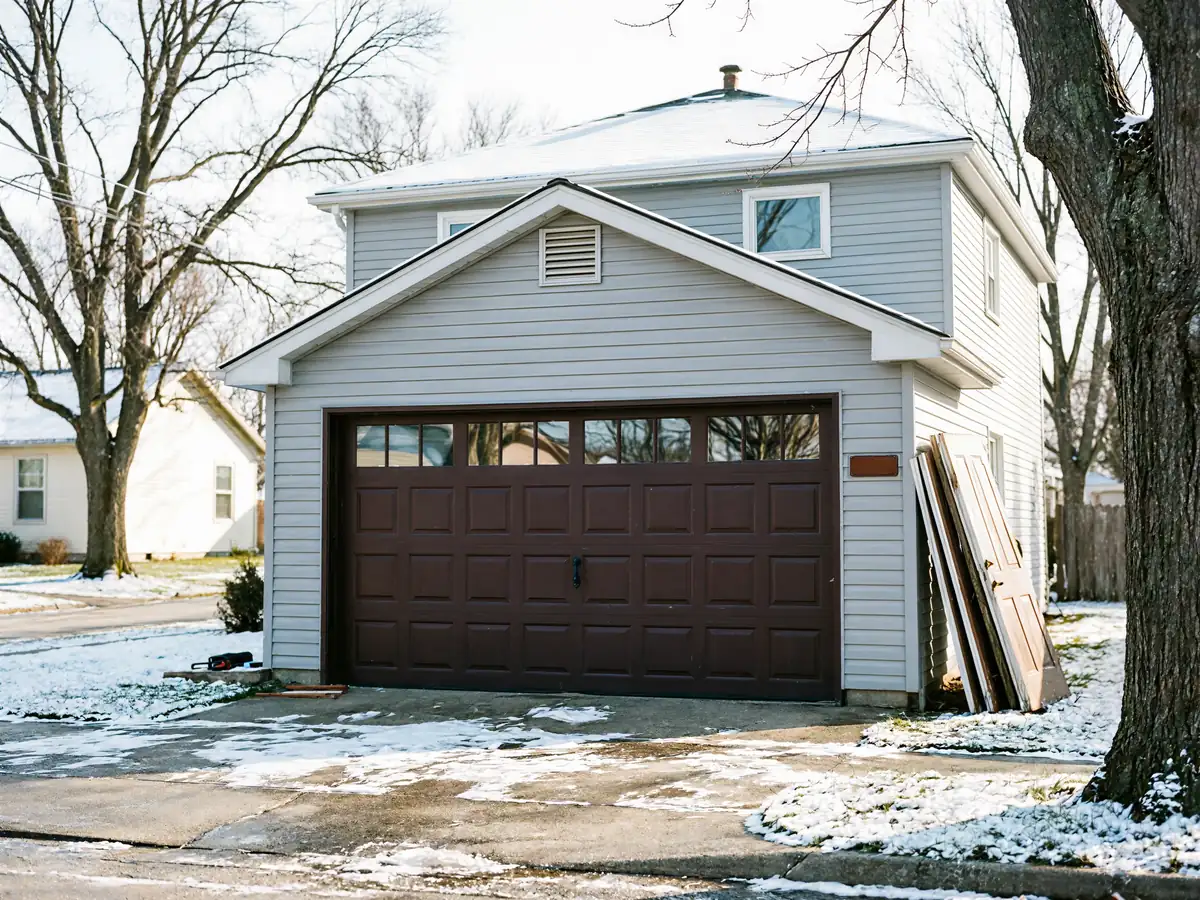
Chesterfield sits in a cold-moderate climate band, and that matters more for sensor alignment than most owners expect. The slab under your door apron and the footing the jamb sits on both go through real freeze-thaw cycles each winter - the ground expands, contracts, expands again. On a house from the 1960s or 70s wave that makes up most of this market, that slab has had five or six decades of those cycles to crack, tilt, or settle unevenly on one side. A bracket bolted to a jamb that's tilted even a quarter inch throws the sensor beam off enough to trip the safety reverse.
Salt and road spray tracked in on tires over a winter also does a number on the metal sensor brackets themselves, especially the ones that were installed before stainless or coated hardware was standard. Rust doesn't just weaken the screw - it lets the bracket work loose a fraction more with every open and close, which shows up as a sensor that holds alignment fine in August and starts flickering again by January. That seasonal pattern is the tell. If your door only starts giving you trouble once the cold sets in, the bracket and slab are a better bet than the sensor unit itself.
The Situation
This area runs mostly older construction
Homes built between 1947 and 2011 with the median year sitting at 1969, and a heavy concentration in the 1960s and 70s across the 55 subdivisions that make up this part of the county. That's the housing stock we work on every day, and it's why sensor calls here skew toward wiring and bracket age rather than a bad part straight out of the box.
It's not just this immediate area, either
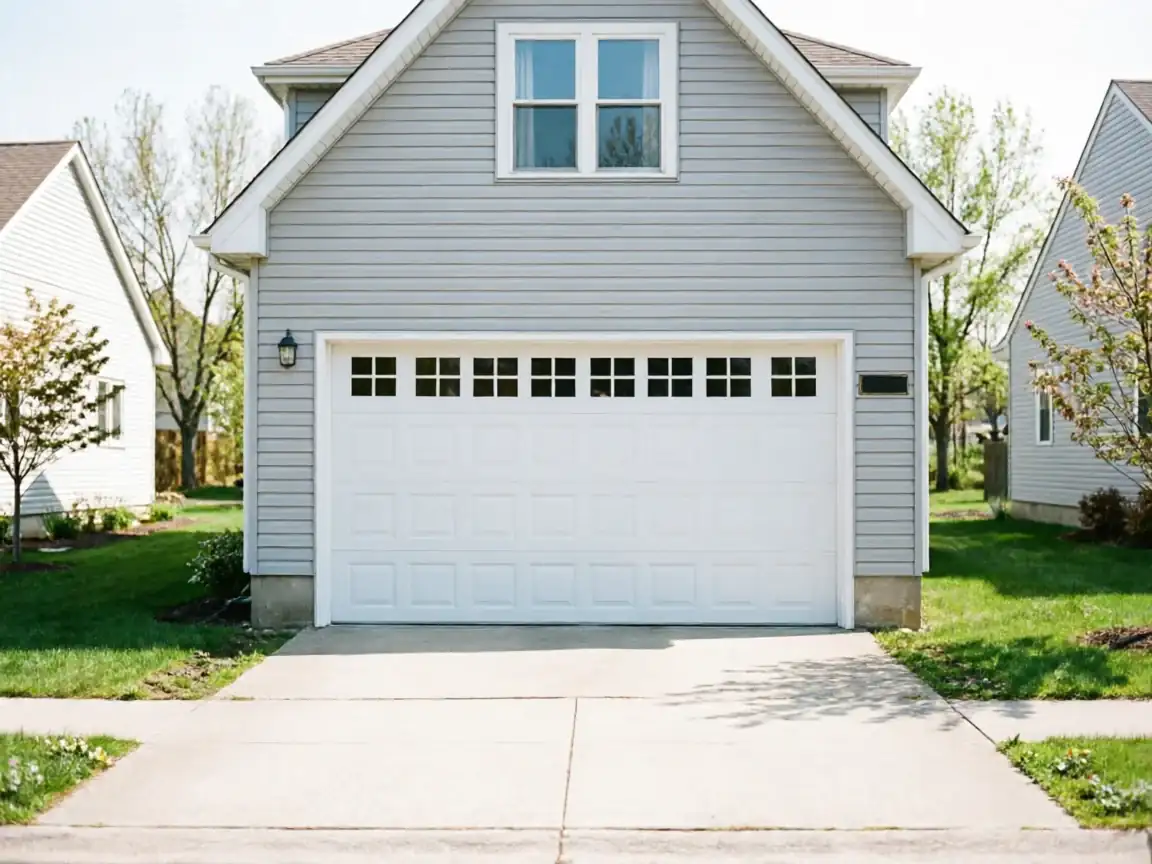
Homes two miles off in Clarkson Valley, five miles out in Ellisville and Weldon Spring, or six miles over in Town and Country and Manchester were largely built in that same wave, so they carry the same wood-jamb and settling-slab issues. Across the broader service area there are roughly 148,813 owner-occupied houses, and a large share of them are old enough that the original sensor brackets have outlived at least one freeze-thaw cycle too many. If your door is tripping the safety reverse and you can't find an obstruction, the age and construction of the house itself is usually a bigger clue than anything wrong with the sensor itself.
- 148,813 owner-occupied