Can You Do This Yourself
Wildwood's median home dates to around 1992
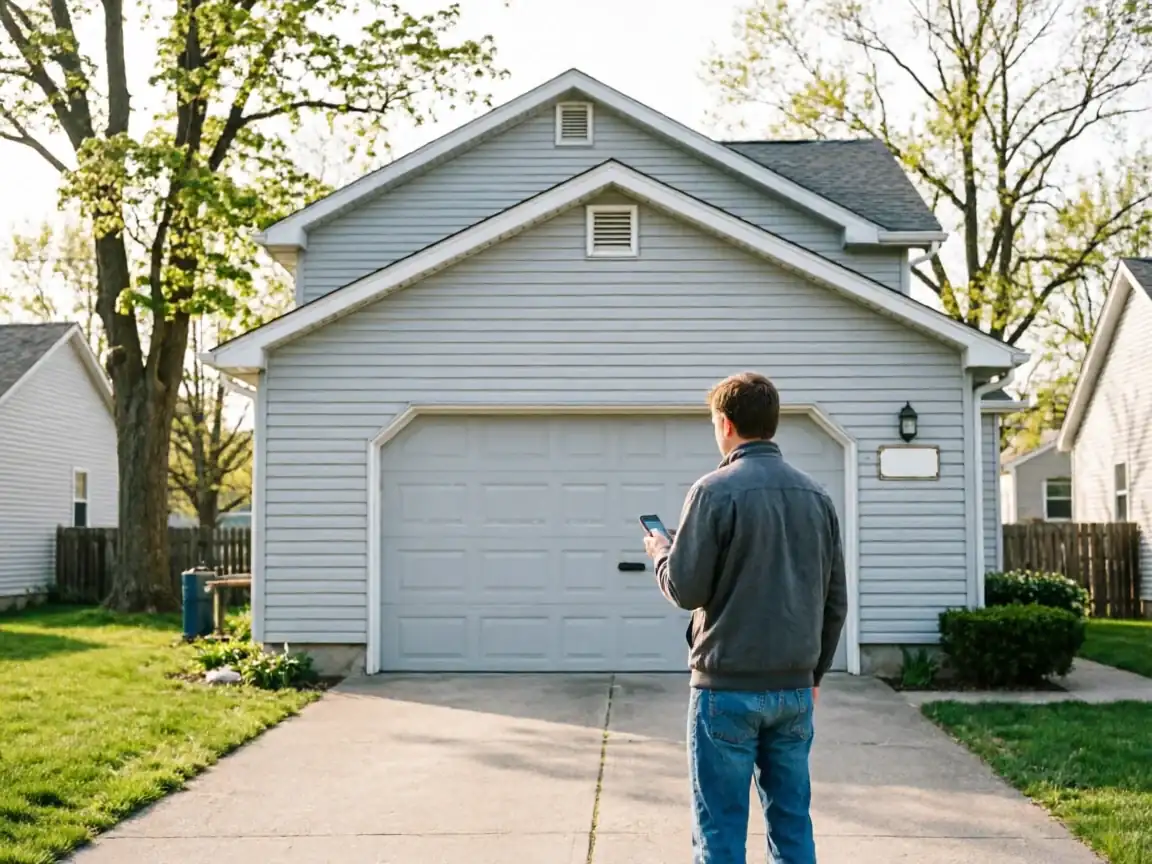
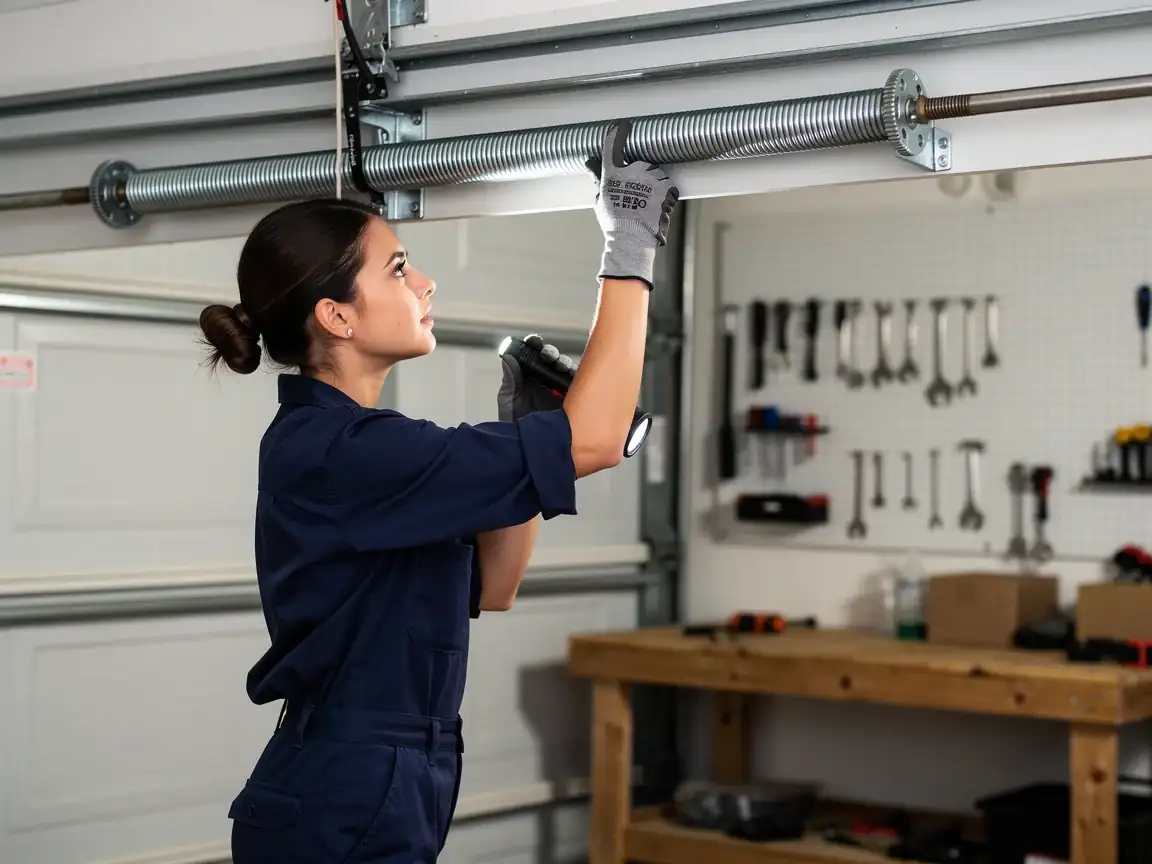
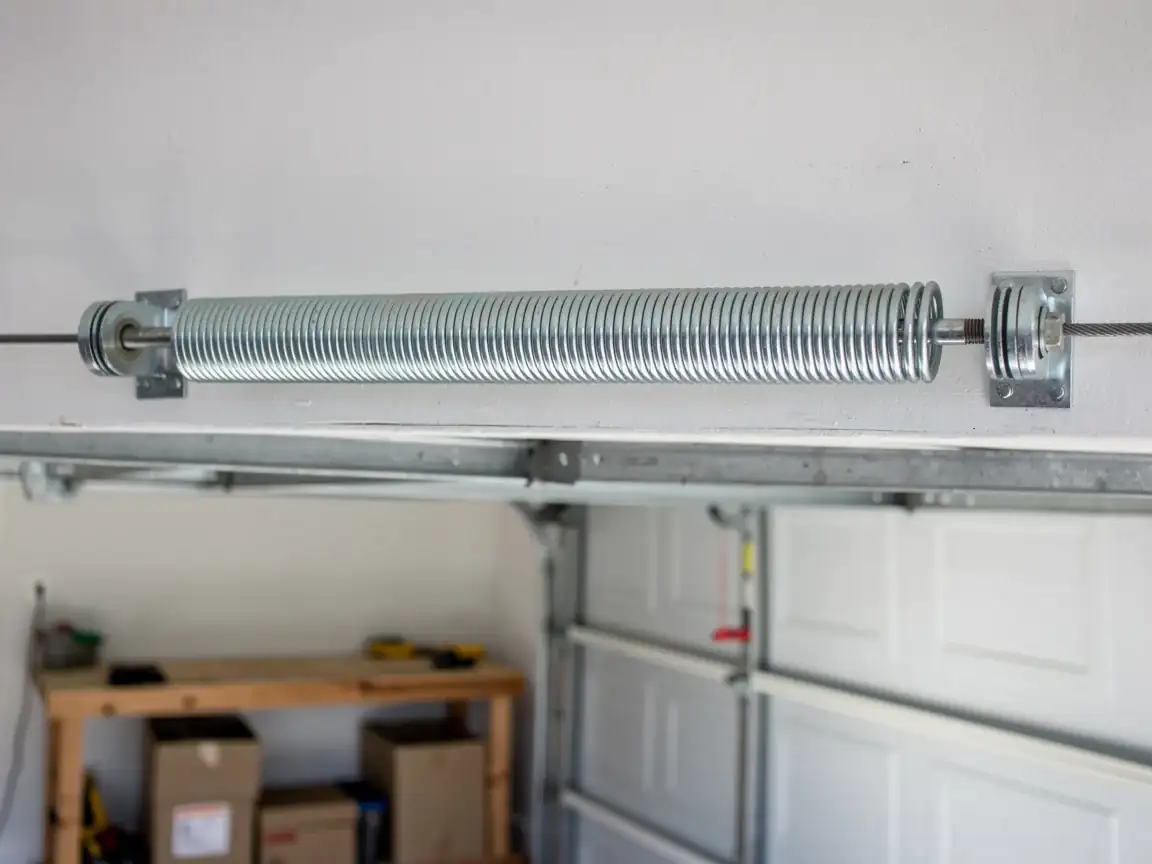
A good two decades newer than the 1960s-70s stock that makes up most of the wider service area. That matters for DIY because a door from this era almost always has a safety reversal sensor pair and an opener logic board, not just a motor and a chain. Swapping a bottom bracket or adjusting travel limits on these systems is a different job than it was on a 1968 door with a mechanical limit switch. If a torsion spring on a double door has let go, that's not a weekend project regardless of the door's age - the spring is under enough tension to break a hand. Sensor alignment, a sticking photo-eye, or a remote that's stopped pairing are reasonable things to check yourself before calling anyone. A door that reverses on its own, drops without warning, or has a cable visibly frayed off the drum is not. We'd rather tell you which is which on the phone than have you find out the hard way in the driveway.
One honest limit: if the opener logic board itself has failed
We don't carry every board for every brand on the truck. Some of those are special-order parts, and we'll tell you that up front rather than string you along.
How Long It Takes
We run this job from Chesterfield, about 8 miles out, so travel time is a real part of the window we give you, not an afterthought. Most single-door spring or cable repairs on a house from Wildwood's build era run under two hours once the truck is on site, since these doors use standard torsion hardware that's still in common production. Opener issues take longer to diagnose than to fix - tracing a sensor fault or a bad board connection can eat thirty minutes before a wrench ever comes out. Full panel replacement on a newer steel door runs longer again, partly because we're matching an existing panel profile rather than guessing at it. We'd rather quote you a realistic window on the phone than show up and discover the job is bigger than what you described - that happens, and it's usually the spring, not the opener, that turns out to be the real problem.
What the Fix Involves
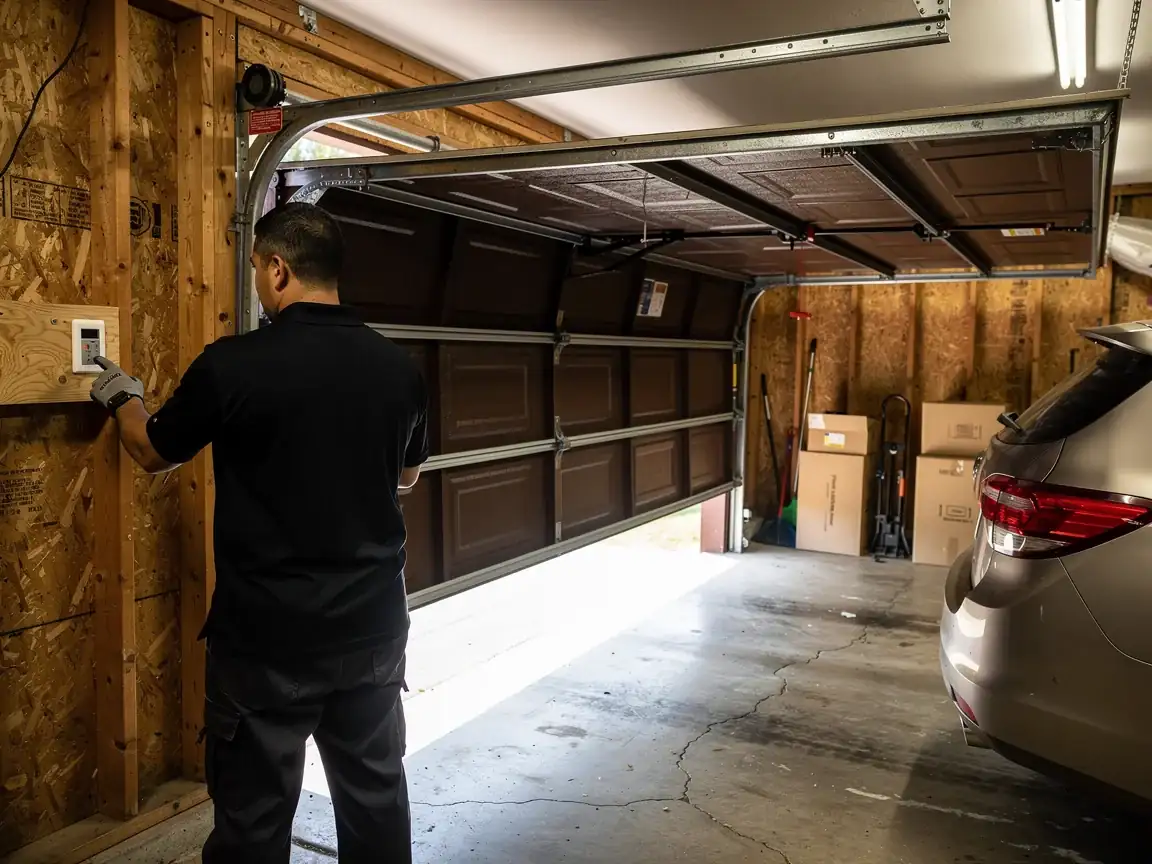
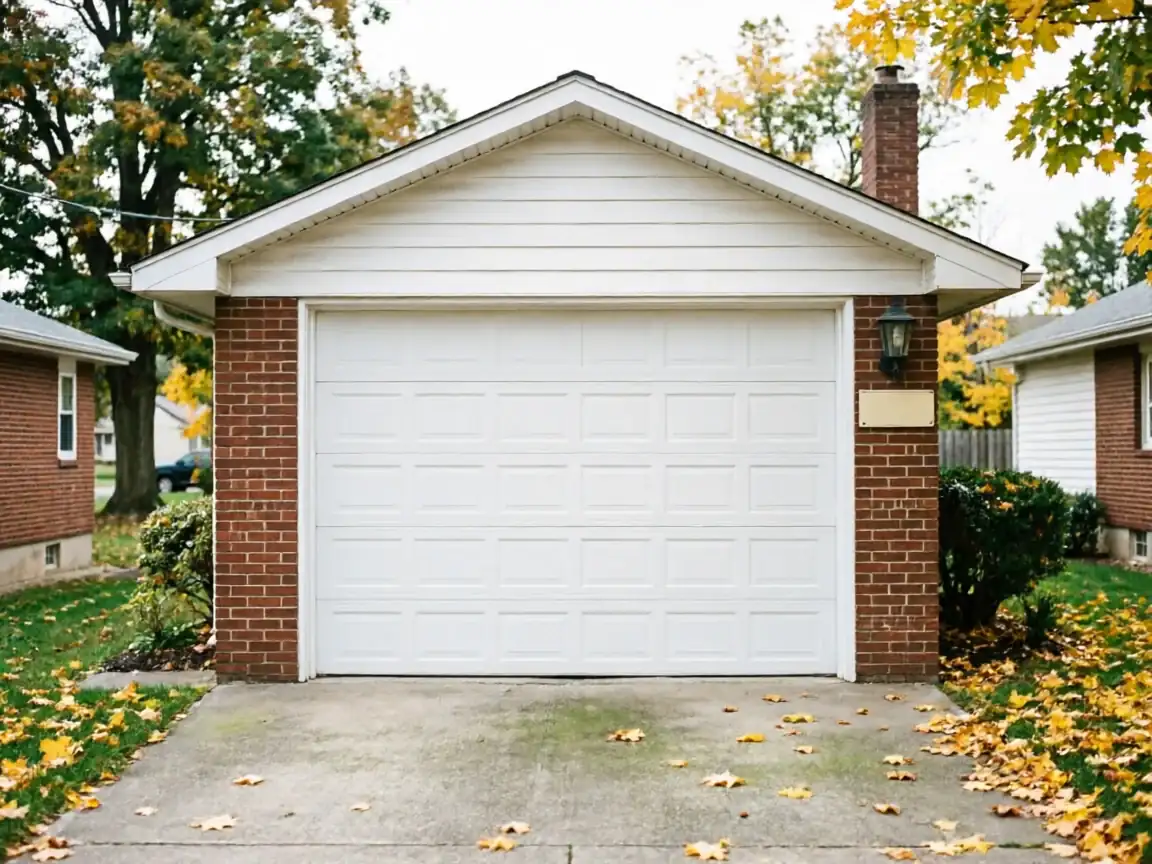
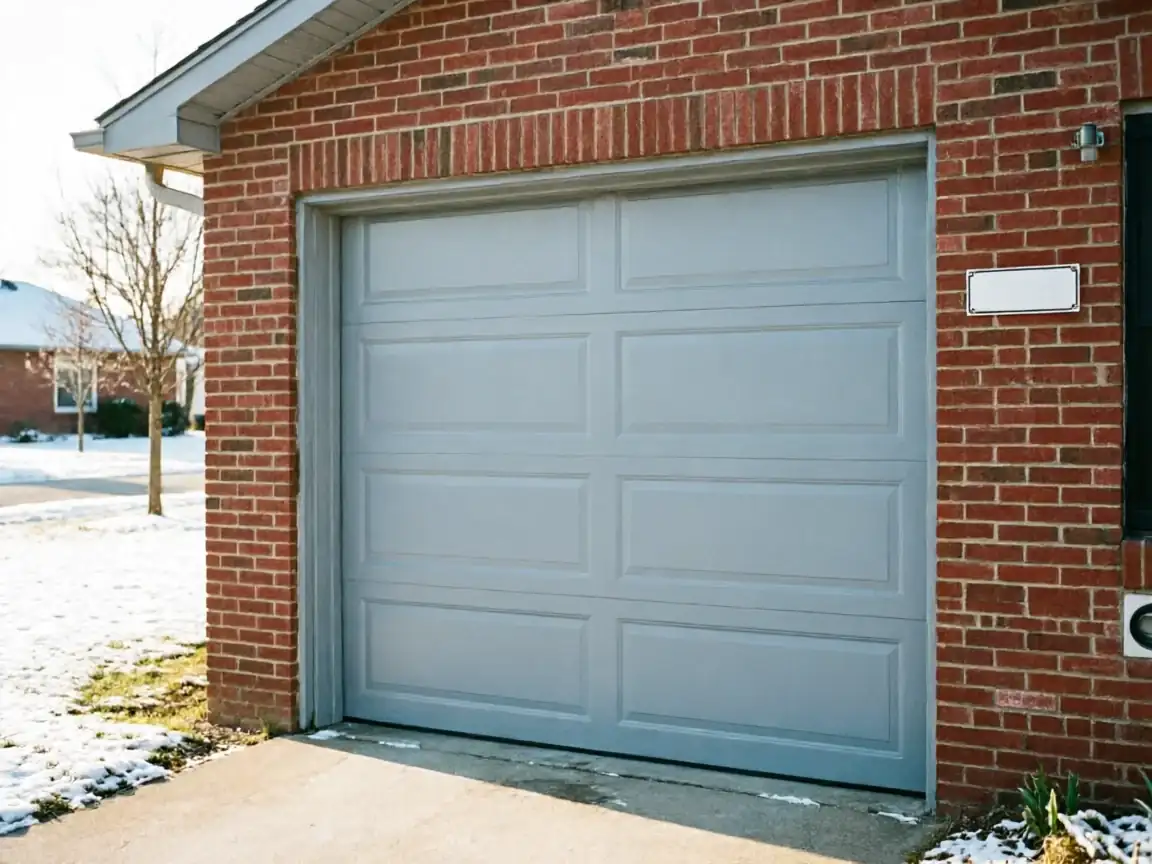
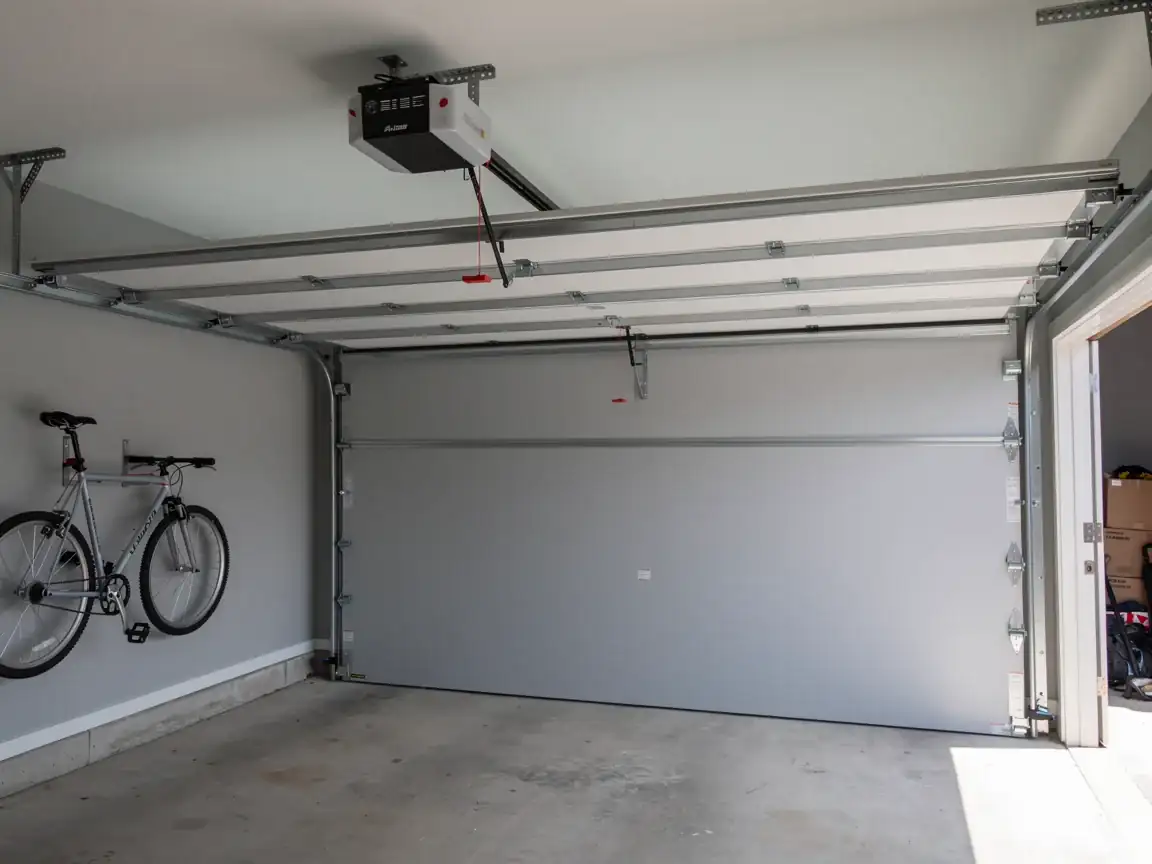
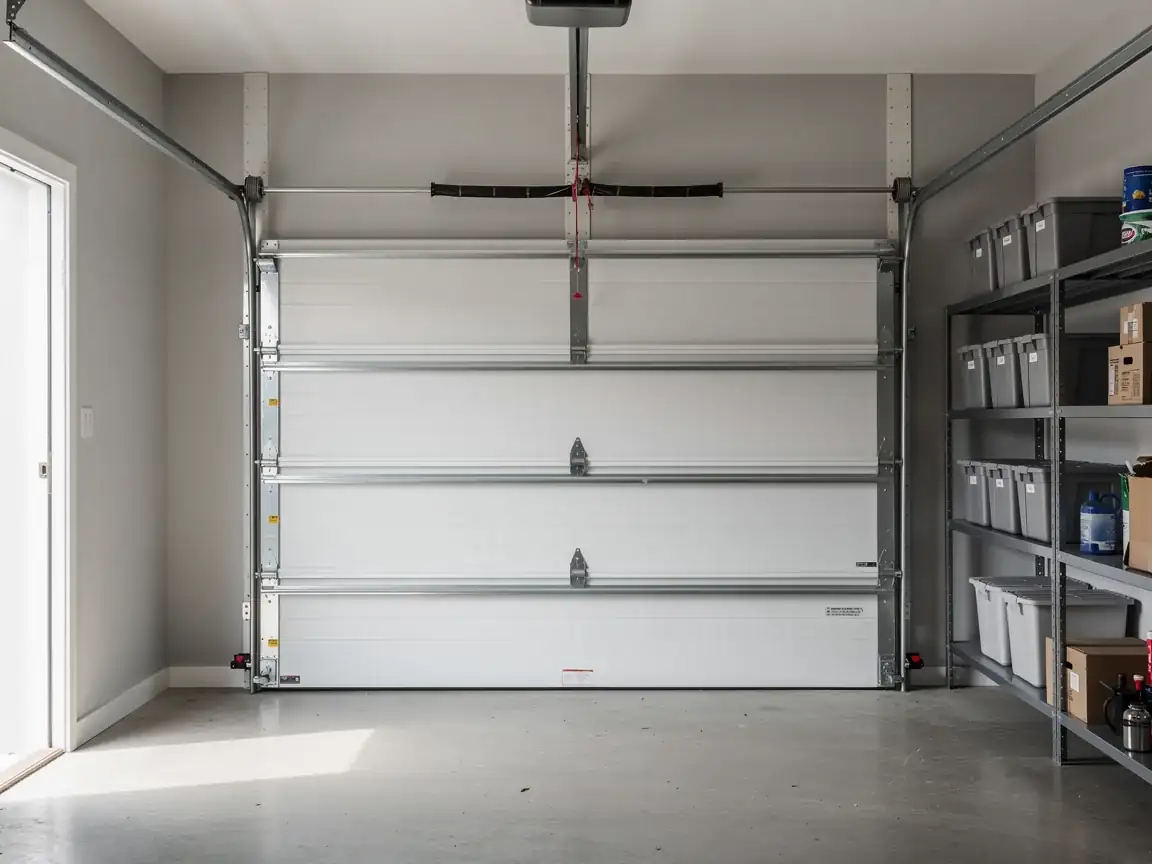
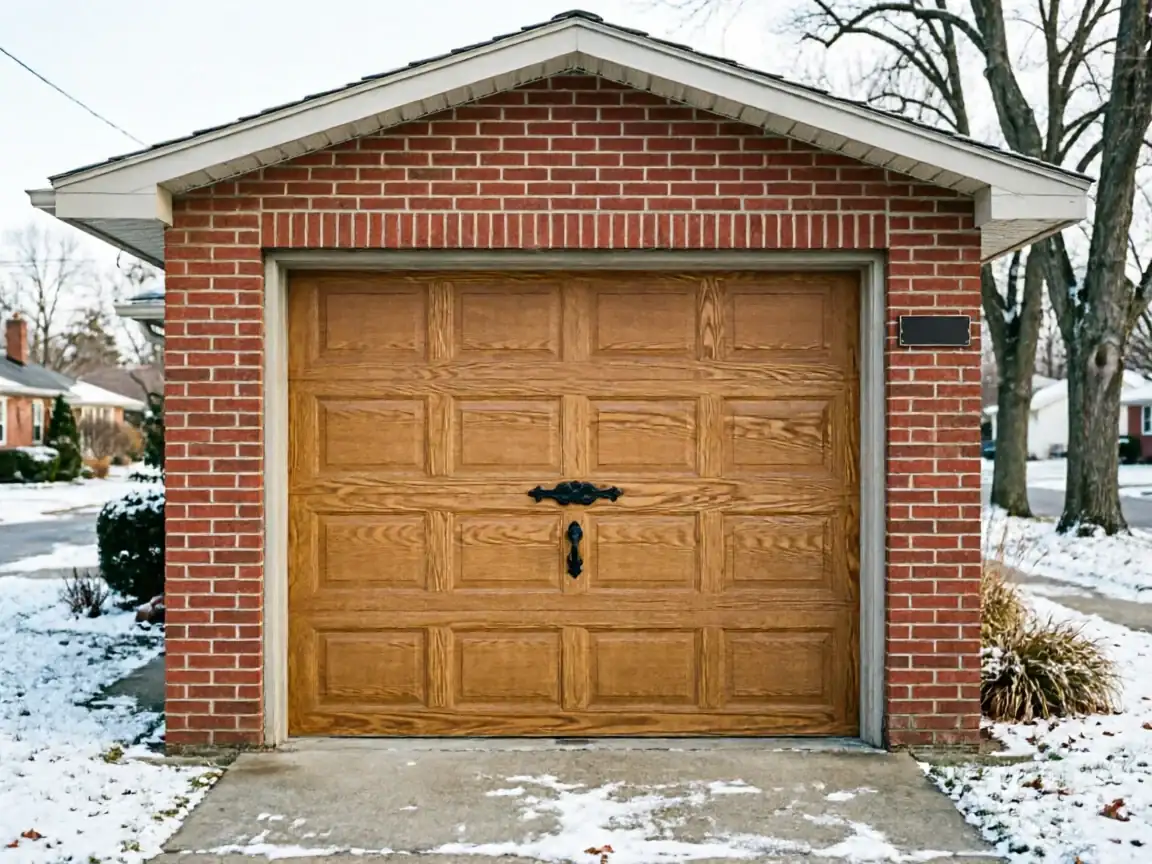
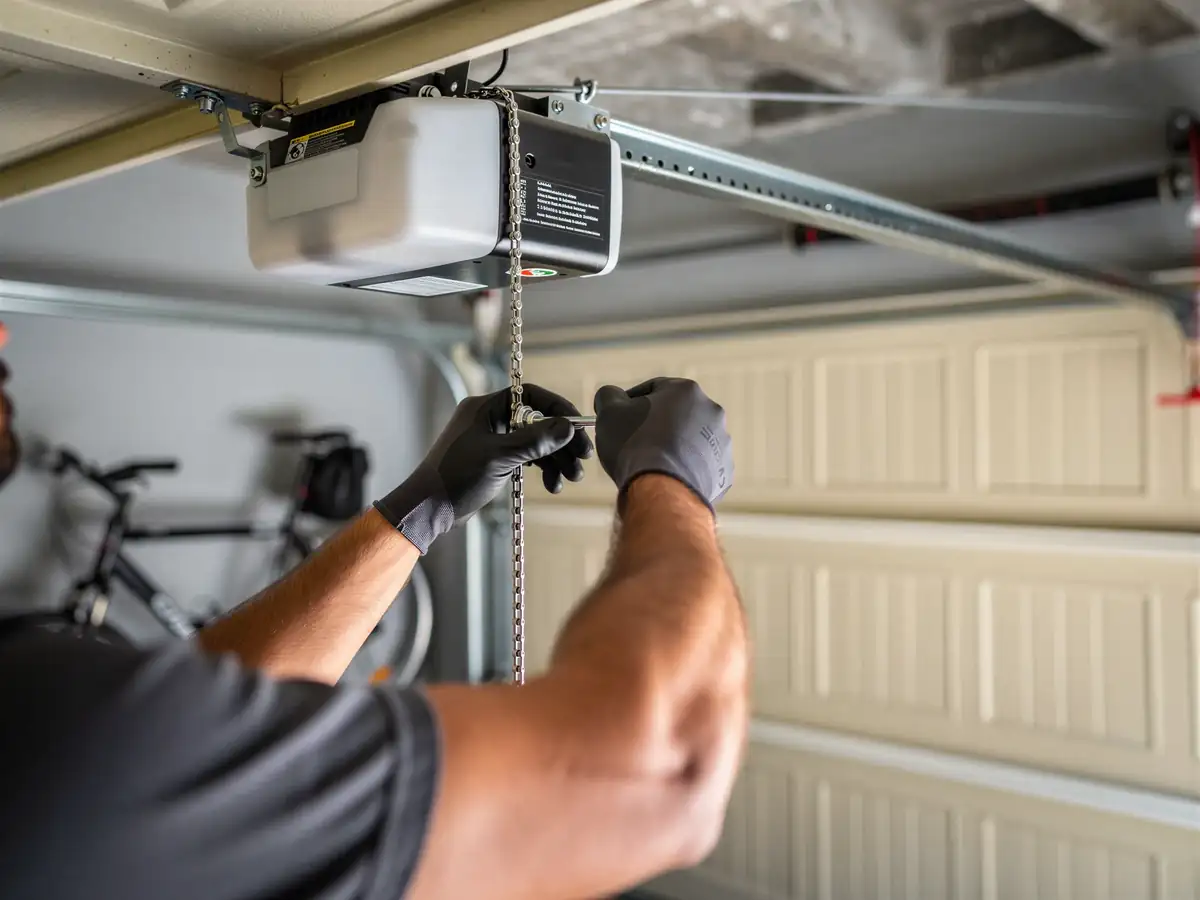
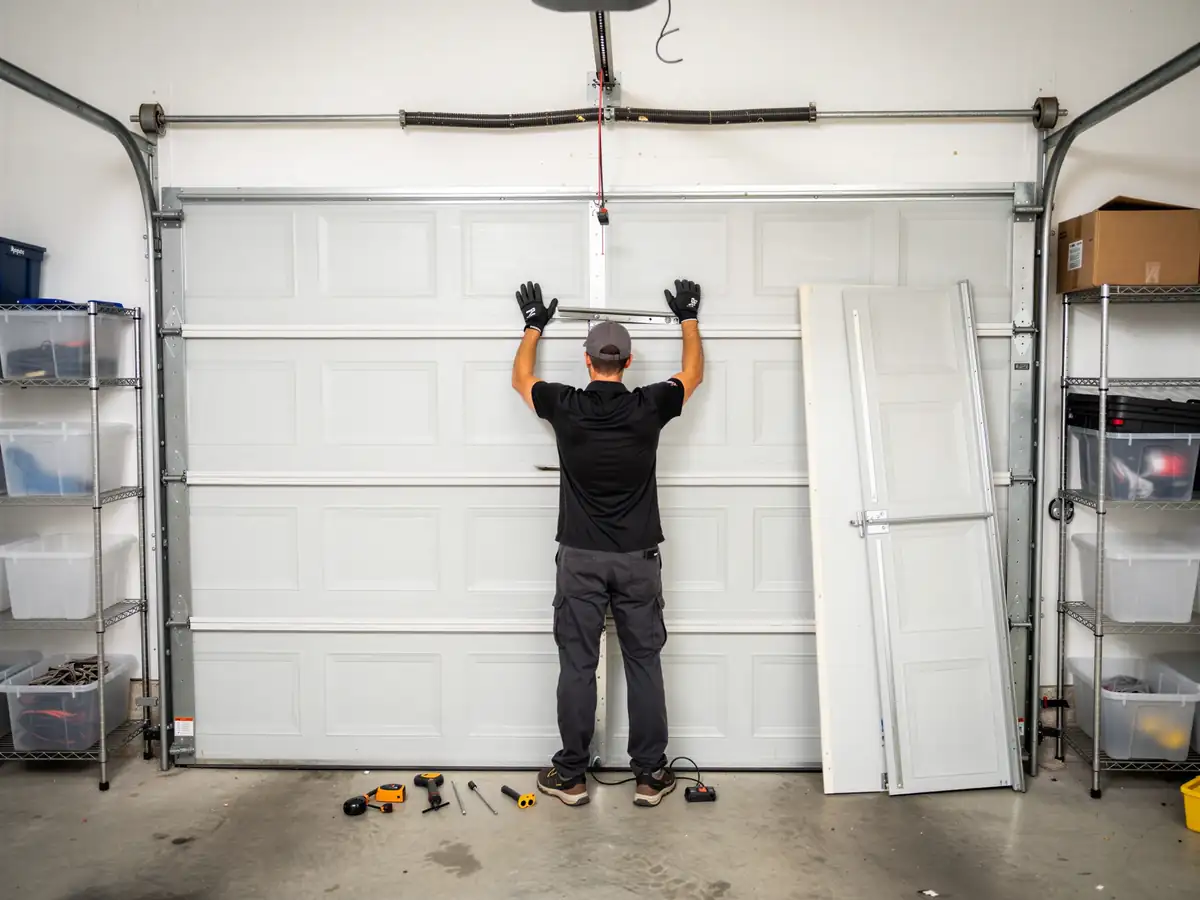
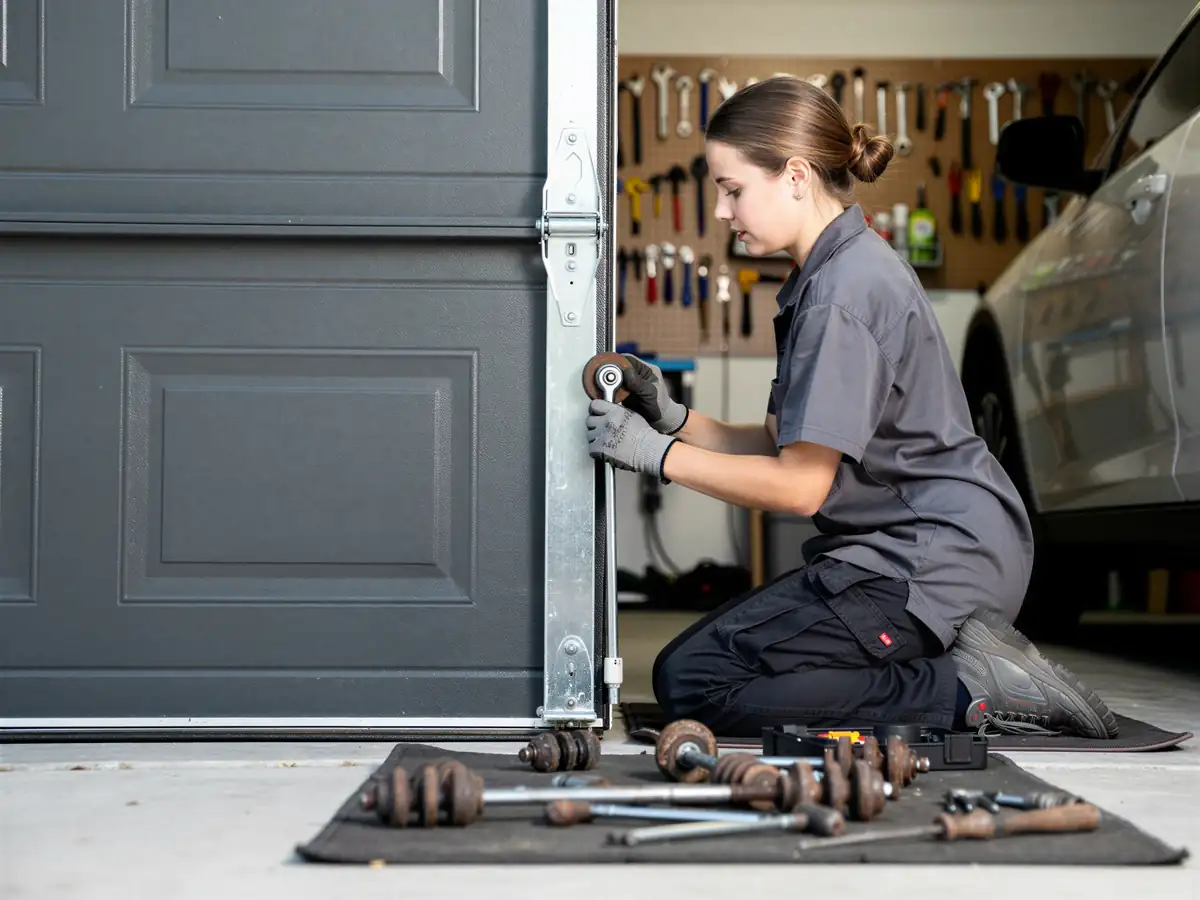
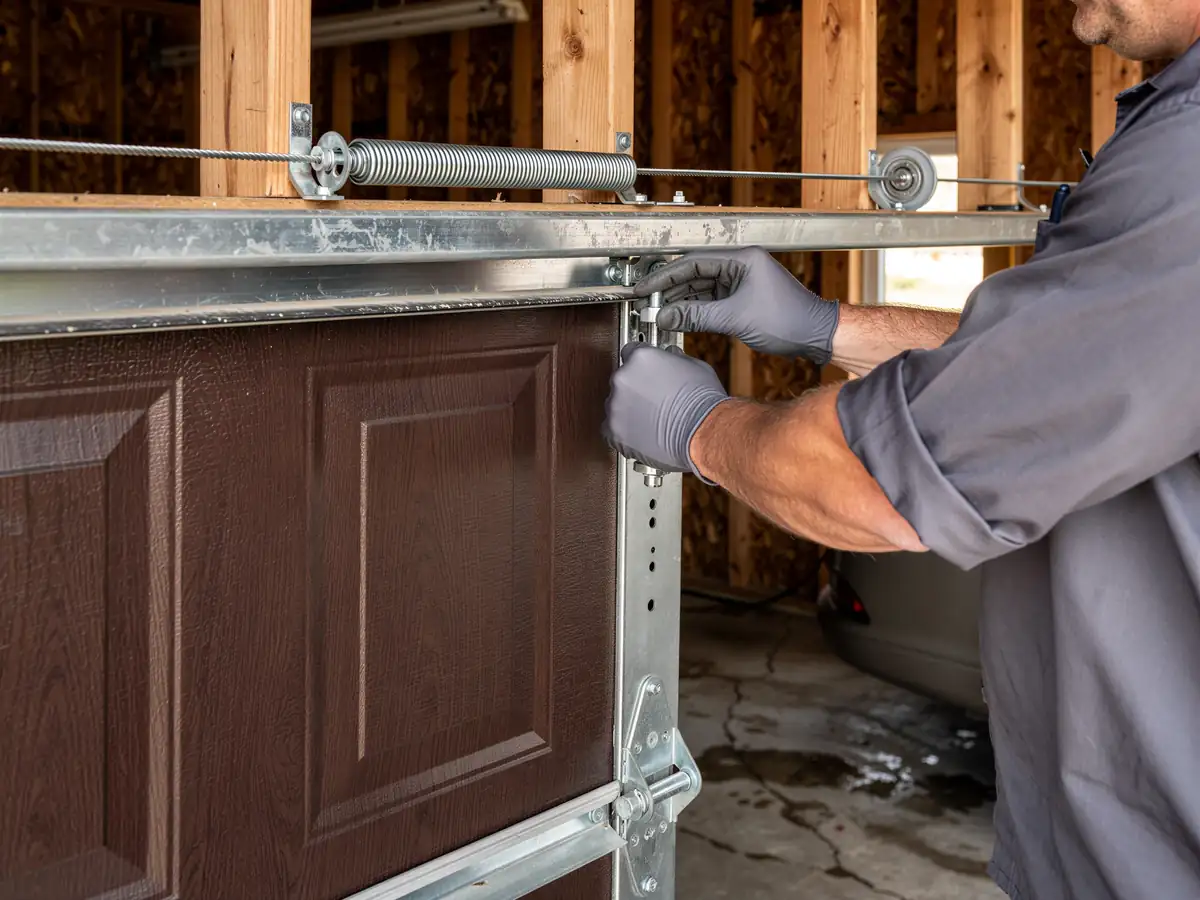
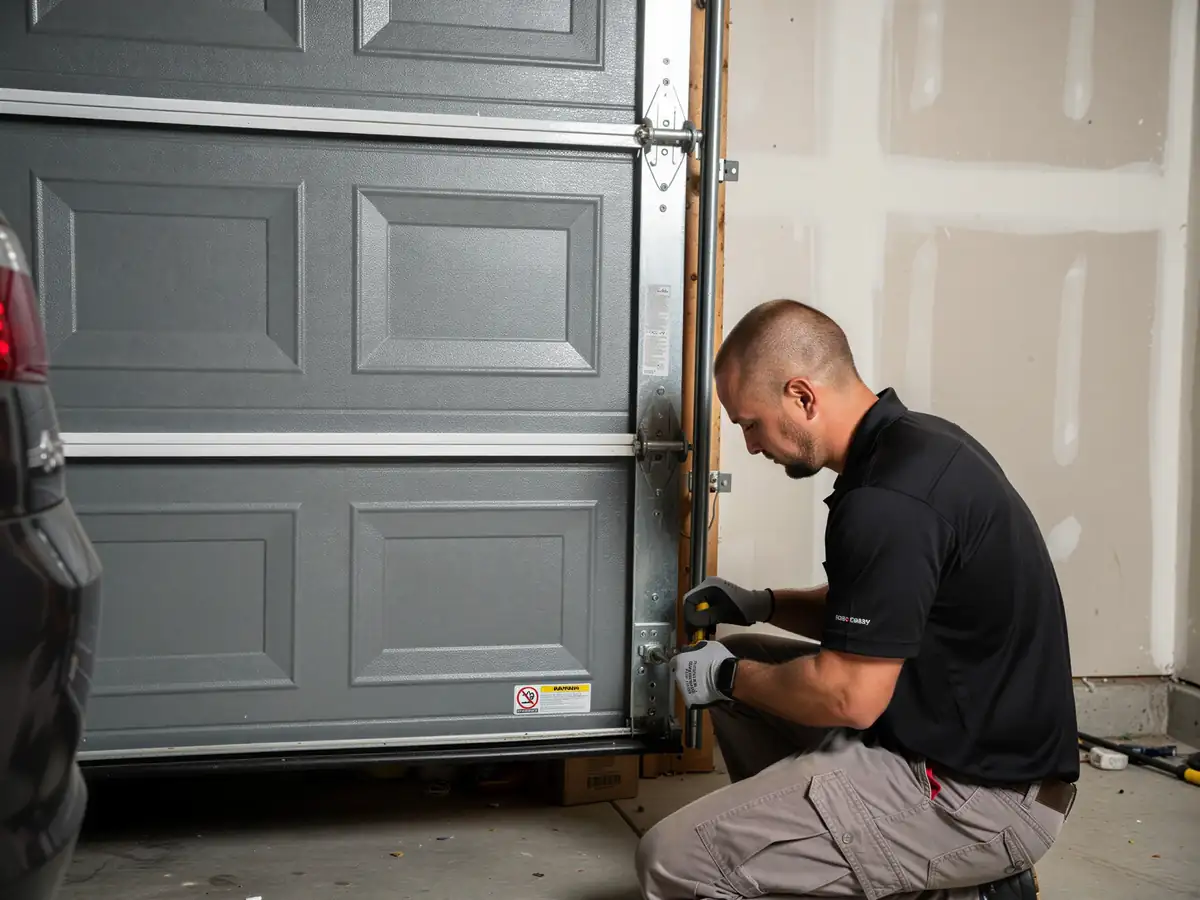
Doors built around the early 1990s in this part of the county are typically steel sectional panels on torsion springs mounted above the opening, paired with a chain or belt-drive opener with a photo-eye safety sensor pair low on the tracks. That's a different repair profile than the one-piece or extension-spring doors still common on older houses closer in toward Chesterfield. A broken torsion spring here means matching wire gauge and wind direction to the existing drum setup, not improvising. A opener that won't close means checking sensor alignment and wiring first, since misaligned or dirty sensors are the most common reason a newer opener refuses to close even when the door itself is fine. Track and roller wear shows up differently too - nylon rollers from this era wear at the edges rather than seizing the way older steel rollers do. We replace what's actually failed rather than the whole assembly, and we'll show you the worn part before we swap it.
What Is on the Truck
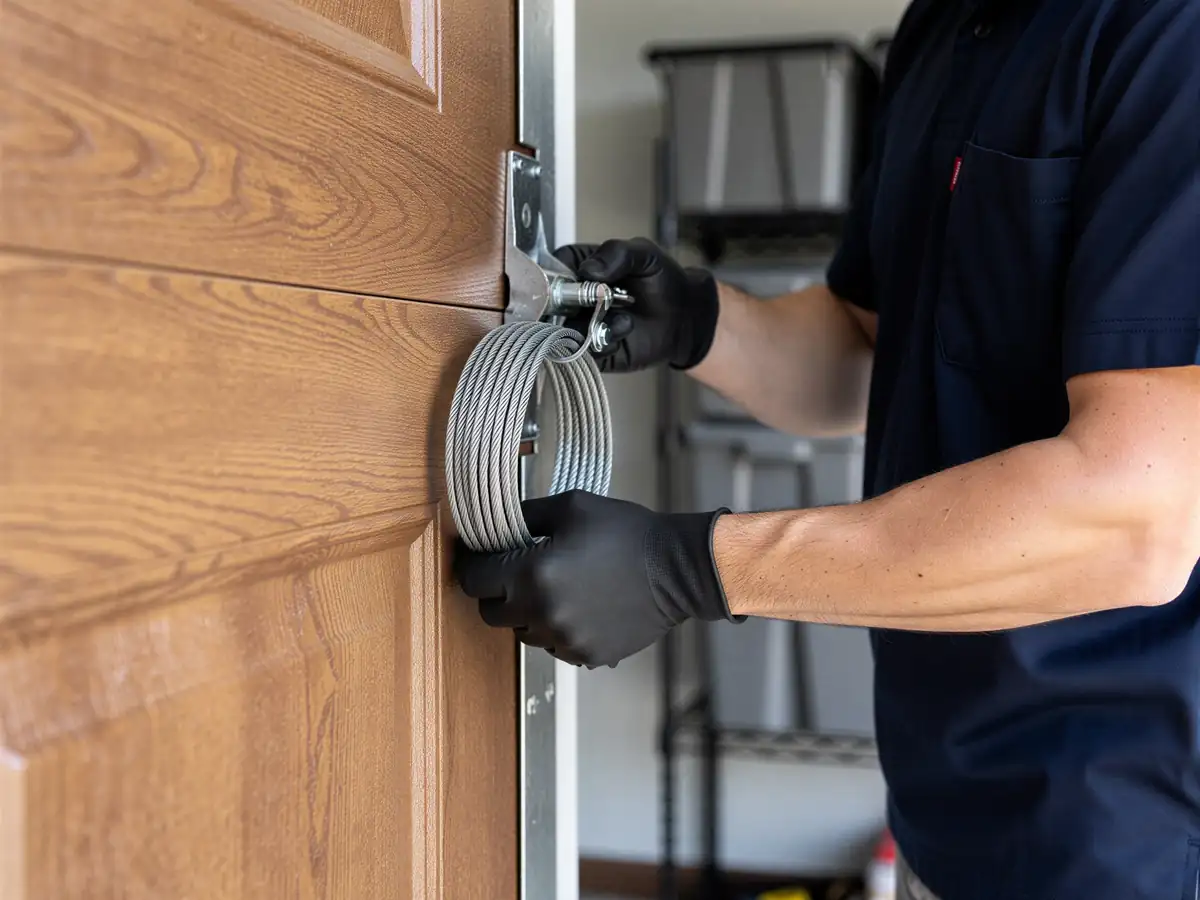
We stock torsion springs in the wire gauges and wind directions that fit standard steel sectional doors from the 1980s through today, since that covers the bulk of what we see on a Wildwood build era house. Rollers, cables, bottom brackets, and photo-eye sensor pairs ride along as standard stock too, because sensor failure is one of the most common reasons a newer opener won't close. What doesn't ride along: specialty opener logic boards for less common brands, and panel sections for doors old enough or unusual enough that the manufacturer has discontinued the exact profile. On those, we'll tell you it's a special-order part and give you a straight answer on lead time rather than pretend we can fix it same-visit.
Why It Happens Here
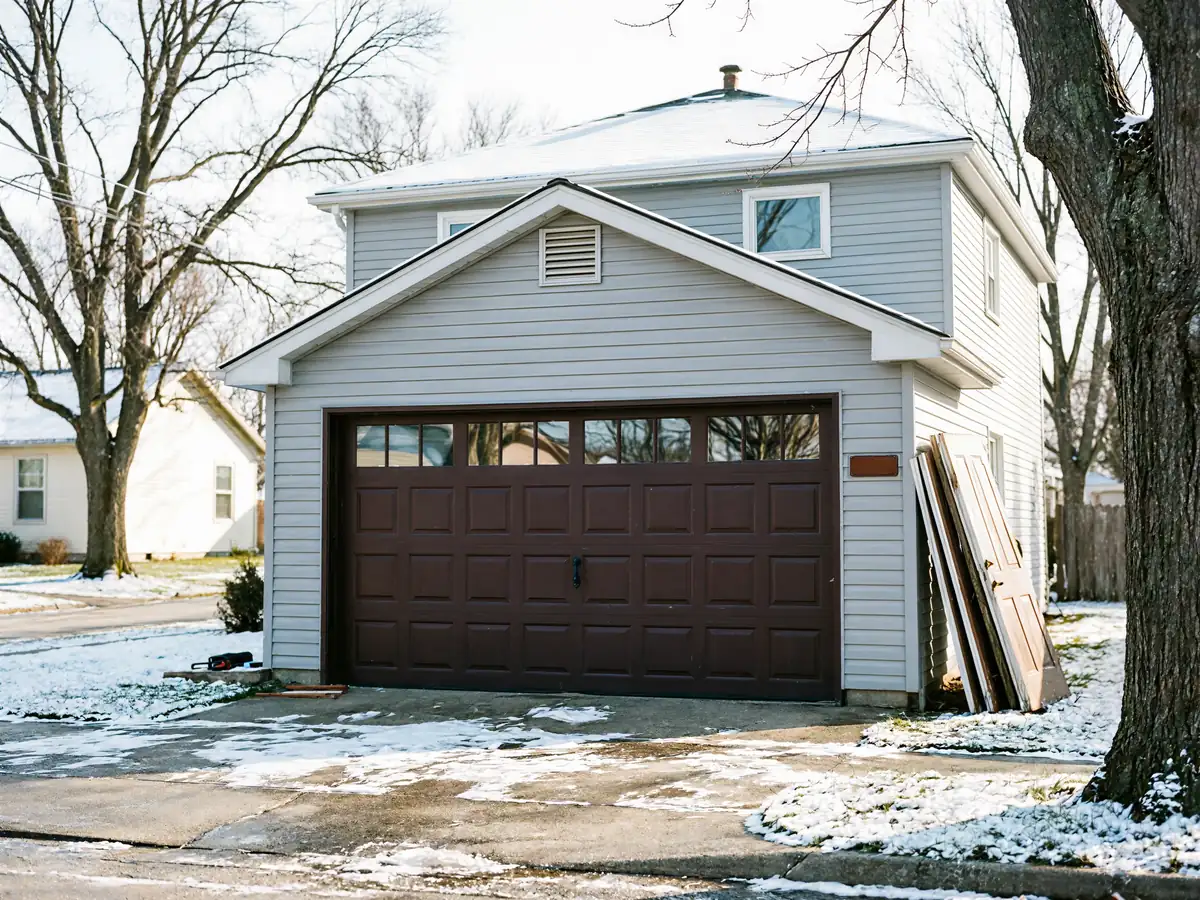
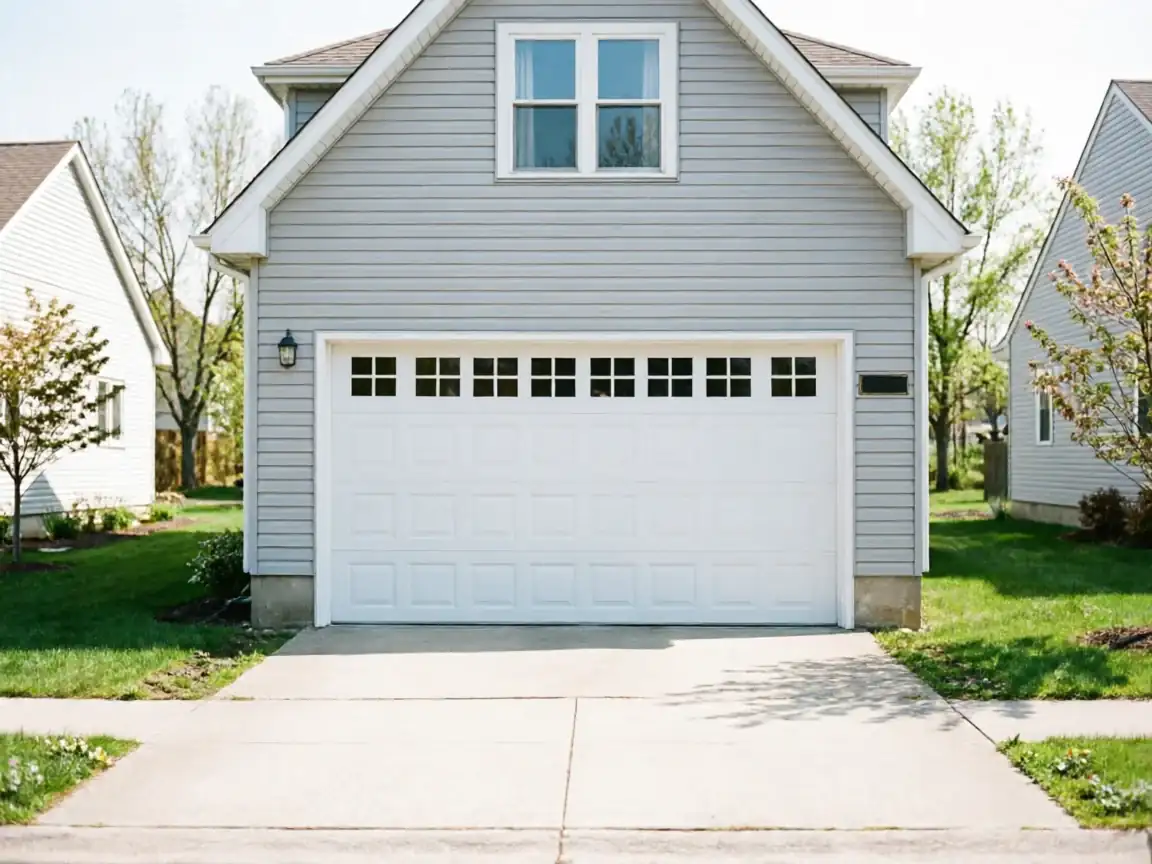
The service area as a whole runs mostly 1960s-70s housing stock, but Wildwood's own median build year sits closer to 1992 - a meaningfully newer base that changes what actually breaks. Newer doors fail less from rust and rot and more from sensor misalignment, worn nylon rollers, and opener electronics reaching the end of their service life. The area also sits in a cold-moderate climate band, so freeze-thaw cycling on uninsulated steel panels and seasonal expansion in torsion springs still plays a part regardless of the house's age. With roughly 12,966 households here and a median income around $157,750 - notably higher than the broader area's $86,641 - we also see more two-car and oversized doors, which load torsion springs differently than the single-door setups common on older, smaller houses closer to the city center.