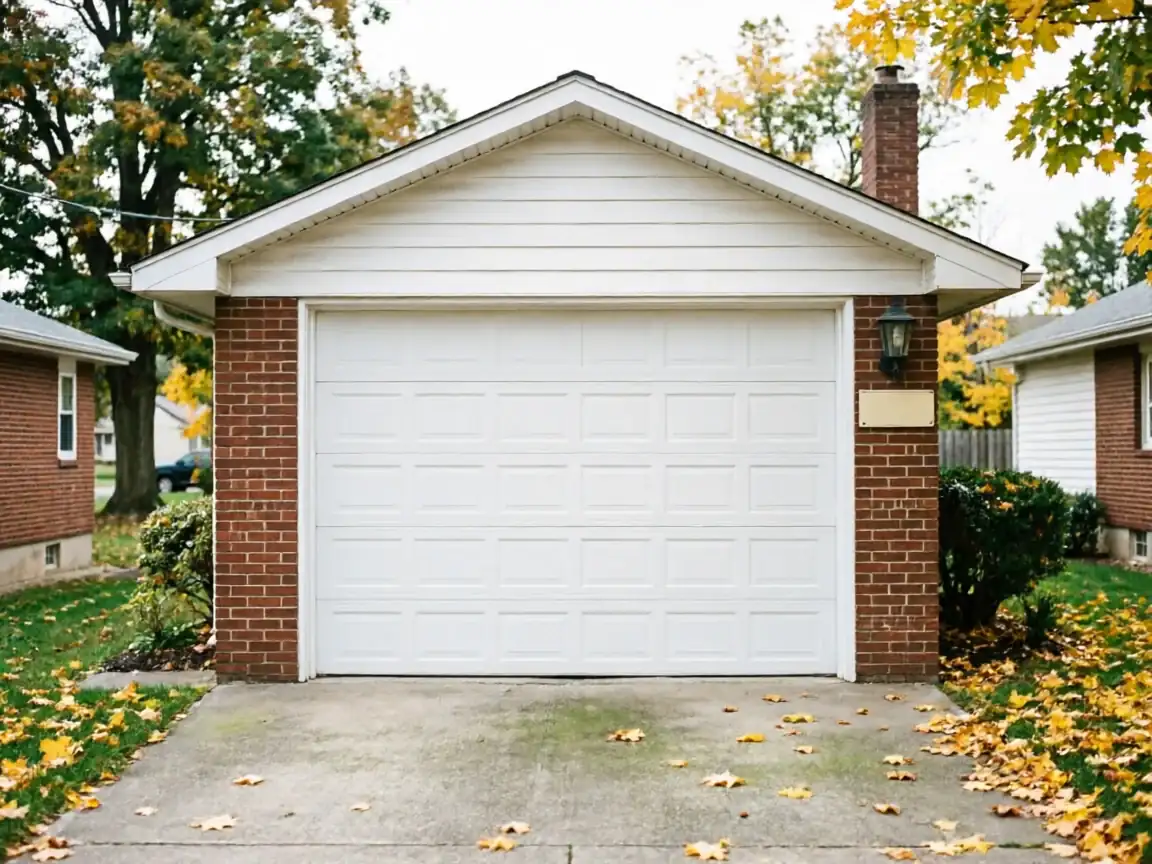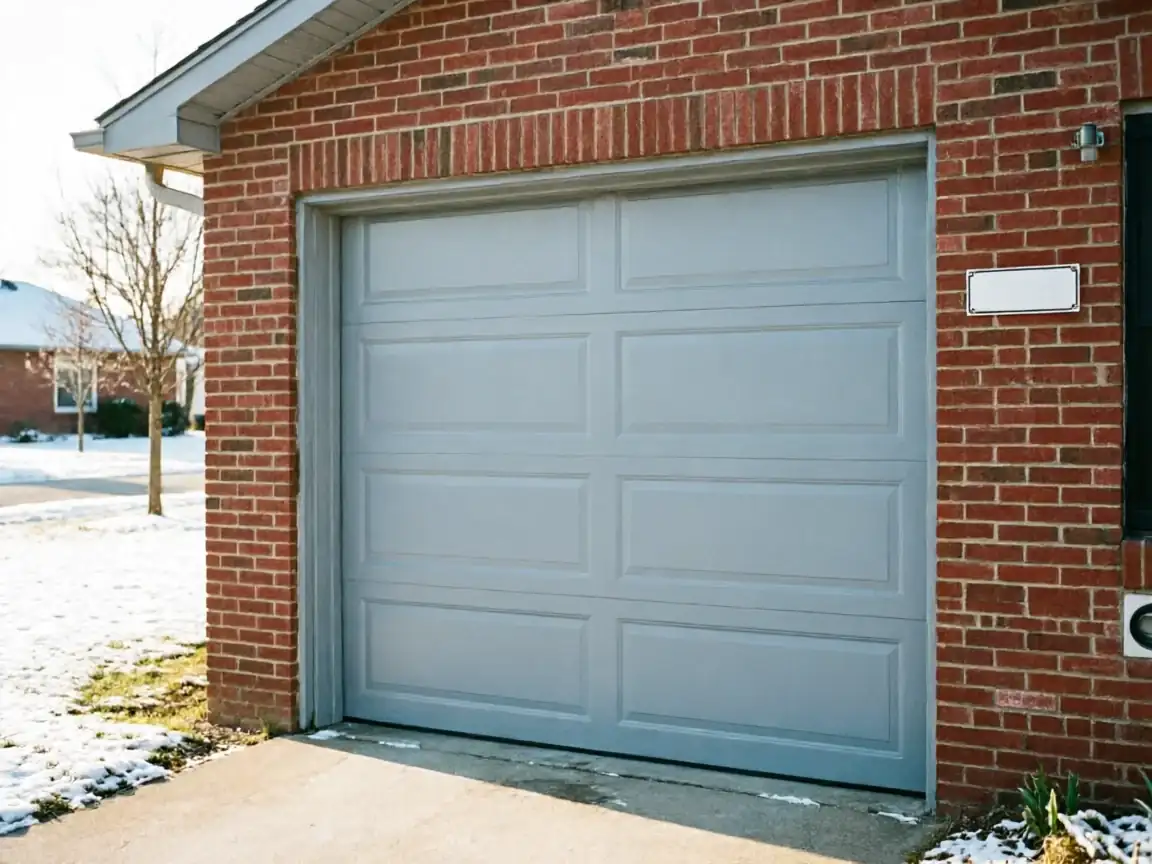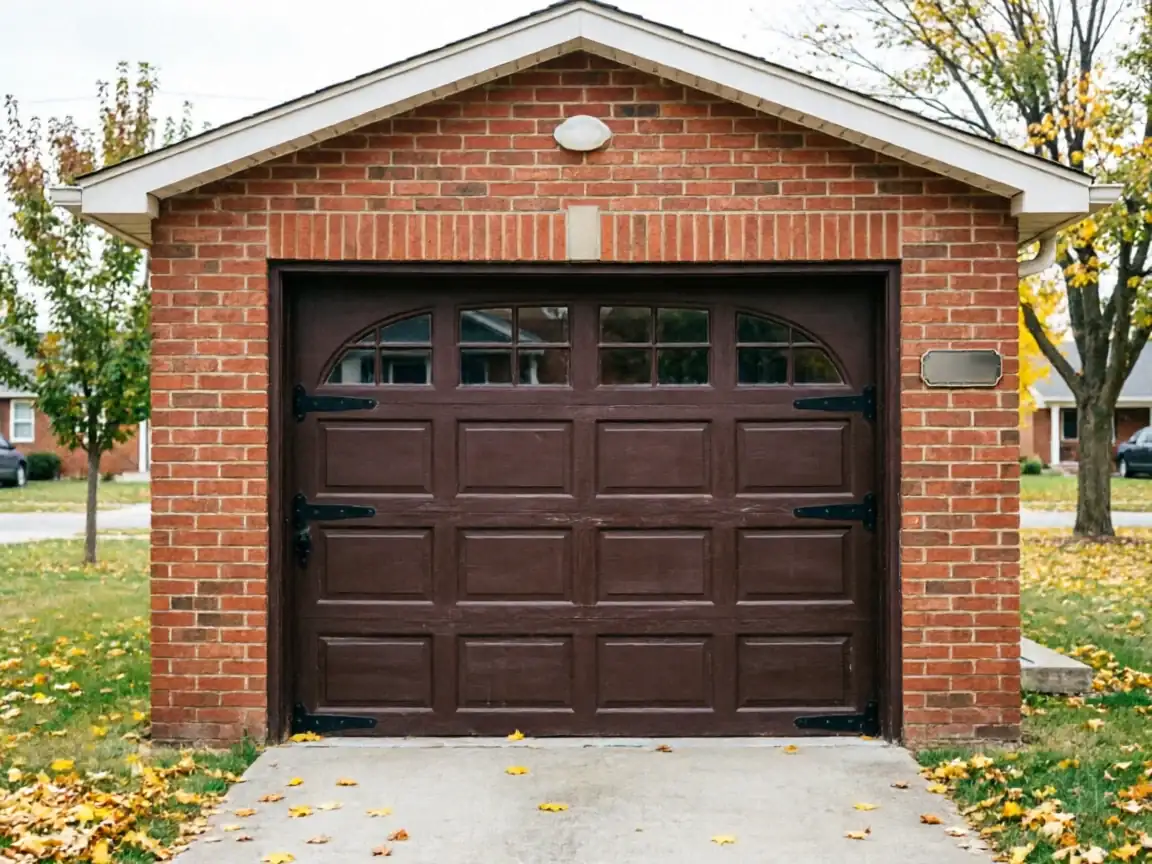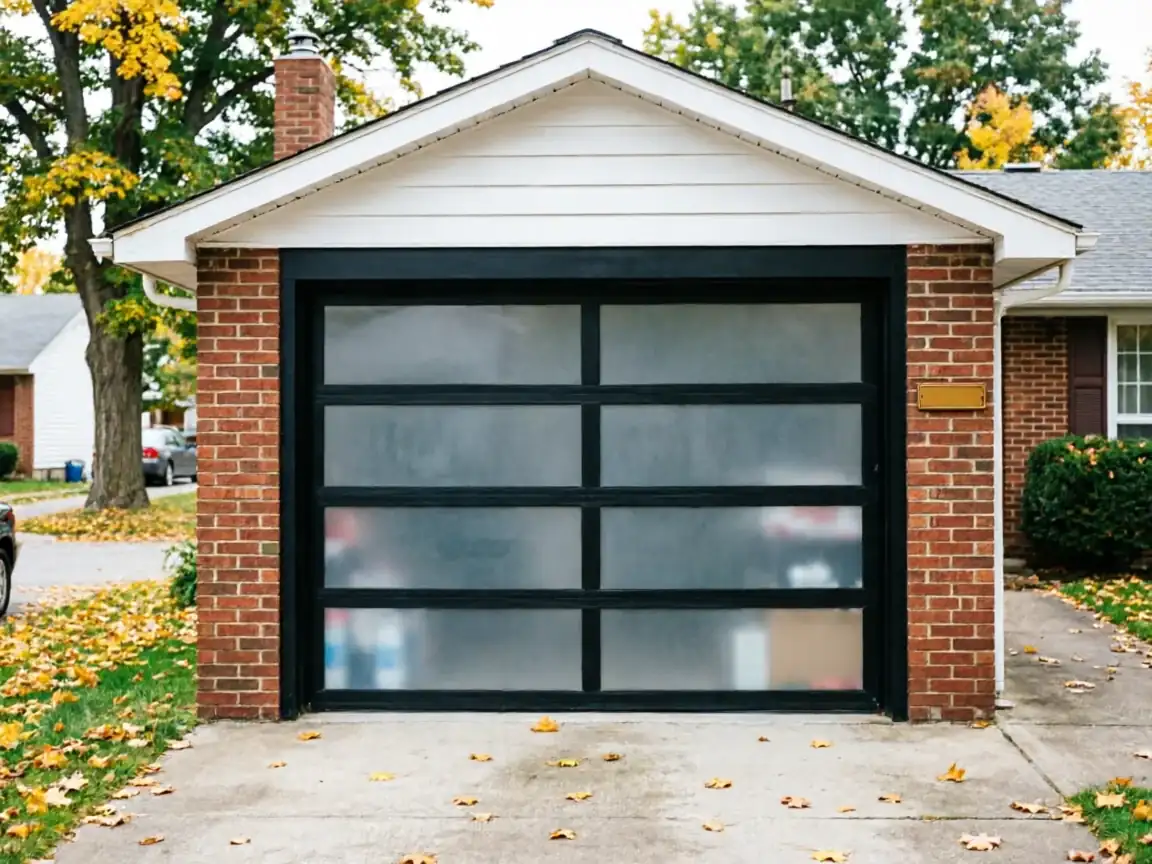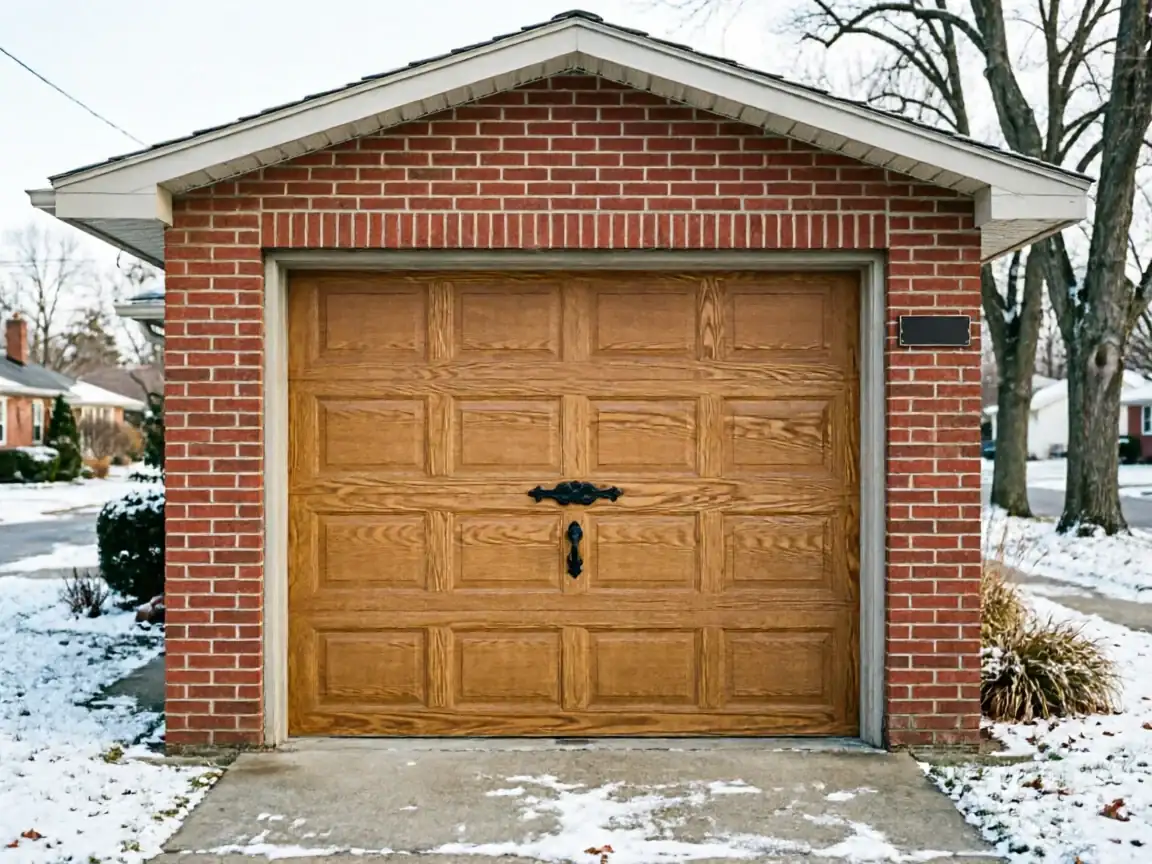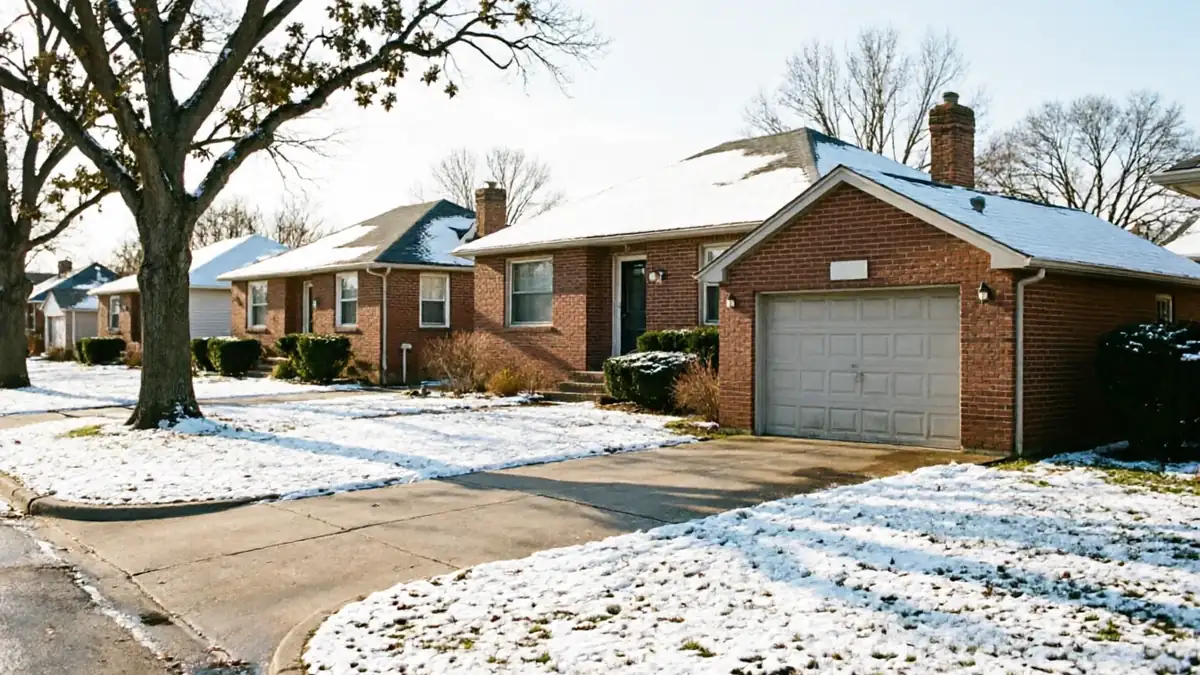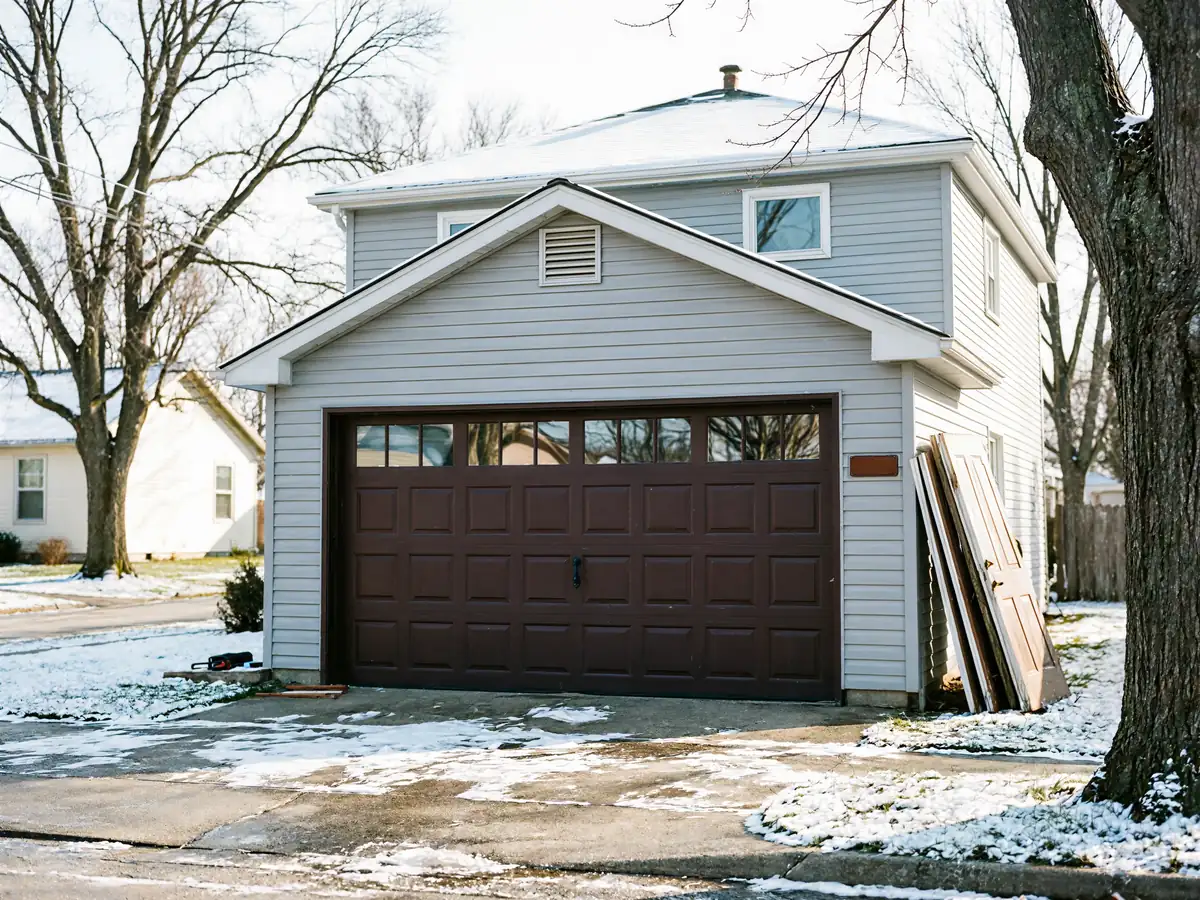
How Long It Takes
A straight panel swap on a door from this era, where the section is still in production or close to it, usually runs under two hours once we're on site. What adds time is sourcing: if your door was installed when Wildwood was still filling in with new construction through the 90s and early 2000s, the exact panel profile may need a special order, and that can push the job out by days rather than hours. We travel the 8 miles from Chesterfield for every call here, so the drive isn't the bottleneck - it's whether the panel is sitting in a warehouse or has to be cut from a full-length run.
What the Fix Involves
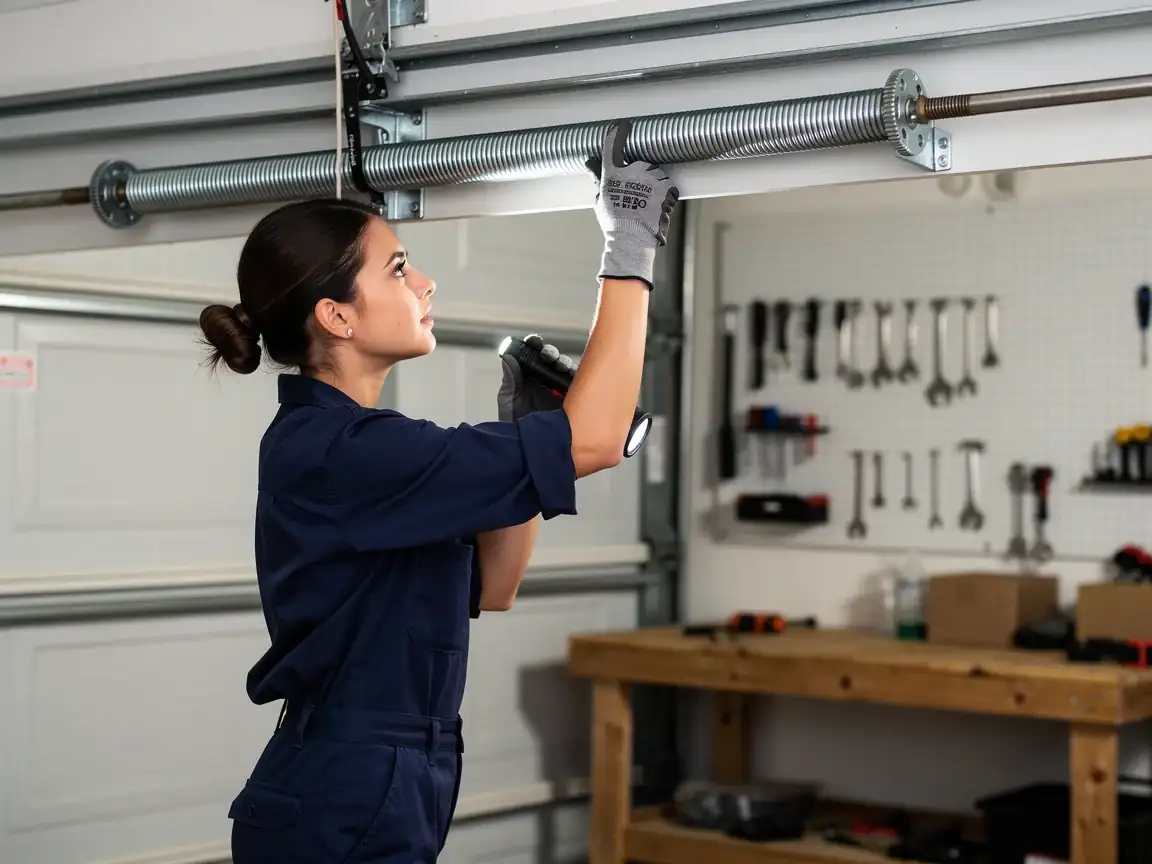
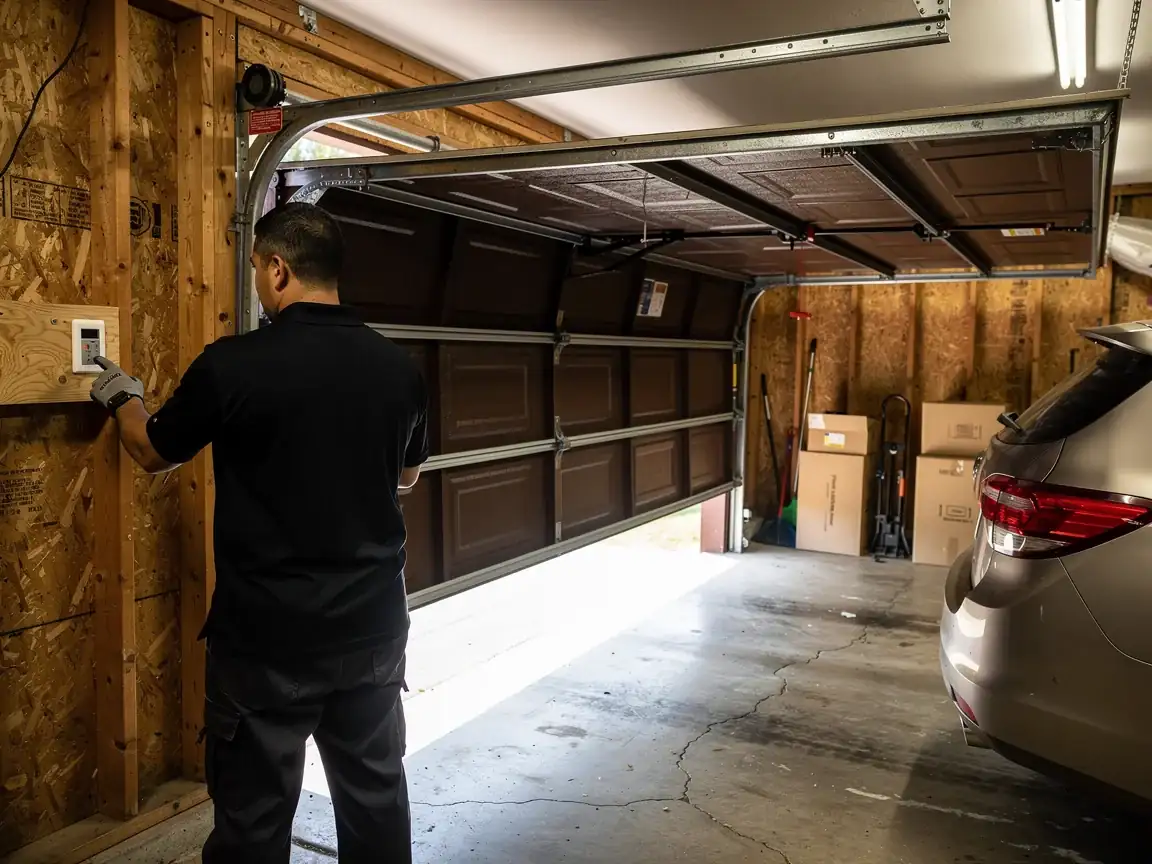
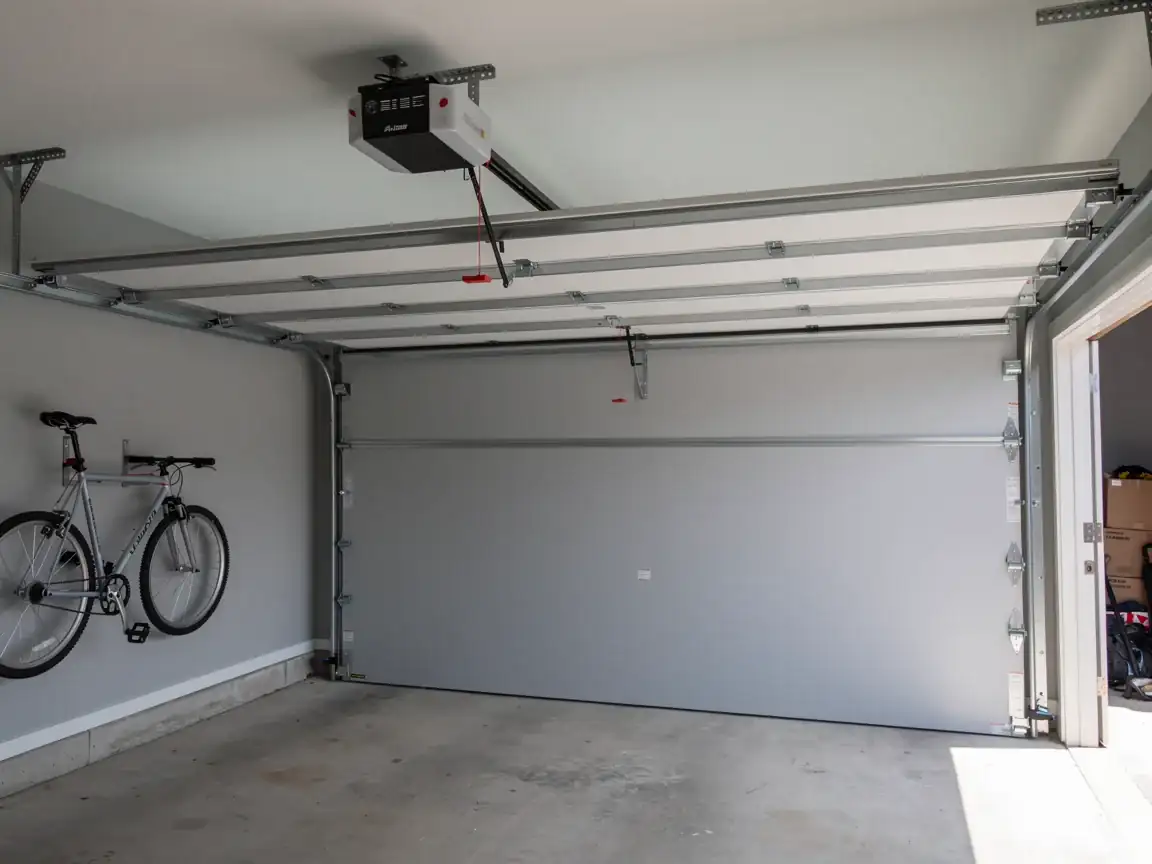
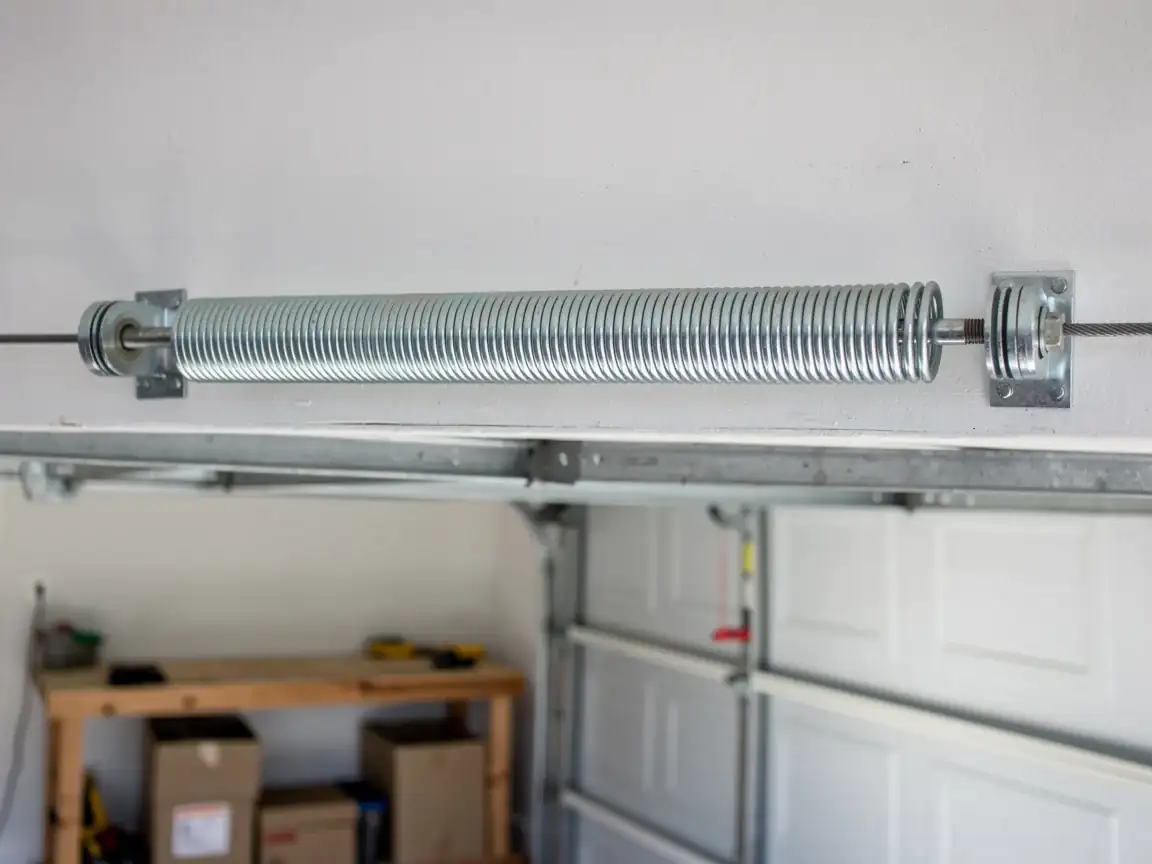
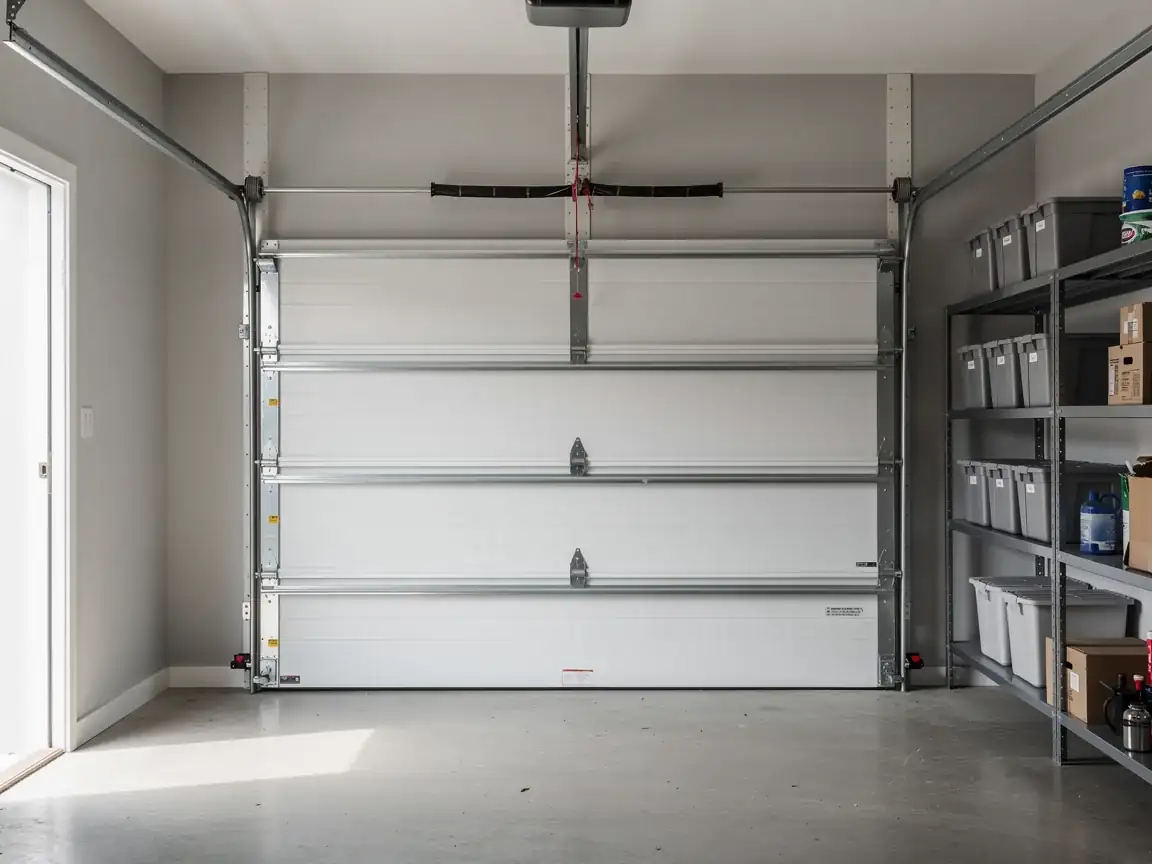
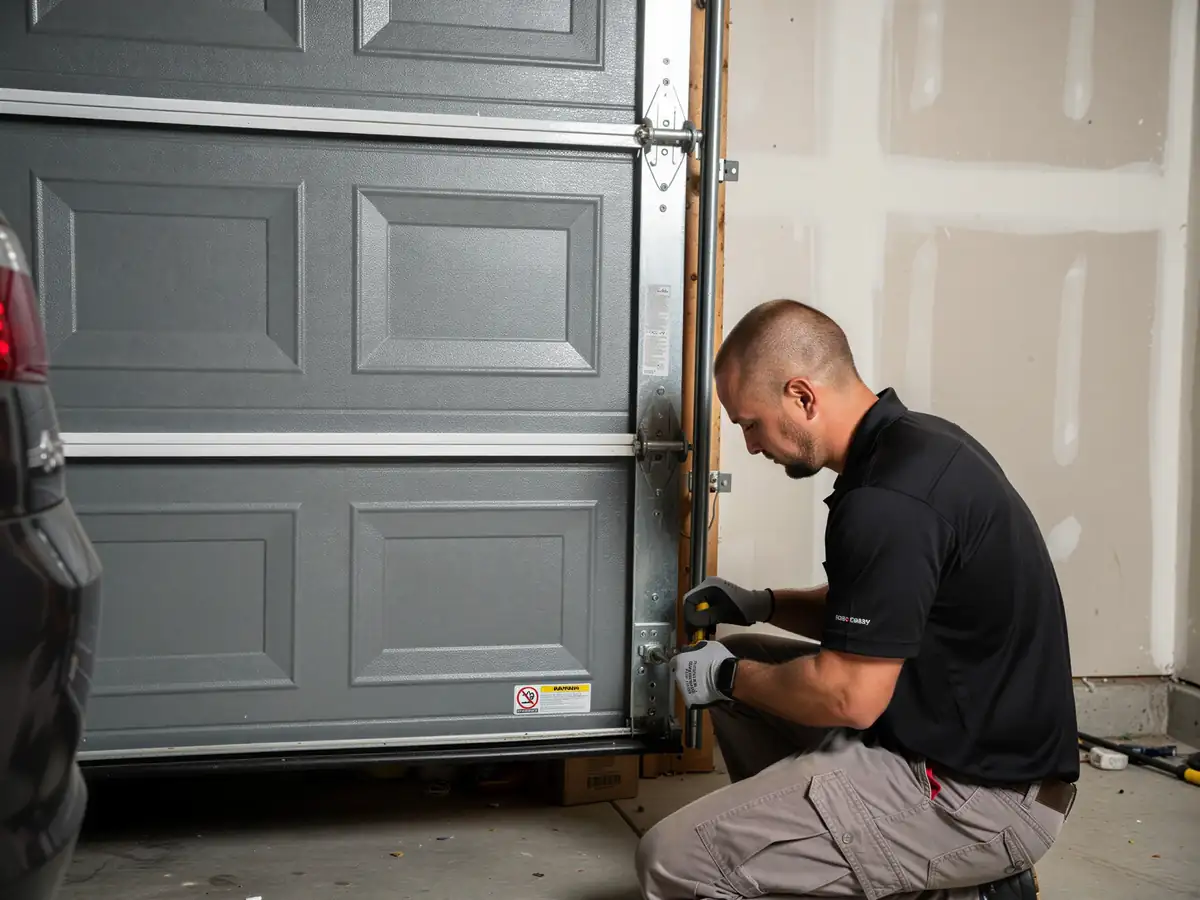
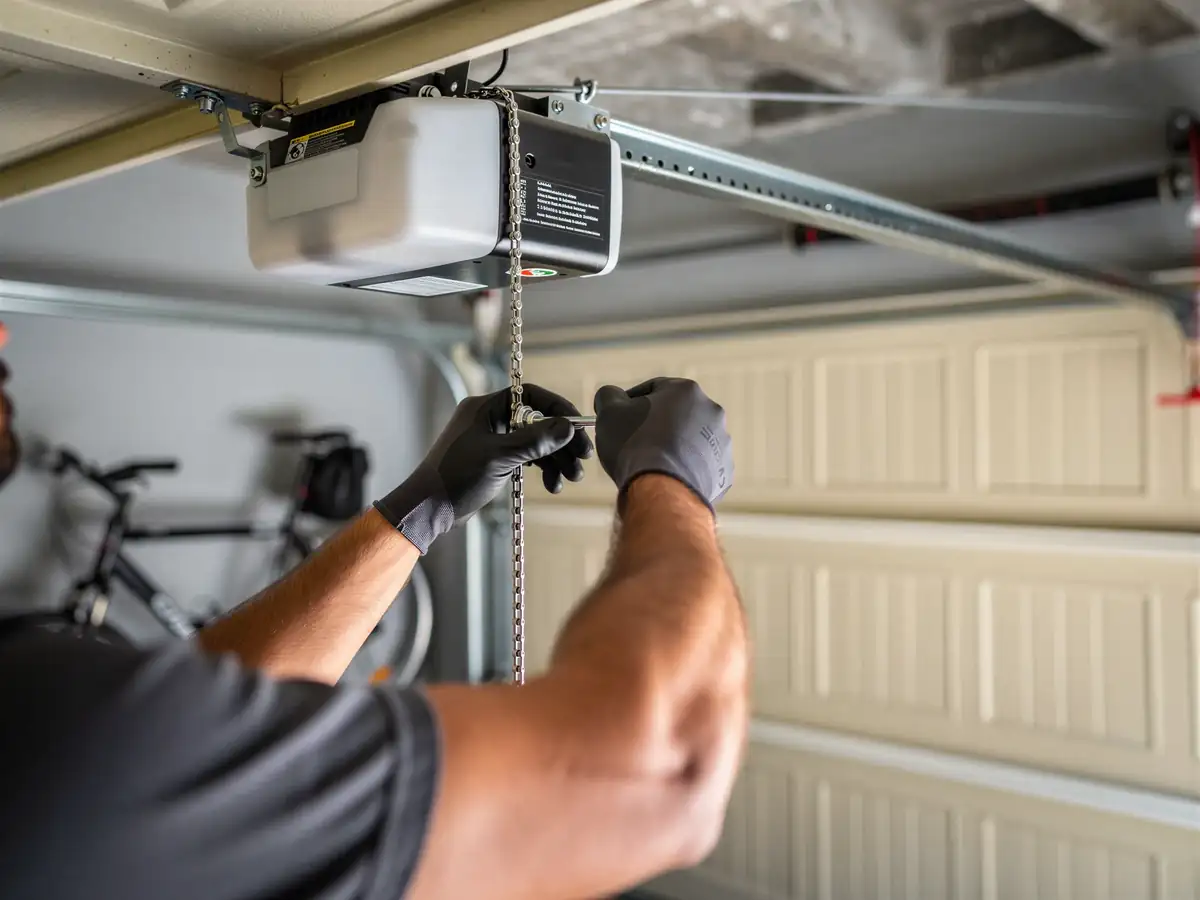
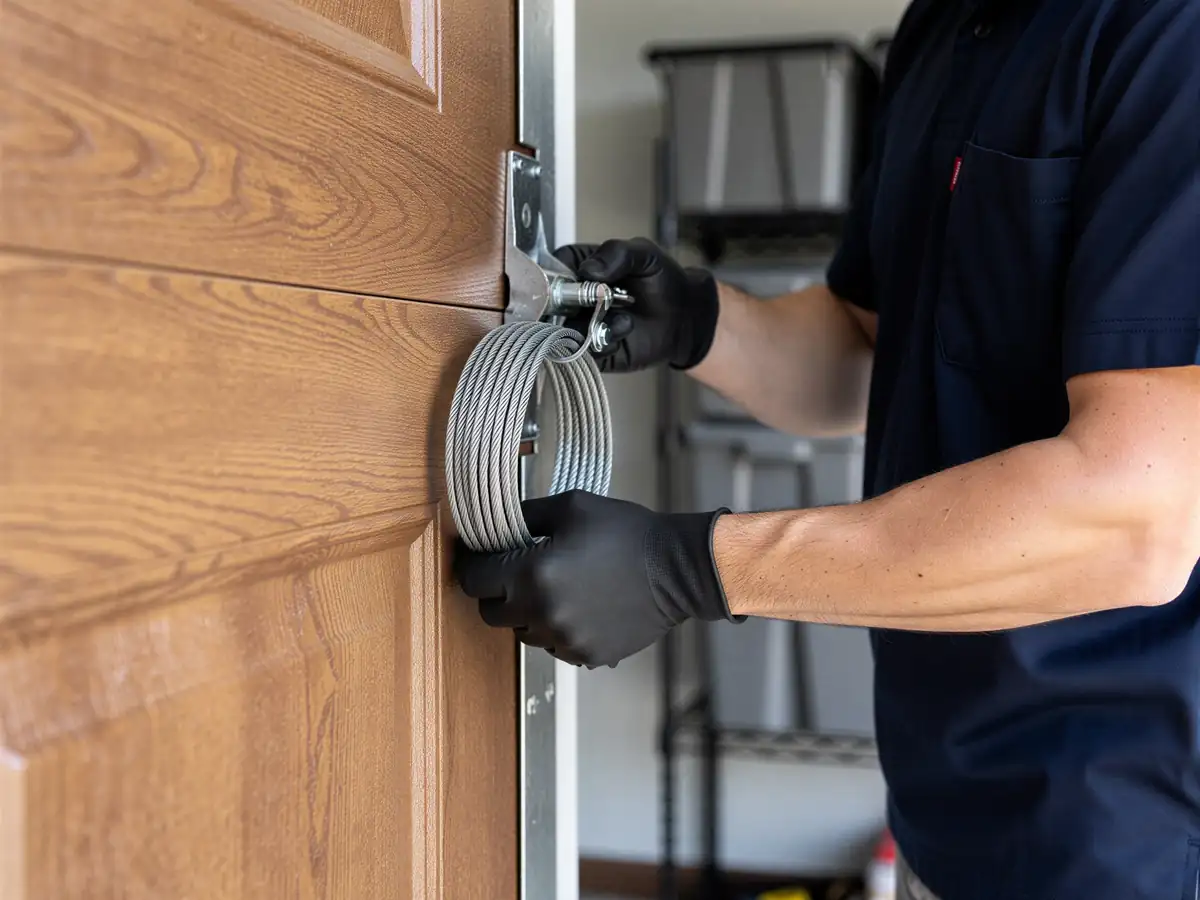
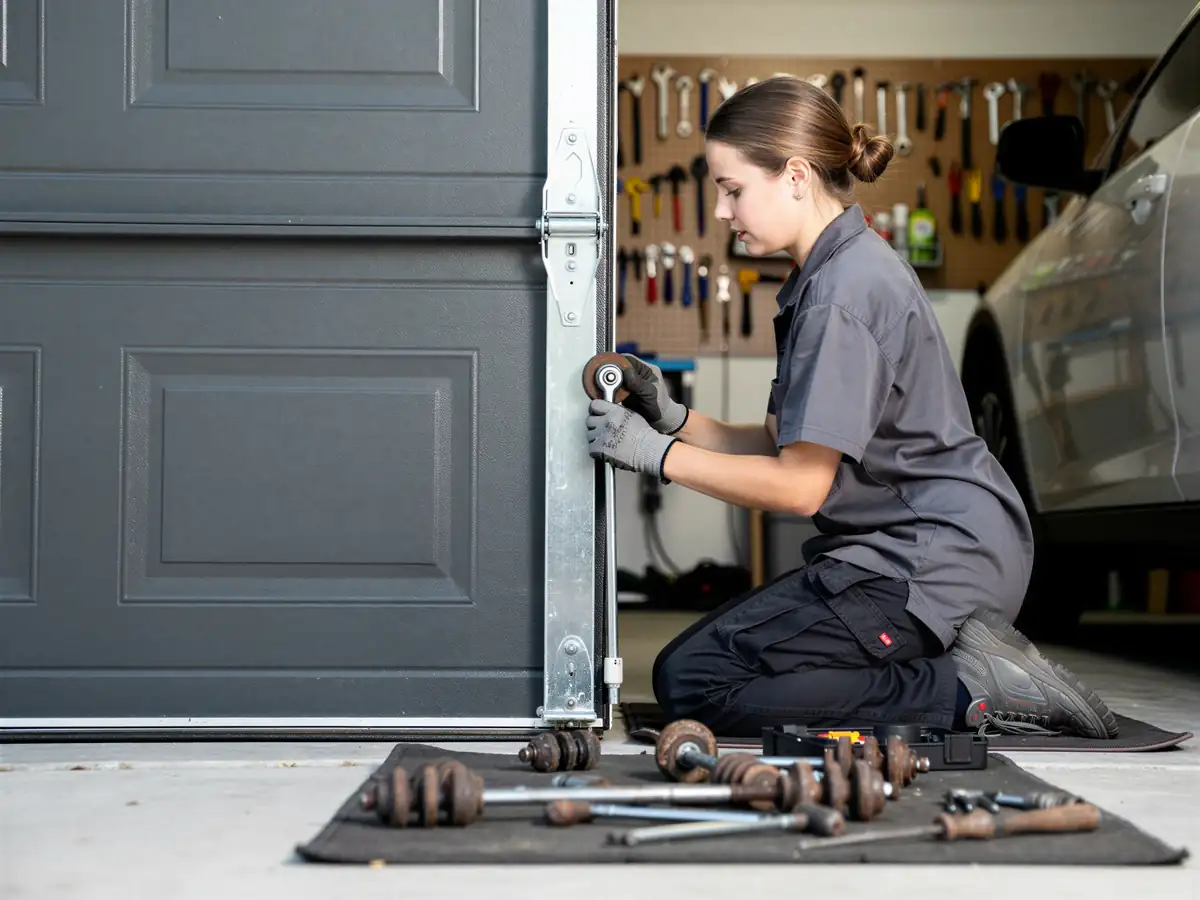
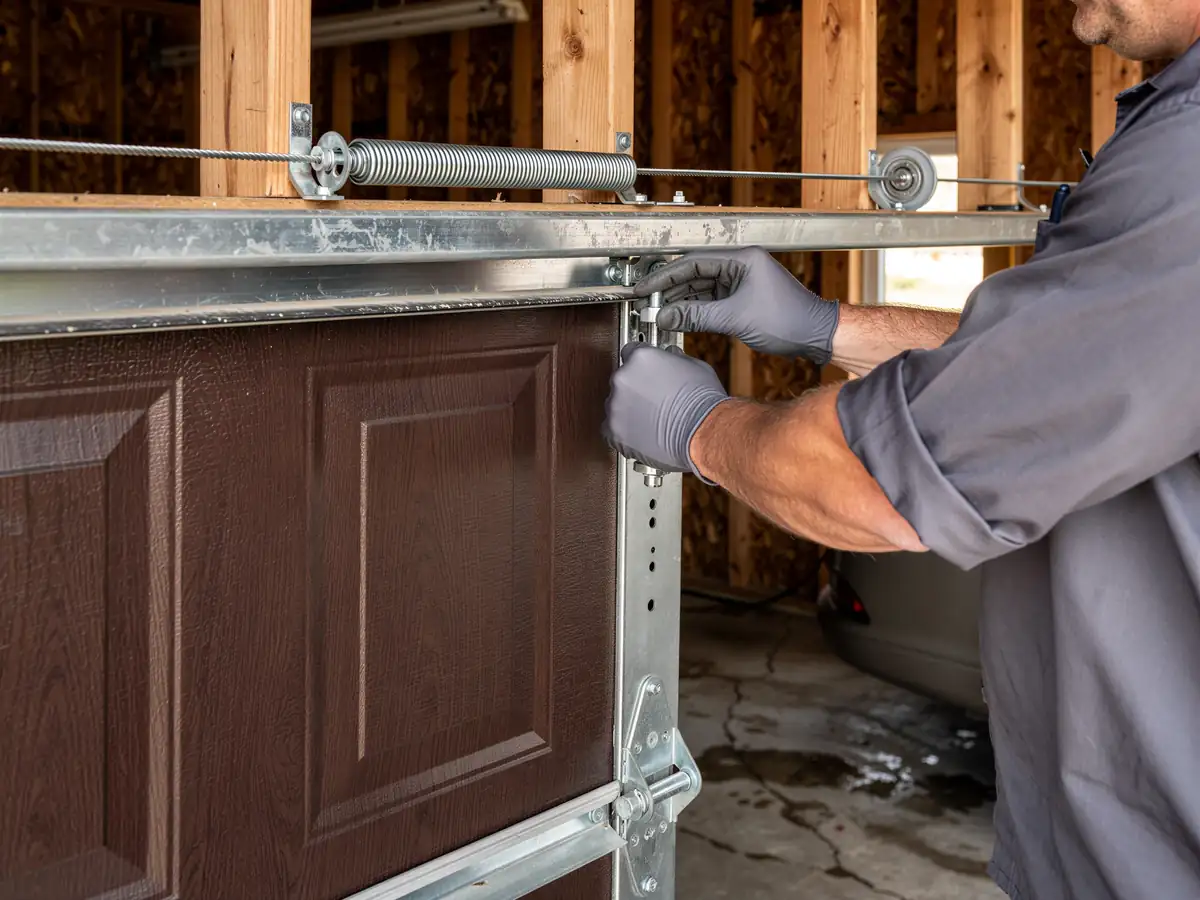
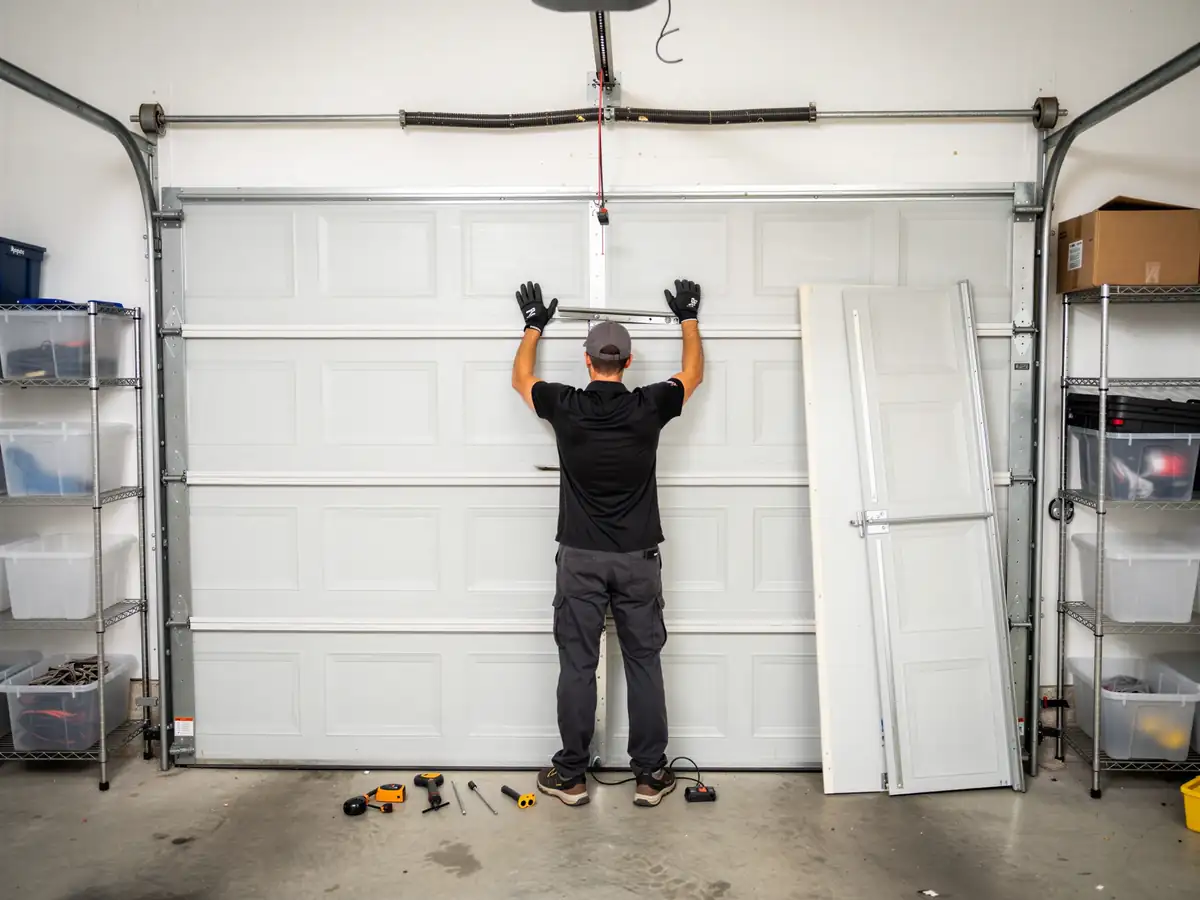
We start by confirming the panel size and ribbing match against your existing sections - on newer steel doors like the kind common in Wildwood, panels are usually interchangeable within the same model line, which makes this cleaner than matching an older wood door. We unbolt the damaged section from the hinges above and below, lift it clear of the track without disturbing the cables or springs unless the dent has bent a hinge stile, and set the new panel in place before re-torquing the hinge bolts. We check the track alignment after, since a bowed panel can pull a roller out of true even after it's replaced. If the spring system looks original to a mid-90s install, we'll flag it, but we're not going to sell you a spring job you didn't call for.
What Is on the Truck
We carry a range of common steel panel sizes and gauges to cover sectional doors built from the late 80s through today, since that spans most of what's on the road in this part of the county. We stock standard hinges, rollers, and fasteners sized for 90s-era steel tracks, along with touch-up paint in a handful of common factory colors. What we don't carry is every discontinued panel profile - if your door's a less common brand or an older run, we may need to order the exact match rather than pull one off the truck, and we'll tell you that up front instead of fitting something close.
Why It Happens Here
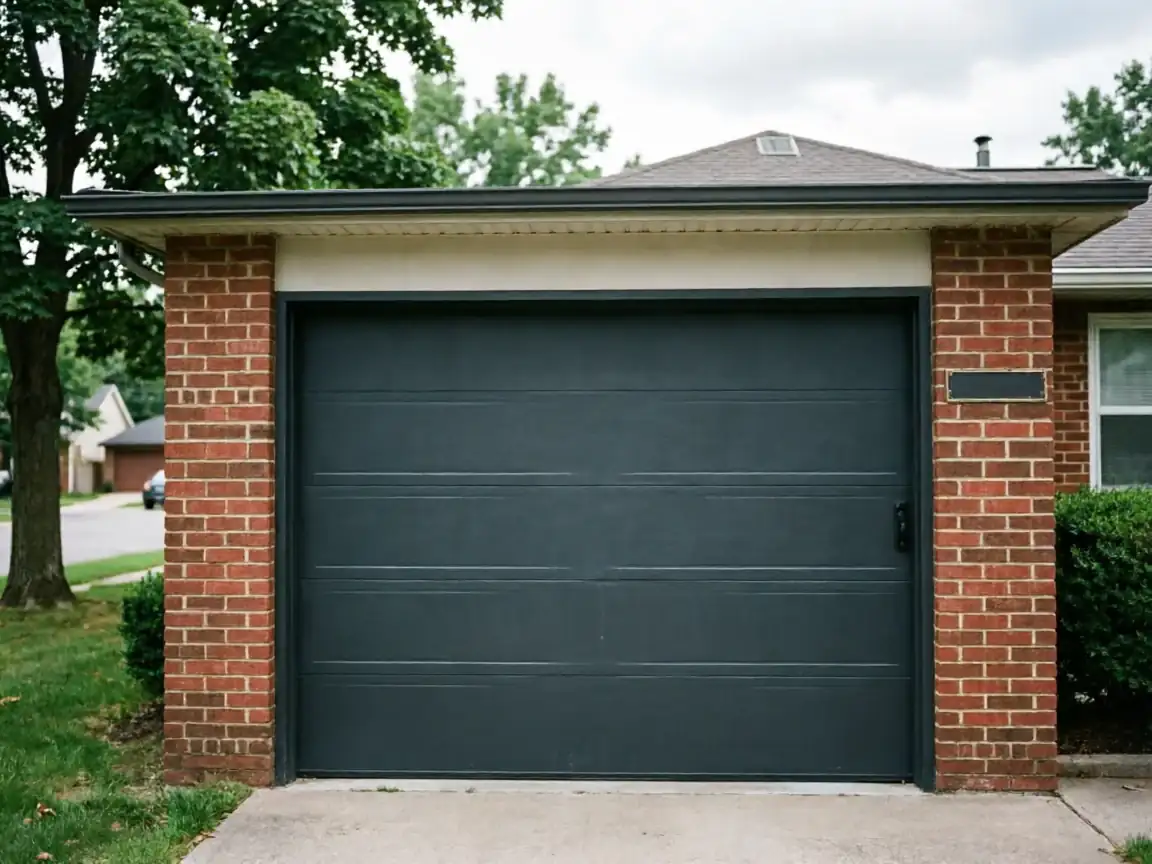
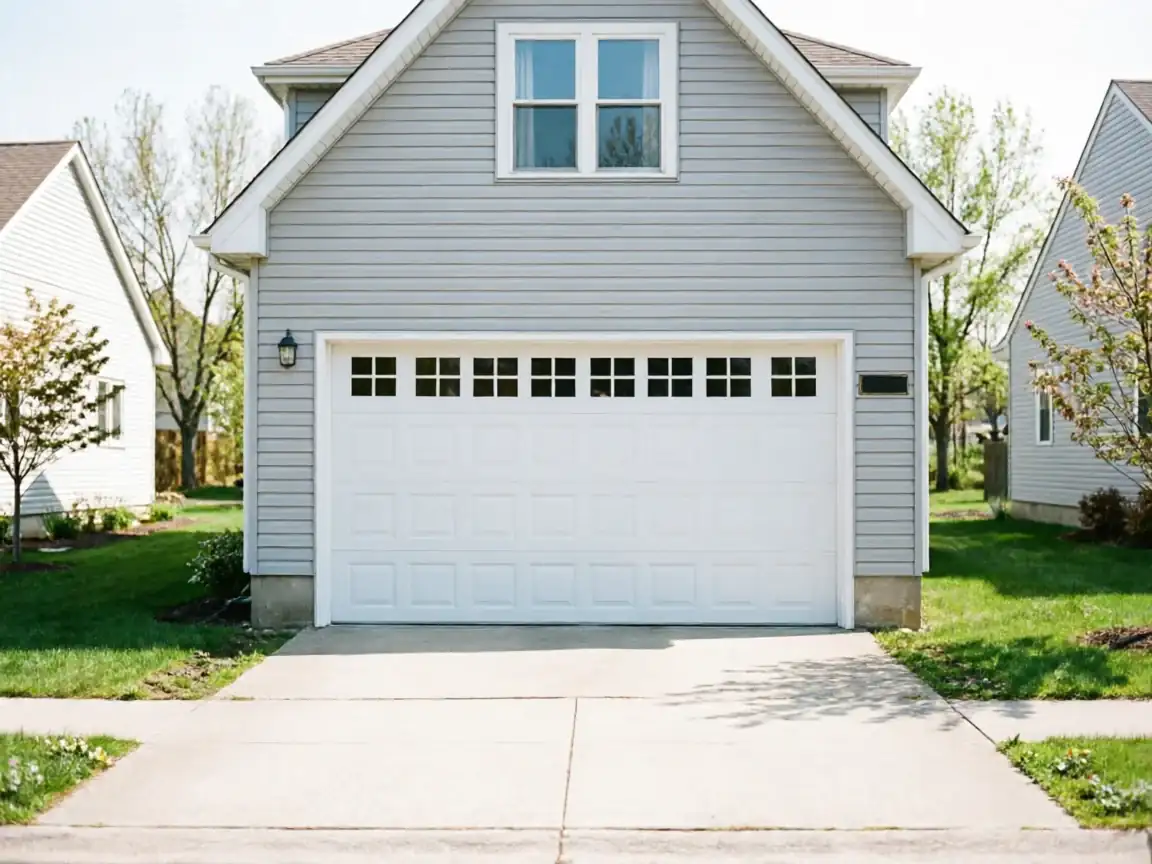
Wildwood's housing mostly went up well after 1992, newer than the service area's overall median of 1969, which means fewer of the original wood panel doors and a lot more steel sectional doors that take dents instead of cracks. A basketball, a backed-up trailer hitch, or a stray mower kicking up a rock does more damage to a crisp steel panel edge than it would to an older wood door, which tends to absorb the hit differently. With a median household income of $157,750 in this area, well above the wider service area's $86,641, we also get more calls for a clean cosmetic match rather than a patch - owners here tend to replace the dented section rather than live with it. Cold-climate temperature swings don't cause the dent, but they do make steel more brittle in January, so winter hits tend to crease rather than just dimple.