Can You Do This Yourself
Some of it, yes
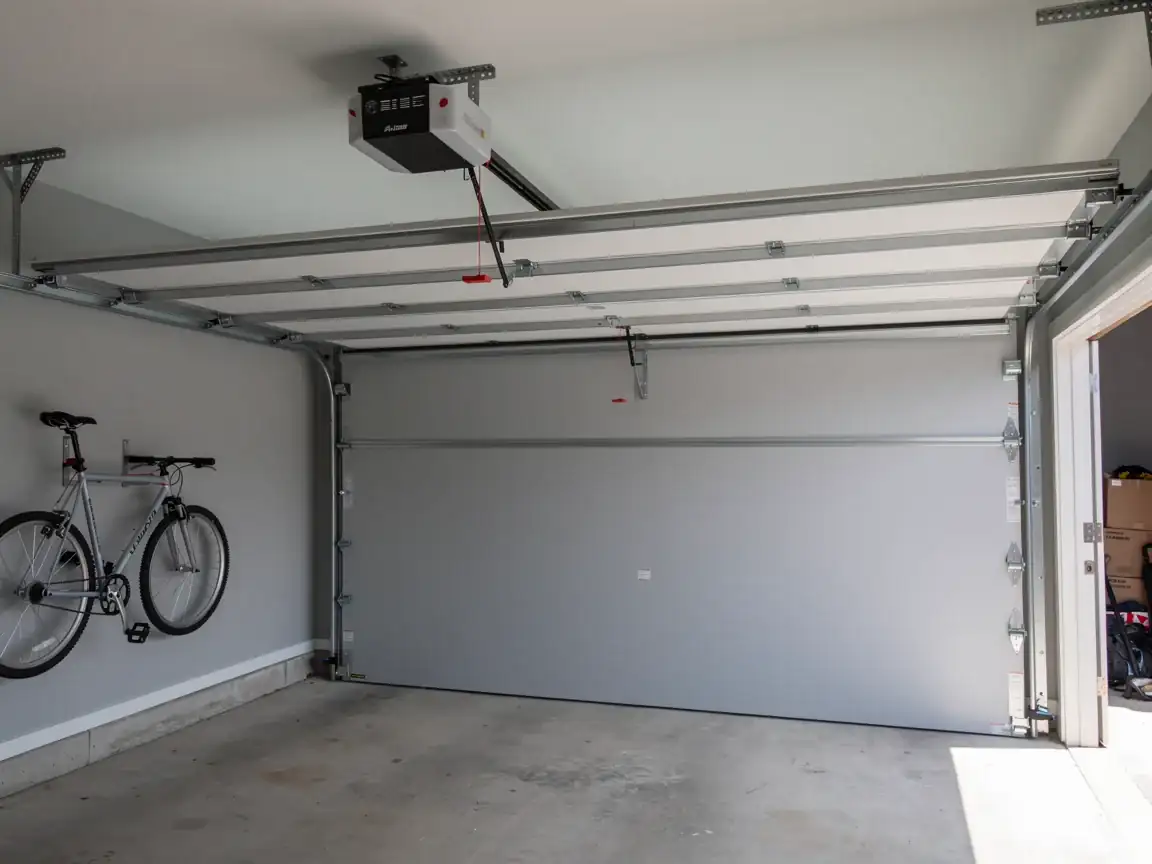
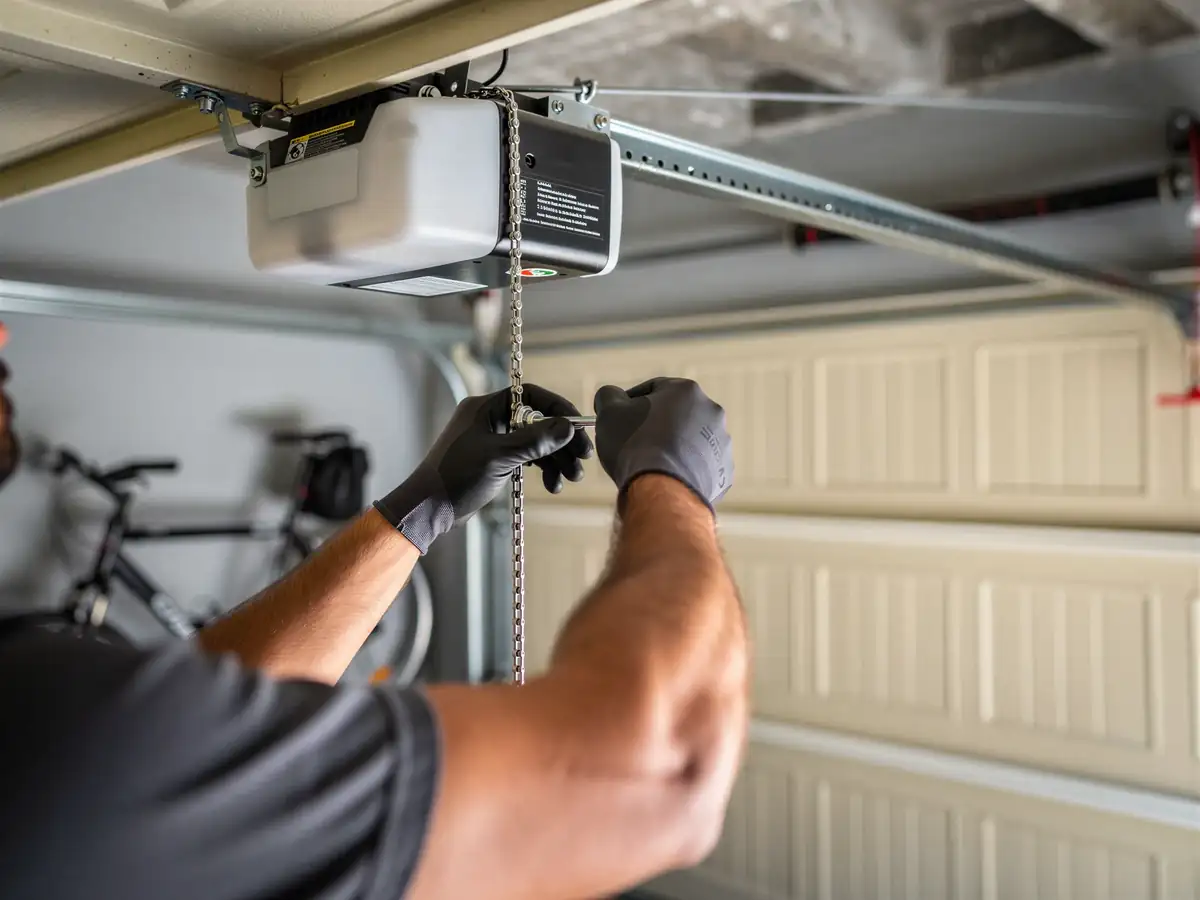
If the opener runs but the remote has stopped pairing, or the wall button is dead, that's often a battery or a settings reset you can do without a truck showing up. Wildwood's housing, mostly built from the early 1990s onward, tends to have openers original to the house or one upgrade cycle in - chain and belt drives with circuit boards, not the older relay-and-chain units you still find on homes from the 1960s and 70s closer to the city. Board-based openers have diagnostic lights that blink out an error code, and that code tells you a lot before anyone touches a wrench.
What you shouldn't take on
Anything involving the logic board itself, the drive gear inside the head unit, or safety sensor wiring. Those jobs call for parts matched to the opener's age and model, and guessing wrong on a board swap can brick a unit that was otherwise fine. If the door moves a few inches and reverses, or the opener hums without lifting the door, that's a job for a call, not a troubleshooting video.
How Long It Takes
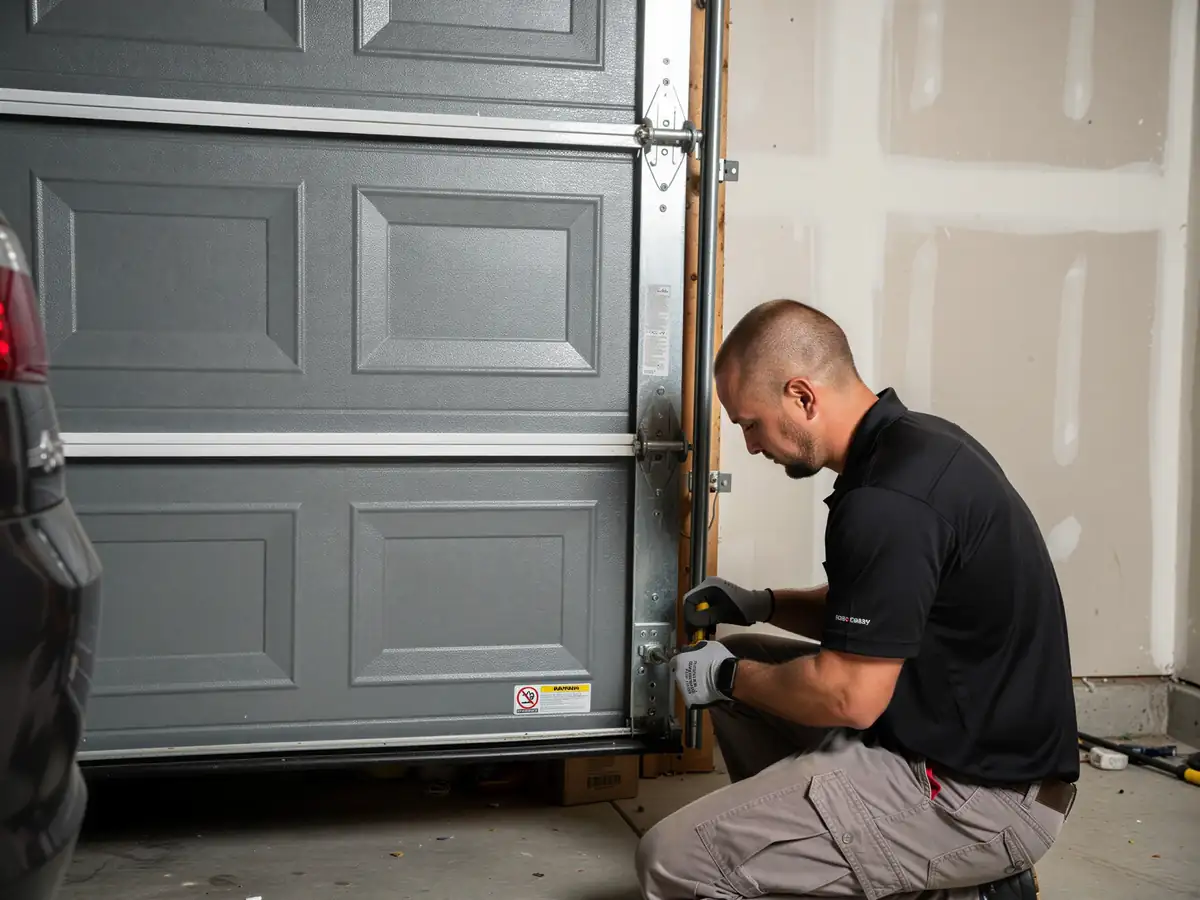
A straightforward opener repair - sensor realignment, logic board reset, gear and sprocket replacement, remote reprogramming - usually runs under an hour once the tech is on site. The trip itself is the variable. Wildwood sits about 8 miles from Chesterfield, so figure that drive time into when the job actually starts versus when you called.
Full opener replacement takes longer, closer to two hours, since it includes removing the old unit, mounting the new one, and testing travel limits and the safety reverse. Given the newer build dates out here, most opener replacements in Wildwood are swaps of a unit that's reached the end of its working life rather than removal of decades-old gear - which usually means less time spent fighting old brackets or mismatched hardware.
What the Fix Involves
Opener trouble in a newer-build house usually traces to one of a few spots: the drive gear or sprocket wearing down (plastic parts that give out with age and use, regardless of house age), the logic board failing after a power surge, or the safety sensors drifting out of alignment. Houses built in the 1990s and later in this area were wired for these board-based systems from the start, so the repair is mostly diagnosis and part-swap rather than retrofitting old wiring to new electronics.
The tech checks the sensor alignment first since that's the most common cause of a door that won't close, then tests the logic board's response to the remote and wall button, then inspects the drive mechanism for stripped gears or a worn belt. Whatever's identified gets replaced with a matched part - we don't force a universal part onto a system it wasn't built for. If the opener is old enough that parts are no longer made for it, replacement gets discussed honestly rather than patched over.
How to Book
Calls for Wildwood get scheduled out of Chesterfield, 8 miles away
So when you call, expect the scheduler to work the drive time into the window they give you rather than promise a specific arrival minute. Have the opener's brand and, if you can see it, the model number on the unit itself - that lets the tech load the right gear kit or board before leaving rather than diagnosing on-site and then driving back out for a part.
- 8 miles
If the issue is urgent
Door stuck open or closed and you can't get a car in or out - say so when you call. If it's intermittent, like a remote that sometimes doesn't fire, that information helps the tech test for the actual fault instead of guessing.
What Is on the Truck
Given the age of opener hardware typically found in Wildwood, the truck is stocked more for board-based and belt-drive systems than for the older relay units that show up in the area's oldest pockets. That means a selection of drive gears and sprockets, safety sensor units, logic boards for the common manufacturers, and remotes that pair to current opener models.
What's not always on the truck: a board for a genuinely discontinued opener model. If a house still has its original opener from before 1992 construction - rare out here, but it happens - that part may need to be ordered rather than carried. That's the one honest gap: we stock for what we see most, not every unit ever made.
Why It Happens Here
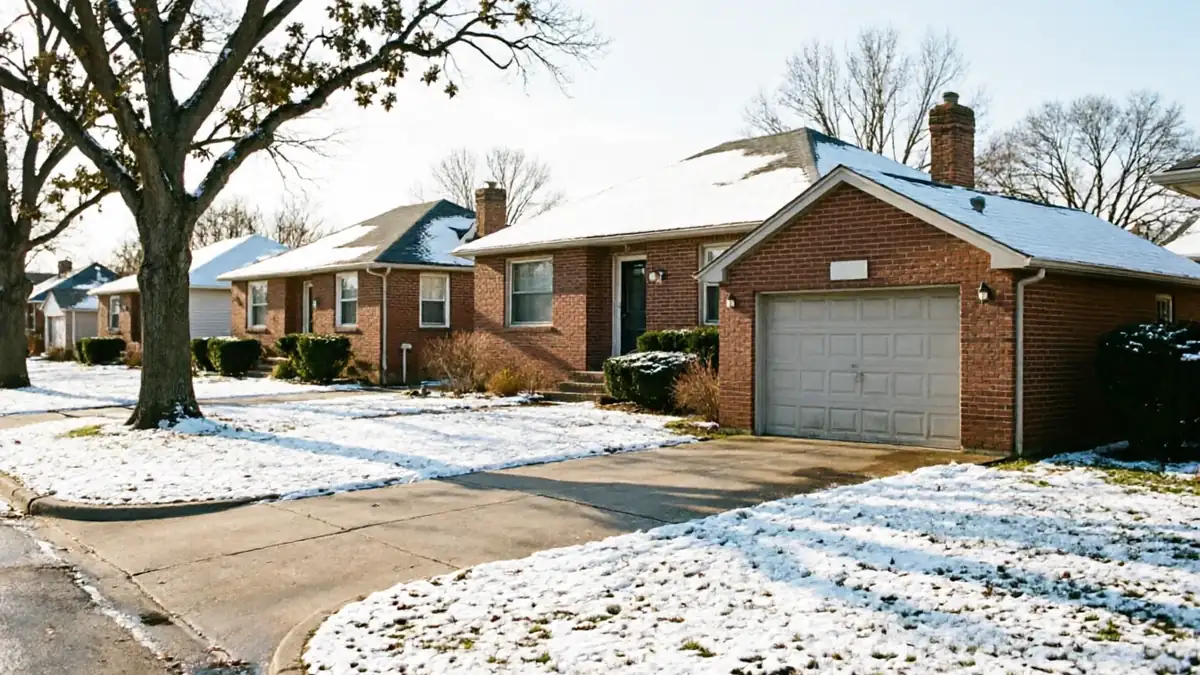
Wildwood's housing stock skews notably newer than much of the broader service area, where the median build year sits around 1969. Homes here, with a median build year closer to 1992, were constructed after garage door openers with circuit boards and photoelectric safety sensors became standard equipment rather than an upgrade. That means fewer manual-reverse mechanical openers and fewer mismatched retrofit jobs, but it also means the openers now failing are the boards and gears of 1990s and 2000s-era units reaching their natural end of service life.
With 12,966 households in Wildwood and a median income of $157,750, a fair number of these homes have also had an opener upgrade at some point - a quieter belt drive, a battery backup unit, a smart-home-connected model. Those add features but also add failure points: Wi-Fi modules, battery packs, and app pairing that older straightforward chain-drive units simply didn't have to deal with.