Openers, Power Cuts, and Chesterfield's Older Housing Stock
Chesterfield homes built 1947-2011 often pair older openers with original wiring. Here's what that means for power cuts, manual release, and replacement costs.
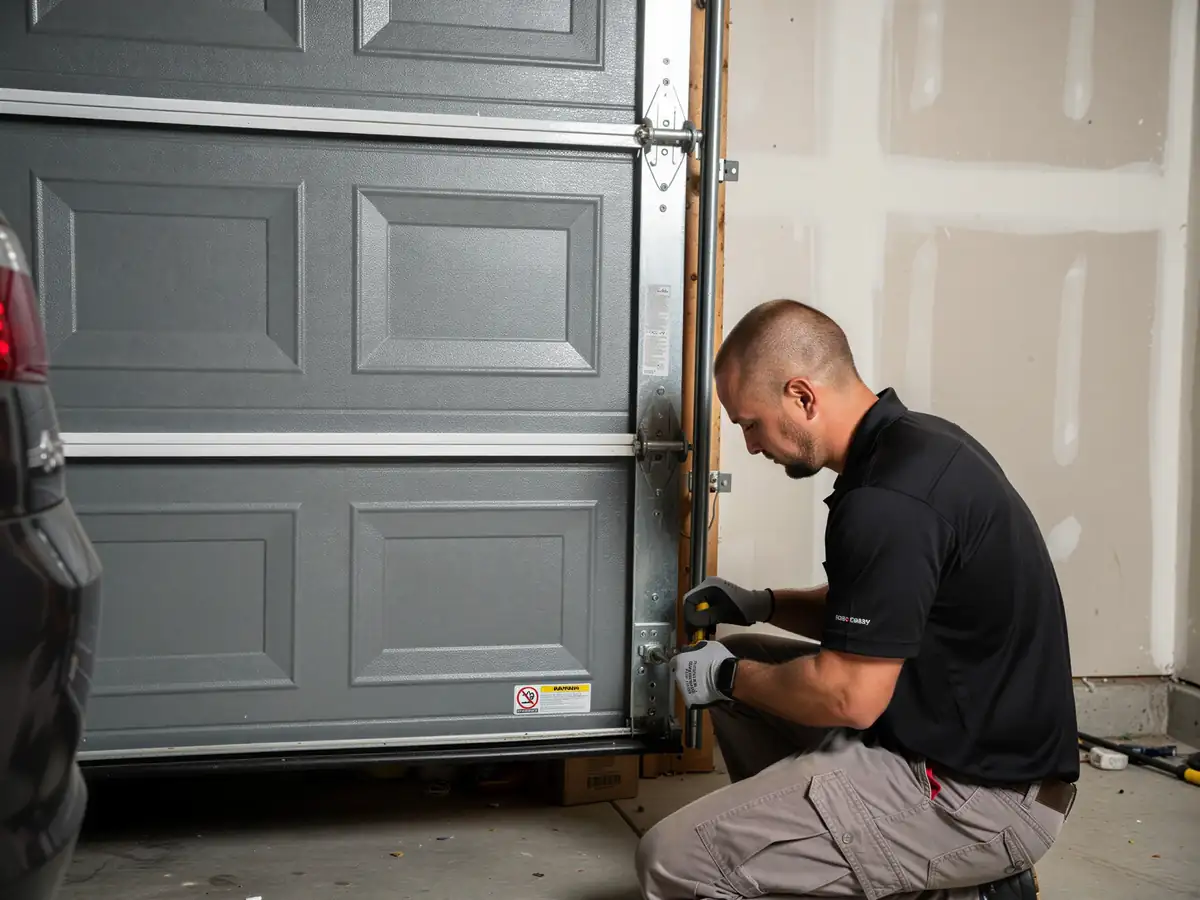
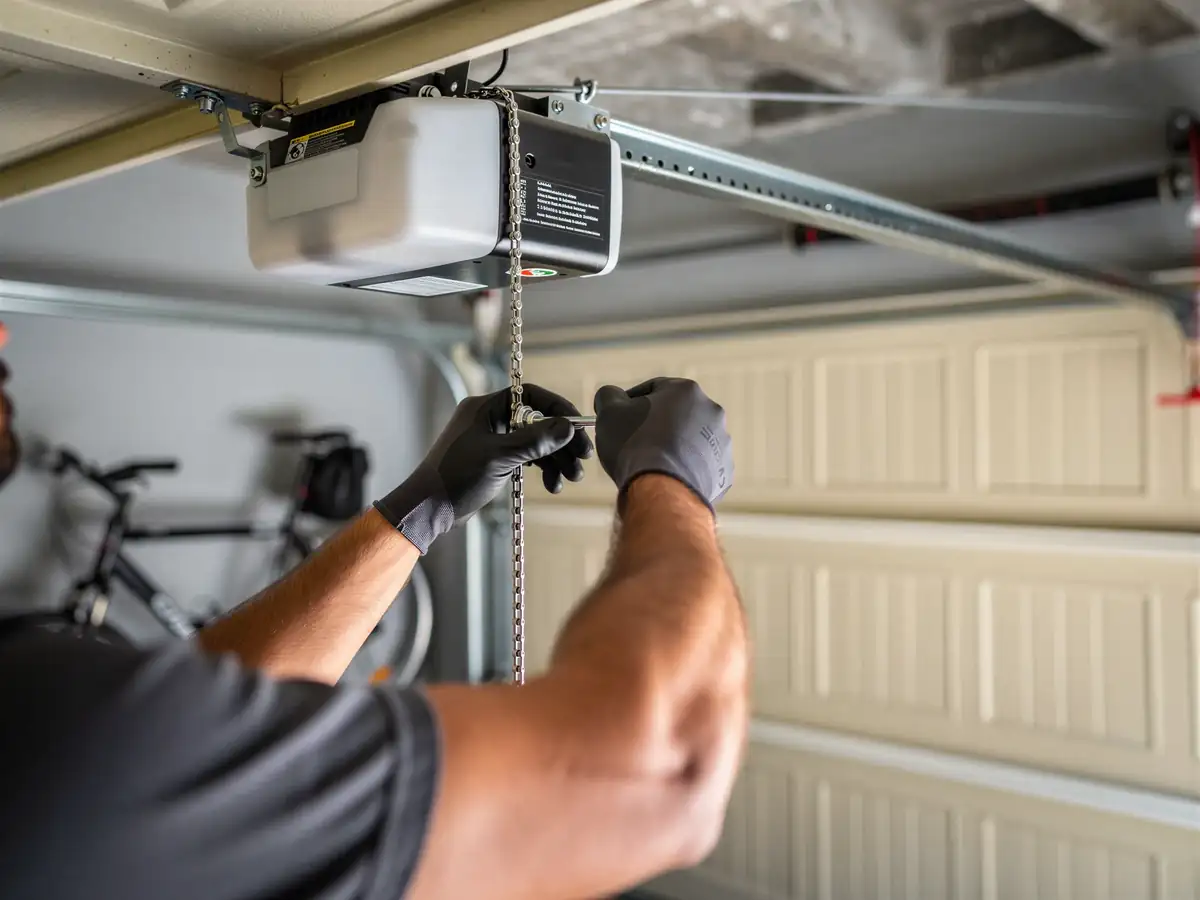
What this job costs depends on what's actually failing, and in Chesterfield that's rarely just the opener itself. A lot of houses in this area went up between 1947 and 2011, with the median landing around 1969, and that matters because a house from that era was wired for an opener that drew a fraction of the power a modern unit needs. Swapping a dead opener for a new one sometimes means the outlet, the wiring, or even the breaker it's on needs attention too - not every time, but often enough that we won't quote blind over the phone. We also won't tell you a belt-drive opener is a drop-in replacement for a chain-drive unit on 1960s hardware without seeing the rail and the header clearance first. If your opener is original to a house built in that window, you're not looking at a simple swap - you're looking at an upgrade, and the cost reflects that. We don't pad a quote with work you don't need, and we'll say so if the fix is smaller than you think. The honest limitation: if the motor is original to a 1960s build, we're not going to rebuild it. Parts for that generation stopped being stocked years ago, and chasing them costs you more than a new unit.
Where People Go Wrong
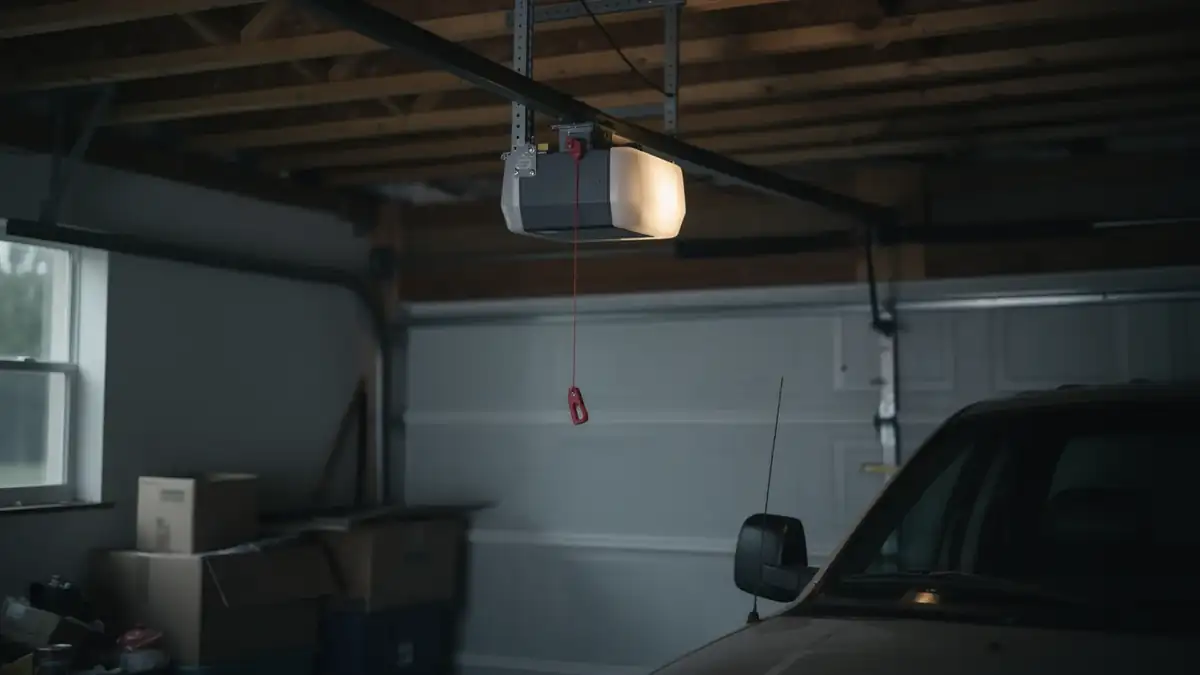
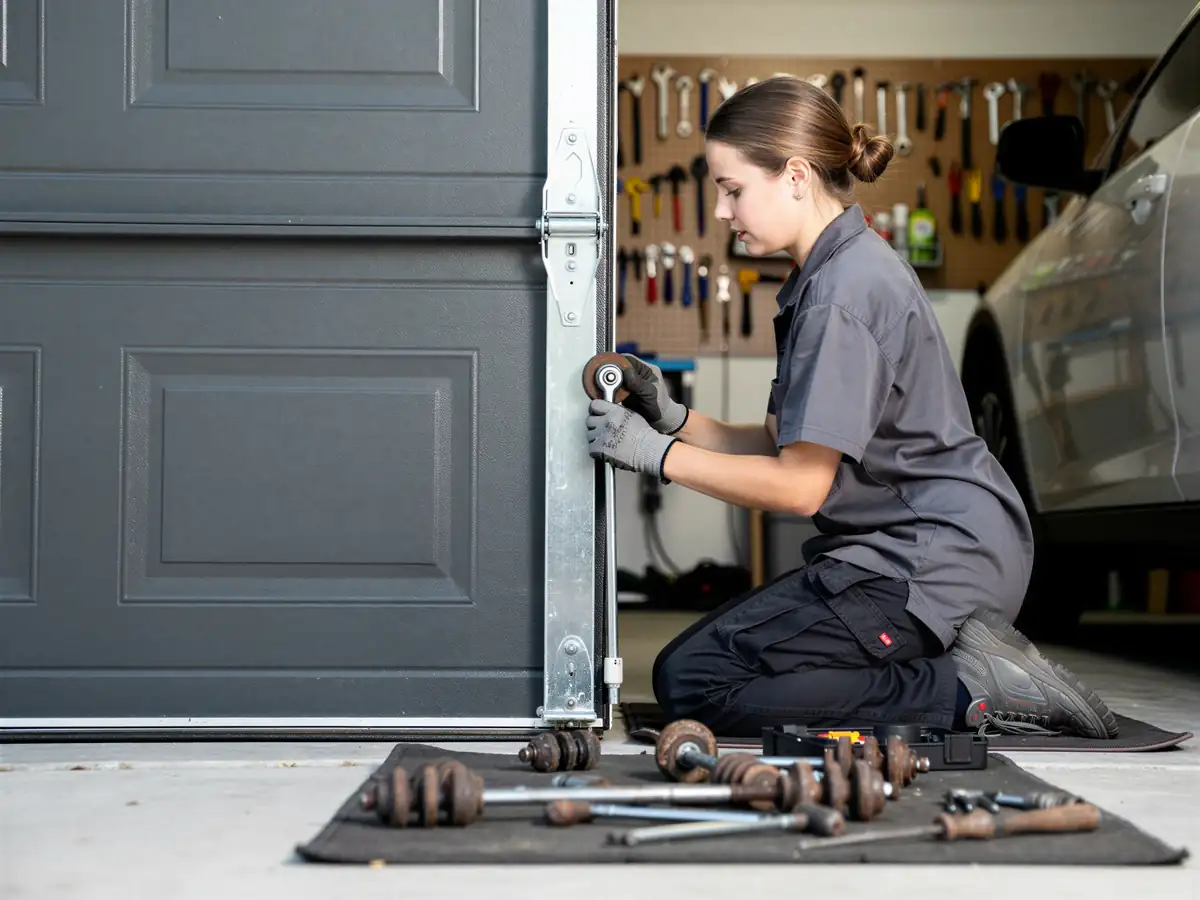
The most common mistake we see in Chesterfield is homeowners assuming a dead opener means a dead opener, full stop, when half the time the real issue is upstream of it. Houses built across the 1960s and 70s runs that make up most of this area's stock were often wired on circuits shared with other garage or exterior loads, so a tripped breaker or a brownout can look identical to a burned-out motor board. People replace the opener, the door still won't run, and now they've spent money solving the wrong problem. Another mistake: assuming the manual release cord still works the way it did when the house was built. On older track hardware, the release mechanism can be stiff or misaligned enough that pulling it during a power cut jams the carriage instead of freeing it. If you've never tested yours with the power on, you don't actually know it'll work when the power's off. Test it once, deliberately, in daylight - not for the first time in the dark during an outage.
How Local Conditions Play In
Chesterfield sits in a cold-moderate climate band, which means winter cold snaps are a real seasonal factor, not an edge case. Cold doesn't usually kill an opener outright, but it does two things that make power cuts worse when they hit: it stiffens the grease in older gear-drive units so the motor draws harder at startup, and it shrinks battery capacity in any battery-backup opener by a meaningful margin right when you need the reserve most. If your opener has a backup battery and it's more than a couple years old, a winter outage is exactly when you'll find out it's dead. We don't recommend battery backup as a blanket upgrade for every house here, but if you've got an opener that's already struggling to start on a cold morning, a cut in power is the day that struggle becomes a full failure instead of a slow one.
The Situation
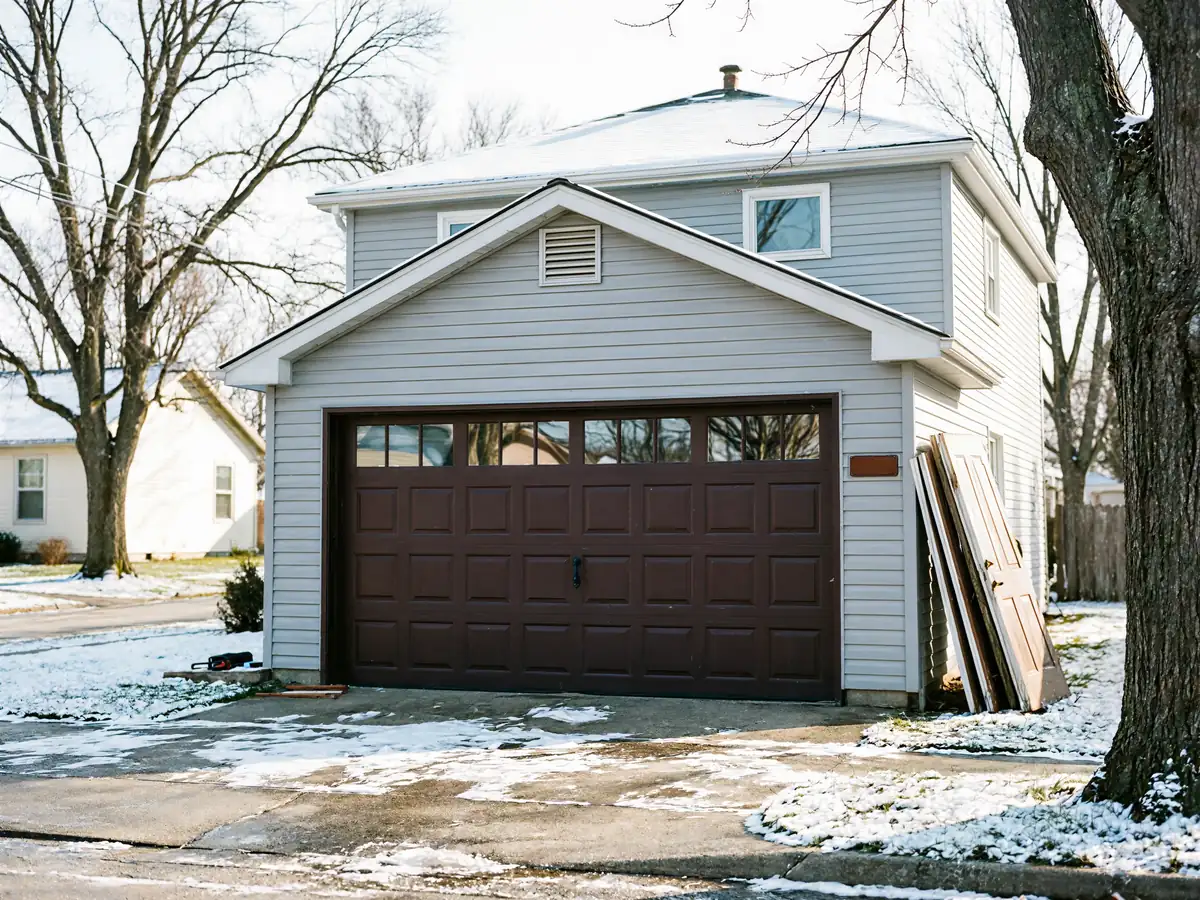
Put plainly: a lot of Chesterfield's housing stock is old enough that the opener, the door hardware, and the electrical setup behind it were never designed around each other the way a 2020s install would be. That's not a flaw in your house - it's just the reality of a neighborhood built mostly in the 1960s and 70s with some newer infill up through 2011. When we get a call about a dead opener during a power cut, our first question isn't about the opener - it's about the age of the install and whether the manual release has ever actually been used. Get that answer right and the rest of the job is usually straightforward.
Usually not on its own. The bigger risk in Chesterfield's older housing stock is a motor that was already working harder than it should on a shared or aging circuit - a sudden cut just exposes a weak point that was already there, rather than causing new damage itself.
Should I replace my opener's backup battery before winter?
If it's more than a couple years old, yes. In this cold-moderate climate, battery capacity drops in cold weather, so a backup that tested fine in summer can fail during a winter outage exactly when you need it to lift the door.
My house is from the 1960s - can I just swap in a new opener?
Sometimes, but not always. Houses from that era were wired for lower-draw motors, and the rail and header clearance don't always match modern belt-drive units. We check the wiring and hardware before quoting, rather than assuming a direct swap.
How do I manually open the door if the power cuts out?
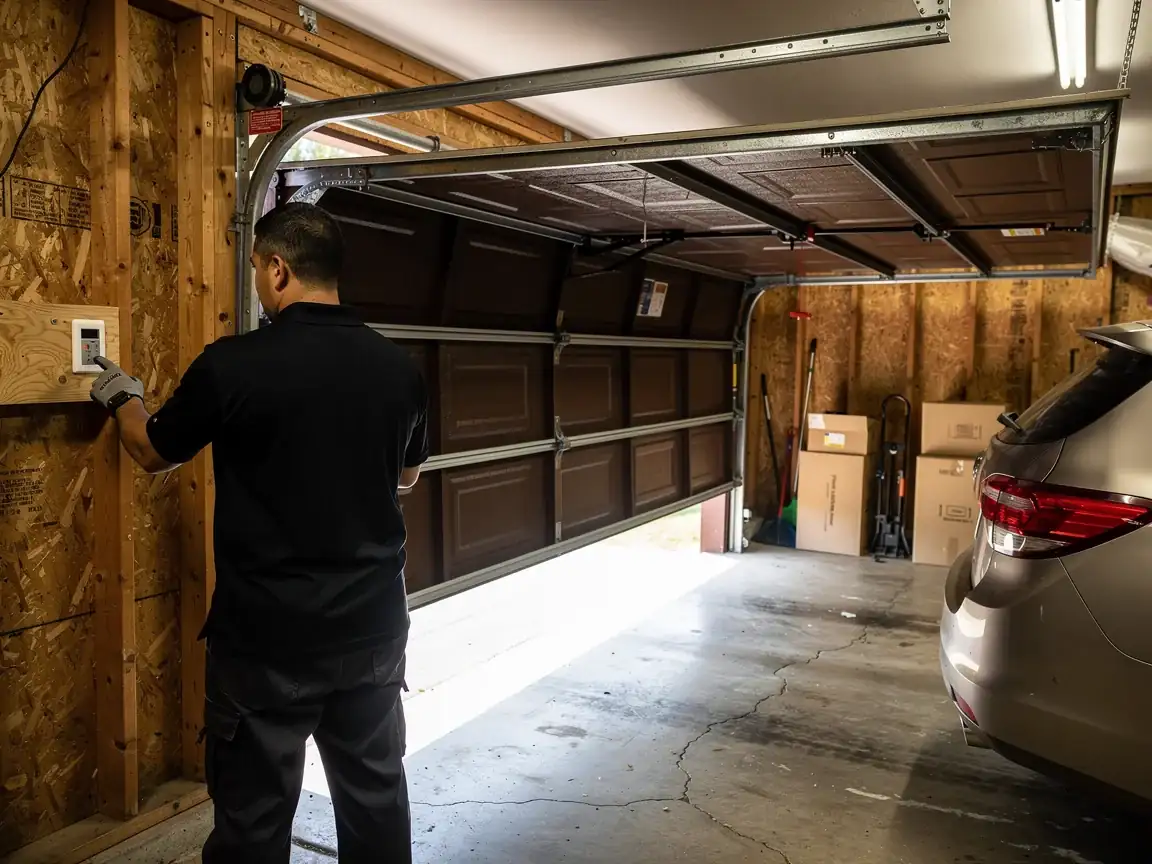
Pull the red manual release cord hanging from the carriage, then lift the door by hand. Test this once in daylight before you ever need it in the dark - on older track hardware the release can be stiff enough to jam if you've never used it.
Ready to get your garage door sorted?
Tell us what it’s doing and where you are in Chesterfield - we’ll take it from there.