Can You Do This Yourself
A full door swap is not a weekend DIY job
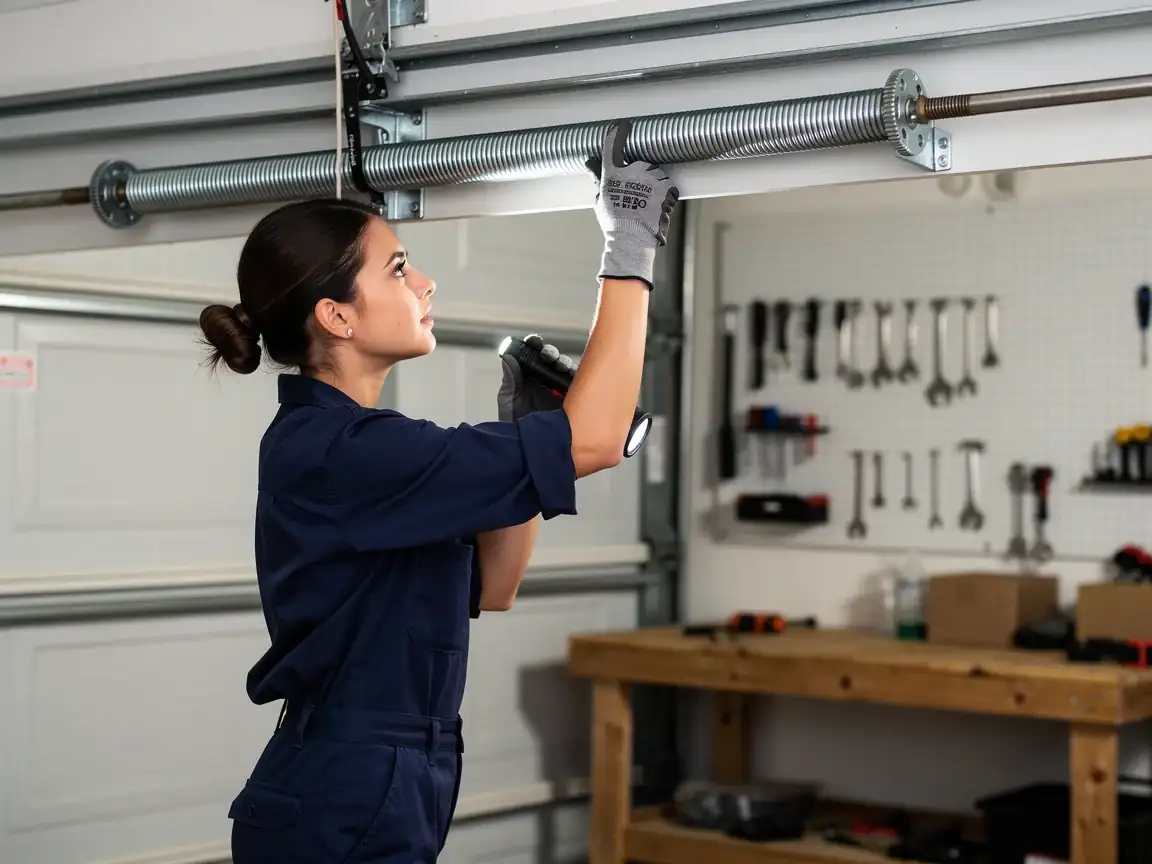
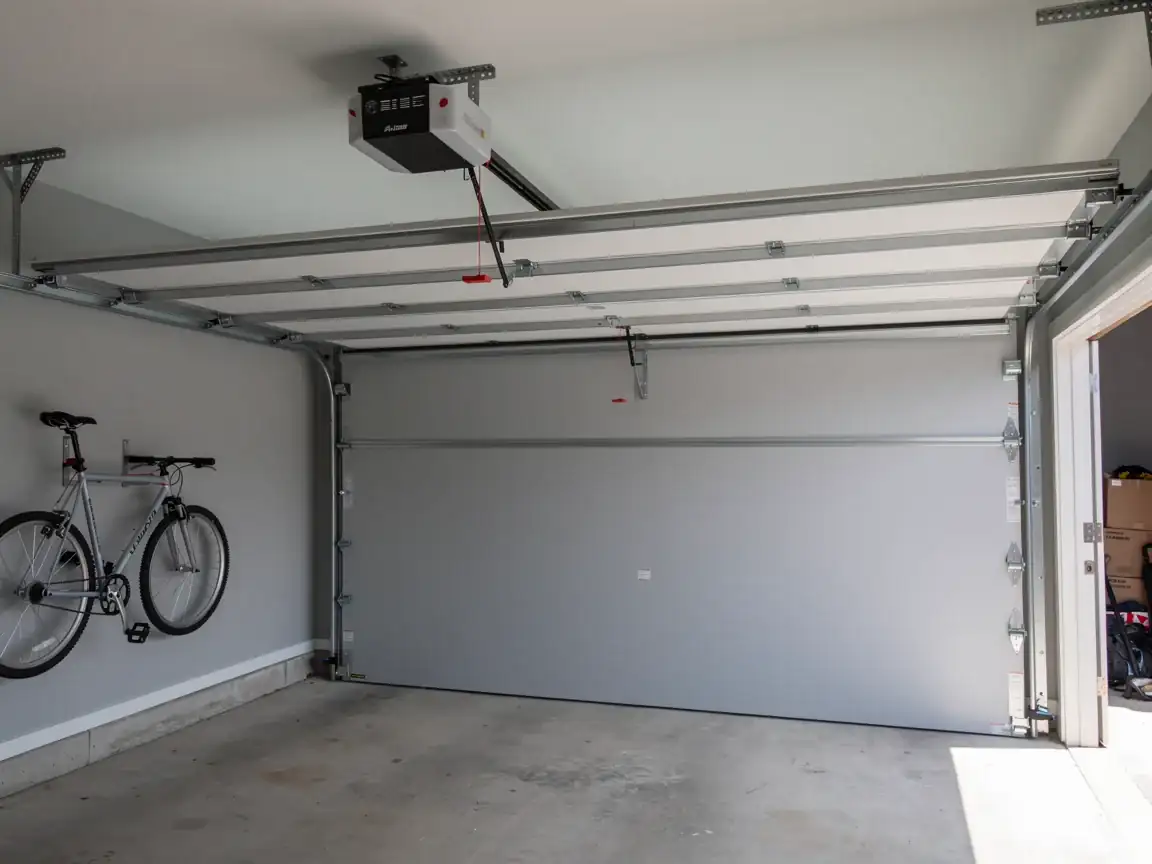
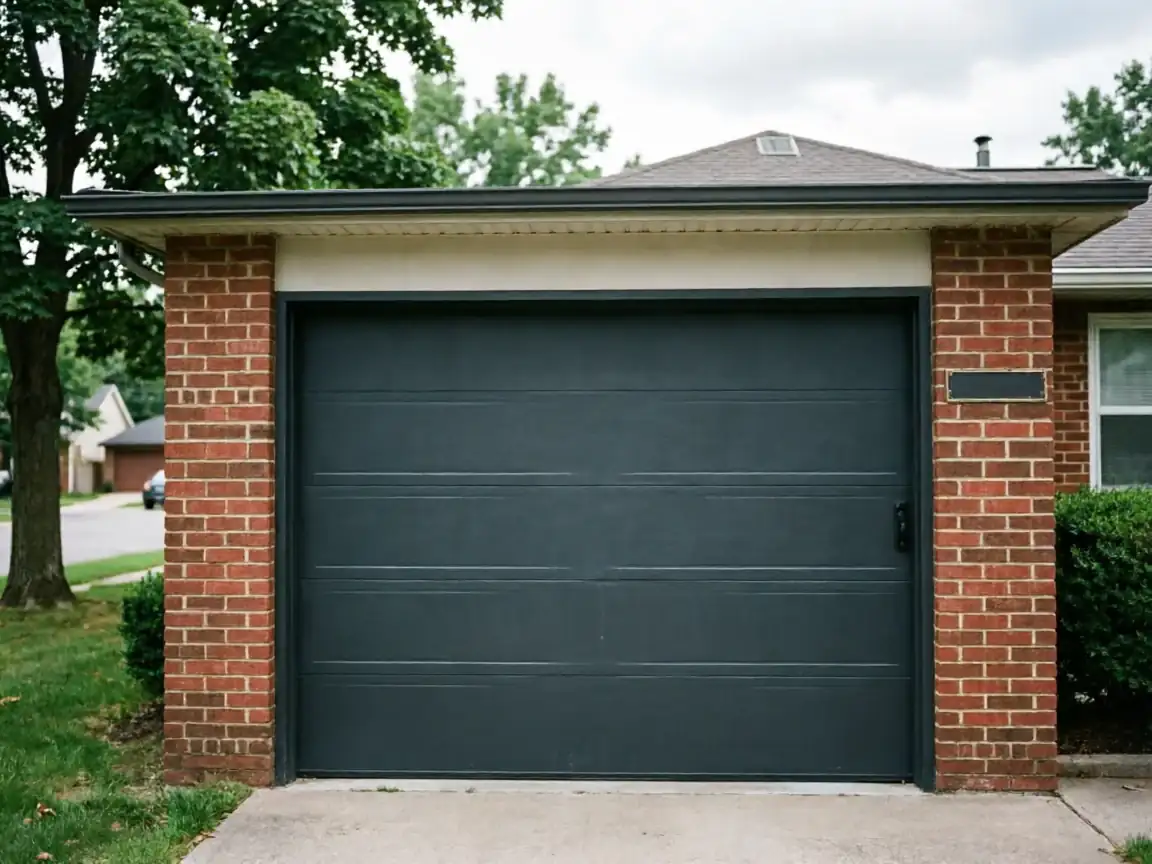
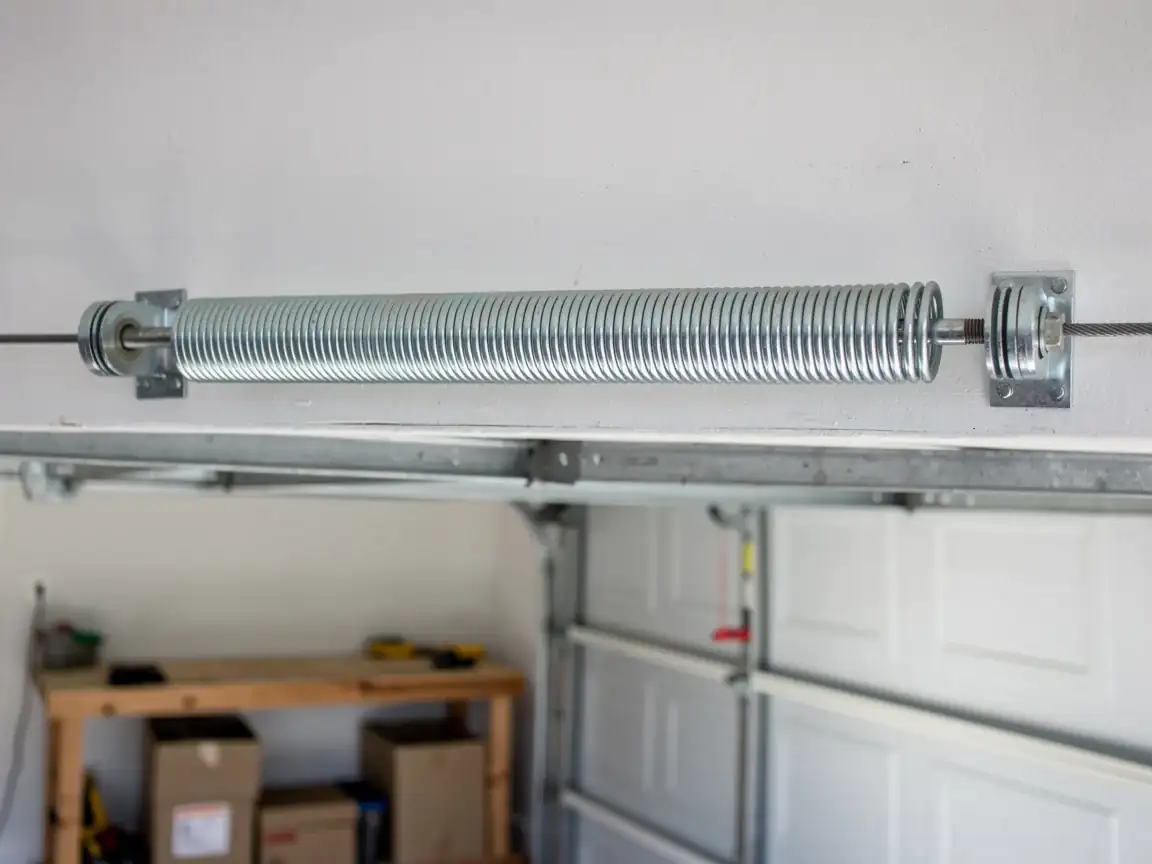
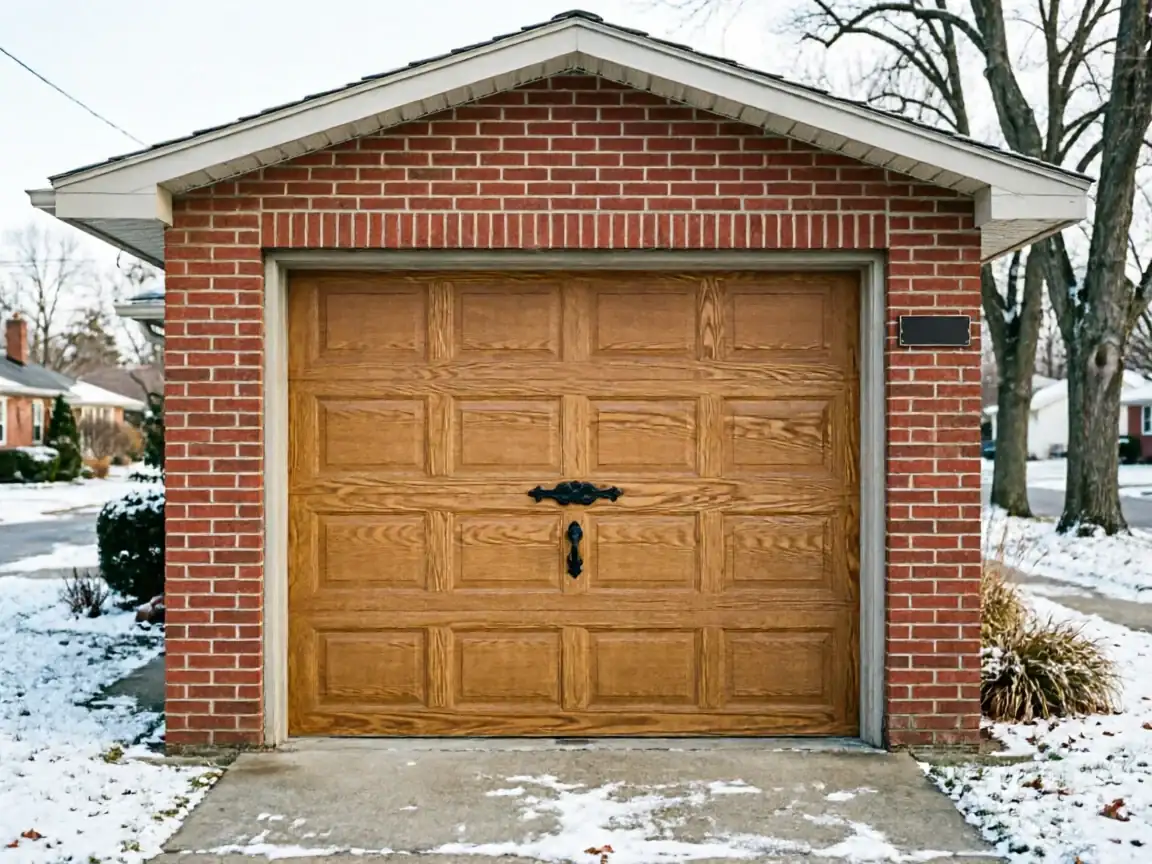
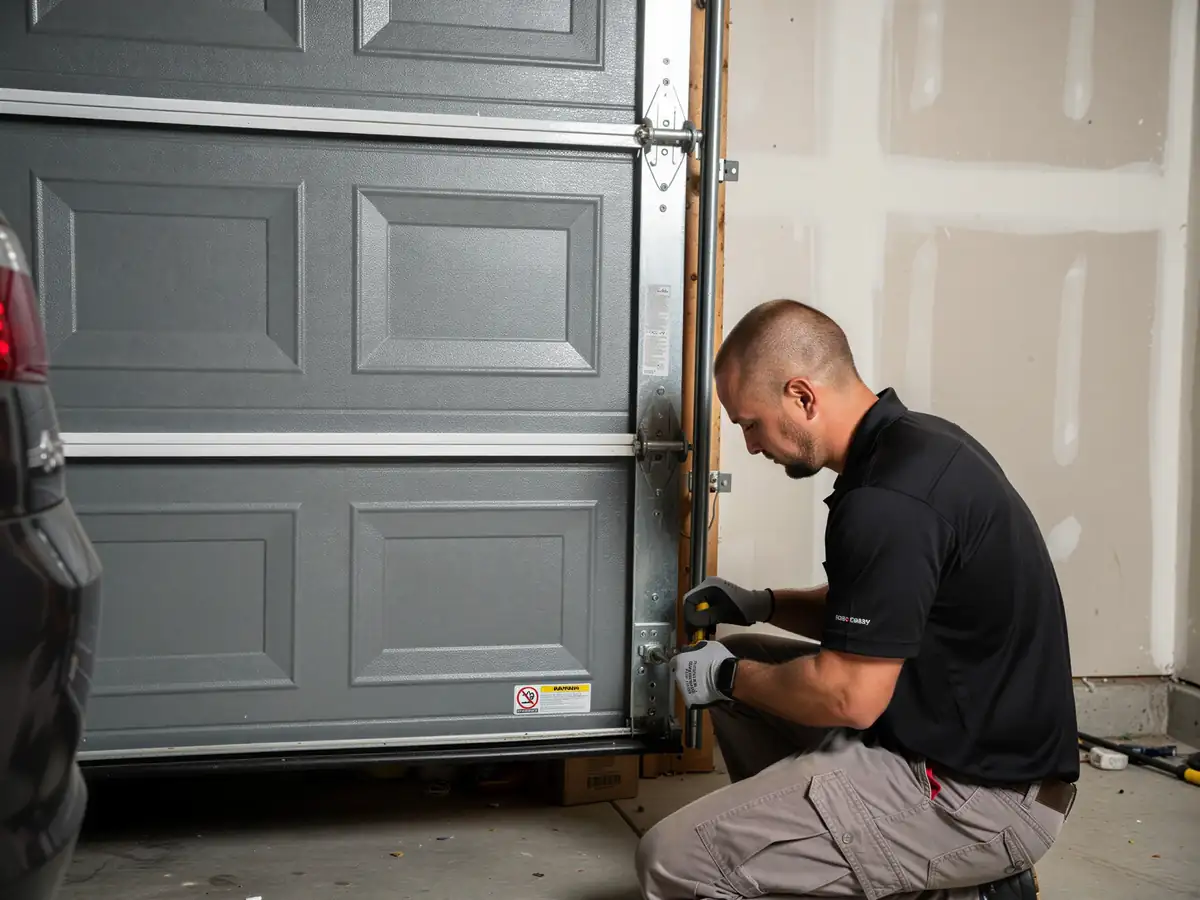
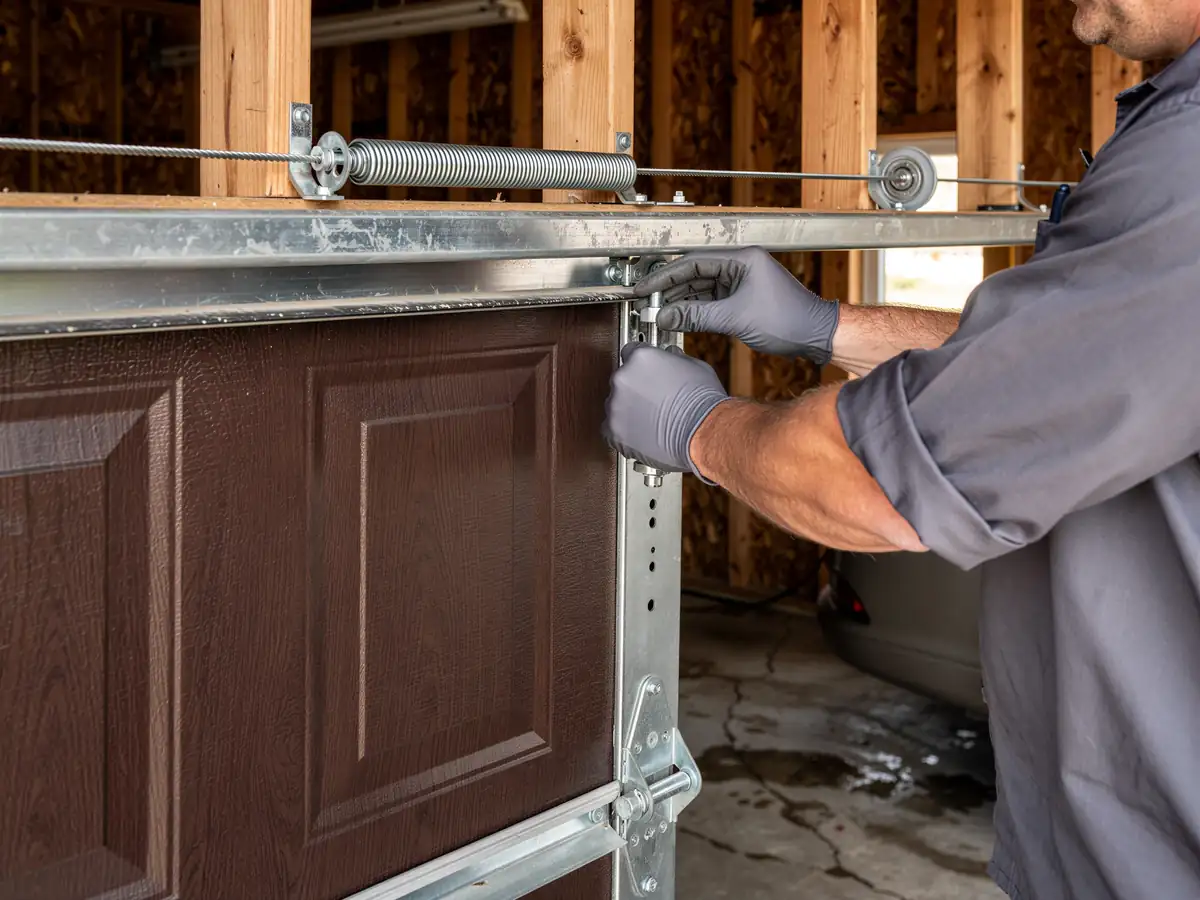
And Wildwood's housing stock makes that truer than most places nearby. Houses here cluster around a 1992 build year, which means a lot of garages still have the original steel door, the original extension or torsion springs, and an opener from the same install. That hardware is now over thirty years old. Pulling a door that's original to a 1990s build means dealing with spring tension that's been sitting unchanged for decades, track that may have shifted with the slab, and wiring that predates modern safety sensors. None of that is forgiving if you get it wrong - a loaded spring can break a hand or worse. We're not going to tell you it can't be done by a handy homeowner, but we will say the margin for error on a job this old is thin, and the parts you'd need to rent or buy for a one-time job usually cost more than just having it done right.
If you're set on doing some of it yourself
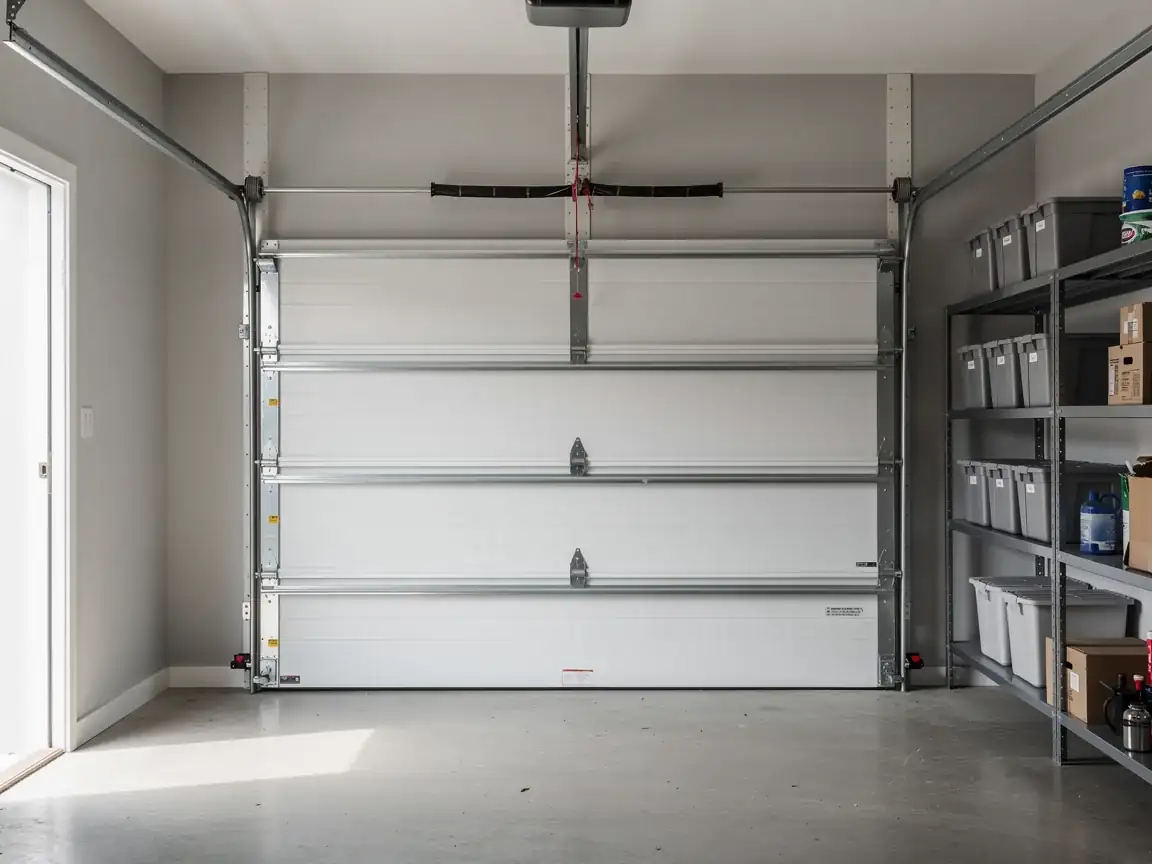
Pulling the old opener and prepping the opening before we arrive is reasonable. Touching the spring system is where we'd stop you.
How Long It Takes
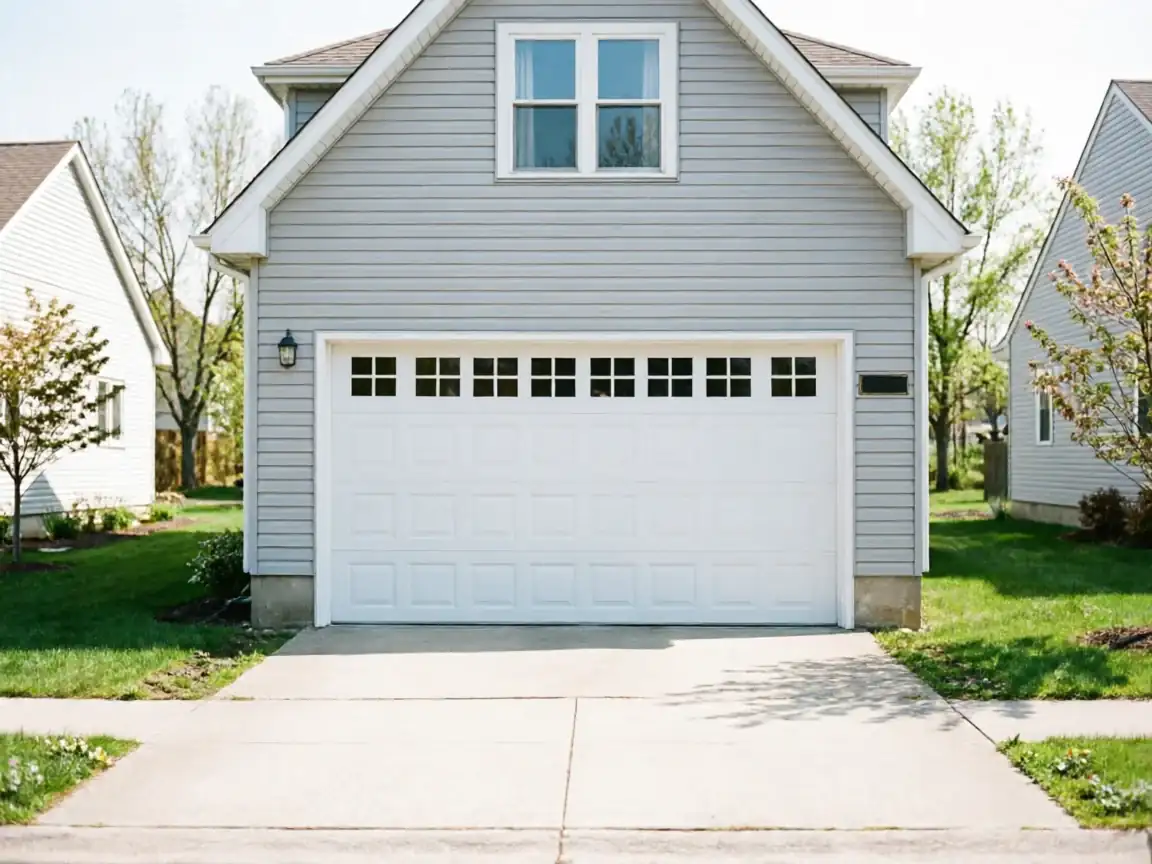
We're not quoting a same-day window for Wildwood, since every job travels 8 miles from our Chesterfield shop rather than from a depot in town. Once we're on site, a standard single-door swap on a 1990s-era opening - no header rebuild, no track redesign - is usually a one-visit job. Double doors or anything where the original framing has settled or warped over thirty-plus years can run longer, and we won't know which one you've got until someone's standing in front of it. We'd rather tell you that upfront than promise a number and miss it.
What the Fix Involves
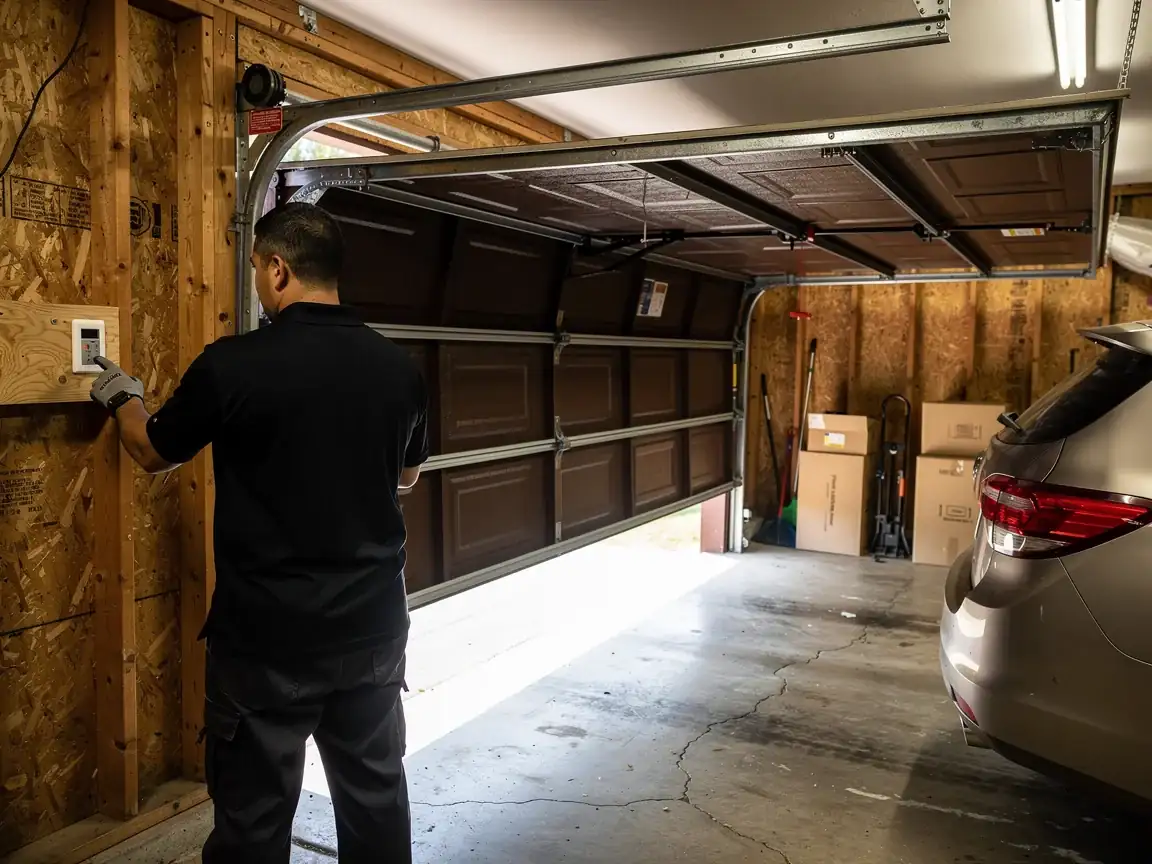
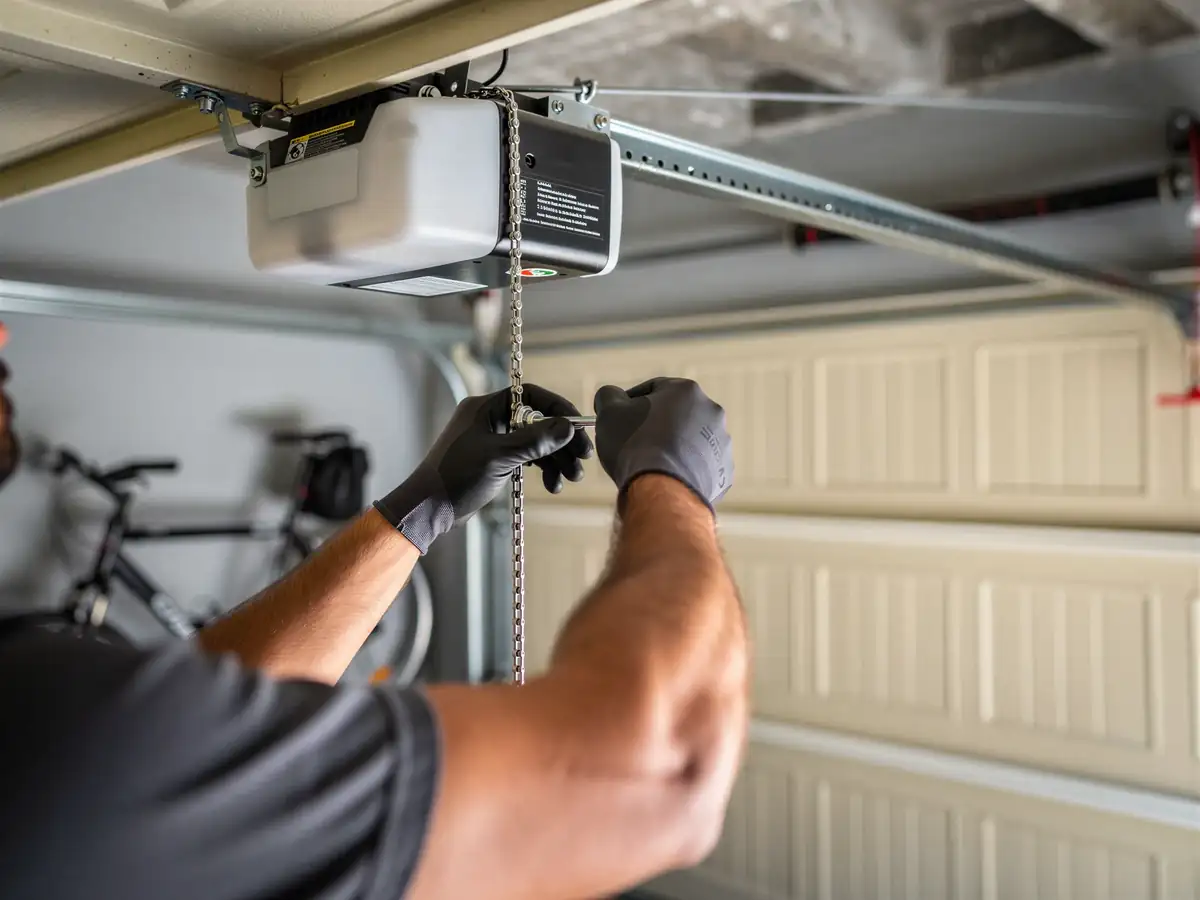
On a house built around 1992, the install isn't really about the door panel - it's about everything behind it. We check whether the track and header are still square to a door this age, since minor foundation settling over thirty years is common and can throw off a brand-new door if we don't correct for it first. We replace the springs as a matched pair regardless of which one failed, because springs from the same era wear at close to the same rate. The opener gets swapped too in most cases; a unit old enough to share an install date with the house predates current safety-reversal standards, and we're not going to hang a new door on it. Weatherstripping and bottom seals matter more here than in a milder climate - this area sits in a cold moderate band, and a door that doesn't seal tight at the slab costs you on heating through a full winter, not just on one cold week.
What Is on the Truck
Because so much of Wildwood's garage hardware dates to the early-to-mid 1990s build wave, we stock torsion springs and track sized for that era's standard openings, not just whatever's newest. We also carry current opener units with modern safety reversal, since swapping the opener alongside the door is the norm here rather than the exception. What we don't carry is custom millwork for non-standard openings - if a door was built to a nonstandard size for an architectural reason, that's a special order, and we'll tell you that on the spot rather than make you wait to find out.
Why It Happens Here
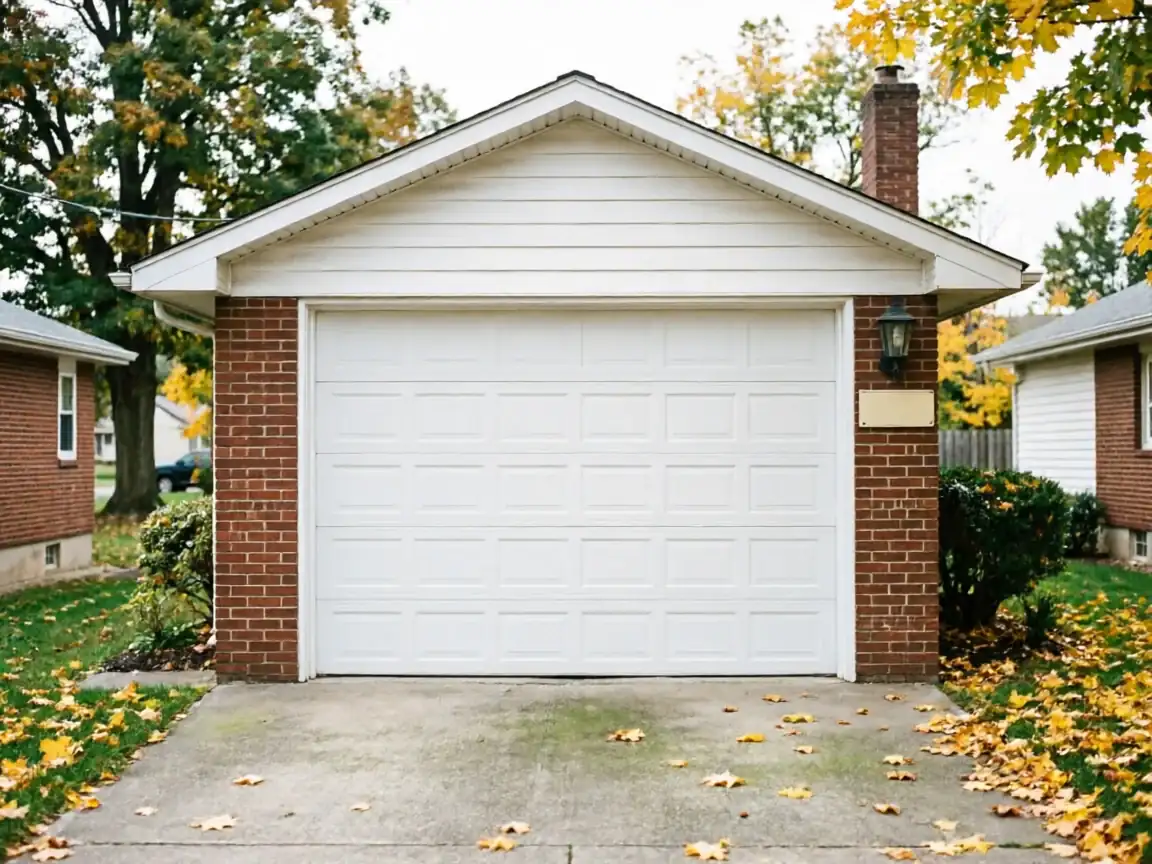
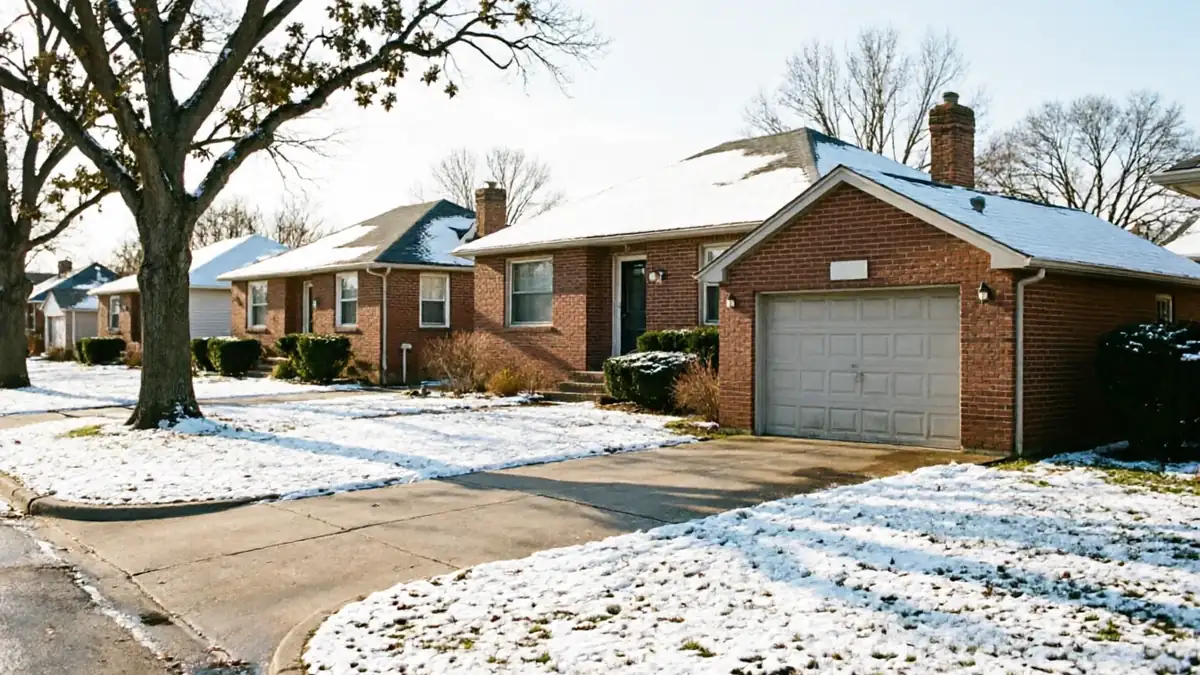
Wildwood's housing is younger than a lot of what we cover out of Chesterfield - the broader service area spans houses built anywhere from 1947 to 2011, with plenty of 1960s and '70s stock mixed in, but Wildwood itself sits closer to the newer end around 1992. That matters for failure patterns: a door and opener installed when the house was built are now in their fourth decade of use, which is close to or past the usable life of a torsion spring and well past it for an opener motor. The failures we see out here are less about rot or rust from an old wood door and more about fatigue - springs that have cycled tens of thousands of times, openers with worn gears, track that's loosened at the mounting points. The cold moderate climate band this area sits in adds freeze-thaw stress on seals and hardware every winter, which speeds that fatigue along.