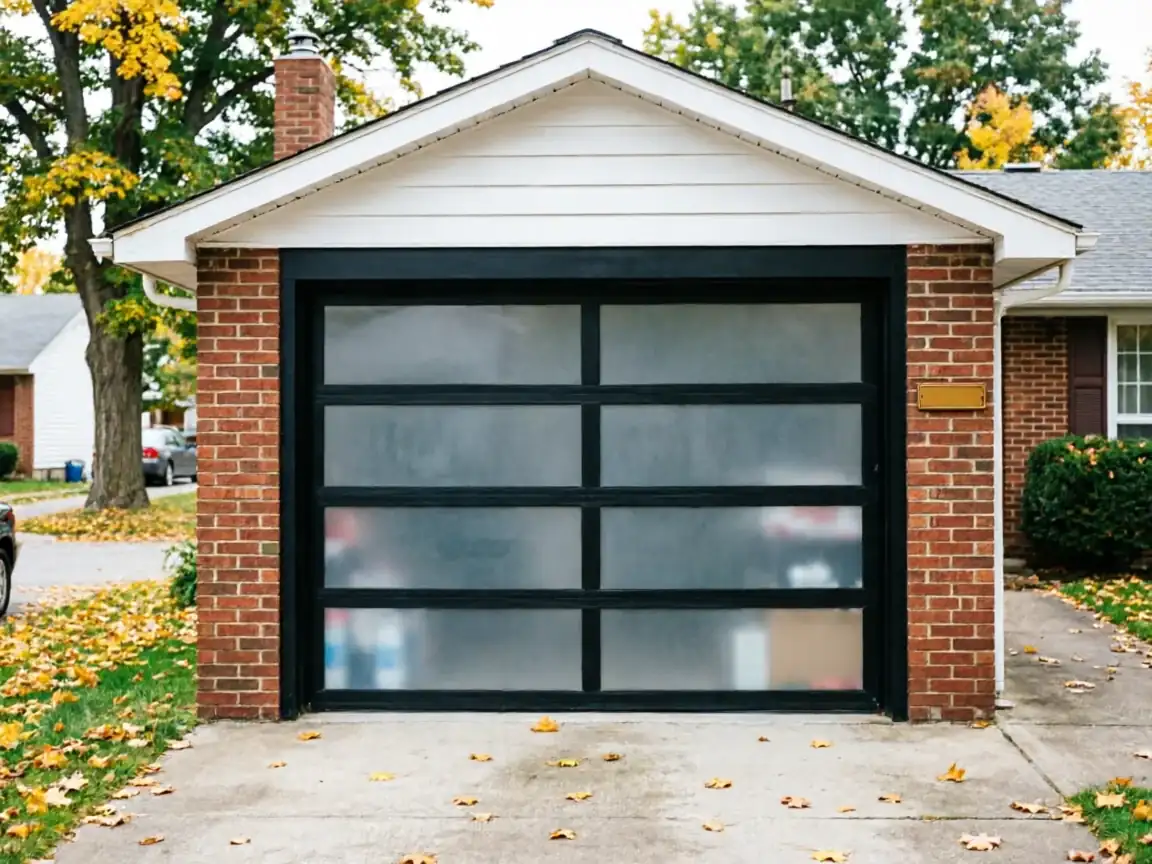
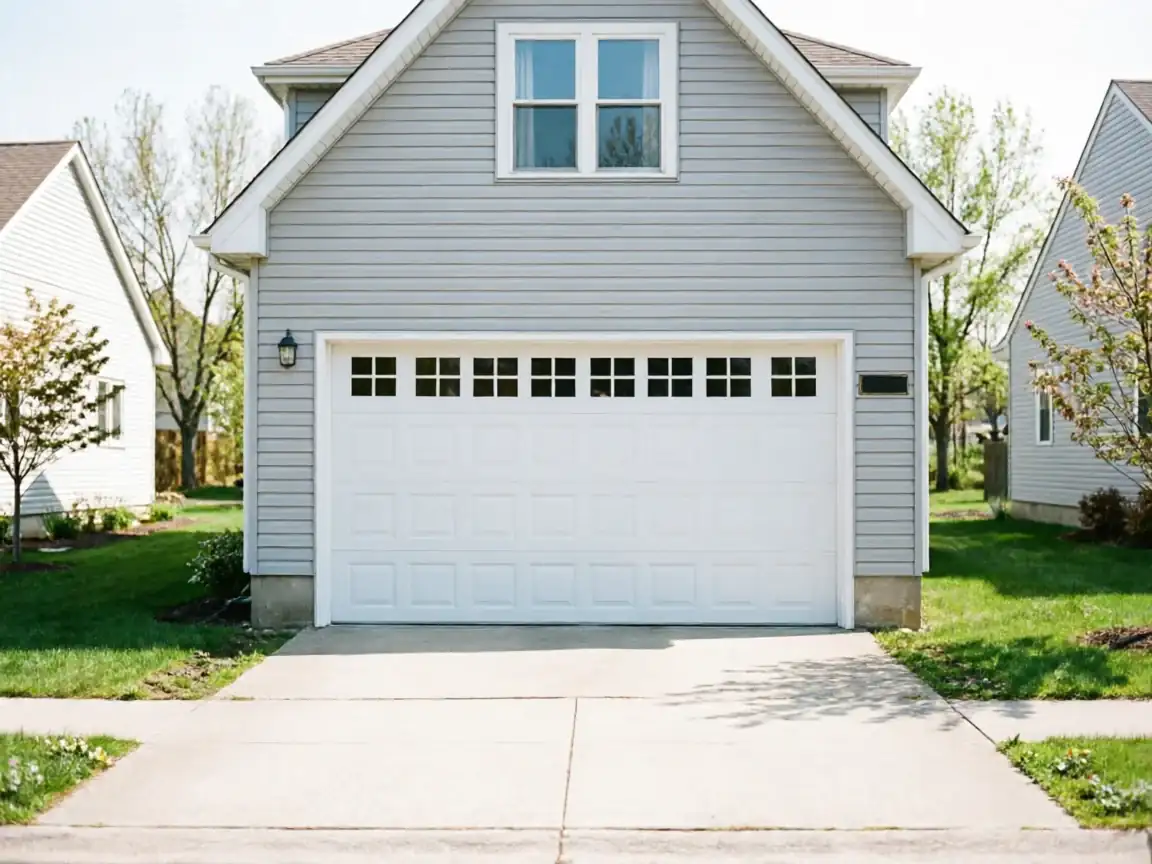
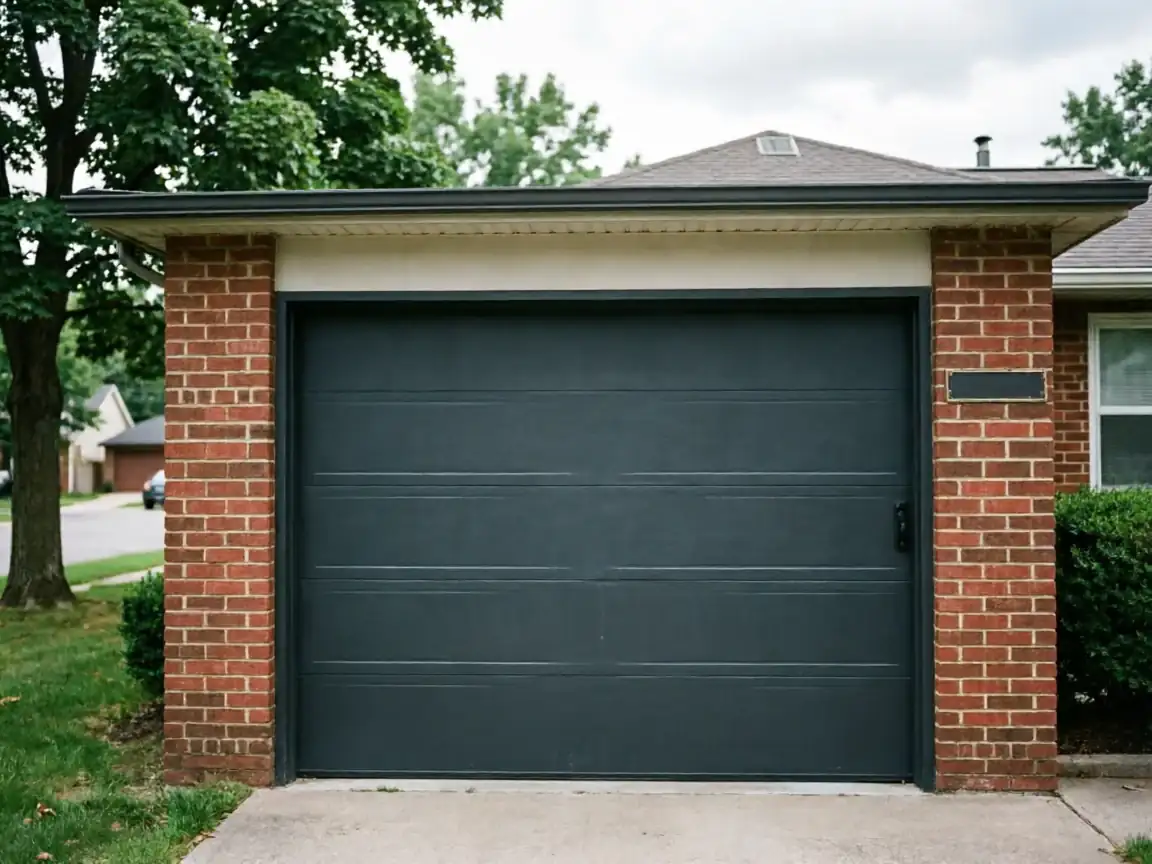
Garage door repair and install for Maryland Heights, MO homes built mostly in the early-to-mid 1970s. We travel 7 miles from Chesterfield for springs, openers, and panels.
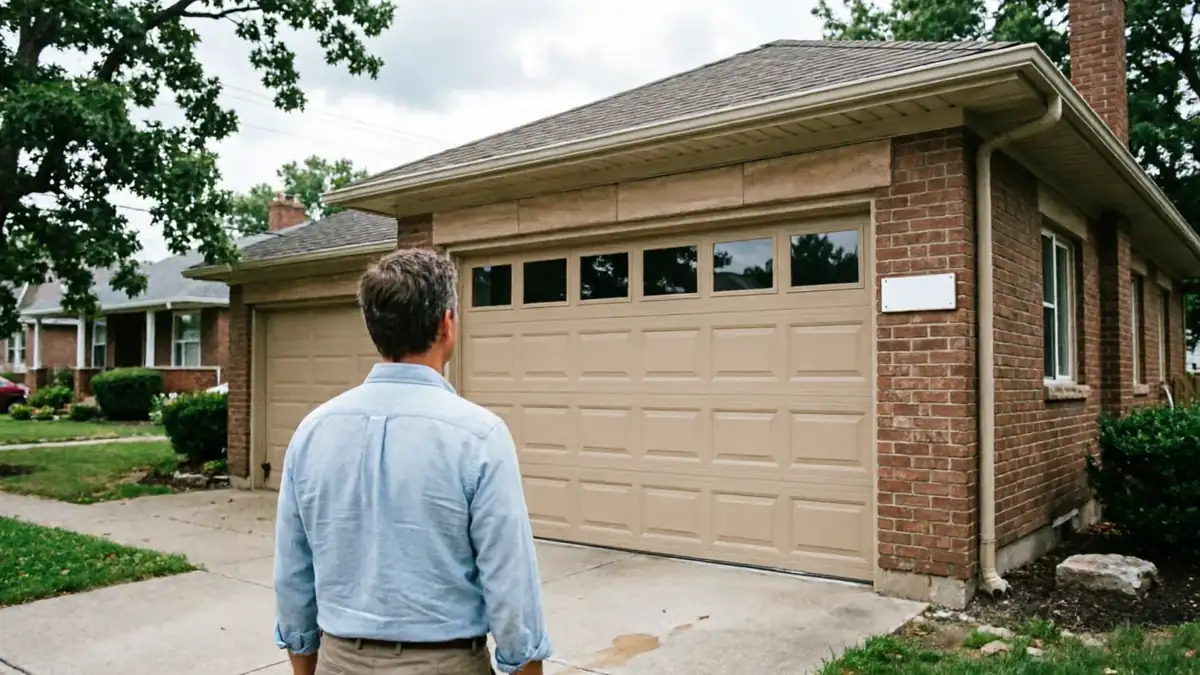
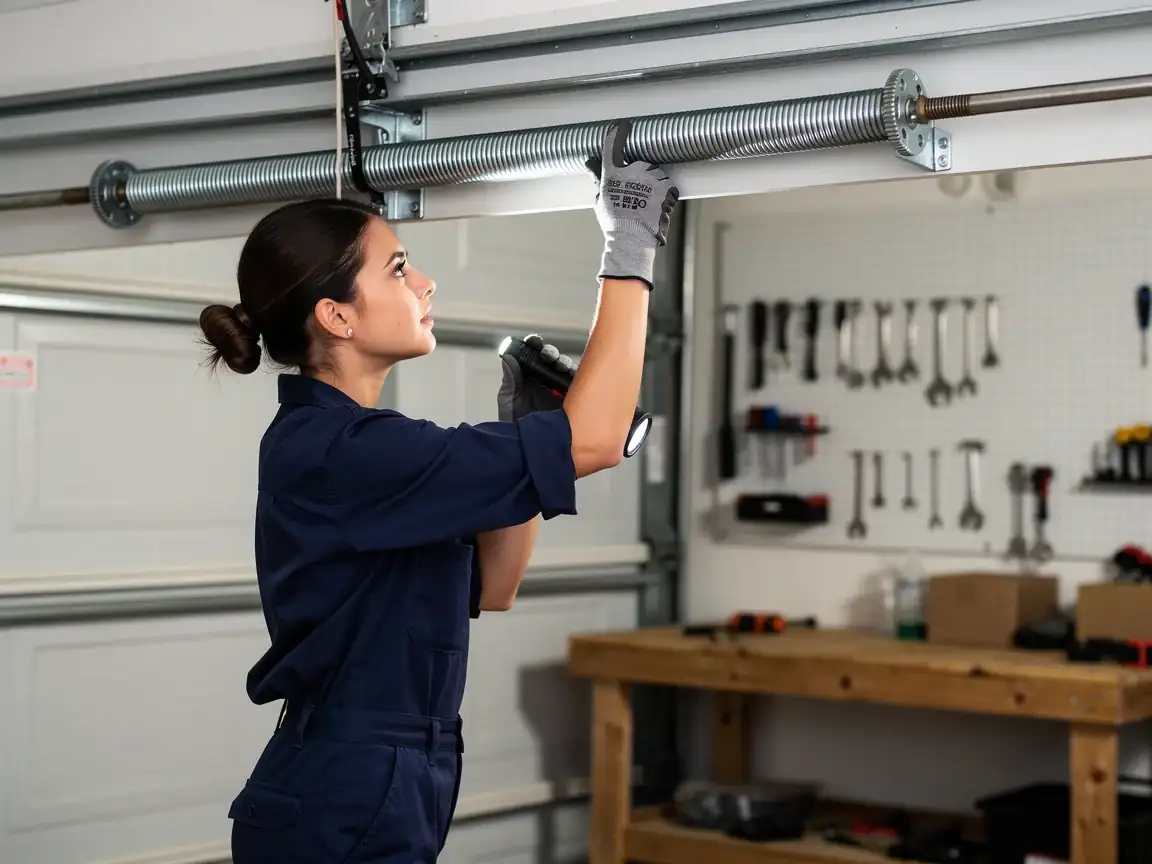
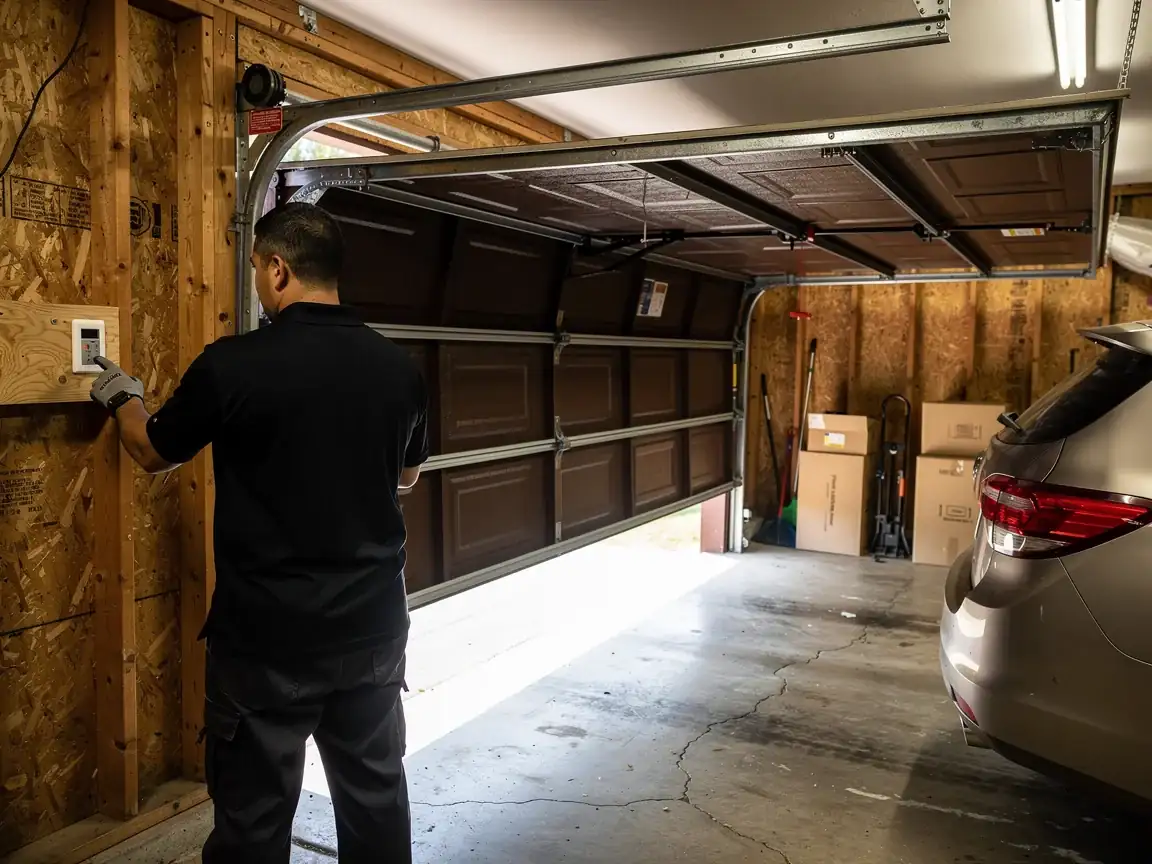
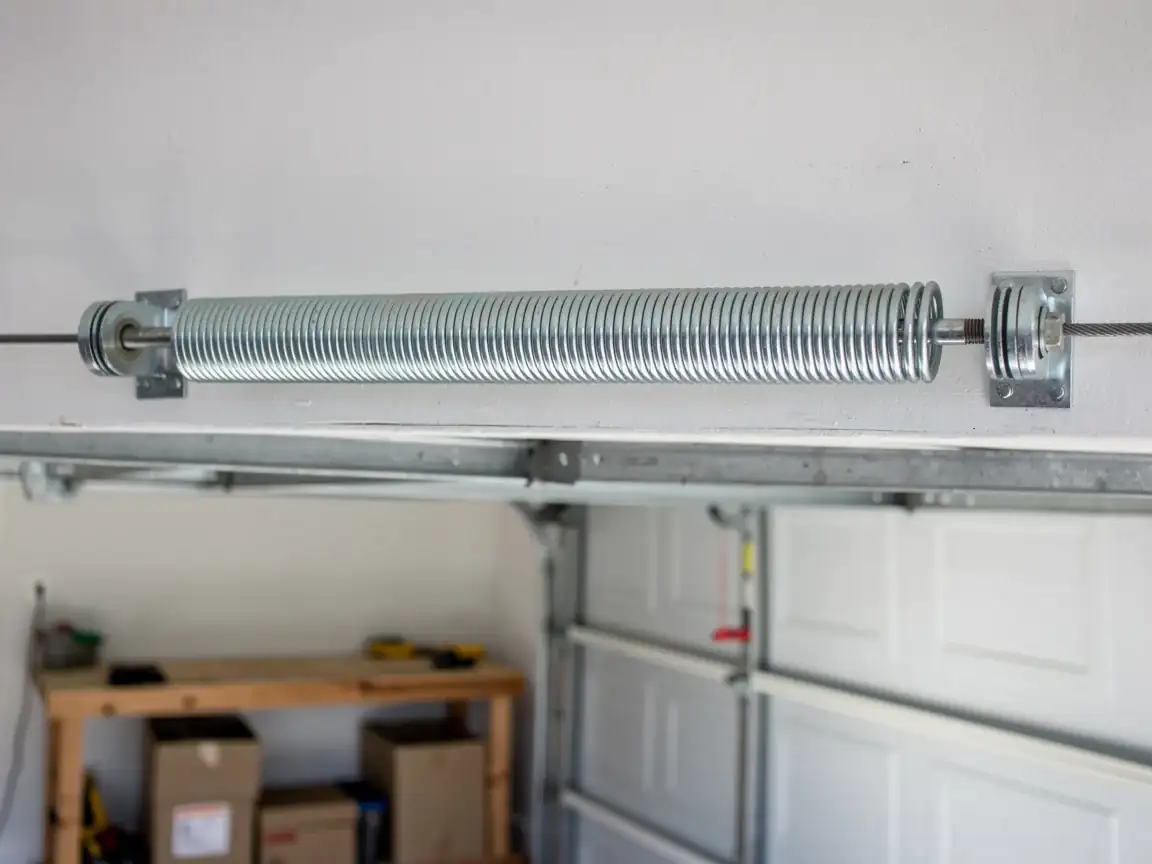
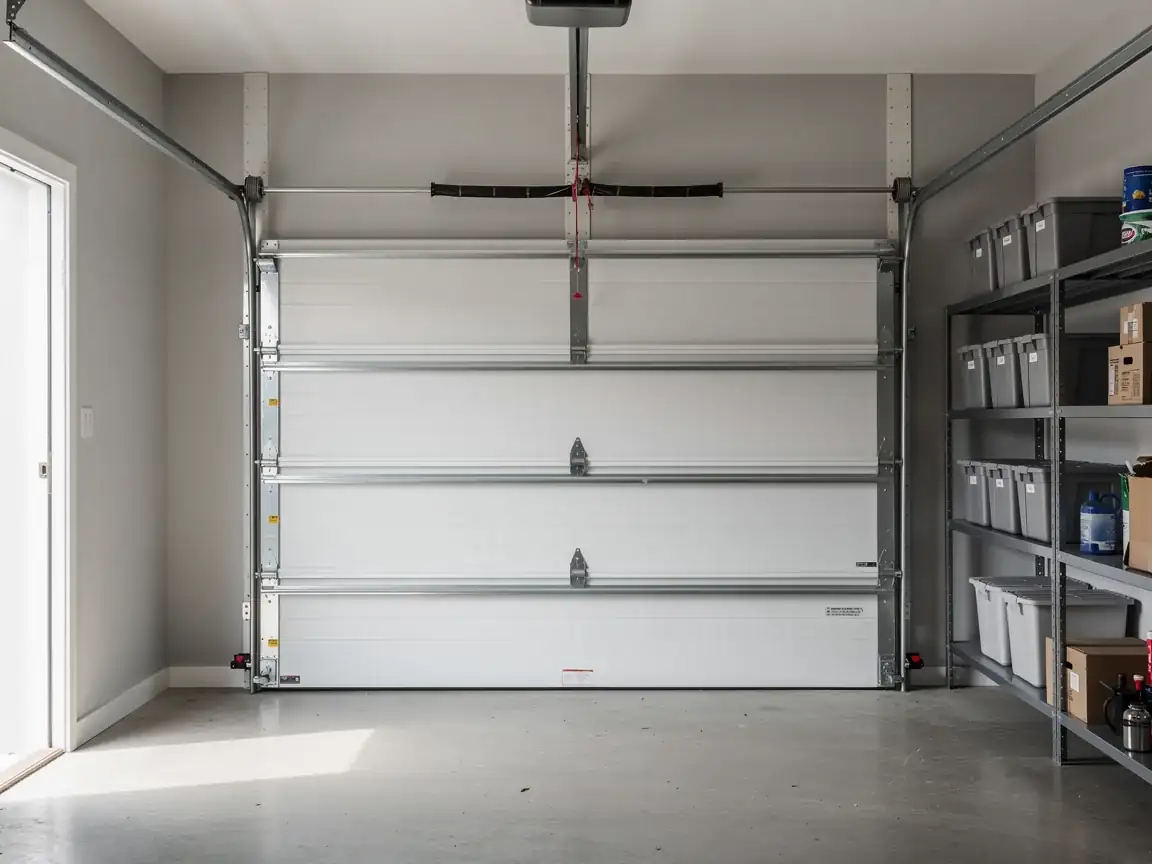
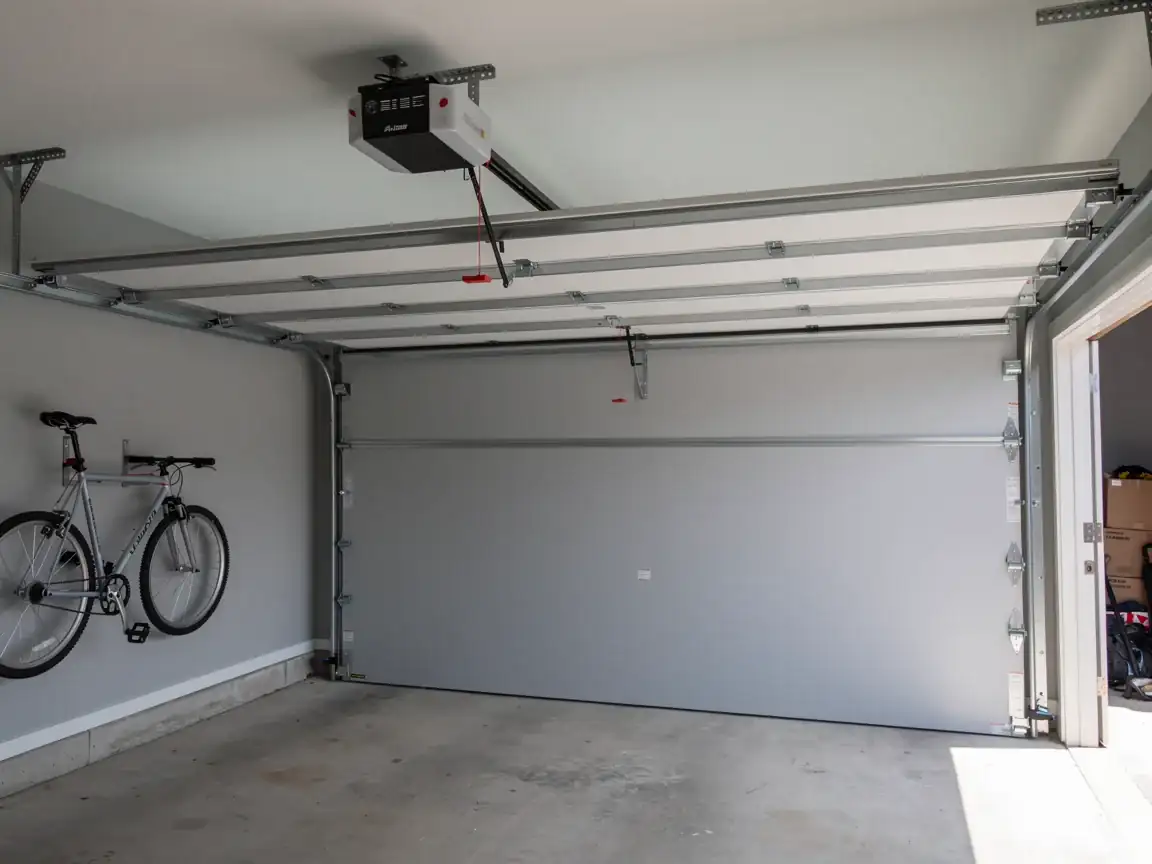
Maryland Heights sits about 7 miles from our Chesterfield shop, and the typical house here went up around 1974 - a few years later than the broader service area median of 1969. That gap matters more than it sounds. A door and opener installed in the early-to-mid 1970s usually came with a lighter-gauge steel section, a single torsion spring sized for a lighter door, and an opener (if one was added at all, since many houses this age got openers retrofitted later) that predates safety reversal sensors. If your house is from this stretch of Maryland Heights, the failure we see most is the spring - sized decades ago for a door that's since had insulation or a heavier replacement panel bolted onto the original track, which throws the whole balance off. Torsion hardware from this build era is usually a standard size, which is good news: parts are available, not special-order. What's less good is that the bottom bracket and cable drum on doors this age are often original, and those wear out quietly until a cable snaps under load. We check that hardware on every spring call out here, because replacing one part and leaving the other to fail in six months is a waste of your money and our drive time.
The Houses Here
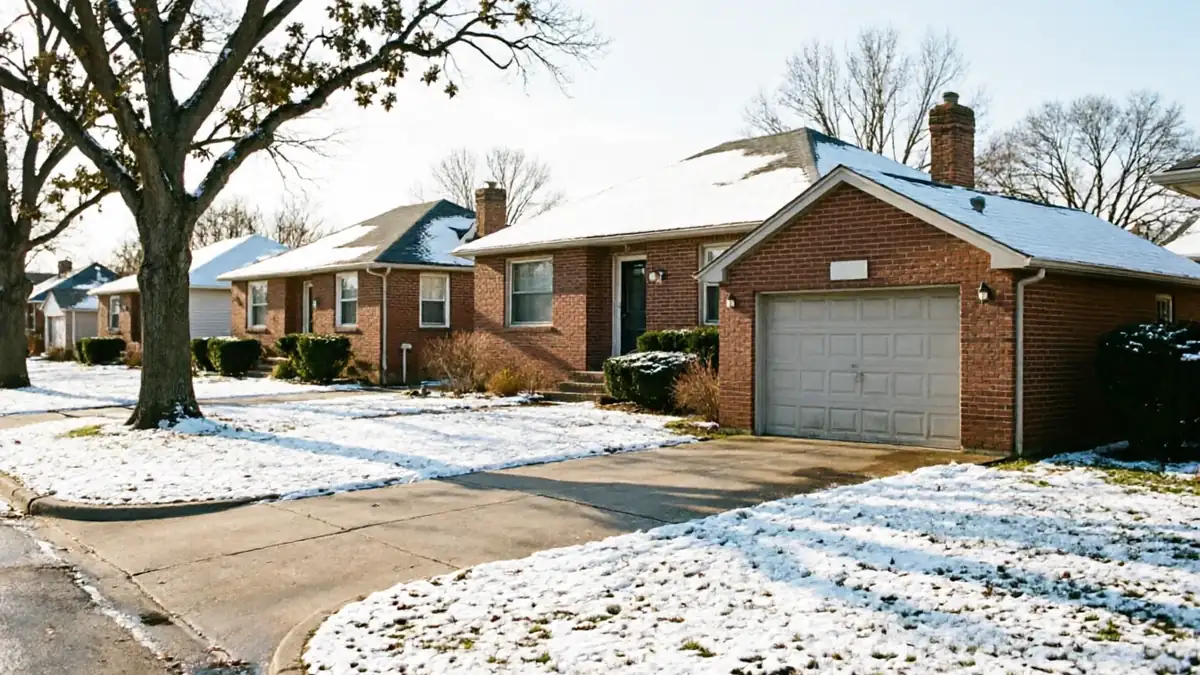
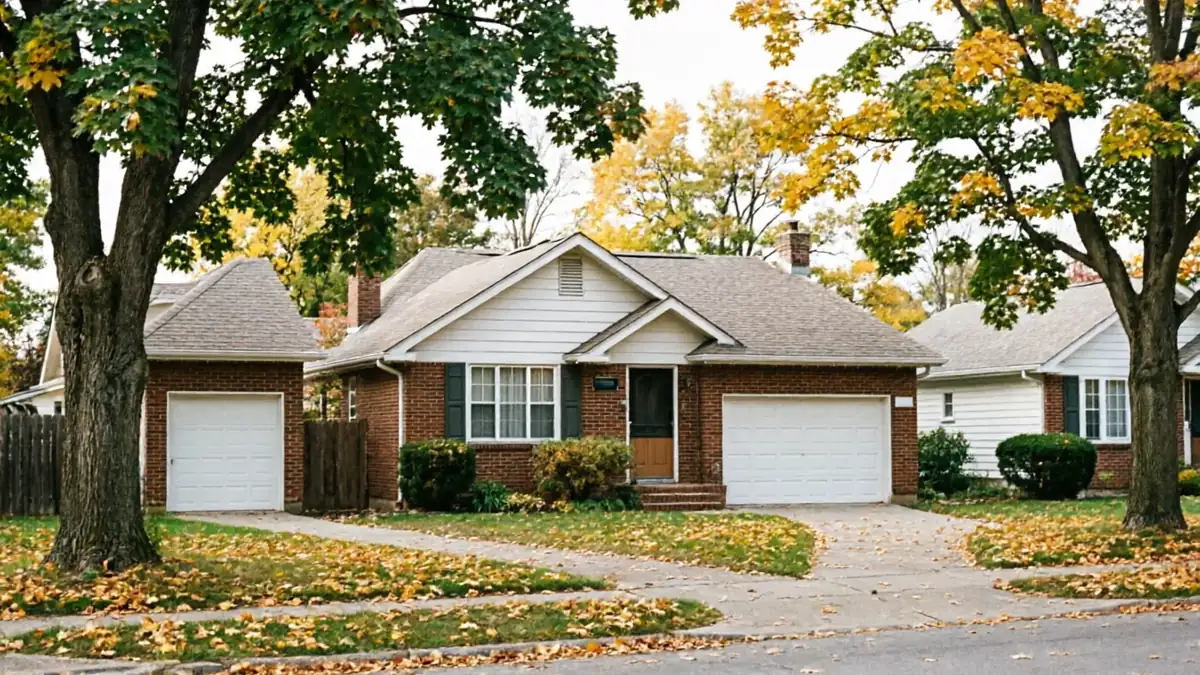
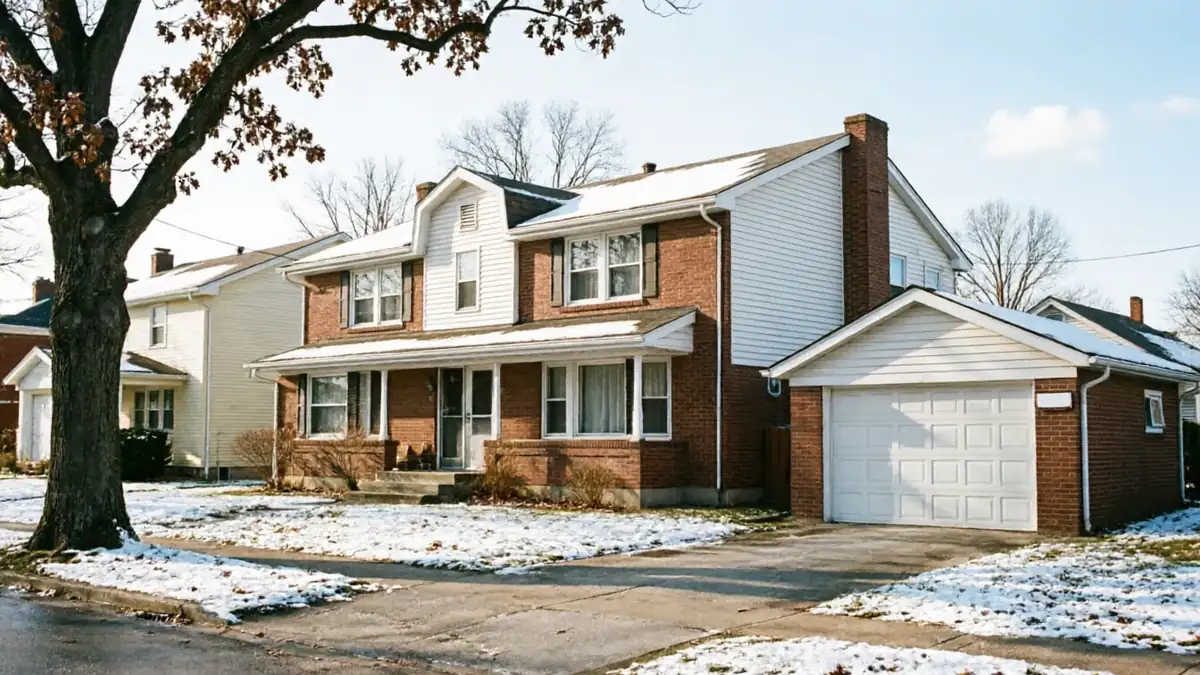
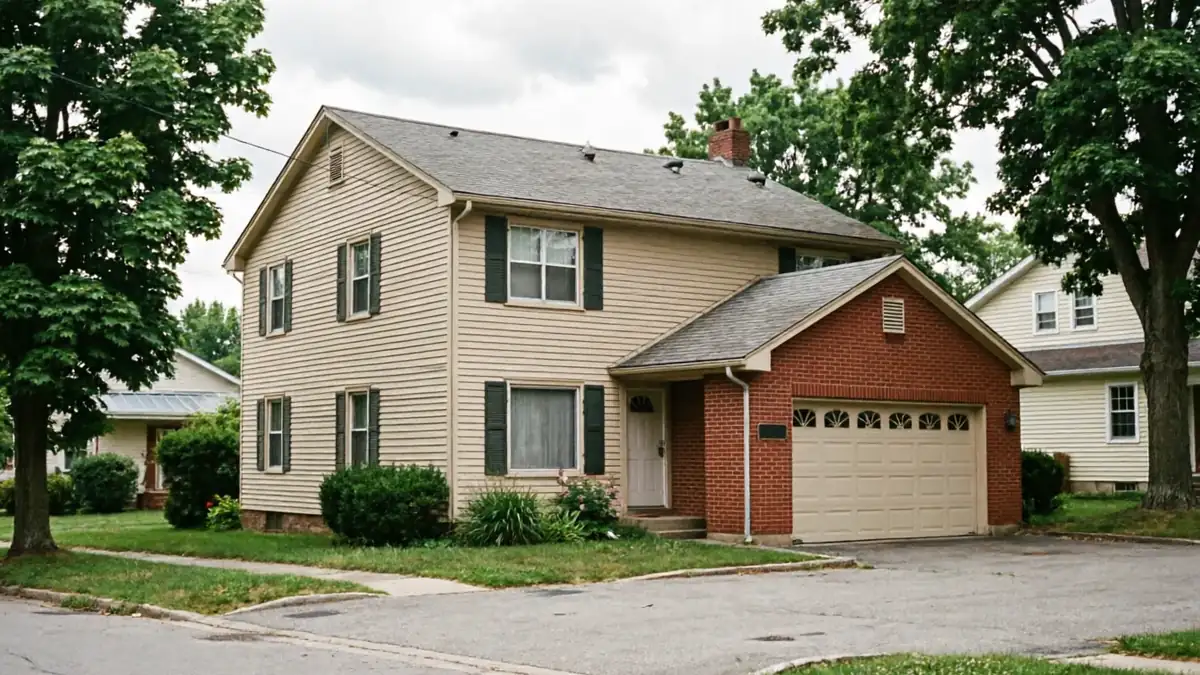
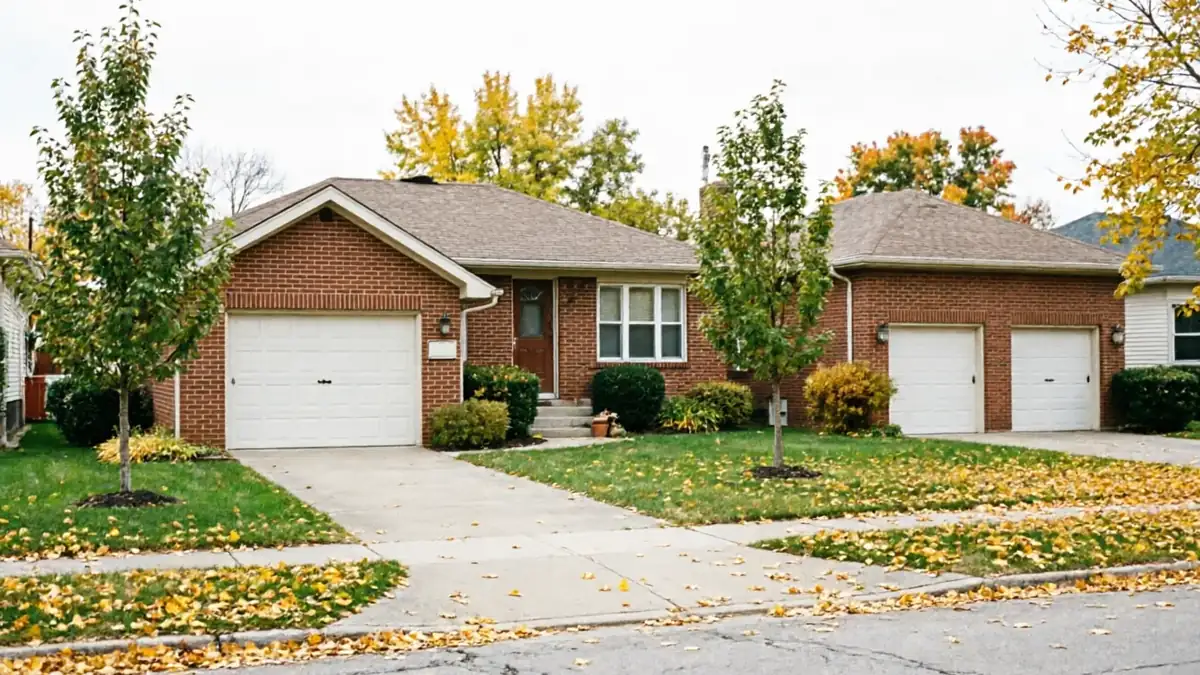
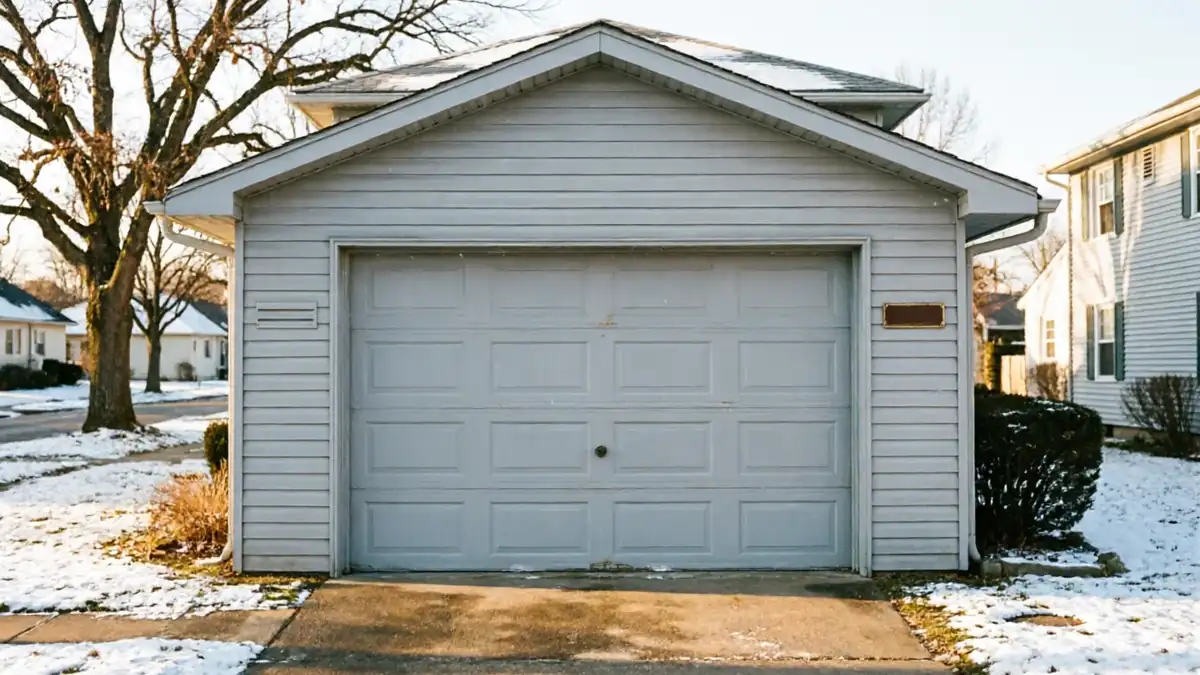
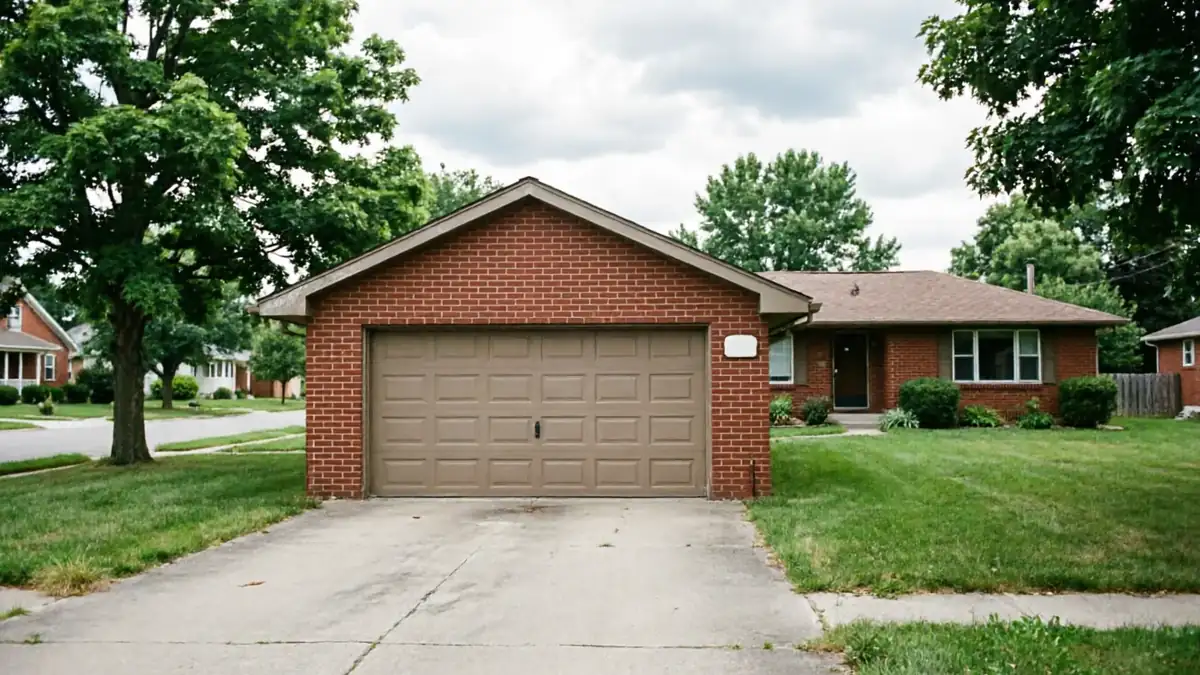
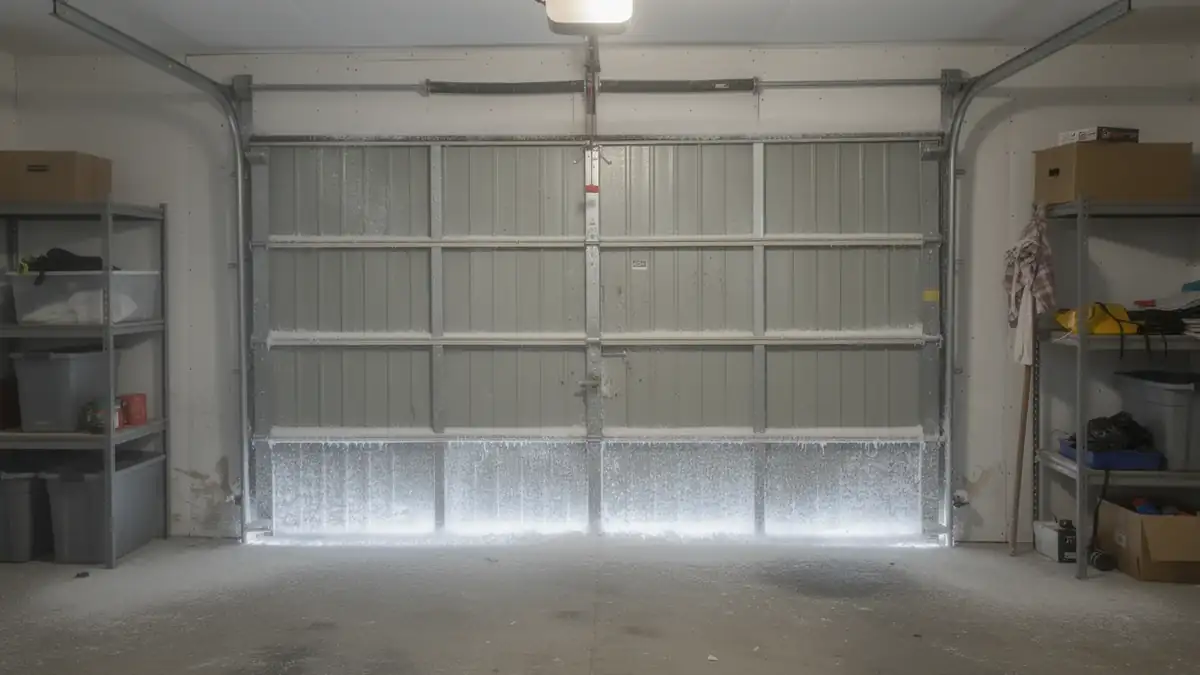
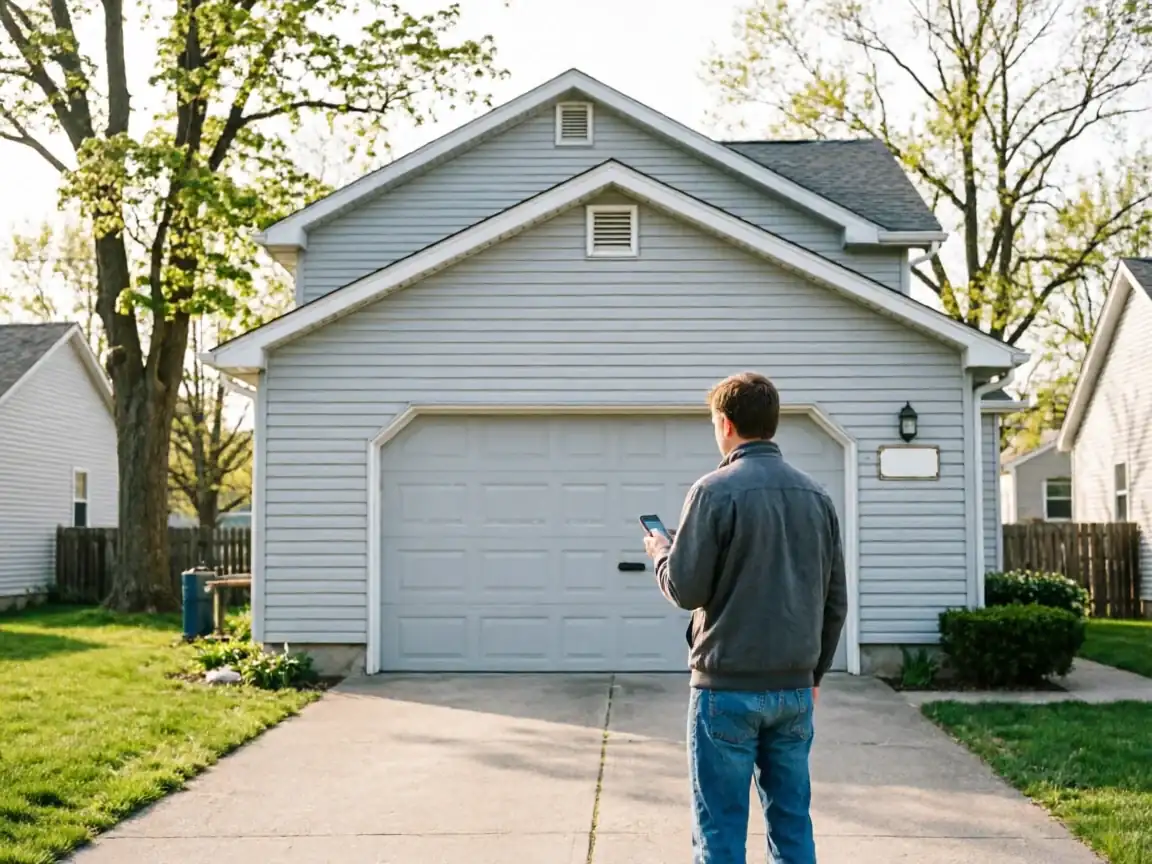
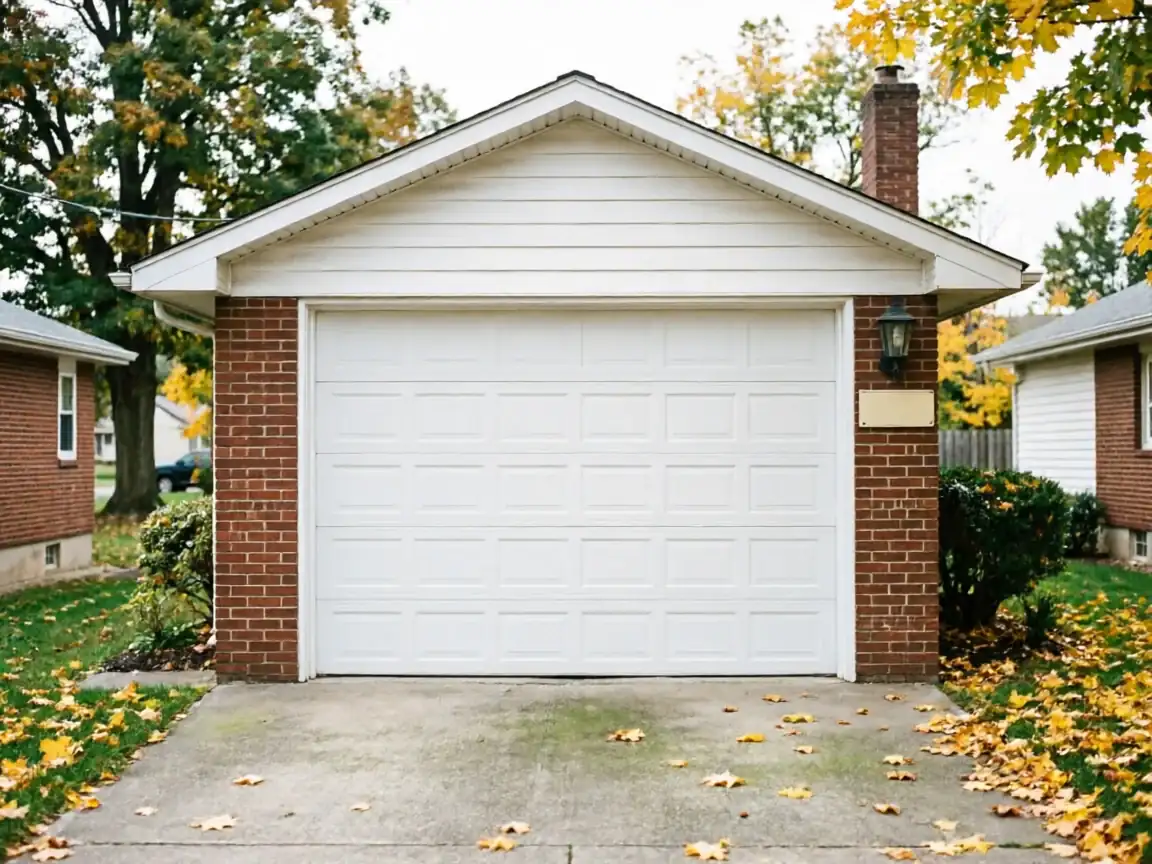
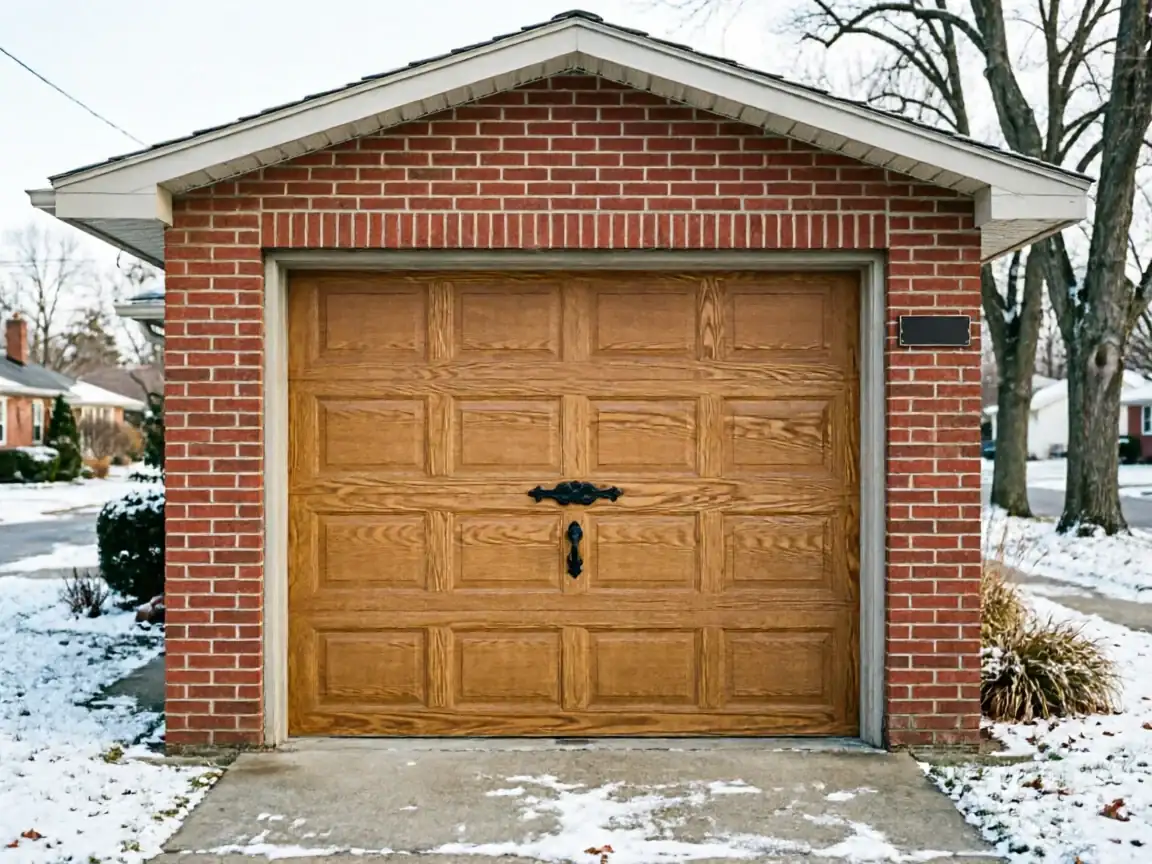
Across Maryland Heights you're mostly looking at single-family homes built in the early 1970s, with household incomes running close to $86,485 - in line with the wider St. Louis-area service region we cover. That era of construction means two-car garages are standard, usually with a single 16-foot door rather than two separate single doors, which puts more load on one torsion spring instead of splitting it across two. Framing is wood, openings are standard sizes, and most garages we've worked on from this period have the opener motor mounted on the original ceiling bracket - fine if it was installed level, a slow problem if it wasn't. Winters here fall into the cold-moderate band for this region, which means steel doors without a thermal break will sweat and the weatherstripping along the bottom seal hardens and cracks faster than people expect. On a house built in the mid-1970s, that seal is probably not the original - it's been replaced once or twice - but the track alignment behind it usually hasn't been touched since the house was built. That's the part worth having someone look at before it's the reason your door won't close square.
How Soon We Can Come Out
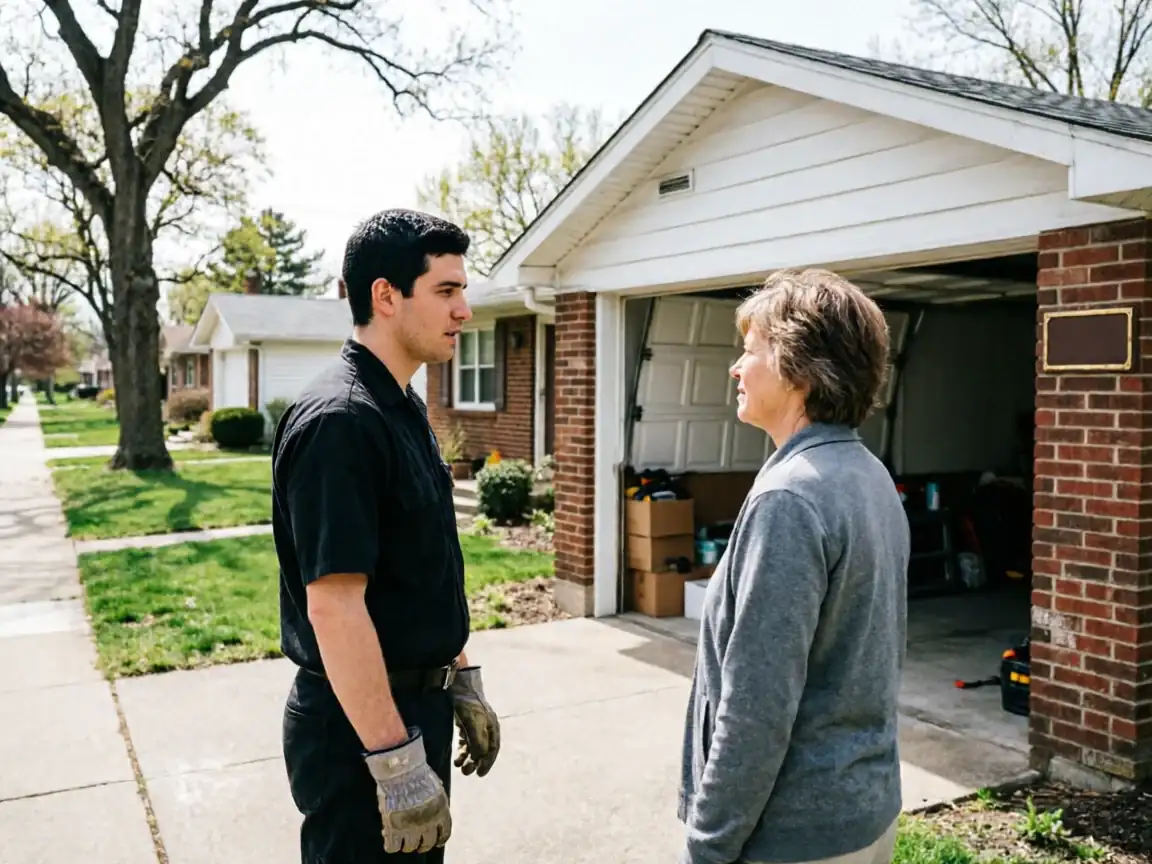
We run out of Chesterfield, not a local depot in Maryland Heights, so getting to you is a short drive - about 7 miles - rather than a same-neighborhood dispatch. We don't promise a specific arrival window here because that depends on the day's schedule out of Chesterfield, not on anything particular to this area. What we can tell you is that the drive itself isn't the bottleneck; it's whether the part your door needs is one we carry on the truck or one we have to order. Standard torsion springs and common opener models, which cover most of what's installed in houses from this era, are usually stock items. Less common parts take longer regardless of how close you are to Chesterfield.
What We Do Not Do
We don't do same-day emergency service as a guarantee - if your spring breaks on a Sunday night, we'll get you on the schedule, but we're not a 24-hour outfit with someone standing by. We also don't recommend replacing a whole door when the fix is a spring, a cable, or a misaligned track; a door from the 1970s with sound wood framing and a solid panel is often worth repairing rather than tearing out, and we'll tell you that even though a full replacement is the bigger job for us. What we don't do is guess at a quote over the phone for anything beyond a basic spring swap - hardware this age sometimes hides a second problem once we get the door open, and we'd rather look first than estimate wrong.
How it works
From “it’s stuck” to “it’s fixed”
01
Tell us what’s wrong
Describe the symptom - won’t open, loud bang, opener runs but the door won’t move.
02
On-site diagnosis
A technician tests the door under power and by hand and finds what actually failed.
03
Clear, up-front plan
You get the fix that’s needed and what drives the cost - before any work starts.
04
Repaired & tested
The repair is done, the door is set true and tested, and the work area left clean.
Not sure which repair your door needs in Chesterfield, MO? Describe what it’s doing - every job starts with a diagnosis.
No. We work out of Chesterfield, about 7 miles away, and drive out for jobs in Maryland Heights. There's no local depot here, just a short trip from our shop.
My house was built in the early 1970s - is that a problem for parts?
Not usually. Torsion springs and openers from that era are typically standard sizes and still available. The more common issue is worn hardware, like the bottom bracket or cable drum, that's been quietly degrading since the house was built.
Why does my door sweat and stick in winter?
This area sits in a cold-moderate climate band, and a steel door without a thermal break will condense moisture in cold weather. On houses built in the 1970s, the bottom seal has often been replaced once already but the track alignment behind it usually hasn't been checked in years.
Should I replace my whole door or just repair it?
If the panel and framing are sound, repairing a spring, cable, or track beats replacing the door, even on a house from the early 1970s. We'll tell you when replacement actually makes more sense instead of defaulting to the bigger job.
Ready to get your garage door sorted?
Tell us what it’s doing and where you are in Chesterfield - we’ll take it from there.