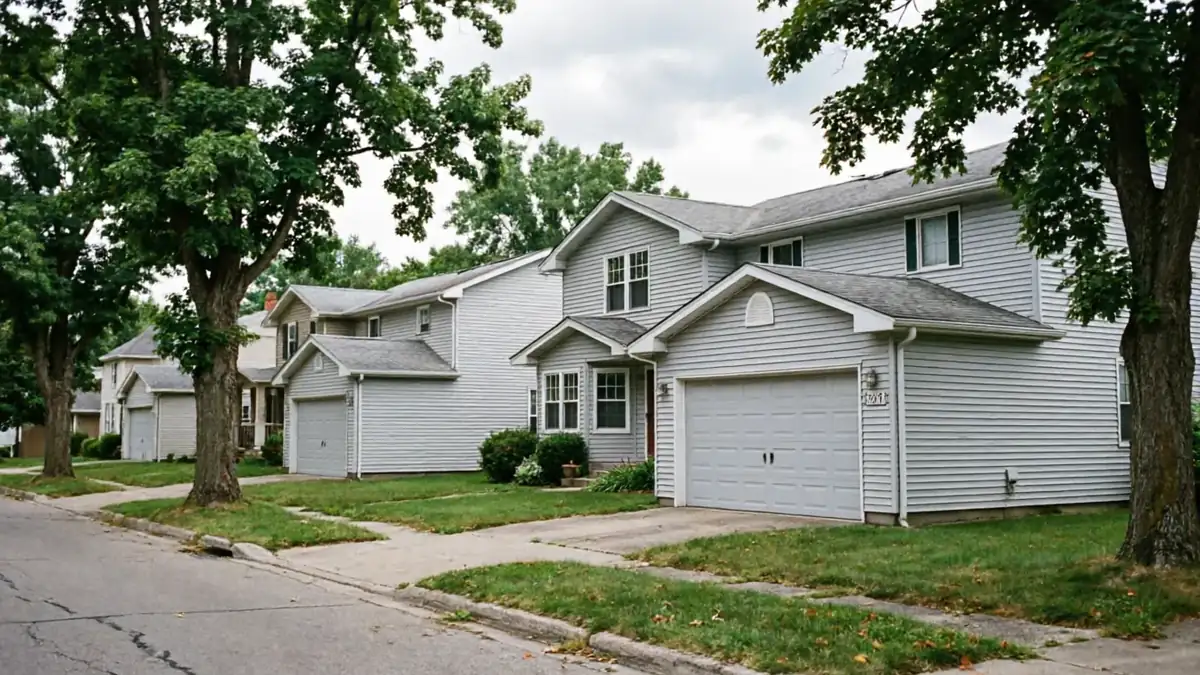
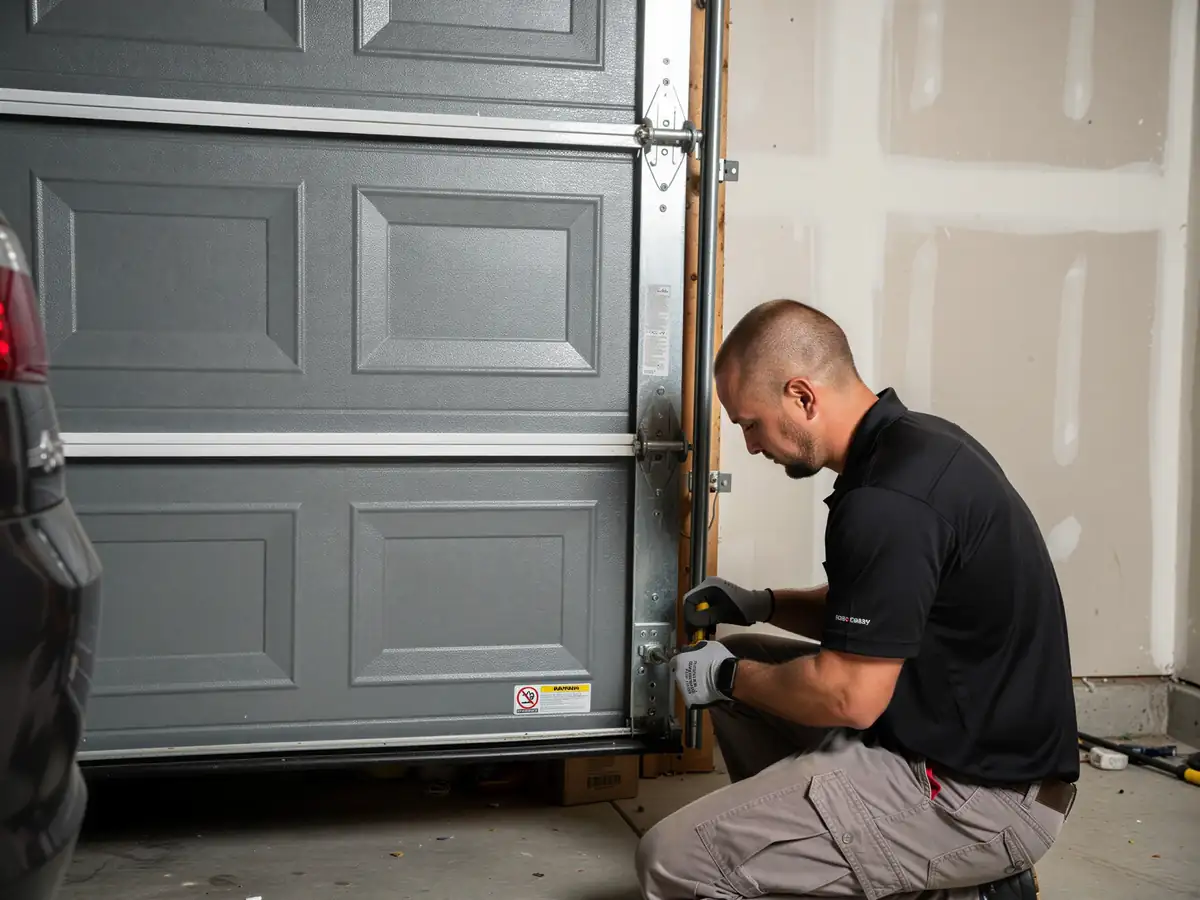
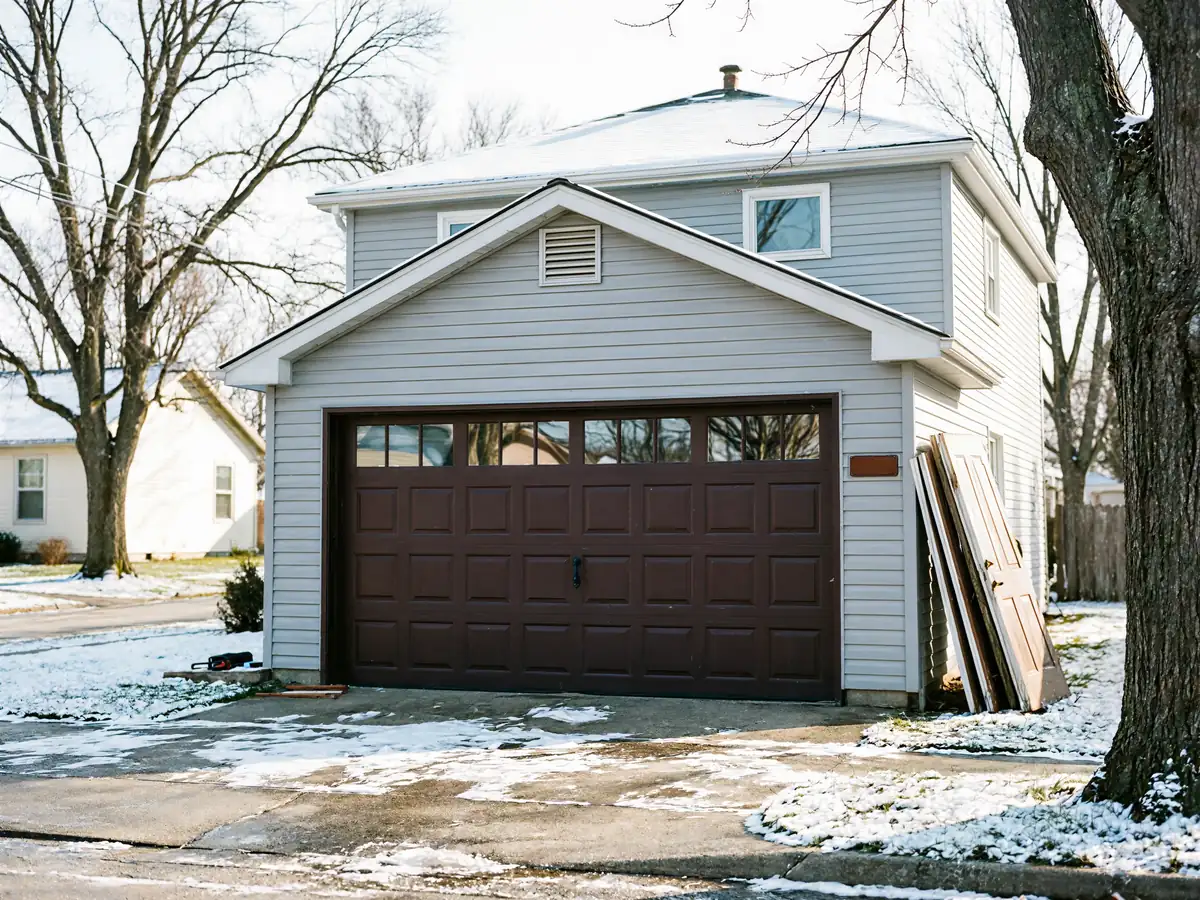
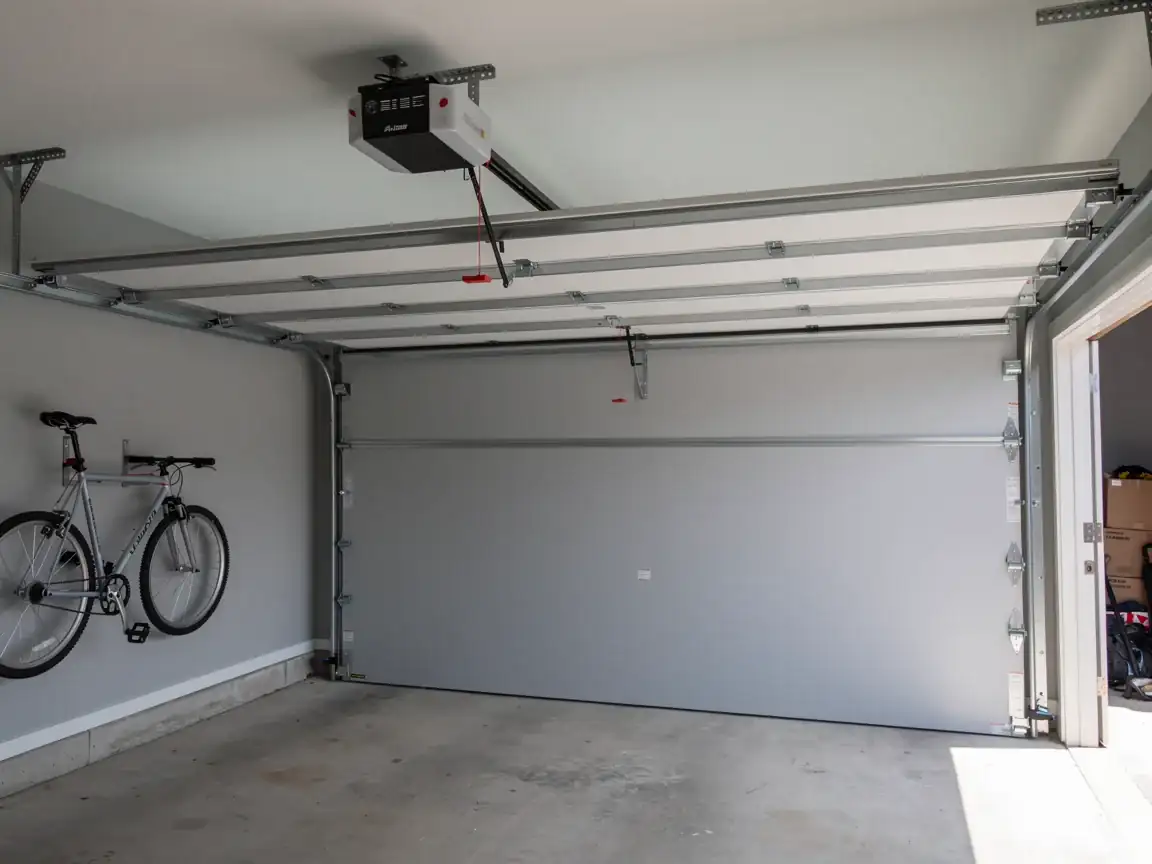
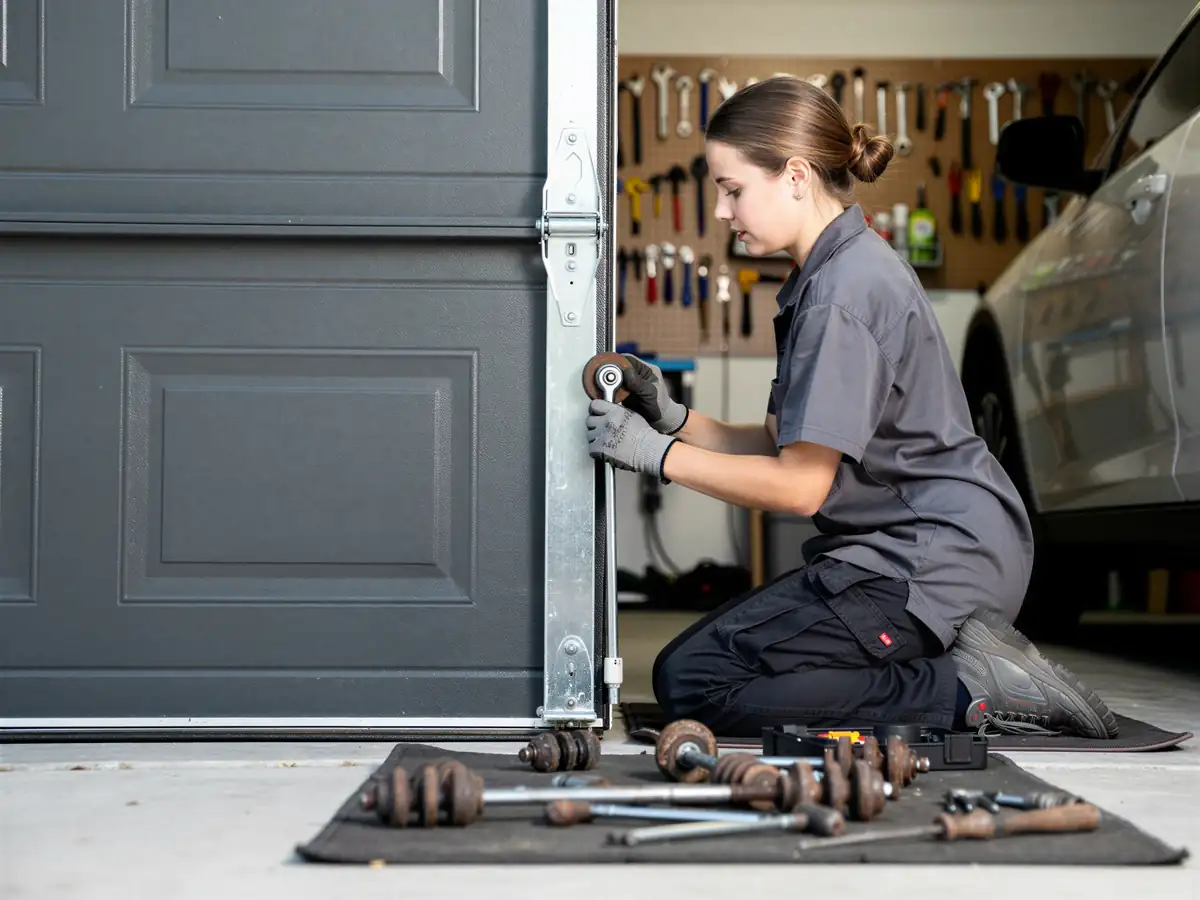
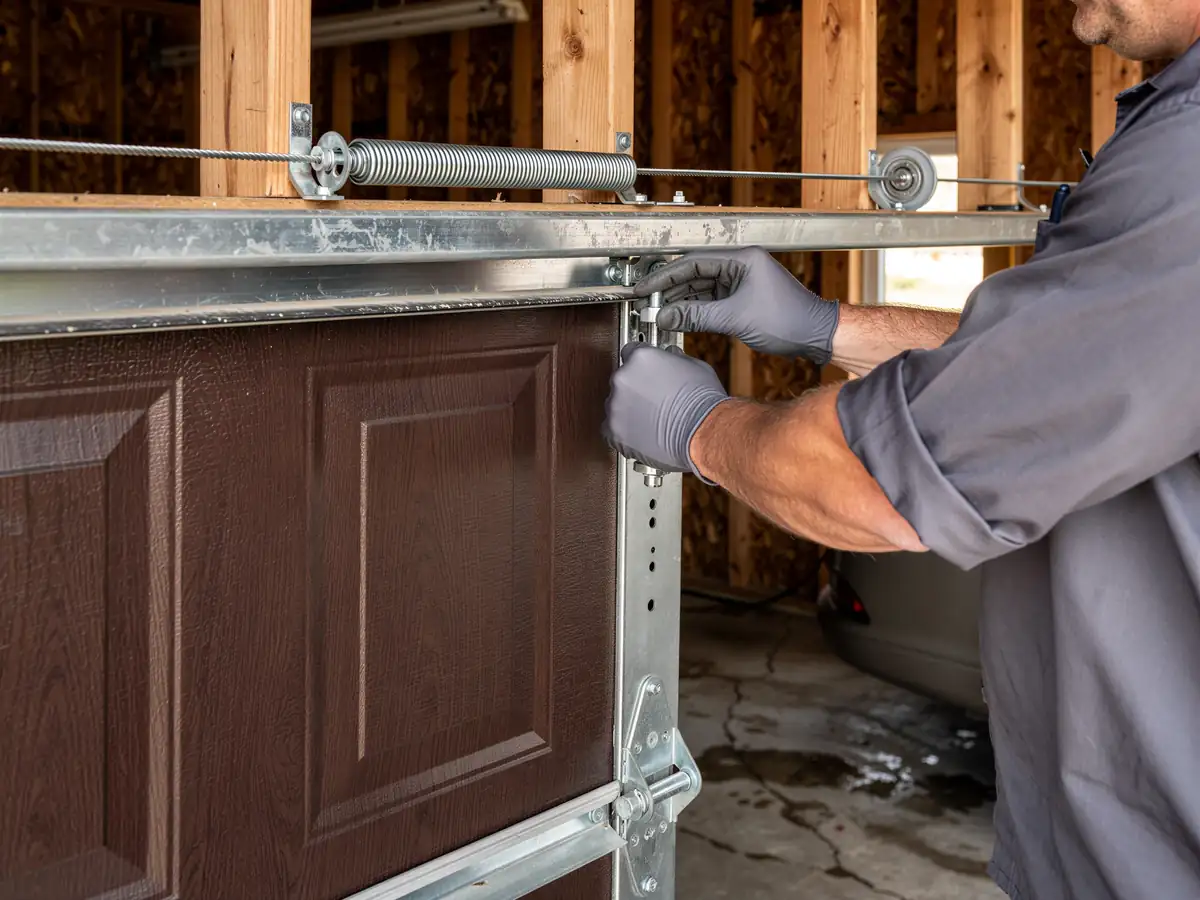
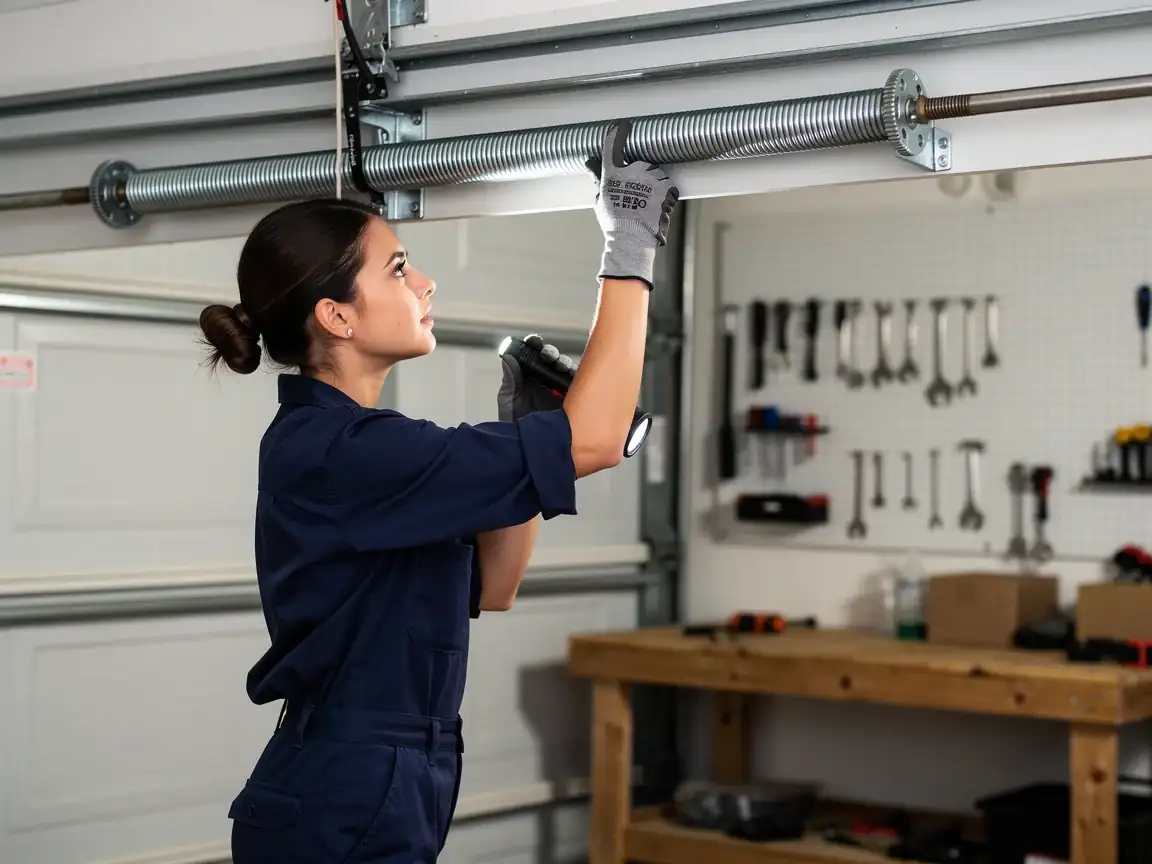
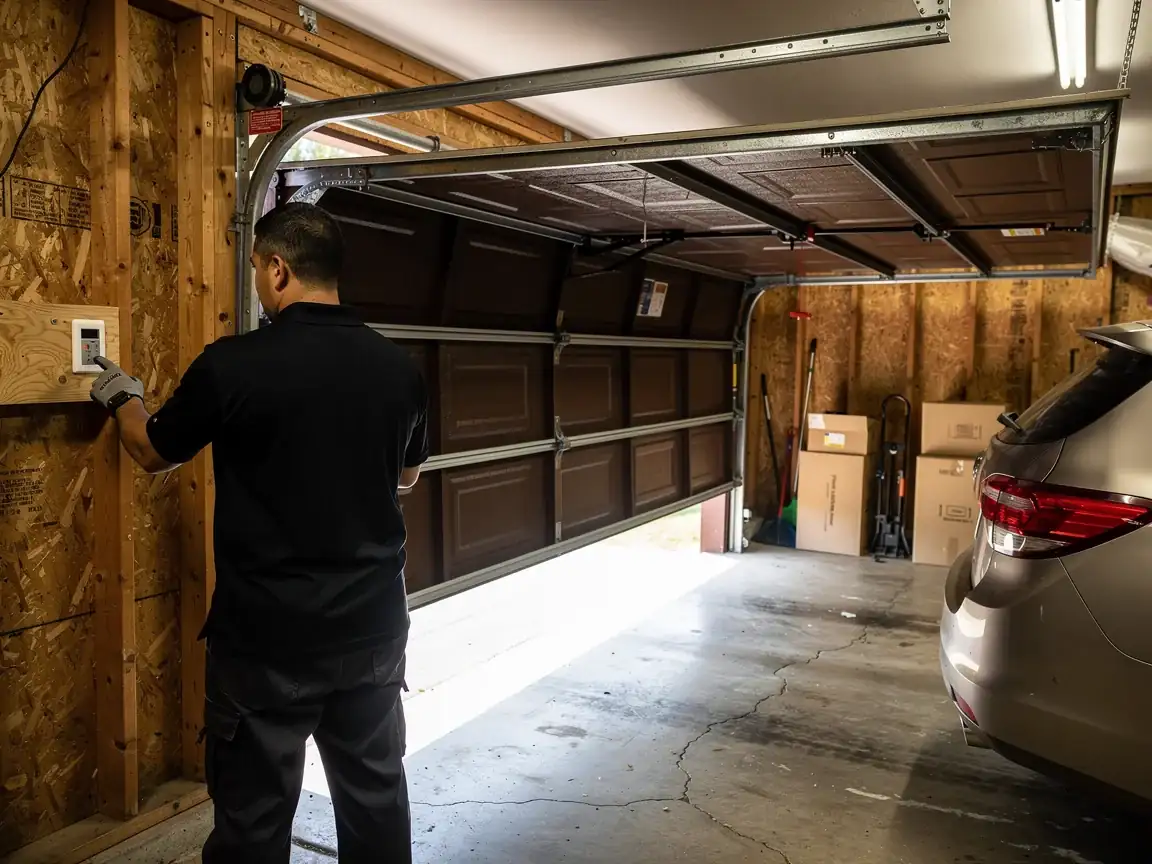
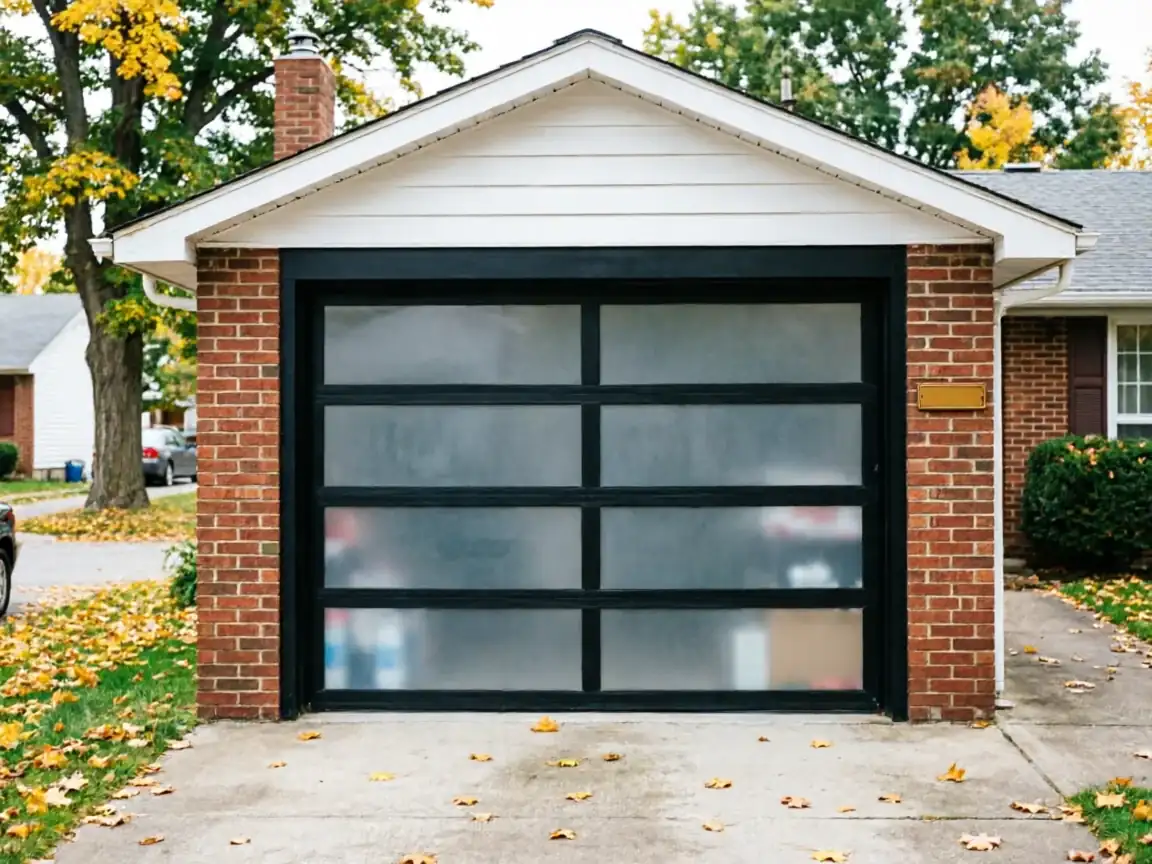
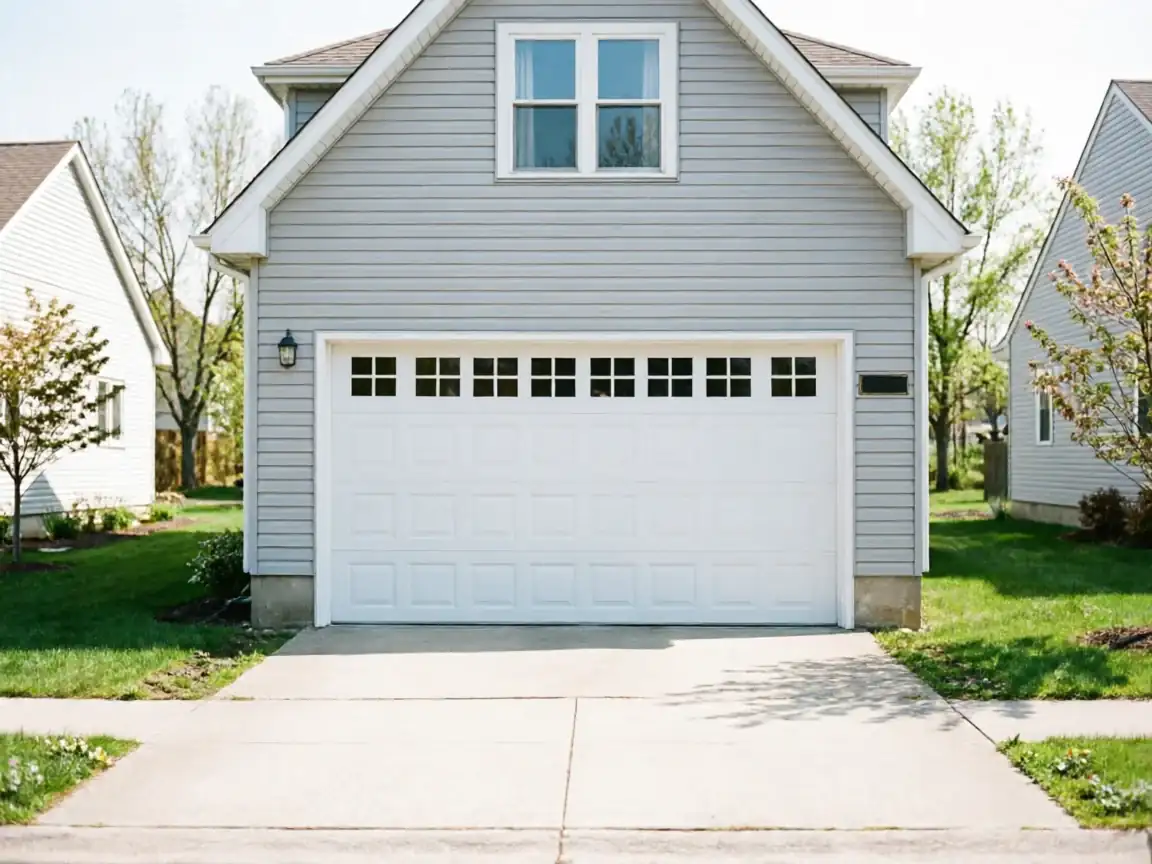
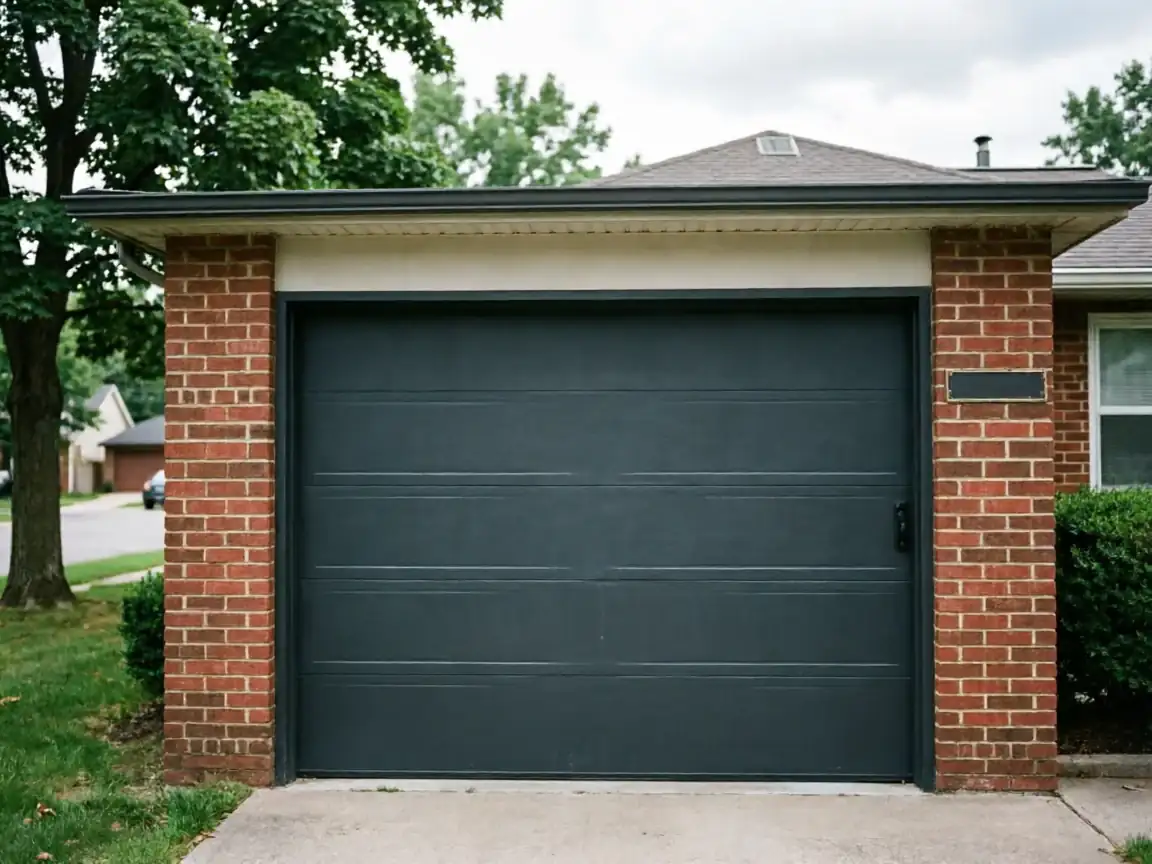
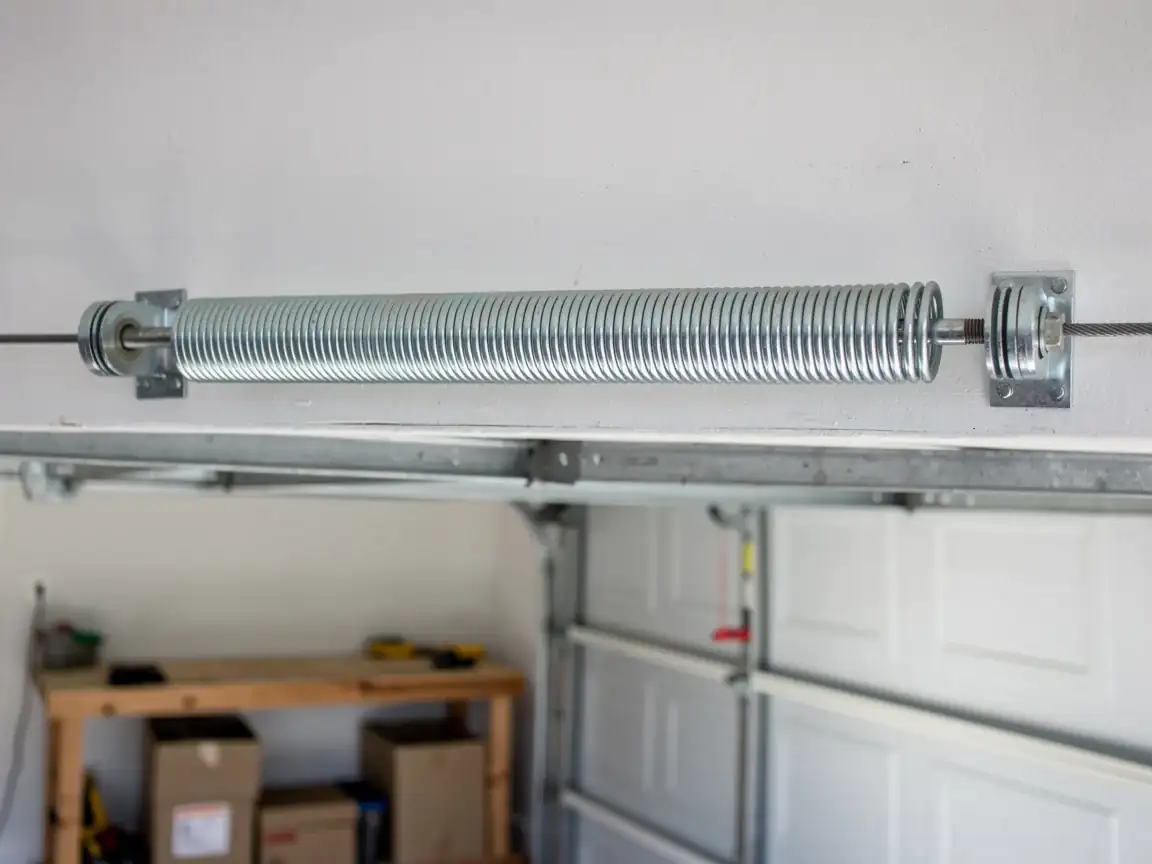
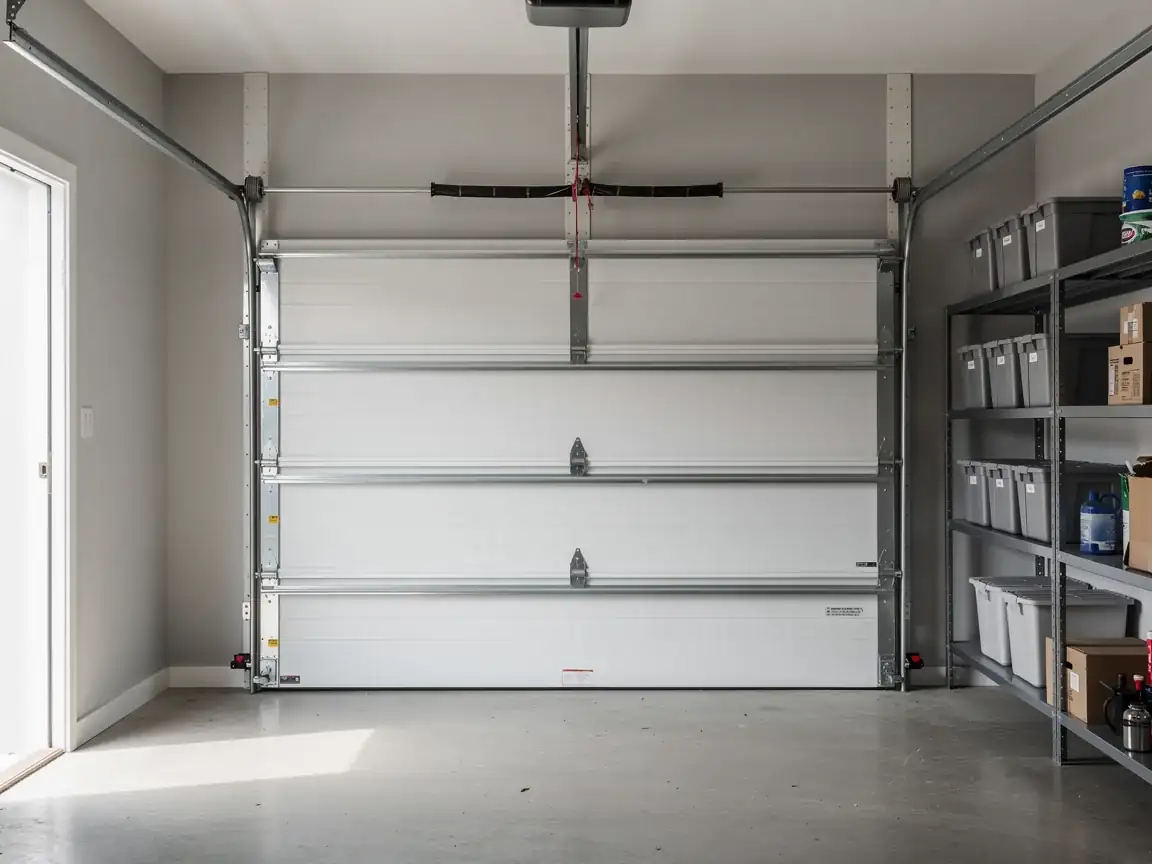
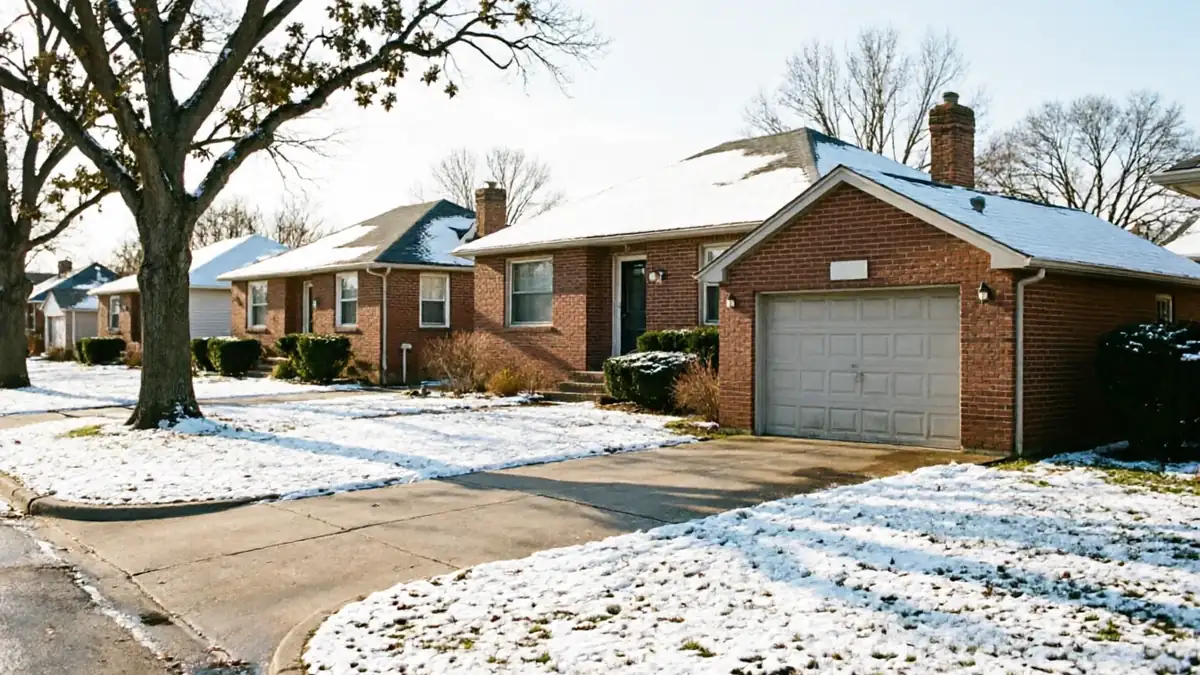
Kirkwood's housing stock centers on 1963, a few years earlier than the wider service area's 1969 median. That gap matters more than it sounds. Doors and openers installed in the early-to-mid 1960s were built before the lighter steel sandwich panels became standard, and a lot of the original torsion hardware on these houses used thicker-gauge springs sized for heavier wood or single-layer steel doors. If a homeowner here has never swapped the original door, the spring and drum setup on it is probably not what's stocked on a typical parts truck today. We see more oversized shafts and older-style center bearing plates on this side of our coverage than on newer-build streets, and that changes what a tech needs to bring. It also means a straightforward-sounding spring replacement can turn into a longer job if the drum or shaft has to be matched to older hardware rather than swapped off the shelf. None of this is a reason to put off a repair. It's a reason to expect the first visit to include a careful look at what's actually on the track before anyone quotes a fix.
The Houses Here
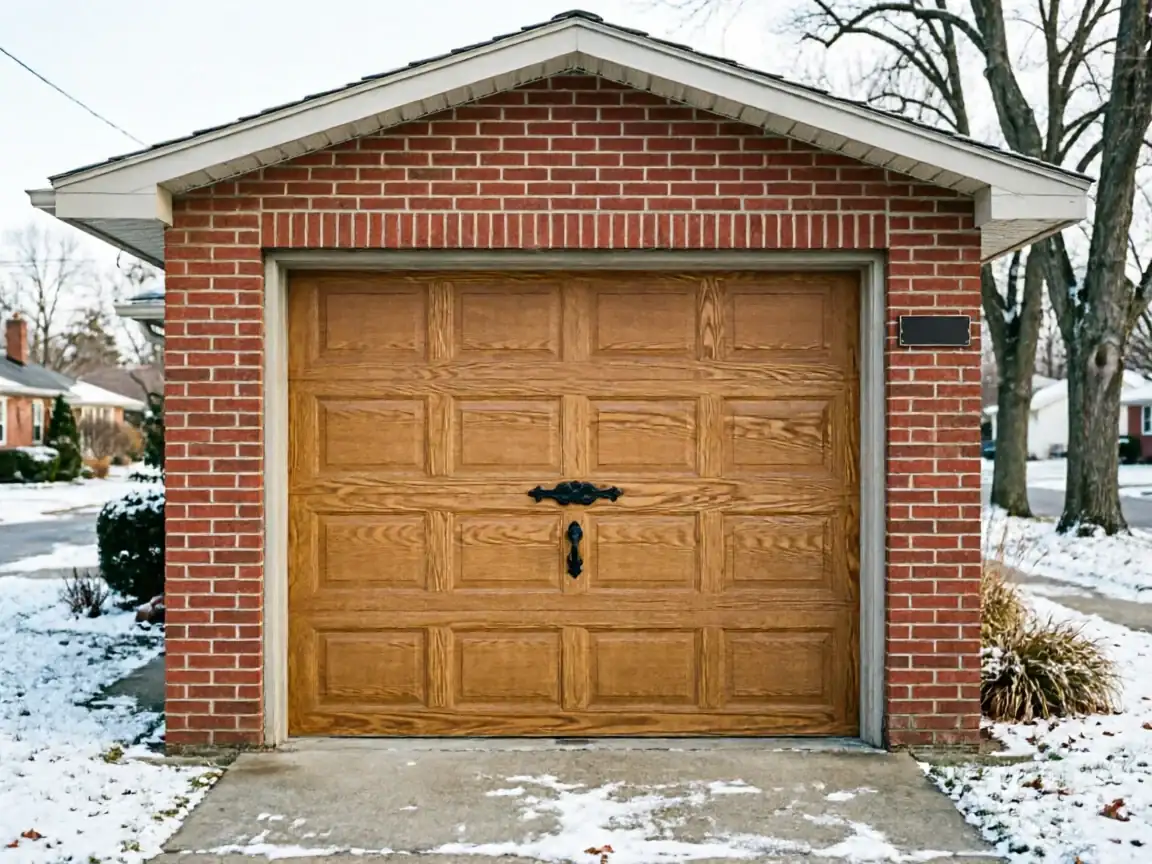
With a median household income of $117,439, well above the $86,641 figure for the broader area we cover, Kirkwood homeowners tend to invest in doors rather than patch them repeatedly. We hear that in the kinds of calls we get from this town: fewer stopgap fixes, more requests to replace an aging door outright once a spring or opener starts giving trouble. Across 12,110 households here, the housing mix still leans heavily on that early-1960s build era, so even well-kept homes often carry original garage framing and header dimensions that newer standard-size doors don't always fit without adjustment. The area sits within our climate band - cold, moderate - which over sixty winters does the usual damage: hardened lubricant, stiff hinges, and tracks that have shifted slightly as the slab settled. None of that is dramatic, but it adds up, and it's worth a look before a door that's merely sluggish turns into a door that's stuck.
How Soon We Can Come Out
We run out of Chesterfield, about 10 miles from Kirkwood, so we're not sitting on a truck parked around the corner. We don't promise a same-hour arrival here the way a shop based in town might, and we'd rather say that plainly than have someone waiting on a door that's blocking their car in. What we can do is schedule the drive as part of our regular route through this part of the coverage area, and we carry stock sized for the common spring and cable sizes this housing era tends to need. If your door is stuck closed with a car trapped inside, tell us that when you call - it changes how we prioritize the day's stops.
What We Do Not Do
We don't stock every obsolete drum or shaft size from 1960s-era openers, and if your door still has its original hardware, there's a real chance a part has to be ordered rather than pulled off the truck same-day. We also won't try to force a modern standard-width door into a header opening that was framed off older dimensions without checking the fit first - that's a measure-twice job, not a guess-and-install one. And we don't recommend patching a door that's cheaper to replace outright; if the drum, shaft, and panel are all failing at once, we'll say so instead of running up a repair bill on hardware that's on its way out anyway.
How it works
From “it’s stuck” to “it’s fixed”
01
Tell us what’s wrong
Describe the symptom - won’t open, loud bang, opener runs but the door won’t move.
02
On-site diagnosis
A technician tests the door under power and by hand and finds what actually failed.
03
Clear, up-front plan
You get the fix that’s needed and what drives the cost - before any work starts.
04
Repaired & tested
The repair is done, the door is set true and tested, and the work area left clean.
Not sure which repair your door needs in Chesterfield, MO? Describe what it’s doing - every job starts with a diagnosis.
No. We're based in Chesterfield, about 10 miles away, and we service Kirkwood as part of our regular coverage route. We don't keep a local depot here, so plan on scheduling rather than a same-hour walk-in.
Why does my door's spring look different from my neighbor's newer house?
Kirkwood's housing stock centers on 1963, older than a lot of the surrounding area. Early-1960s doors often used heavier-gauge torsion springs and larger shafts than today's standard parts, so hardware can differ house to house depending on whether the original door was ever replaced.
Is it worth repairing an old original door or replacing it?
Depends on what's failing. If it's just a spring or a cable, repair makes sense. If the drum, shaft, and panels are all original from the early 1960s and showing wear together, replacement usually costs less over time than repeated hardware-matching repairs.
How cold-weather tough do doors need to be here?
The area sits in a cold, moderate climate band, so standard weatherstripping and insulated panels hold up fine. The bigger issue on older homes is stiff, hardened lubricant and shifted track alignment after years of winters, not the door material itself.
Ready to get your garage door sorted?
Tell us what it’s doing and where you are in Chesterfield - we’ll take it from there.