Why It Happens Here
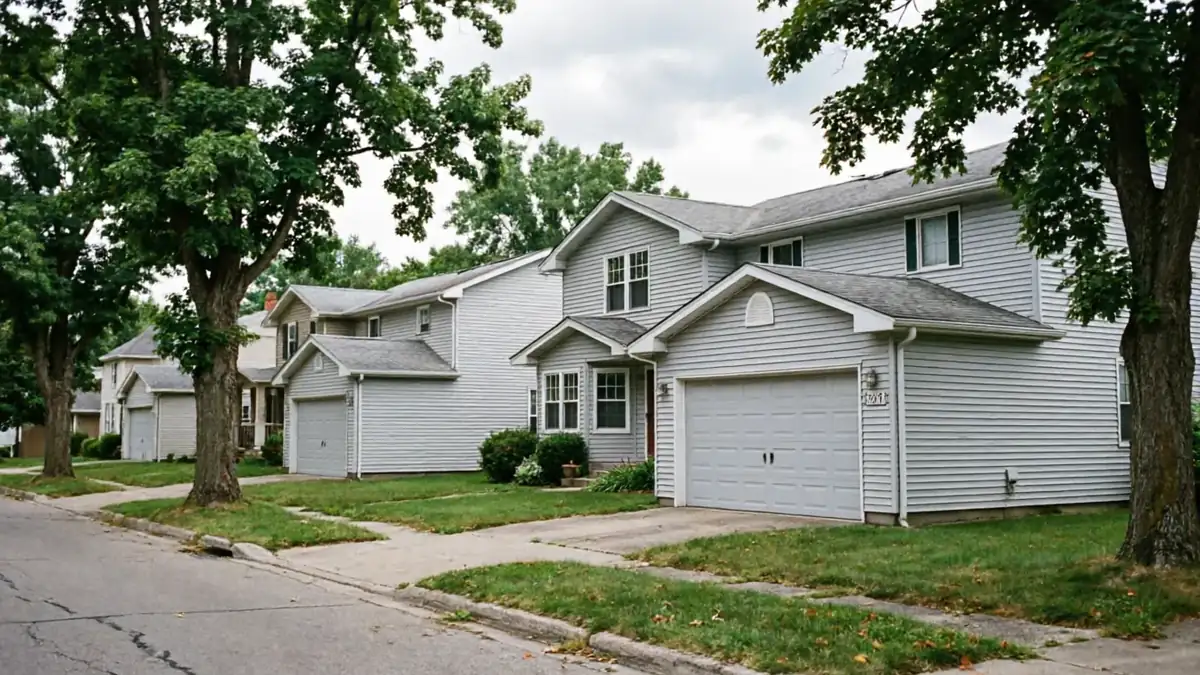
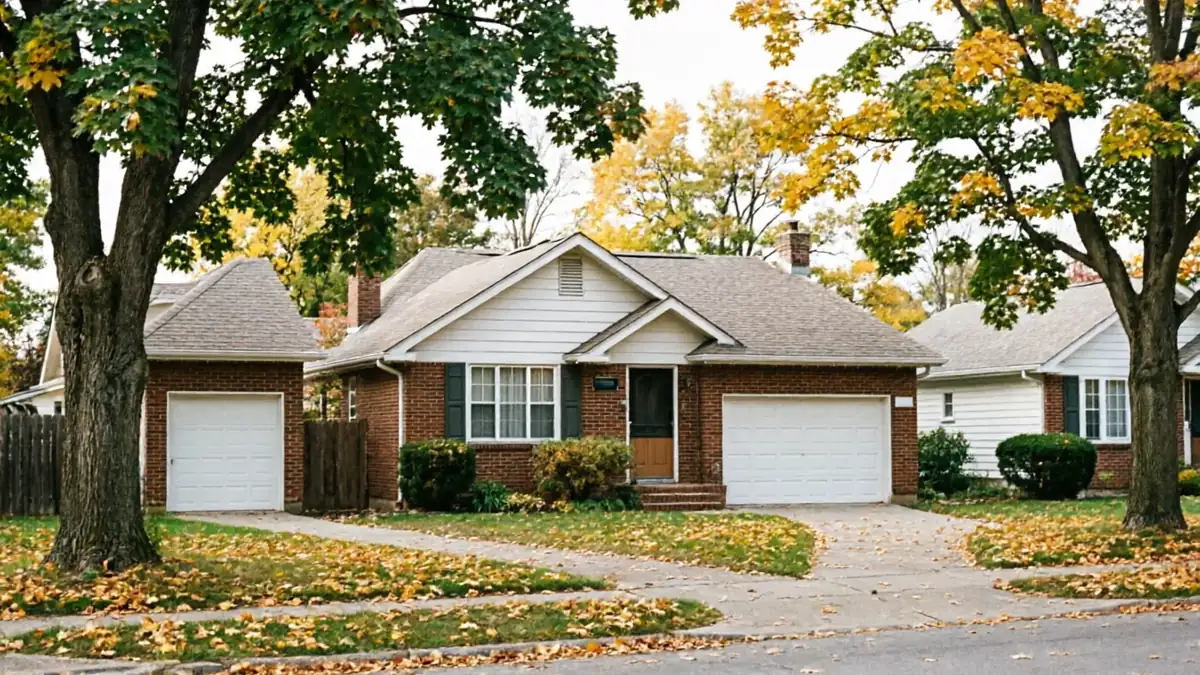
Chesterfield's housing was built mostly between 1947 and 2011
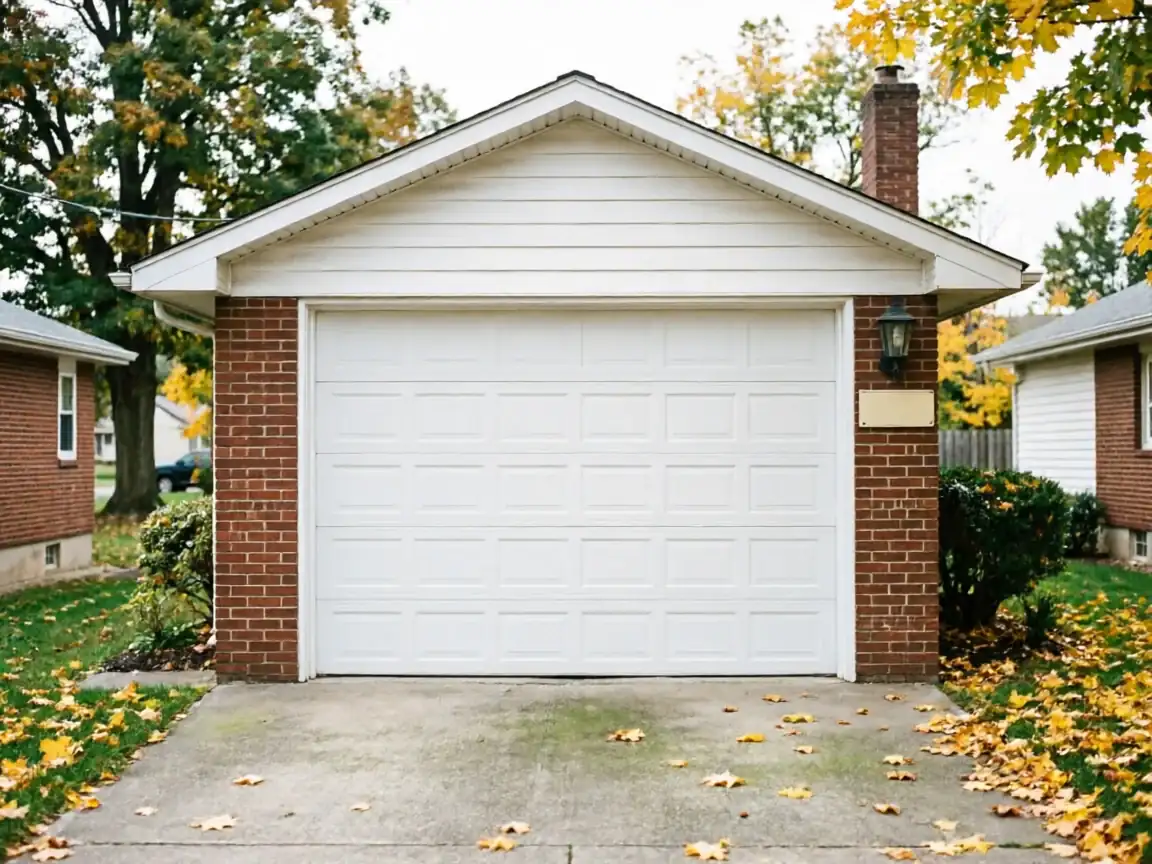
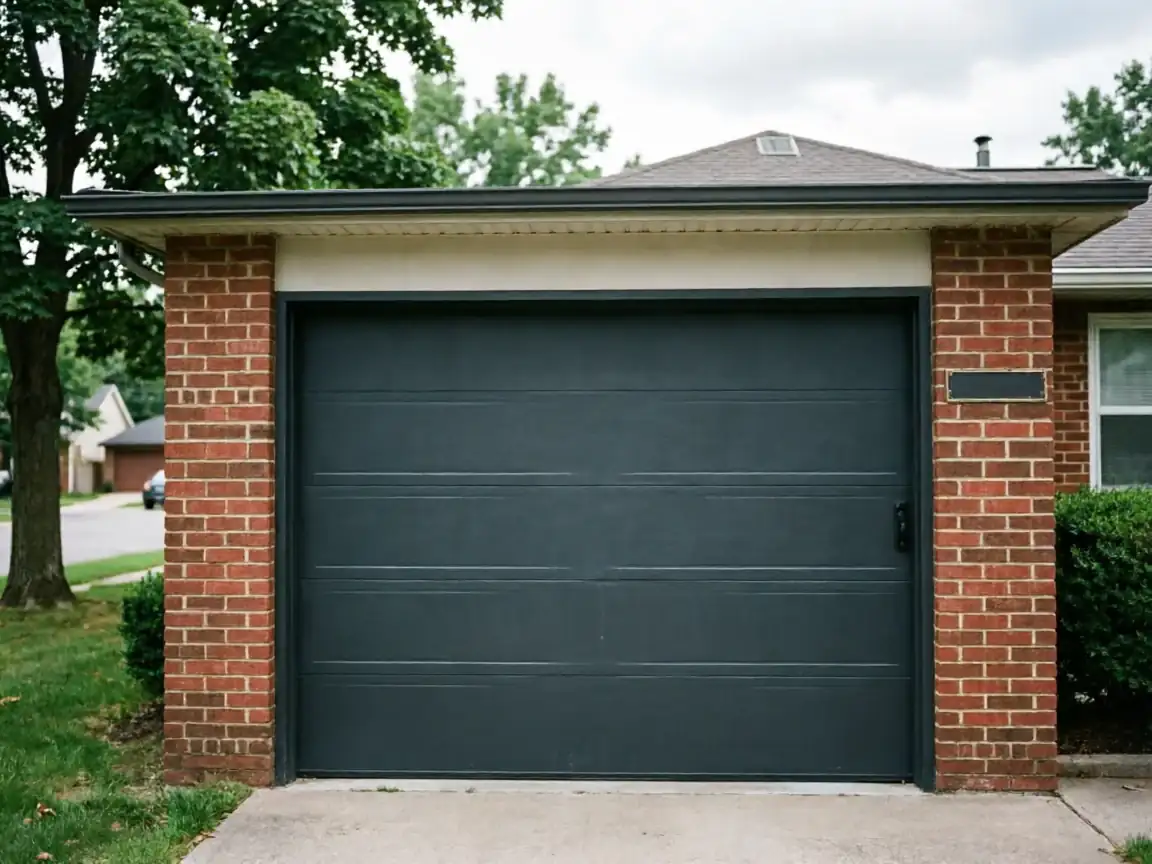
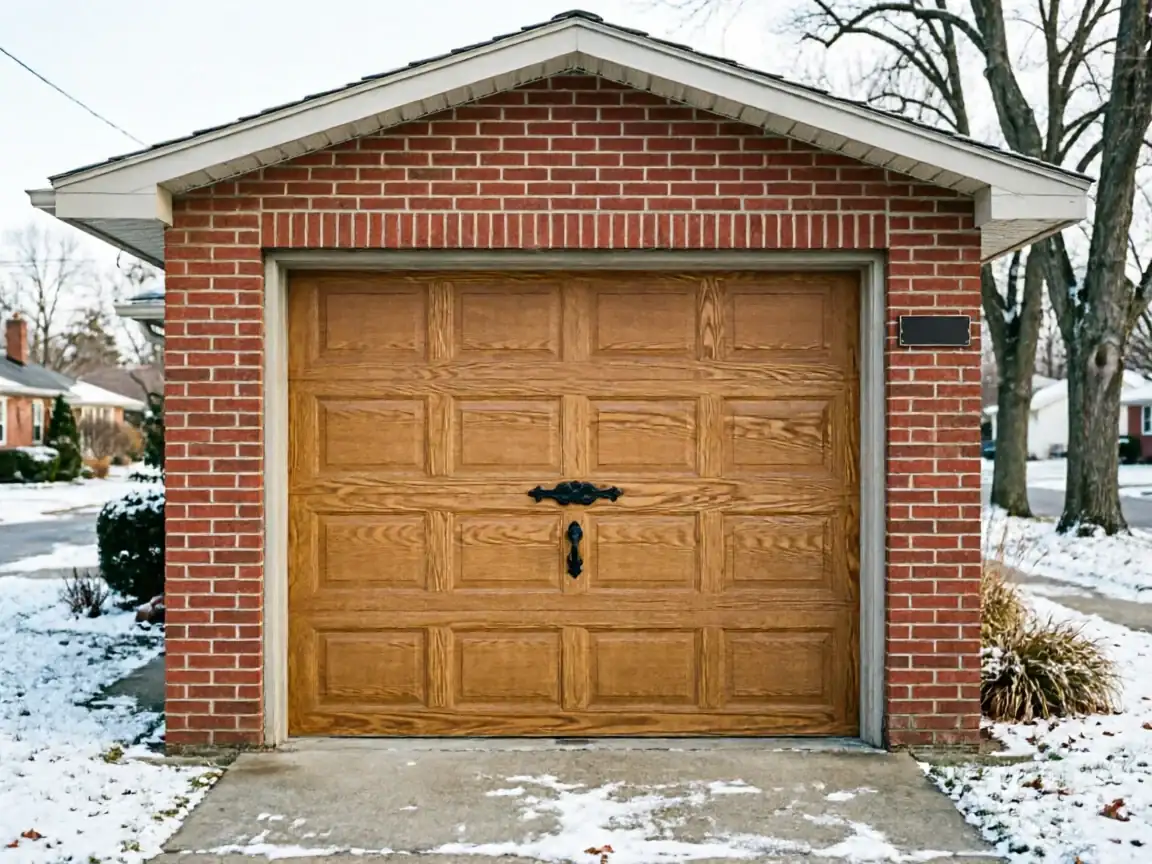
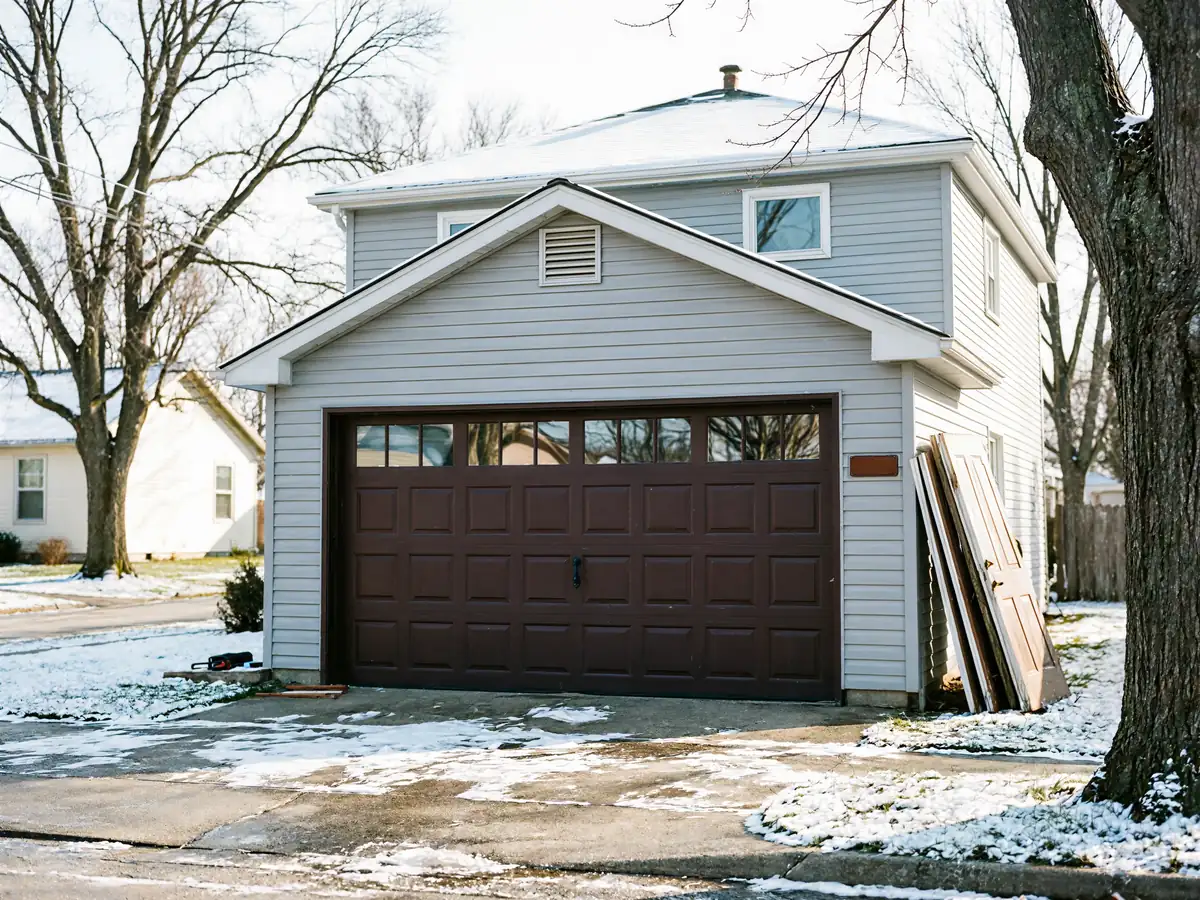
With the median home dating to 1969. That one number explains most of the installation calls we get. A door put in during that building wave is now five decades old, and even if it's still rolling up and down, it was never built for the climate band this area sits in - a cold, moderate zone where a steel door with no insulation lets a lot of heat walk straight out of the garage every winter.
Across the 55 named subdivisions that make up this part of the county, the stock is consistent
Single-layer steel sections, thin tracks sized for lighter doors, and openers that have been swapped out once or twice already while the door itself never got touched. Replacement isn't about a door that broke. It's about a door that's aged out of being worth repairing - the steel has thinned, the seams don't seal, and parts for that era of hardware are getting harder to source every year.
We don't push installation on a door that still has life in it
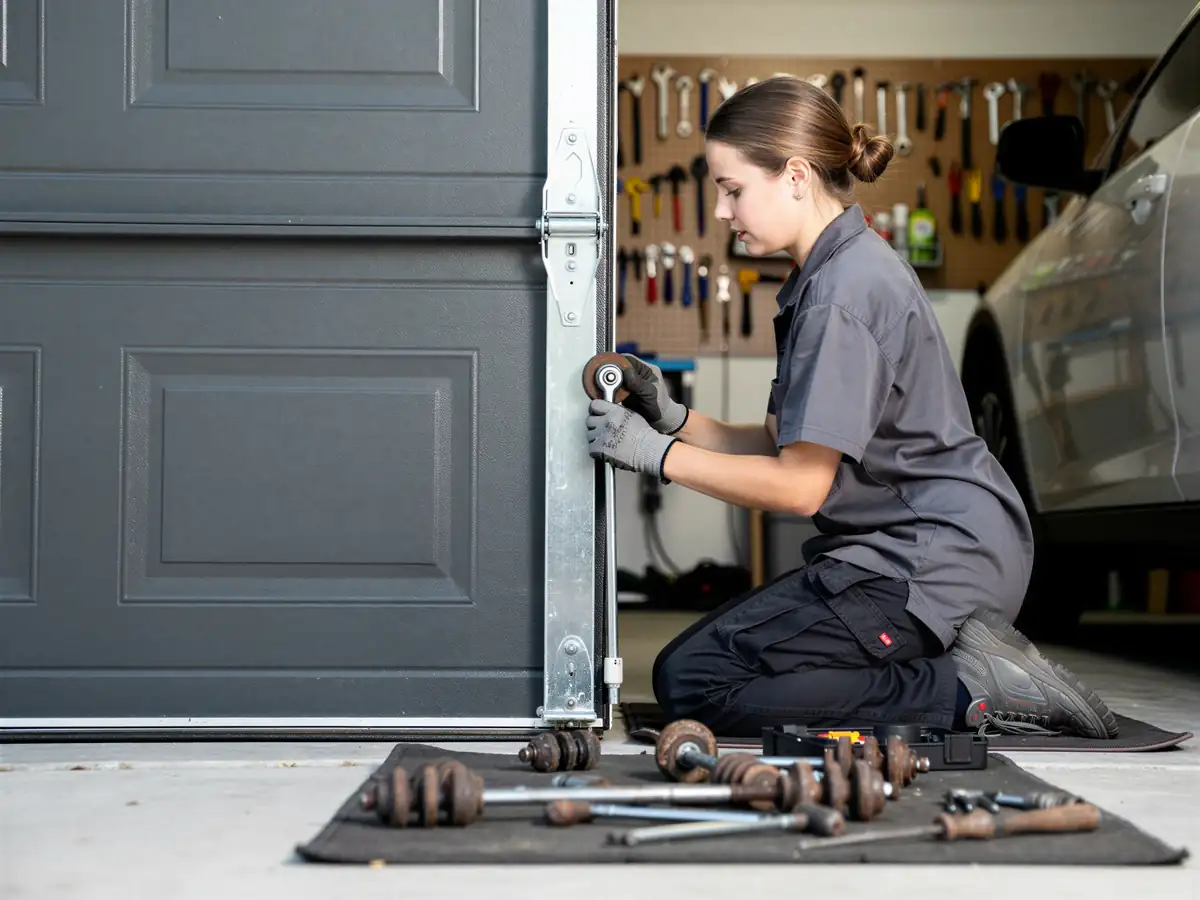
If a spring, cable, or roller fix gets you another five years, that's the job we do. But once the panels themselves are the problem, patching stops making sense.
What Can Go Wrong
The most common issue on a 1960s or 70s door isn't the mechanism, it's the panel itself. Steel that's been expanding and contracting through this area's cold winters for fifty-plus years starts to bow, rust along the bottom seam, or pull away from the track at the hinges. Once a panel is bent, the whole door runs out of true, and that puts uneven strain on the spring and opener even if those parts are newer.
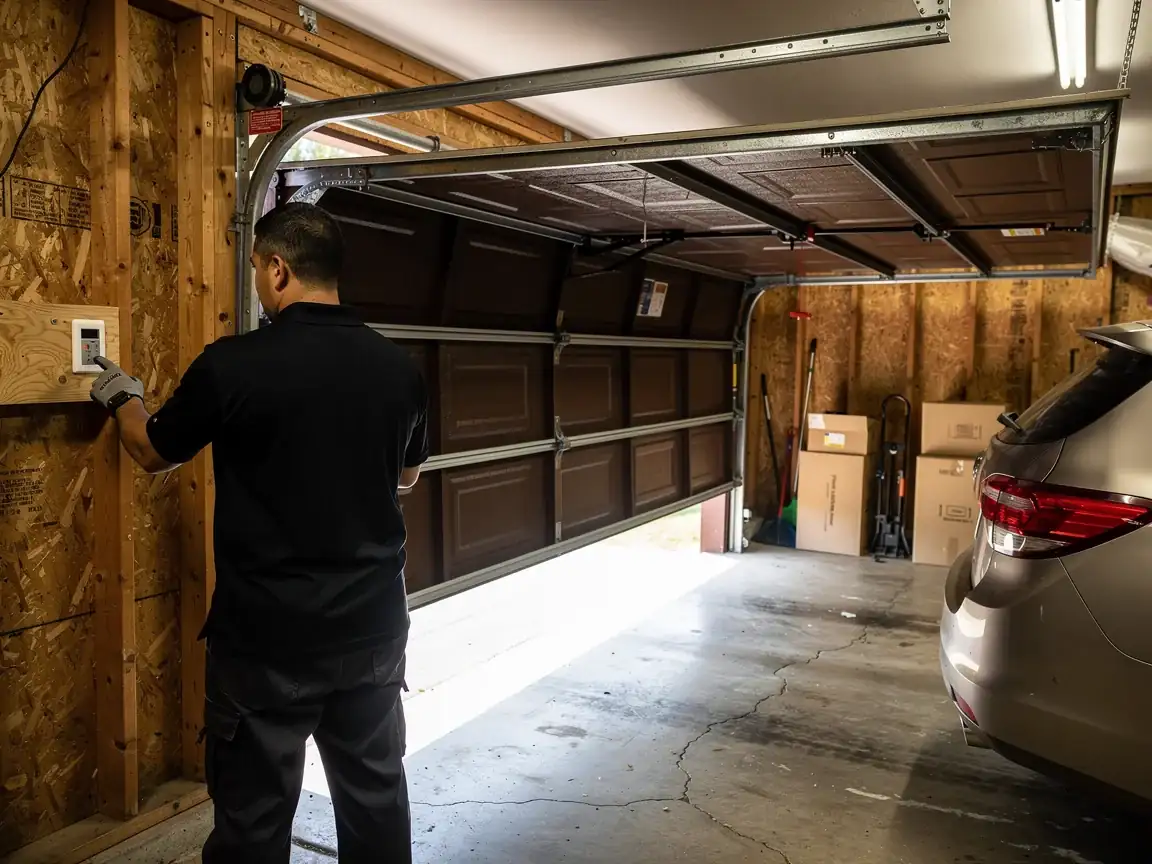
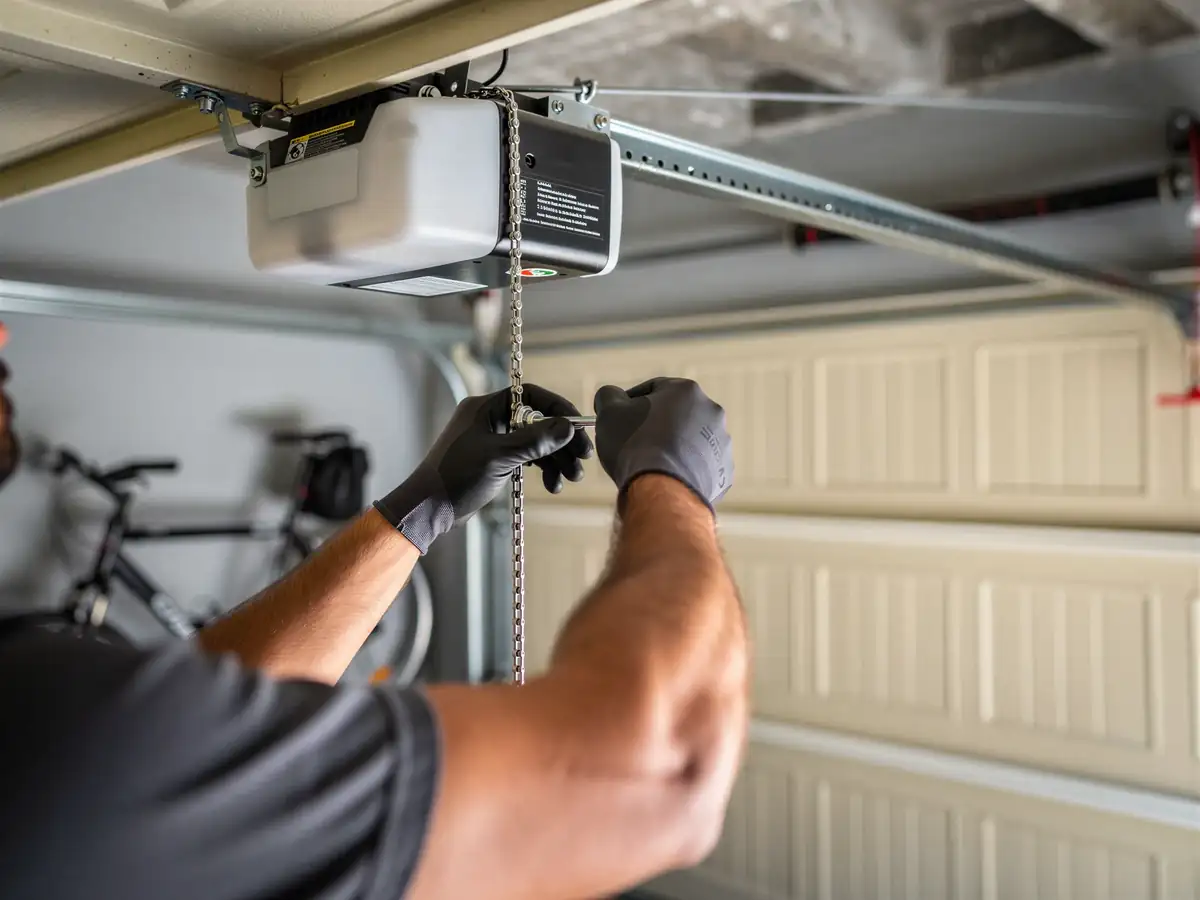
We also see openers that were upgraded onto an old door without anyone checking whether the door's weight and balance still matched what the opener was built to handle. A new opener fighting an old, heavy, unbalanced door burns out gears and drive belts years before it should. That's not a door problem or an opener problem on its own - it's a mismatch that only shows up once you're already paying for electricity to push and pull dead weight.
The honest limitation here: if your opener is less than a few years old and still has life left, we're not going to tell you to replace it just because the door is going. We size the new door to the existing opener's capacity whenever that math works, rather than selling a second big-ticket item you don't need.
What the Fix Involves
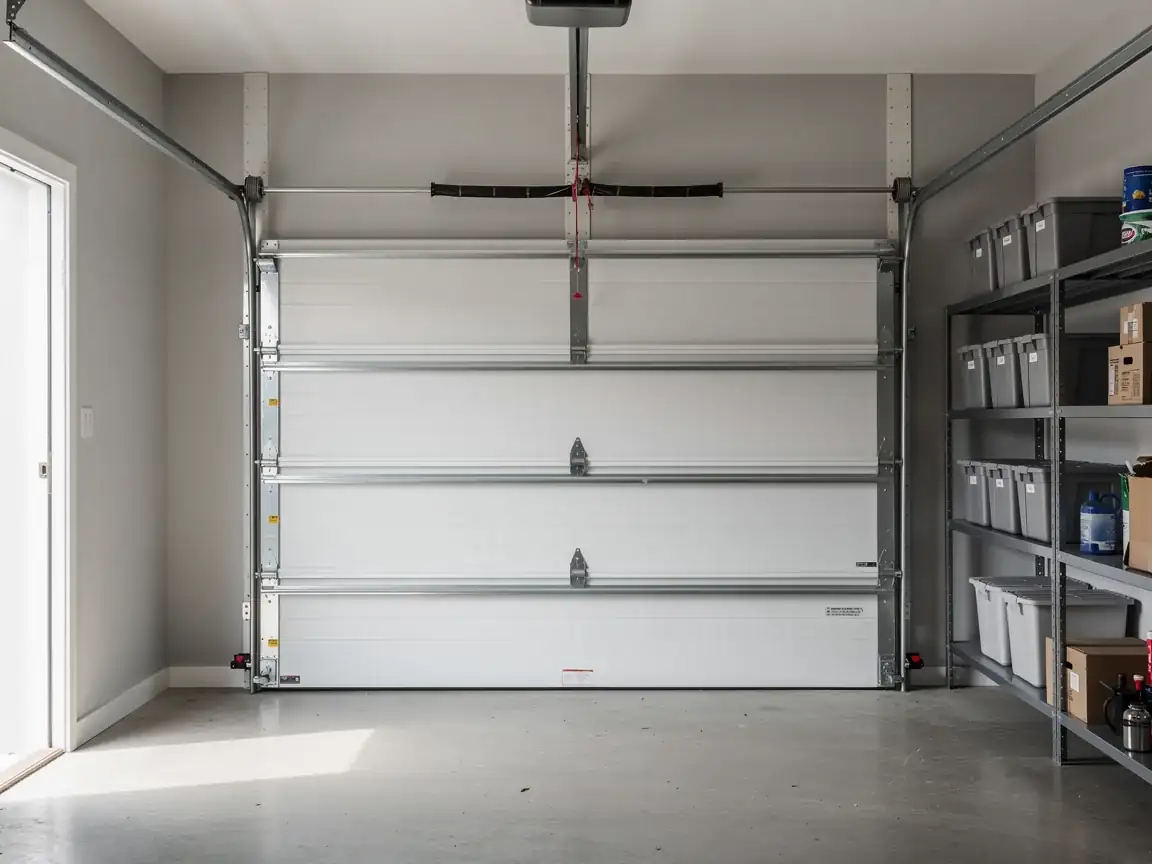
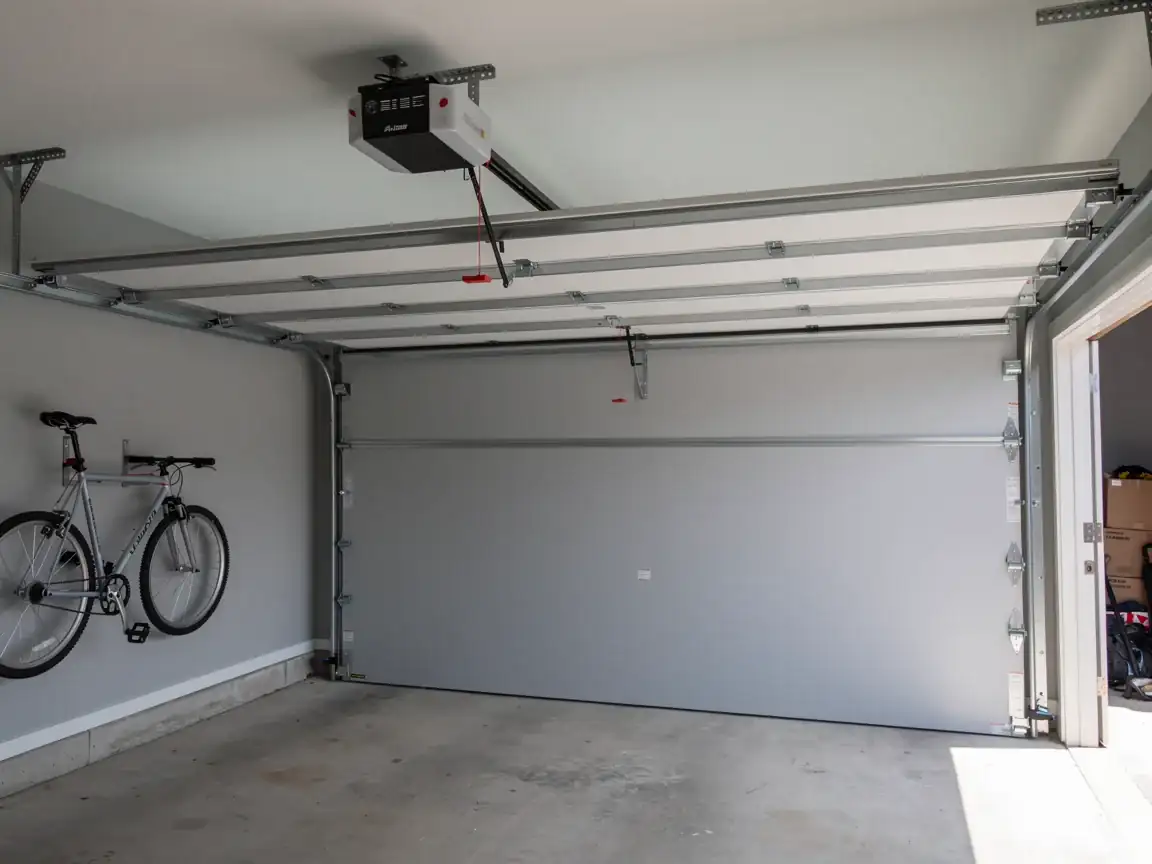
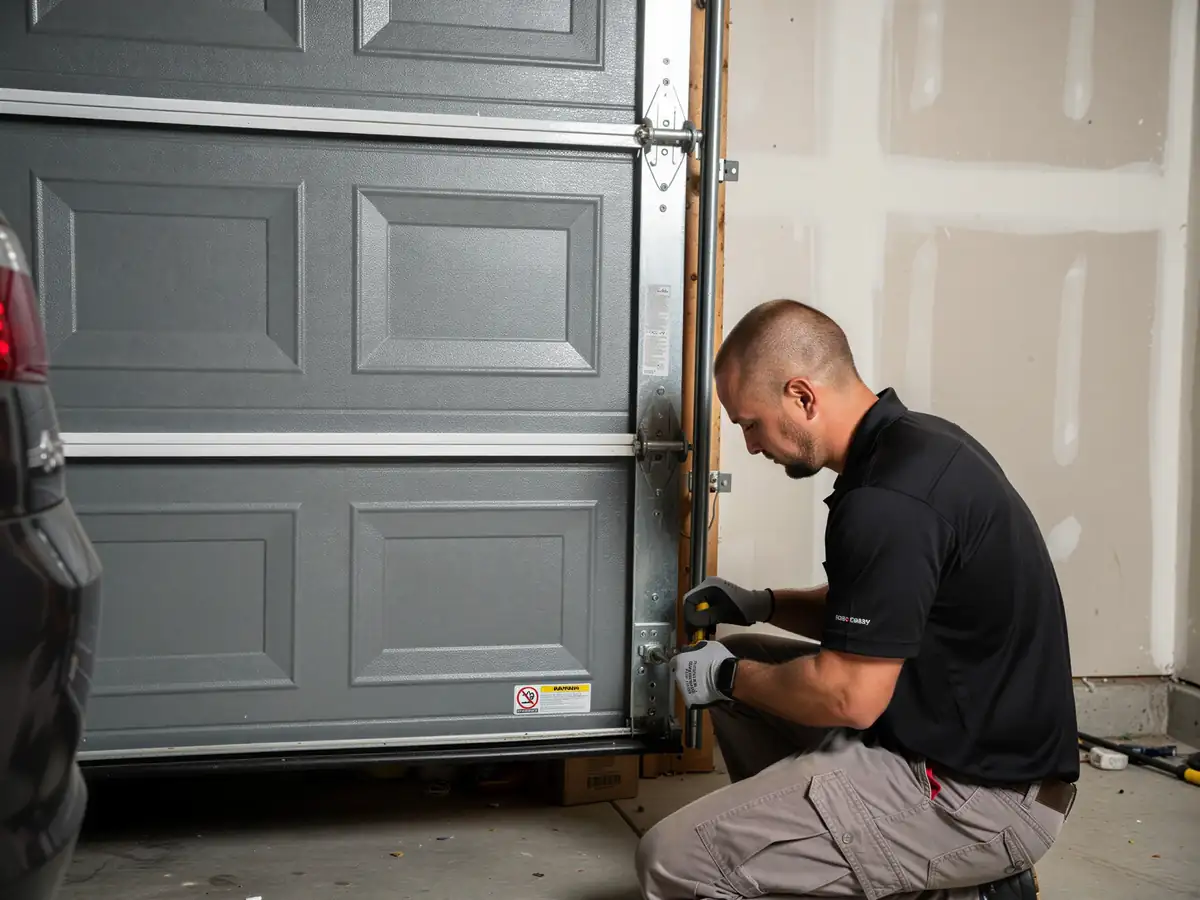
A proper installation starts with the opening, not the door. We measure the existing frame, check the header and jambs for square, and confirm the track run has room for the lift type the new door needs - a lot of these 1969-era openings were built slightly undersized by today's standard dimensions, so a stock door doesn't always drop straight in.
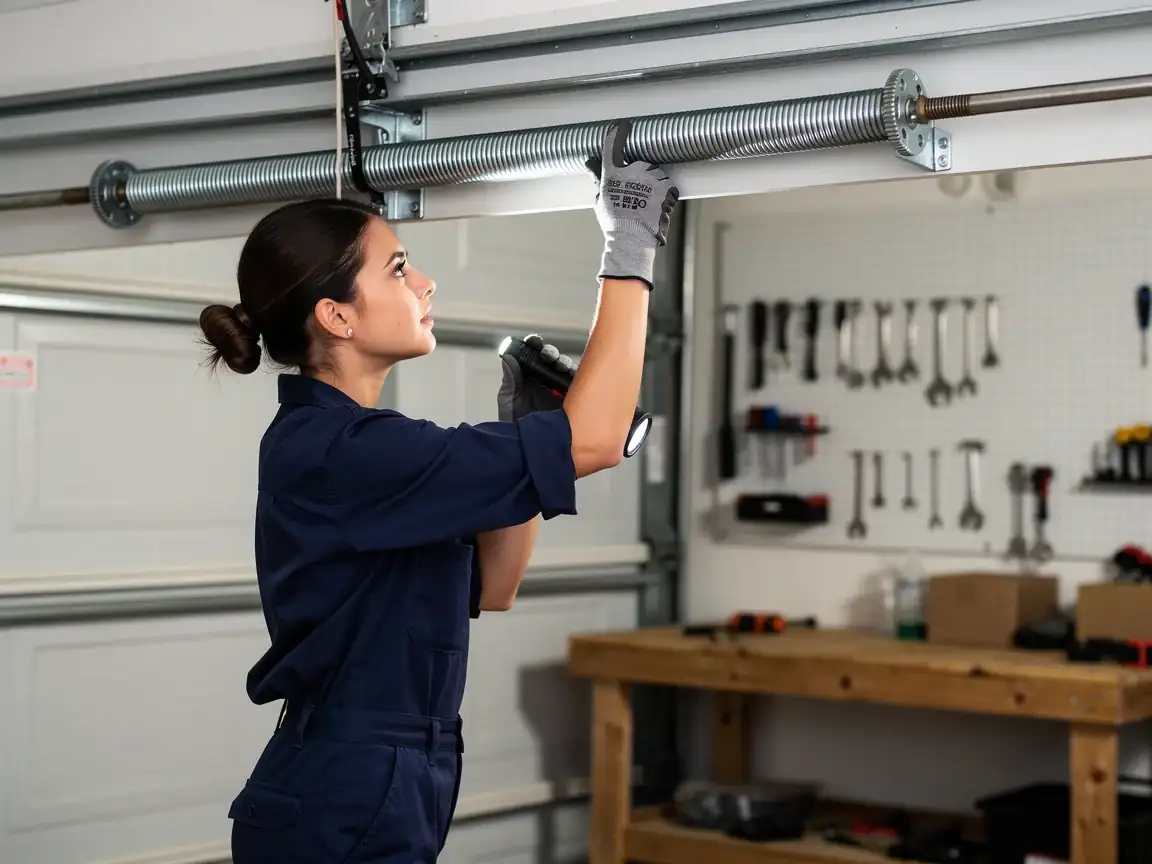
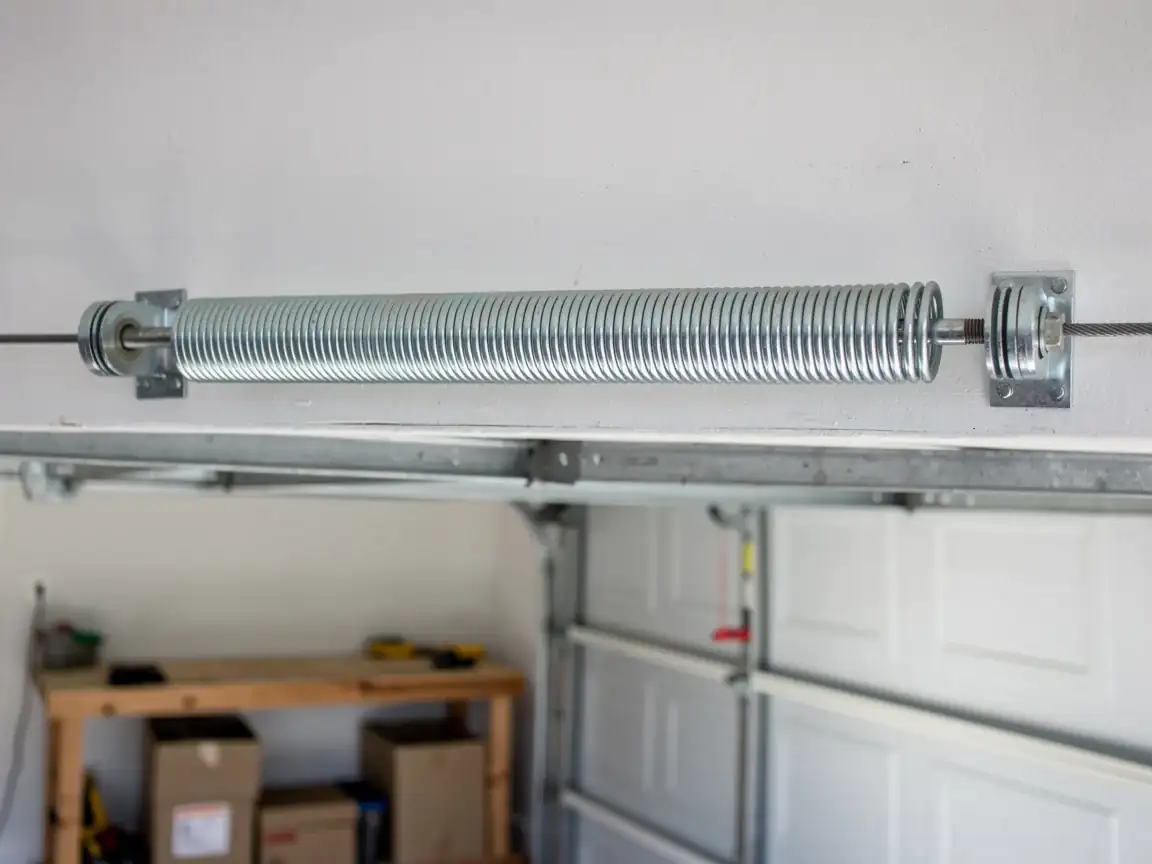
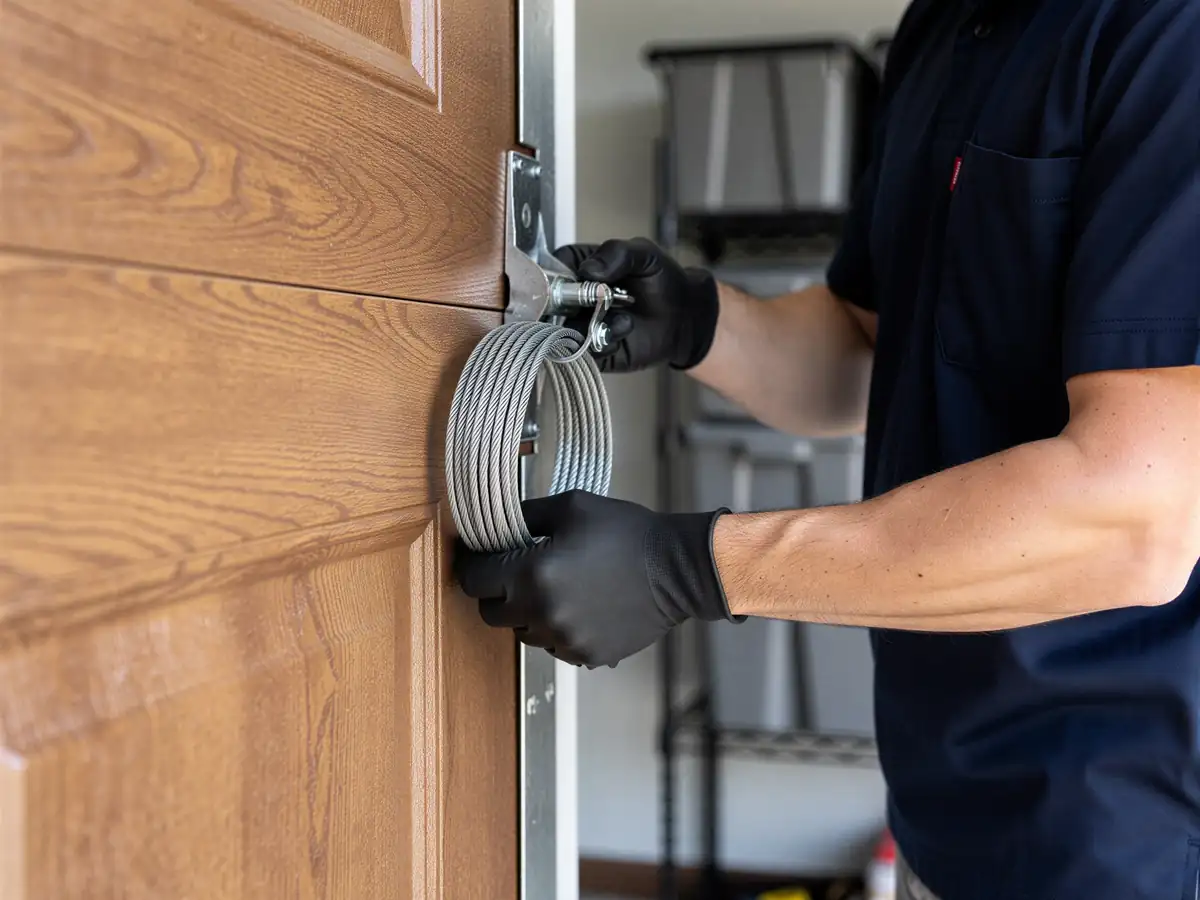
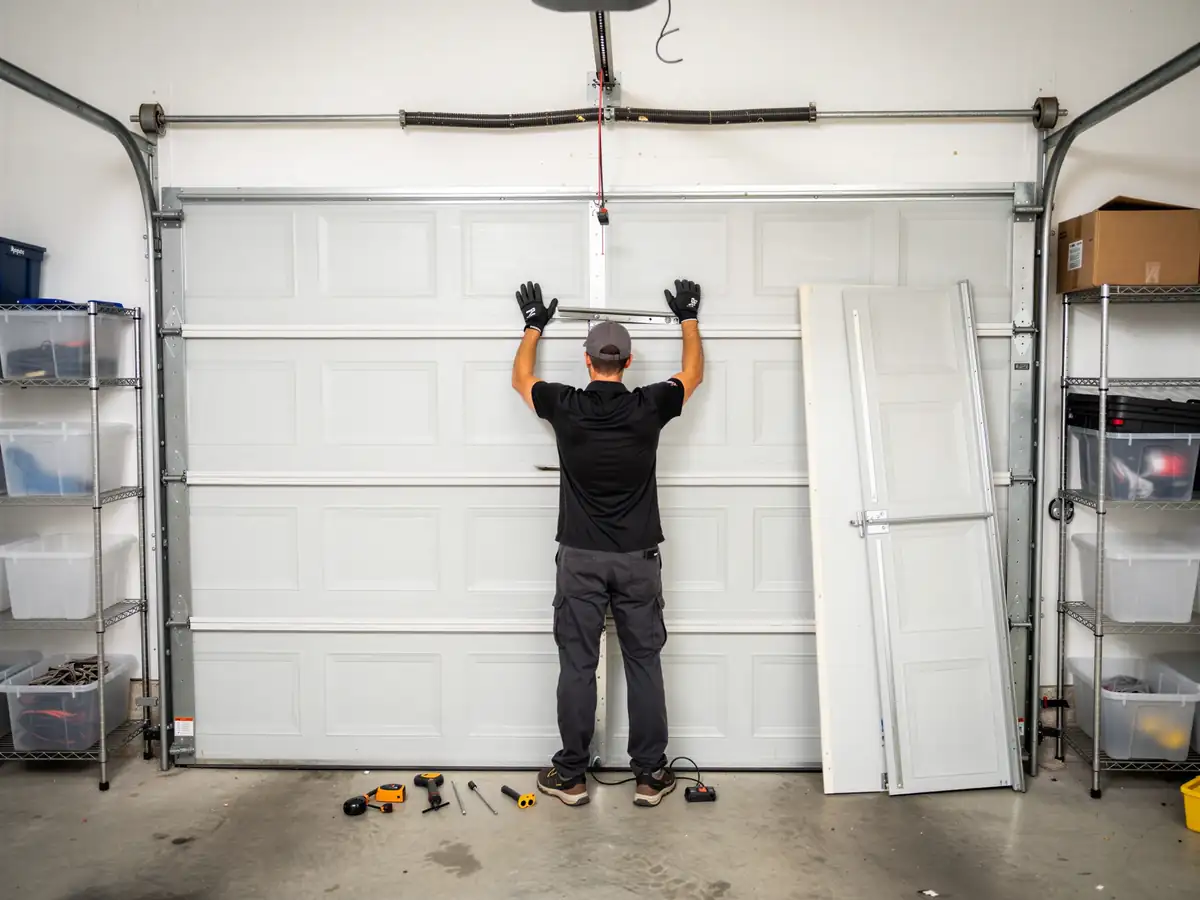
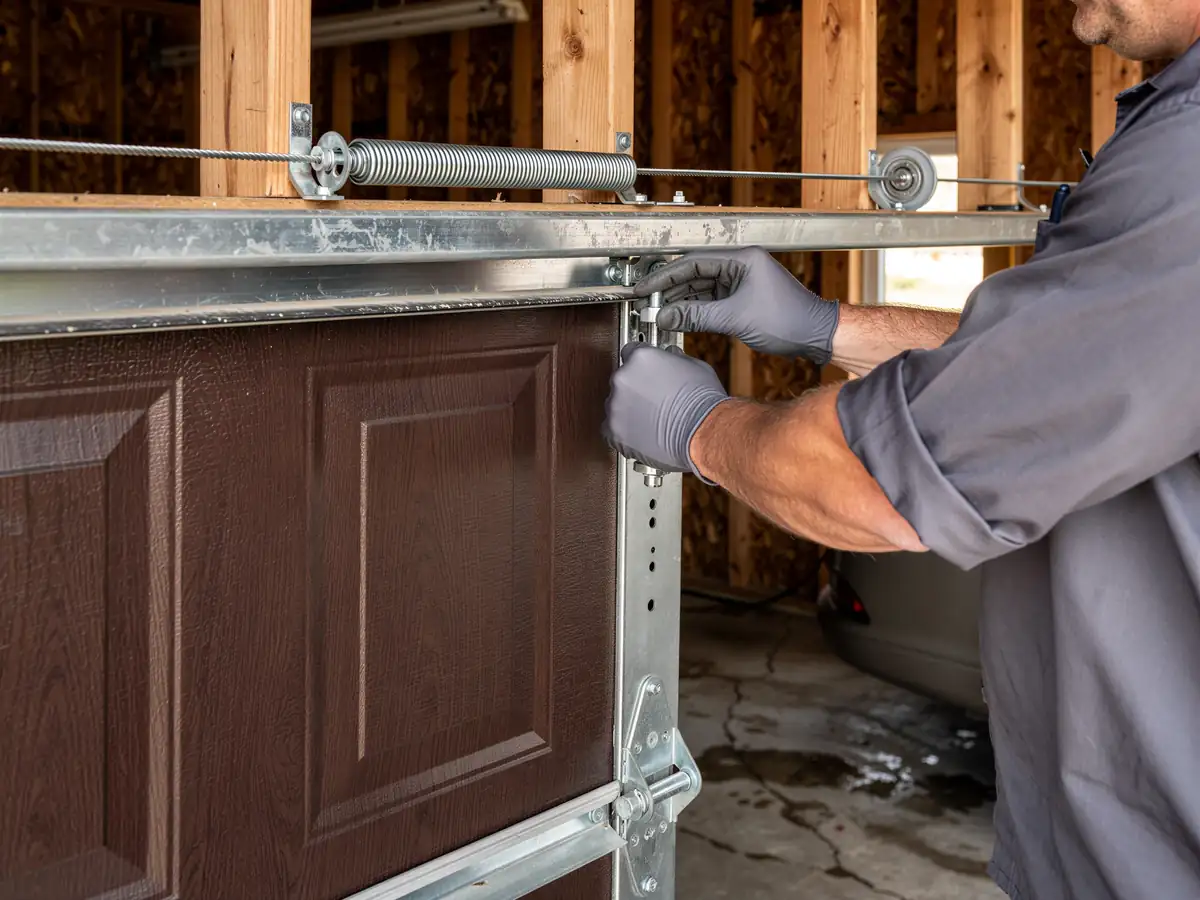
From there it's removing the old sections and track, setting new jambs if the old ones have rotted or rusted, and installing an insulated door rated for this area's cold band rather than the uninsulated steel that was standard when these houses went up. Springs get sized to the new door's actual weight, not guessed at or carried over from the old setup - that's the single biggest cause of early spring failure we see on fresh installs done wrong.
Most jobs run one day. If the opening needs framing repair because of long-term rot or rust, that adds time, and we'll tell you that before we start, not after.
The Symptom
The door that needs installing, not repairing, usually shows the same pattern
A bottom panel that's visibly bowed or rusted through, a door that's noticeably colder to stand next to than the rest of the garage wall, or a door that's been repaired two or three times in the last few years on different parts. If your energy bill creeps up every winter and the garage is the coldest room in the house even with the door shut, that uninsulated 1969-era steel is very likely why.
Another tell: if the door still works but it's loud, heavy to lift by hand when the opener is disconnected
Or visibly sags in the middle when it's down, the steel has fatigued past the point where a new spring or cable fixes it. At that point you're not fixing a symptom, you're replacing the thing causing it.