Where People Go Wrong
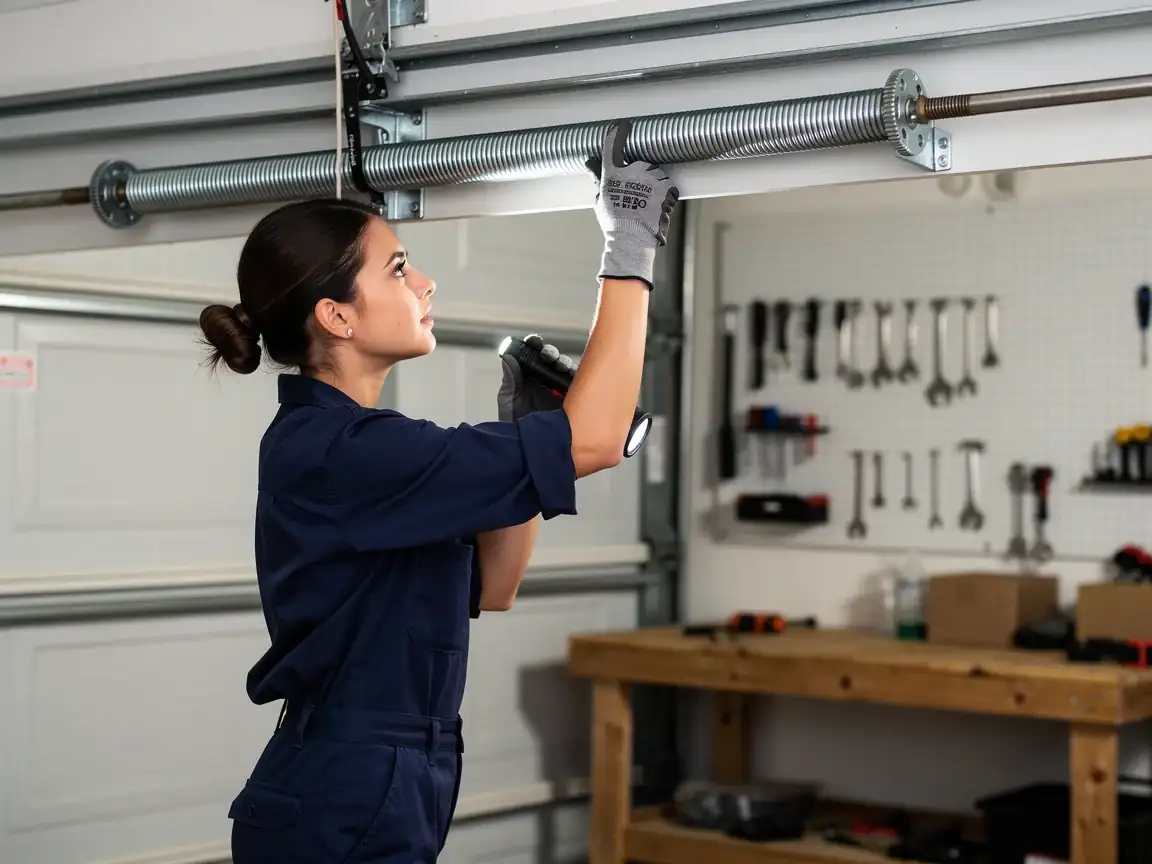
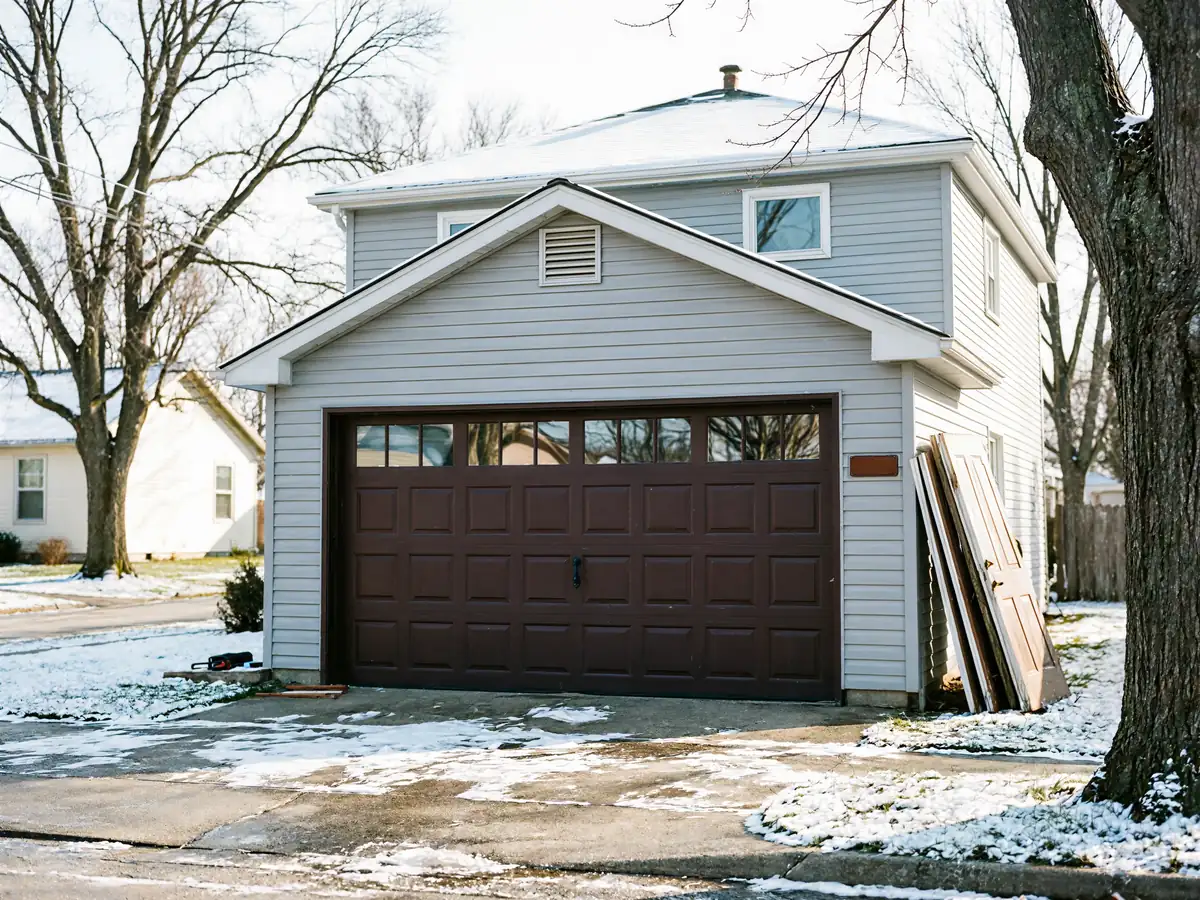
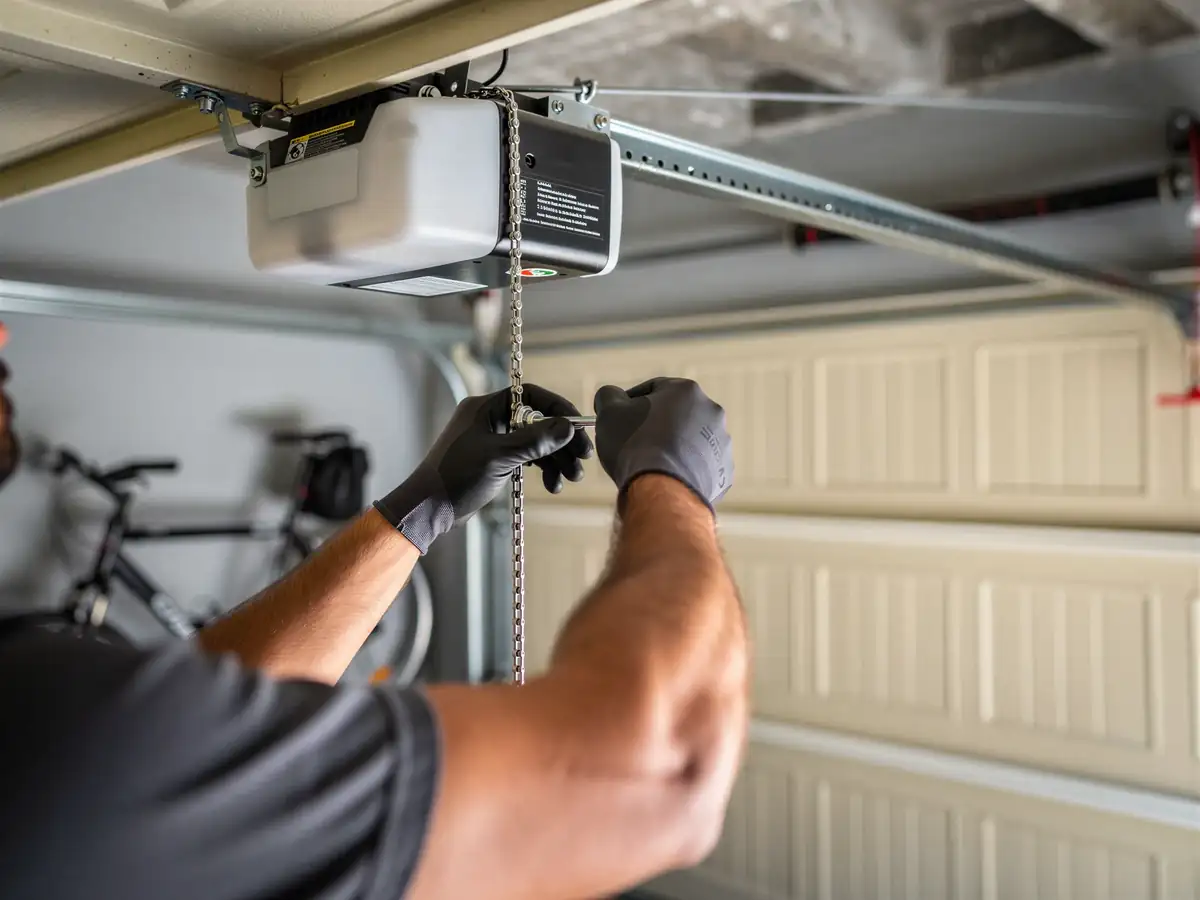
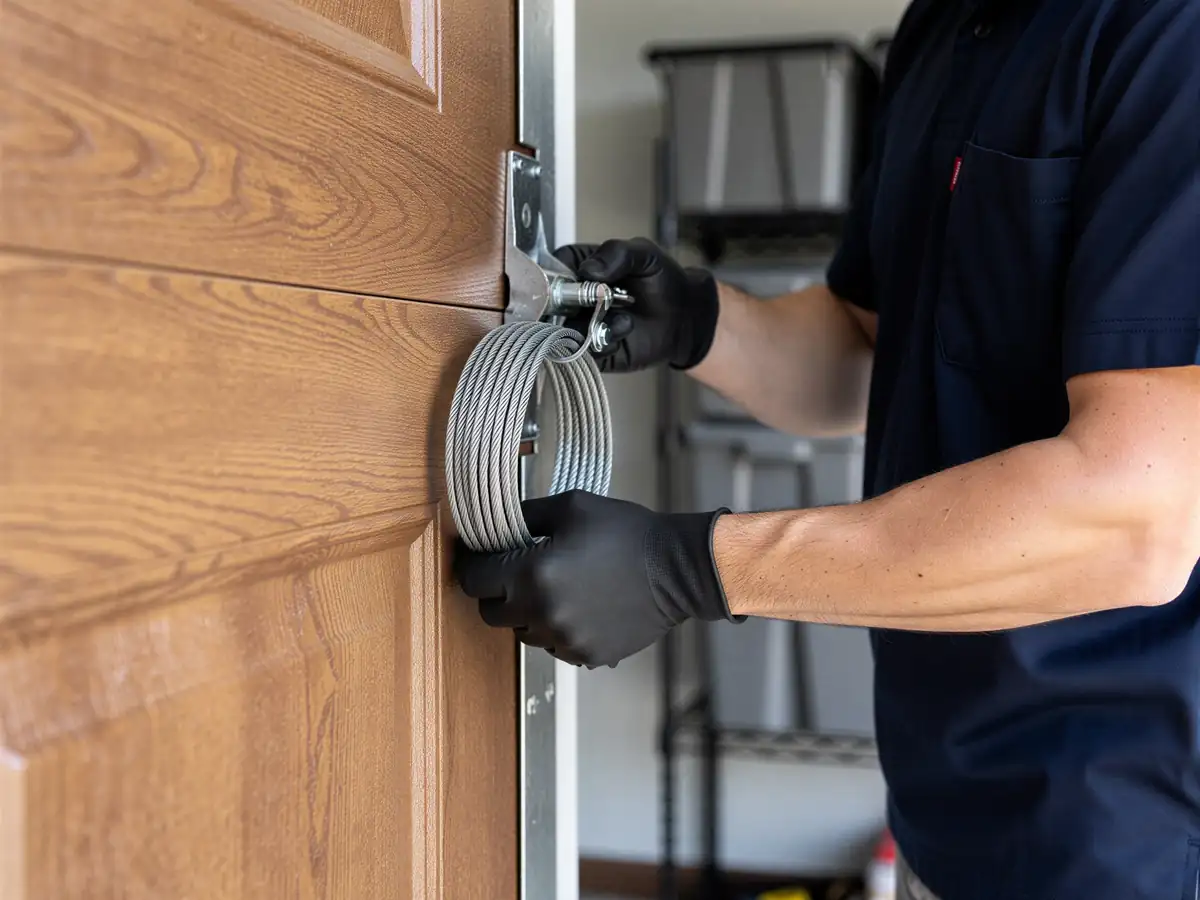
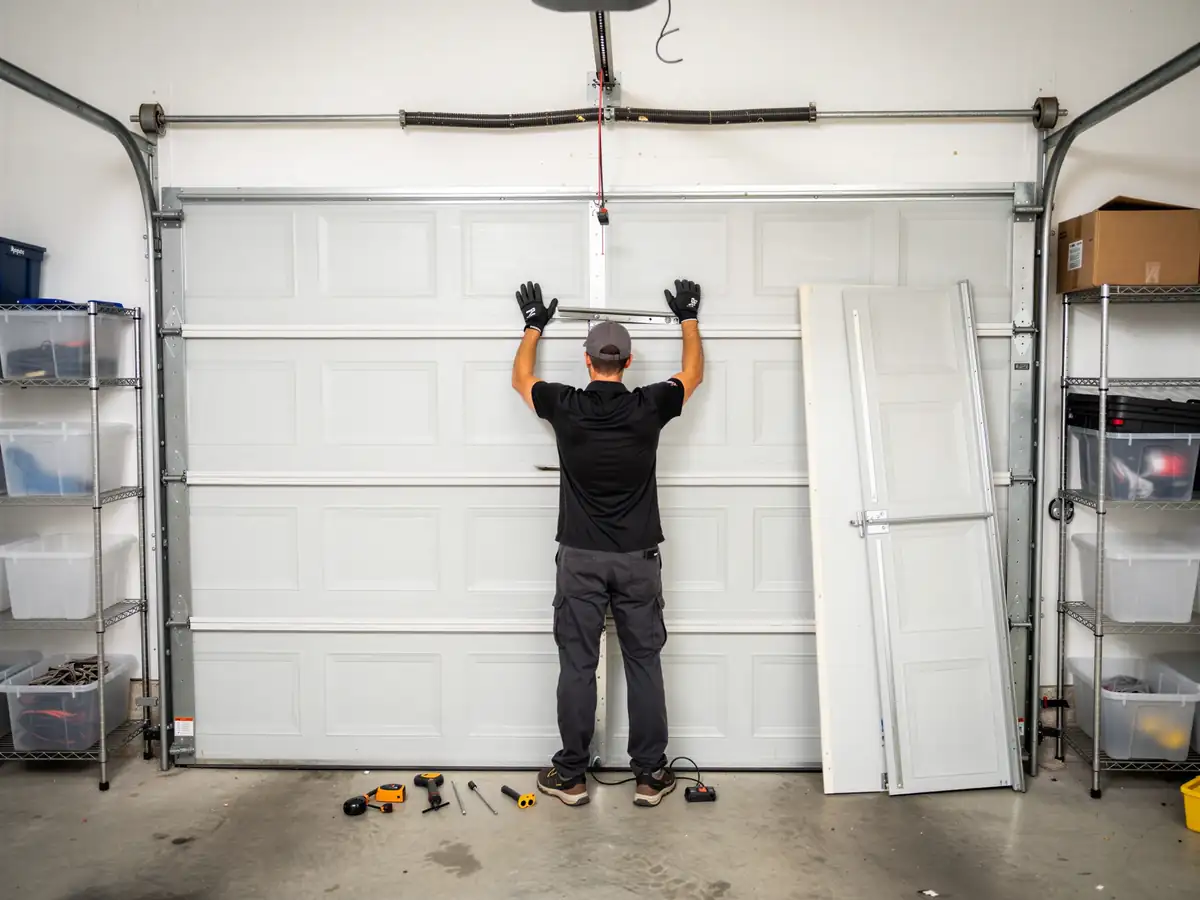
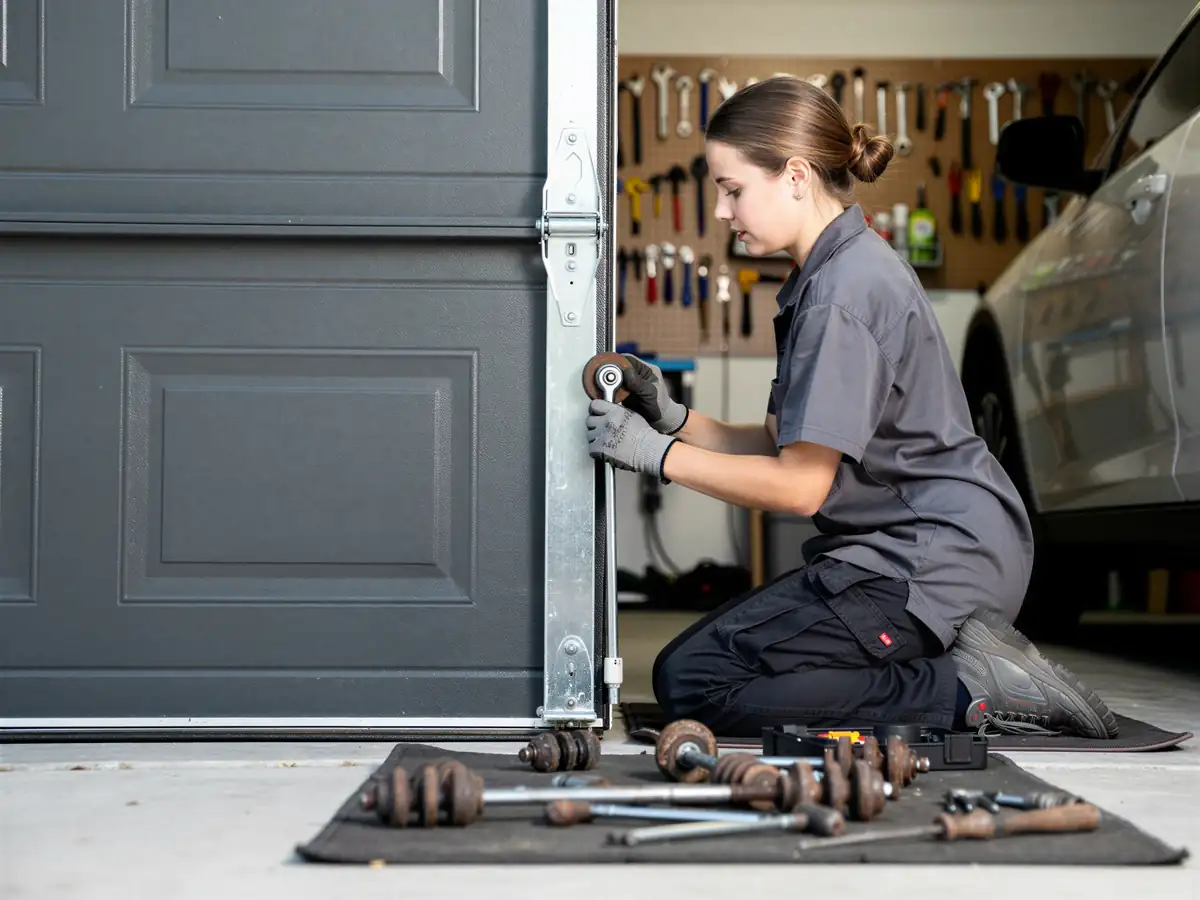
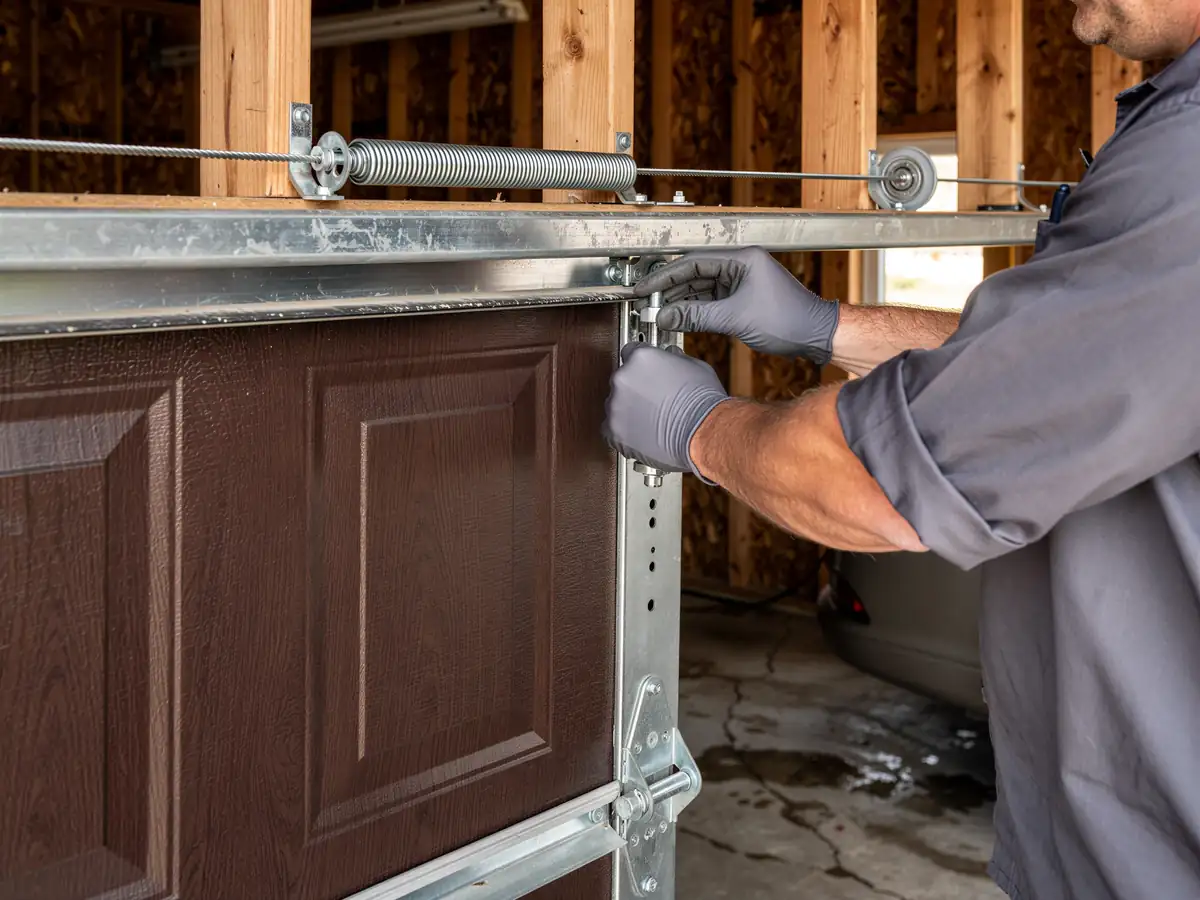
The most common mistake we see in this area is treating a noisy door as a lubrication problem when it's actually a wear problem tied to the age of the house. A door installed when the home was built in the 1960s or 70s has had five, six, sometimes seven decades of temperature swings working on the same springs and rollers. Spraying oil on a cable that's already frayed doesn't fix anything, it just delays the call. The second mistake is assuming a repair is cheaper than replacement without having someone look at the actual parts. On a house built before 1970, a torsion spring replacement on original hardware can run close to the cost of upgrading the opener at the same time, because the tech is already in there with the door apart. We won't tell you to replace a door that still has good bones. But we also won't pretend a 50-year-old spring system behaves like a 10-year-old one.
How Local Conditions Play In
Chesterfield sits in a cold, moderate climate band, which means the door hardware goes through a real freeze-thaw cycle every winter, not just the occasional cold snap. Steel springs lose tension as temperatures drop, and the lift feels heavier on the coldest mornings even when nothing is actually broken. On older torsion systems - the kind common in the 1960s-70s housing stock - that seasonal tension swing puts more cumulative stress on the same coils every year. Nylon rollers crack faster in this freeze-thaw pattern than in a climate that stays warm year-round. None of this means every door needs work before winter. It means a call made in December often turns up a spring that was already near the end of its life, not one that broke because of the cold alone. The cold is usually the thing that finishes the job, not the thing that started it.