Garage Doors Built for Chesterfield's Climate and Housing Age
Chesterfield homes date mostly to the 1960s and 70s, built before modern insulation codes - doors here need sizing for cold winters and older framing gaps.
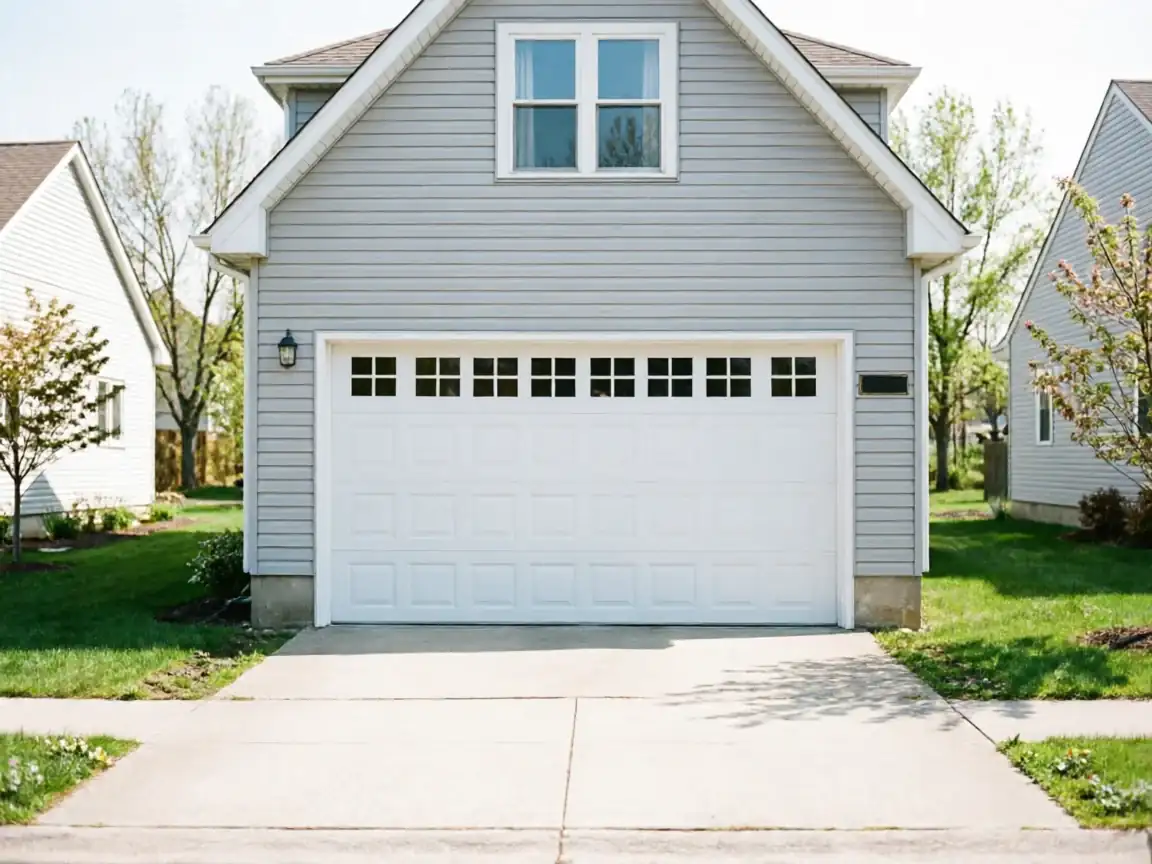
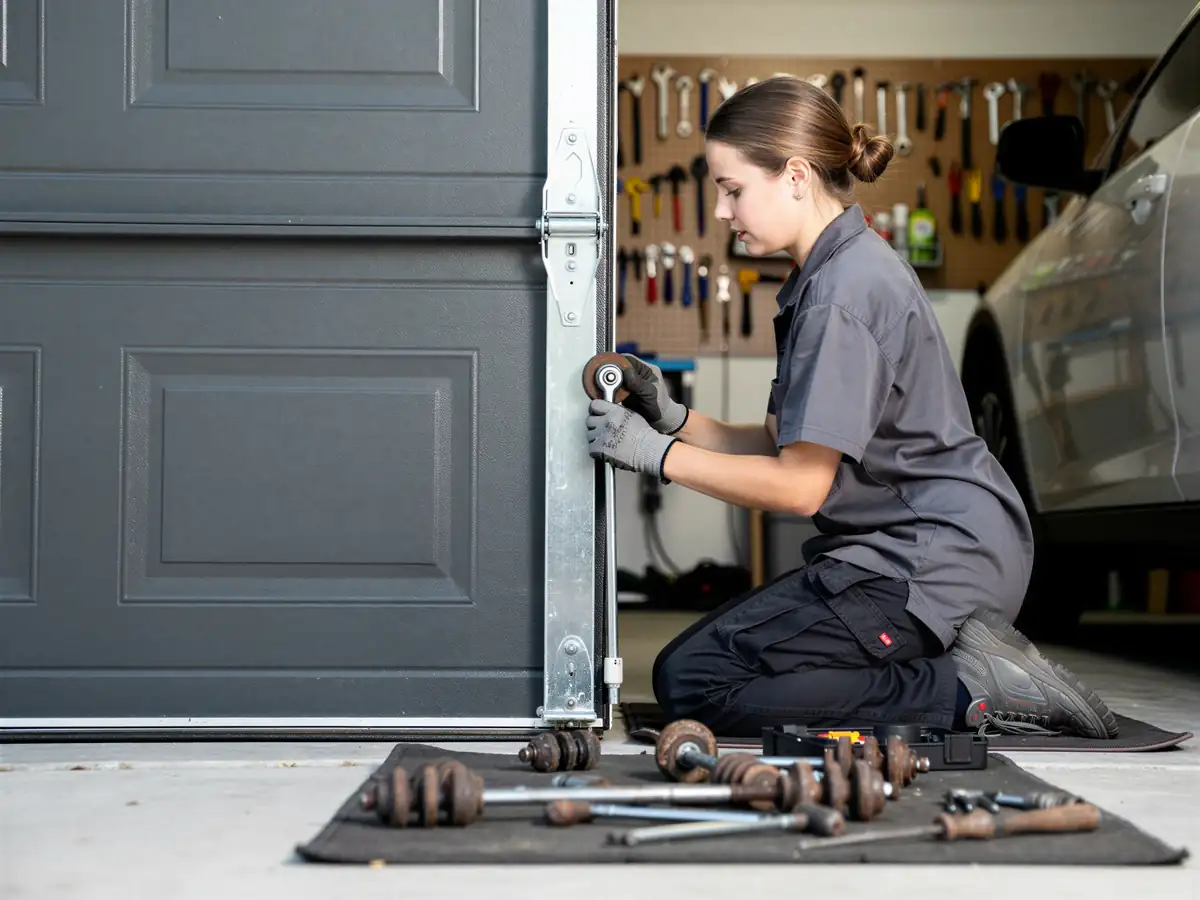
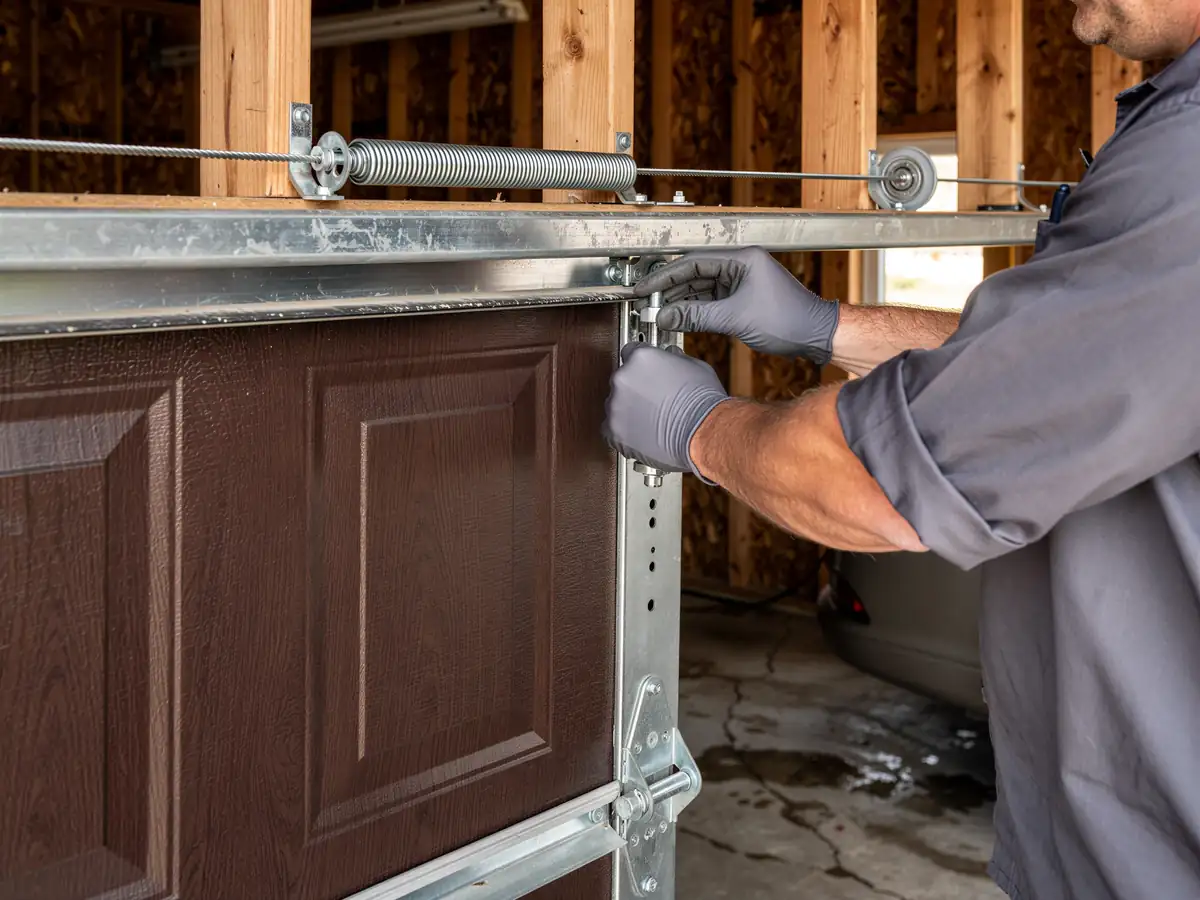
What a job runs here depends on what's behind the wall, and in Chesterfield that's usually framing from 1947 through 2011, with the bulk of houses going up in the 1960s and 70s. A door built for that era was sized to an opening that predates current insulation standards, so a straight swap for a modern insulated door often means new jamb trim, new weatherstrip channel, and sometimes a wider header because the old rough opening wasn't cut for double-wall panel doors. That's labor you don't see on a quote for a newer build. We also see original torsion setups on these houses that nobody stocks anymore - springs, drums, and shafts sized to specs that changed decades ago. Matching that hardware or replacing it with a modern equivalent both take time. None of this means the job costs more everywhere in town; houses built closer to 2011 on infill lots don't carry the same baggage. But across the 55 named areas that make up this service territory, older stock is still the rule, not the exception, and that shapes almost every estimate we write. We'll tell you straight if a repair on an old door is throwing good money after bad versus a full replacement being the better call.
Where People Go Wrong
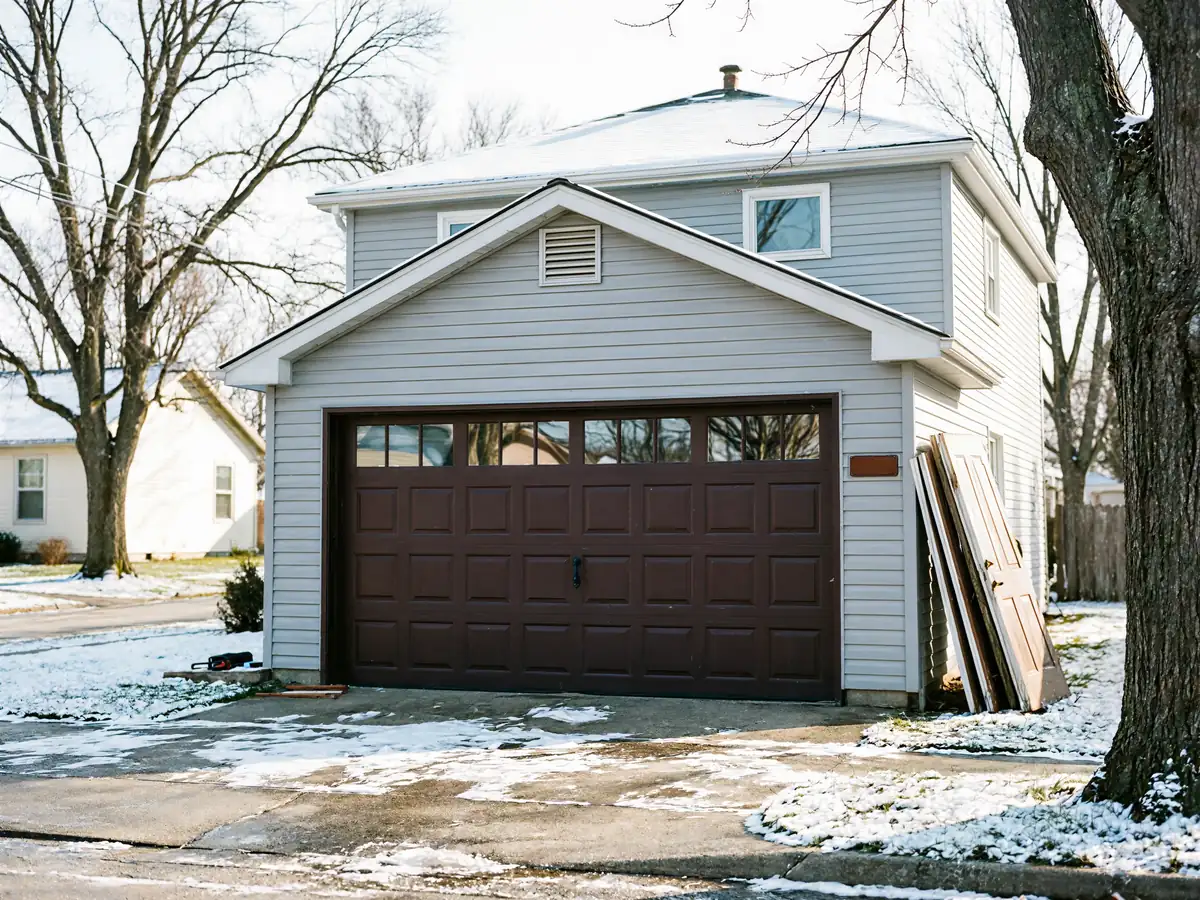
The most common mistake we see is someone buying an insulated door off a shelf and bolting it into a 1960s opening without checking whether the jamb and header were ever built to seal against it. The door looks right in the driveway and still leaks air at the top corners because the framing behind it was never meant to carry a thermal break. Second mistake: assuming the hardware on a house built before insulation rules is interchangeable with what's sold today. Torsion springs and track brackets from that era are sized differently than current stock, and forcing a modern part onto old brackets strains the opener and the door both. Third: skipping a proper bottom seal because the slab it sits on has shifted over fifty-plus years, which is normal for houses this age but means a stock weatherstrip won't close the gap. None of these are expensive fixes if caught early. They get expensive when a homeowner spends on a new door first and finds out the opening needed work all along.
How Local Conditions Play In
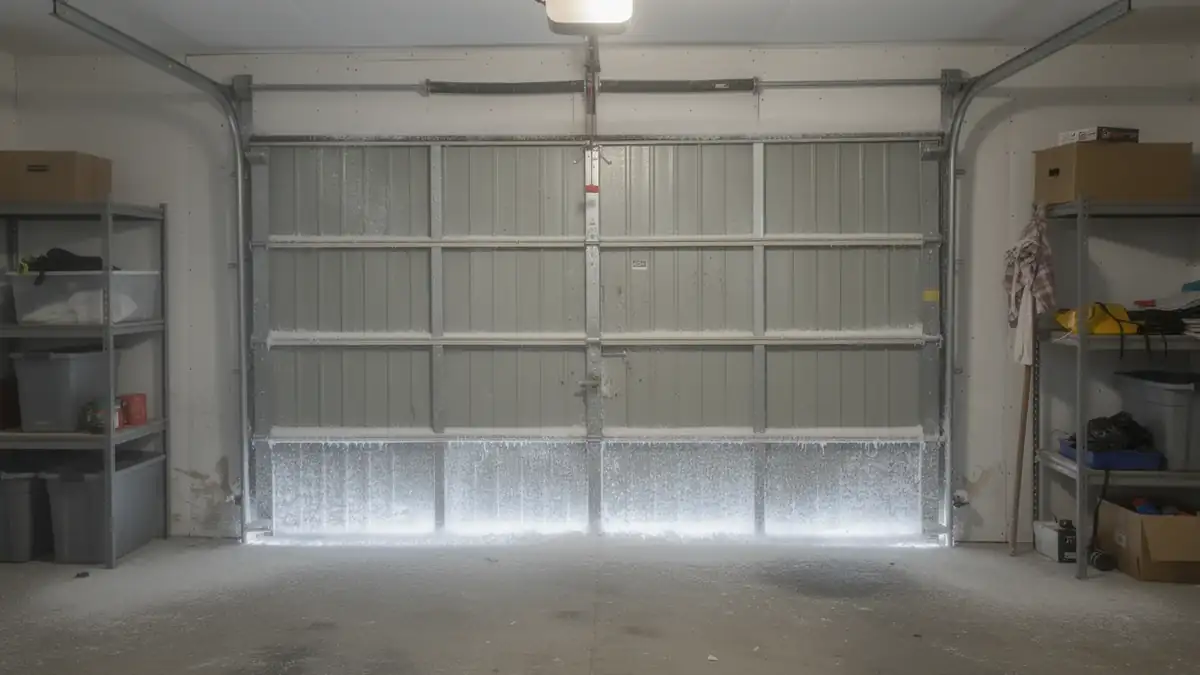
Chesterfield sits in a cold, moderate climate band, which means winters cold enough that an unsealed garage door is a real heat loss point, but not cold enough to require the extreme insulation ratings you'd see further north. That matters for houses built in the 1947-2011 range, where a lot of the stock predates any insulation requirement at all. A door with no thermal break on a house like that isn't just old-fashioned, it's actively letting conditioned air out of an attached garage all winter. The fix isn't always a full door replacement - sometimes a bottom seal and weatherstrip kit closes most of the gap for a fraction of the cost. But on houses where the door itself is original steel with no foam core, insulation retrofits on the door alone won't fix a framing gap that's been there since the house was built. We size recommendations to the actual house, not a blanket climate rating, because a median-income household here ($86,641) is usually weighing a real repair-versus-replace decision, not shopping for upgrades.
The Situation
This service area covers 55 named communities and roughly 274,722 households, of which about 148,813 are owner-occupied houses - the kind of housing stock where garage doors actually get used daily, not rental units where a landlord defers maintenance. Nearby points of reference include Clarkson Valley two miles out, Ellisville and Weldon Spring at five miles, Town and Country and Manchester at six, and further out Kirkwood, Ladue, and Webster Groves around ten to thirteen miles. The housing age runs from 1947 up through 2011, with a median build year of 1969, meaning the typical call we get is on a door or opener old enough that parts availability is part of the conversation, not an afterthought. That's the backdrop for every estimate we write in this territory: older framing, a climate that punishes an unsealed door in winter, and a homeowner base that owns rather than rents the house the door is attached to.
How it works
From “it’s stuck” to “it’s fixed”
01
Tell us what’s wrong
Describe the symptom - won’t open, loud bang, opener runs but the door won’t move.
02
On-site diagnosis
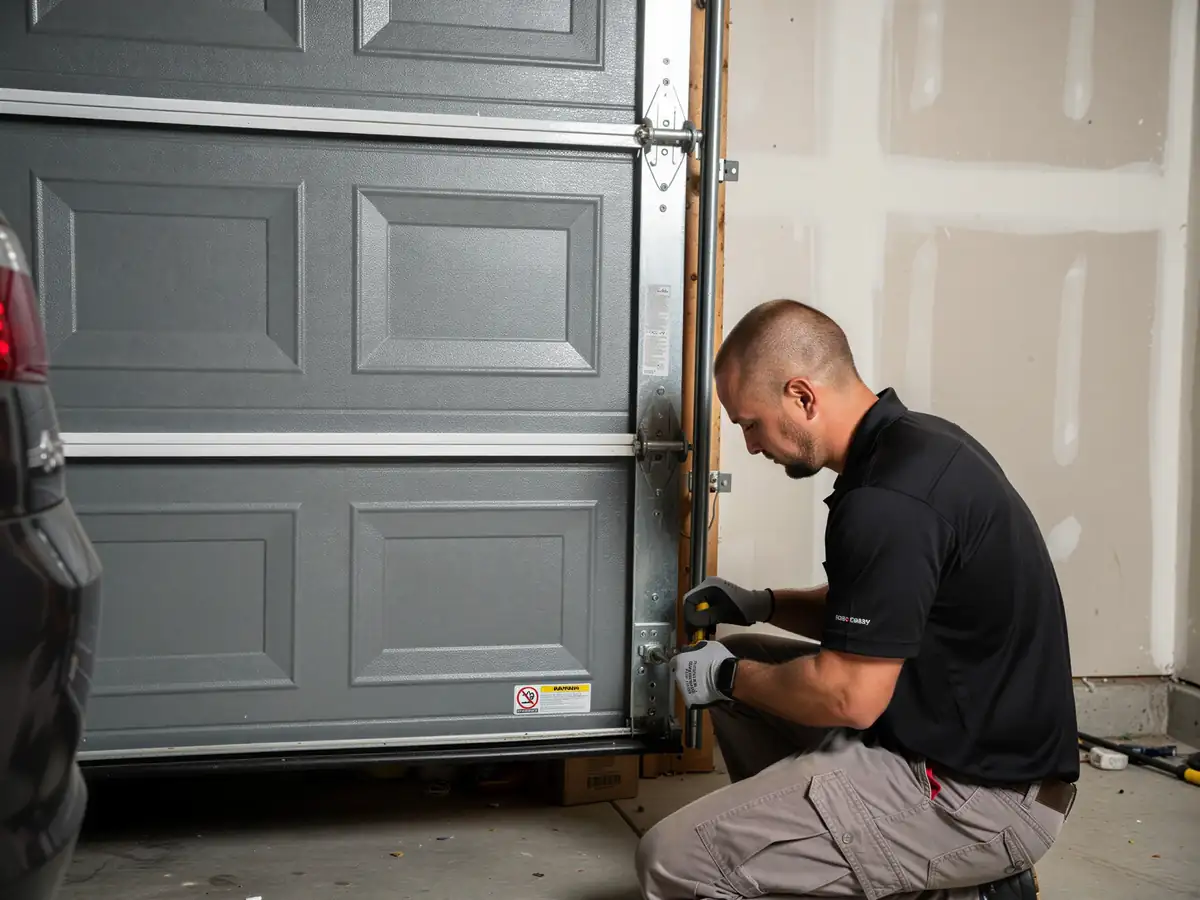
A technician tests the door under power and by hand and finds what actually failed.
03
Clear, up-front plan
You get the fix that’s needed and what drives the cost - before any work starts.
04
Repaired & tested
The repair is done, the door is set true and tested, and the work area left clean.
Not sure which repair your door needs in Chesterfield, MO? Describe what it’s doing - every job starts with a diagnosis.
Why does my garage door let in cold air even though it looks fine?
If your house was built before modern insulation codes - common across this area given the 1947-2011 build range - the door opening itself may never have been sealed to the standard a new insulated door expects. The door can be in good shape and still leak air at the jamb or header because the framing behind it predates that requirement.
Will a new insulated door fit my old opening without extra work?
Sometimes, but not always. Houses from the 1960s and 70s era that make up most of this area's stock often have rough openings sized for a single-wall door. Fitting a modern double-wall panel door can mean adjusting the jamb or header, which is extra labor beyond the door itself.
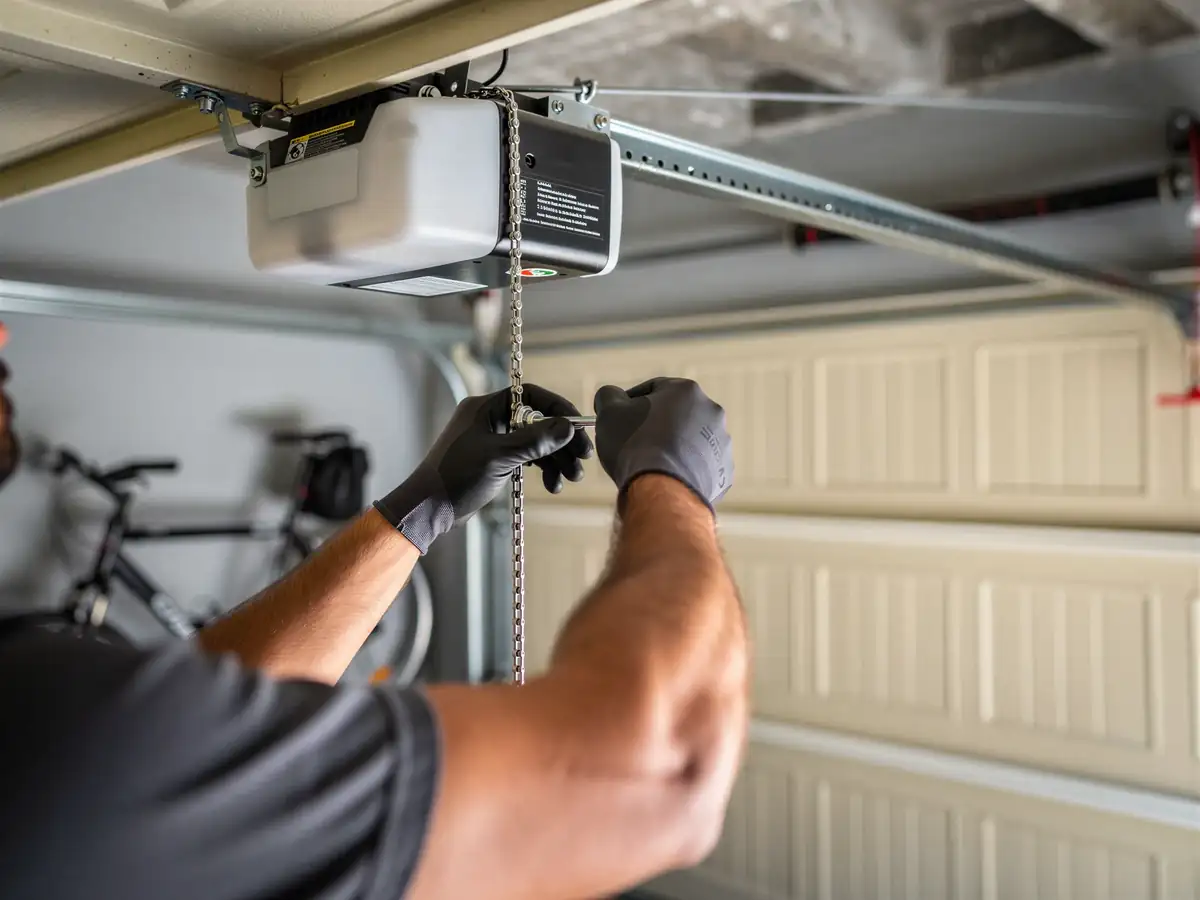
Is it worth replacing an old torsion spring instead of the whole door?
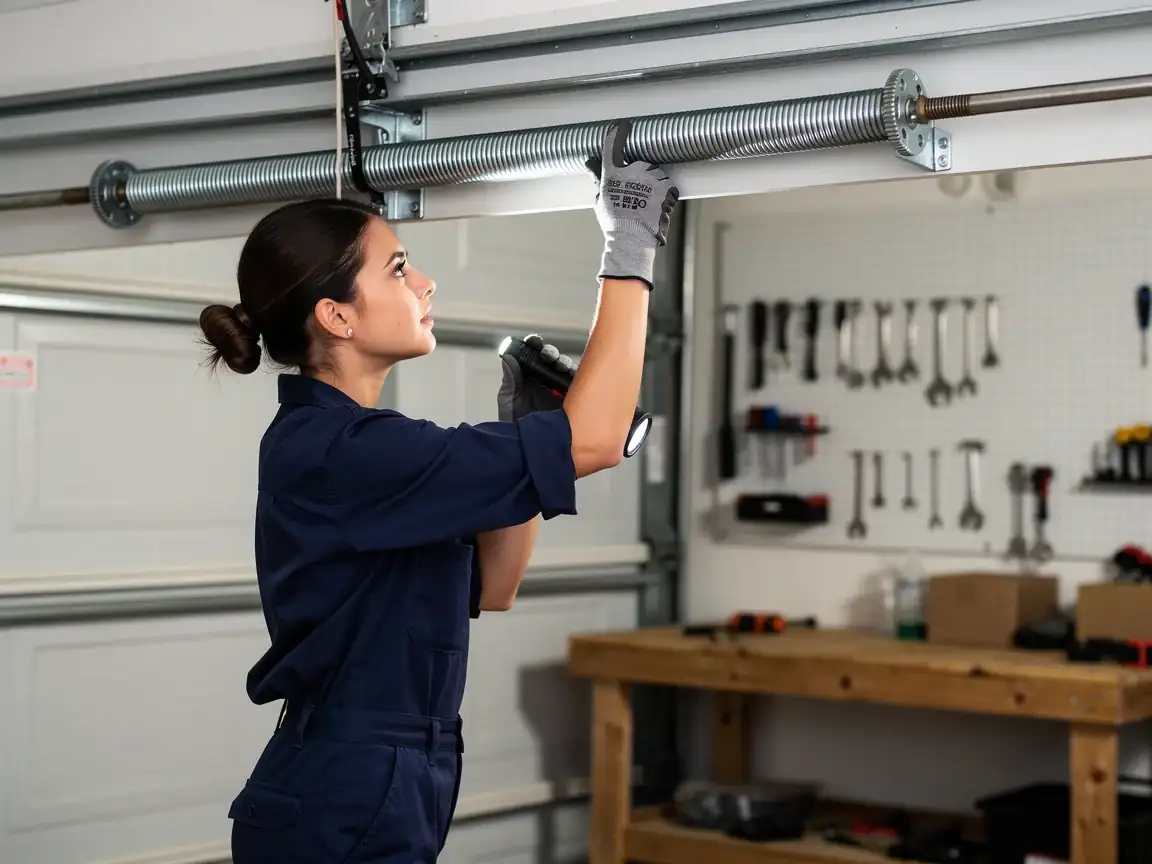
Often yes, if the door panels and track are still sound. We see plenty of original torsion hardware on older houses here that just needs a modern equivalent spring, not a full door swap. We'll tell you when a repair isn't worth it versus when replacement is the better call.
Ready to get your garage door sorted?
Tell us what it’s doing and where you are in Chesterfield - we’ll take it from there.