What Can Go Wrong
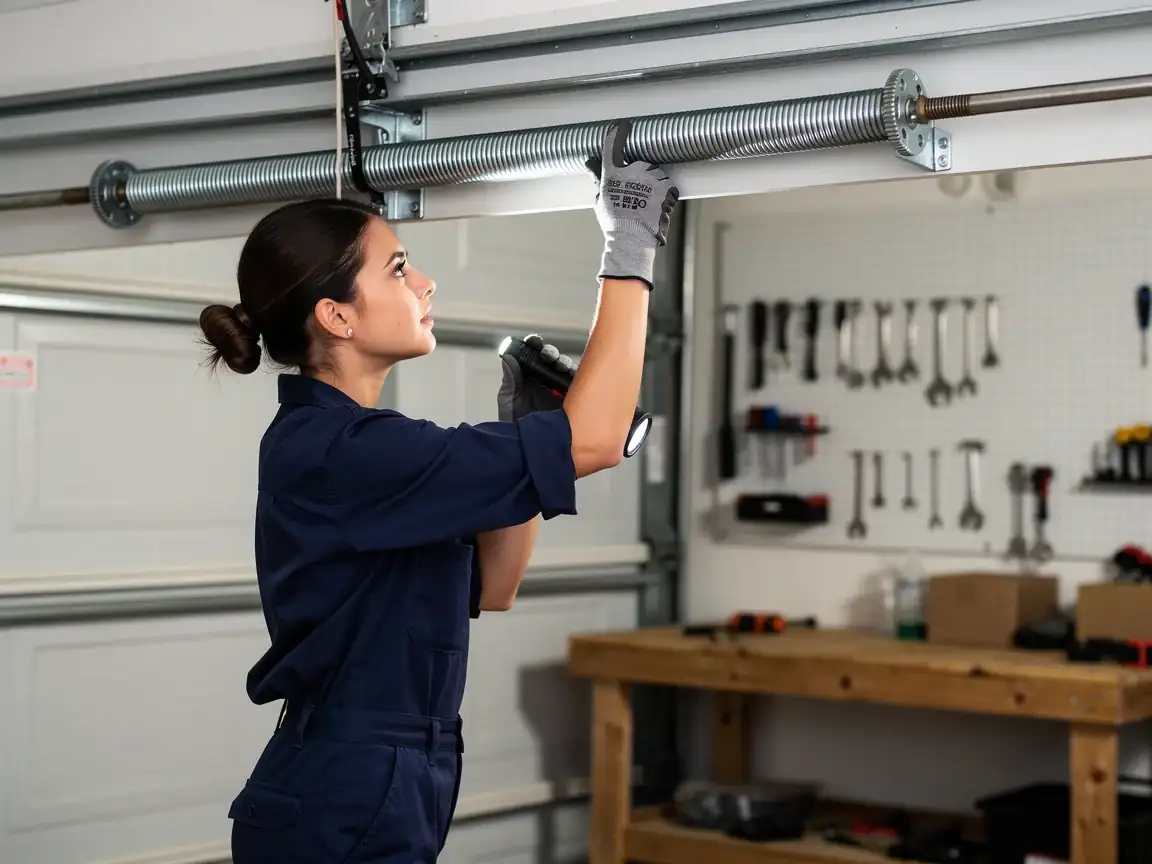
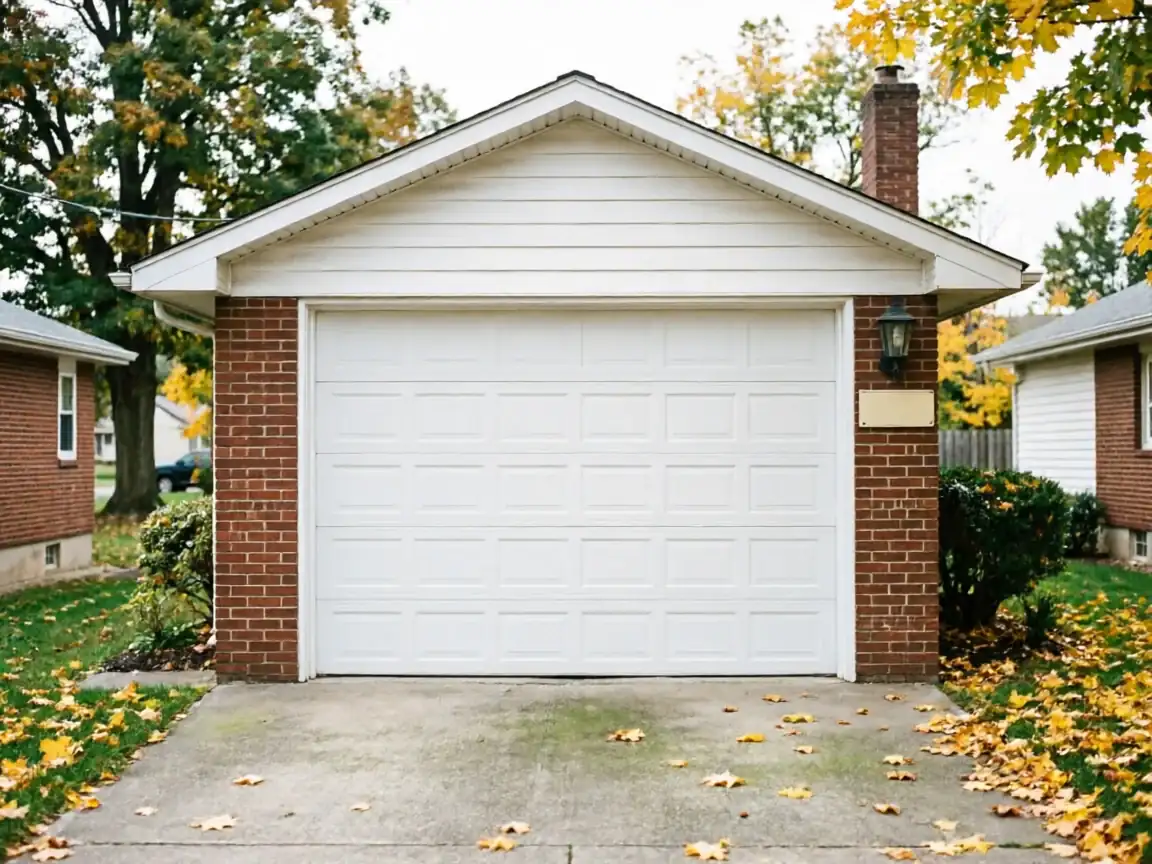
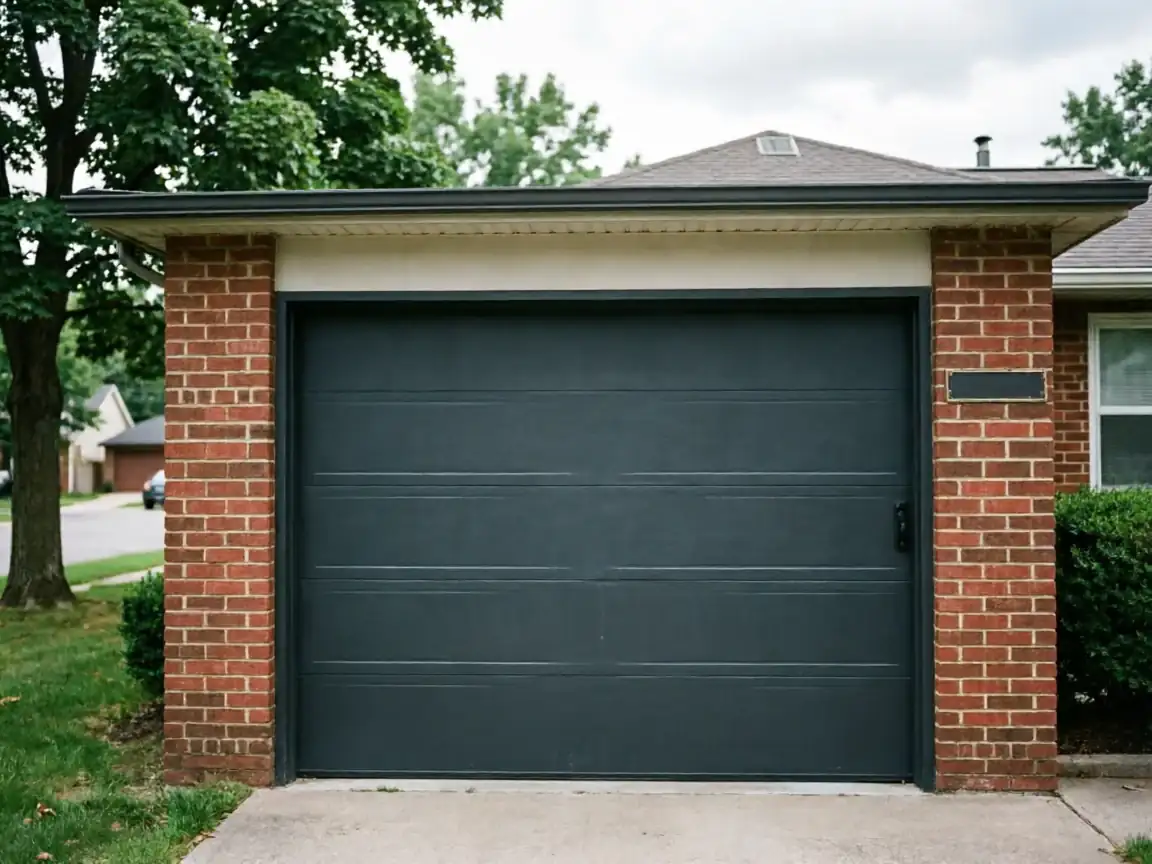
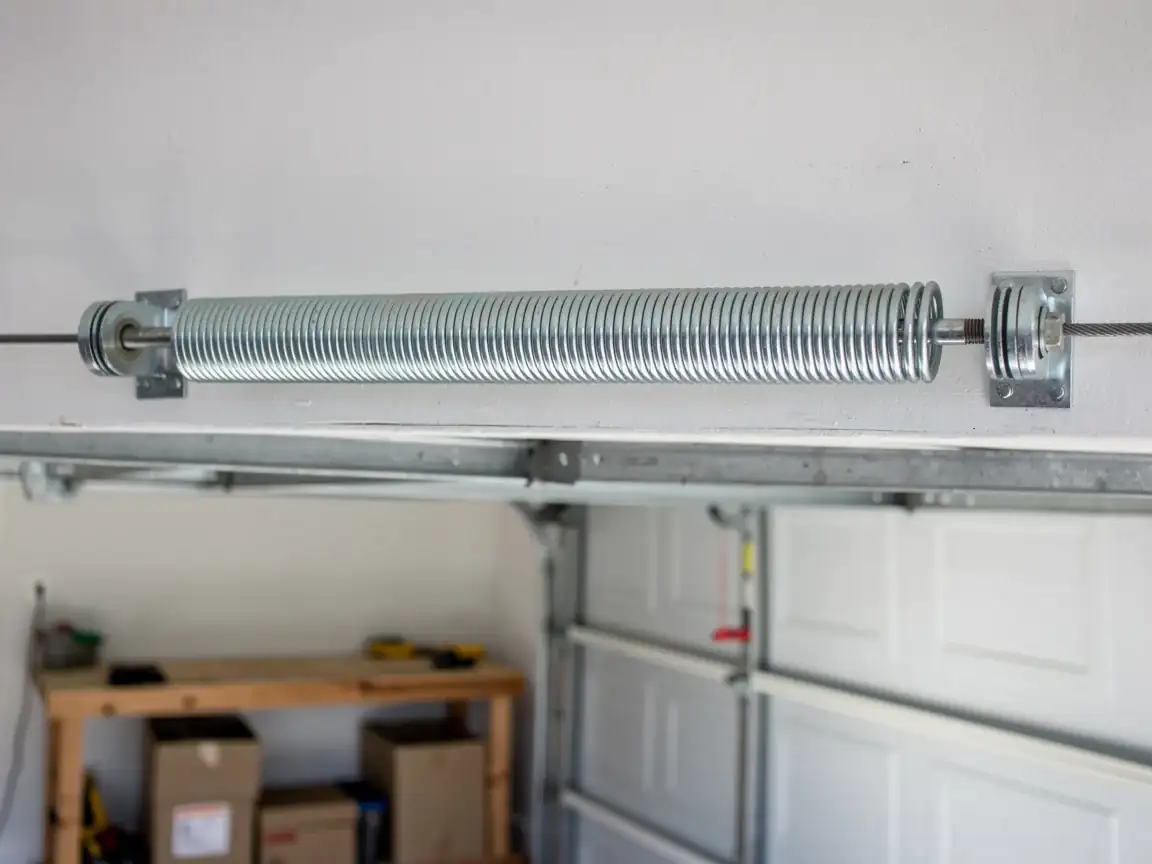
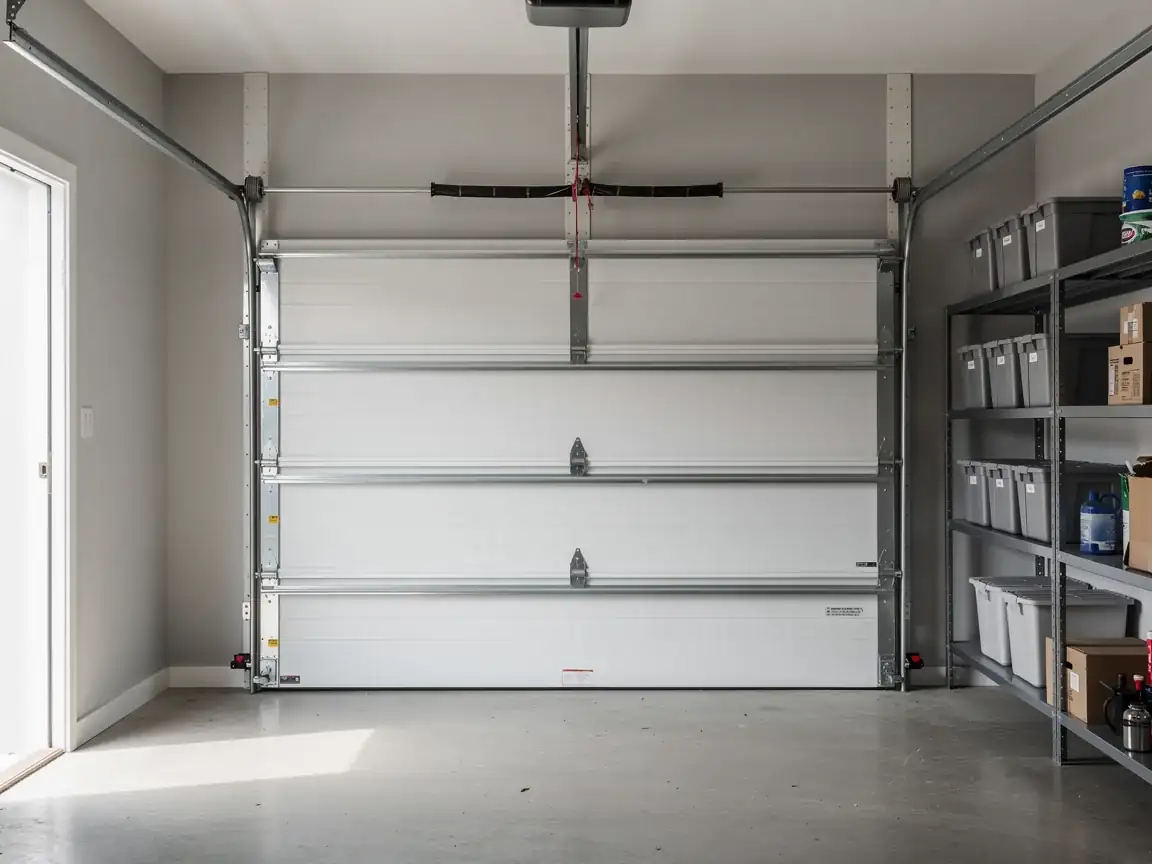
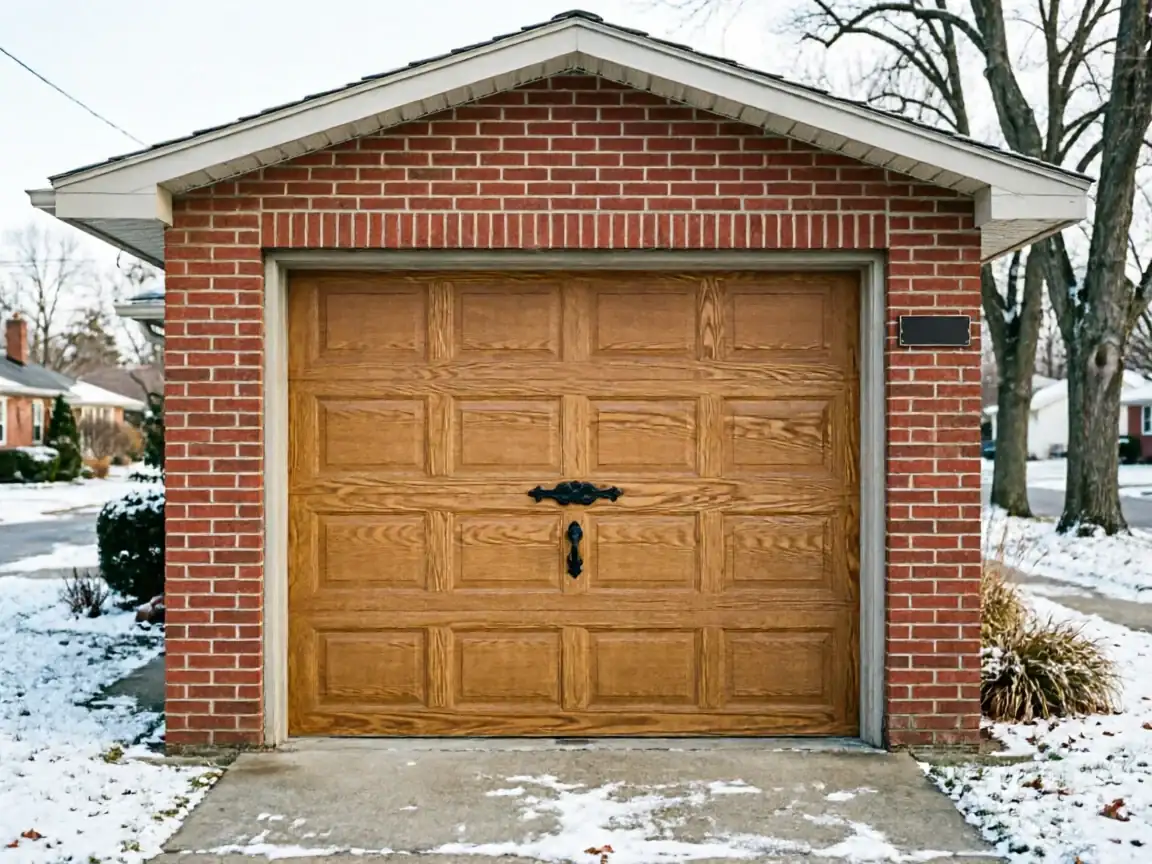
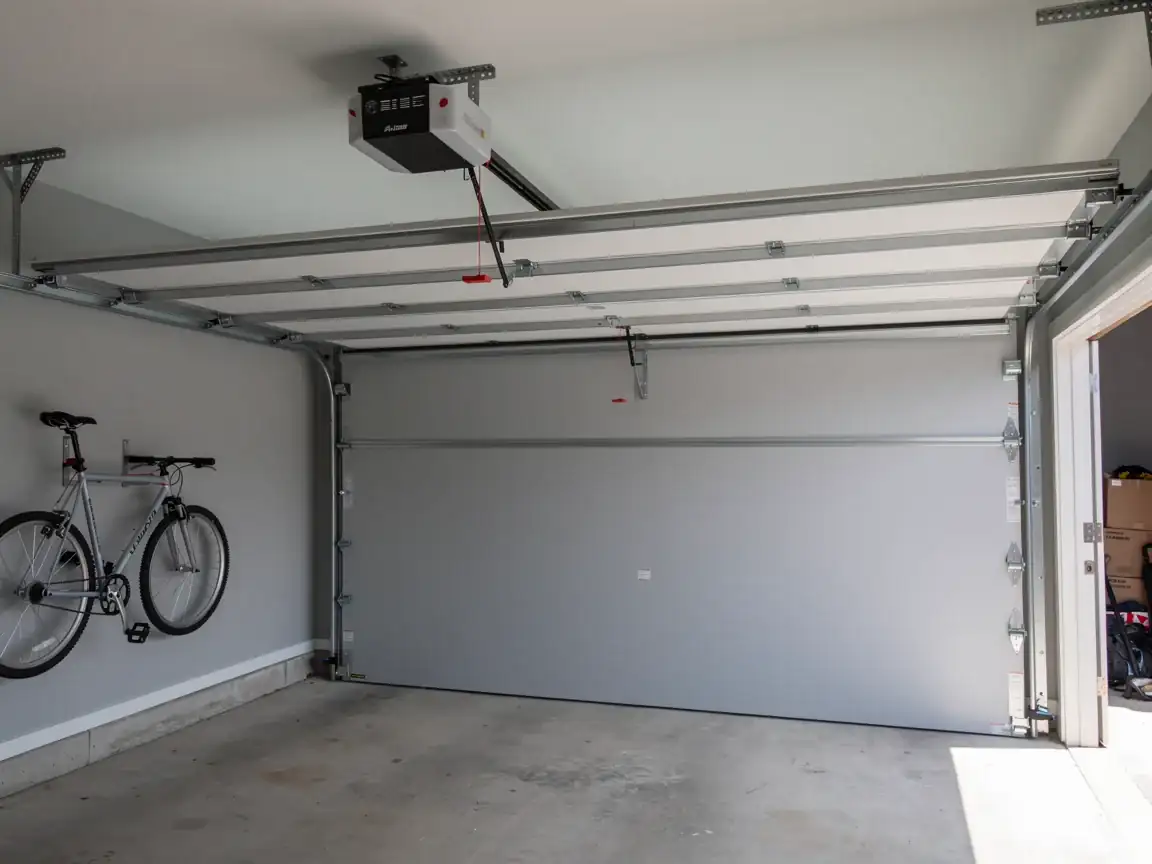
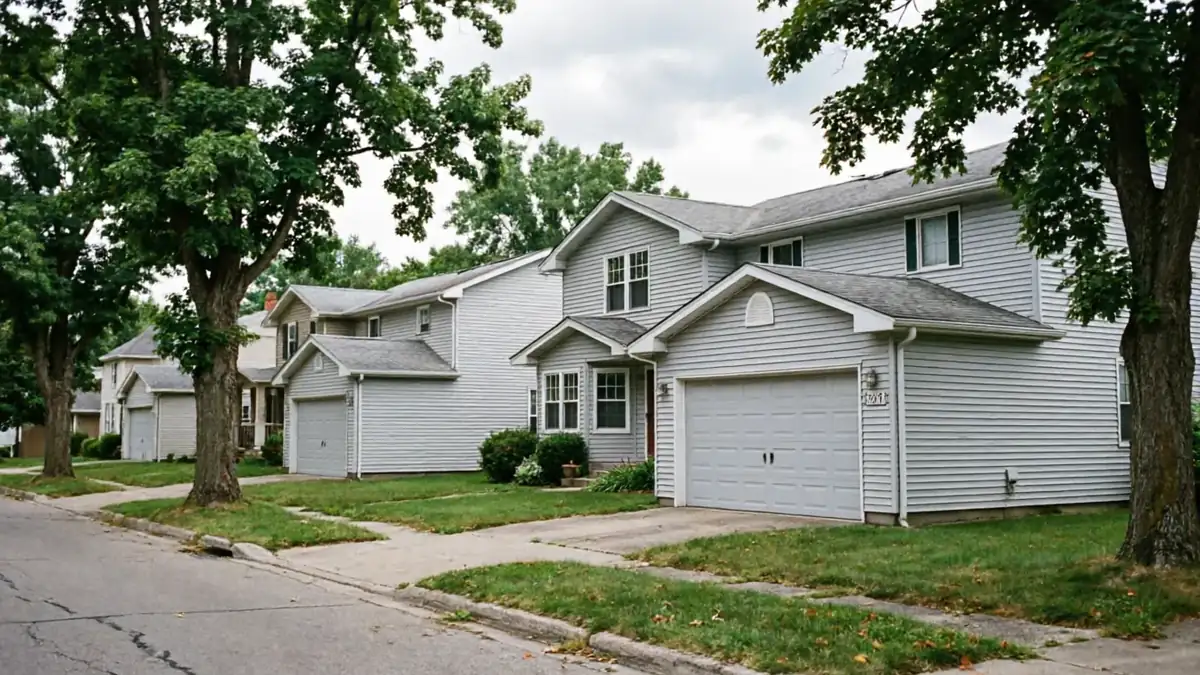
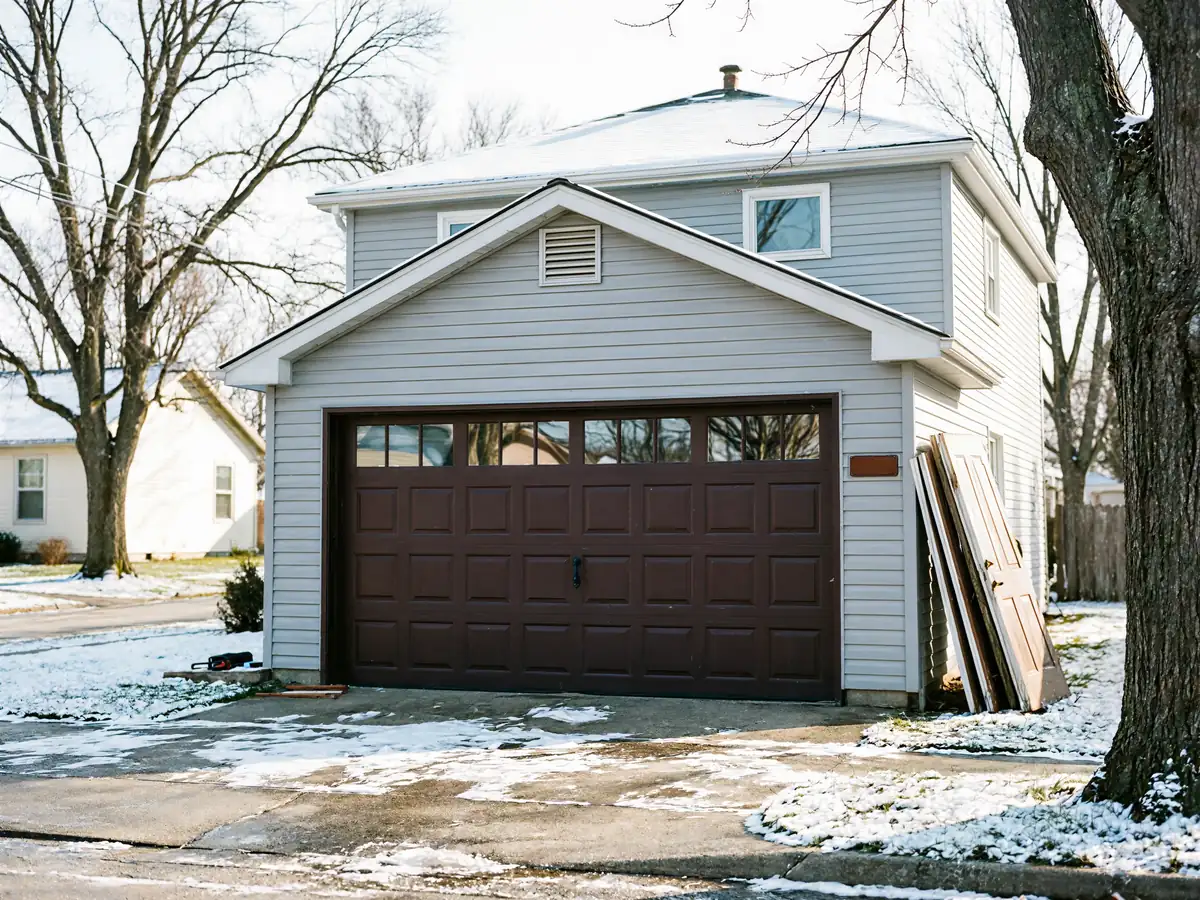
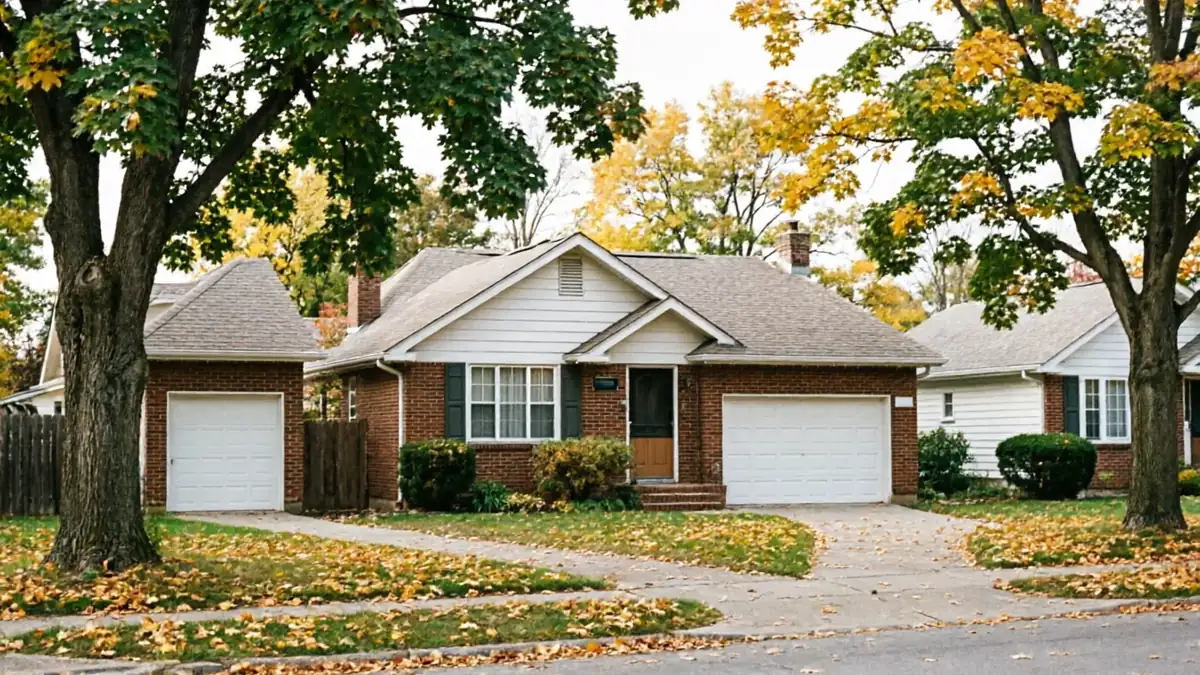
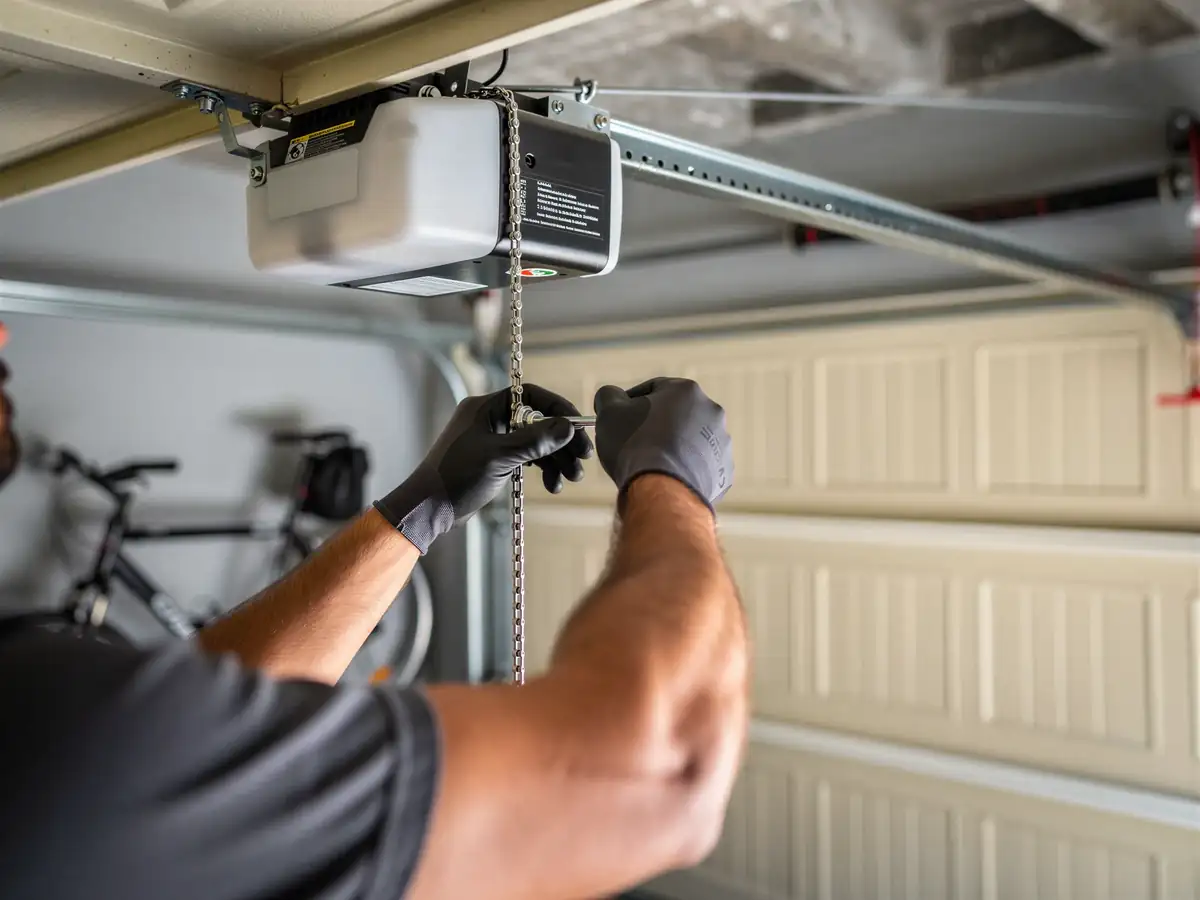
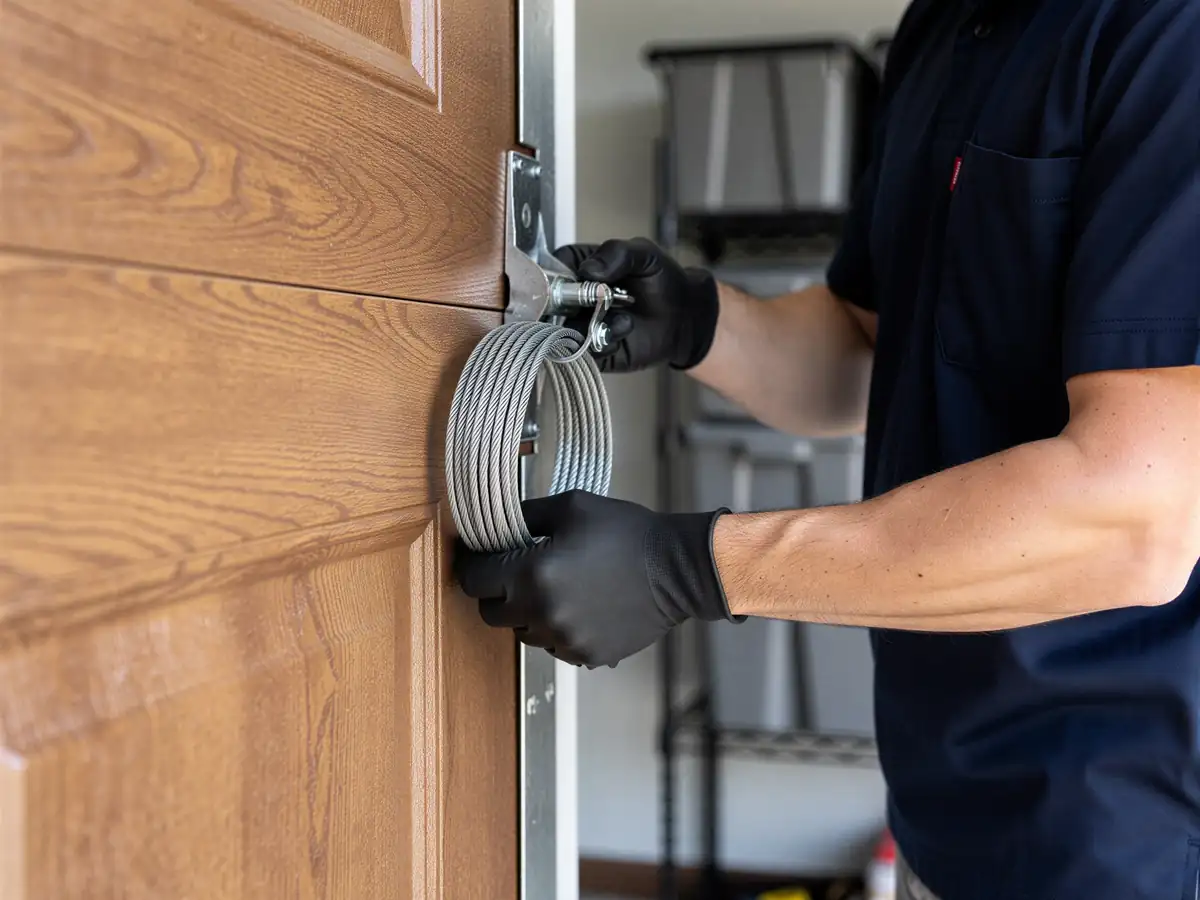
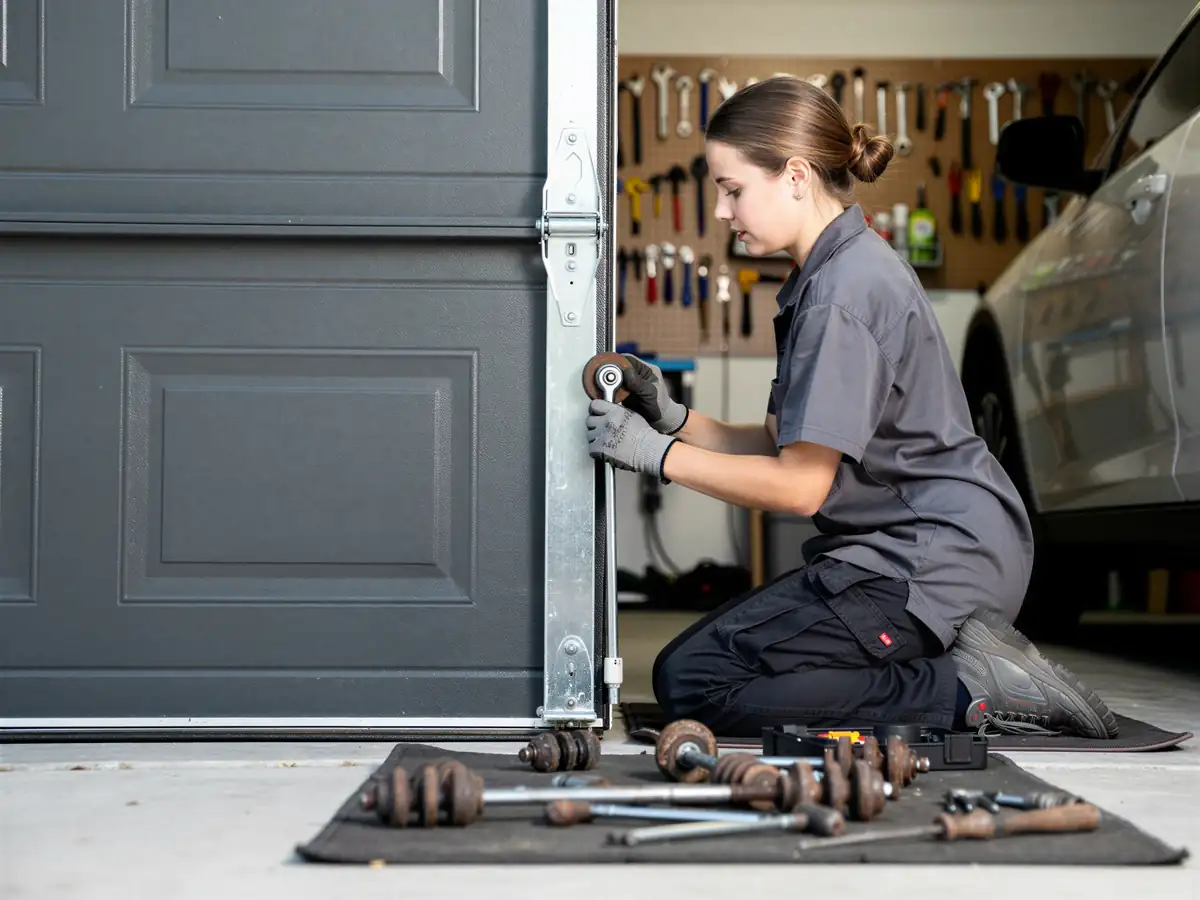
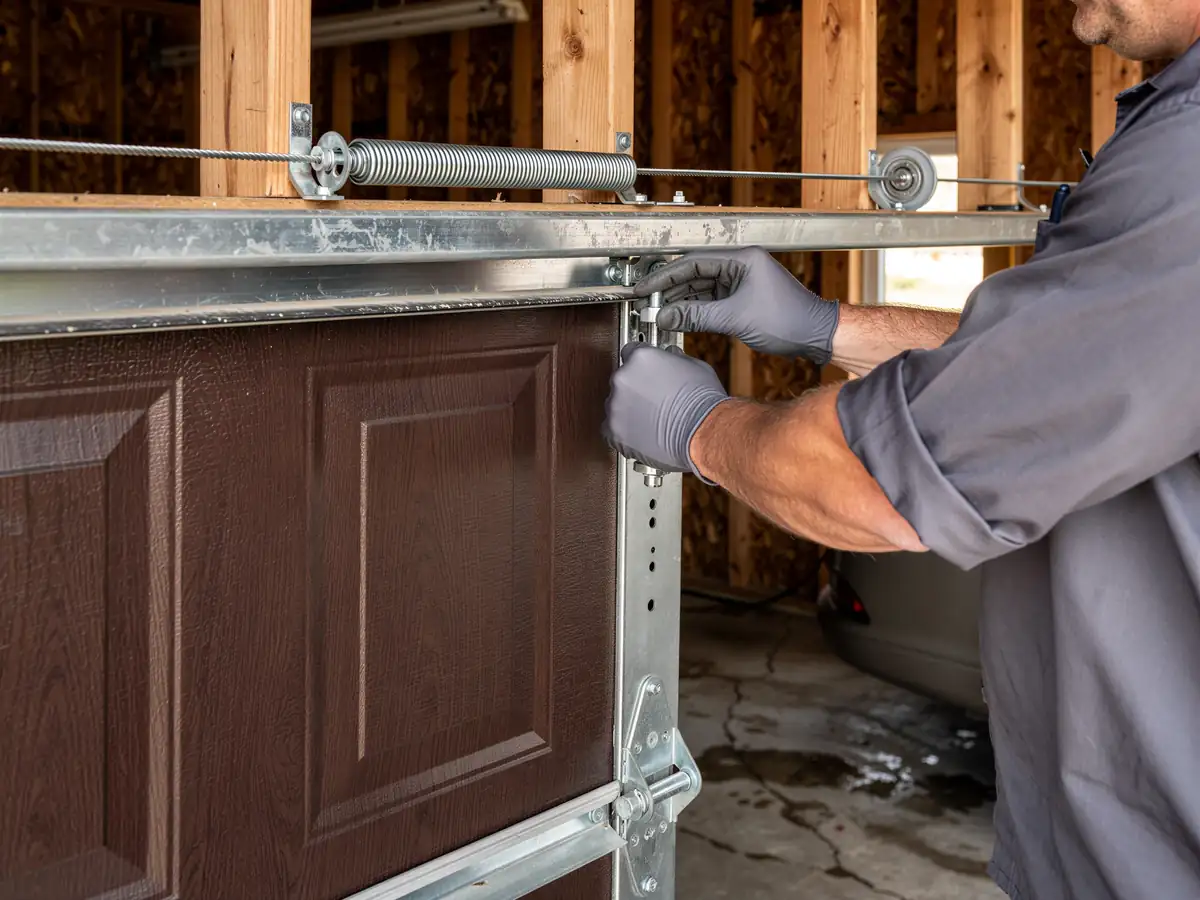
On a house from this era, the most common failure is a torsion spring that's fatigued past its wind count and snaps on a cold morning, usually the first really cold stretch of the season. Right behind that: extension springs on older double-door setups that stretch unevenly and throw the door off its track. Openers from the 60s-through-70s stock tend to be chain-drive units with worn drive gears, and when the gear strips, the door won't move even though the motor still hums. Rollers original to the house are often steel-on-steel, not nylon, and after fifty-plus years they groove the track and bind. We also see cable fraying on doors that have never had the cable replaced, which is a slow failure until it isn't. None of this is unique to one subdivision. It's a function of age and cold, and it shows up block by block as houses hit that same point in their hardware's life.
What the Fix Involves
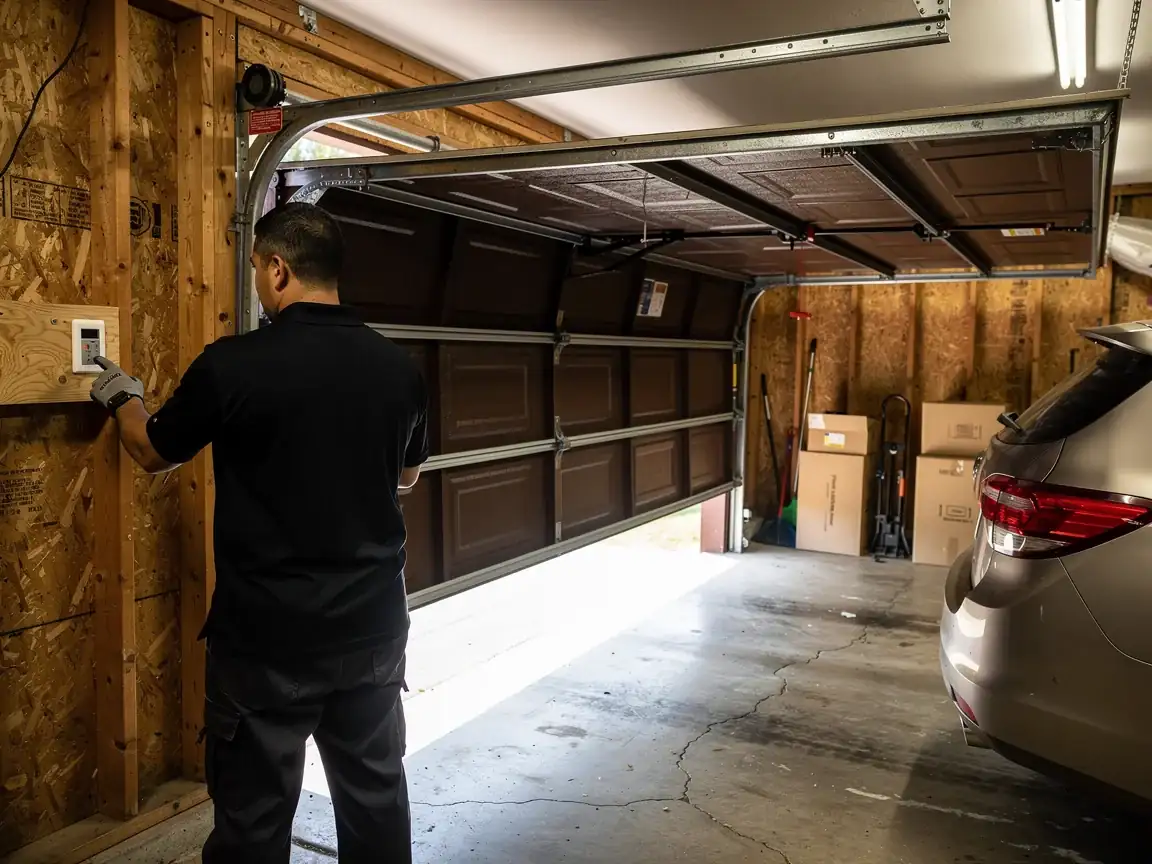
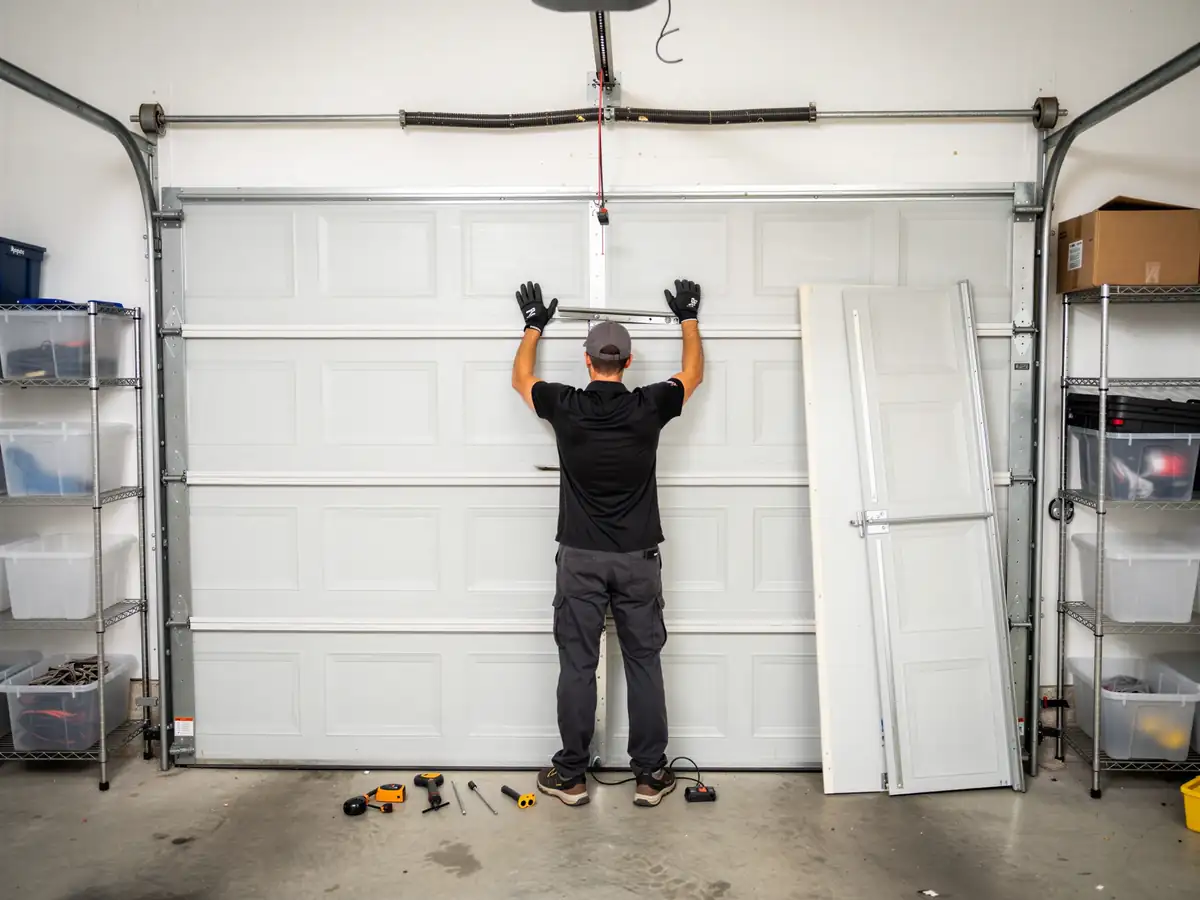
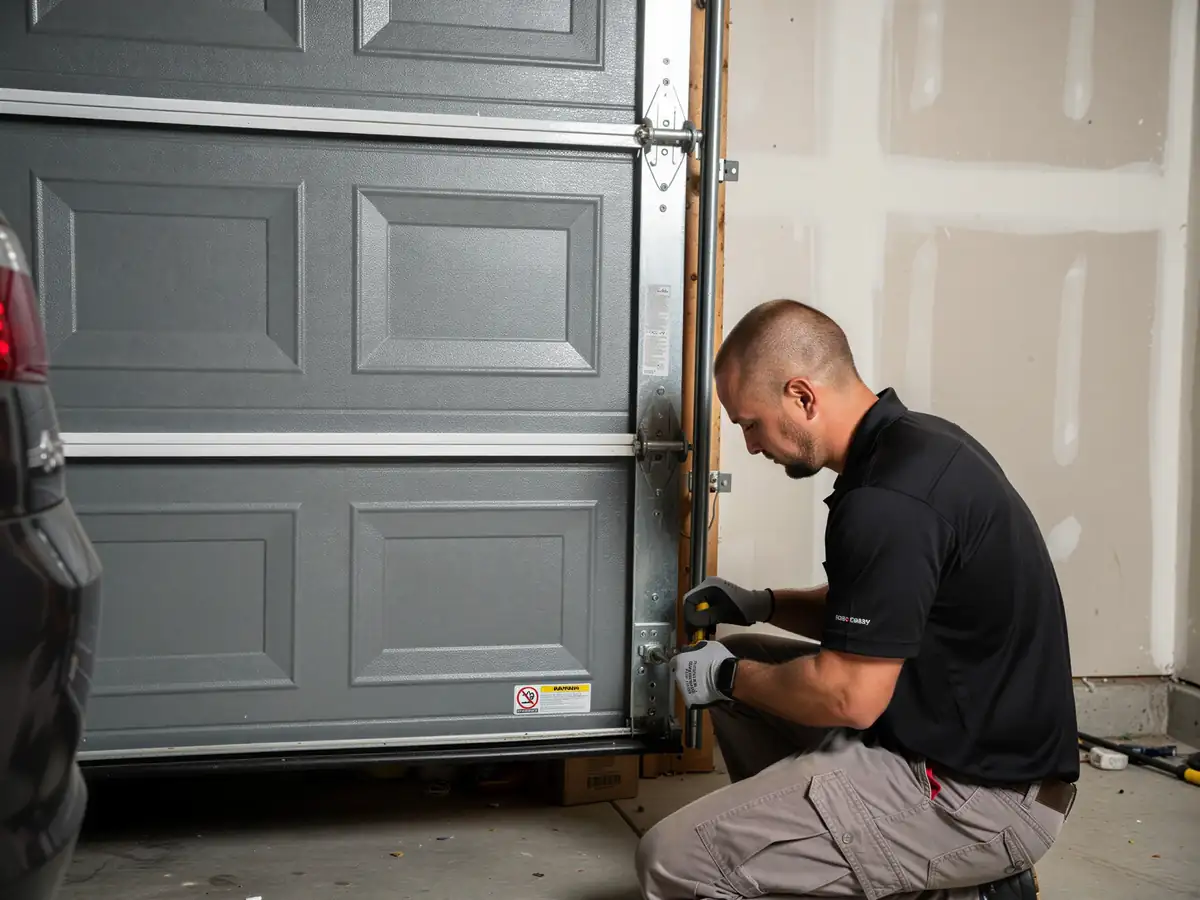
A torsion spring replacement means releasing wound tension safely, swapping both springs even if only one broke, and checking the drums and cable for wear while the door is open. We size the spring to the door's actual weight, not a generic chart, because original doors from this era vary in panel material and insulation. An opener repair on an older chain-drive unit usually comes down to the gear kit or the full head unit, depending on what else has worn out, and we'll tell you honestly when a 1970s opener is past the point of a parts fix and replacement makes more sense. Roller and track work involves pulling the old steel rollers, resetting track alignment, and in a lot of cases that alone quiets a door that's been grinding for years. One limitation worth saying plainly: if the spring size or opener model is uncommon for this housing stock, parts can take a few days to get in, and we'll tell you that up front rather than promise a same-day fix we can't back.