Why It Happens Here
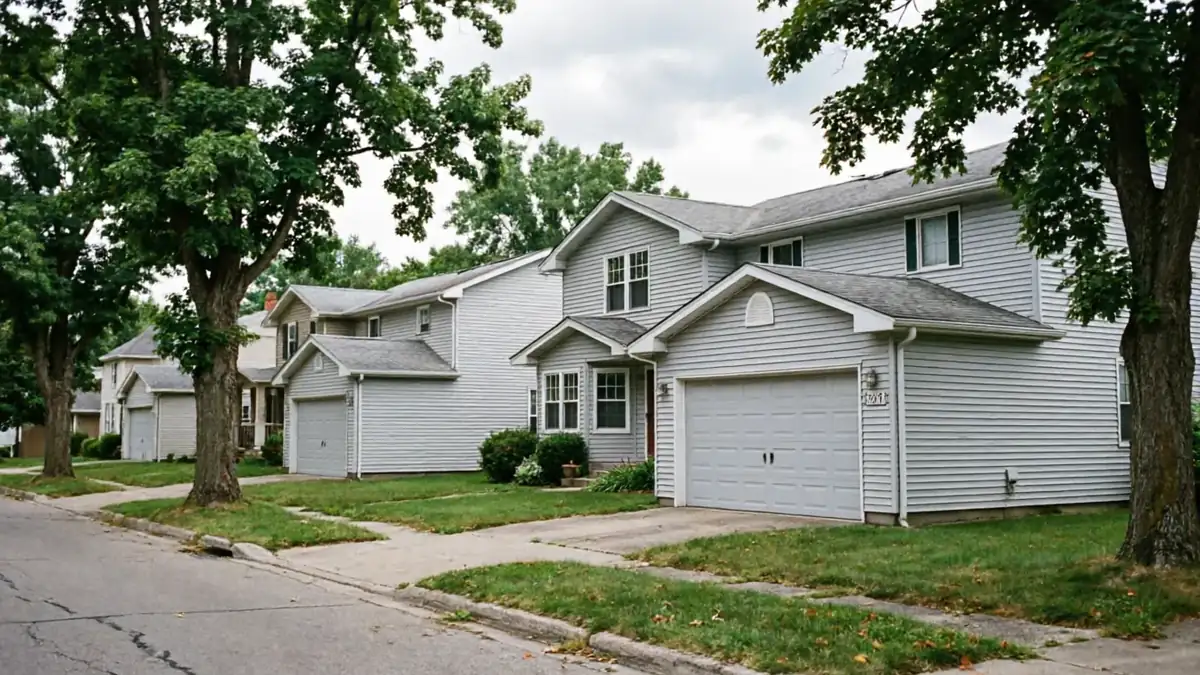
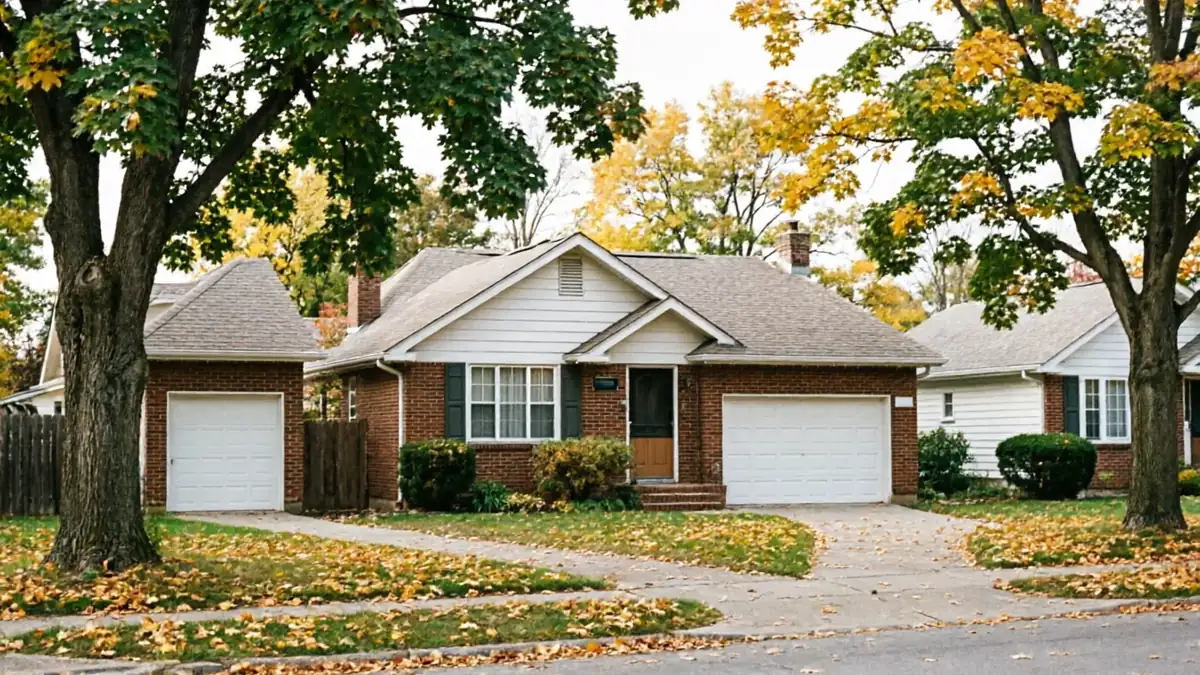
Most of the housing stock in this part of the county went up between 1947 and 2011
With the bulk of it dating to the 1960s and 70s. That matters for openers because a house built in that window has usually gone through at least one opener swap already, and sometimes two, each on different drive technology - chain, belt, or screw - installed by whoever was cheapest at the time. Mixed generations of hardware on the same wall bracket is common, and it's the reason a repair call here often starts with figuring out what's actually installed before touching it.
The cold moderate climate band this area sits in adds its own wear pattern
Winter cold thickens grease on the trolley and rail, which makes the motor work harder to pull the door the last foot of travel. That extra load is exactly what burns out drive gears and capacitors years before they'd otherwise fail. It's not a dramatic failure - it's a slow one, and most owners don't notice until the opener just stops responding on a cold morning.
What Can Go Wrong
The most common call is an opener that runs the motor but the door doesn't move - usually a stripped drive gear or a worn belt that's jumped its teeth. Close behind that is a remote or keypad that's stopped working while the wall button still functions, which points to the logic board or the antenna rather than the motor itself. On older screw-drive units from the earlier end of that 1947-2011 build range, we see worn drive nuts that let the carriage slip under load.
Cold-weather calls cluster around two things: a motor that hums but won't engage because the capacitor has weakened, and safety sensors that misalign slightly as the slab settles and throw a false obstruction reading. Neither is a wiring problem, but both get blamed on the opener's circuit board first, which wastes a trip.
One limitation worth saying plainly: if the opener is original to the house and parts for that drive type are no longer made, we won't chase a board repair that costs nearly as much as replacement. At that point we'll tell you it's a new unit, not a fix.
What the Fix Involves
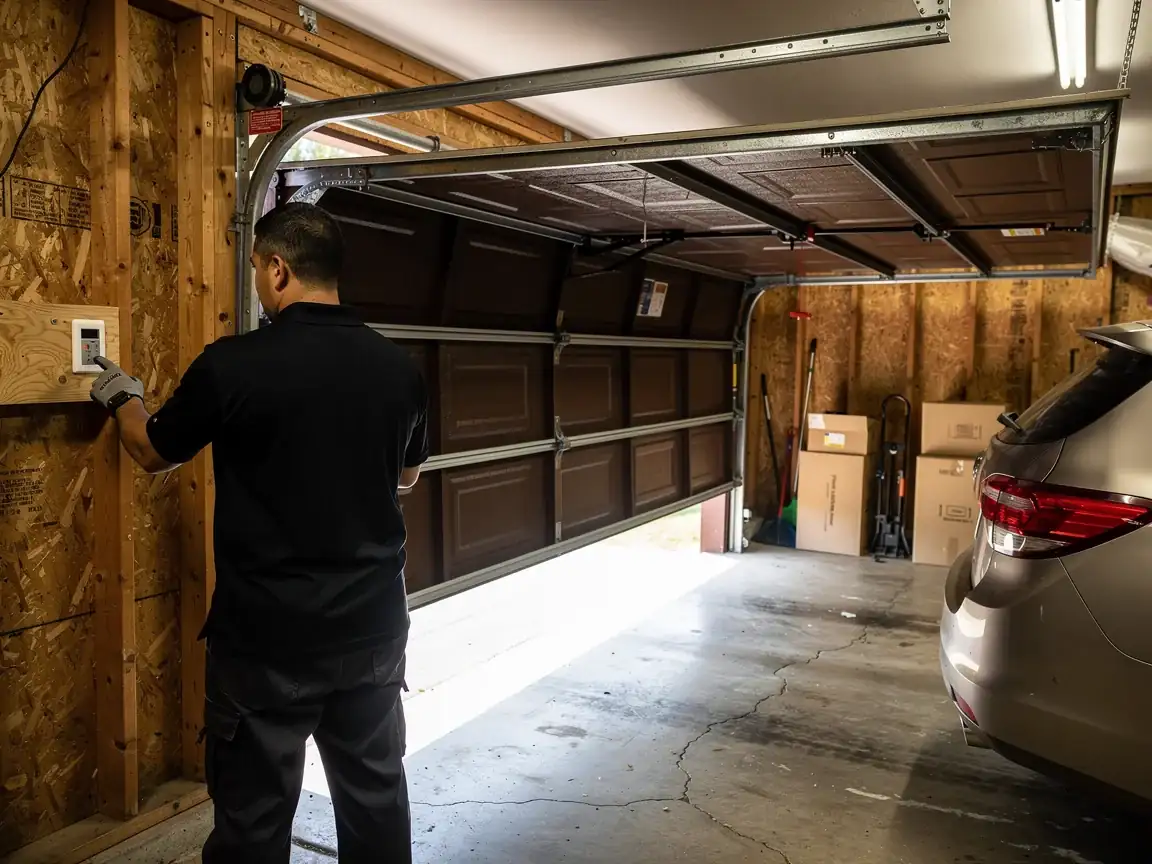
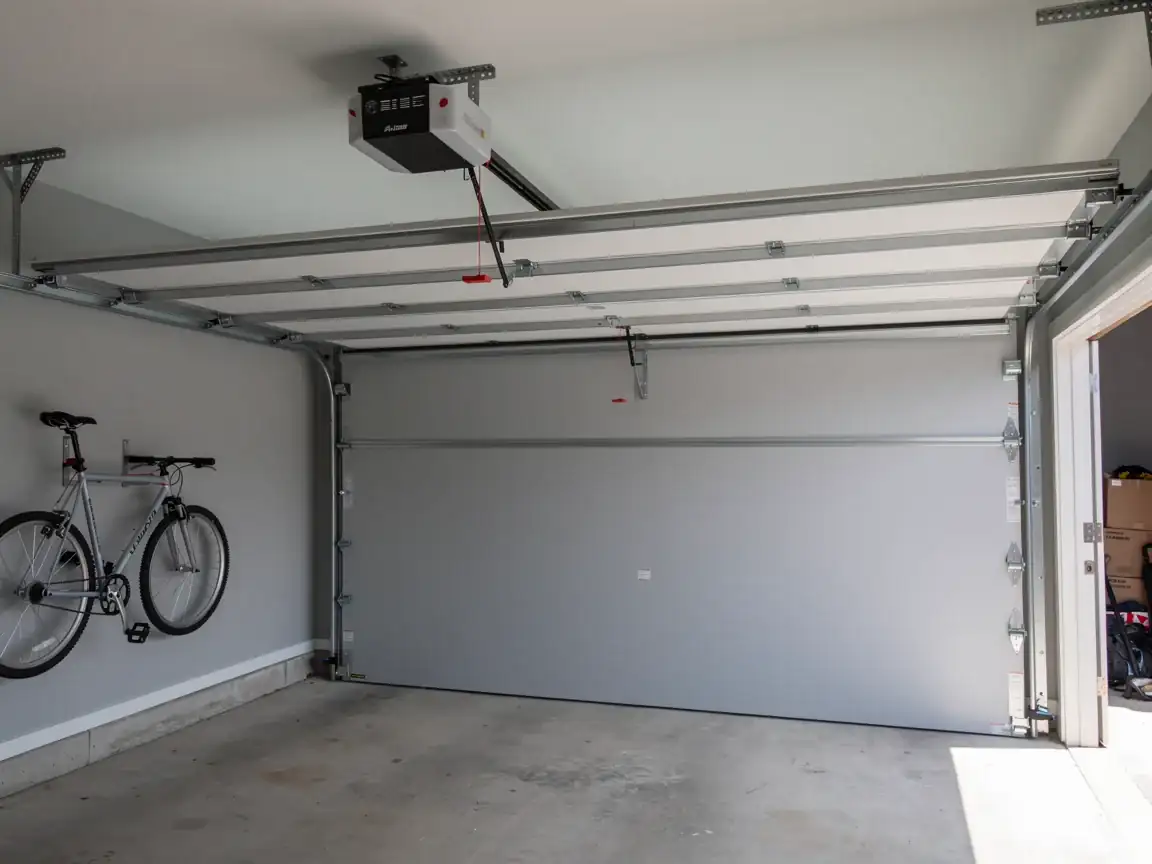
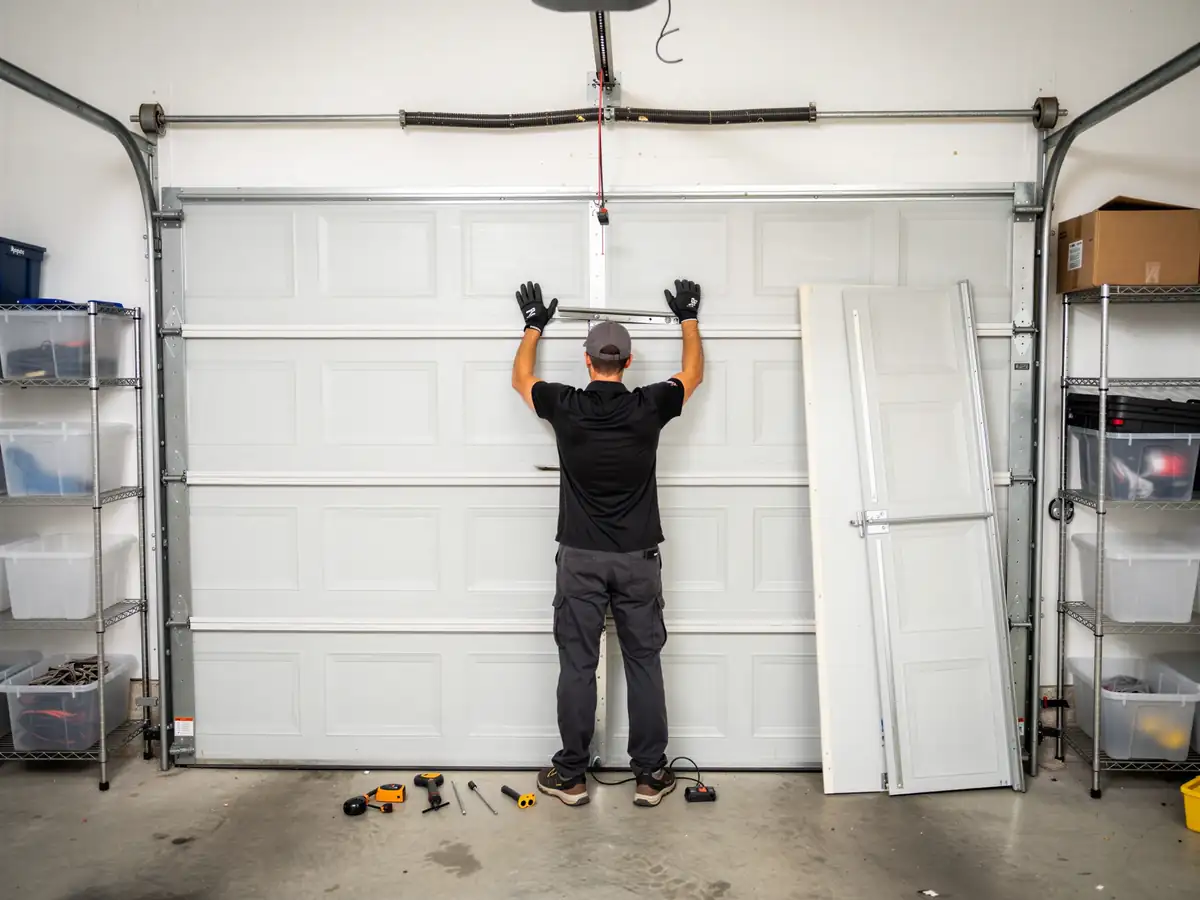
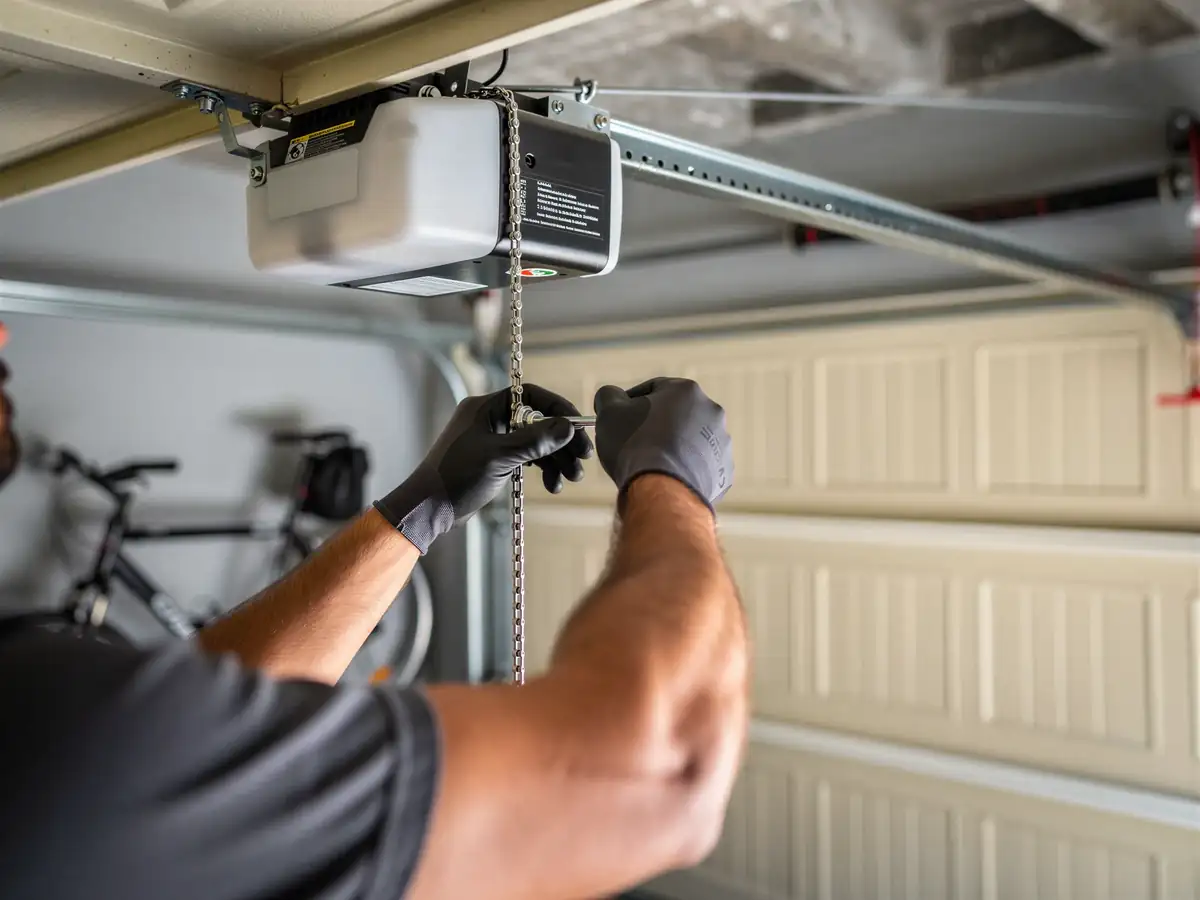
Diagnosis starts at the unit, not the door. We check the drive system - chain tension, belt wear, or screw-drive lubrication depending on what's installed - then test the logic board's response to the wall button versus the remote, since a mismatch there narrows the problem fast. If sensors are the issue, realignment takes minutes once we find where the bracket has shifted.
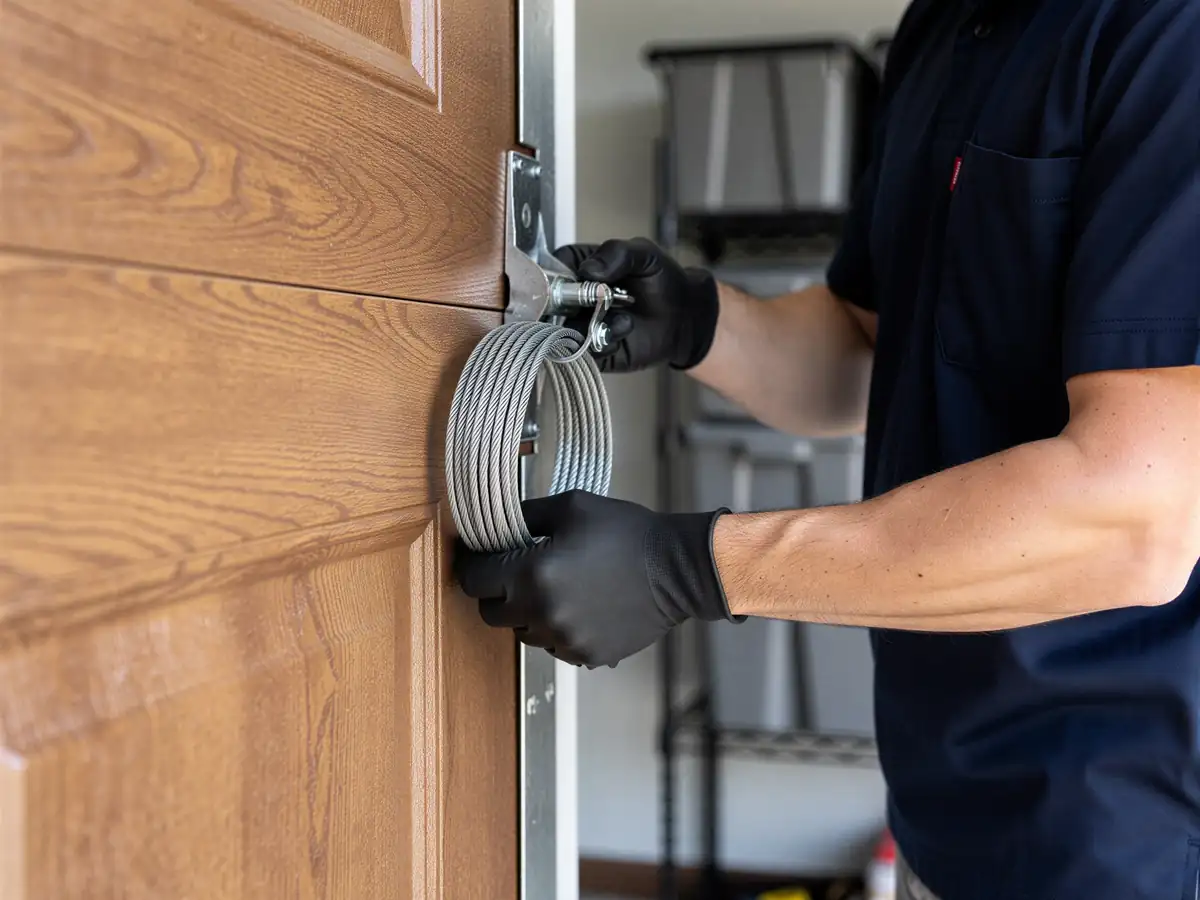
For gear or belt failures, the fix is a direct part swap matched to the motor's horsepower and drive type rather than a universal part that'll wear out again in a season. For capacitor issues tied to cold starts, we replace the capacitor and check the motor windings while we're in there, since a weak capacitor often means the motor's been running hotter than it should.
We carry the parts that fit the opener generations most common in houses from this area's build era. Less common or discontinued drive types sometimes mean a short order wait, and we'll tell you that up front rather than promise a same-day fix we can't deliver.