Serving Chesterfield, MO & nearby
(636) 204-2551
Chesterfield, MO

What a Technician Checks First on a Chesterfield Garage Door Call

Chesterfield homes mostly date 1947-2011, heavy in the 60s and 70s. Here's what a technician checks first, what drives cost, and where cold-weather calls go wrong.

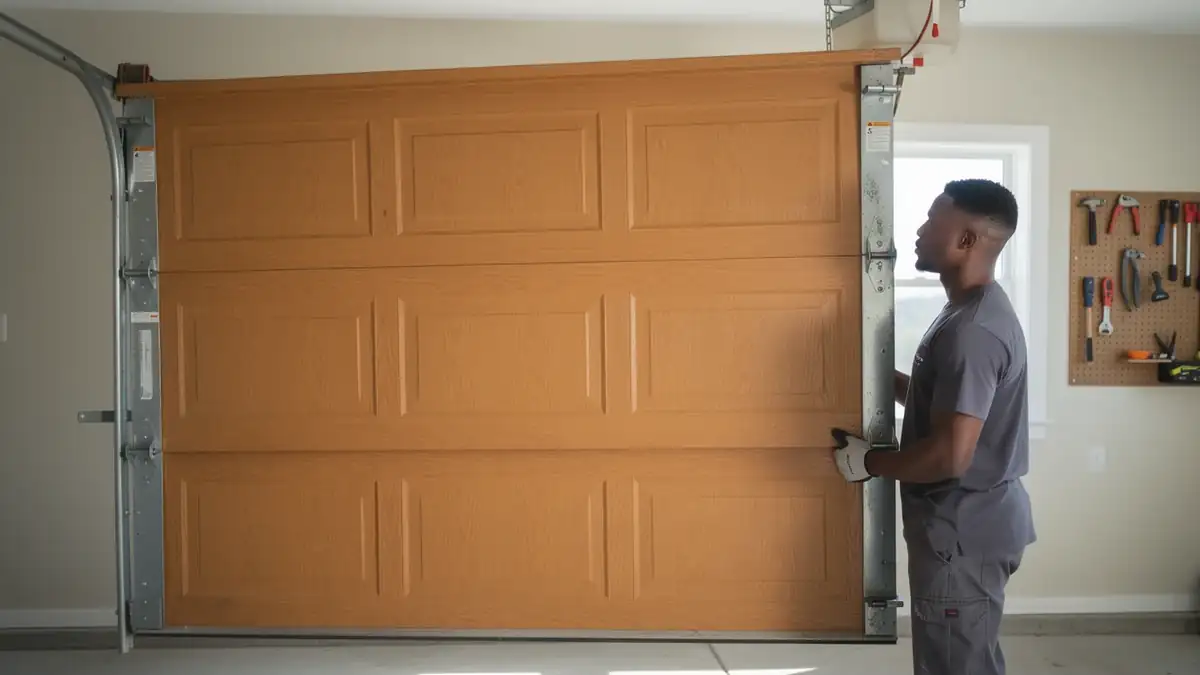
A technician in a gray shirt is installing a light brown garage door.

The Cost of This Job

  1. What a repair runs here depends less on brand and more on age

    Chesterfield housing was built mostly between 1947 and 2011, with the bulk going up in the 1960s and 70s across the area's 55 named subdivisions. A door from that era usually means steel panels on side-mounted torsion springs, hardware that's been superseded twice over by what's on the shelf today. That's not a problem until a spring goes and the tech has to track down a compatible drum or shaft collar instead of grabbing a standard kit off the truck.

  2. Newer builds, closer to 2000s construction

    Tend to run center-mounted torsion springs and lighter-gauge opener rail, which is a faster, more predictable job. We don't quote a flat number here because the spread between those two jobs is real - a straightforward spring swap and a hunt for obsolete hardware are not the same invoice. What we can tell you is which one you're looking at inside five minutes of popping the garage light on.

  3. One honest limitation

    If your opener is original to a house built in the 60s or 70s, parts for it are often gone. At that point we're not chasing a repair, we're talking replacement, and we'll say so instead of running up a bill on a part nobody stocks.

Where People Go Wrong

The most common mistake we see in Chesterfield is swapping the opener when the spring was the actual problem. A door that groans, drops fast, or won't budge by hand usually has a spring issue, not a motor issue - but the opener is the visible part, so that's what gets blamed and replaced first.

The second mistake is specific to this housing stock: homeowners with a 1960s or 70s door try a DIY torsion spring fix because a video made it look simple. Side-mounted torsion hardware from that build era doesn't match the winding cones and bars sold in today's kits, and the wind-up force on a 7-foot door is enough to put someone in the hospital. We've been called out after a DIY attempt went sideways, and it's never a cheap fix by that point.

Third: ignoring a track that's walked out of alignment because the door still closes most of the way. On older housing stock here, the track brackets are often the original fasteners into framing that's shifted slightly over fifty-plus years. A door that still closes isn't a door that's fine - it's a door one cold morning away from binding hard or dropping a roller.

How Local Conditions Play In

Chesterfield sits in a cold-moderate climate band, and that matters more to garage doors than people expect. Steel contracts in a hard freeze, and a spring that's been carrying the door's weight fine all summer can lose just enough tension in cold air to snap on the next lift. We see a jump in spring calls on the first real cold snaps of the season, and it's almost always a spring that was already near the end of its life, not a fresh failure.

The housing stock compounds this. A lot of Chesterfield garages built in the 1960s and 70s have little to no door insulation, since that wasn't standard when the house went up. That means the garage interior swings closer to outdoor temperature than a newer build would, which puts more stress on the opener's gears and the spring's steel through every freeze-thaw cycle of a Missouri winter.

Humidity swings do a slower kind of damage - rust creeping into roller bearings and hinge pins that never see grease. On an older door, we check those first, because a roller that's rusted stiff is doing the same damage a bad spring does, just slower and quieter.

The Situation

  1. On a first visit, a technician starts with the spring

    Tension, wear, and whether it's torsion or extension, since that changes everything else about the job. Next is the track: is it still plumb, are the brackets tight into the framing, and is there a bind that's been masked by the opener just forcing through it.

  2. Third is the opener itself

    Not just whether it runs, but whether the force settings have crept up over the years to compensate for a door that's gotten harder to lift. A lot of older Chesterfield garages have an opener straining at max force because nobody ever asked why the door got heavier to open; usually it's a spring losing tension, not the motor failing.

  3. Last is the panel and roller condition, especially on houses from the 1960s and 70s stretch

    Where steel panels have had fifty-plus years to pick up rust at the seams and rollers have had that long to wear their tracks. None of this takes long to check. The call is usually twenty minutes of looking before we tell you what's actually wrong, not what's just visible.
How it works

From “it’s stuck” to “it’s fixed”

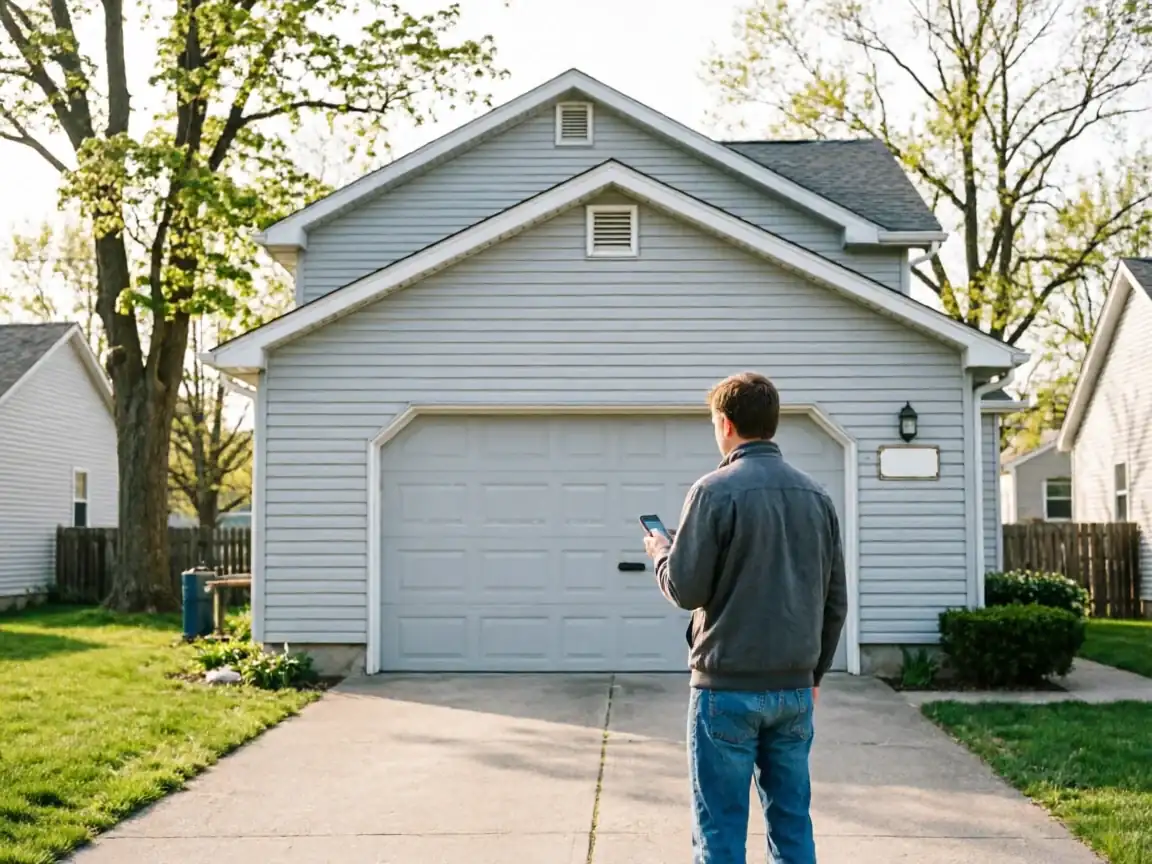
A man stands in a driveway looking at his phone in front of a house.

Tell us what’s wrong

Describe the symptom - won’t open, loud bang, opener runs but the door won’t move.

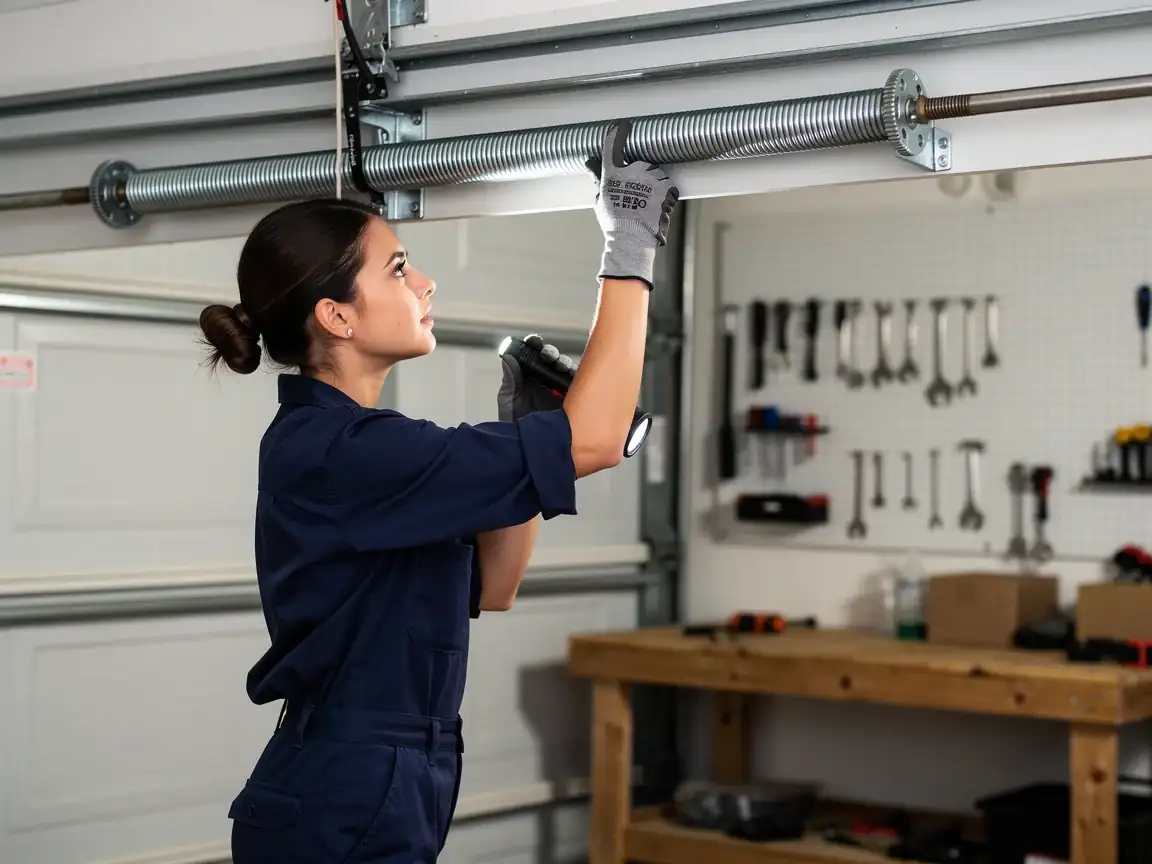
A technician in a blue jumpsuit inspects a garage door torsion spring with a flashlight.

On-site diagnosis

A technician tests the door under power and by hand and finds what actually failed.

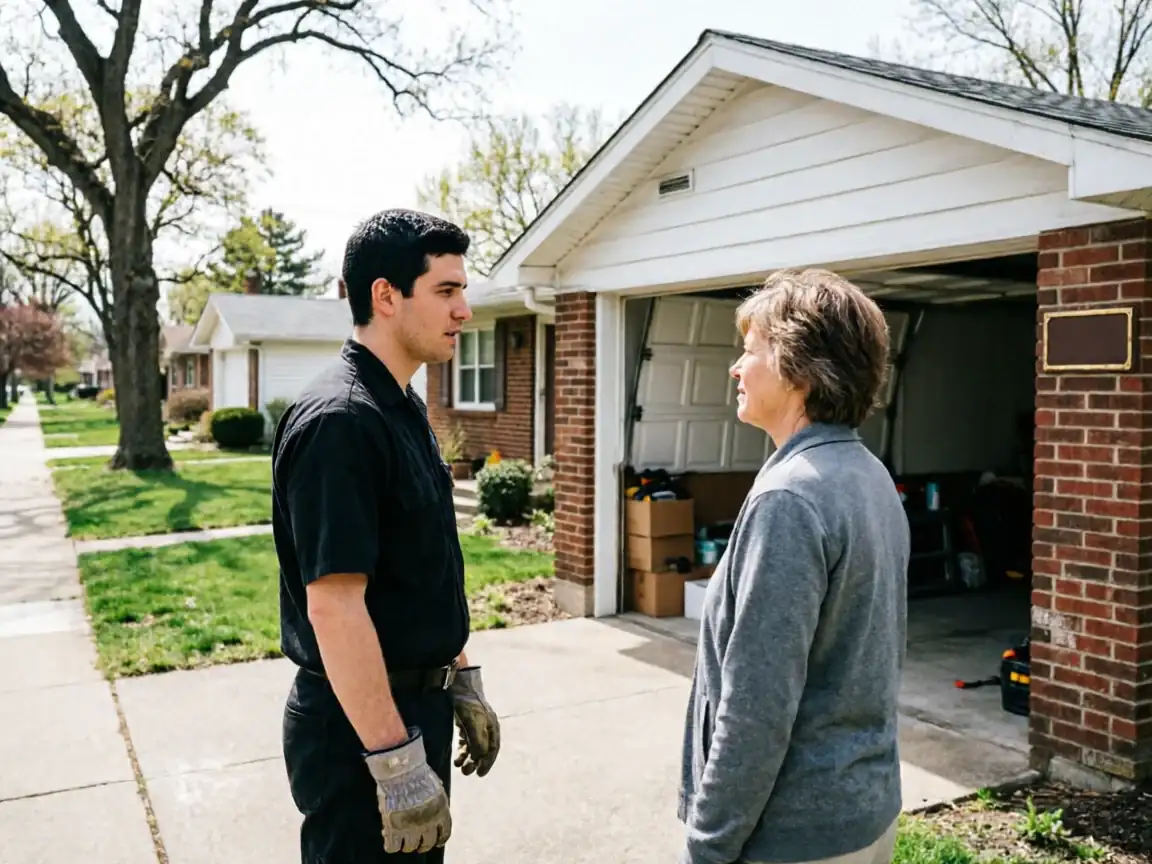
A technician in a black shirt talks to a woman in front of a garage.

Clear, up-front plan

You get the fix that’s needed and what drives the cost - before any work starts.

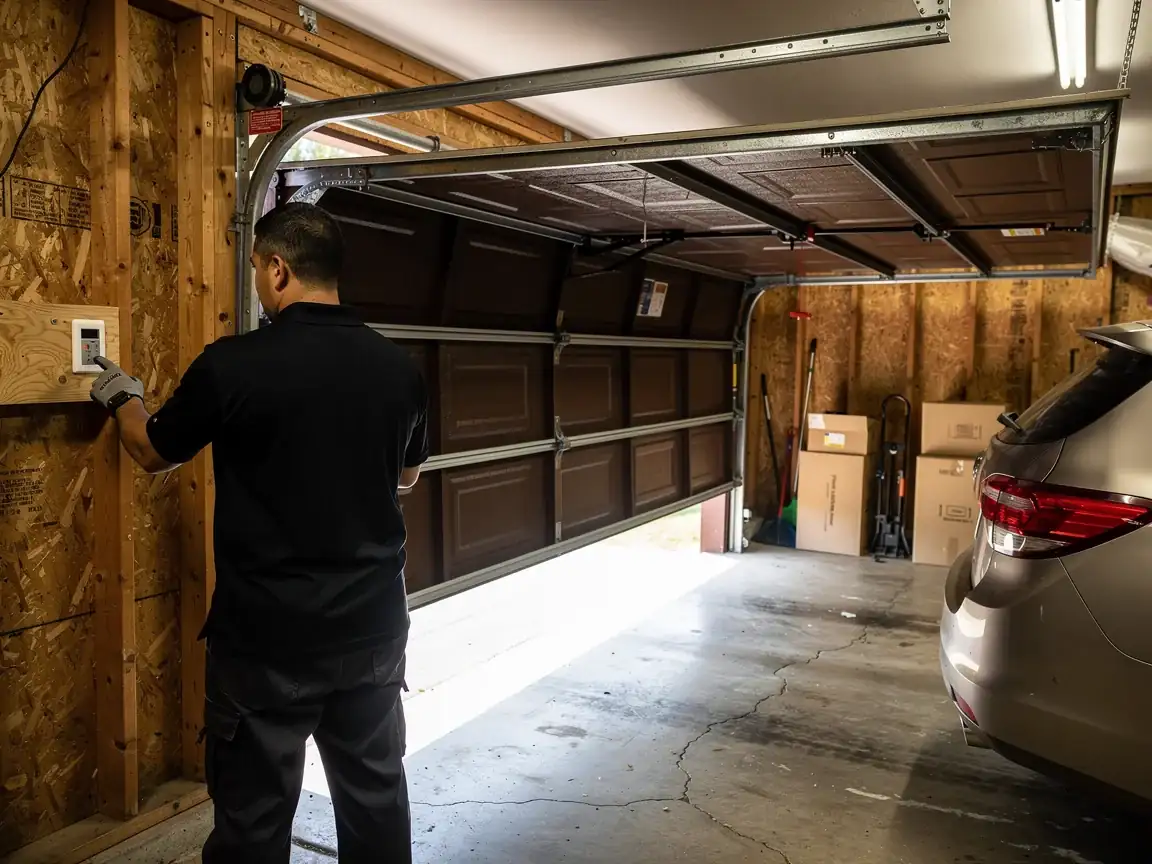
A technician operates a brown garage door from a wall-mounted control panel.

Repaired & tested

The repair is done, the door is set true and tested, and the work area left clean.

Not sure which repair your door needs in Chesterfield, MO? Describe what it’s doing - every job starts with a diagnosis.

How we work

What to expect

Diagnosis firstEvery visit starts by finding what actually failed - not a pre-written parts list.
The right part for the doorSprings and openers matched to the door’s weight and age, so the fix holds up.
Straight answersWhen a repair makes more sense than a replacement - or the reverse - you hear it plainly.
Clean, careful workTension released safely, hardware set true, the door tested under power before we leave.
What we do

Garage Door Services

Repair and installation work for Chesterfield homes and businesses.

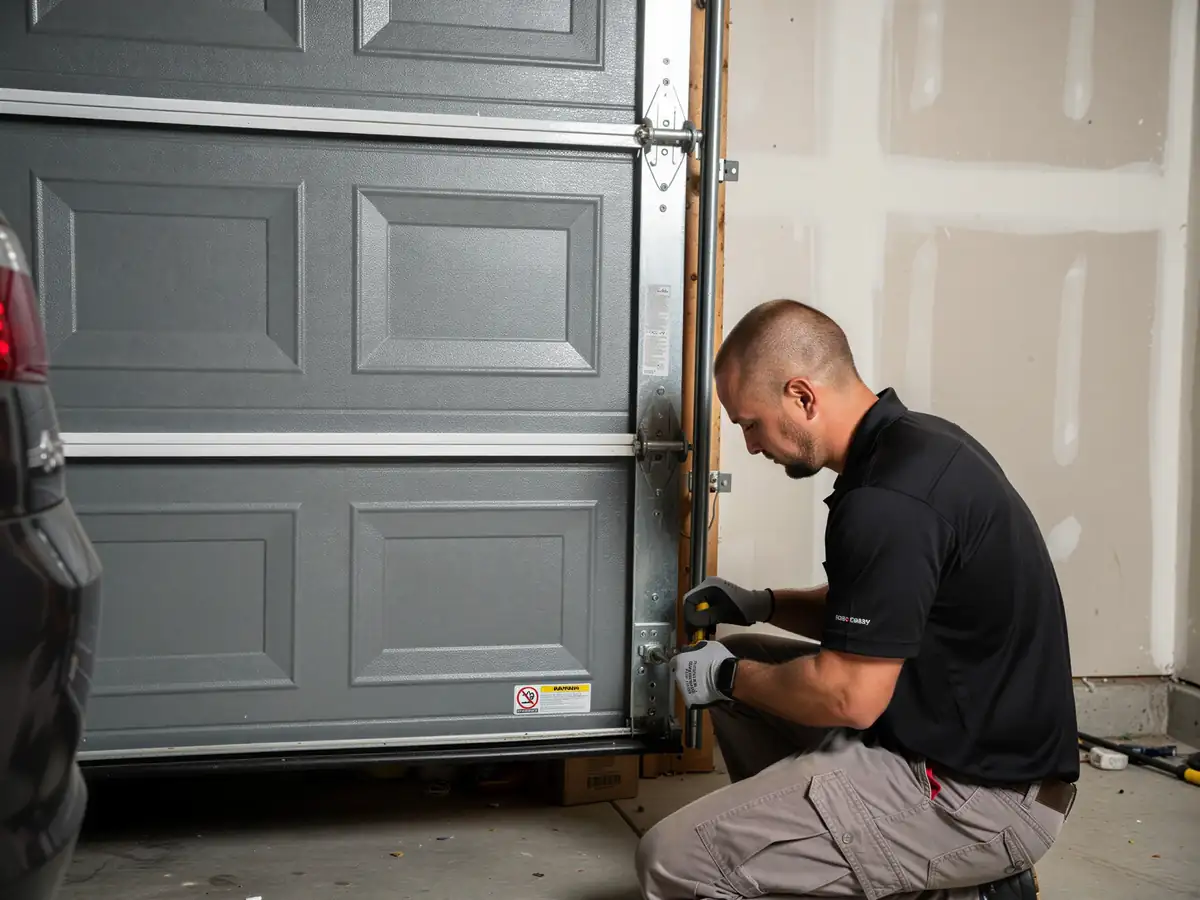
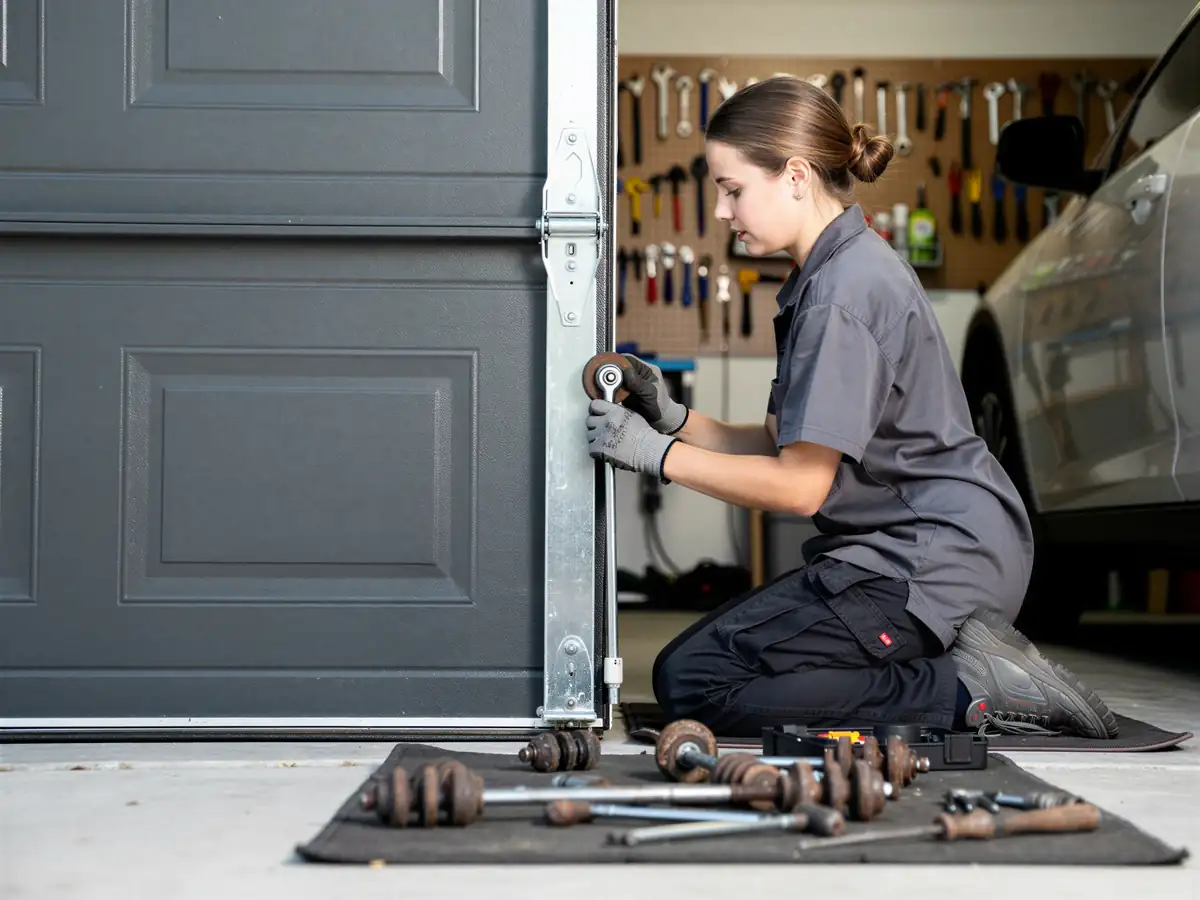
A technician in a black shirt and gray pants works on a gray garage door.

Garage Door Repair

Chesterfield homes built mostly in the 1960s and 70s carry original torsion hardware that wasn't made for Missouri cold snaps. We fix springs, openers, and tracks on original equipment.

Learn more
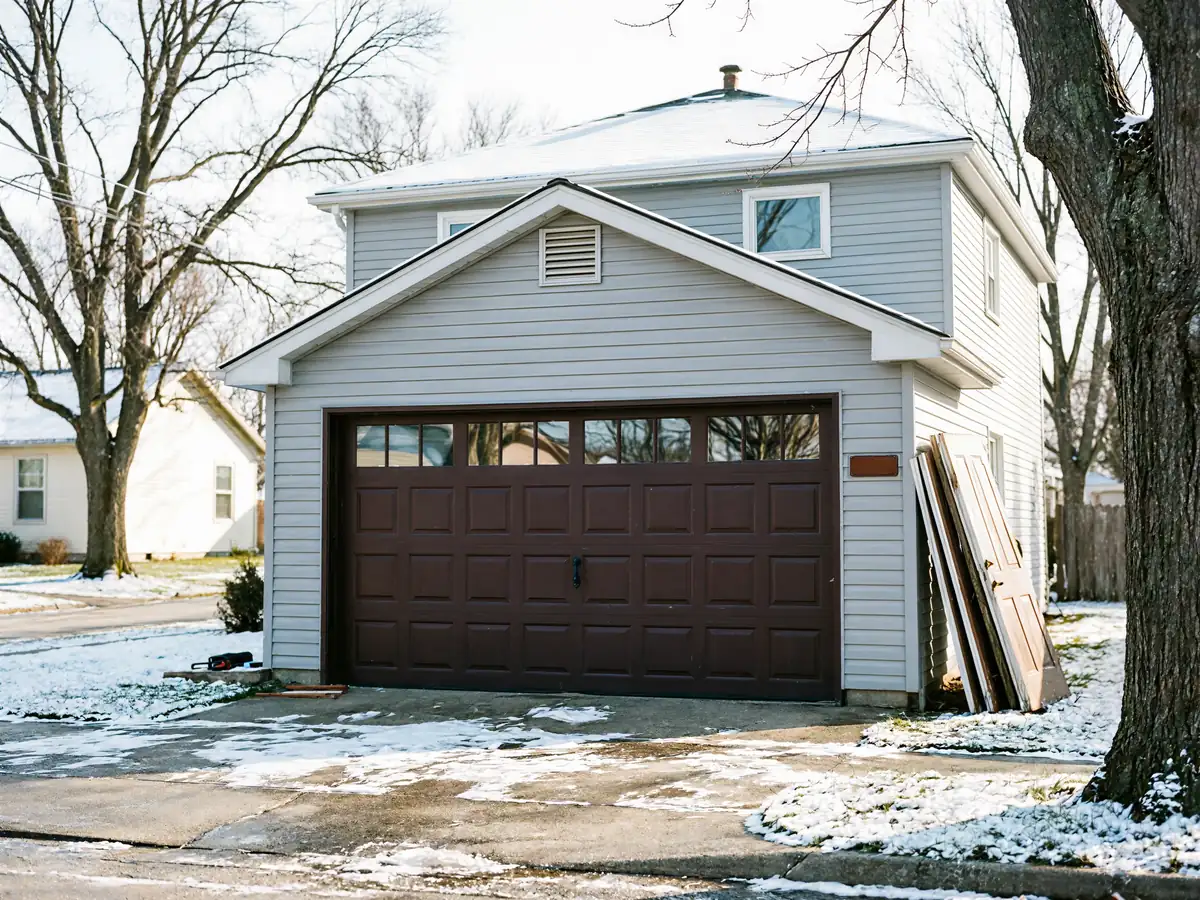
A two-story house with a brown garage door and old doors leaning against the wall.

Garage Door Installation

Chesterfield's garage doors mostly date to the 1960s-70s building boom. We install insulated replacements sized for this area's cold winters and original openings.

Learn more
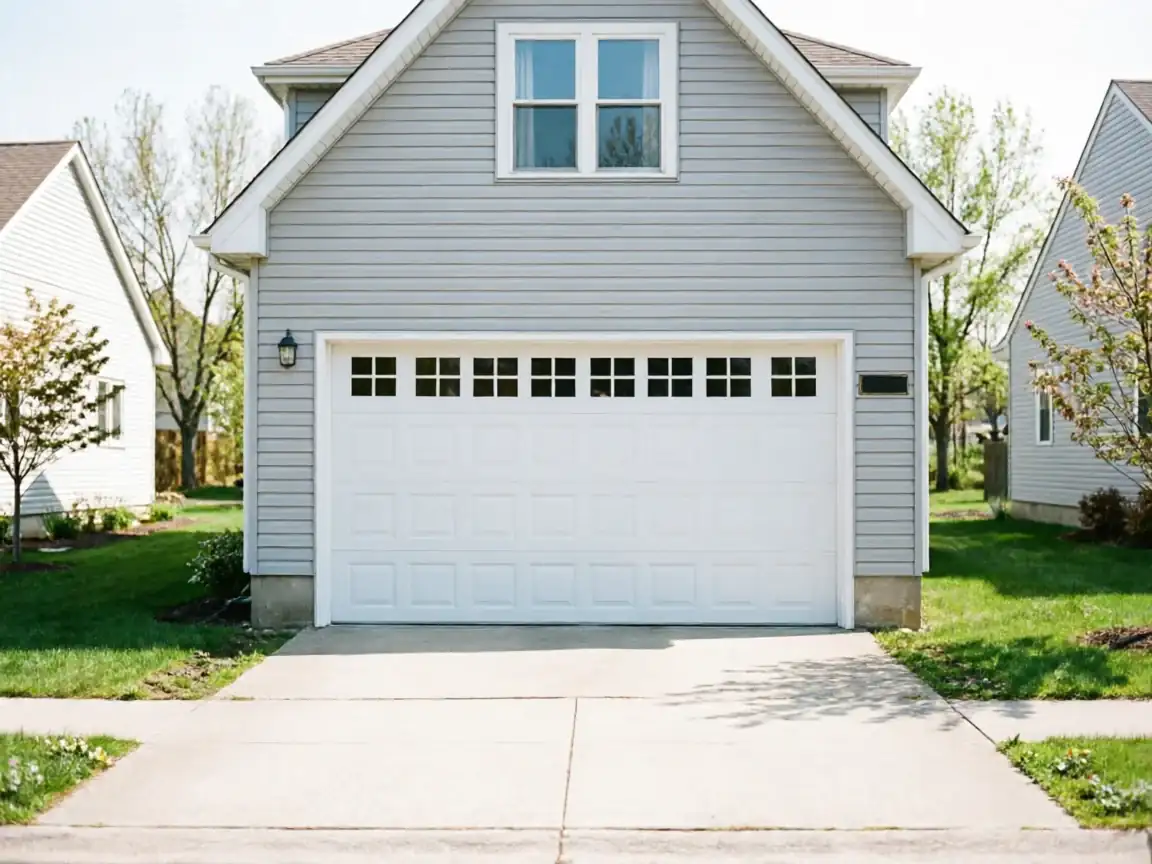
The house has light gray siding and a white garage door with windows.

Garage Door Service

Garage door service for Chesterfield homes built 1947-2011, where cold winters stress original springs, cables, and track hardware on aging doors.

Learn more
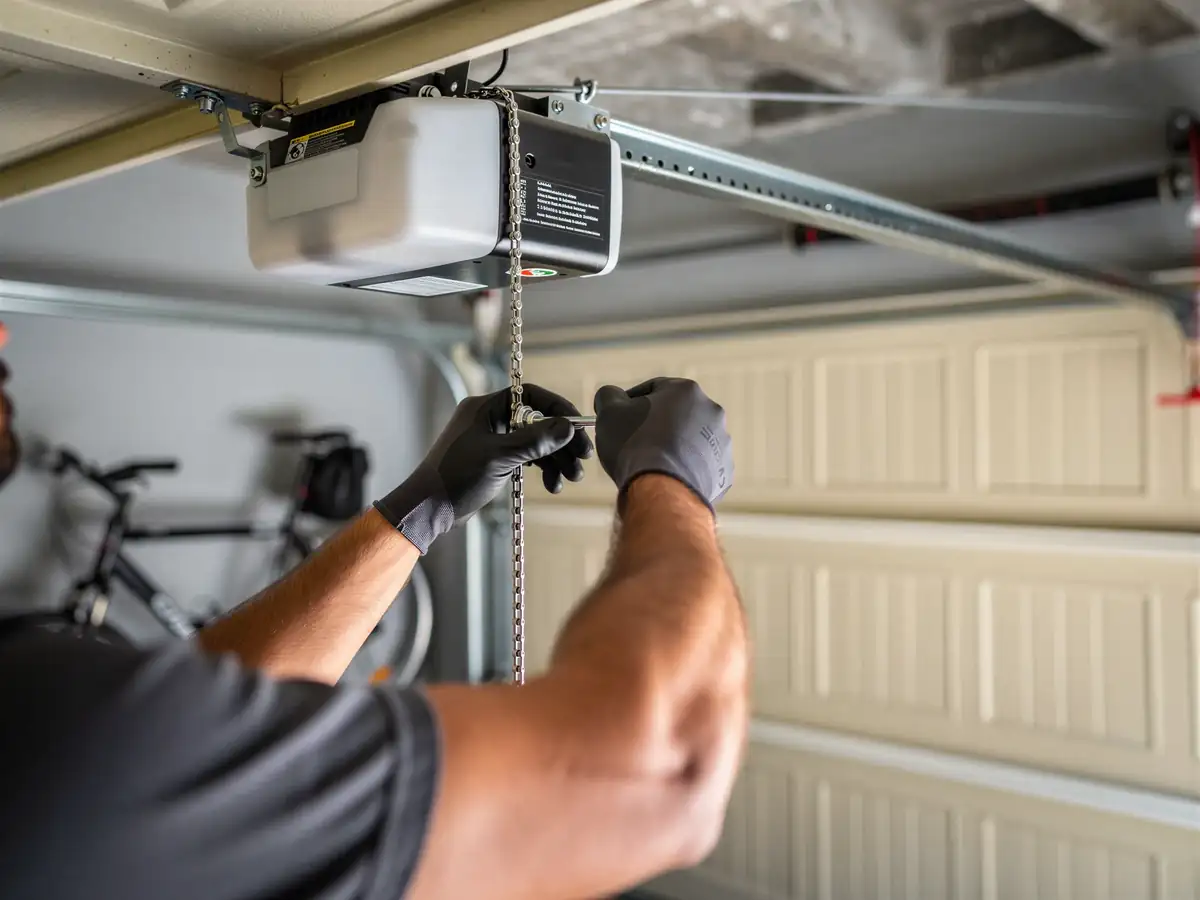
A technician adjusts the chain on a garage door opener.

Opener Repair

Opener repair for Chesterfield homes built 1947-2011, where cold winters and aging drive systems cause the same failures again and again. Same-area service.

Learn more
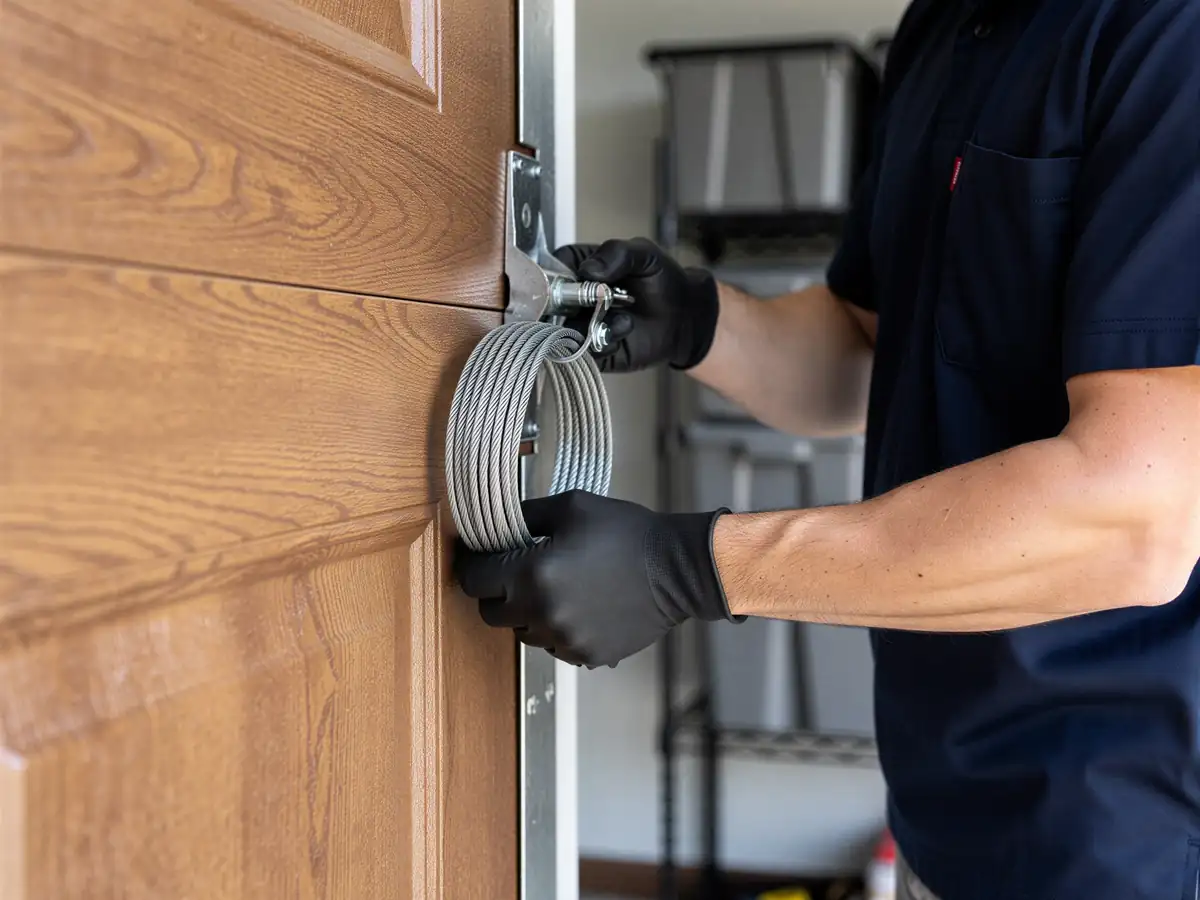
A technician wearing black gloves holds a coiled garage door cable next to a brown garage door.

Cable Repair

Cable repair for Chesterfield-area garage doors built mostly in the 1960s-70s, where cold winters and original hardware wear through lift cables fast.

Learn more
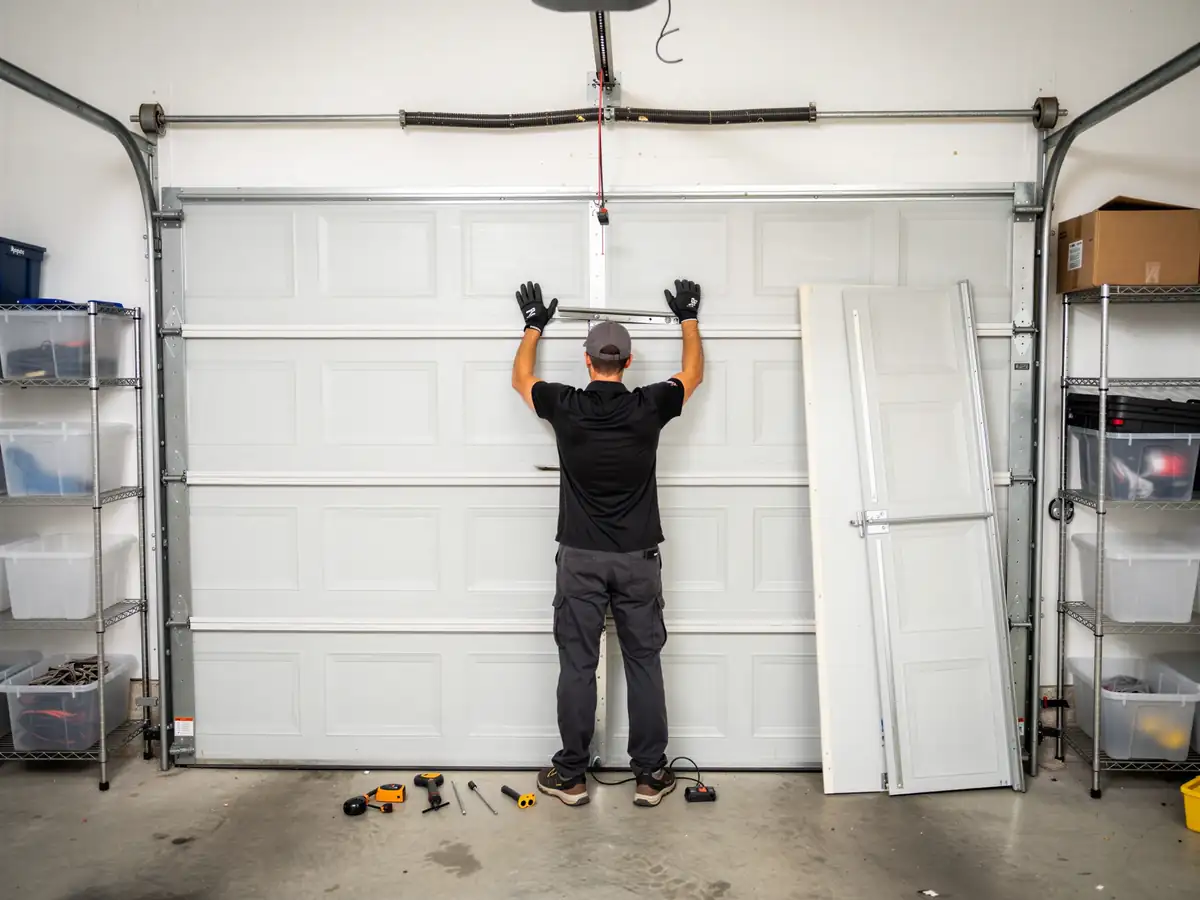
A technician installs a white garage door panel in a garage.

Panel Replacement

Panel damage is common on Chesterfield-area garage doors built in the 1960s and '70s. We match sections or replace the door outright, serving homes across the St. Louis area.

Learn more
A technician kneels to work on a gray garage door roller and hinge.

Roller Replacement

Worn or cracked rollers on Chesterfield-era garage doors, explained: why 1960s-70s hardware fails in cold winters and what a proper roller swap involves.

Learn more
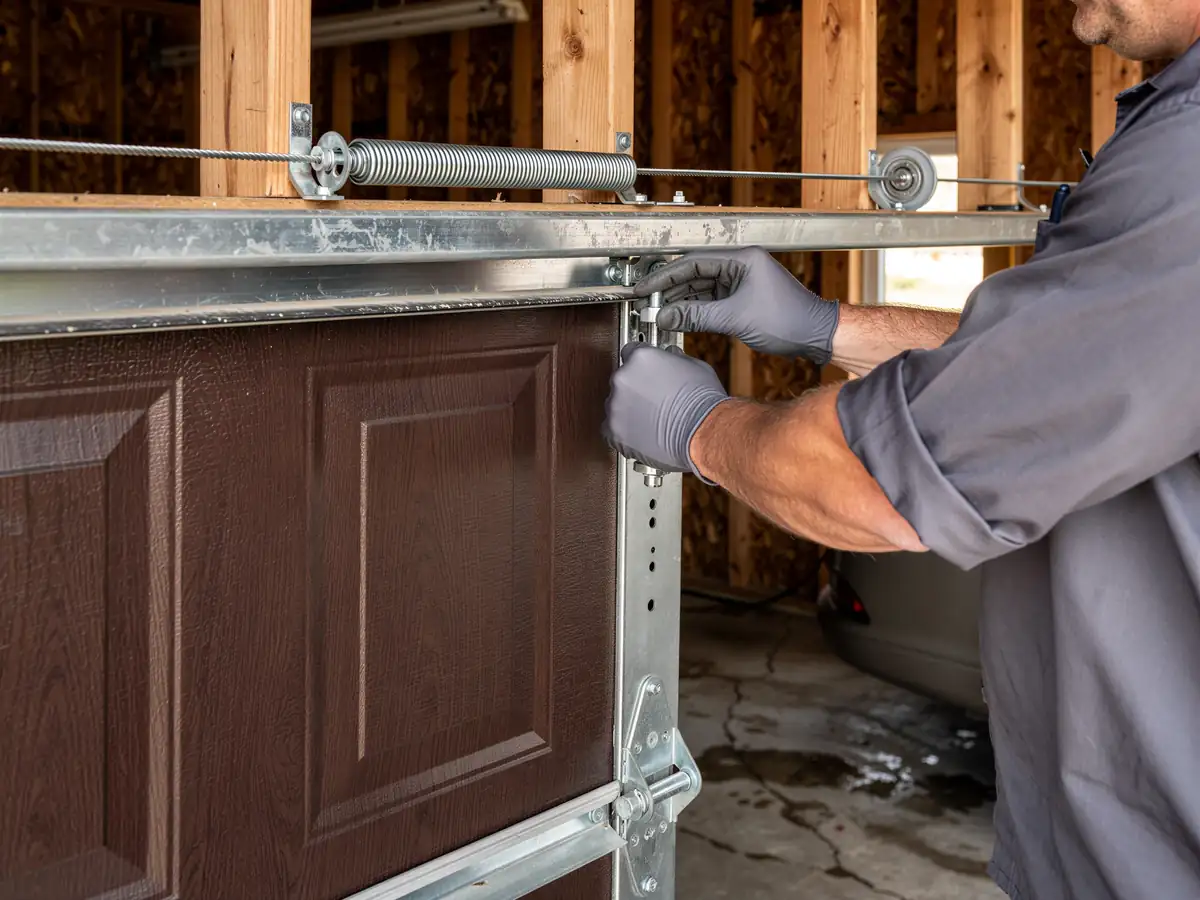
A technician wearing gloves adjusts a brown garage door with a spring and cable system.

Maintenance

Chesterfield homes built 1947-2011 run original hardware through cold winters. Maintenance tuned to this area's housing stock and climate band, not a generic checklist.

Learn more
Questions

Frequently asked

Straight answers about garage door repair in Chesterfield. Still unsure? Ask us directly.

Why did my garage door spring snap in cold weather?

Steel contracts as it gets colder, and a torsion spring that's already worn loses just enough give to fail on a hard freeze. Chesterfield's cold-moderate climate band means this happens most often on the season's first real cold snaps, especially on springs that were already near the end of their service life.

My house was built in the 1960s - will parts for my door be hard to find?

Possibly. A lot of Chesterfield housing from that era runs side-mounted torsion hardware that today's standard kits don't match directly. We carry what we can, but for some original hardware we're sourcing a compatible part rather than a drop-in match, which can add time to the job.

Is it worth fixing an old opener instead of replacing it?

Depends on the age and what's failing. If the motor itself is original to a 1960s or 70s build, parts are often discontinued, and chasing a repair on an obsolete unit usually costs more than a new opener. We'll tell you straight which side of that line your unit is on.

How do I know if it's the spring or the opener?

If the door is slow, drops unevenly, or feels heavy when you lift it by hand with the opener disconnected, that points to the spring. If the opener runs but the door doesn't move at all, that's more likely the opener or the drive gear. We check both on every call.

Ready to get your garage door sorted?

Tell us what it’s doing and where you are in Chesterfield - we’ll take it from there.

Request a QuoteCall