Why It Happens Here
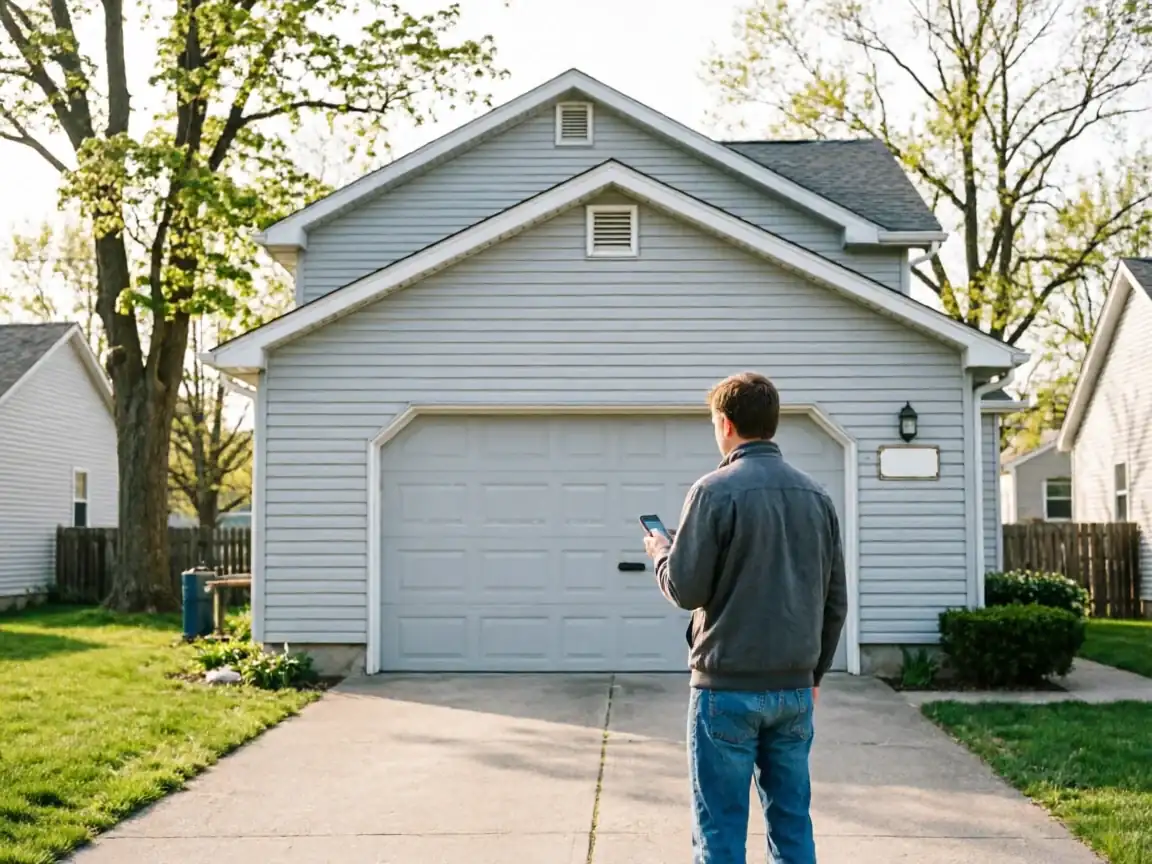
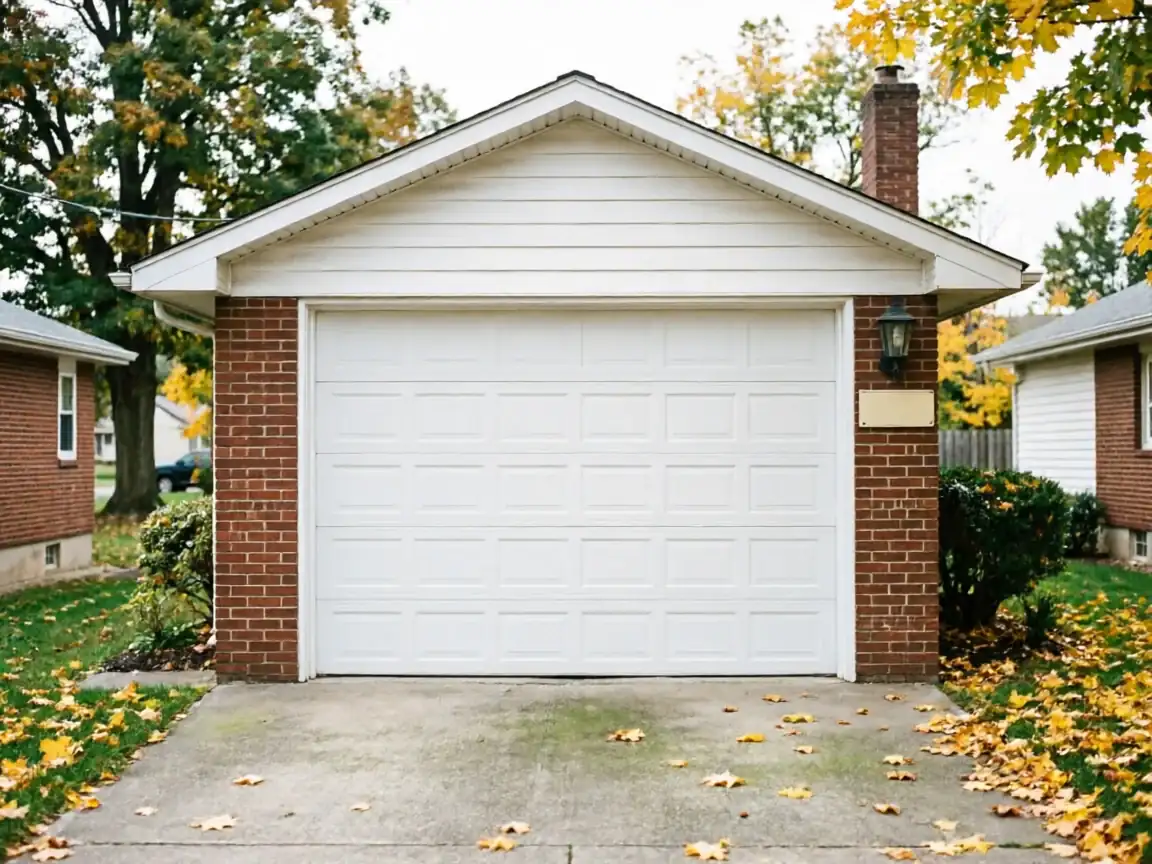
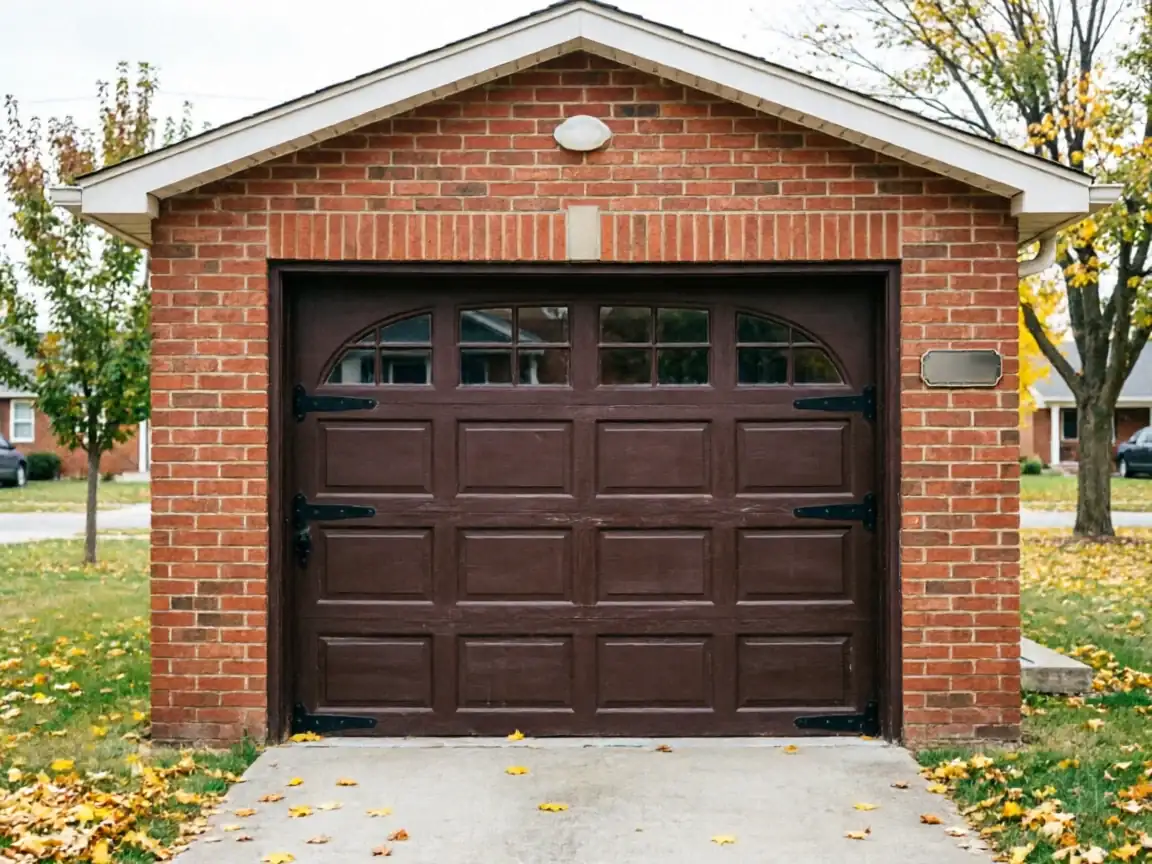
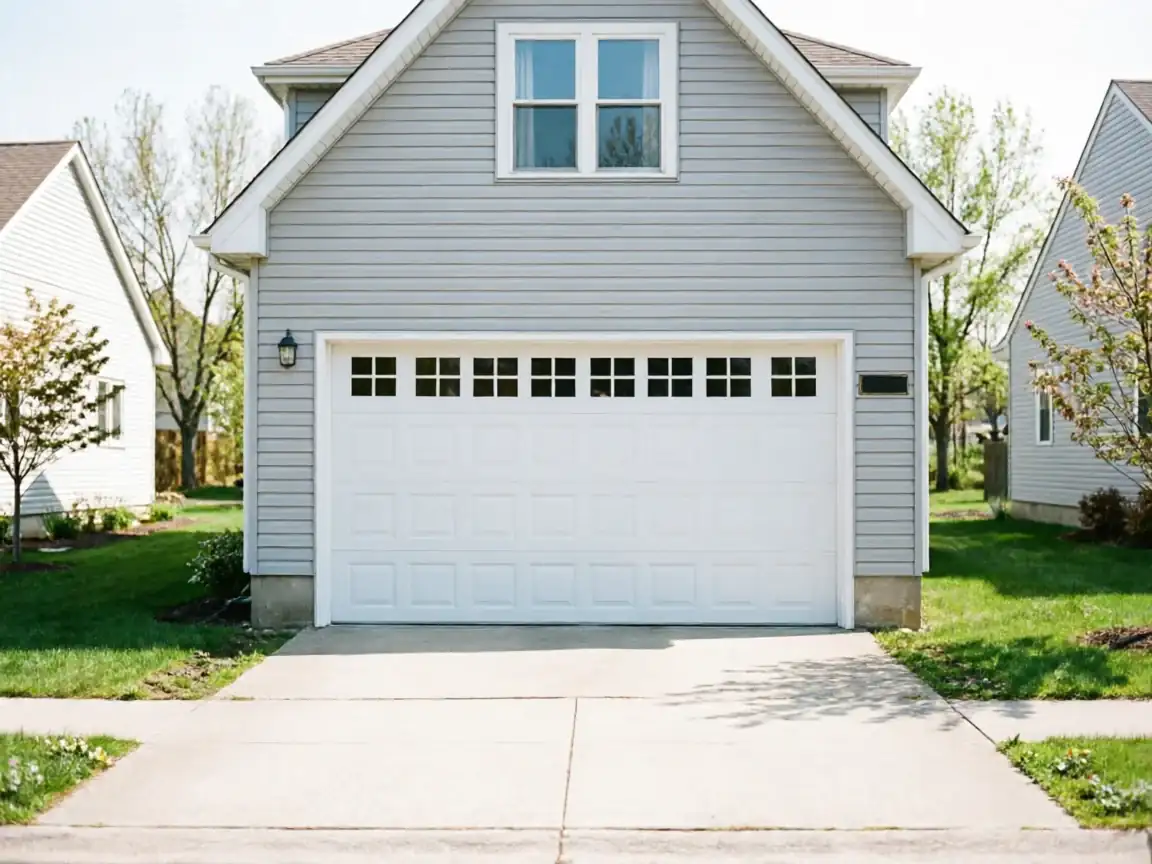
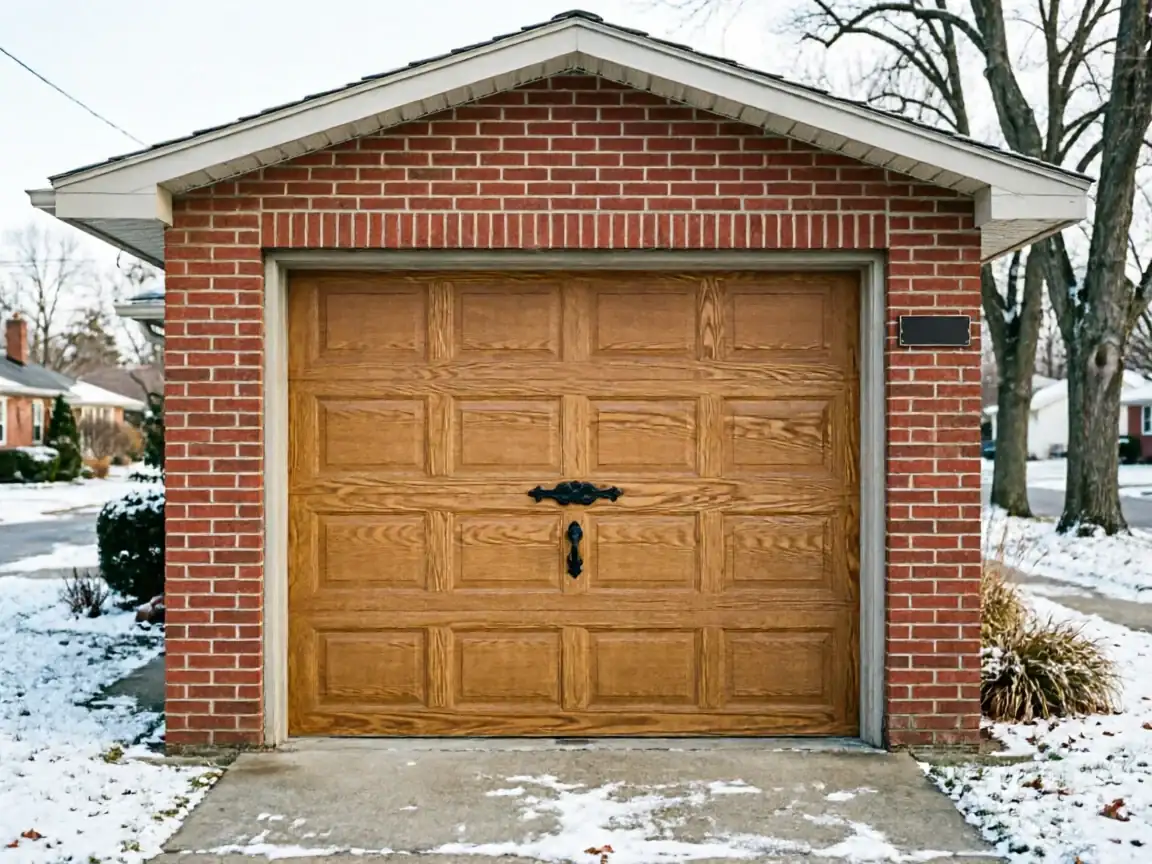
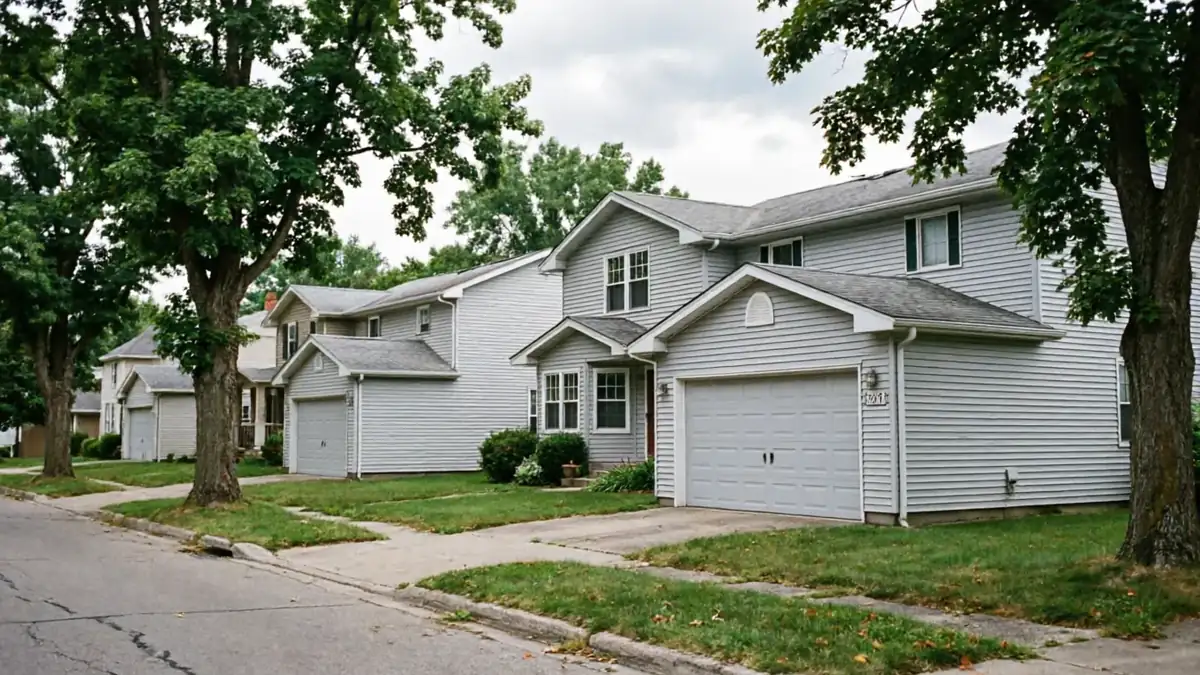
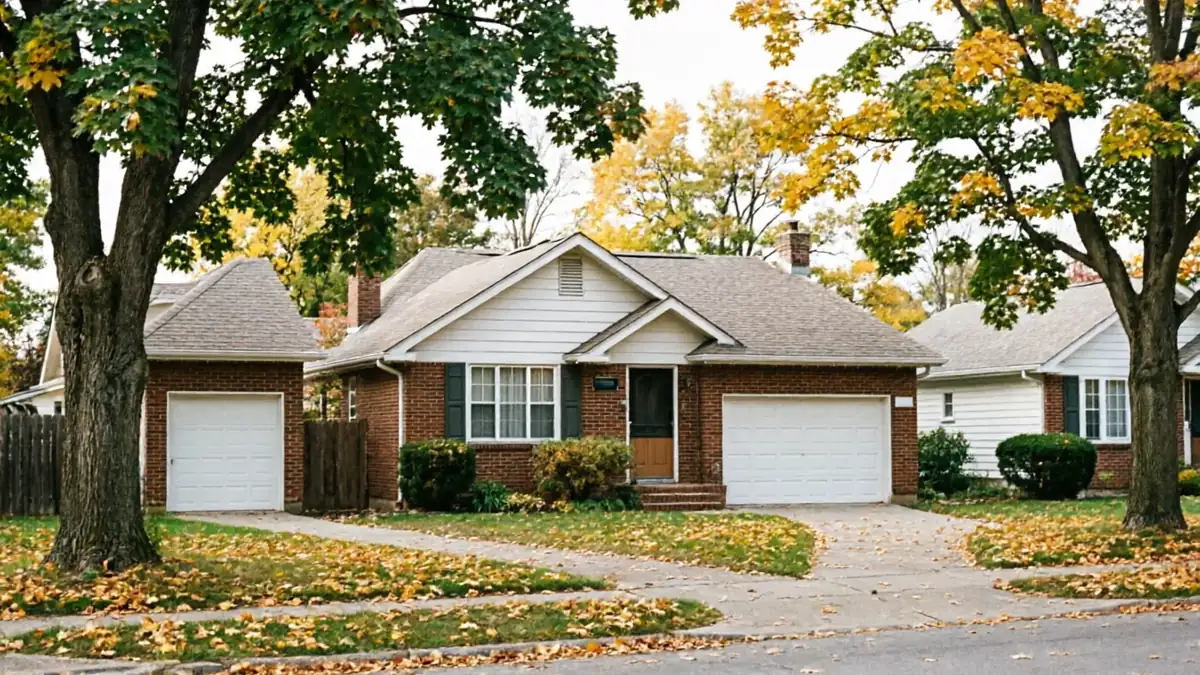
Most of the garage doors around Chesterfield went up during the 1960s and '70s
When steel sectional doors replaced the old wood swing-outs. Housing stock across this service area runs 1947 to 2011, with a median build year of 1969, so a lot of these doors are pushing sixty years old and the panels show it first.
Chesterfield sits in a cold-moderate climate band
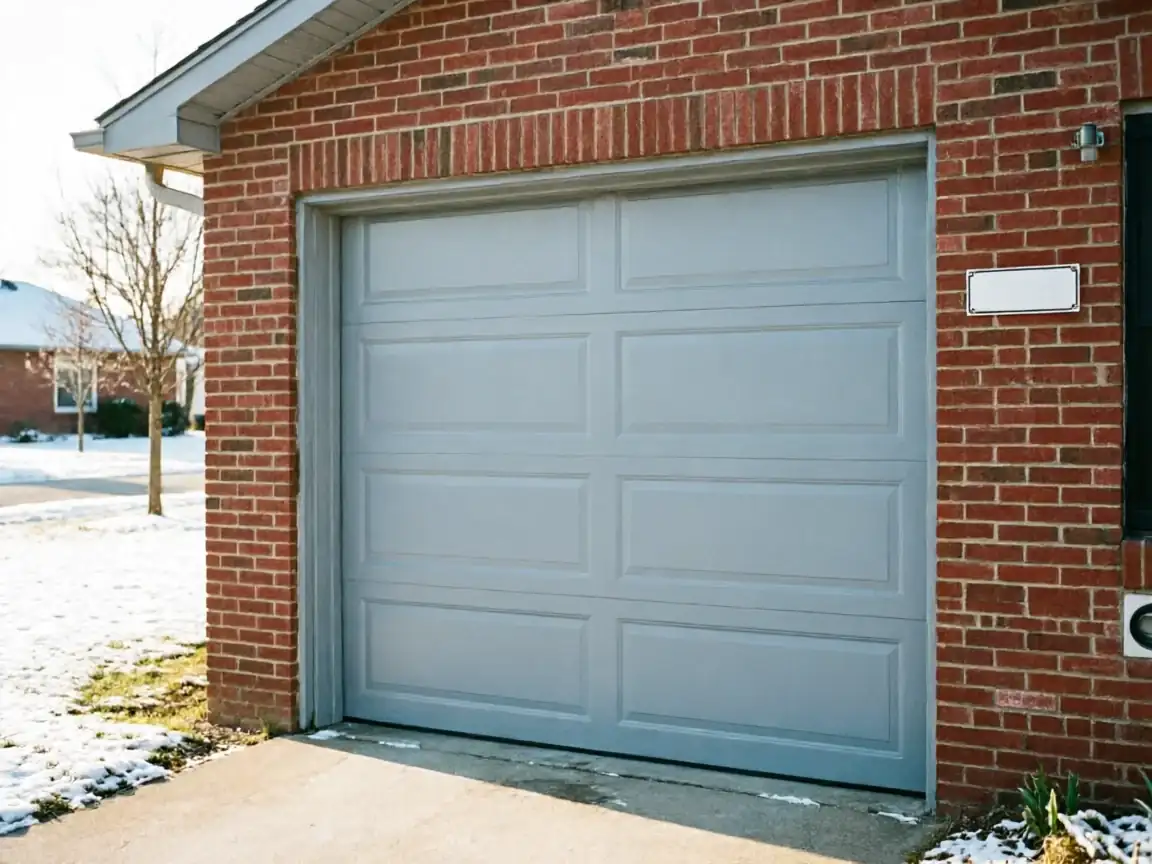
Which means every winter brings a real freeze-thaw cycle. Water gets into a hairline seam crack in October, freezes in January, and by March the seam has split wide open. Galvanized steel from that era doesn't hold up to decades of that the way newer coated panels do. Add in sun exposure on south-facing doors and you get warping on top of the rust.
It's not that these doors were built badly
It's that nobody designing a panel door in 1969 was thinking about a sixty-year service life. The hardware and the steel gauge were fine for the time. The problem is time itself, and cold winters are hard on old seams no matter how well the door was built.
What Can Go Wrong
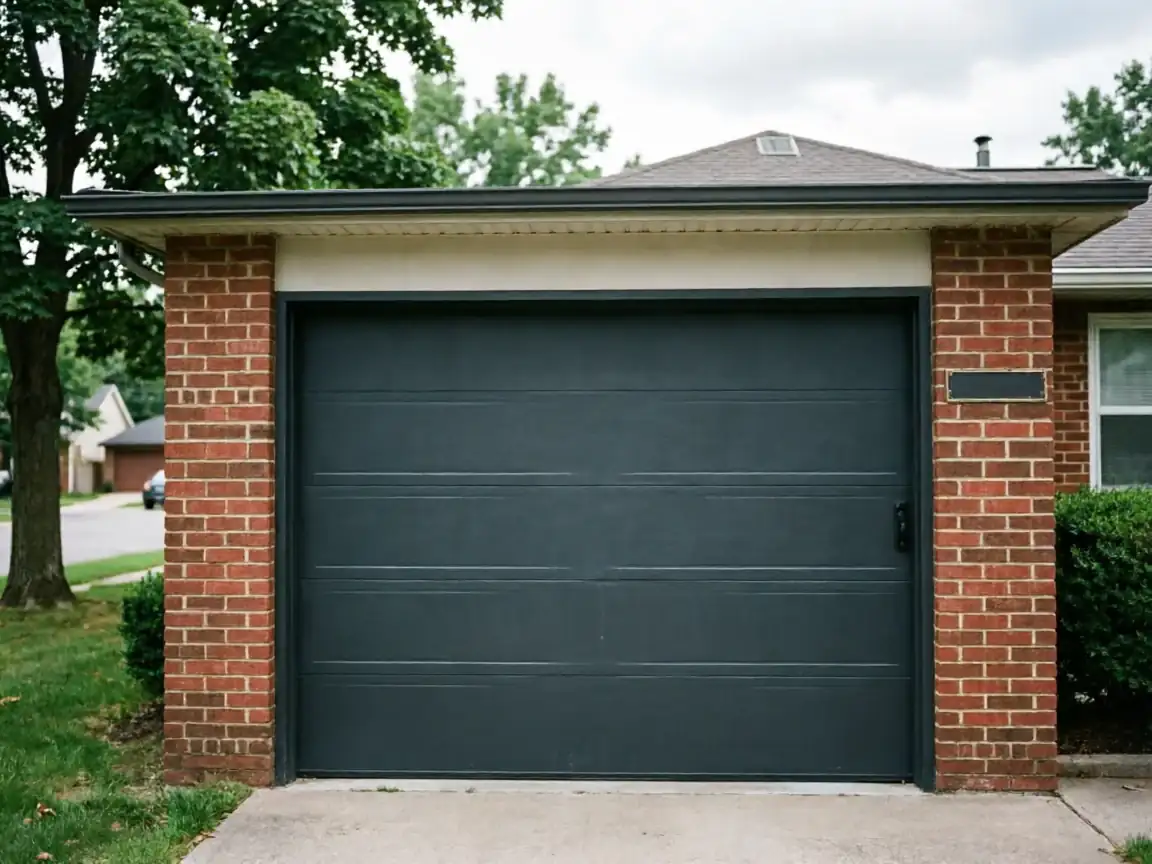
The most common failure is a cracked or buckled bottom panel, usually from a mower, a bike, or just a car bumper tapping it over the years. On older doors that's rarely a cosmetic-only problem, because the crack lets water in behind the panel skin, which then rusts the internal stiffener from the inside out.
Rust-through on the bottom section is the other big one, especially on doors near driveways that get salted or plowed in winter. Once rust eats through the steel, the panel can't hold its shape under spring tension, and the door starts to rack sideways in the track.
Less obvious: insulation failure inside the panel. A lot of the 1960s-70s doors in this area were single-skin steel with no foam core, so panels can look fine from the driveway but have gaps at the seams that let daylight and cold air through. That shows up as a drafty garage more than a visible defect, and owners often don't connect the two until someone points it out.
What the Fix Involves
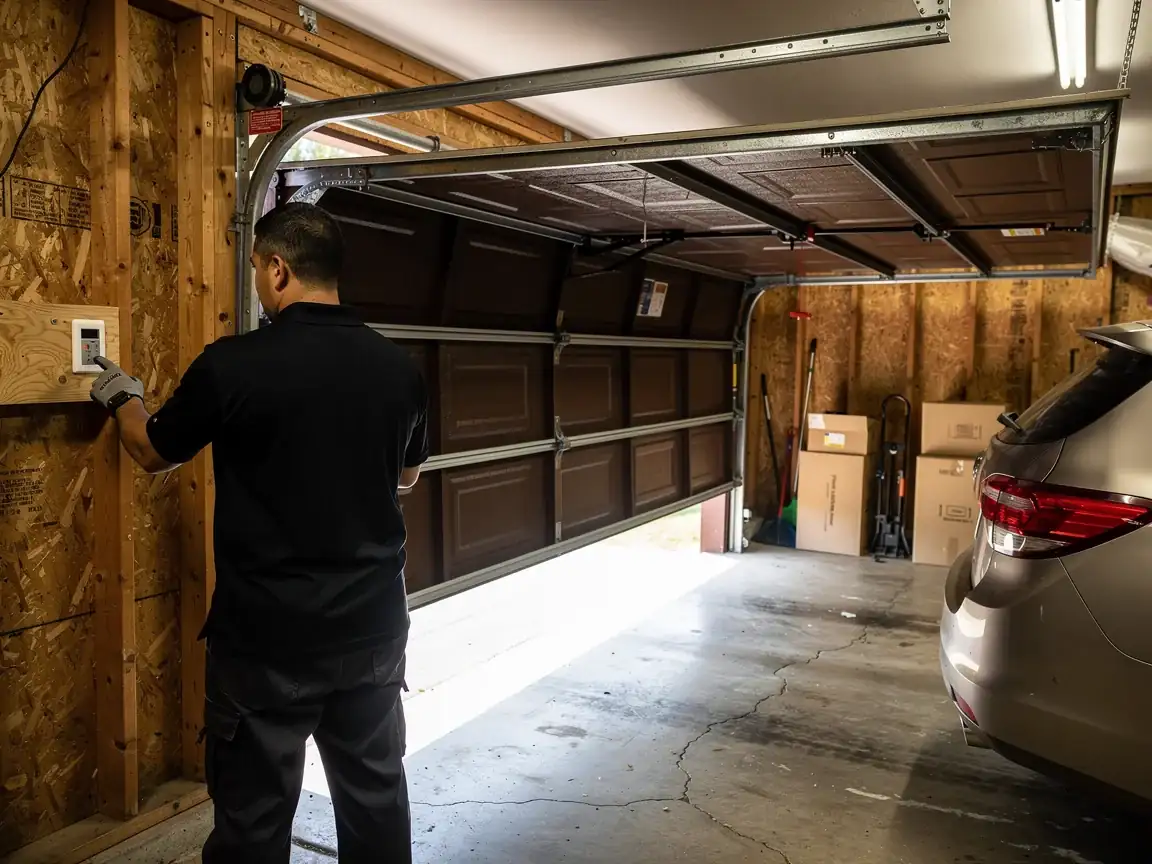
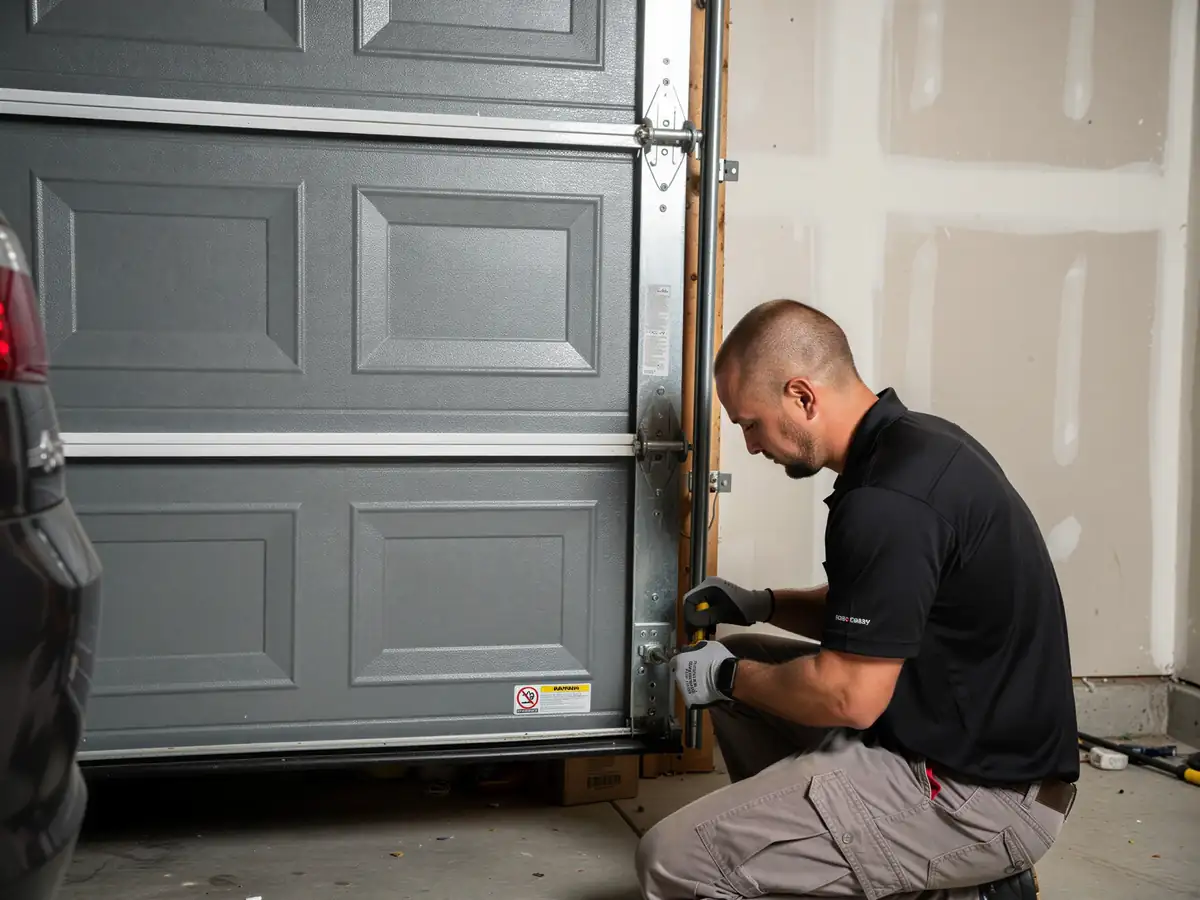
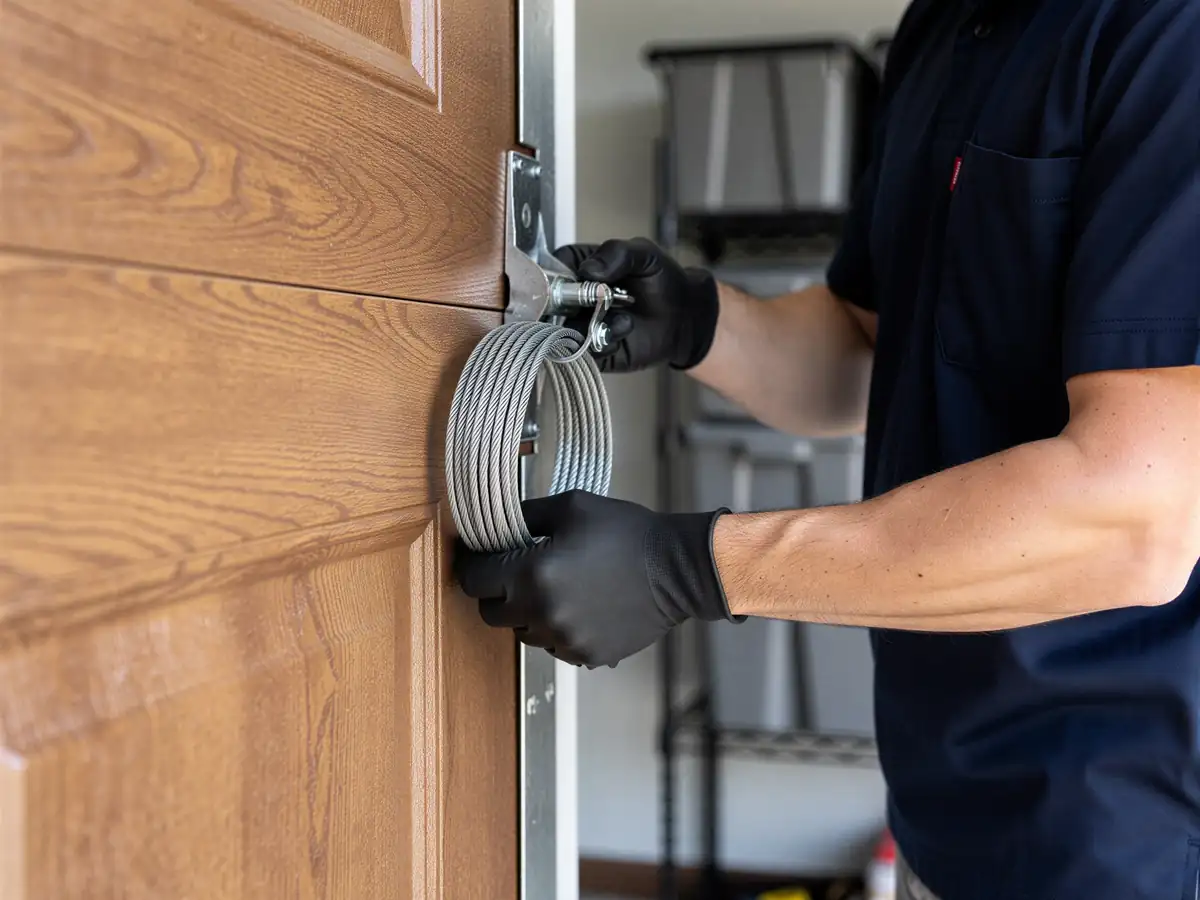
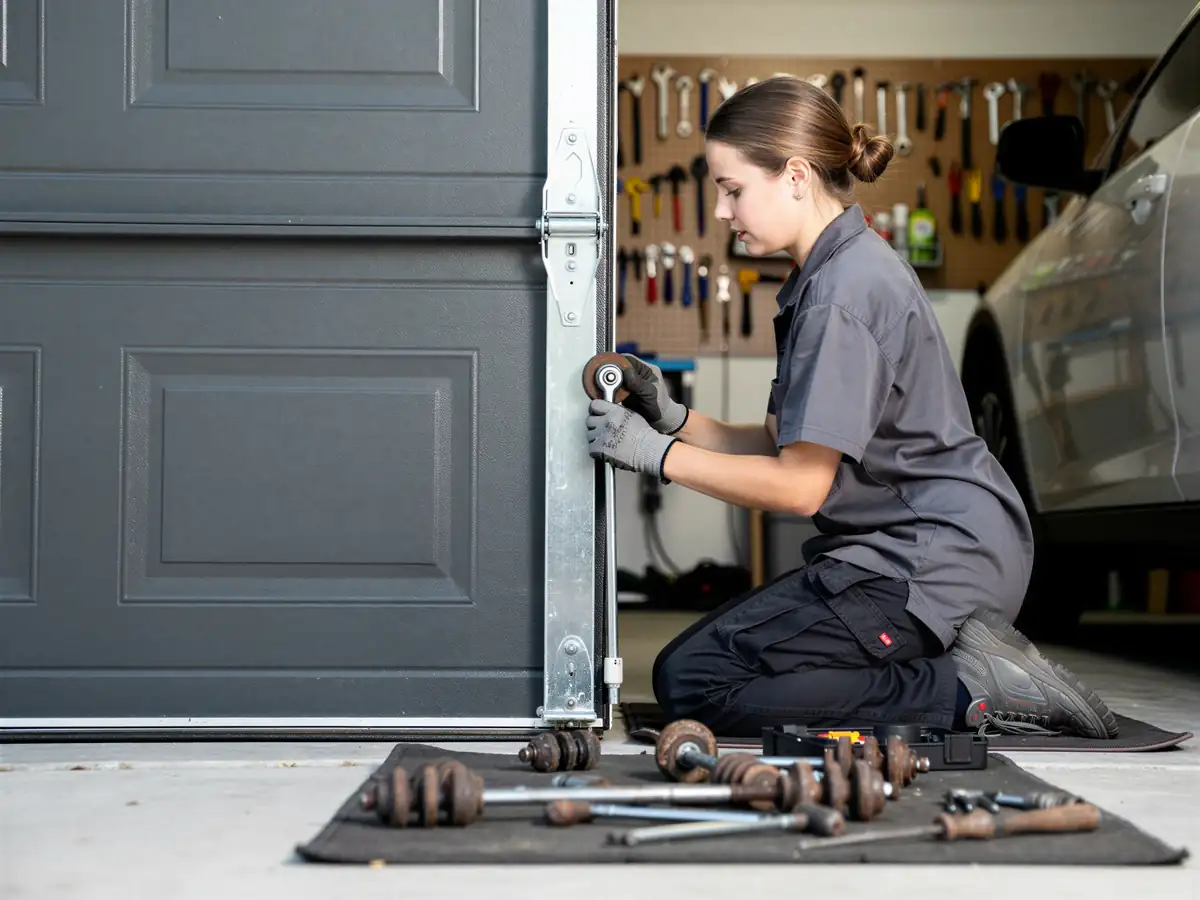
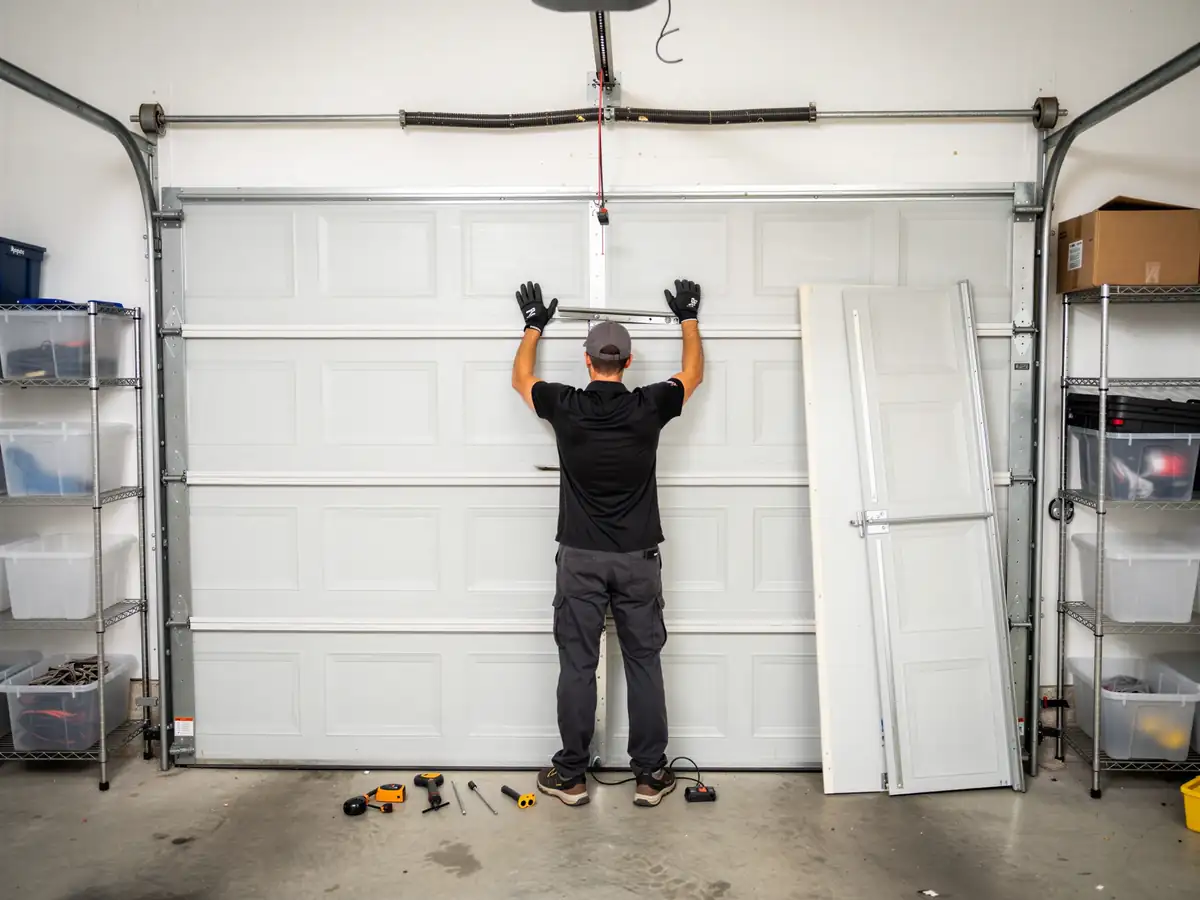
First step is figuring out whether the panel can be matched or whether the whole door needs replacing. Doors from this era often used panel profiles and hinge spacing that aren't made anymore, so an exact single-section match isn't always possible. When it is, we pull the damaged section, transfer the hardware, and set it back into the track without touching the rest of the door.
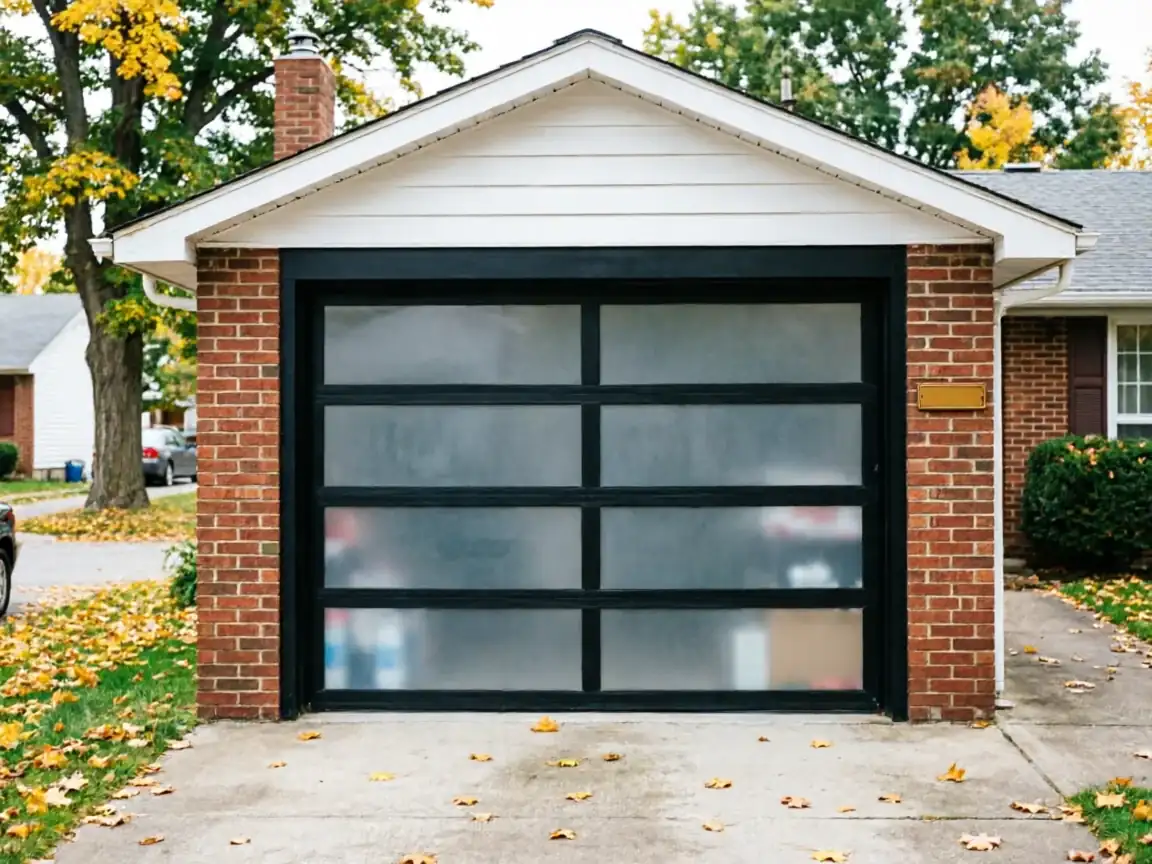
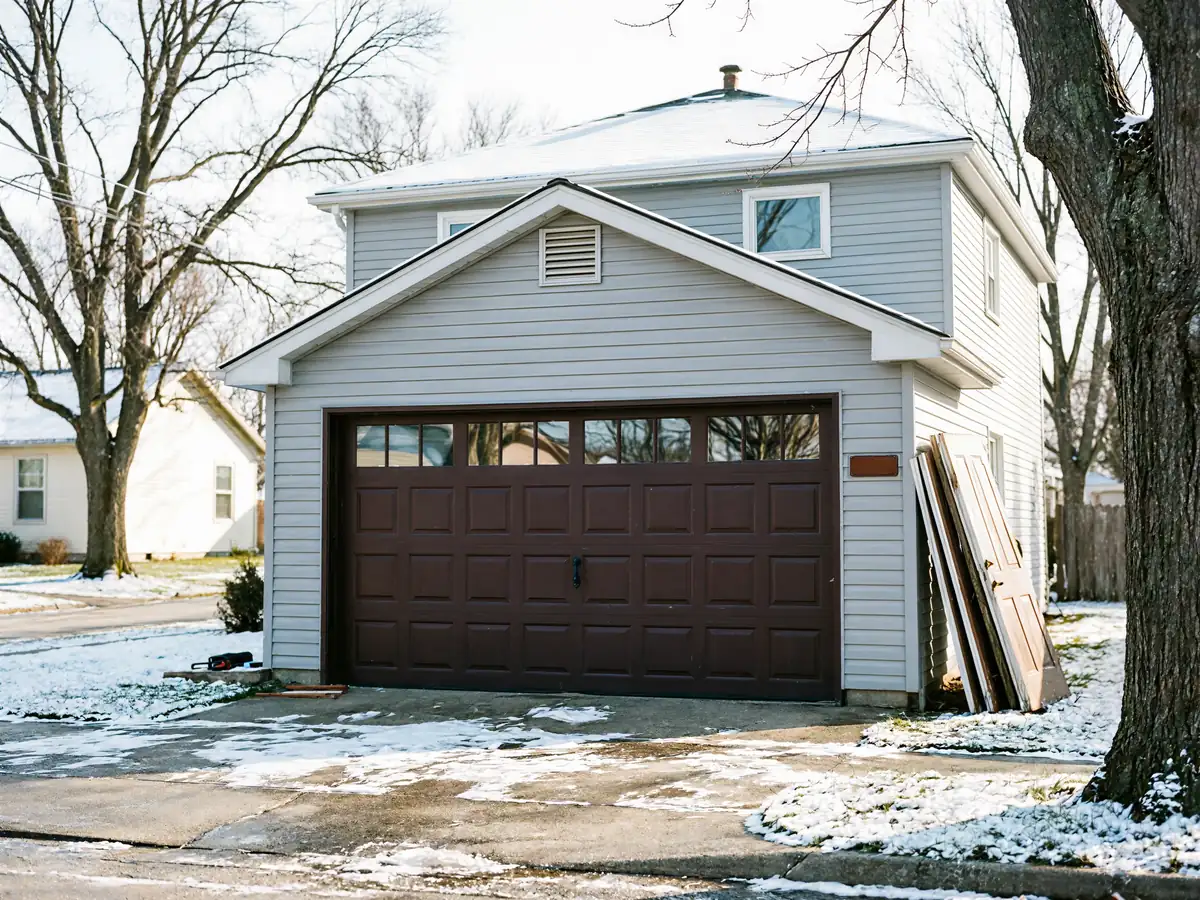
When a match isn't available, the honest call is usually full door replacement rather than a mismatched panel that throws off the look and the balance. With median household income in this area around $86,641, most owners we talk to would rather spend once on a door that matches than patch a doorthat looks obviously pieced together.
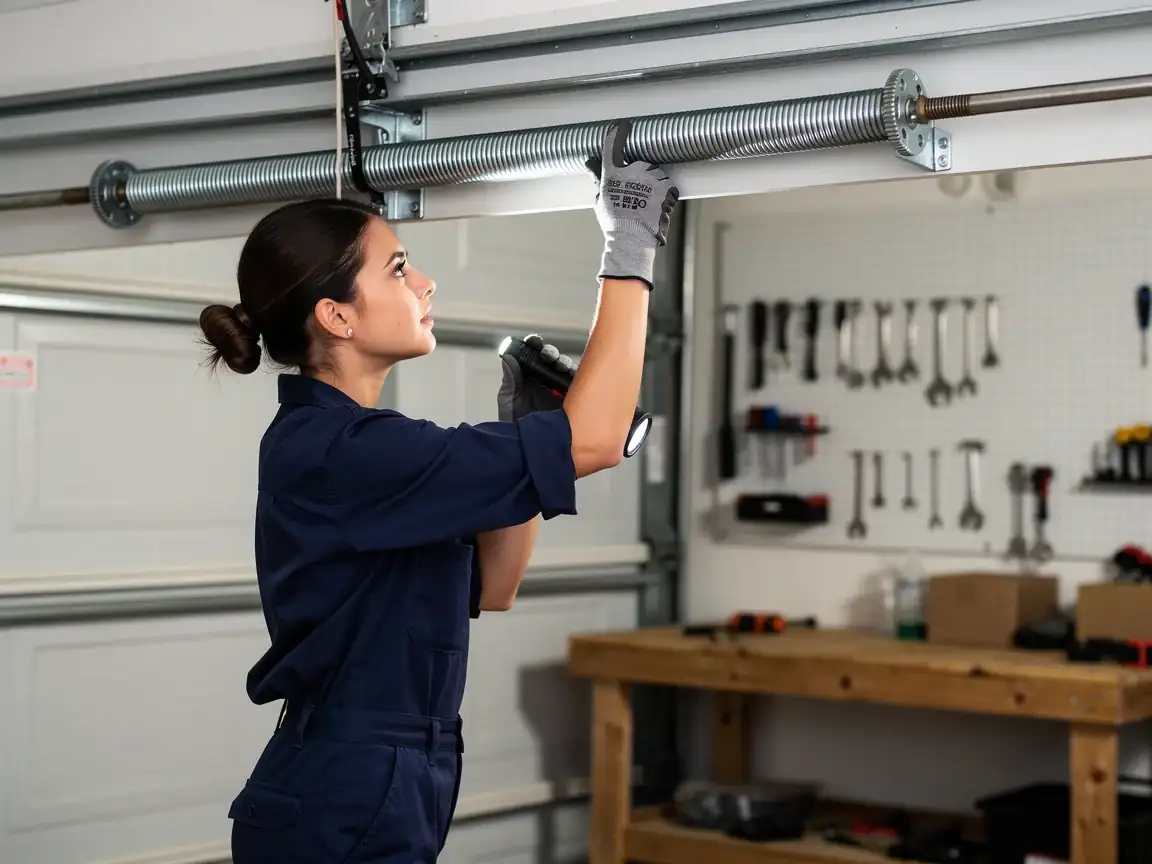
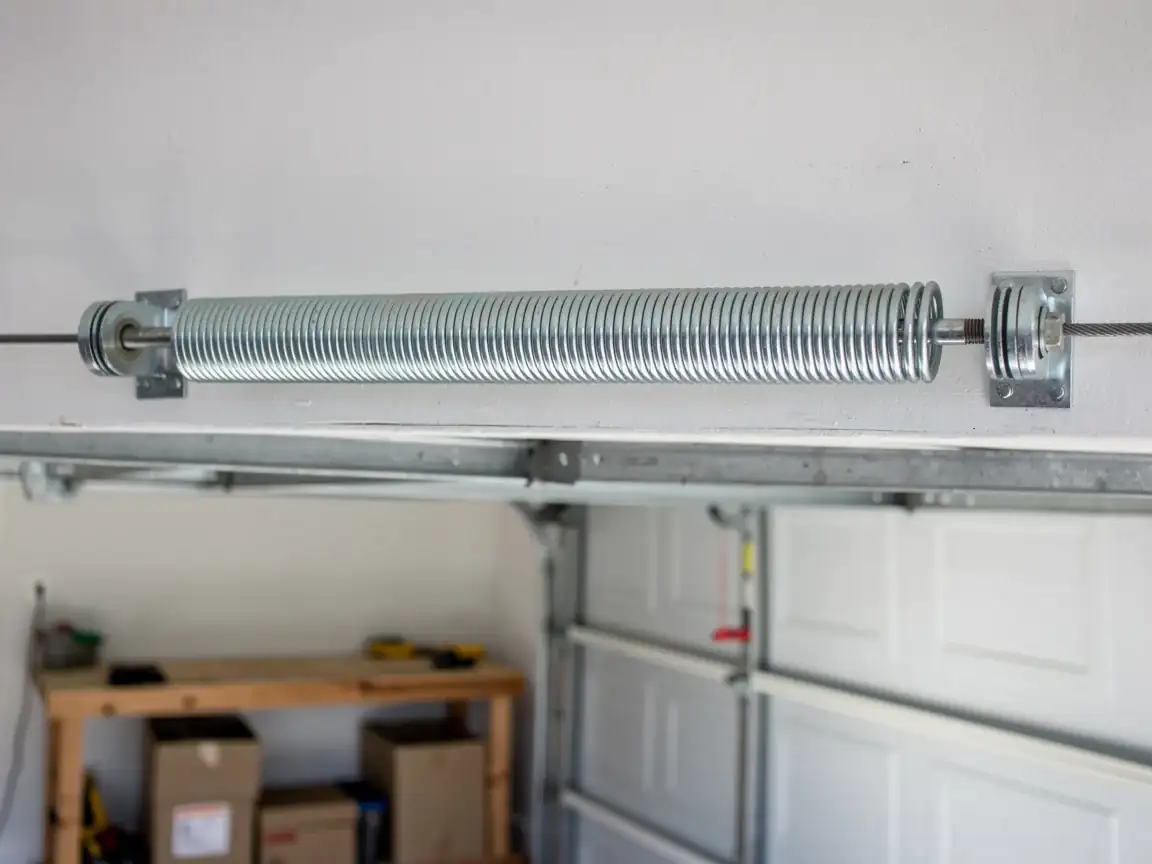
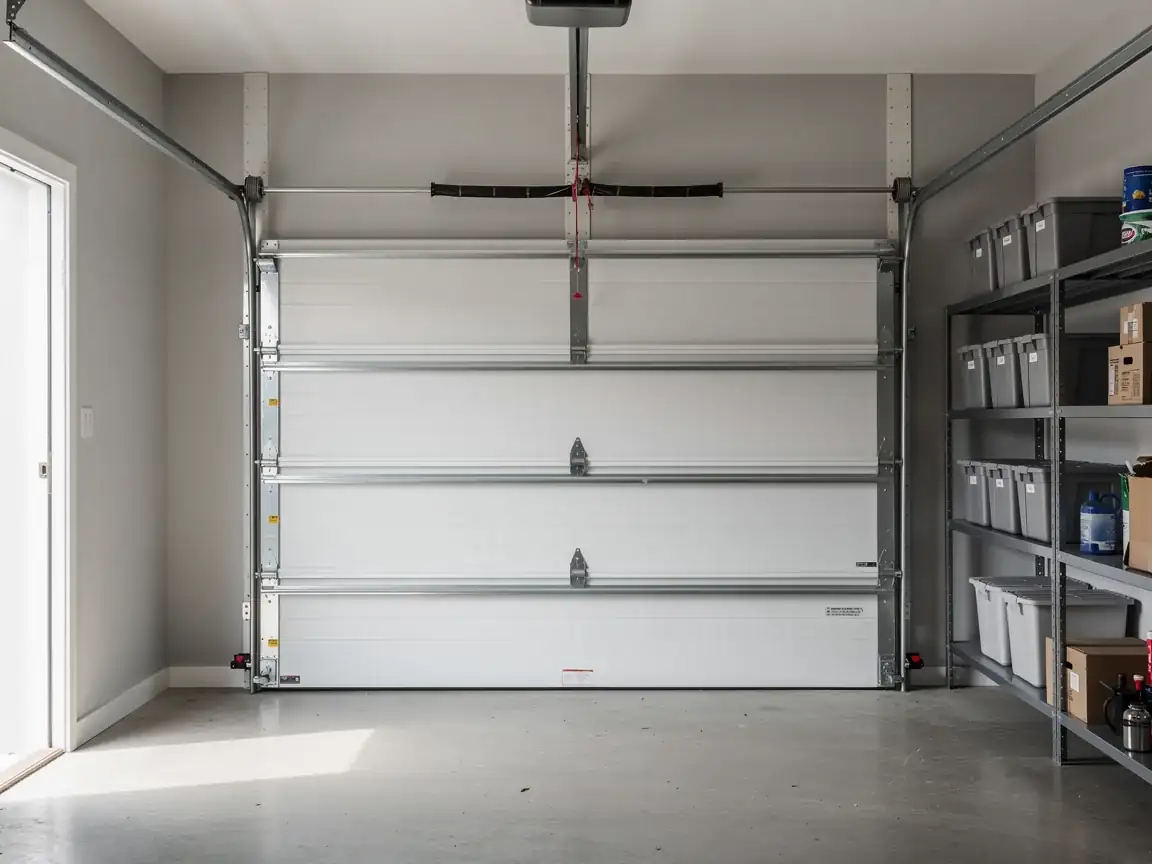
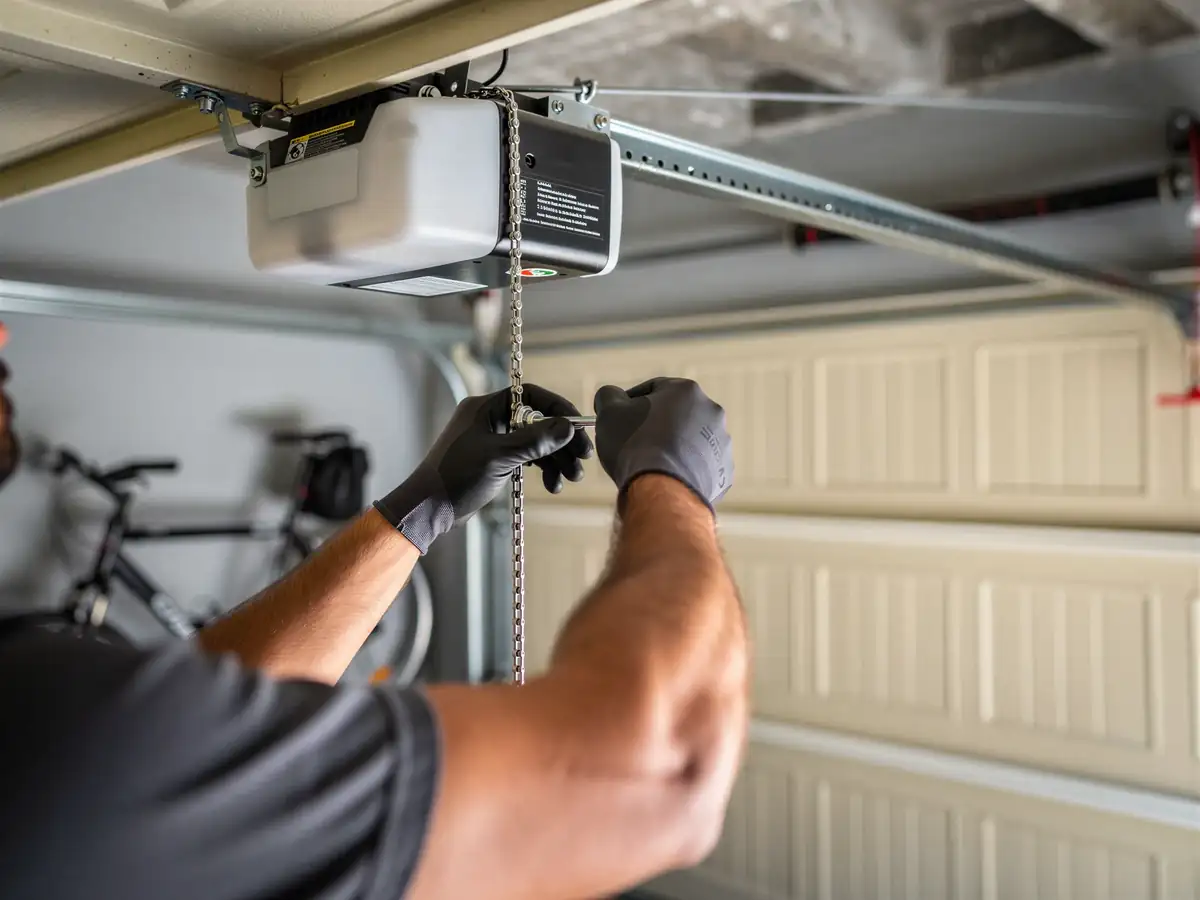
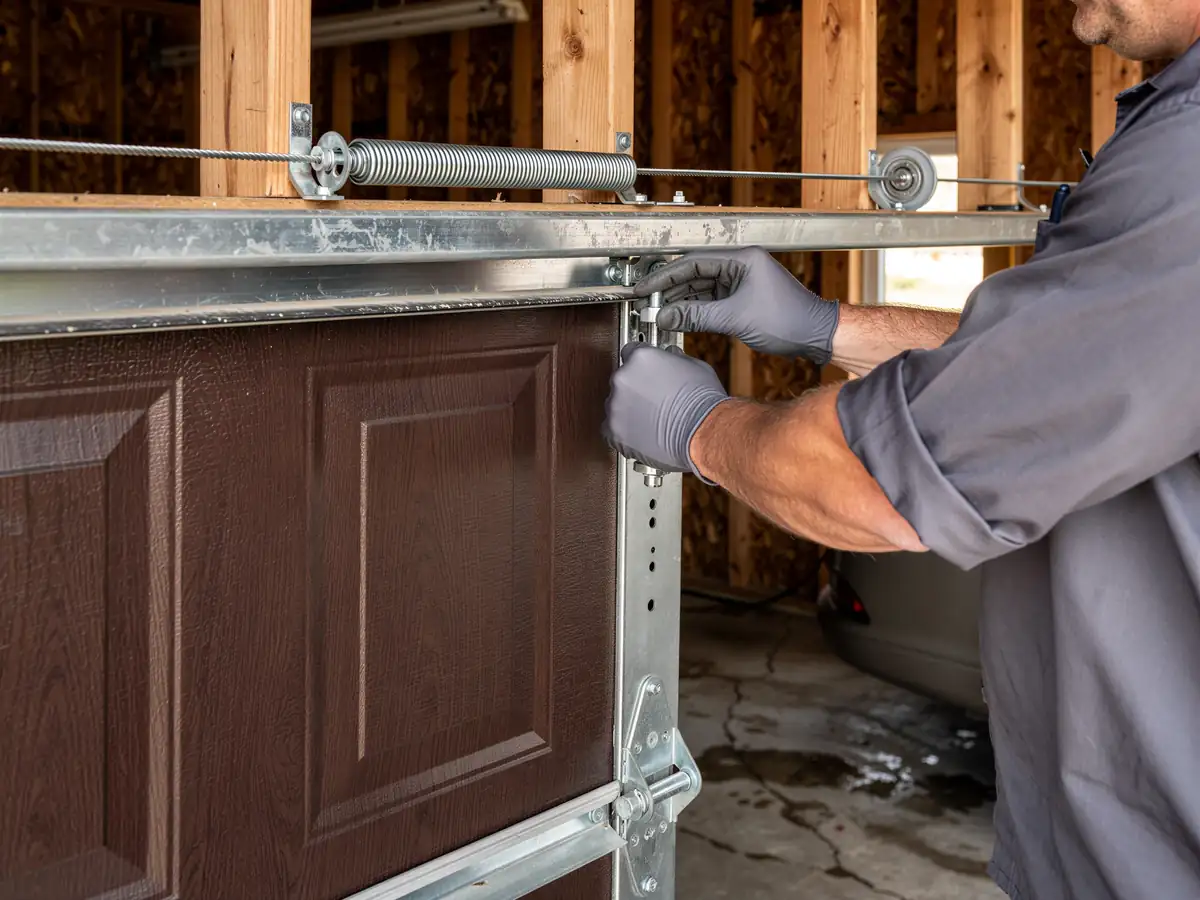
Either way, the spring tension has to be reset and the track alignment checked before the door goes back into regular use. A panel swap that skips that step is a callback waiting to happen. This is one job where skipping steps to save time costs the owner more later.
The Symptom
The giveaway is usually visual before it's mechanical
A dent or buckle on the bottom panel, a rust stain bleeding through the paint near the base, or a visible gap at a seam where you can see daylight from inside the garage. Sometimes it's subtler - a section that looks fine but doesn't sit flush with its neighbors anymore.
Mechanically, a damaged panel often shows up as the door dragging or binding partway through its cycle
Even though the opener and springs are fine. That's the panel itself flexing out of plane and catching the track.
If you're noticing cold air in the garage that wasn't there before
Or a section that rattles more than the rest of the door, that's worth a look before it becomes a full panel replacement instead of a quick hardware fix. Across the roughly 274,722 households and 148,813 owner-occupied houses we serve - from Clarkson Valley out to Kirkwood - this is one of the most common calls we get on homes from the 1960s and '70s building wave.
- 274,722 households
- 148,813 owner-occupied