Why It Happens Here
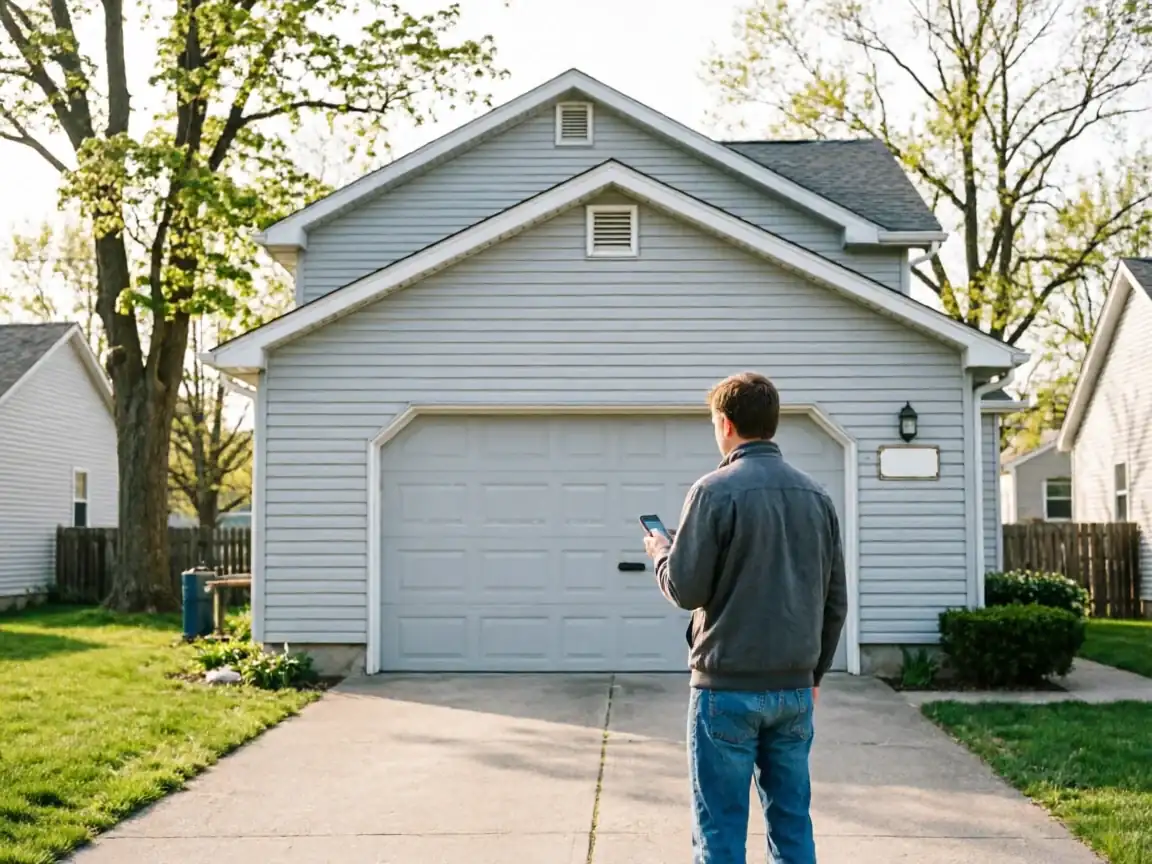
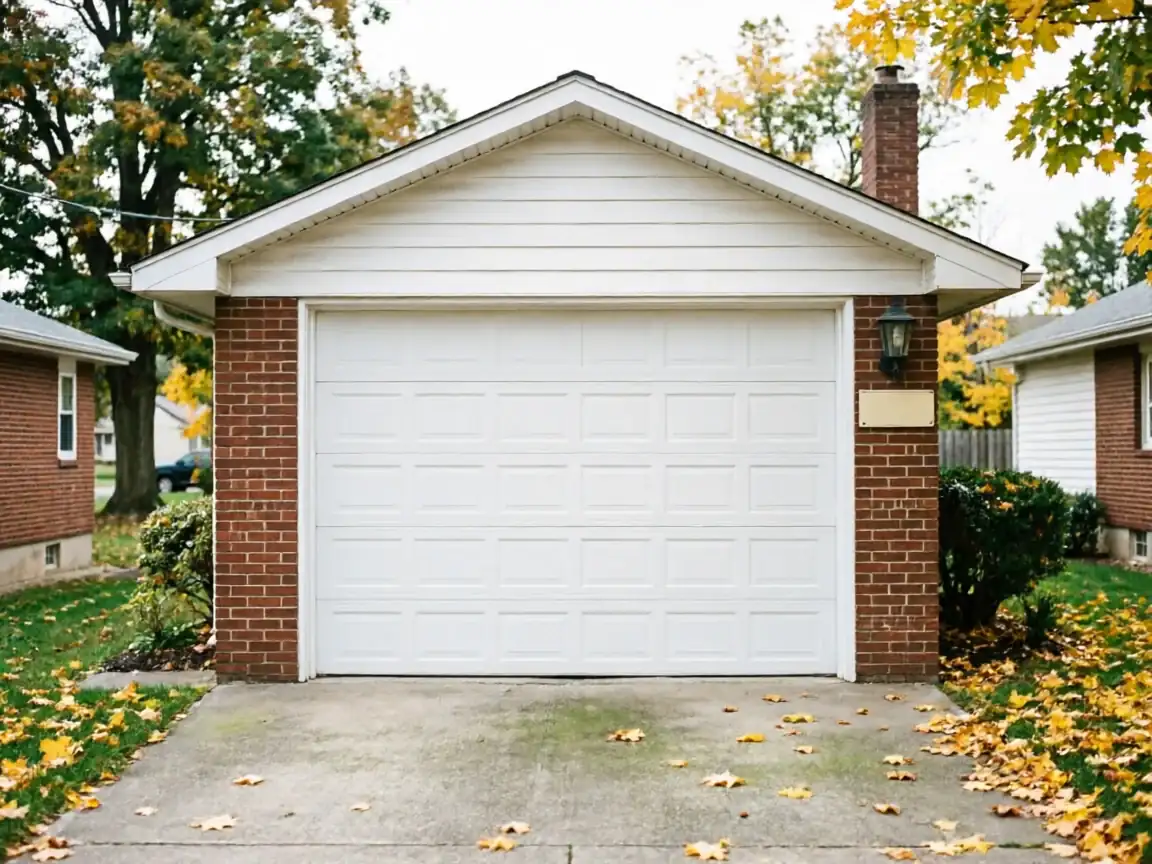
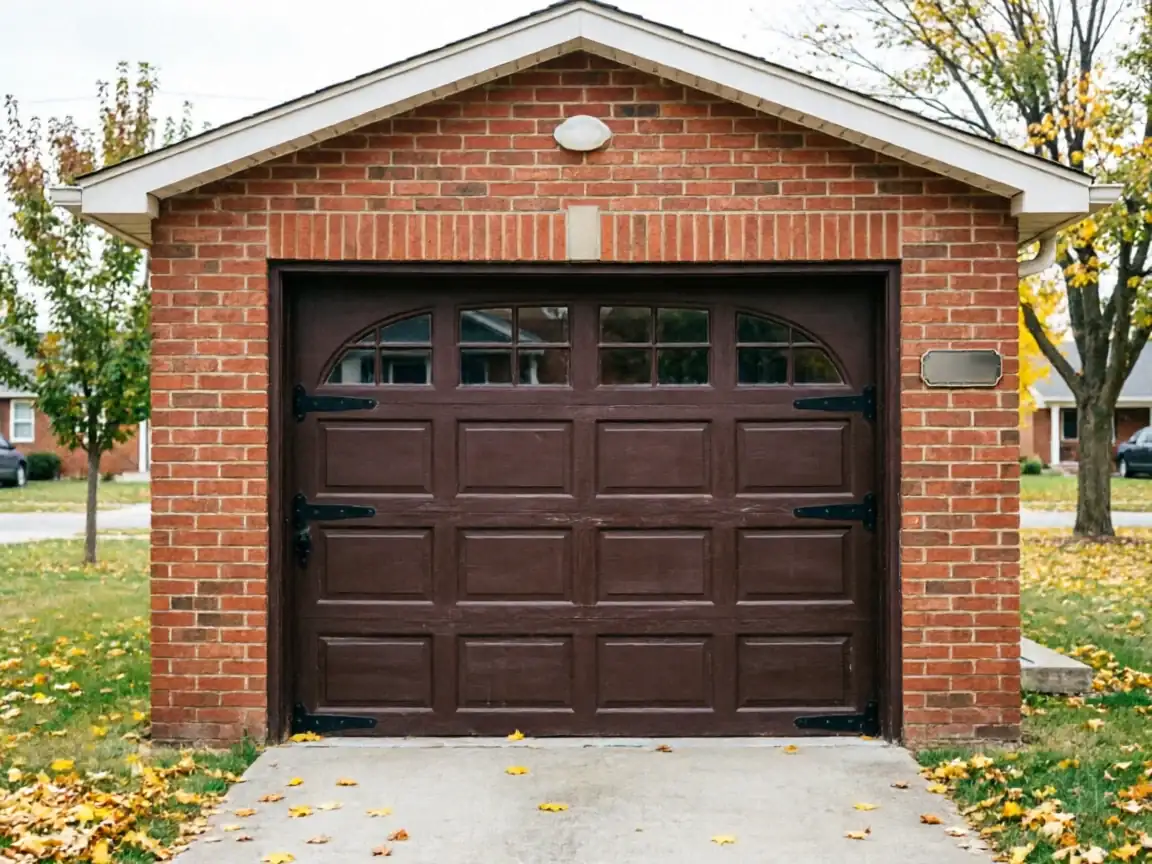
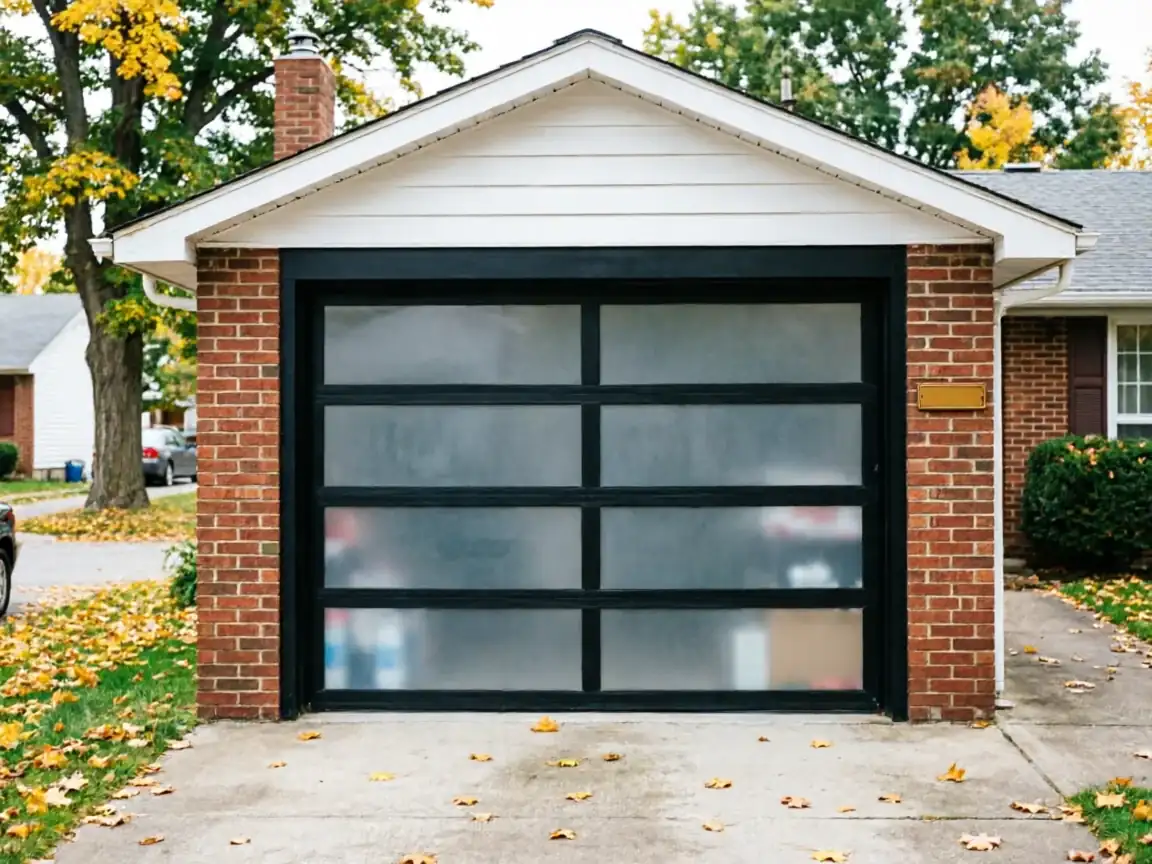
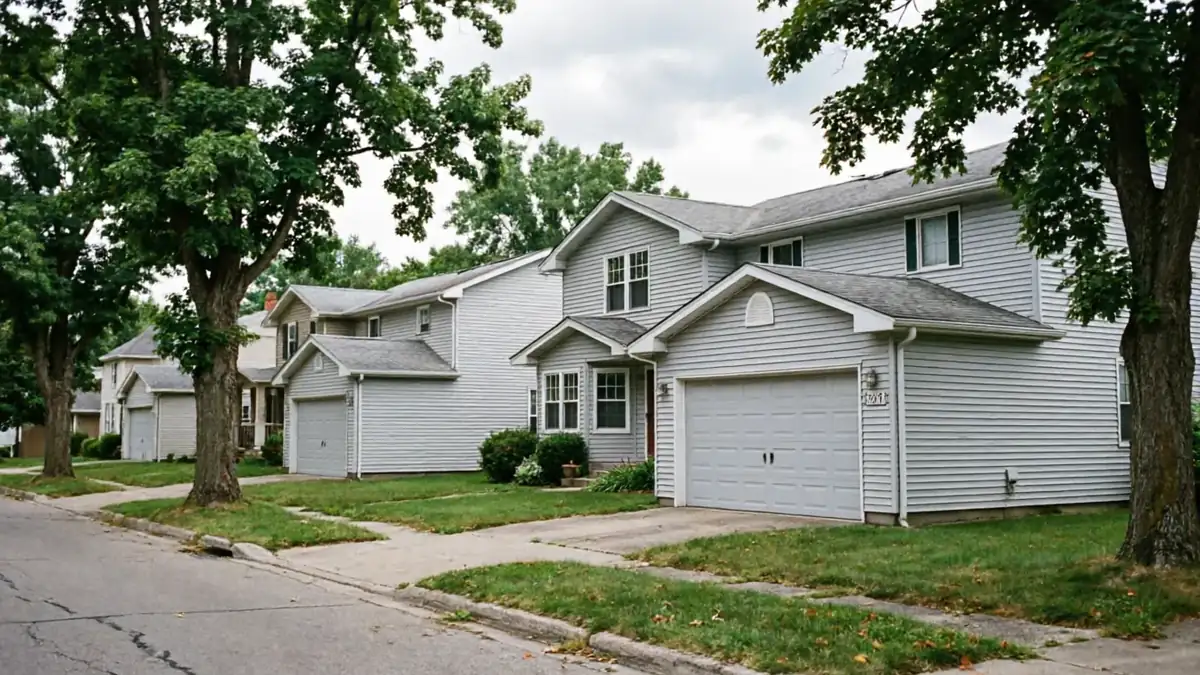
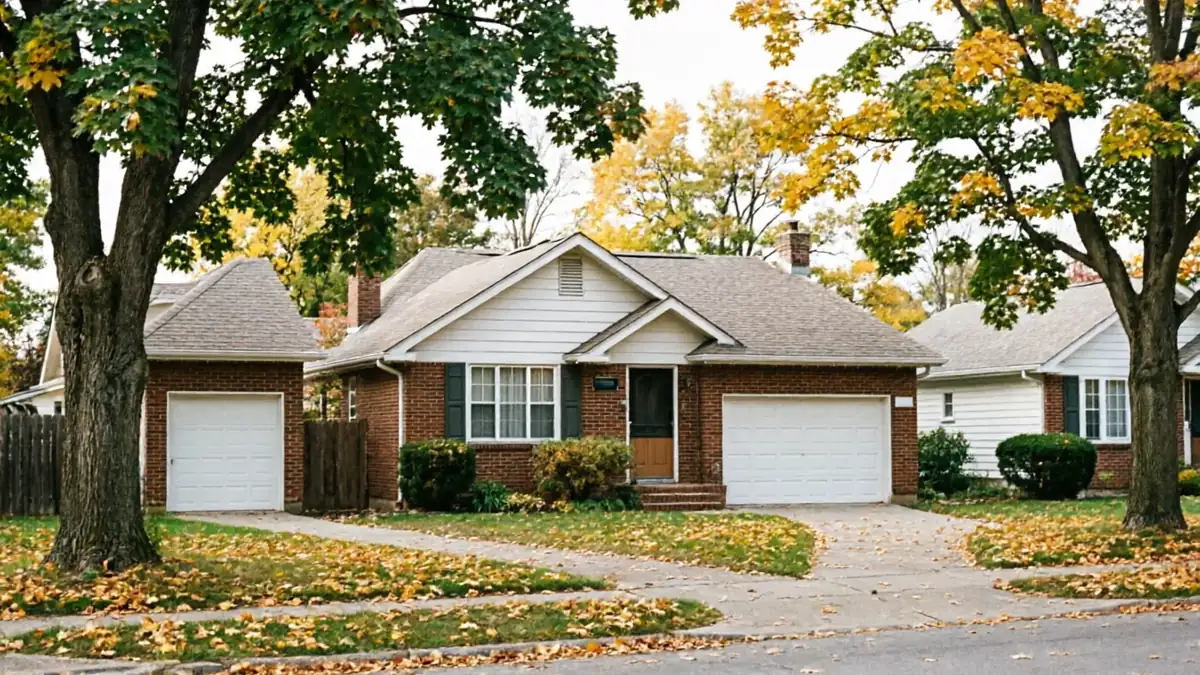
Most of the housing across this service area went up between 1947 and 2011
With the median build year sitting around 1969 and the bulk of it dating to the 1960s and '70s across the 55 named subdivisions in this corner of the county. That matters for maintenance because doors and openers installed during that window are old enough that their factory lubrication, weatherstripping, and hardware tolerances have long since worn past spec, even if nobody's touched them.
Add a cold, moderate climate band and you get a second problem on top of age
Steel contracts in winter, grease stiffens, and a spring that was already fatigued from decades of cycles loses tension faster when the garage sits below 40 degrees for weeks at a stretch. None of that shows up as a sudden failure. It shows up as a door that's gotten a little louder, a little slower, a little harder to lift by hand - the kind of change homeowners get used to instead of calling about.
We see this pattern across the whole service area, not just one neighborhood
A 1965 split-level in an older subdivision and a newer build from the 2000s both need maintenance, but for different reasons - one's fighting age, the other's still breaking in hardware that hasn't been checked since installation.
What Can Go Wrong
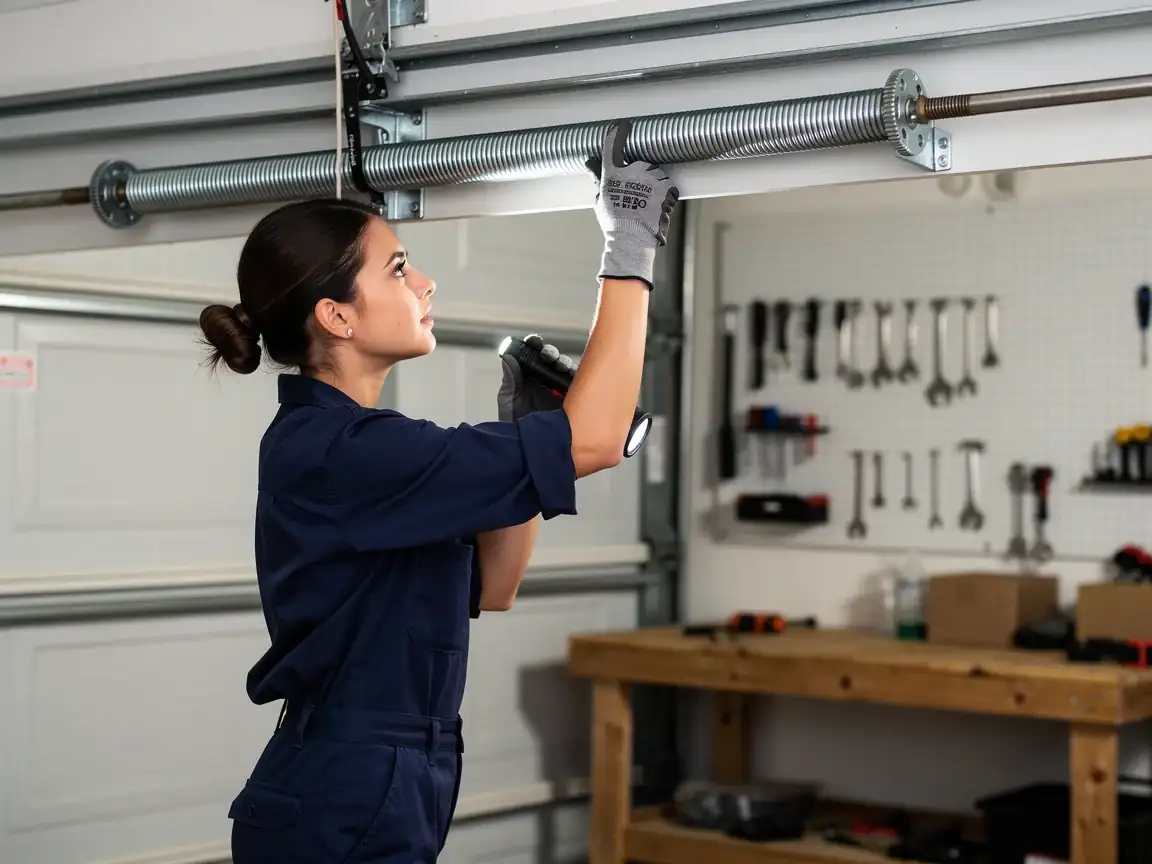
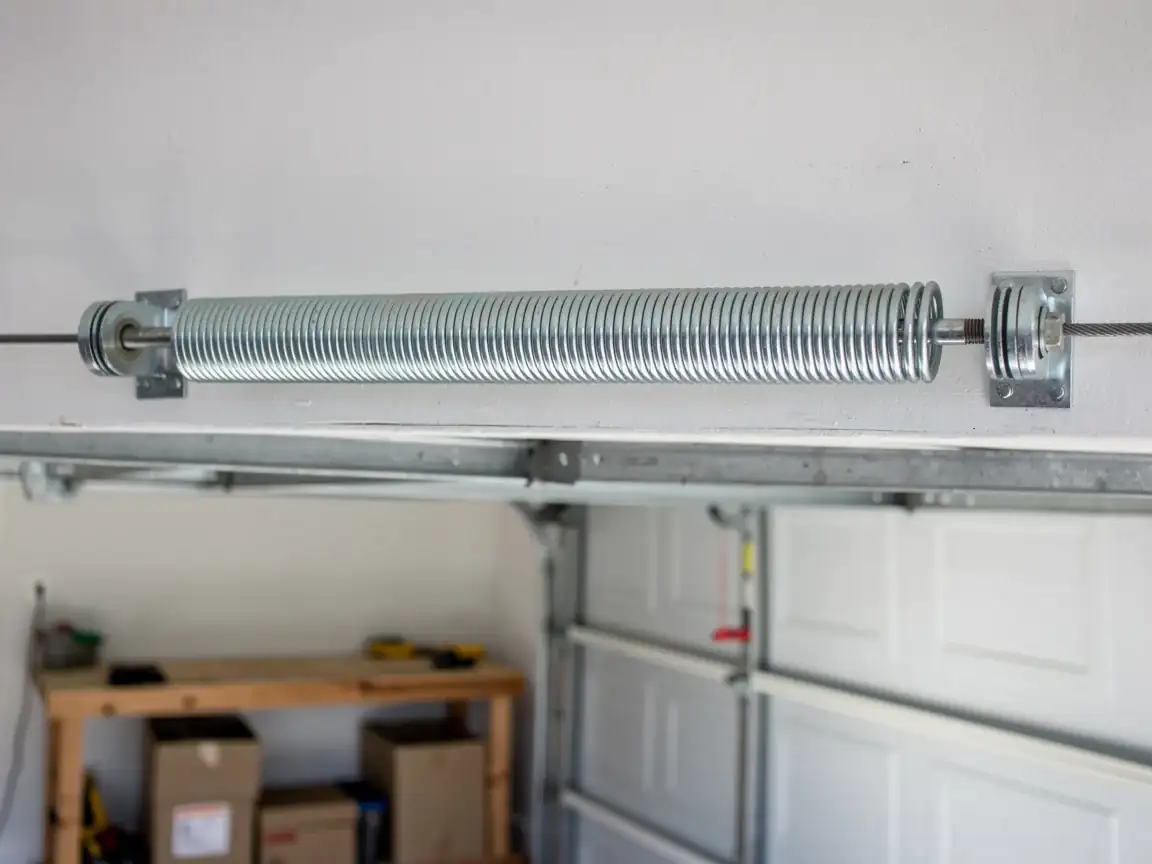
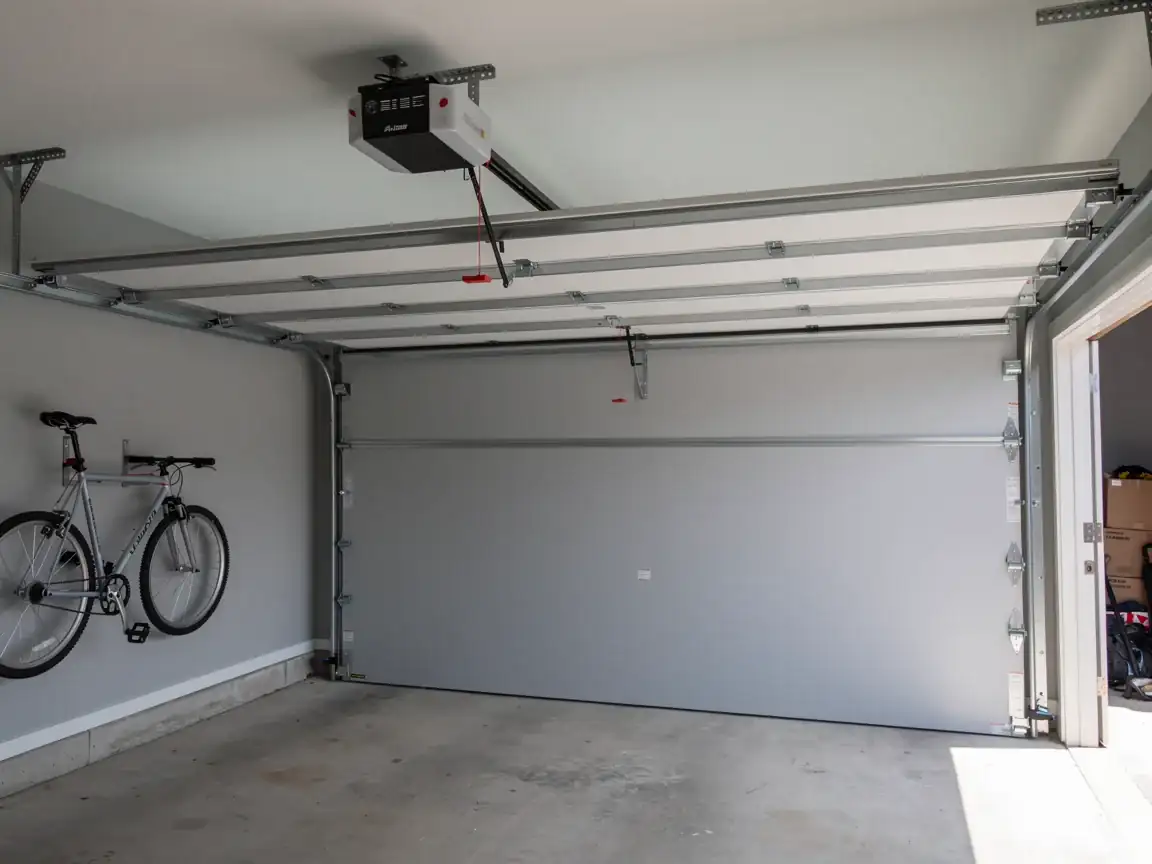
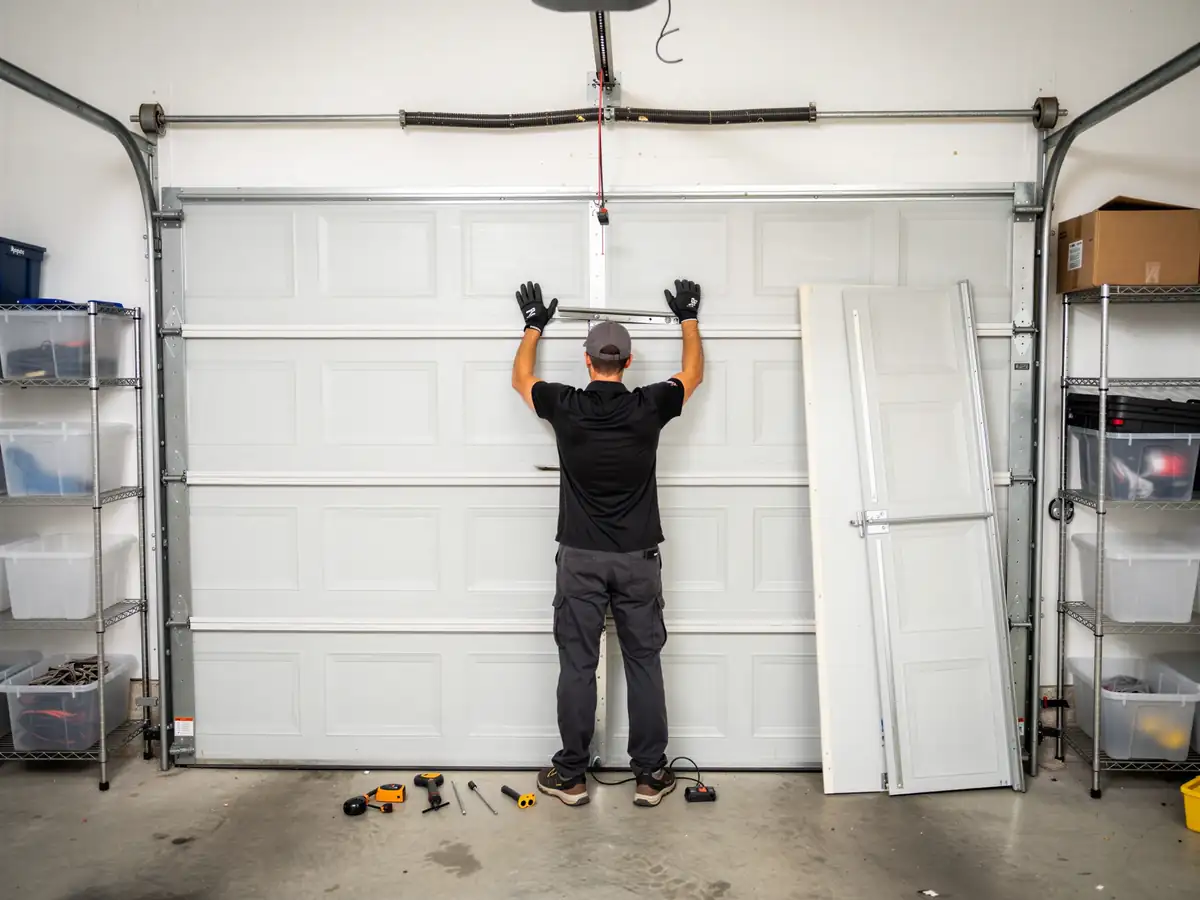
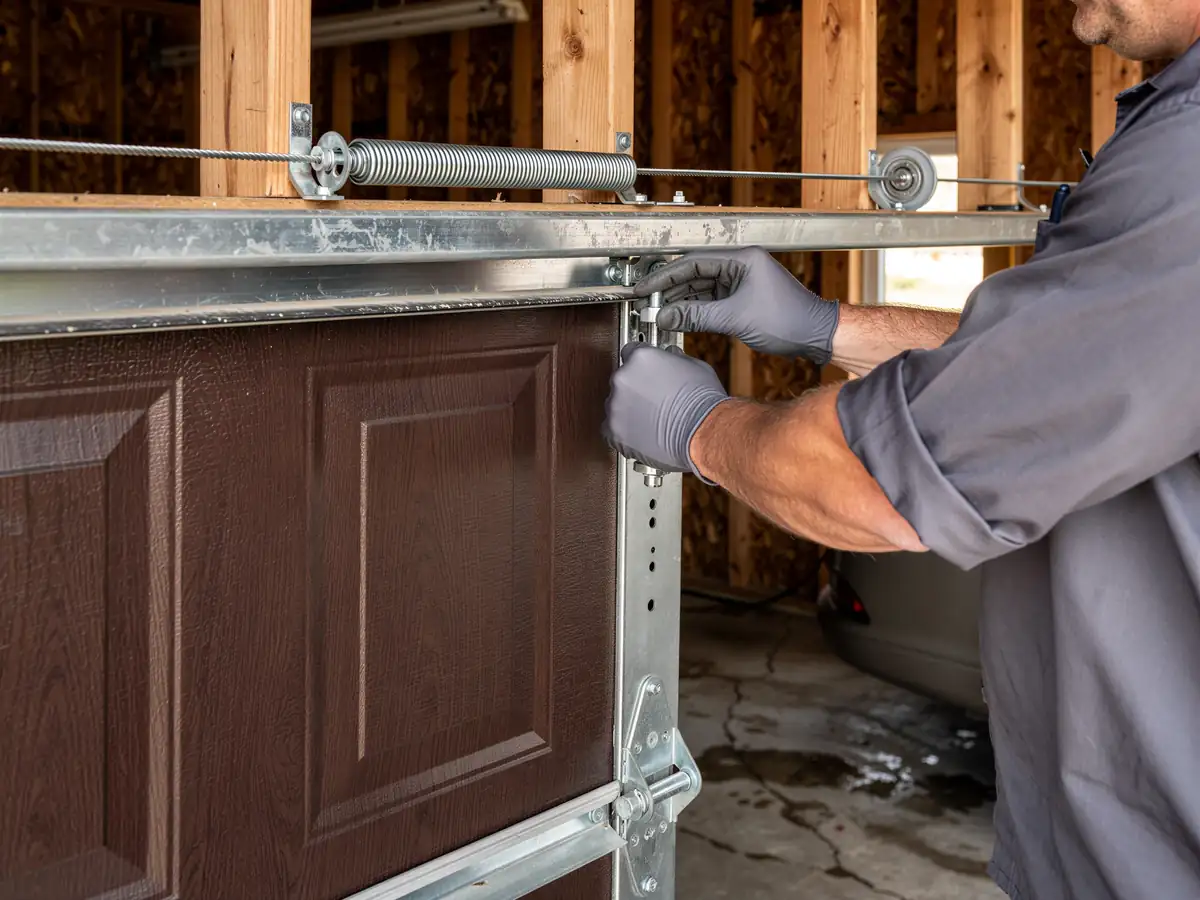
Unmaintained torsion springs on older doors lose coil tension unevenly, so one side pulls harder than the other and the door starts to rack sideways in the tracks. That's common on houses from the 1960s and '70s stock where the original springs are still in service decades past their cycle life.
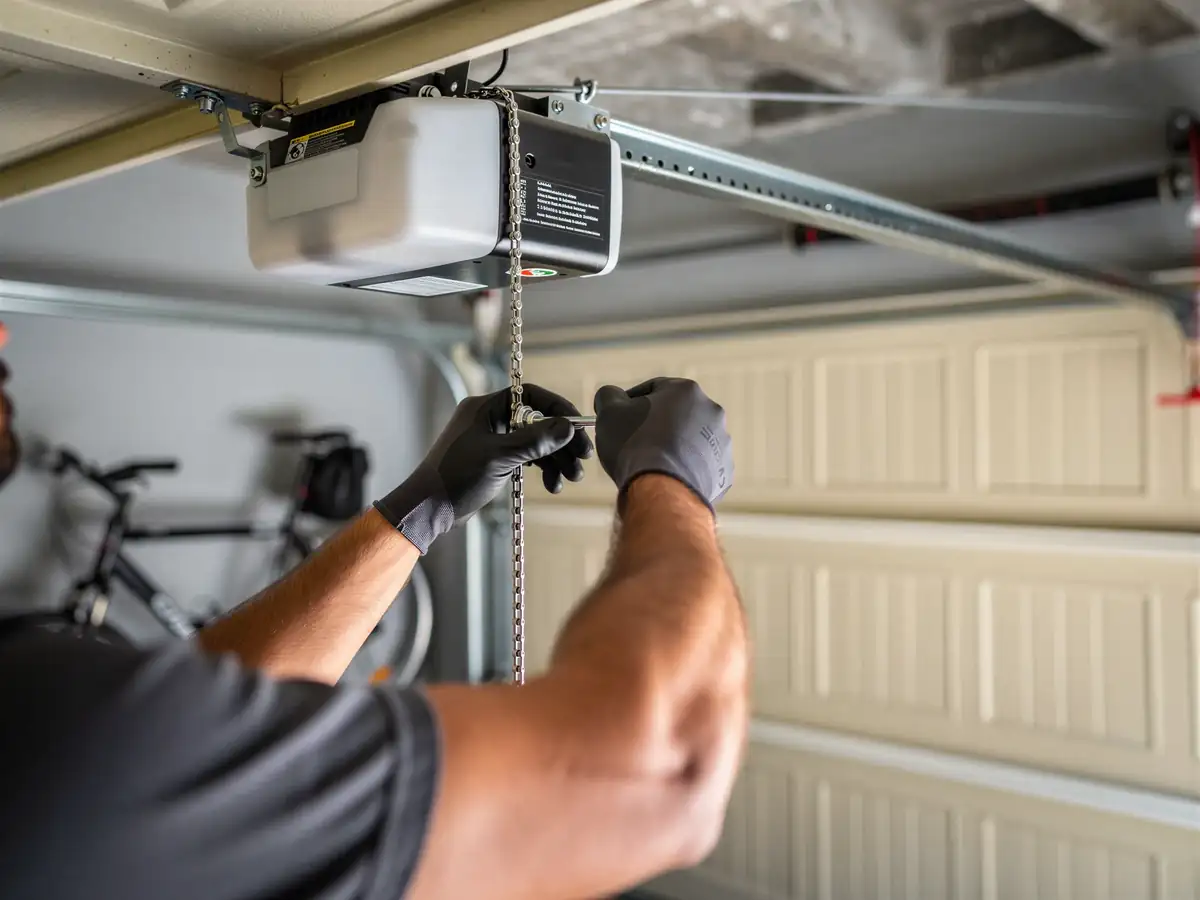
Rollers and hinges dry out and bind, especially after a stretch of cold weather, which puts extra load on the opener's drive gear. On older openers that gear is plastic, and a door that's dragging will wear it down faster than normal use would.
Weatherstripping on older units cracks and shrinks, which lets cold air into the garage and, on attached garages, into the house. It's a small thing that gets worse every winter it's ignored.
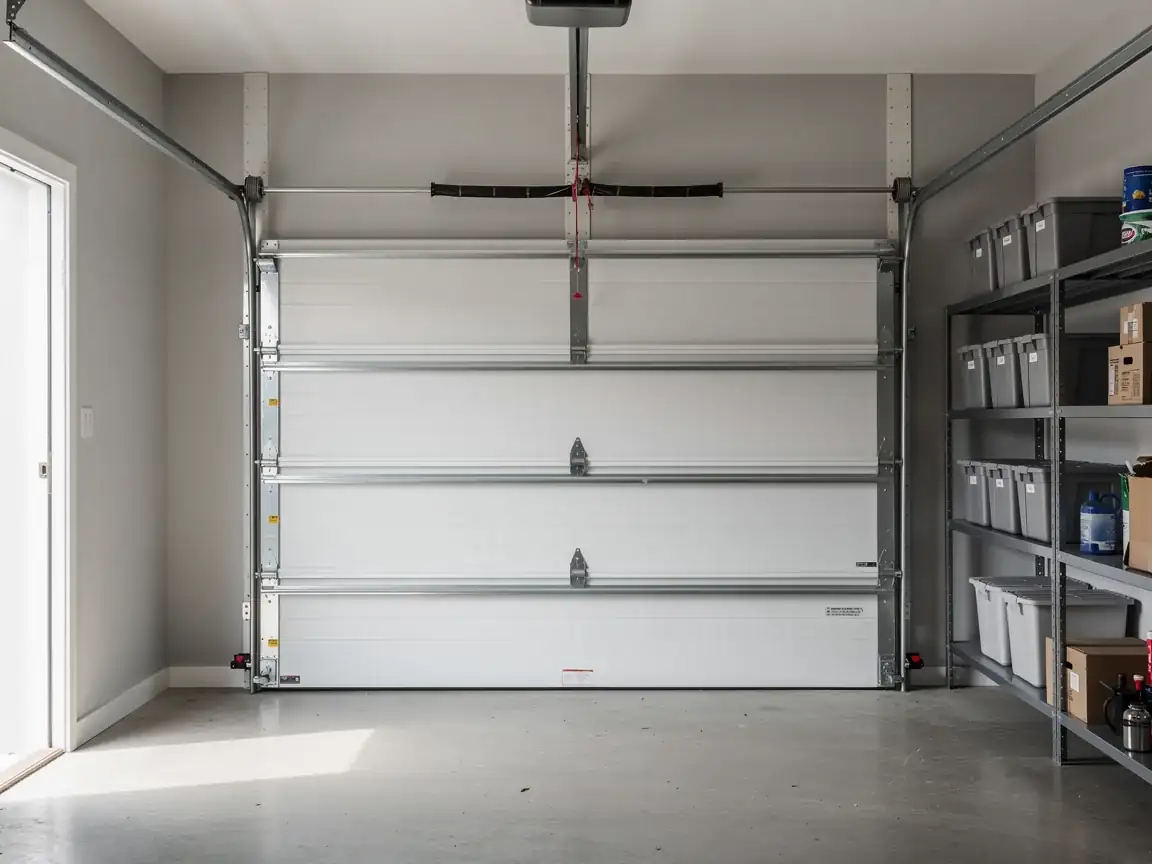
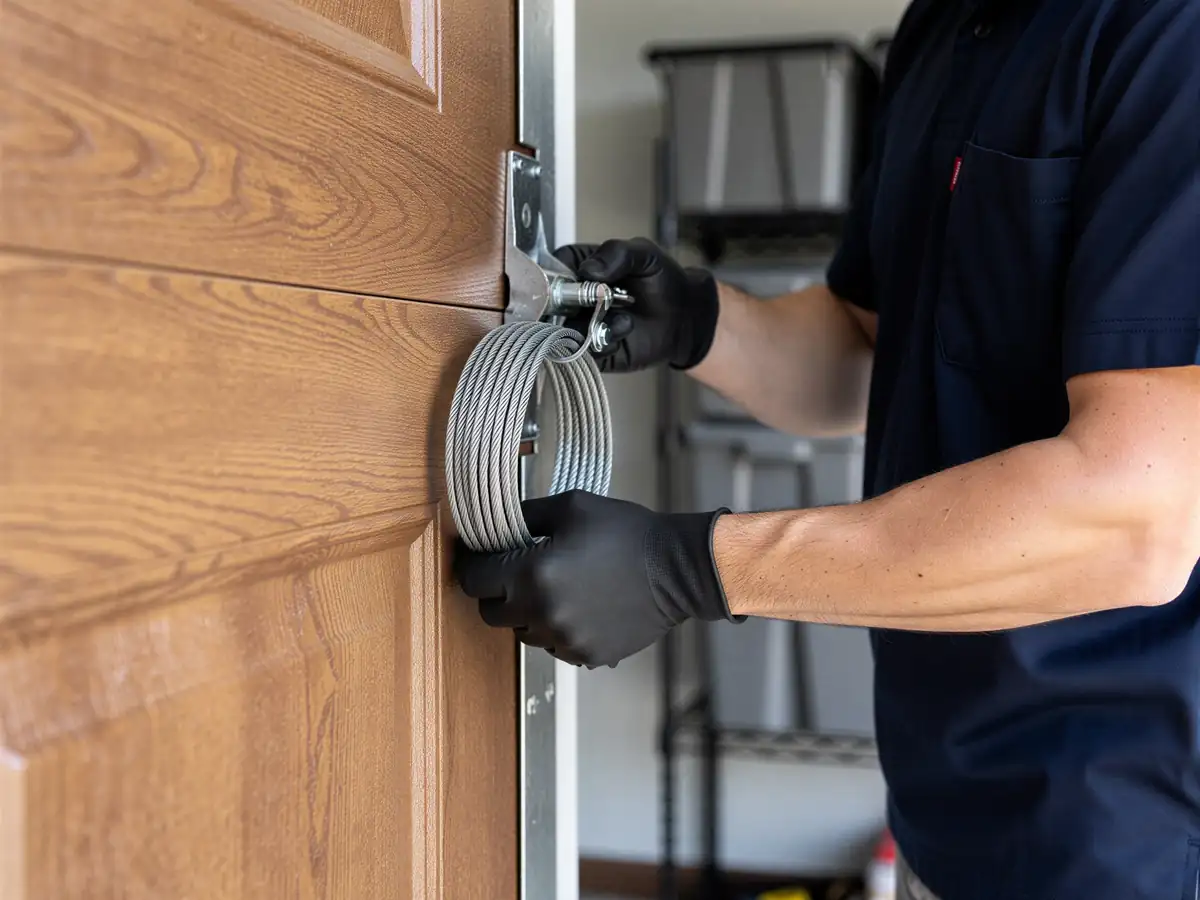
Cables fray where they wrap the drum, usually on doors that haven't had the drum-to-cable alignment checked in years. A frayed cable under tension is one of the faster ways a routine lift turns into a dropped door.
What the Fix Involves
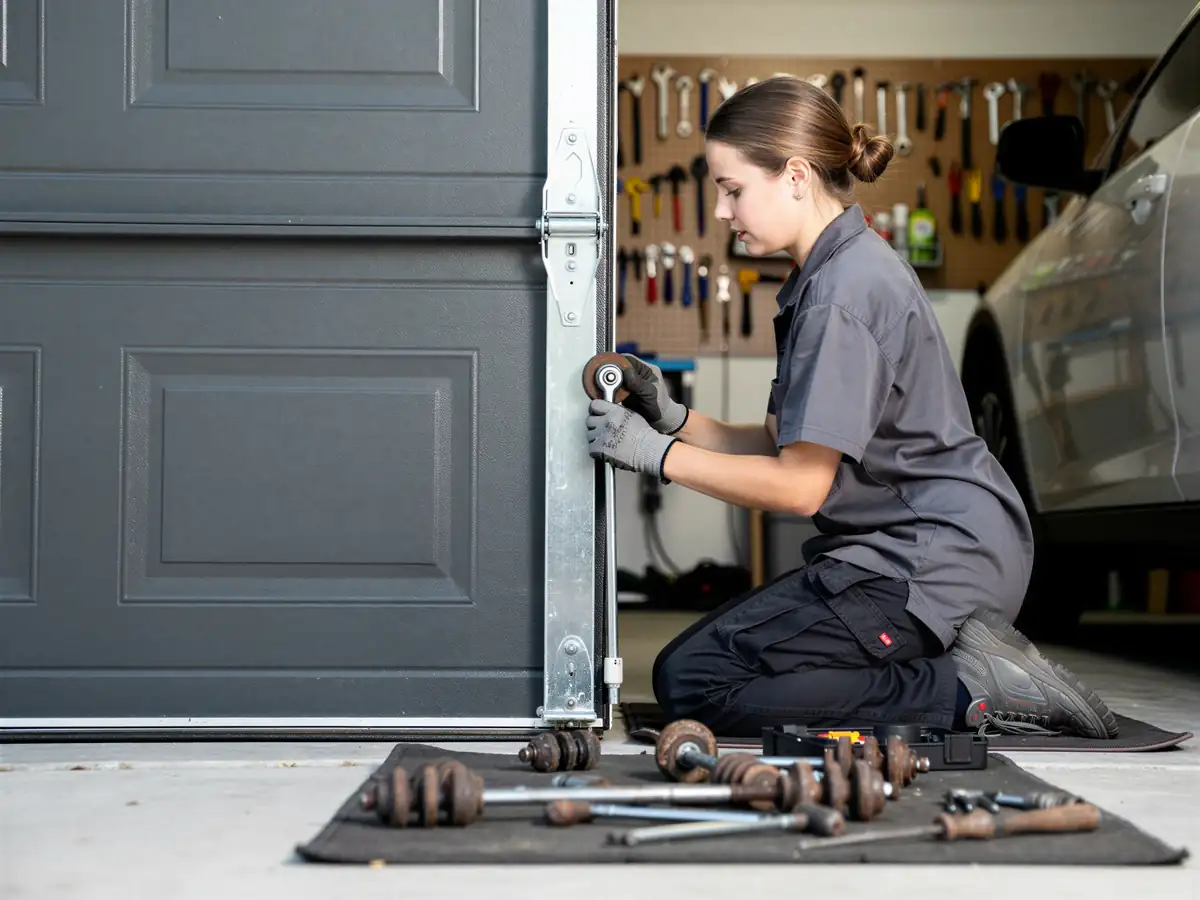
A real maintenance visit starts with checking spring tension and balance - lifting the door halfway and seeing whether it holds. On houses built in the median era around 1969, this is usually the first thing that's off, and it's adjustable without replacing the spring if it hasn't gone past safe limits.
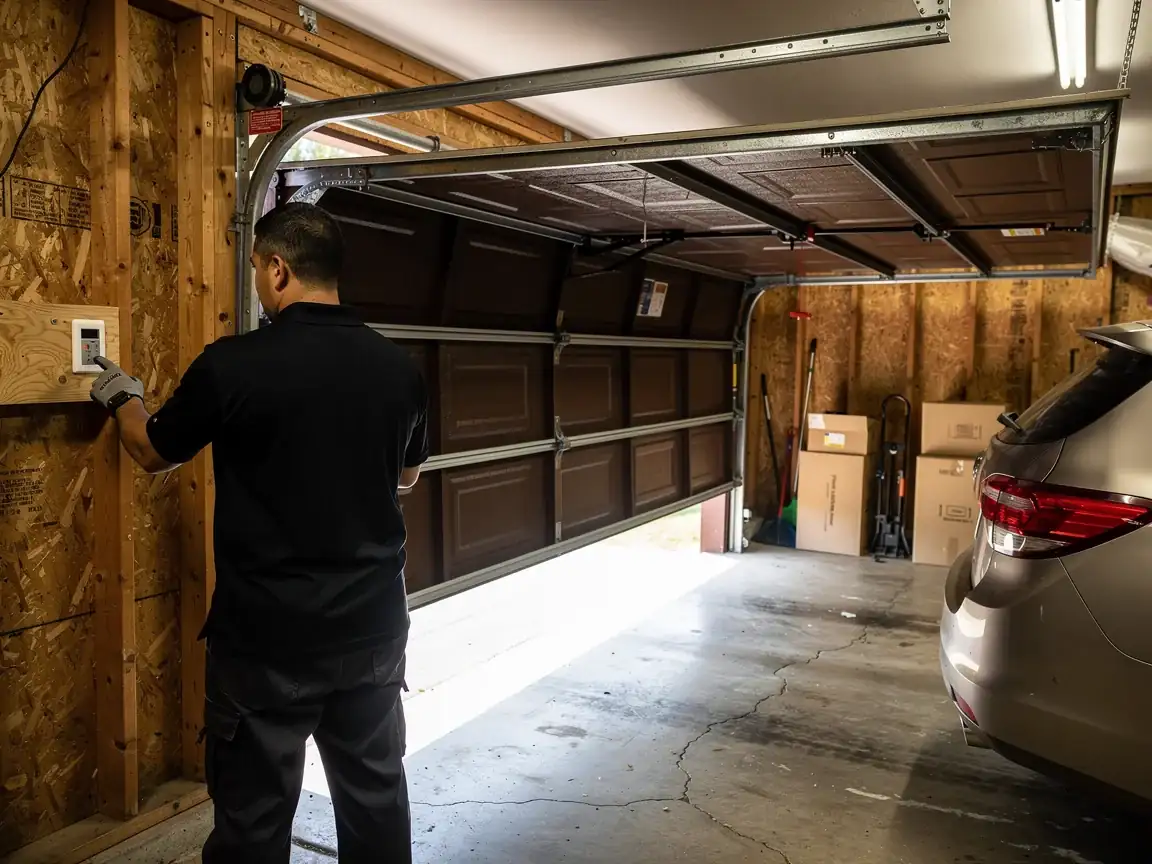
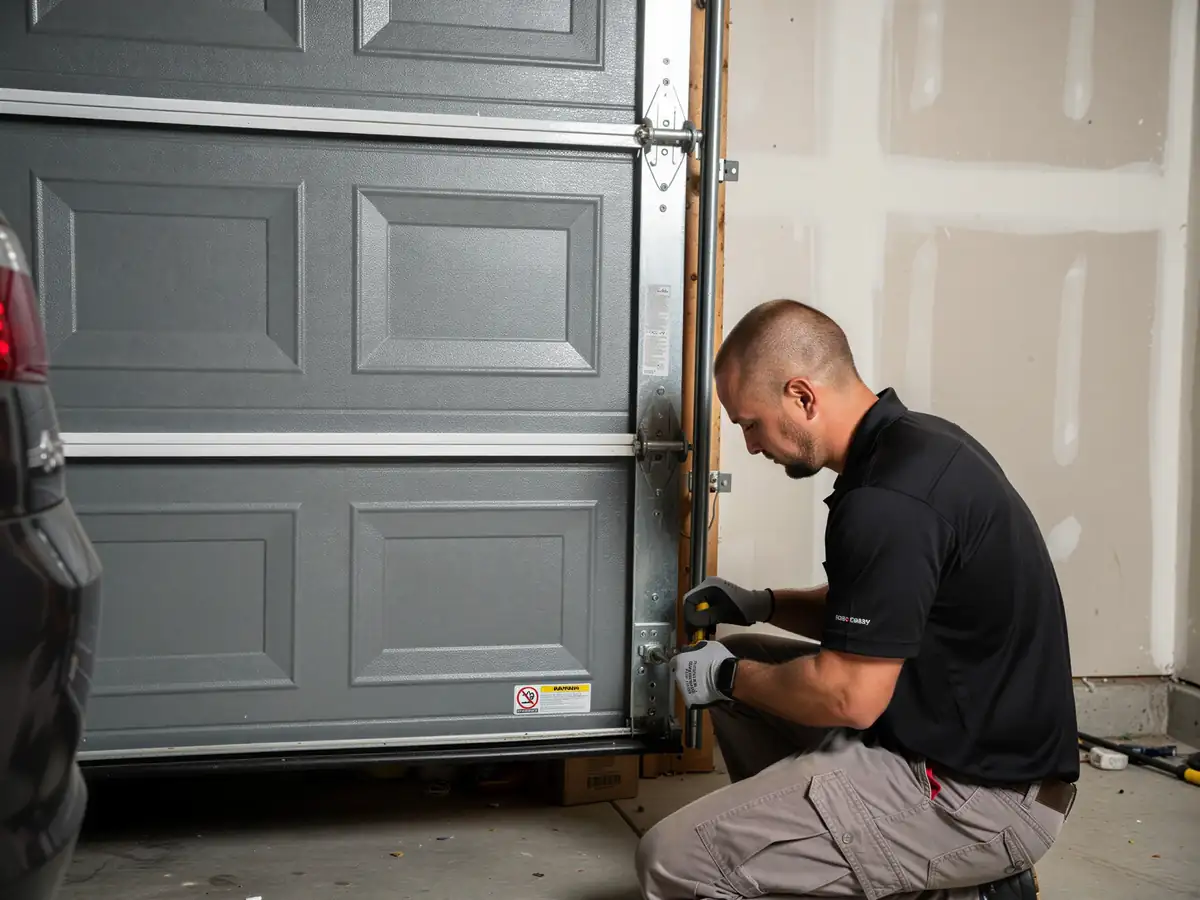
We lubricate rollers, hinges, and the torsion shaft with the right grade of grease for a cold climate, not a general-purpose spray that stiffens up in January. We check cable wrap and drum condition, tighten loose hardware on the track and header bracket, and test the opener's force settings, since a door that's harder to lift than it should be will often have the opener fighting it instead of the problem getting fixed.
We also inspect weatherstripping and the bottom seal, since a bad seal in this climate band costs more in heat loss than it looks like it should.
One honest limit here: if a spring has already stretched past safe coil spacing or a cable is visibly frayed, that's not a maintenance adjustment anymore - it's a repair, and we'll tell you that on site rather than patch it and have it fail in a month.
The Symptom
The door that used to lift quiet now groans partway up
It used to glide; now it hesitates, sticks, or jerks for a second before continuing. The remote still works but the door seems to take a beat longer to respond, or the opener light blinks before it moves.
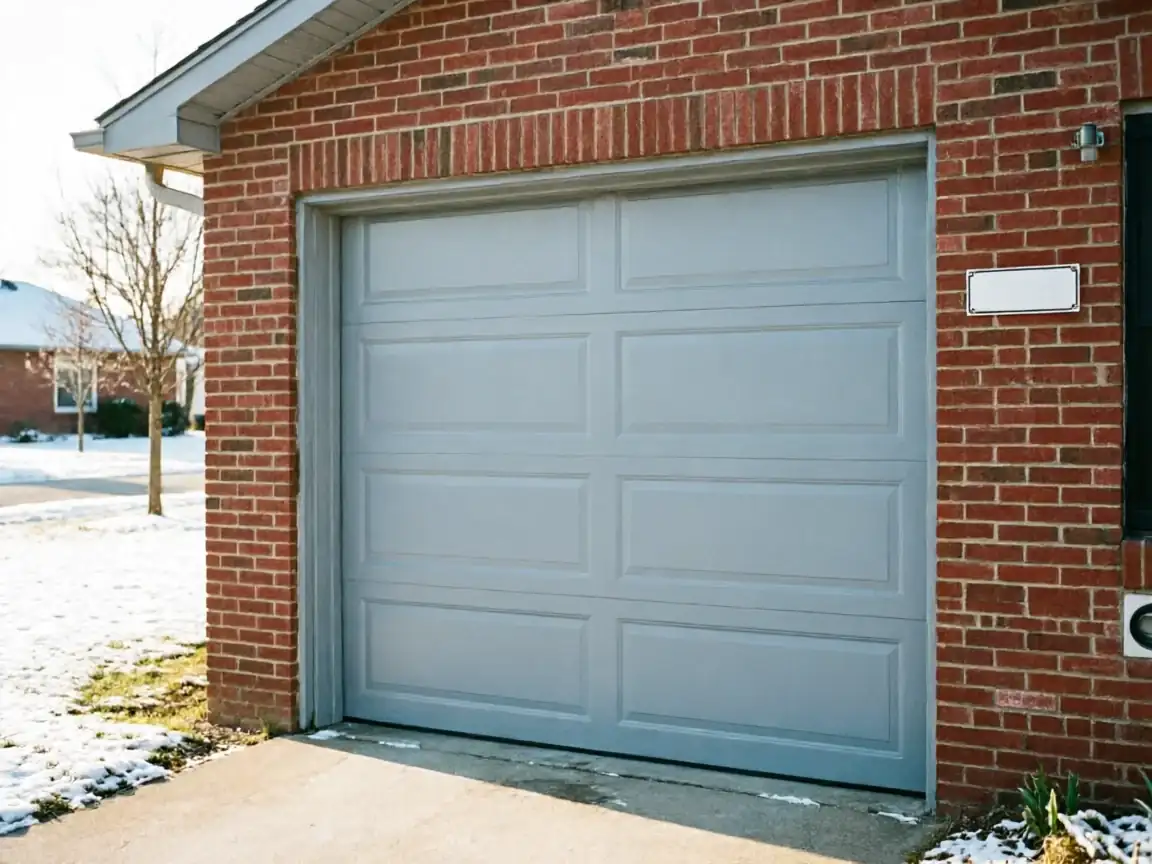
Sometimes it's one corner that doesn't sit flush when the door's down
A gap along the bottom seal that wasn't there last year, or a grinding sound that only happens on the coldest mornings. These are small enough that most owners wait, which is understandable, but on a door that's already into its second or third decade of service, waiting is what turns a lubrication-and-adjustment visit into a spring replacement.
If your door is still smooth and quiet, you likely don't need us yet
If it's started doing any of the above, that's the window where maintenance is still cheaper than a repair call.