Where People Go Wrong
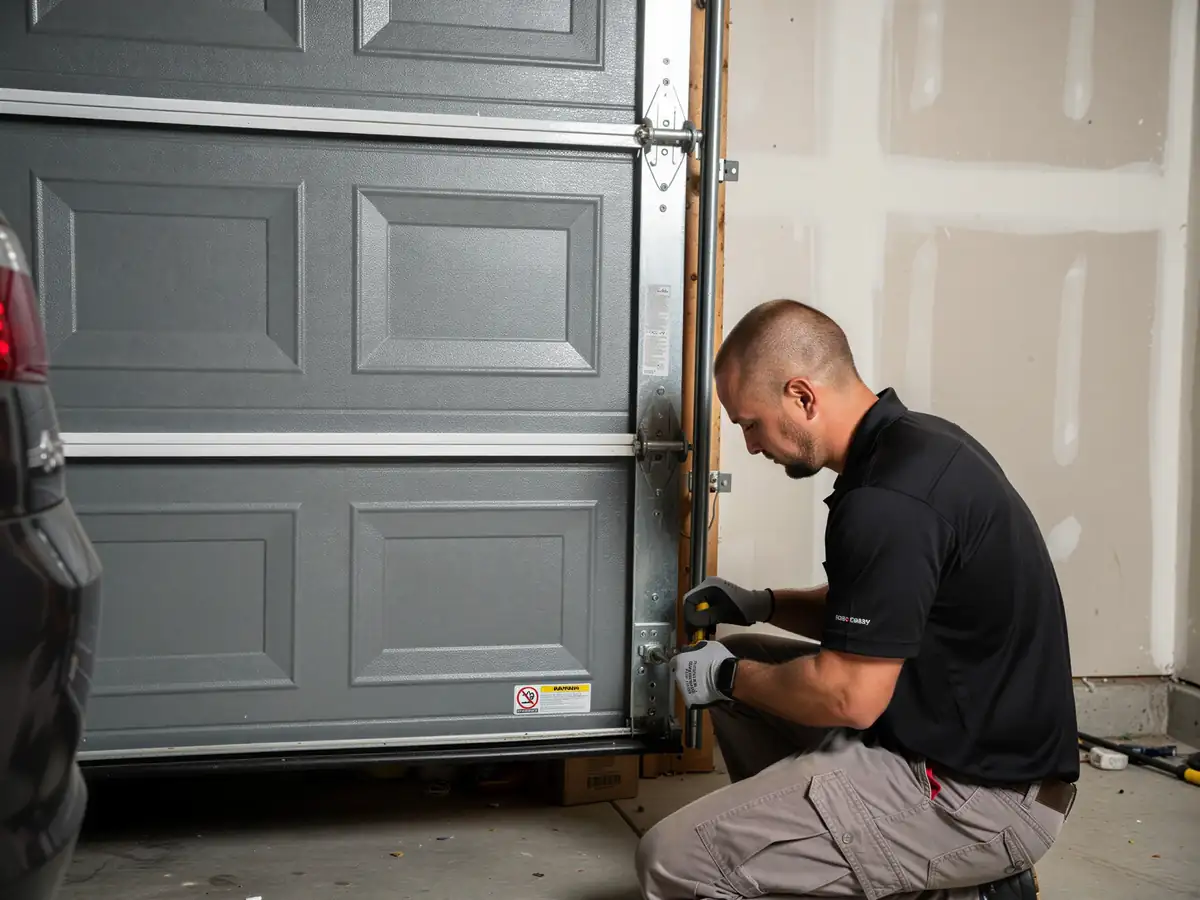
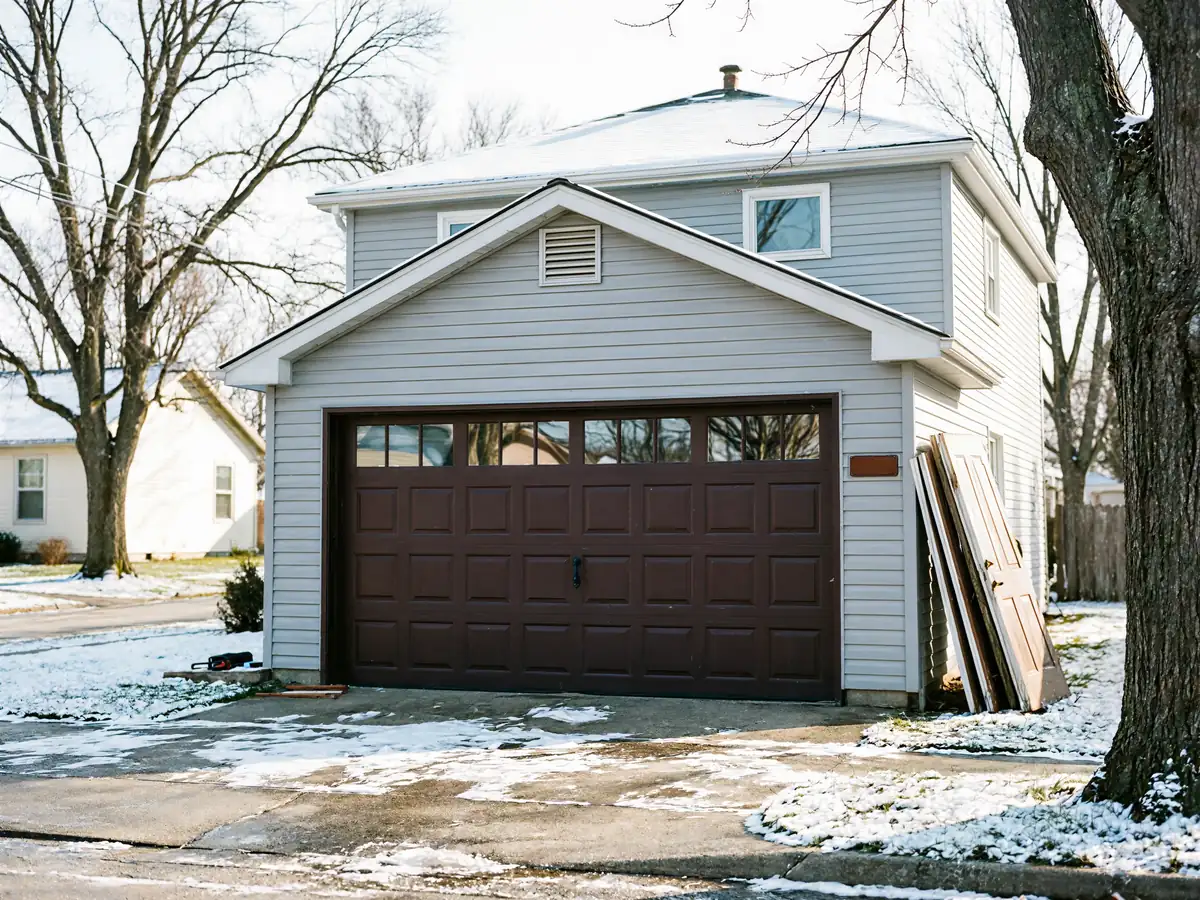
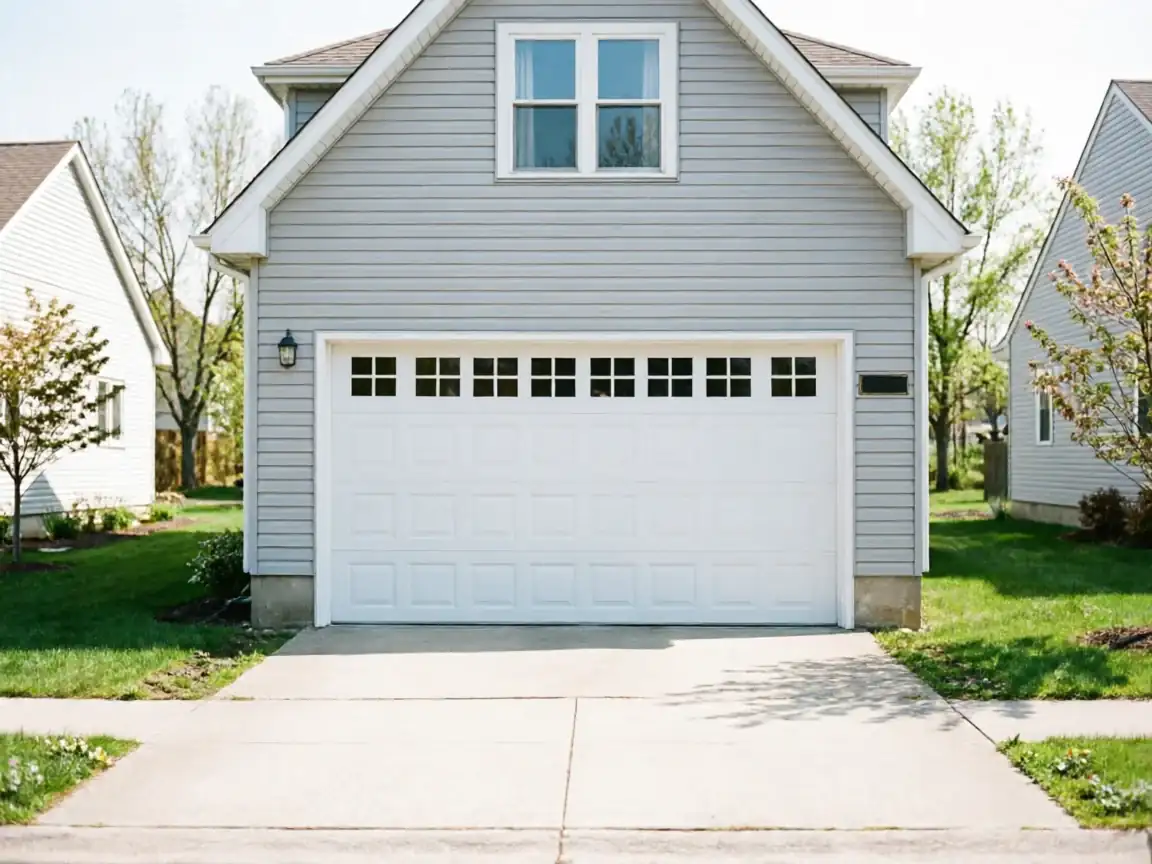
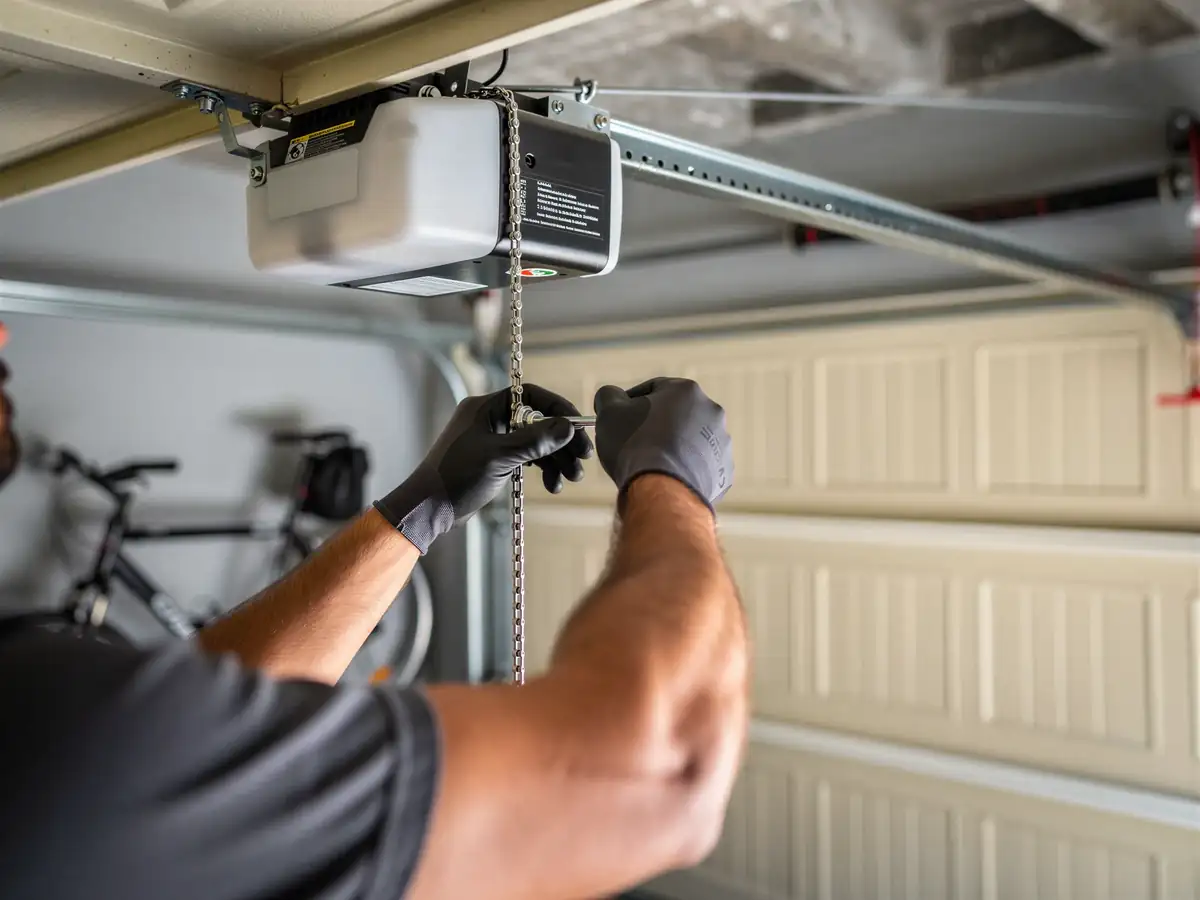
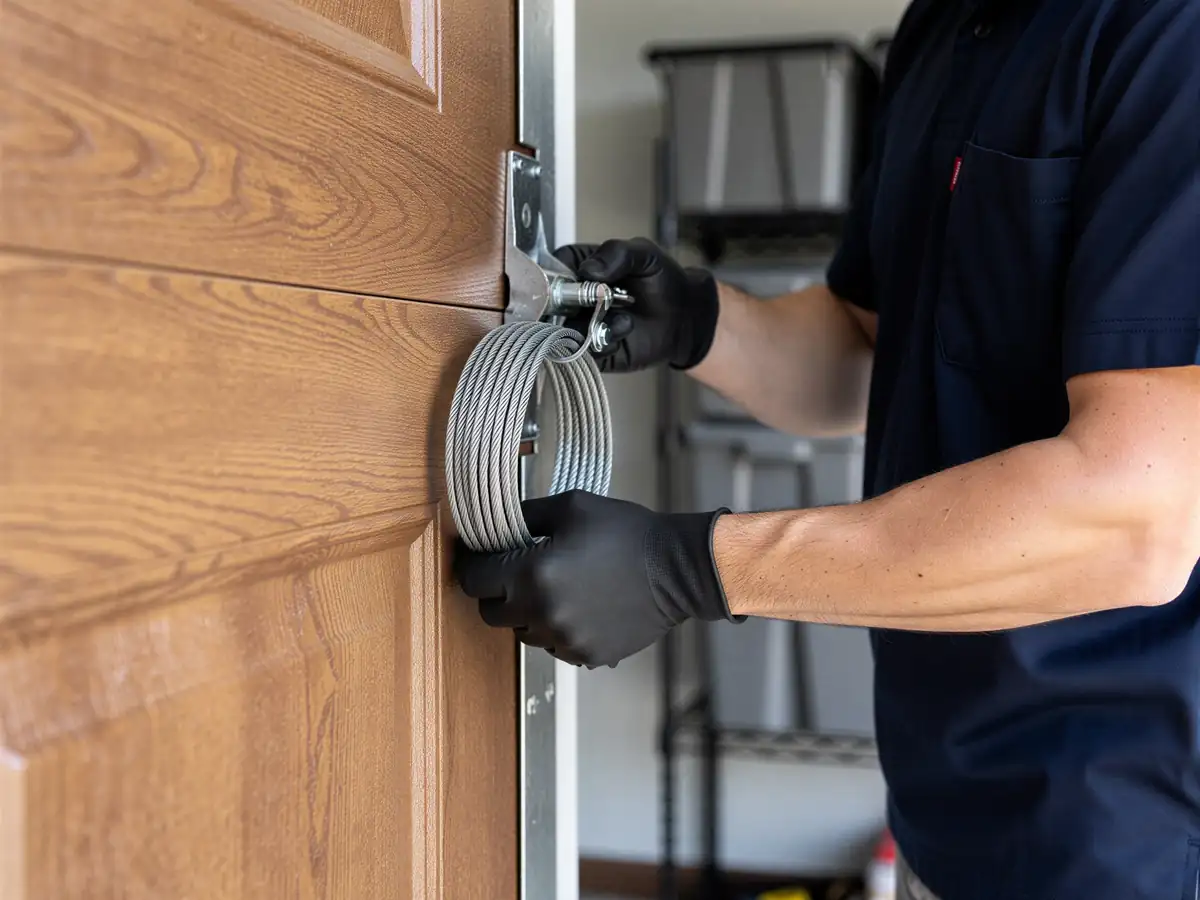
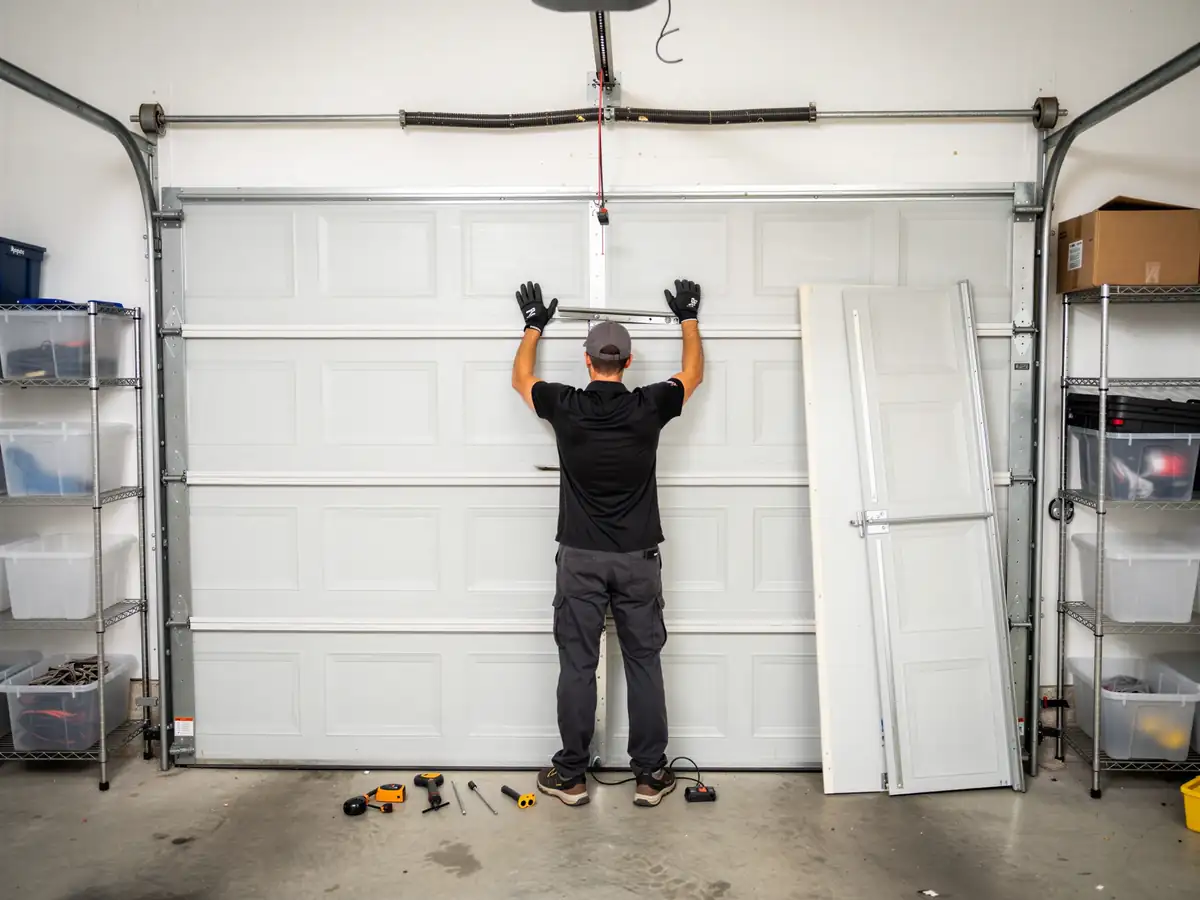
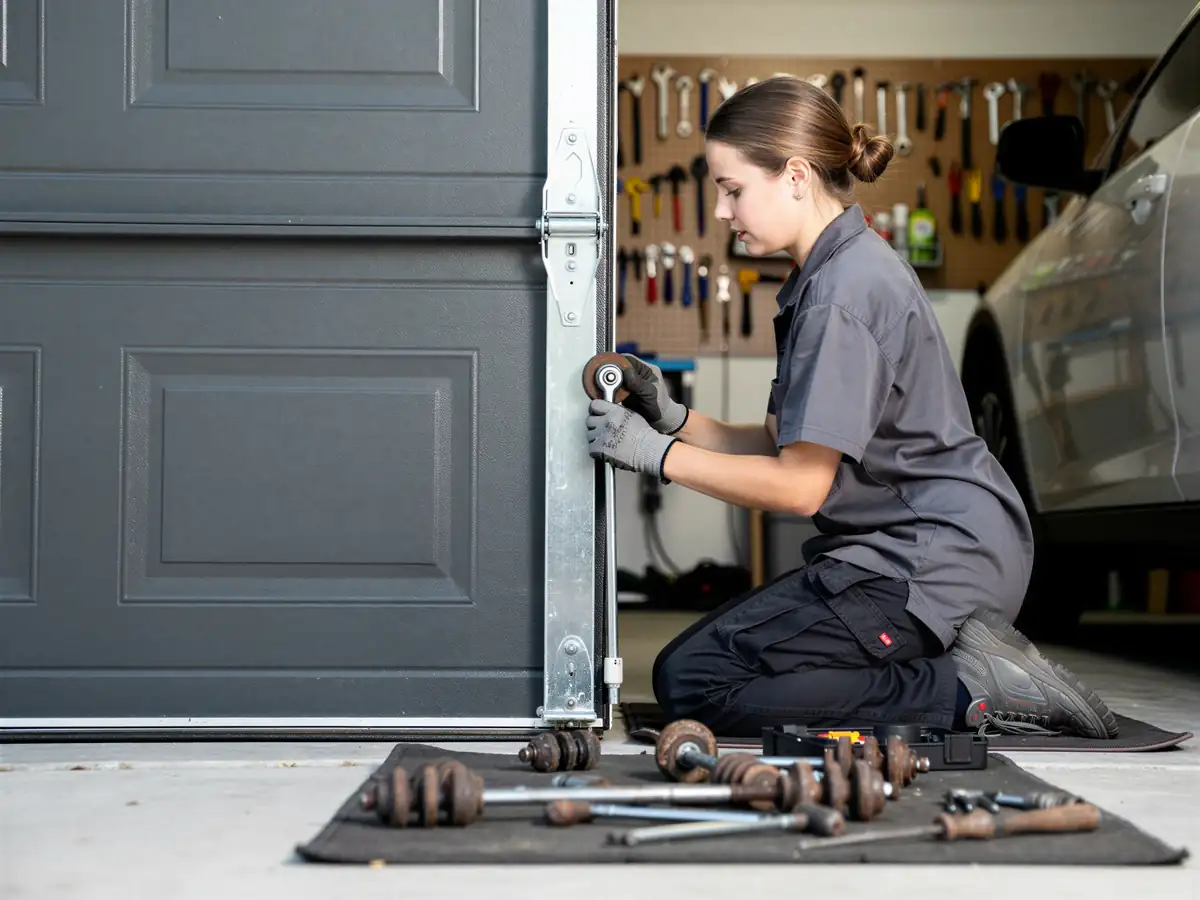
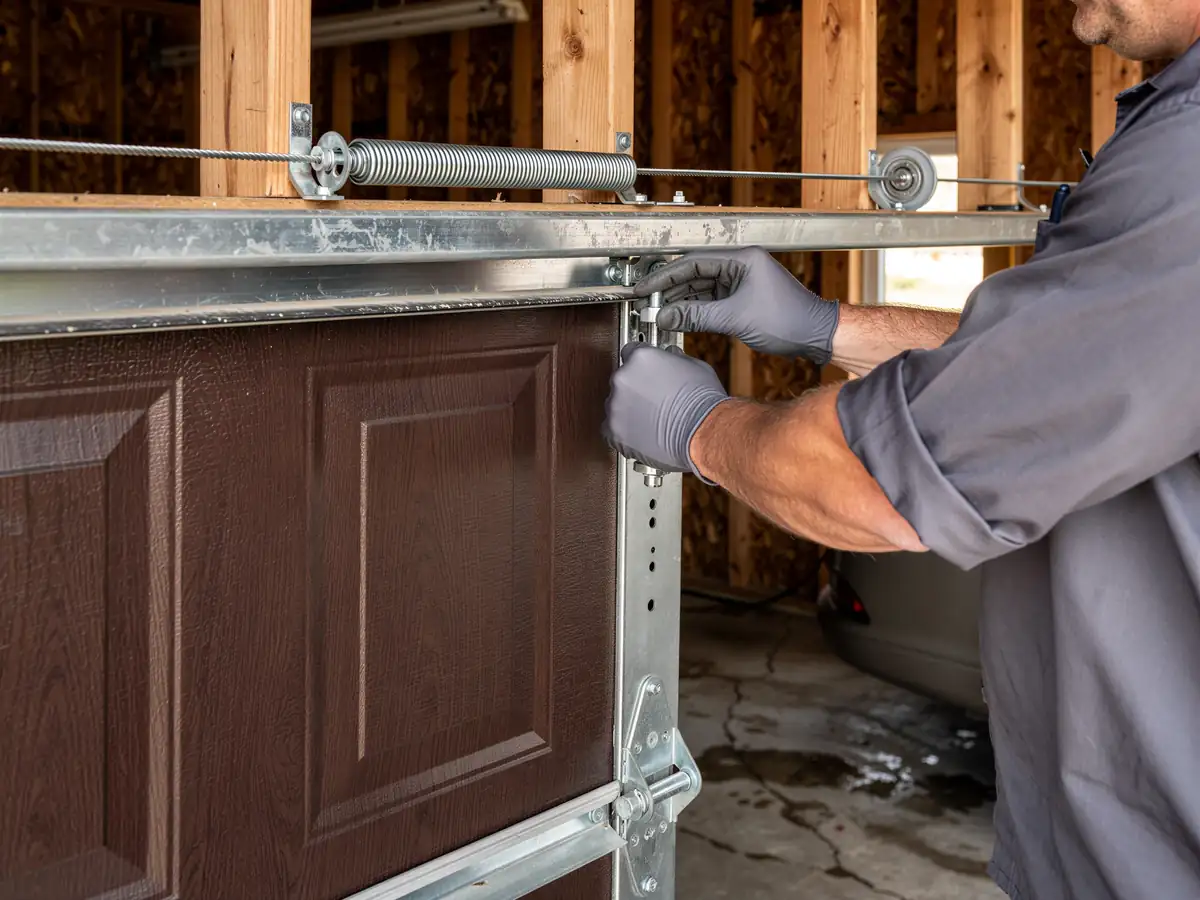
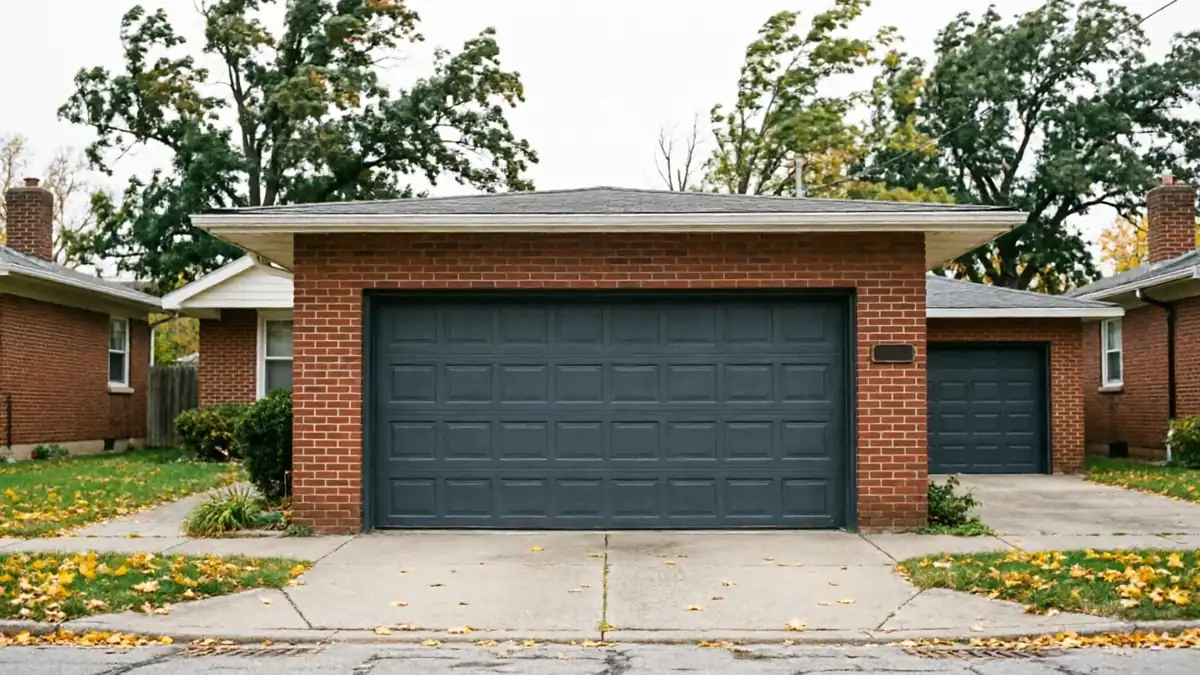
The most common mistake we see is treating a wide double door like it's just a bigger single door. It isn't. Wind load on a 16-foot-wide panel isn't double the load on an 8-foot door - it's worse than that, because the panel has more surface to catch and more unsupported length between the track rails. Owners patch a bent track section or replace one broken roller and figure the door's fine. It isn't fine, it's just not failing yet. The other mistake is assuming original hardware from a house built in the median year of 1969 was ever sized for how we use garages now - heavier openers, insulated panels bolted onto old rails, extra storage weight hanging off the horizontal track. None of that was part of the original spec. We see it most on the ranch-style doubles that make up a lot of the 1960s and 70s stock across this area. The fix usually isn't glamorous: reinforcing struts across the panel and checking the track is actually rated for the width it's holding, not just the width it happens to fit.
How Local Conditions Play In
Chesterfield sits in a cold-moderate climate band, and that matters more for a wide door than people expect. The track rail is metal, the panel is often a different material, and they expand and contract at different rates through a winter-to-spring swing. On a narrow single door that's a minor annoyance. On a wide double, that mismatch shows up as a track that's a hair out of true right when a gust catches the panel broadside. Houses in this service area were built between 1947 and 2011, median 1969, which means a lot of garages were framed and trimmed out before anyone building a house thought about matching door hardware to wind exposure. We're not saying every wide door here is about to fail in a storm. We're saying the combination - older hardware, a wide panel, and a climate that puts real temperature swings on that hardware twice a year - is exactly the setup where a small misalignment turns into a door that won't track straight under load.