Where People Go Wrong
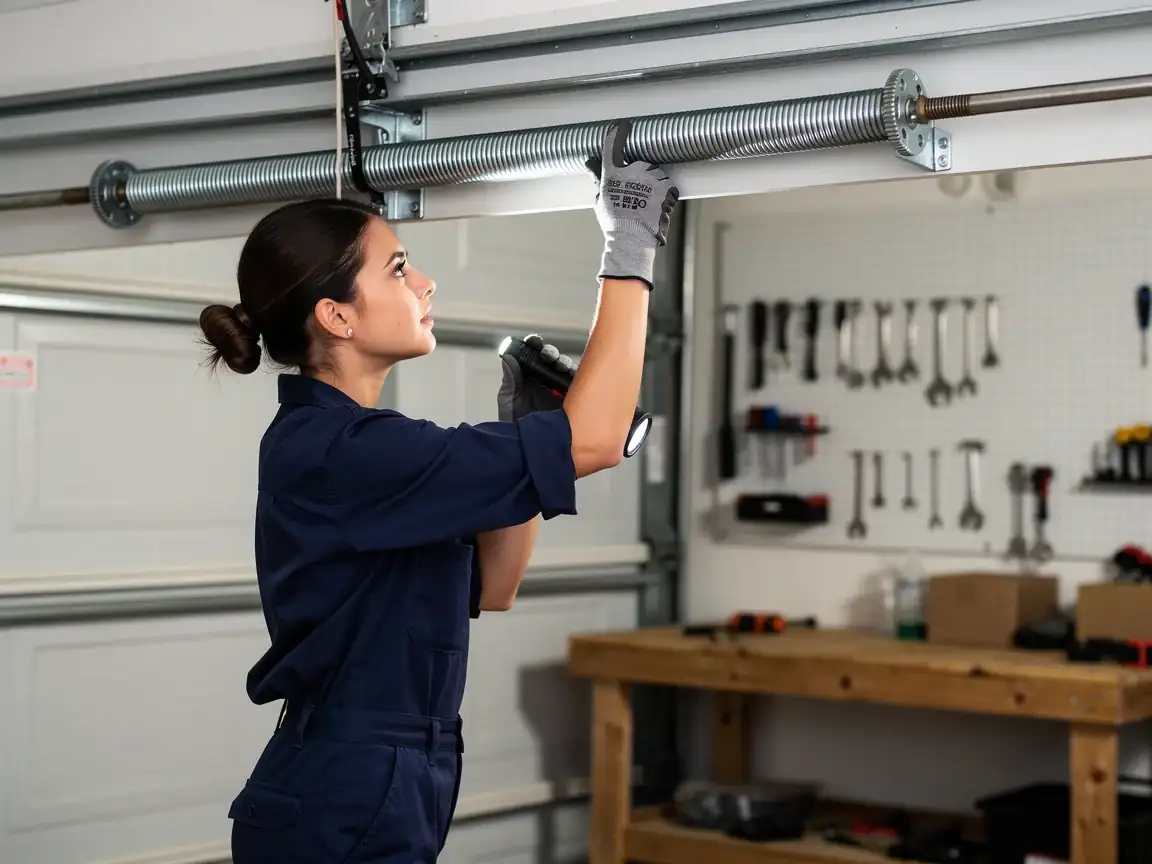
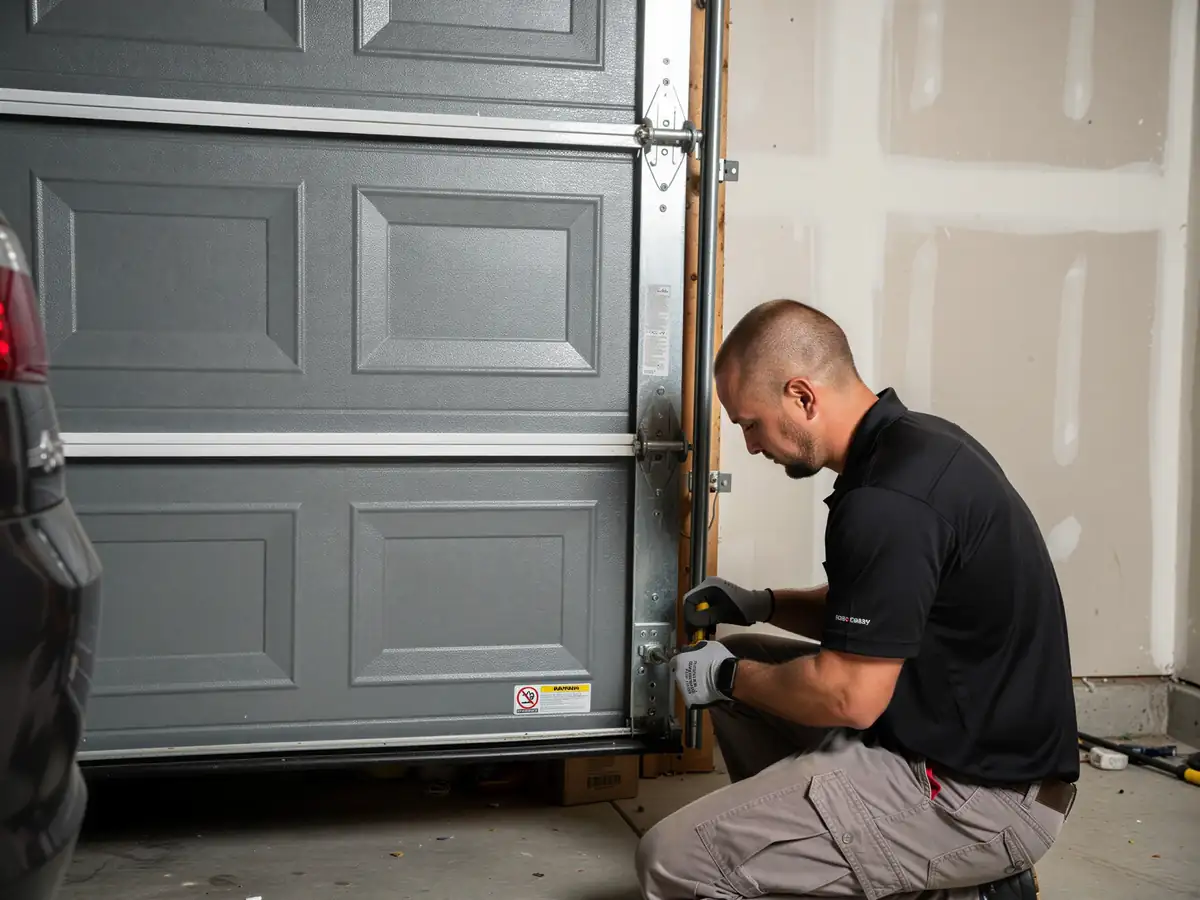
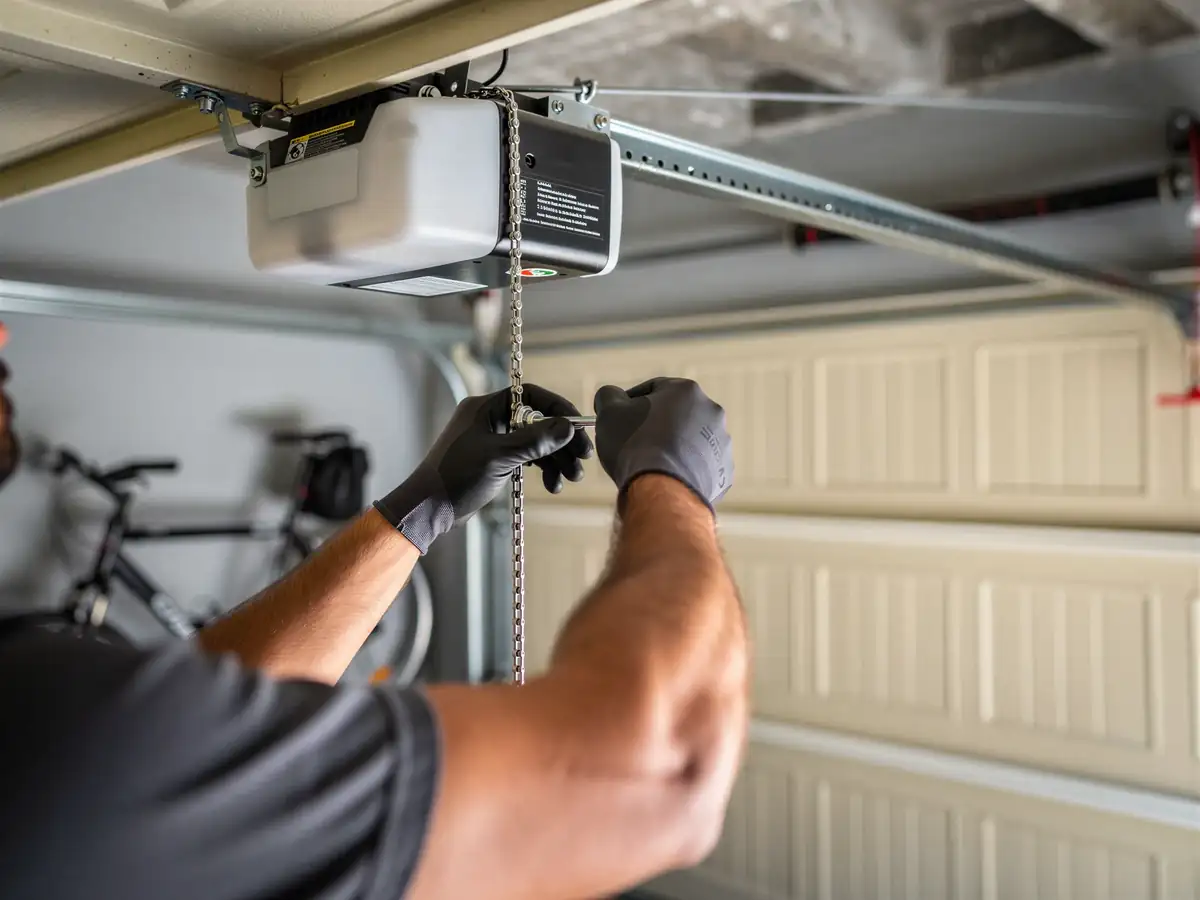
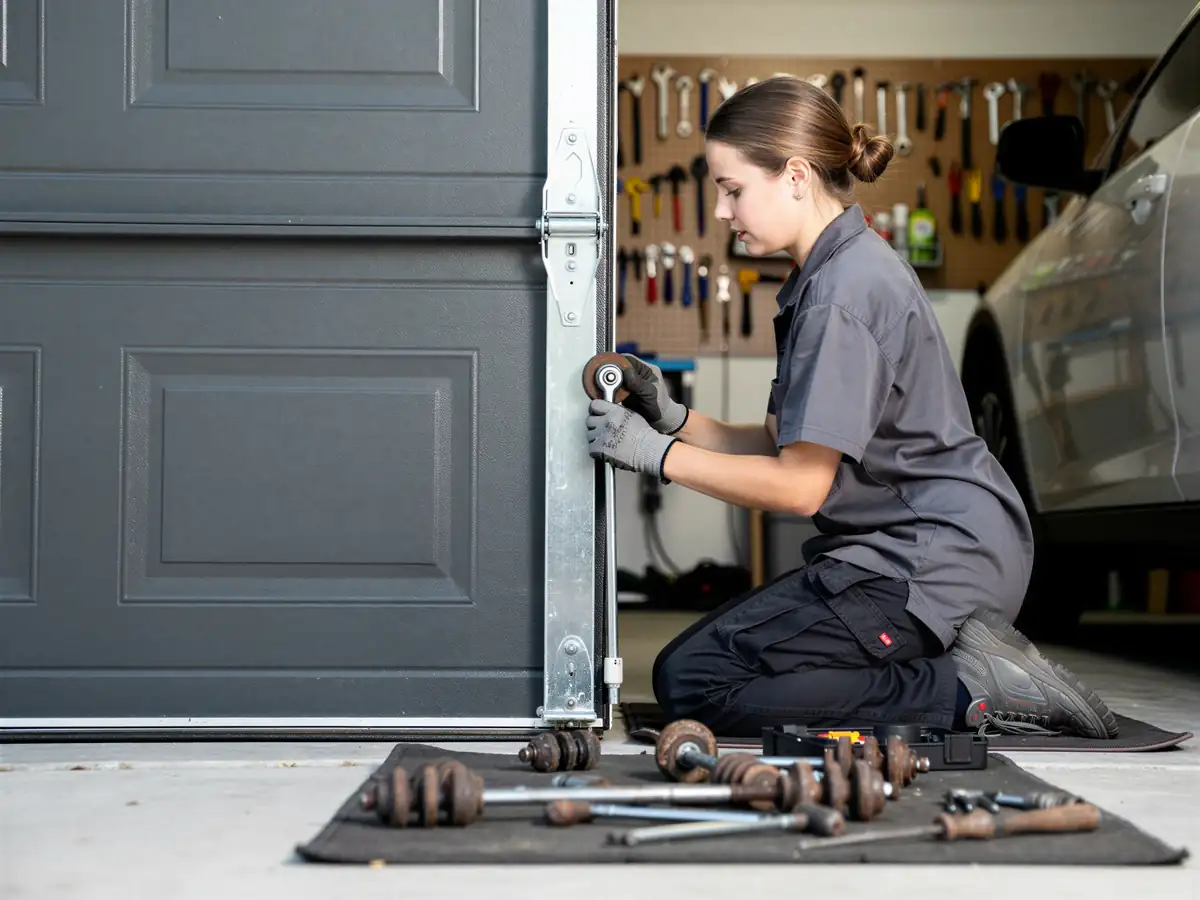
The most common mistake we see is someone hearing a grinding or popping noise and assuming it's the opener, when the opener is usually the last thing to actually fail. In a house built in the 1960s or 70s - which describes most of this area - the opener has often been replaced once already, but the track and spring hardware behind it is original. People spray lubricant on a noisy roller, the noise quiets down for two weeks, and they think the problem is solved. It isn't; it's masked. A second mistake is ignoring a rhythmic thump that happens once per rotation of the door. That's almost always a flat spot on a roller or a bent track section, and it gets worse with every cycle, not better. With household incomes in this area averaging well above $86,000, we also see people defer calling because the noise isn't urgent yet - but a torsion spring that's audibly straining under cold-weather tension doesn't wait for a convenient week. It fails on its own schedule, usually the coldest morning of the month.
How Local Conditions Play In
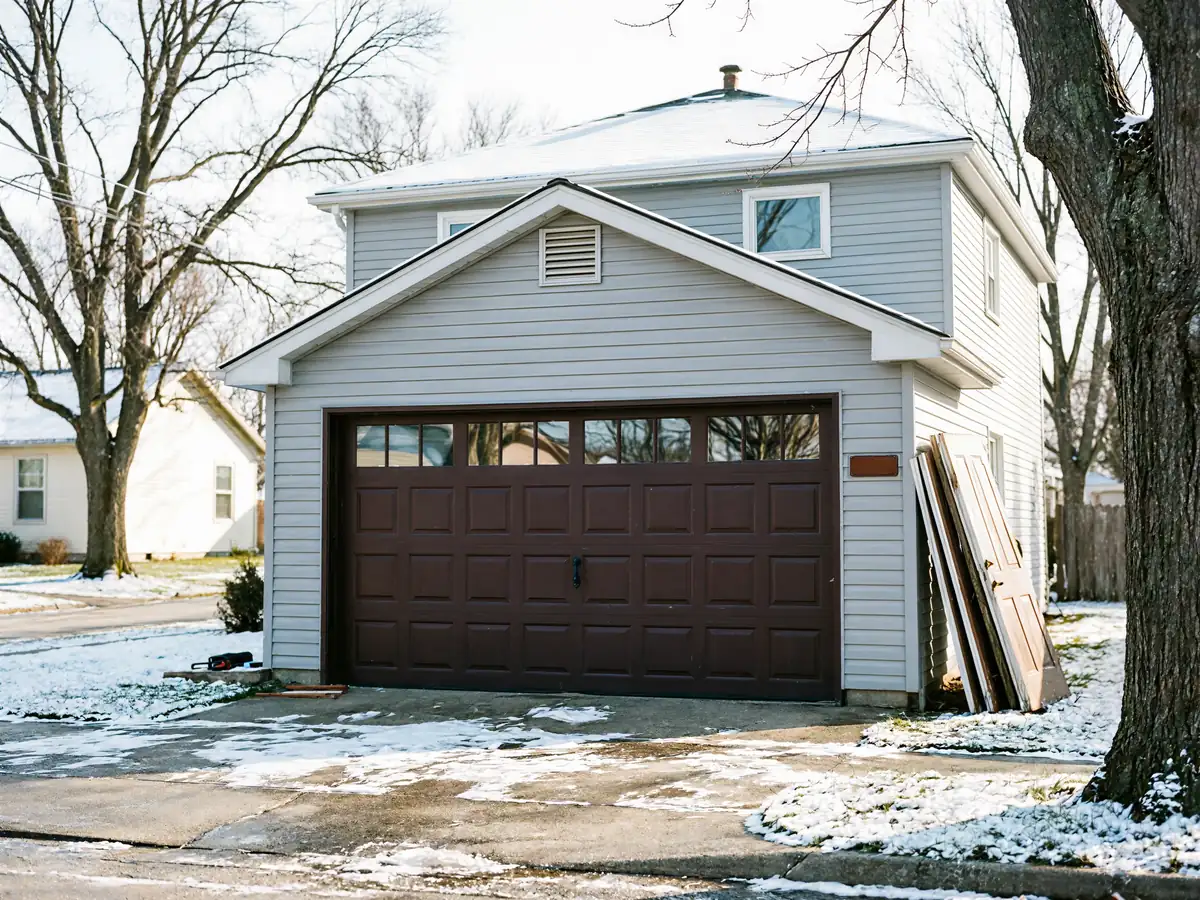
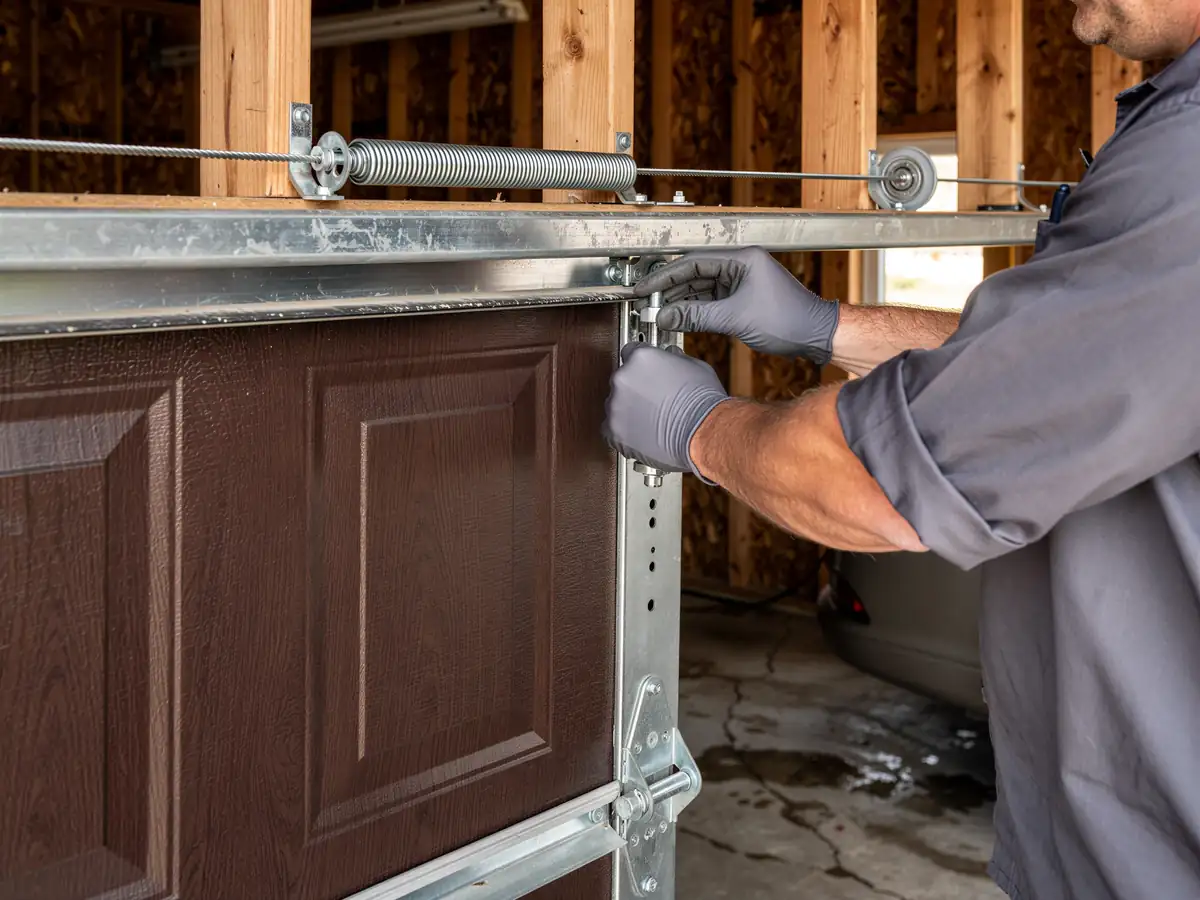
This area sits in a moderate cold climate band, which matters more for garage doors than most people expect. Steel contracts in cold temperatures, and torsion springs - already under heavy tension - tighten further as metal shrinks. A spring that's been quietly fraying all fall is more likely to snap outright on a cold snap than in July. That's why a lot of the grinding or creaking noises we get called out for cluster in the colder months: it's not that the door got worse overnight, it's that the cold finally exposed what summer was hiding. Houses built before the 1980s, common across this part of the area, often still run steel rollers rather than nylon, and steel-on-steel in cold metal tracks is loud in a way that nylon never is. If your door sounds like a freight train in January and was dead quiet in August, that's the material talking, not necessarily a new fault. It's worth listening for the difference between a seasonal complaint and an actual failing part before assuming the worst.