Can You Do This Yourself
At a median household income of $157,750
The math on a roller job in Wildwood almost always favors fixing over replacing the whole door. A full door swap only pencils out when the track is bent, the panels are cracked, or the opener is also failing. A worn roller set on an otherwise sound door is a parts-and-labor job, not a demolition decision, and most owners here are not the type to let a $150-200 fix balloon into a $1,500 one out of guesswork.
- $157,750 median household income
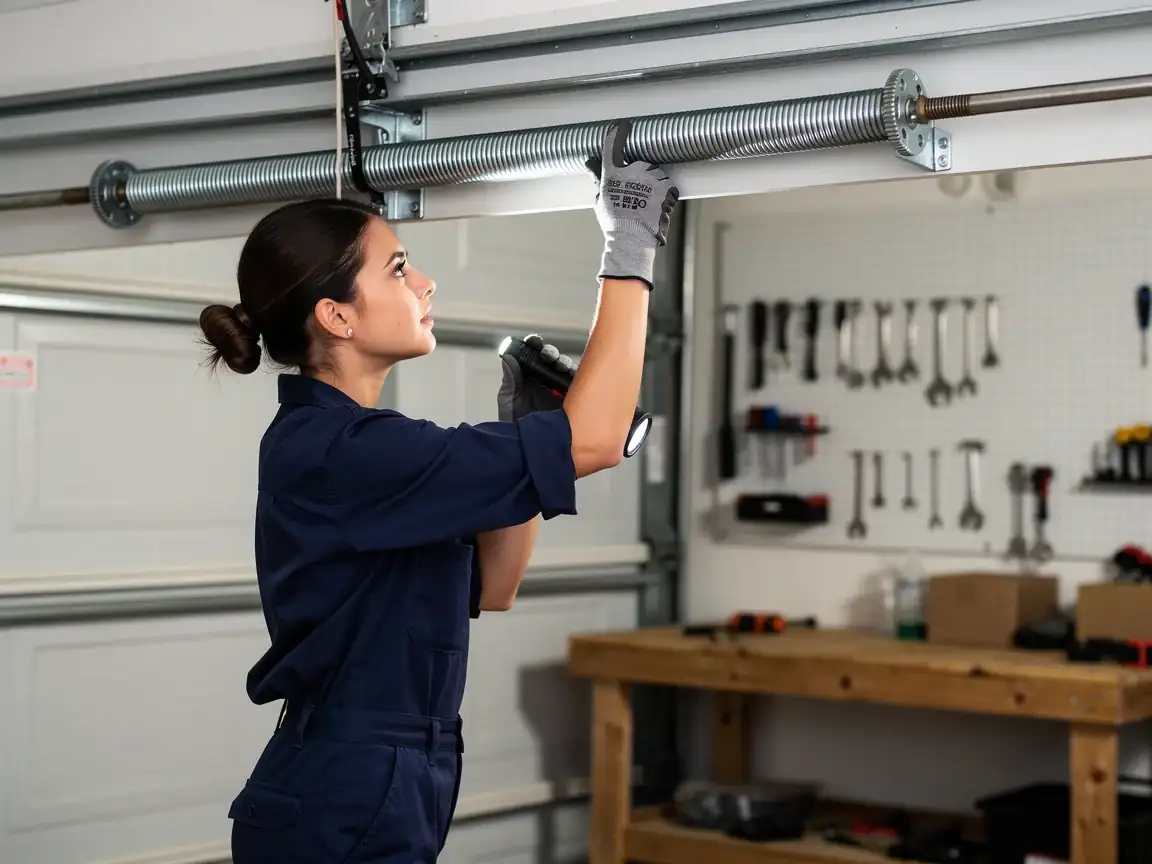
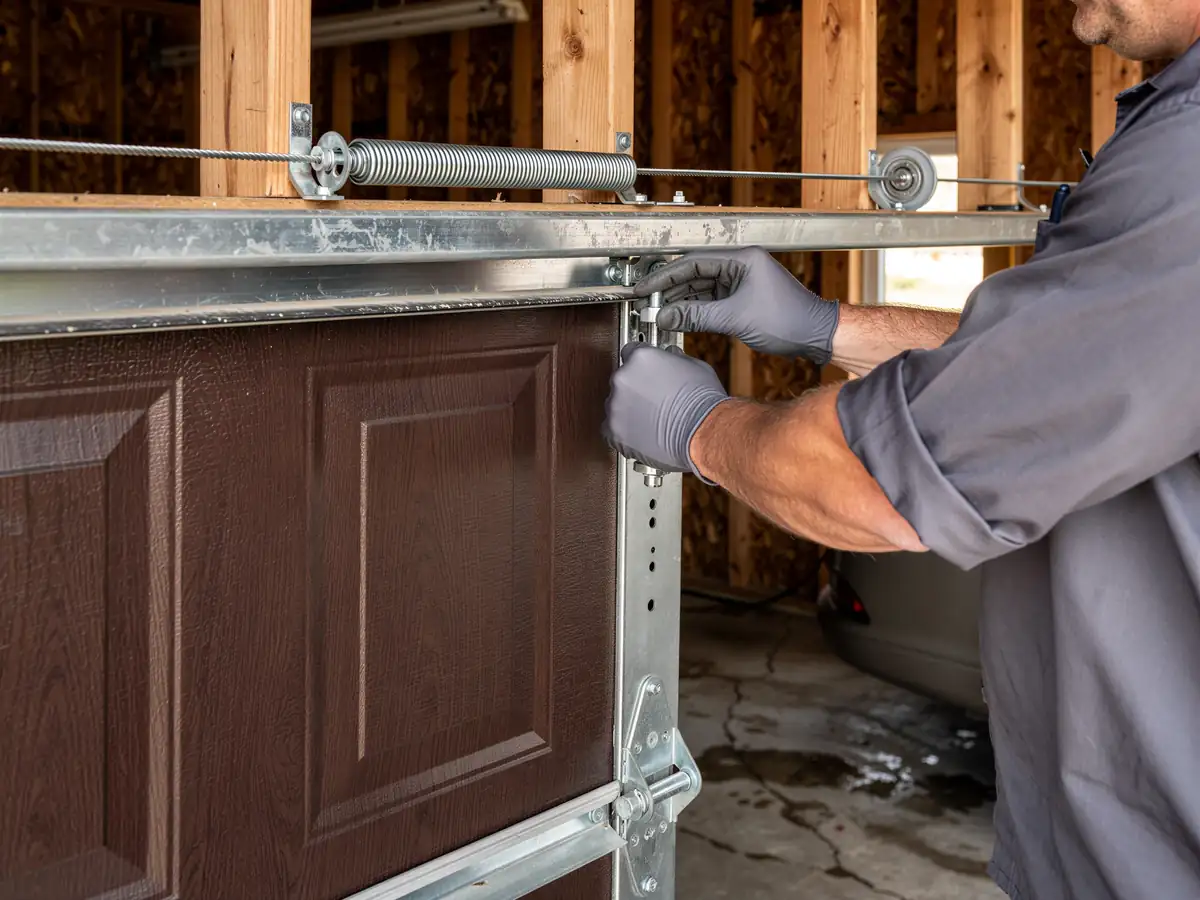
You can replace rollers yourself if you're comfortable disconnecting the opener, releasing spring tension safely
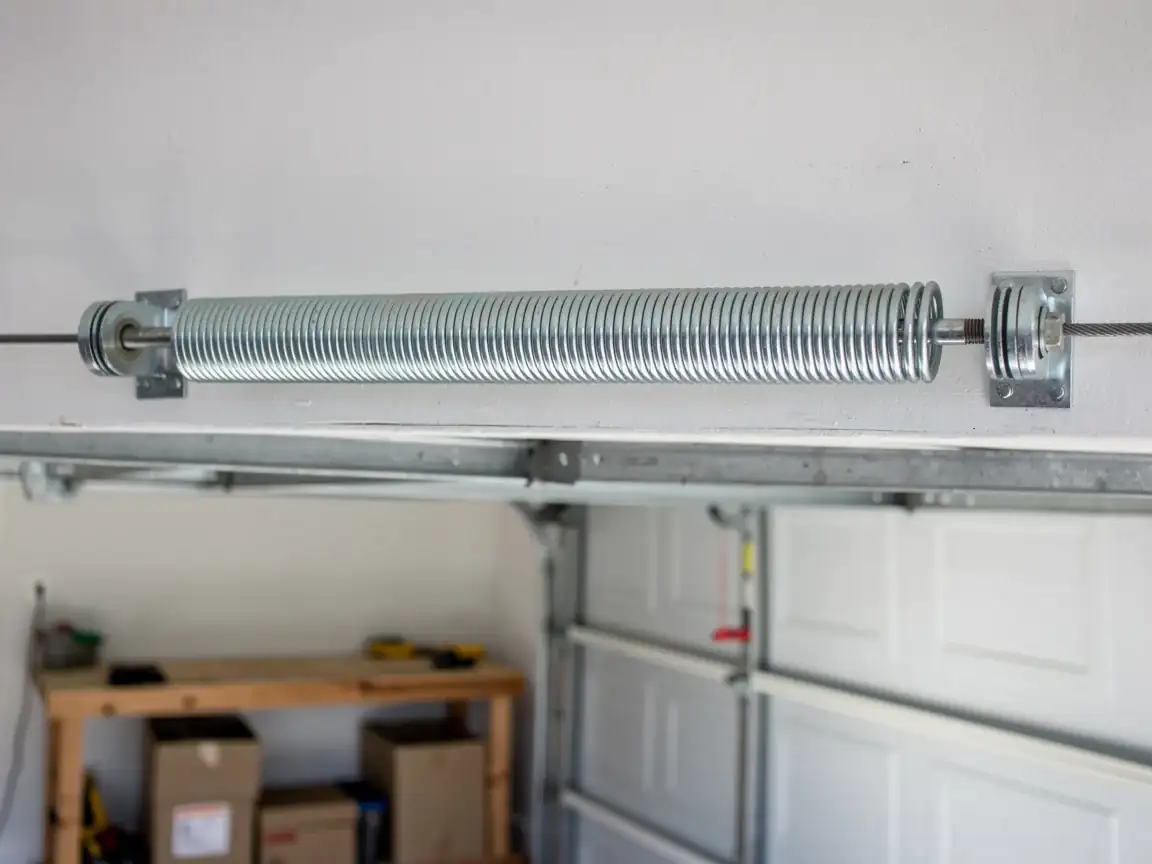
And working with the door propped open. The honest limitation: if your door uses a torsion spring system and you haven't done this before, the spring is the part that hurts people, not the rollers. We'd rather you call for the roller swap and watch once than learn torsion tension the hard way. If your rollers are nylon and just noisy, a lube job might buy you another year - we'll tell you that on the phone instead of selling a job you don't need yet.
How Long It Takes
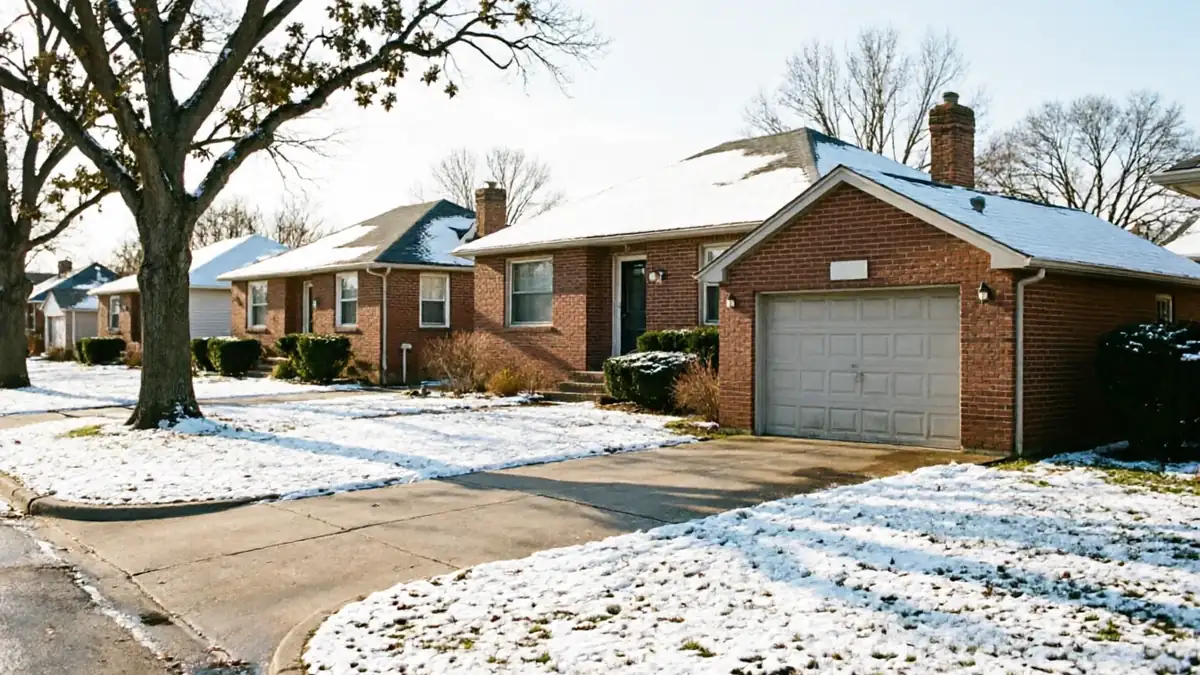
Wildwood's housing stock runs newer than much of the areas Chesterfield Garage Door Pros covers - median build year here is 1992, well past the 1947-2011 range and 1969 median across the wider service area. That means standard steel rollers on factory track, not the older hardware you find on homes built before 1970. A straight roller swap on a double door, nylon-to-steel or worn-steel-to-new, typically runs under an hour once the truck is on site. Add time if the track itself has to come off to clear bent or gouged rail, which shows up more on doors that have been running on dying rollers for a year or two before anyone calls.
What the Fix Involves
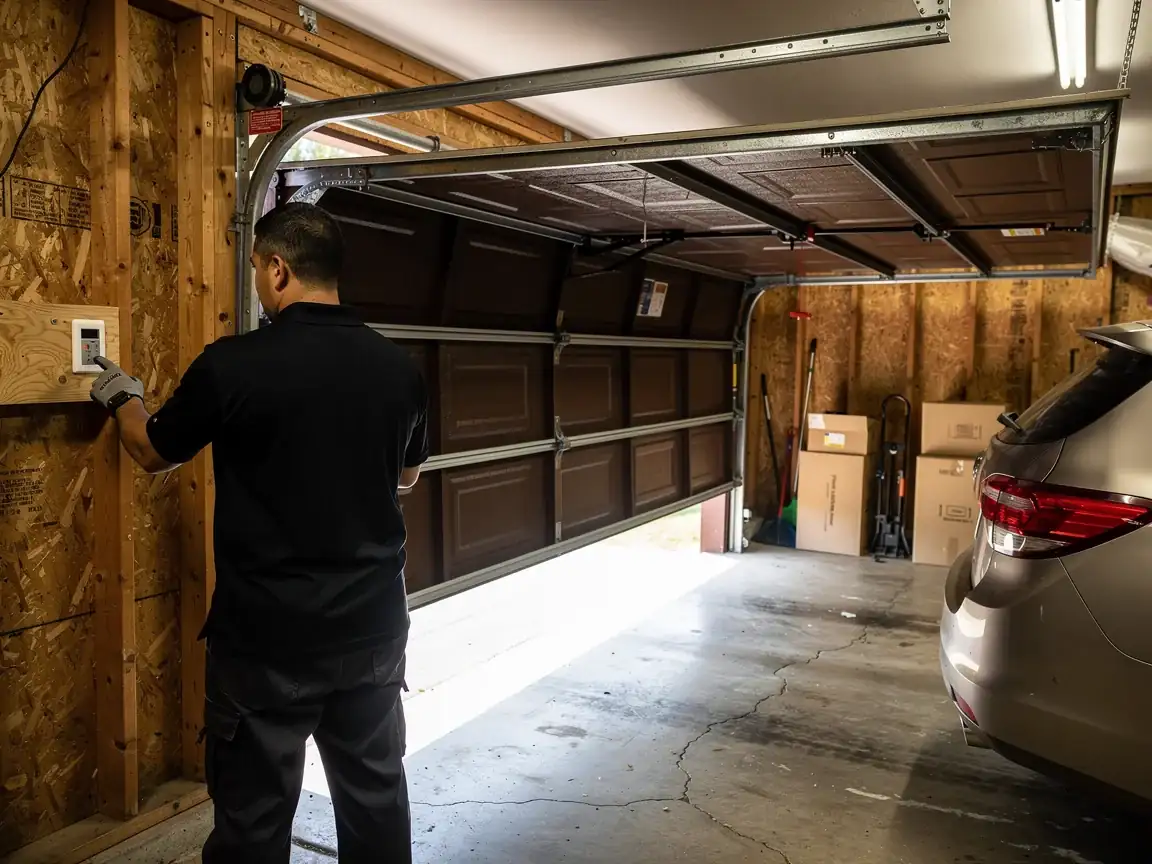
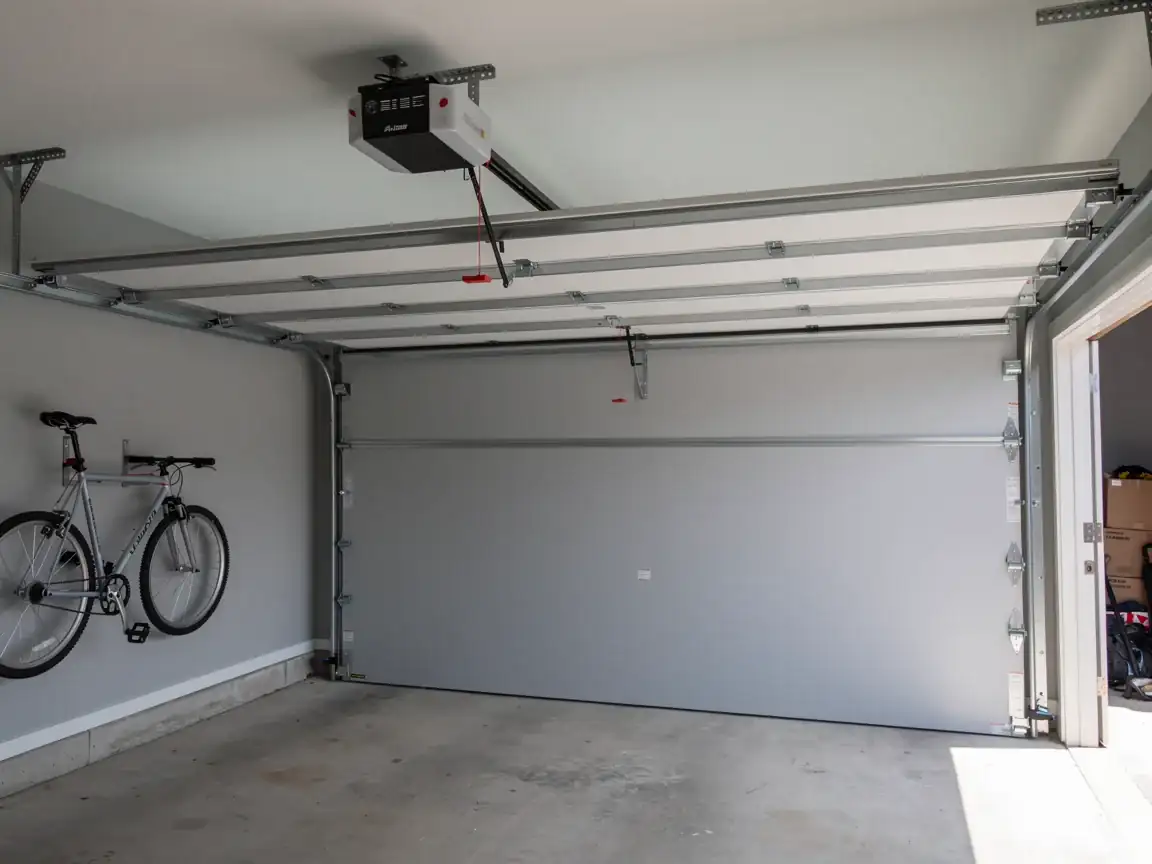
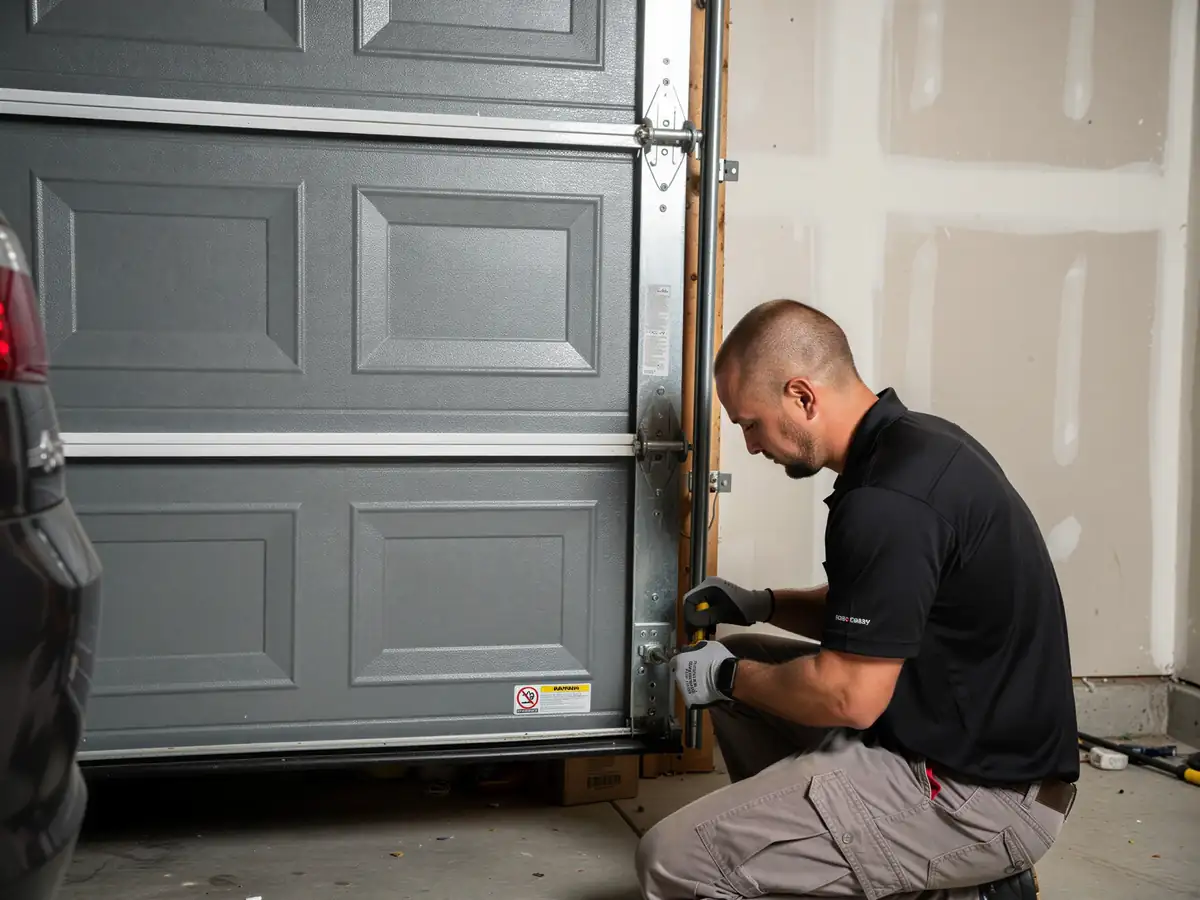
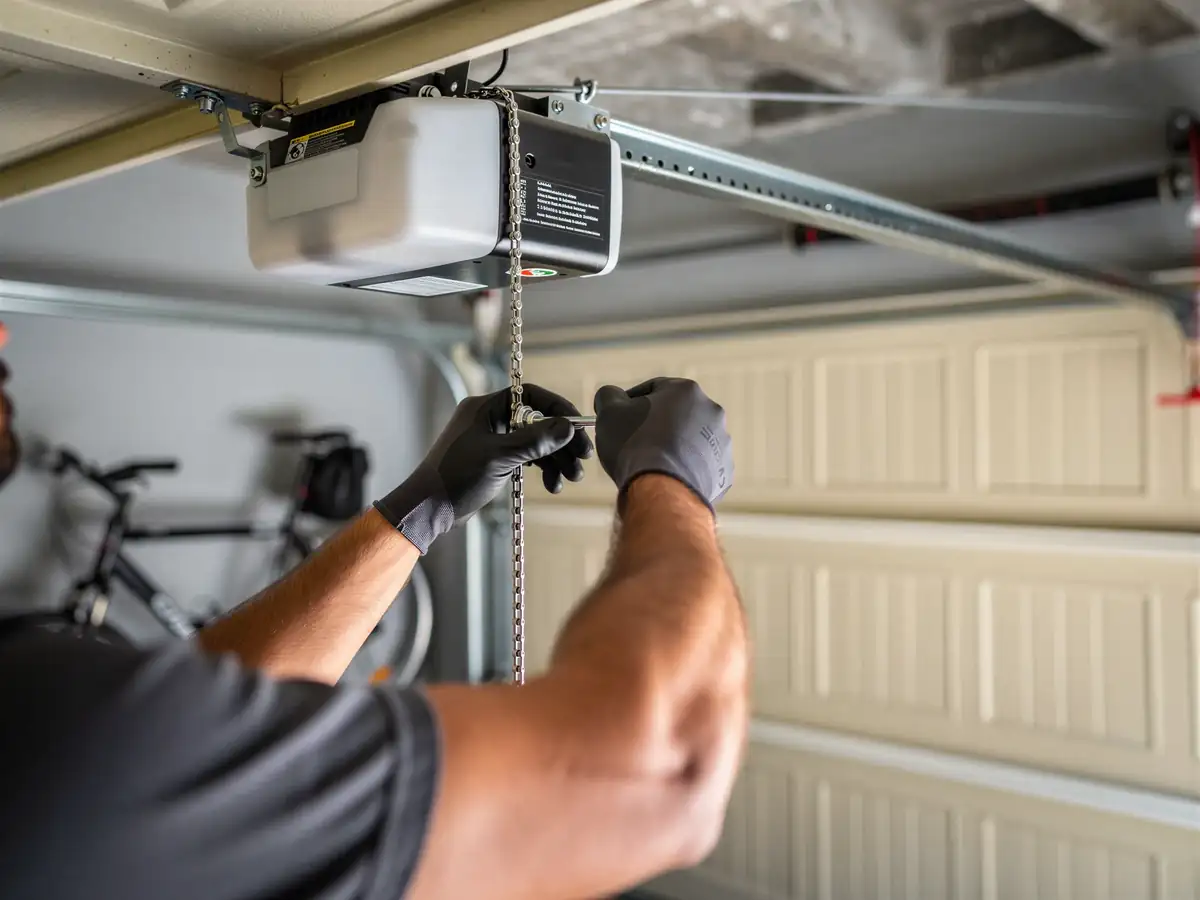
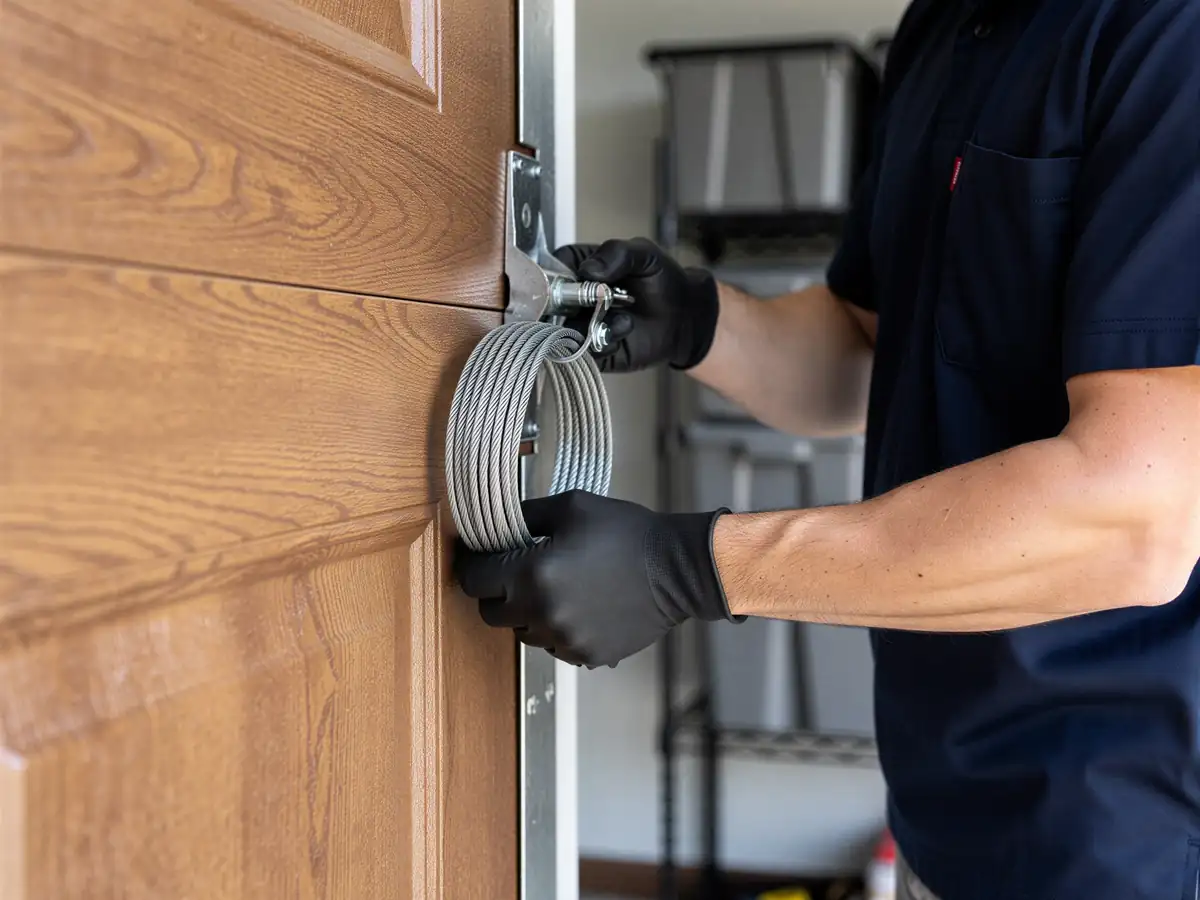
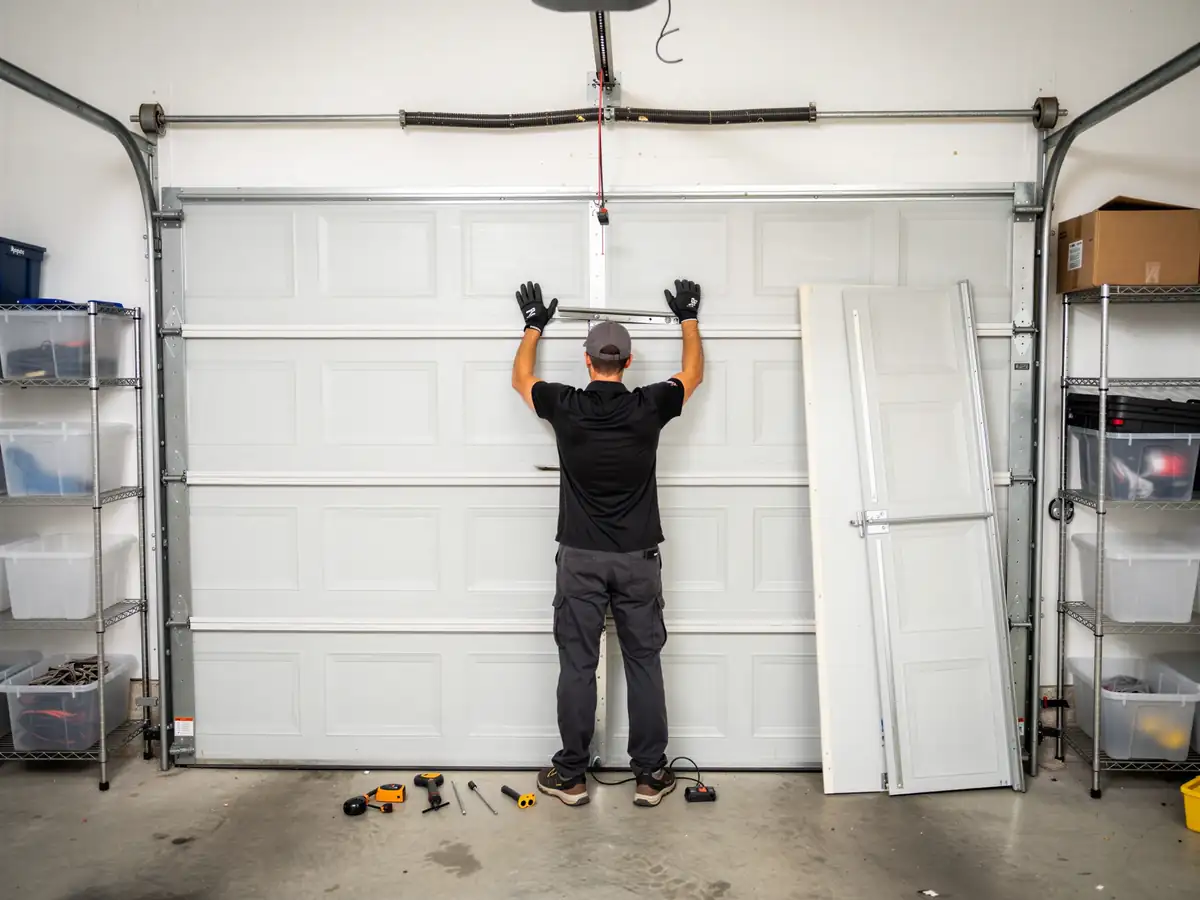
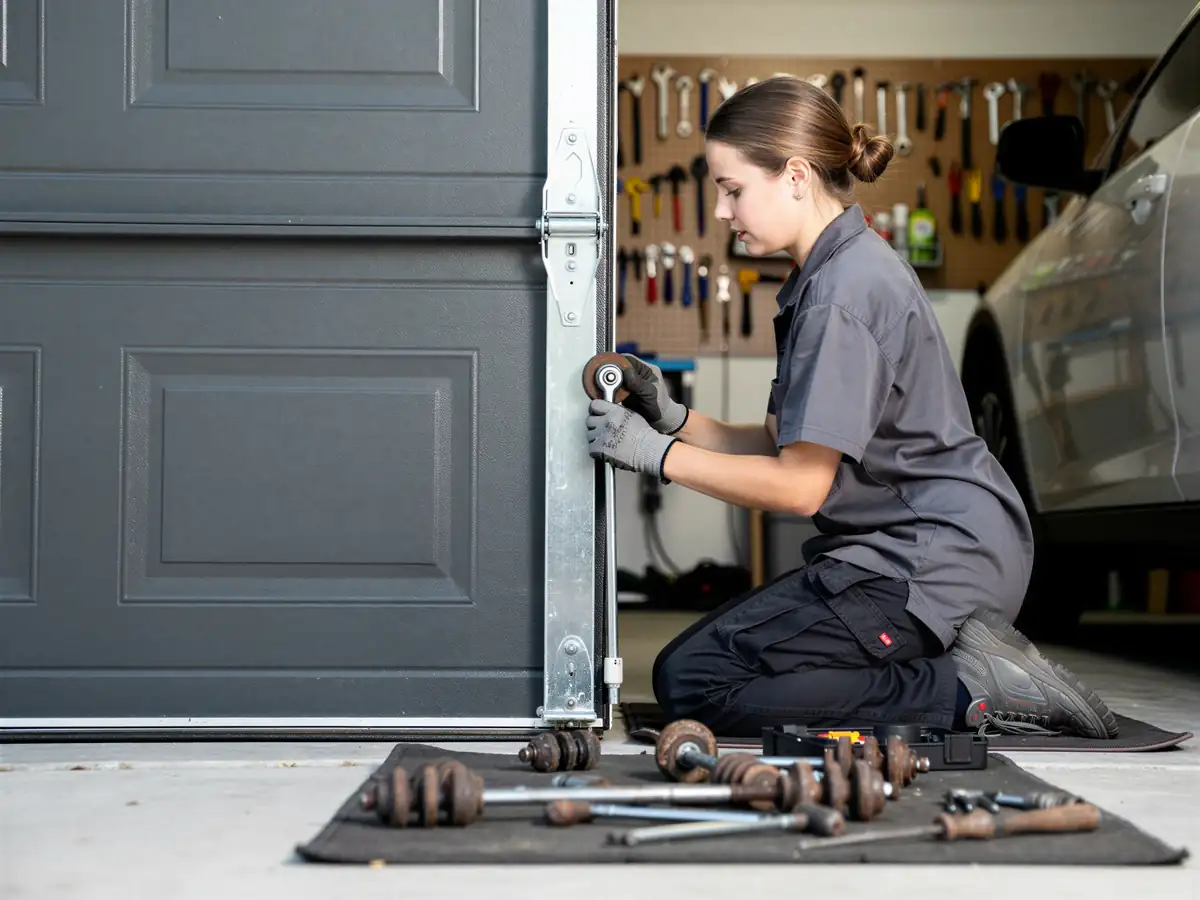
The job starts with releasing door tension and pulling the roller brackets, one hinge at a time, so the door stays supported on the track the whole time. Old rollers come out, new ones go in - usually sealed steel ball-bearing rollers if the door sees daily use, since they outlast stock nylon by a wide margin and run quieter than bare steel wheels. We check the track alignment at the same time, because a bent rail will eat a new roller set just as fast as it ate the old one, and there's no point replacing the part and leaving the cause in place. Cable and hinge hardware gets a look too - on a 1992-era door that's original, that hardware is roughly thirty years old and often due before the rollers are.
What Is on the Truck
Steel ball-bearing rollers in standard stem lengths cover most doors built in the 1990s, which is the bulk of what we see in Wildwood. Nylon rollers are also stocked for owners who want the quieter option without the steel upgrade. We carry roller brackets and hinges in the common gauges, plus lube and basic track-alignment tools, so a straight swap doesn't need a second trip. What isn't on the truck: oversized or custom-length stems for odd commercial-grade doors, and those do turn into an order-and-return-later job, which is the one honest gap worth naming before you book.
Why It Happens Here
With a 1992 median build year, Wildwood's doors are running on original or first-replacement hardware that's now pushing three decades of cycles - a door opened twice a day for thirty years has gone through over 20,000 cycles, which is roughly the design life of a stock nylon roller. The area sits in the same cold-moderate climate band as the rest of the region, so freeze-thaw swelling on wood-framed tracks and stiff grease in winter both play a role, but the bigger driver here is simply age catching up to a housing stock that was mostly built in one era. Compare that to older sections of the service area, built in the 1960s and 70s, where the hardware itself is a different generation and the failure mode is different too.