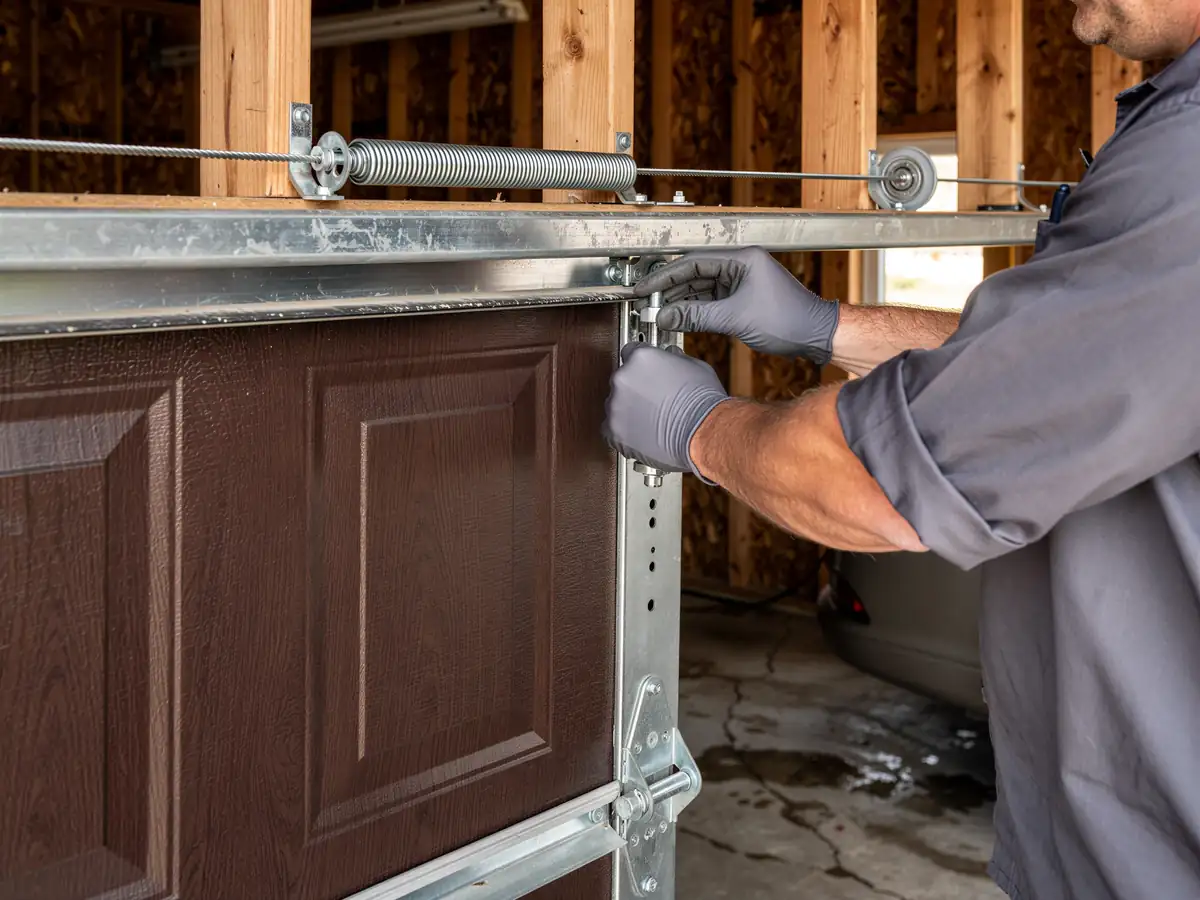
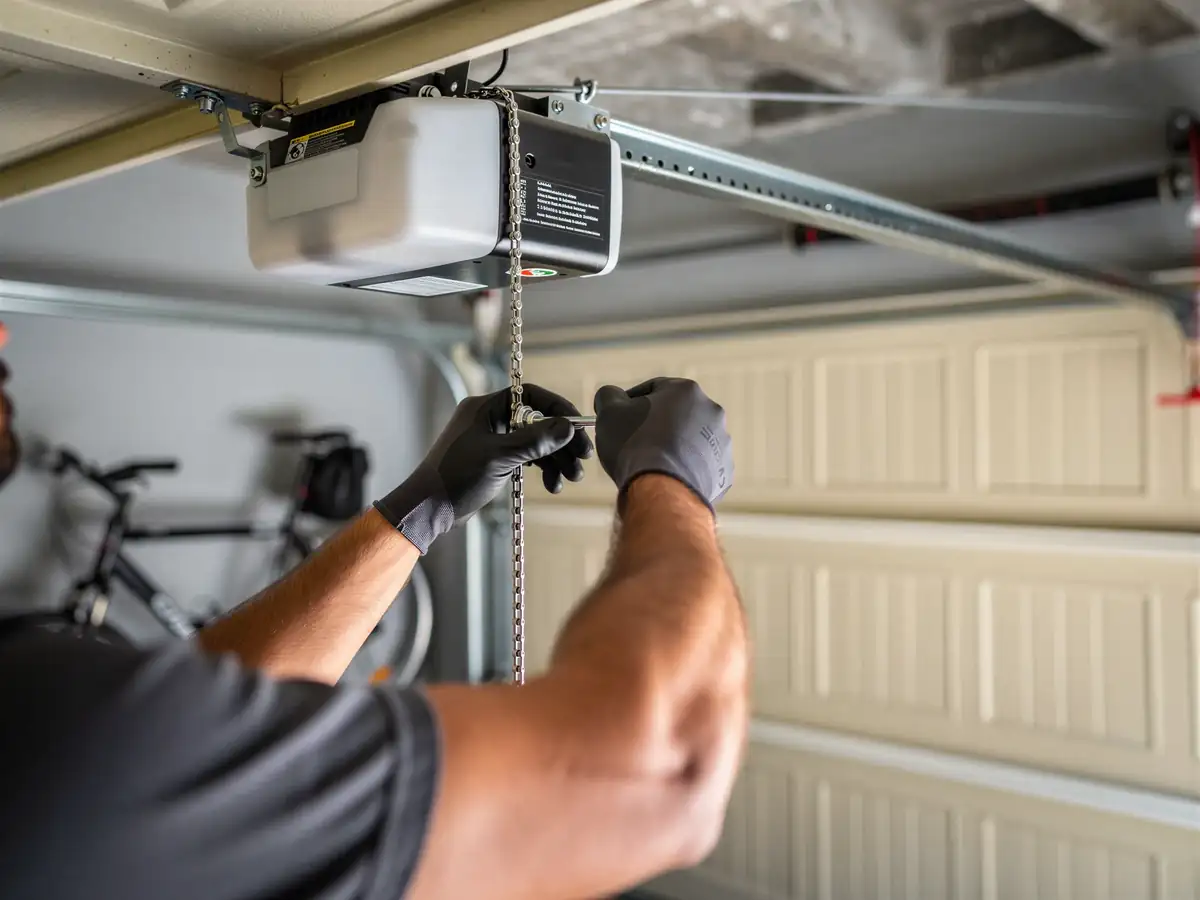
What Is on the Truck
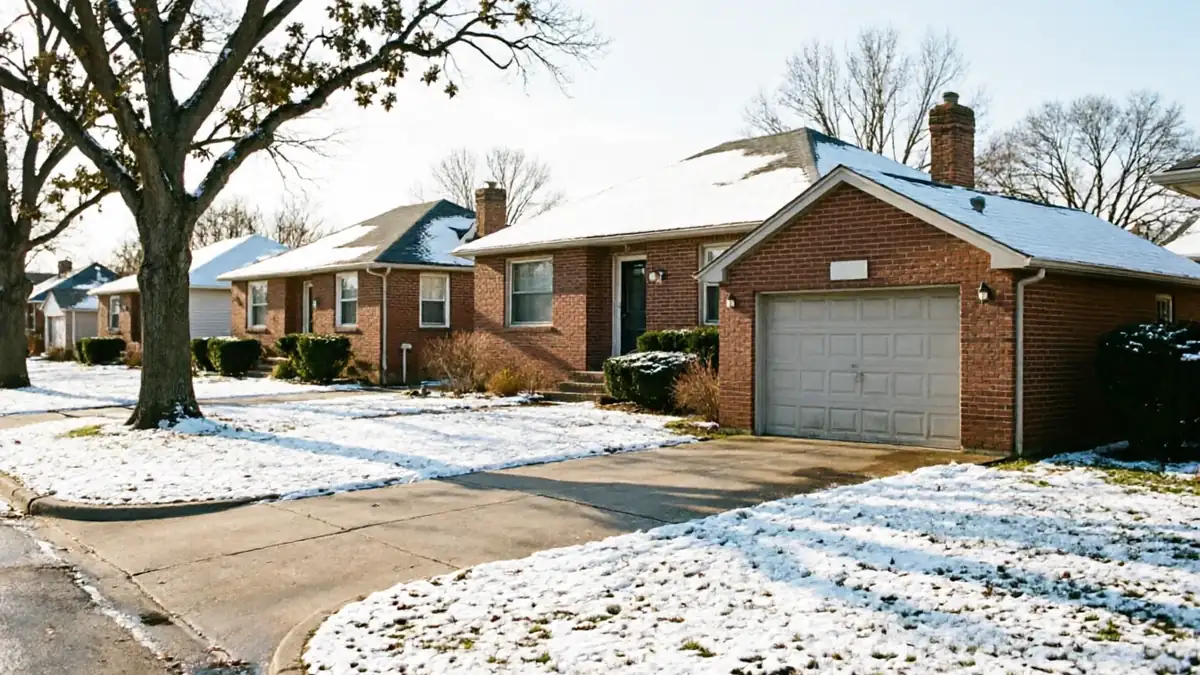
Webster Groves homes carry a median build year of 1951
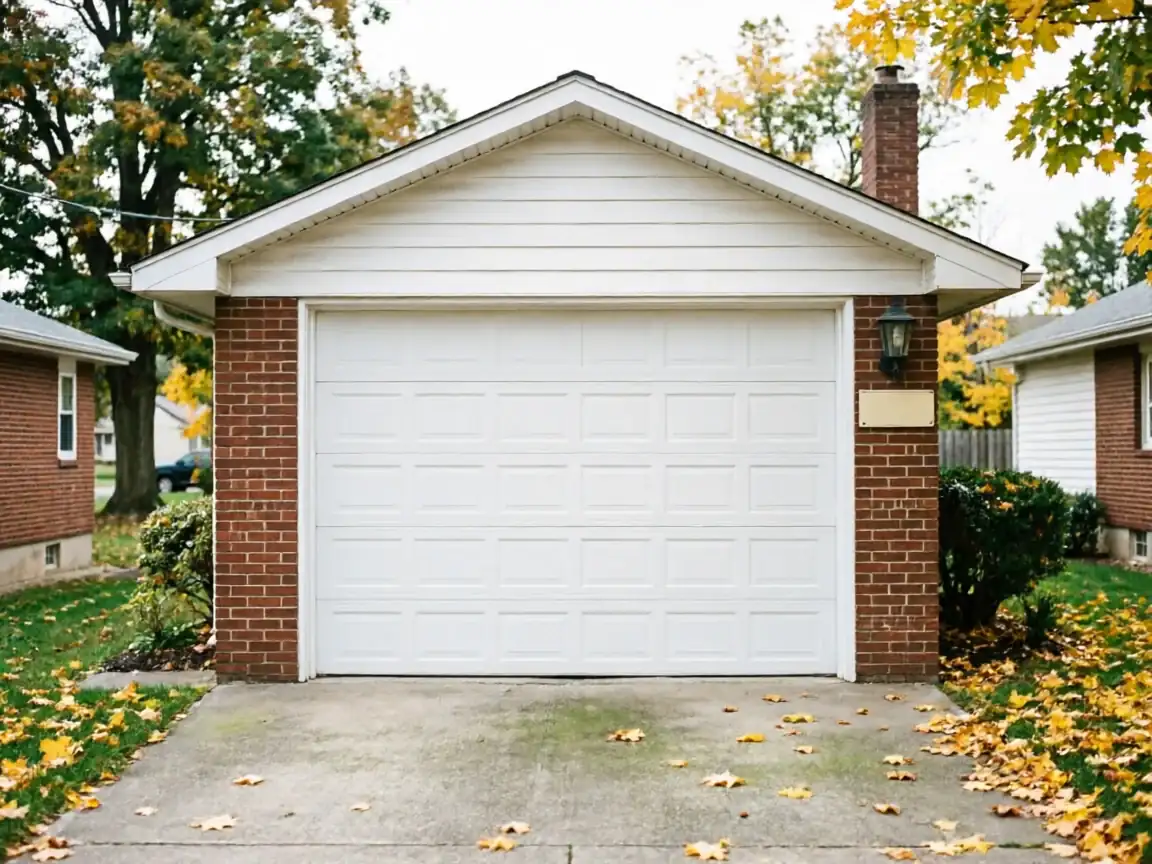
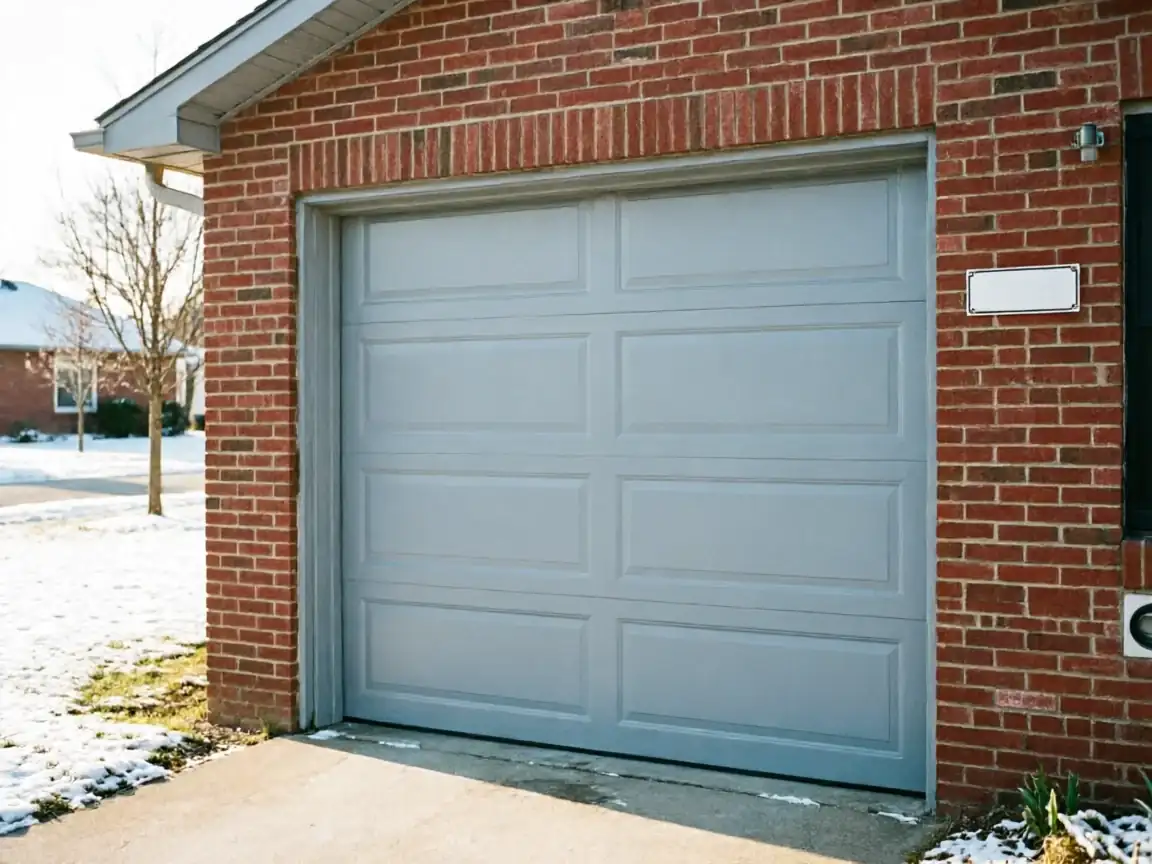
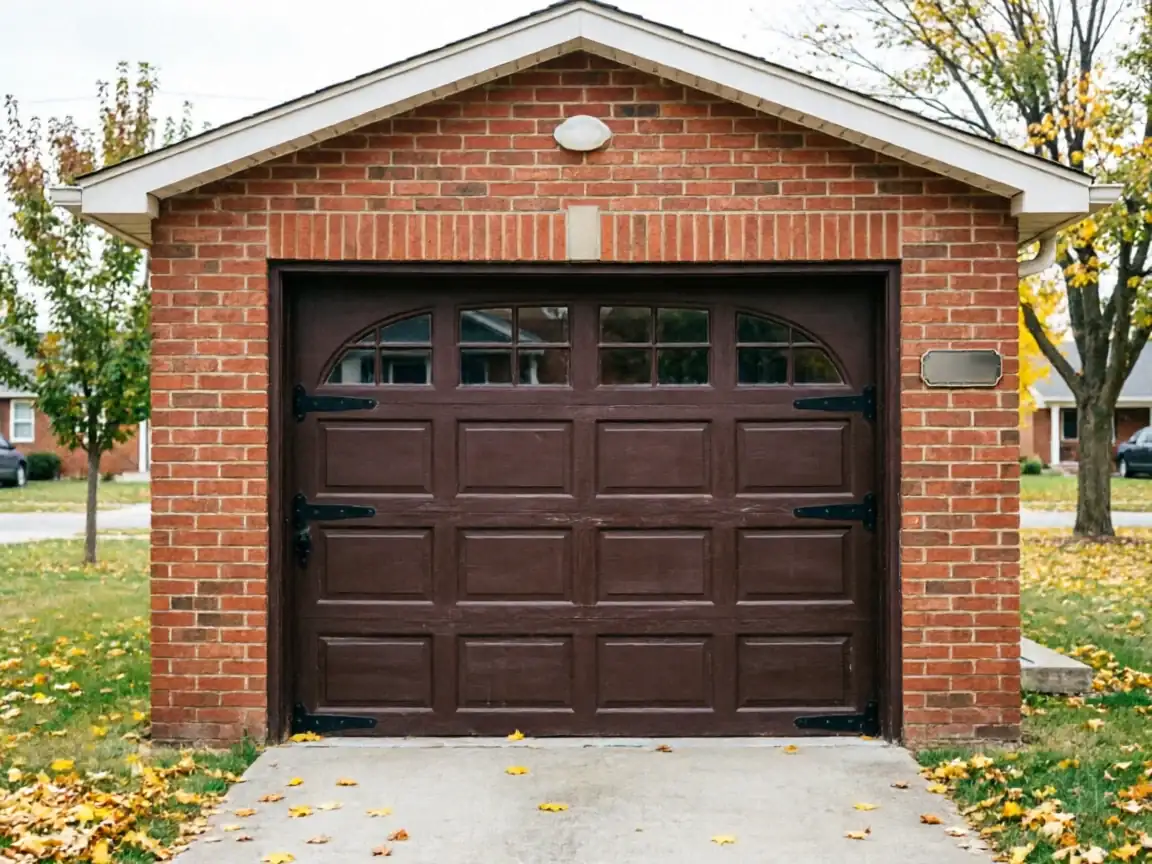
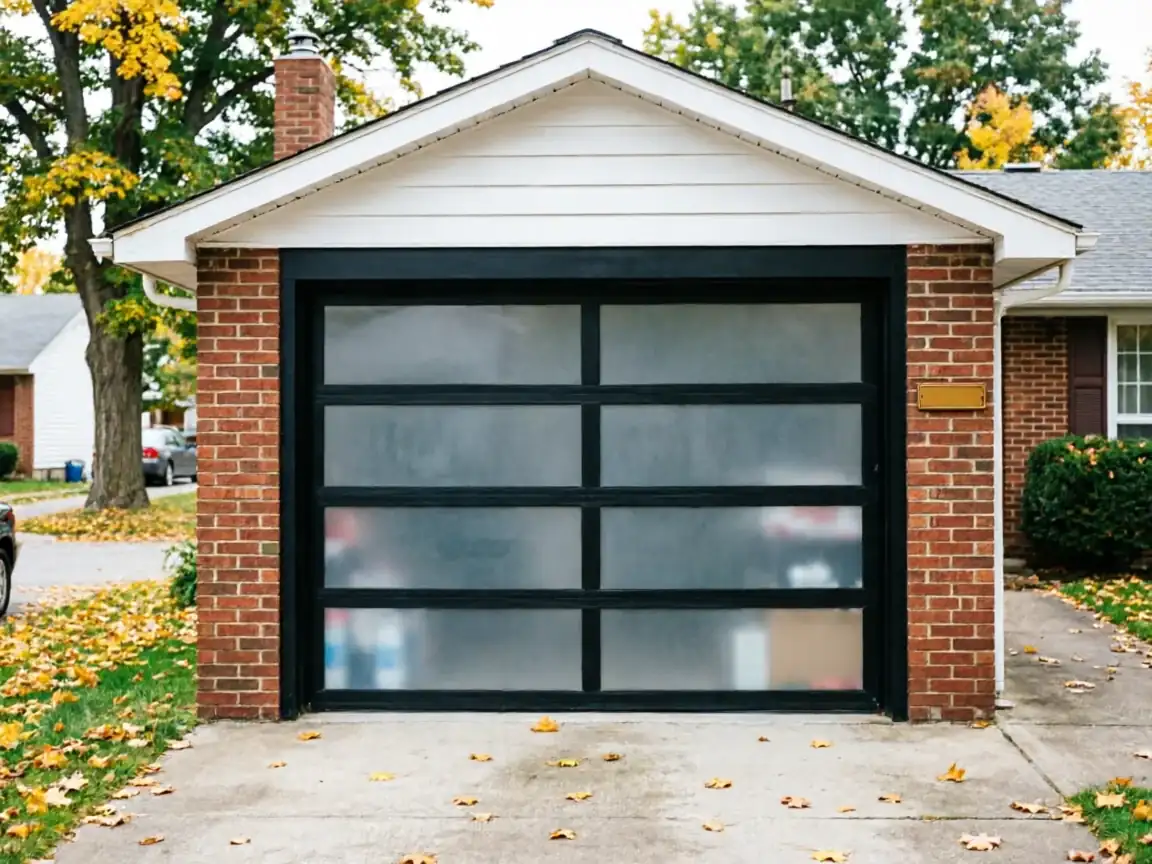
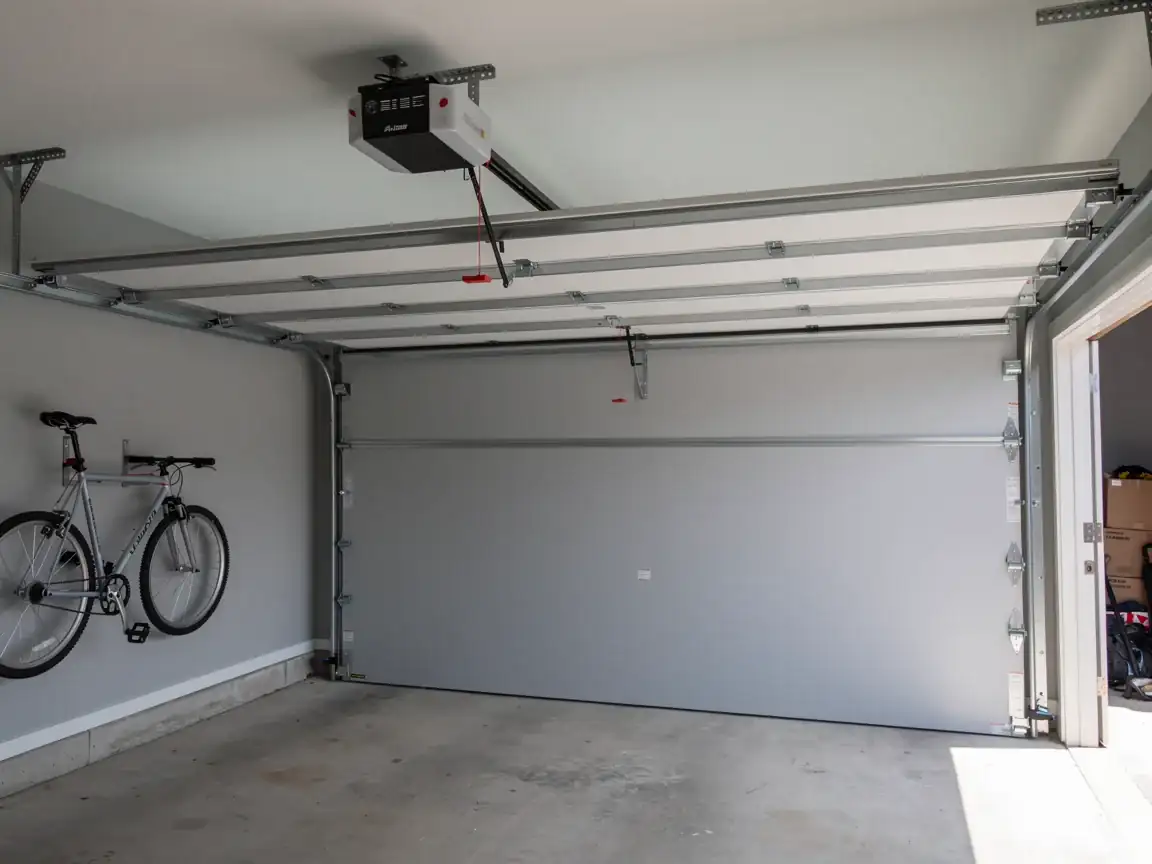
Nearly two decades ahead of the wider service area's 1969 median. That gap matters on an opener call. A house from the early 1950s has usually cycled through two or three openers by now, but the bracket, the header mount, and sometimes the rail support are original to the build. We carry logic boards and trolley assemblies for the chain and belt-drive units that replaced those first-generation units, along with the hardware to re-mount a rail onto a header that's never been touched since the house went up. What we don't carry on every run is a part for a genuinely obsolete drive system - if a unit predates the safety-reversal requirements from the early 1990s, we're not rebuilding it, we're replacing it, and we'll say so on the driveway rather than string out a repair that won't hold.
We come out of Chesterfield, 13 miles from Webster Groves
So the truck is stocked before we leave, not restocked mid-route. That's standard prep, not a local claim - it just means the part that fits a 1951 header is already in the bin when we knock.
- 13 miles
How Long It Takes
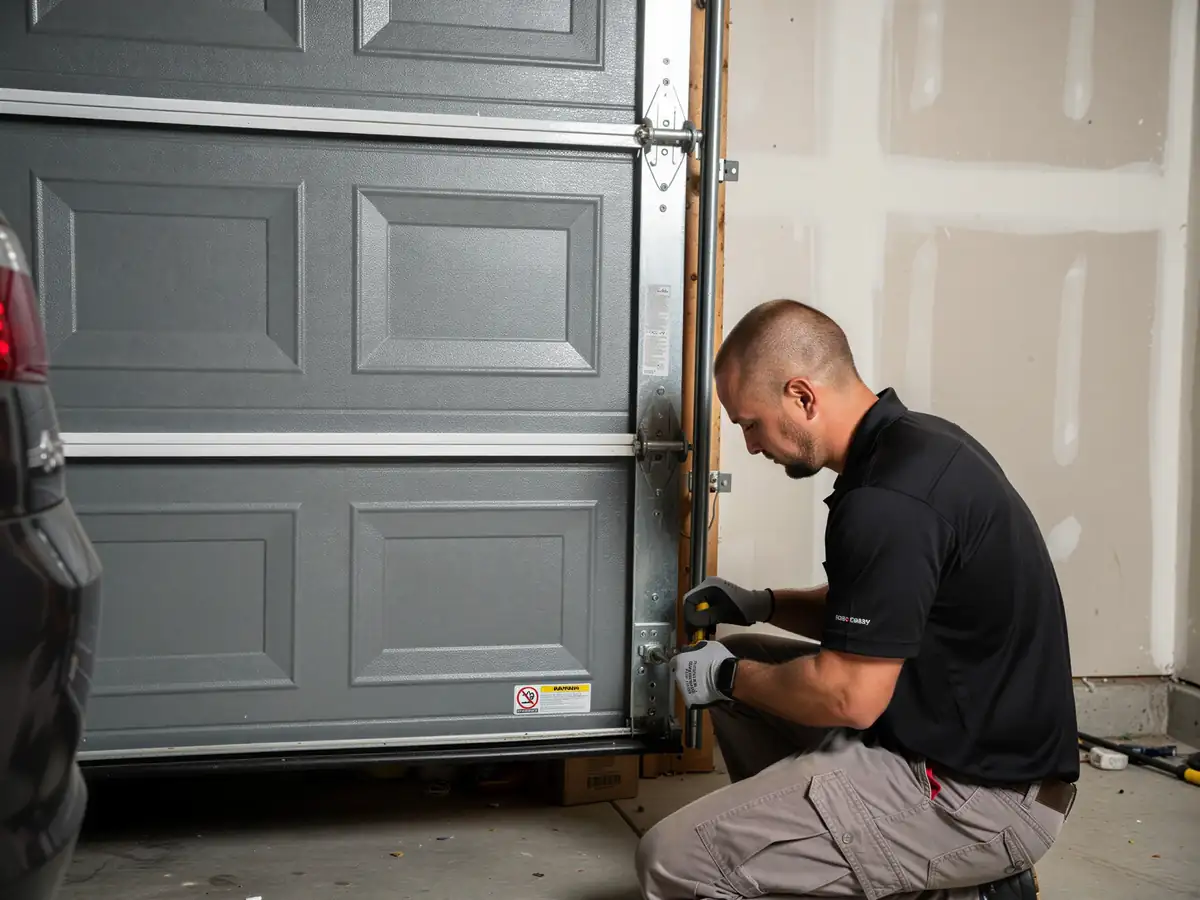
Most opener repairs here run one visit. Logic board swaps, sensor realignment, and worn gear-and-sprocket jobs on chain-drive units are same-visit work once we've confirmed the fault. Where it stretches is the rail-to-header connection: on a house with original 1951 framing, the ceiling attachment point sometimes needs reinforcing before a new opener can be hung safely, and that's an extra hour, not an extra day.
We don't promise a same-day slot here - that's a Chesterfield-page claim, not a Webster Groves one, since the drive is part of the job. What we can say is that once we're on site, a straightforward board or sensor repair is typically done inside an hour, and a full opener swap with bracket work runs closer to two.
The Symptom
The call we get most from this stretch isn't a dead opener - it's one that runs the motor but the door doesn't move, or moves partway and reverses. On a house from the 1951 era, that's almost always the drive gear stripped inside the housing, a worn trolley that's lost its grip on the chain or belt, or a limit switch that's drifted after decades of the rail settling against an original header that's shifted slightly with the house.
With 9,641 households in Webster Groves, that failure pattern repeats a lot - it's a function of age, not of any one brand. Newer builds in the service area with post-1990s headers don't see the same rate of this particular fault, which is part of why we open with the build year rather than the symptom itself.
Can You Do This Yourself
Swapping a logic board or realigning a photo-eye sensor is within reach for a homeowner comfortable with a ladder and a screwdriver
The instructions that ship with replacement boards are usually enough. What isn't a DIY job is anything touching the header mount on an original 1951 ceiling attachment. If that bracket has to be reset or reinforced, you're working above a spring-loaded door with wood that's 70-plus years old and may not take a fastener the way it used to. Get that wrong and the opener failure becomes a door that drops.
Webster Groves carries a median household income of $110,716, well above the area's $86,641 median
And we mention that only because it changes the math on repair versus replace - a full opener swap often makes more sense here than nursing along a unit that's outlived two or three motors already. That's a judgment call we'll walk through with you, not one we make from the truck before we've looked at the unit.