What Is on the Truck
Webster Groves is a smaller town inside our coverage area
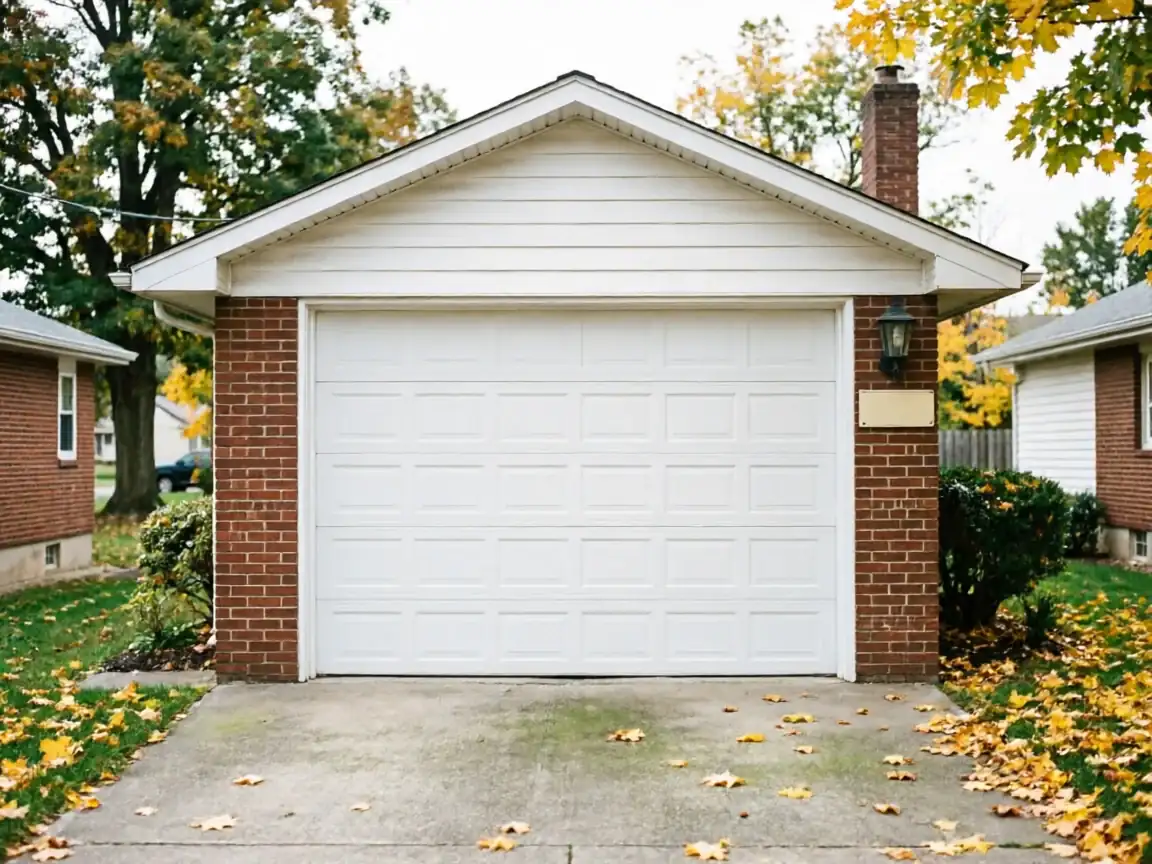
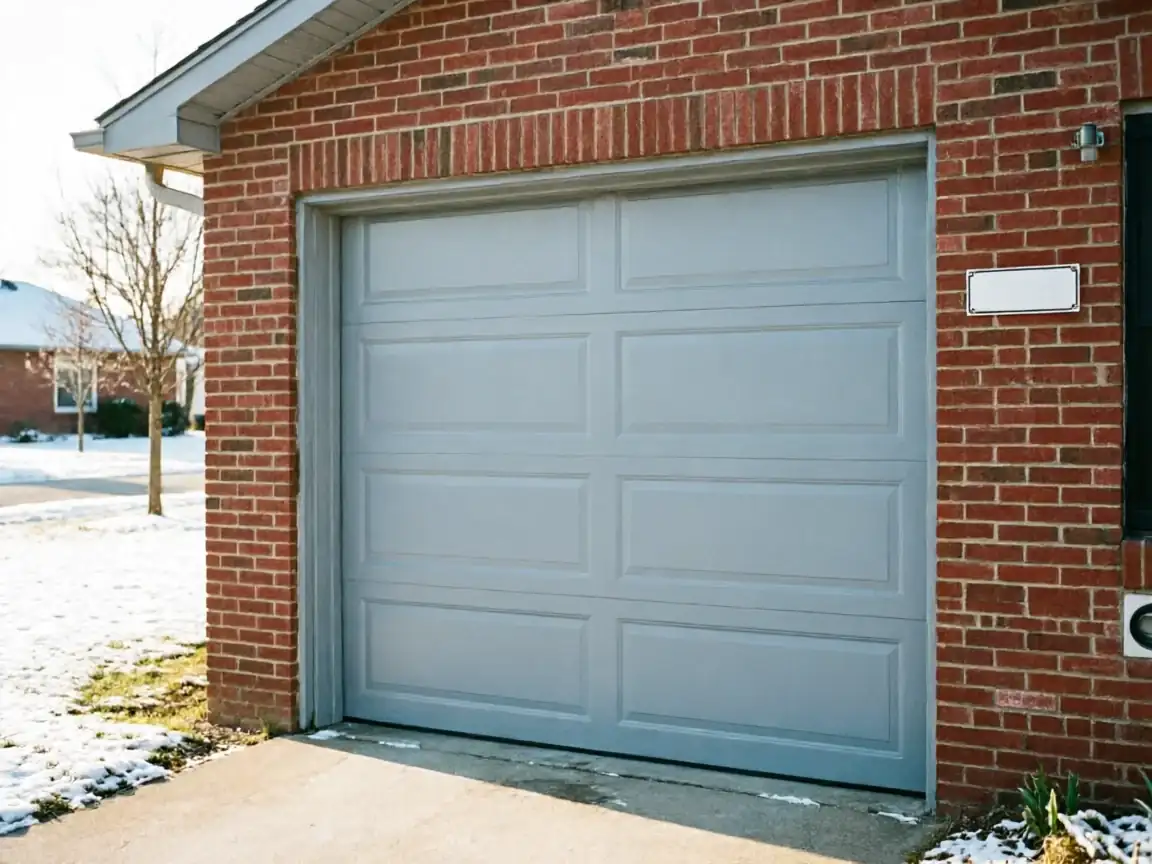
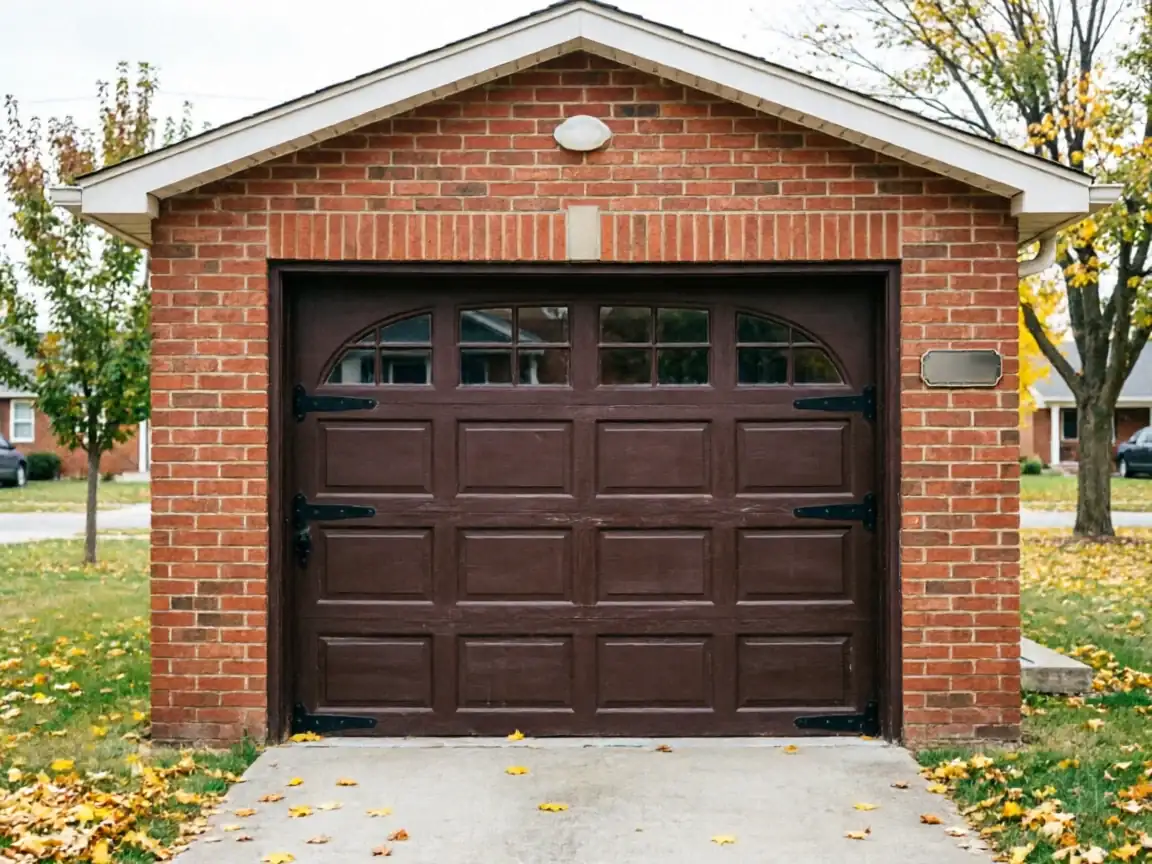
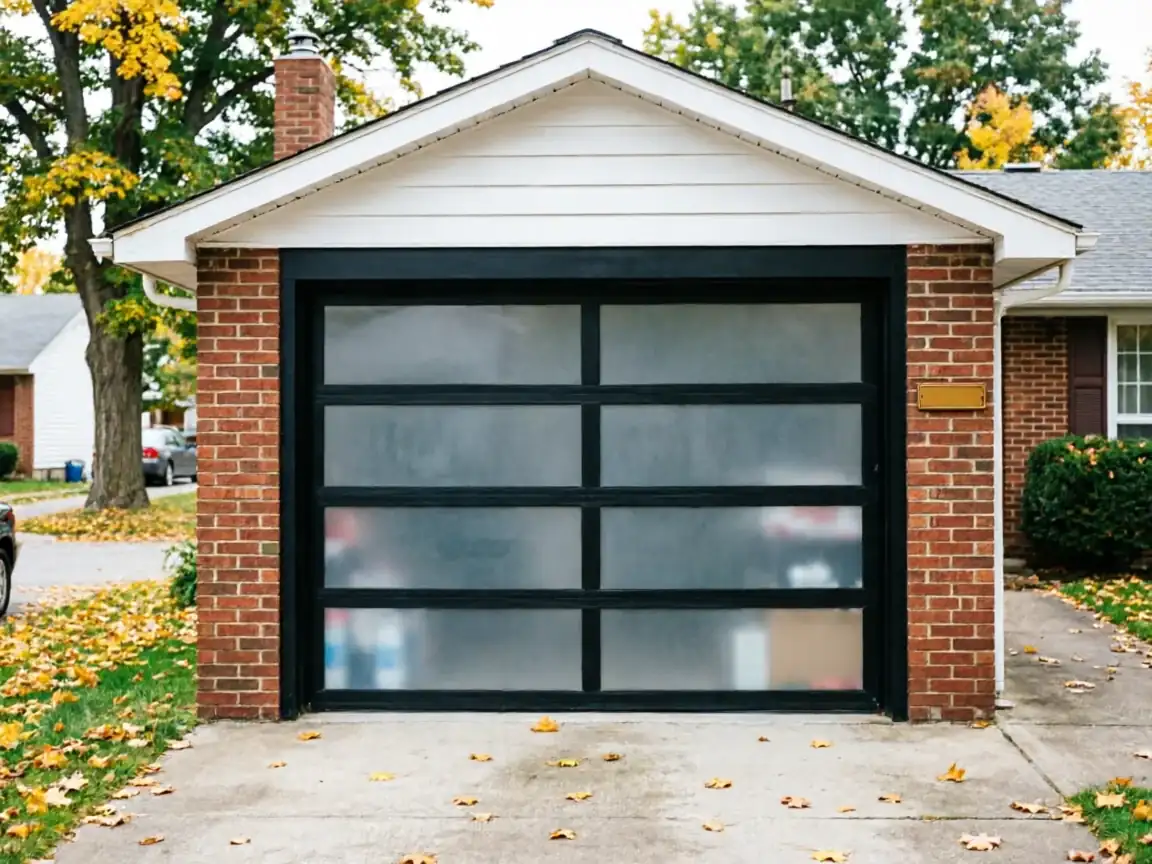
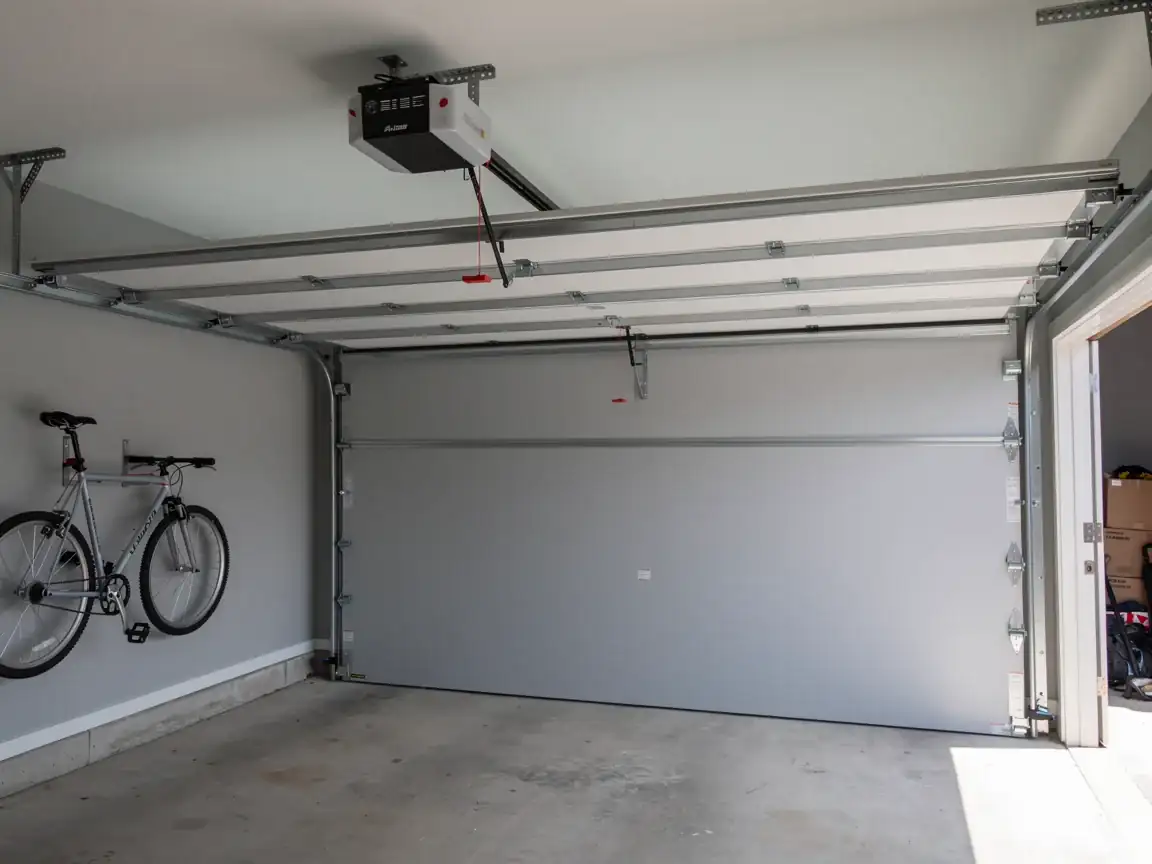
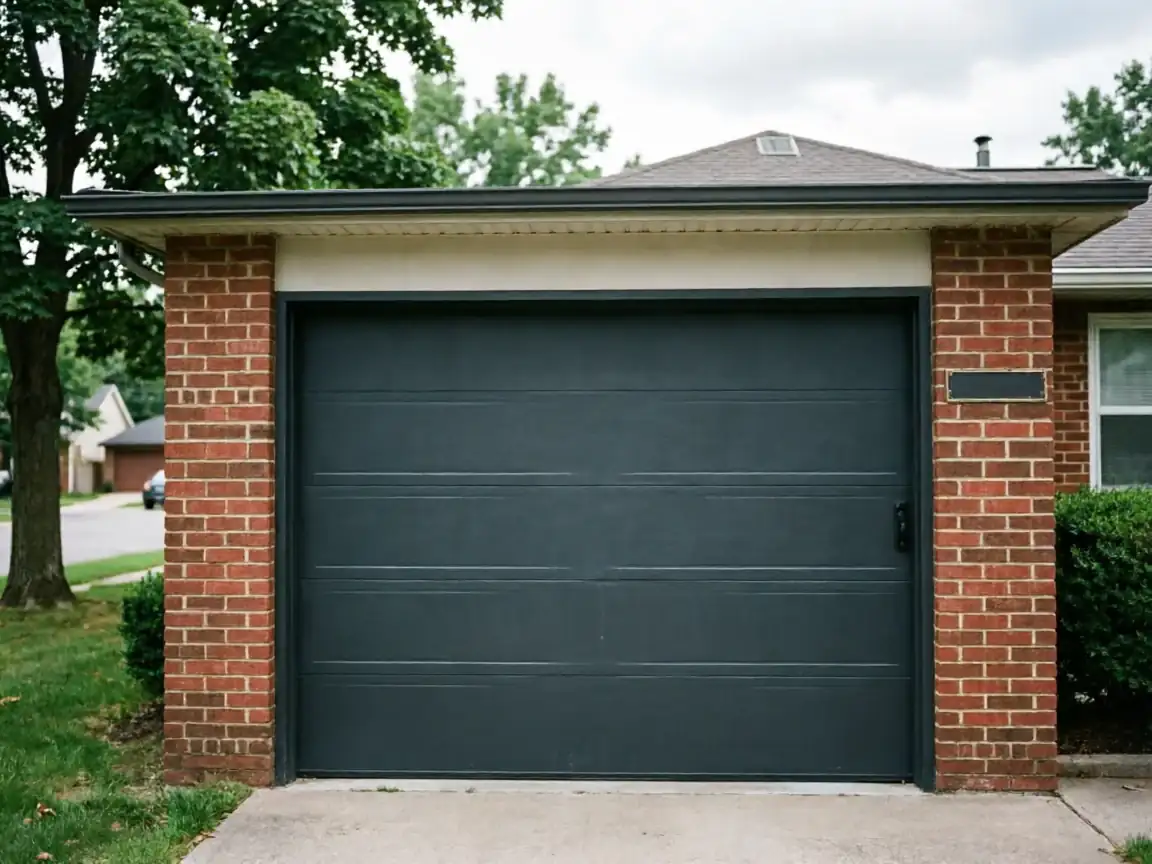
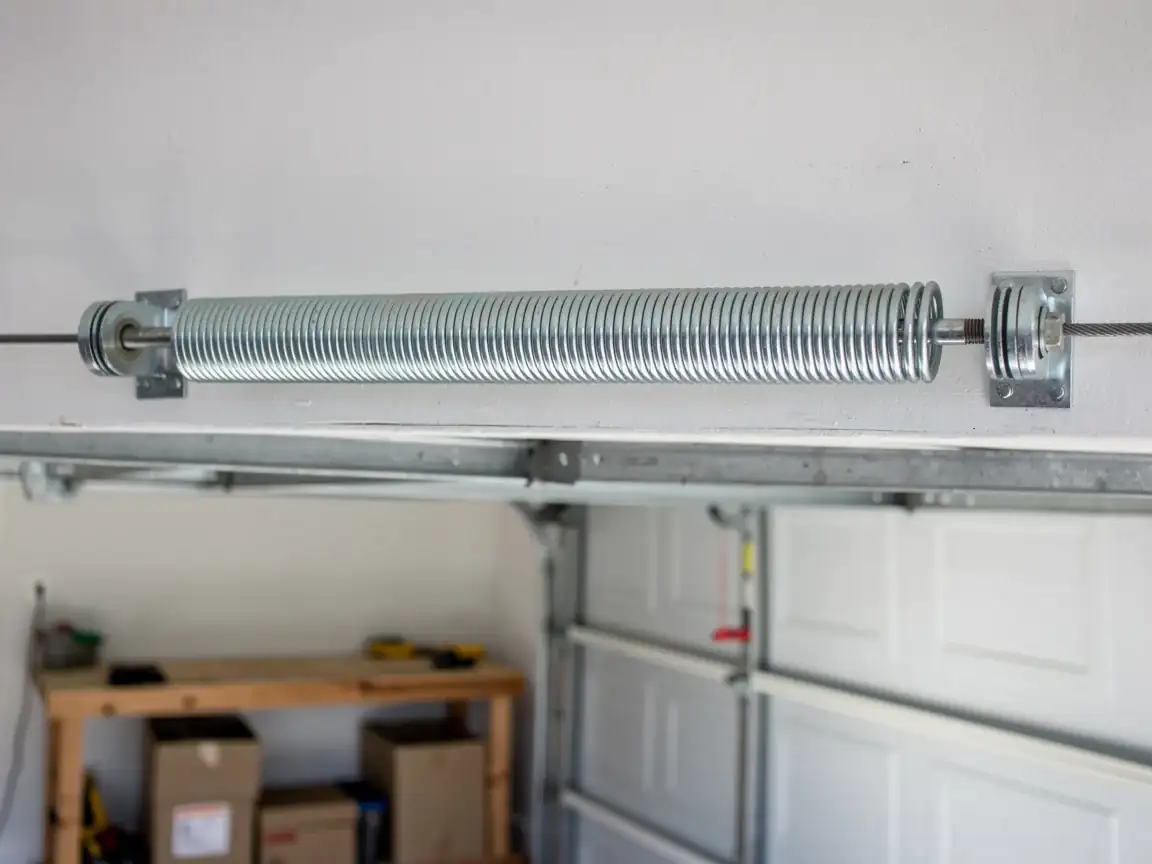
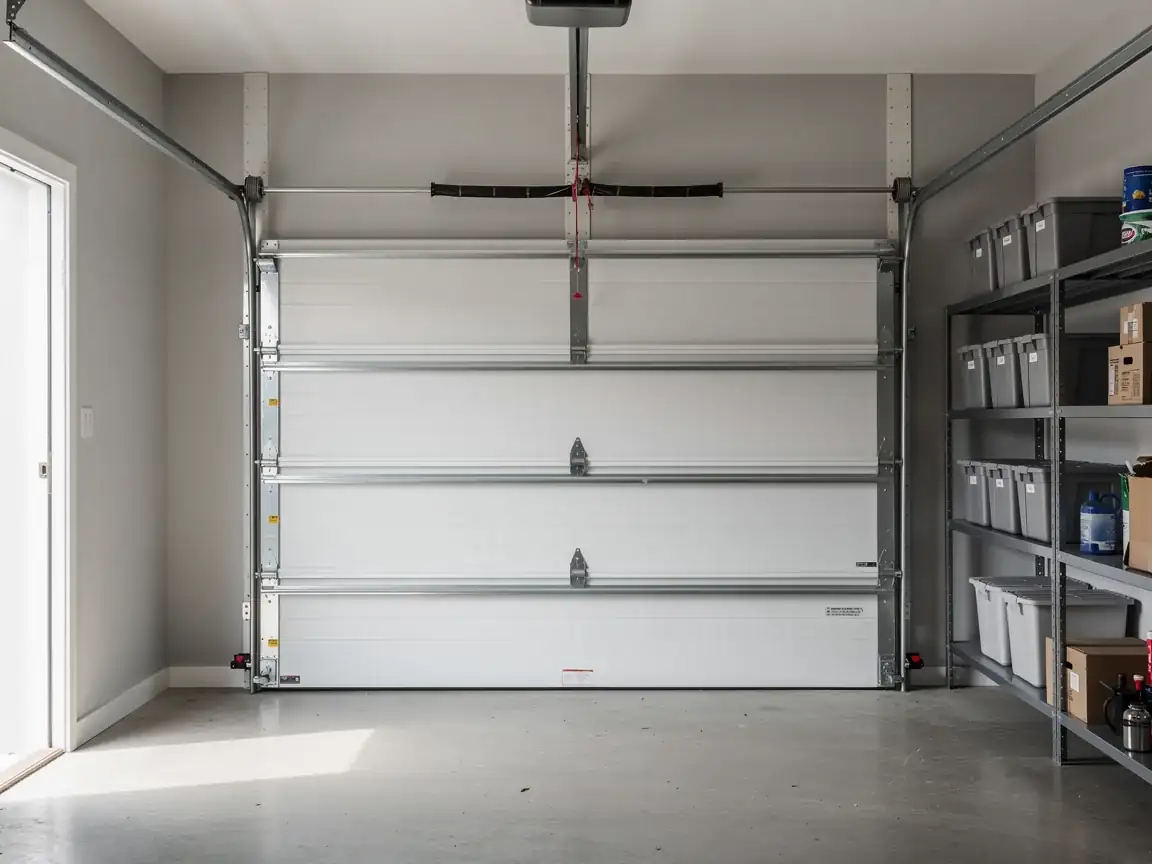
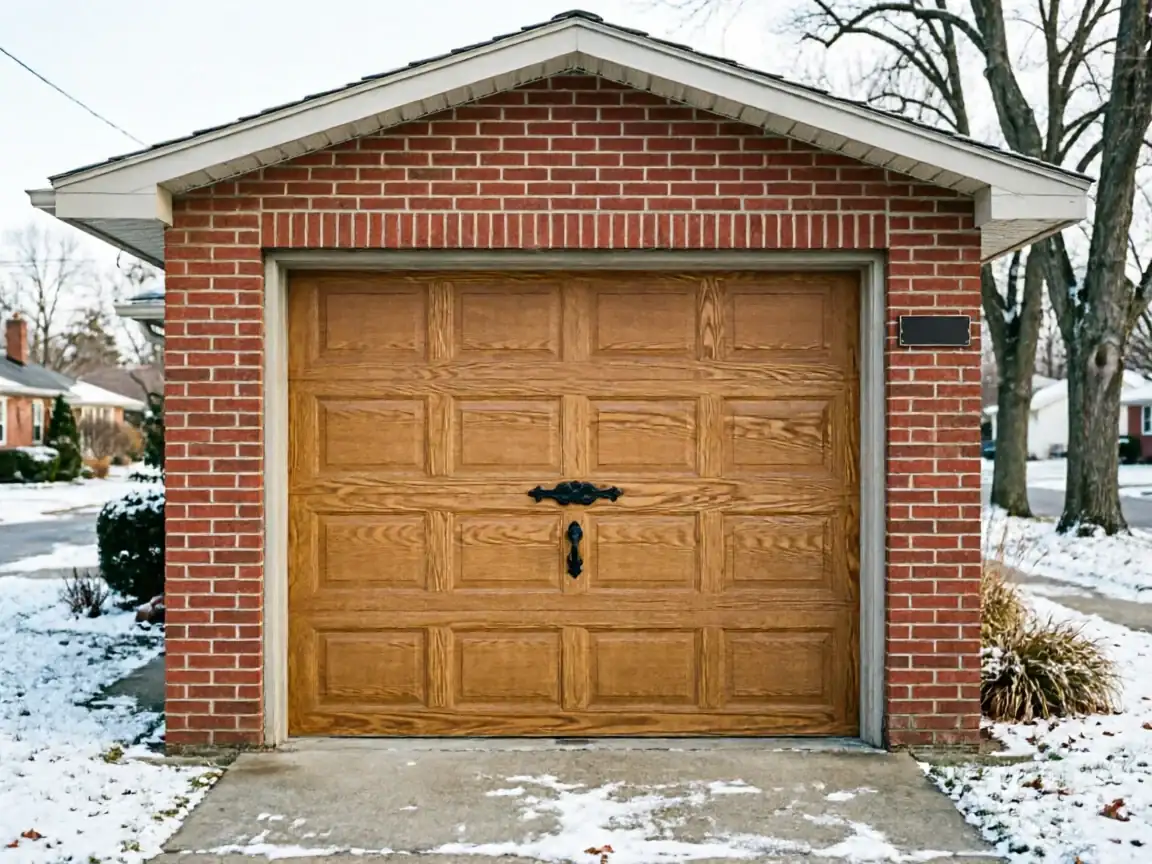
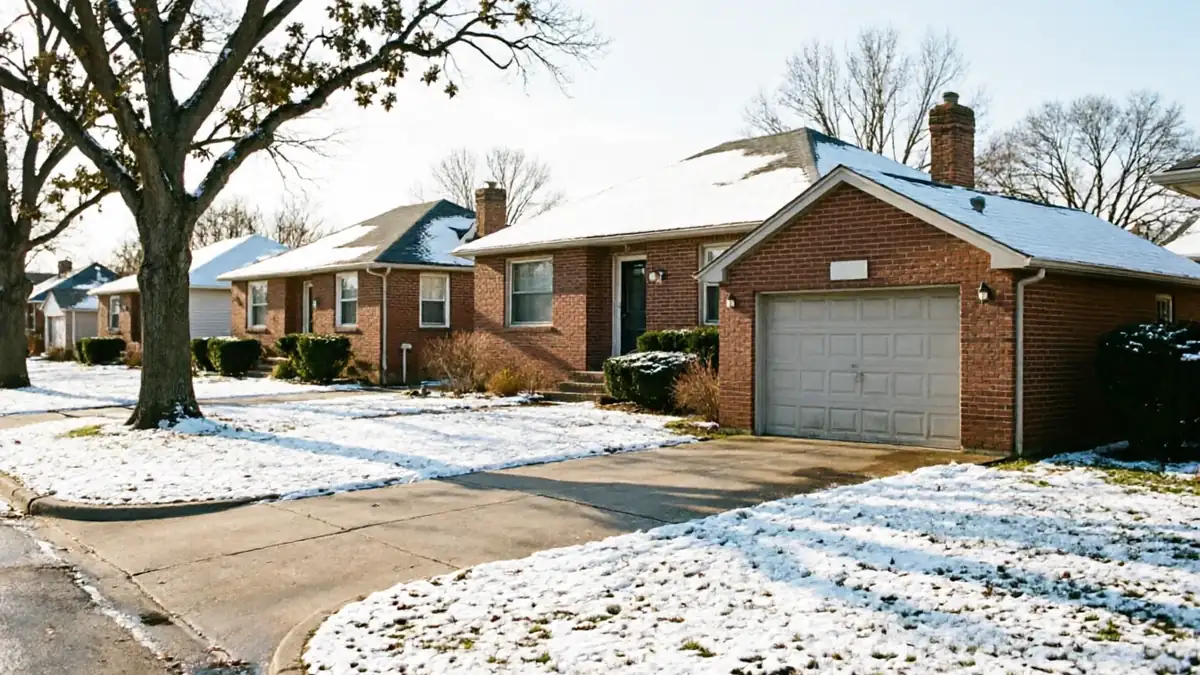
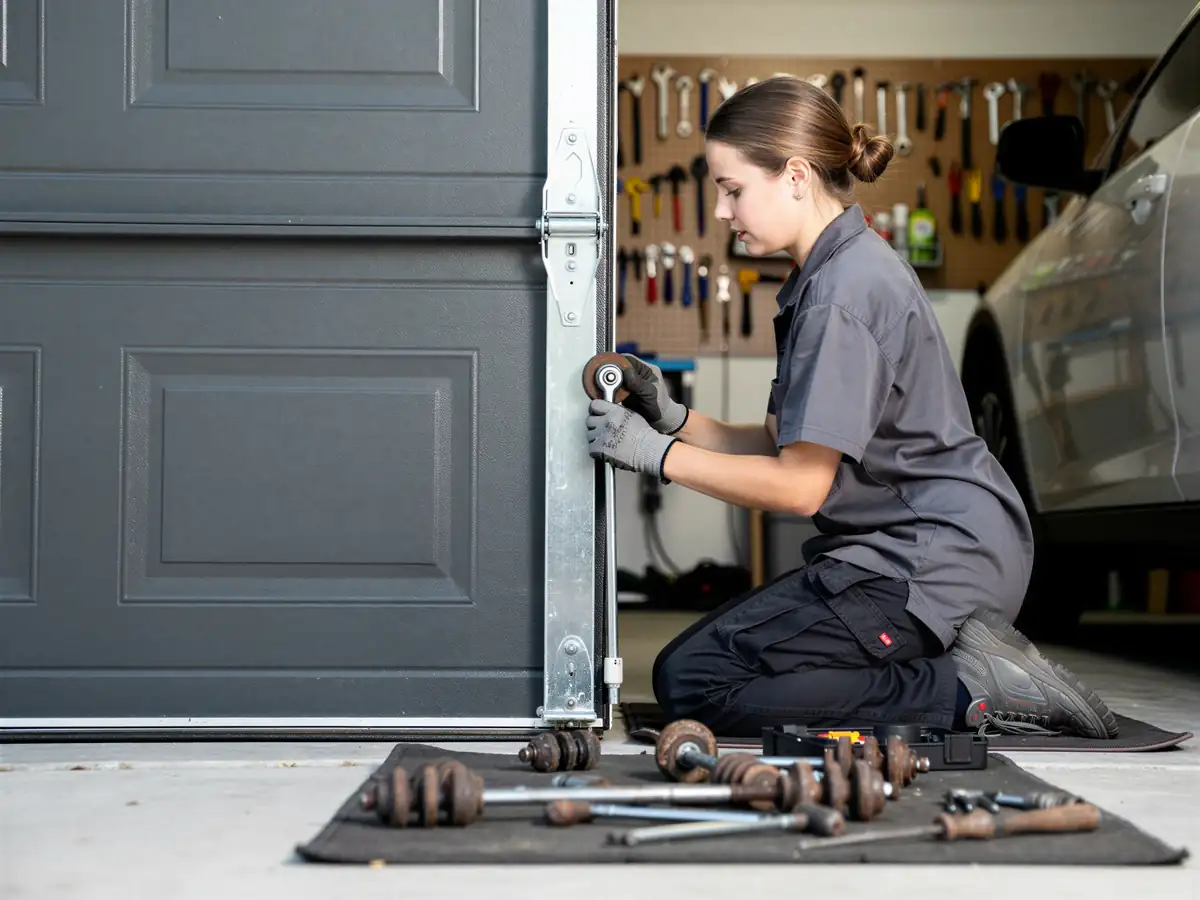
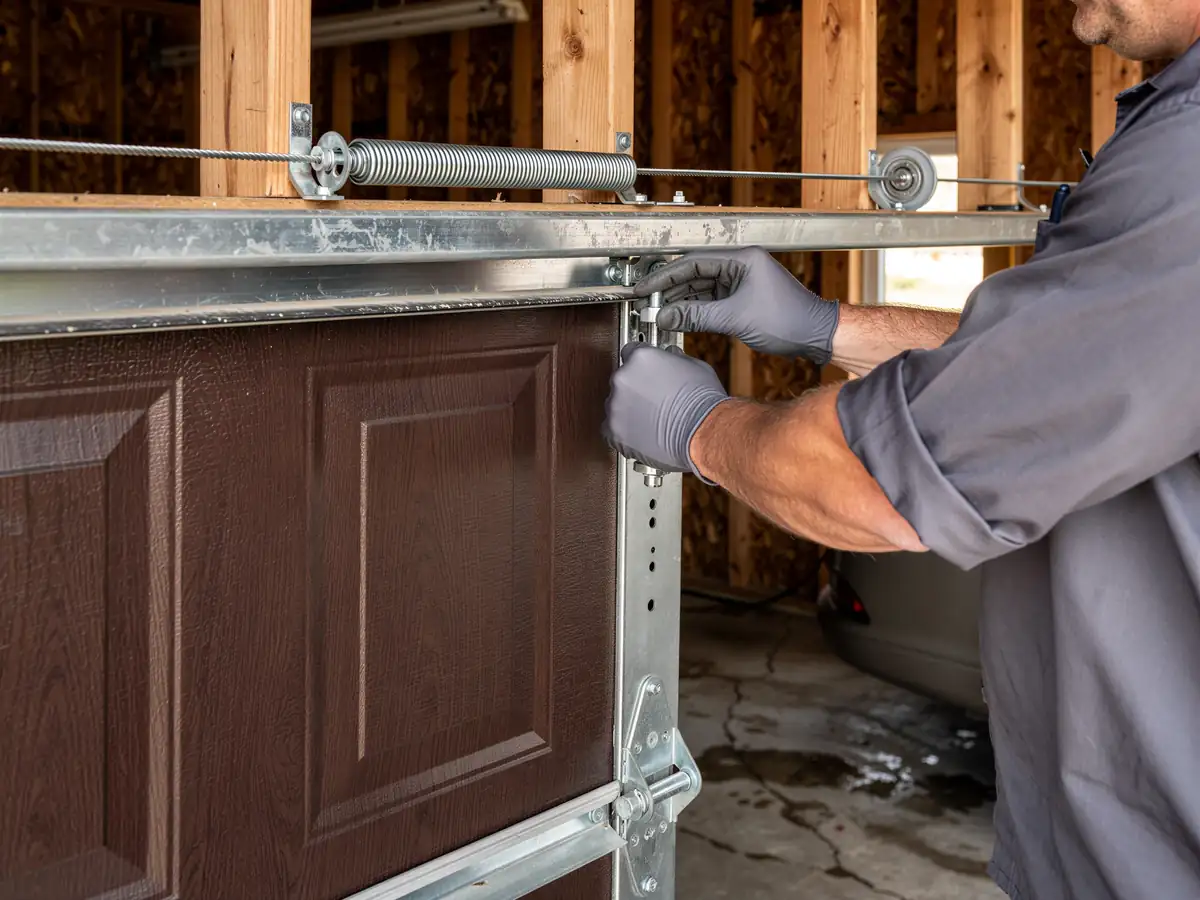
About 9,641 households, not the kind of volume that lets a crew guess. We stock for what actually shows up here: torsion springs sized for doors installed when the median home in this part of our territory went up in 1969, but Webster Groves itself runs older, with a median build year of 1951. That means more low-headroom setups, more doors with hardware from before the common 7-foot section heights became standard, and openers that have already been replaced once or twice since the house was built. We carry both standard and high-cycle springs, a range of roller types, and openers in a couple of drive styles, because a 1951 house and a 1998 house in the same neighborhood rarely need the same part. What we don't carry is a guess - if a door takes something unusual, we'd rather confirm the model before we drive the 13 miles out from Chesterfield than show up with the wrong bracket.
- 9,641 households
- 13 miles
Cold-moderate winters in this region also mean grease hardens and seals stiffen on schedules that owners don't always notice until a spring night when the door won't budge
We bring lubricant rated for that swing, not the all-purpose can from the hardware store.
How Long It Takes
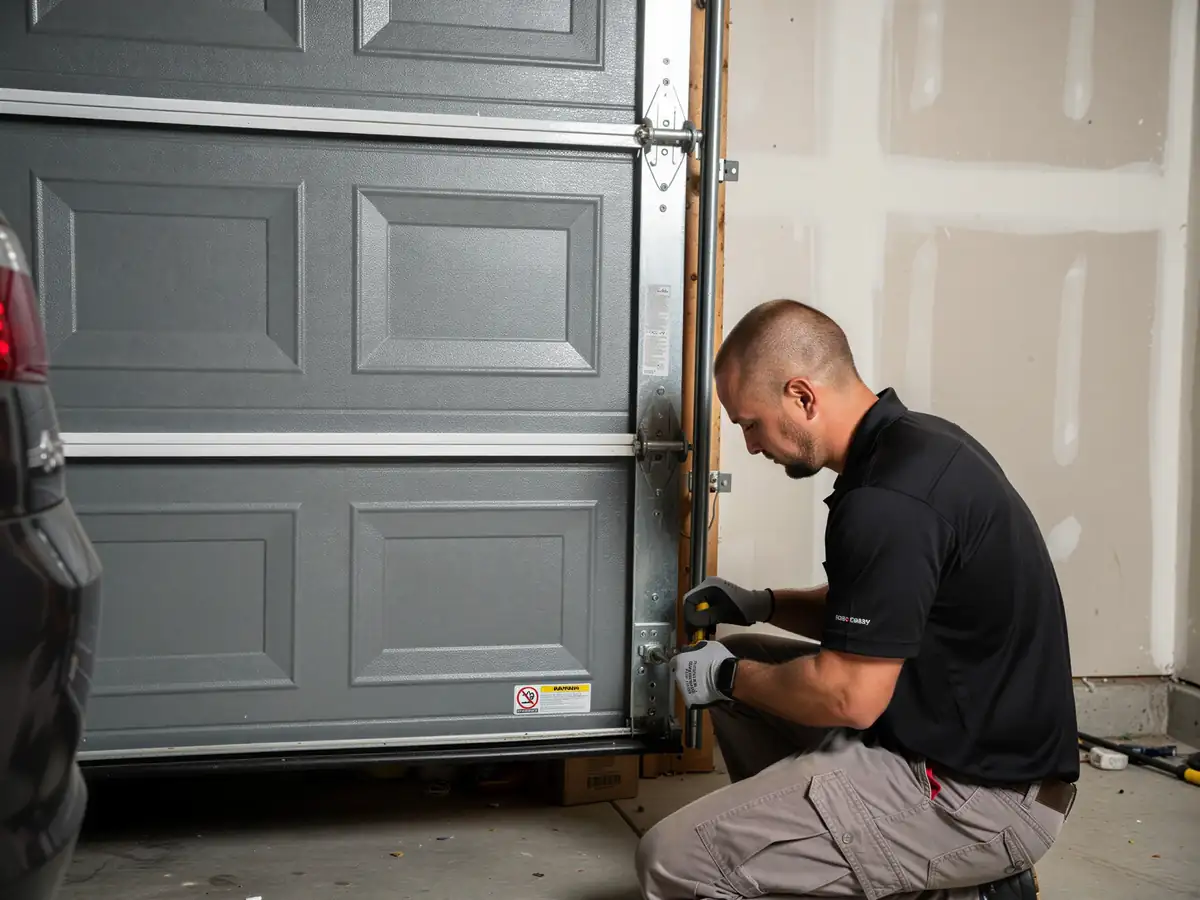
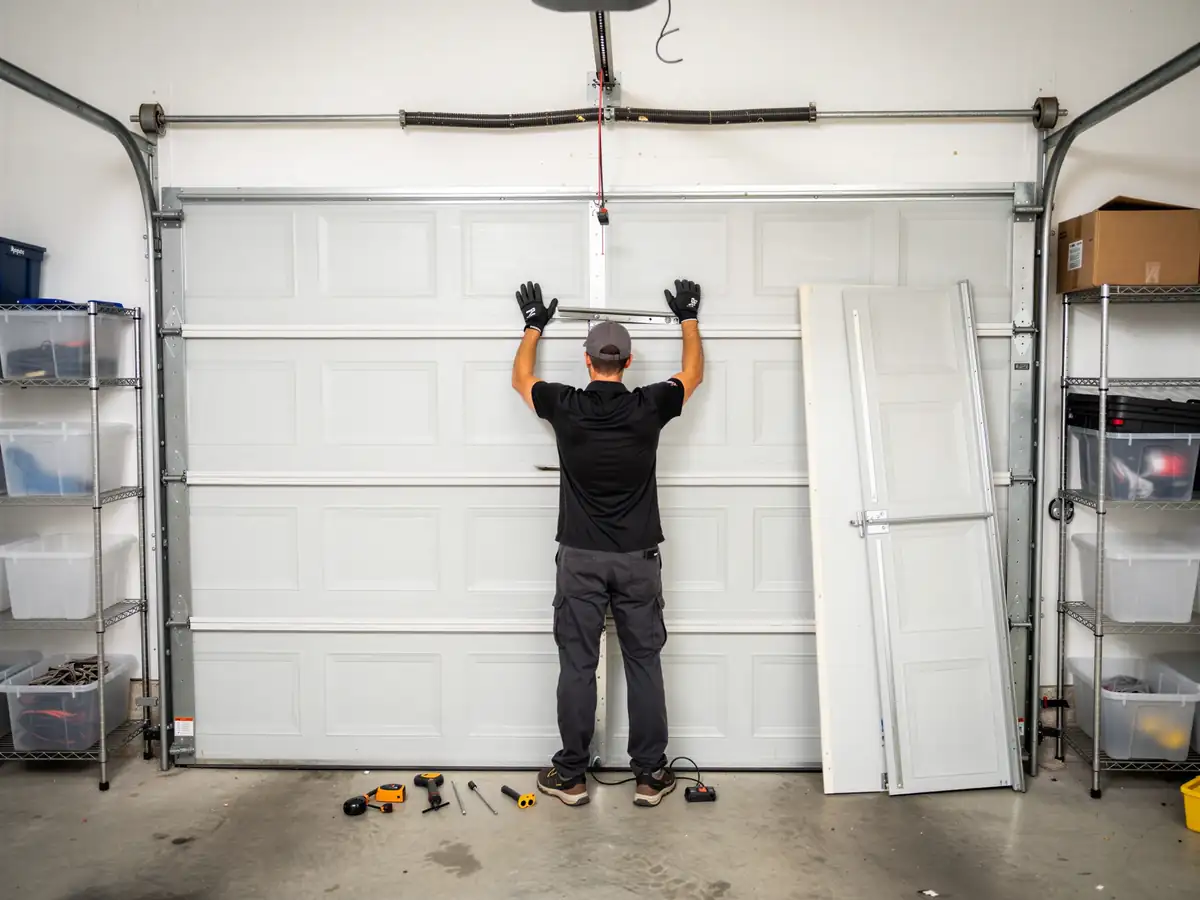
Most single-door jobs in Webster Groves - a broken spring, a bad roller, a sensor out of alignment - run inside a couple of hours once the truck is on site. Opener swaps take longer, generally closer to half a day, especially in houses built around that 1951 median where the garage wiring wasn't planned for a modern unit and we have to run power or confirm the circuit first. Houses on the newer end of this area's range, built as late as 2011 per the broader housing data, usually go faster because the framing and electrical are already set up for it.
We don't pad the estimate to cover the drive from Chesterfield - the 13 miles is built into how we schedule the day, not into what we charge once we're there. What takes the time is the door itself: older torsion hardware sometimes needs a bracket swapped along with the spring, and that's the kind of thing you only find once the door's open in front of you.
The Symptom
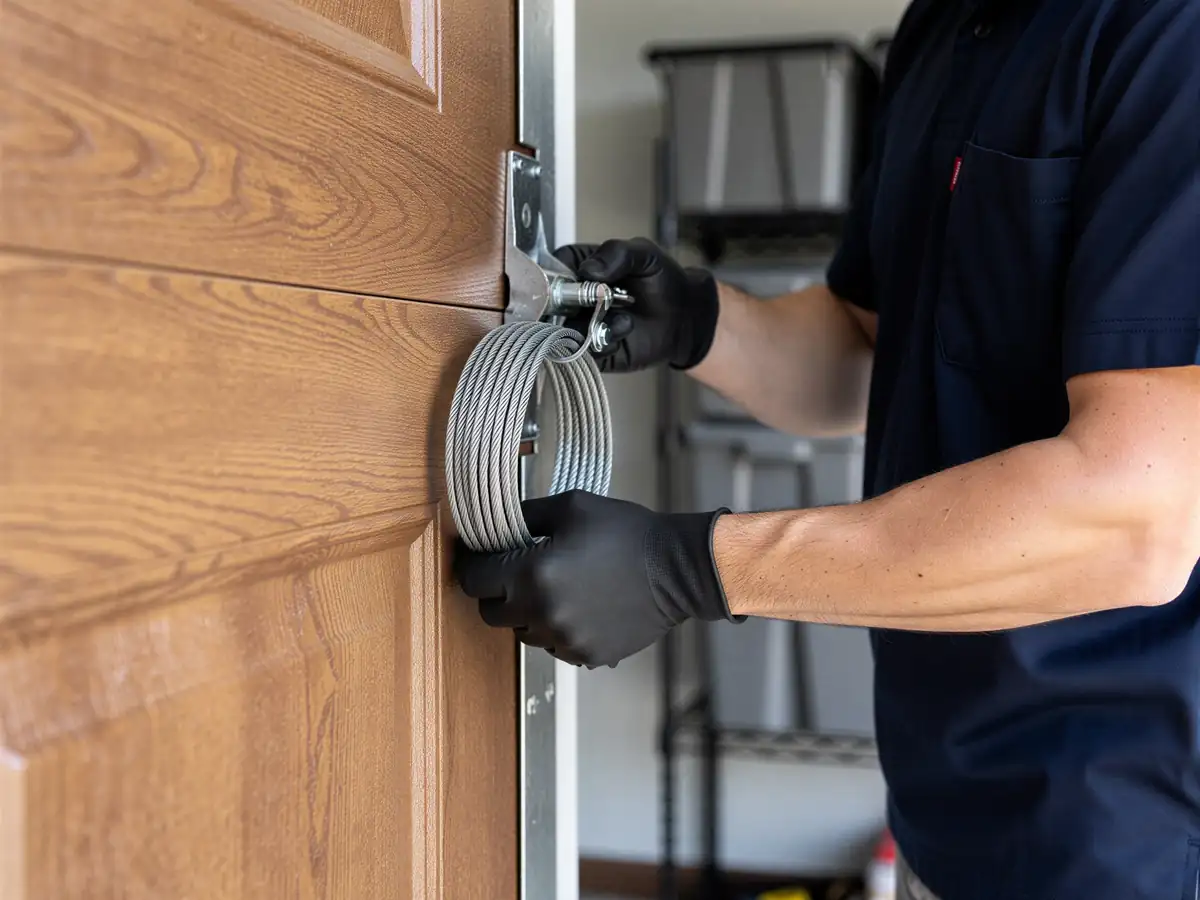
The call we get most from this part of town is a door that's suddenly heavy - it worked fine yesterday, and today it drags, groans, or won't lift past waist height without help. On a house from the early 1950s that's almost always a spring that's reached the end of its cycle count, sometimes helped along by original hardware nobody's touched since install. On a newer build in the same zip, the same symptom is more often a worn cable or a roller that's jumped the track.
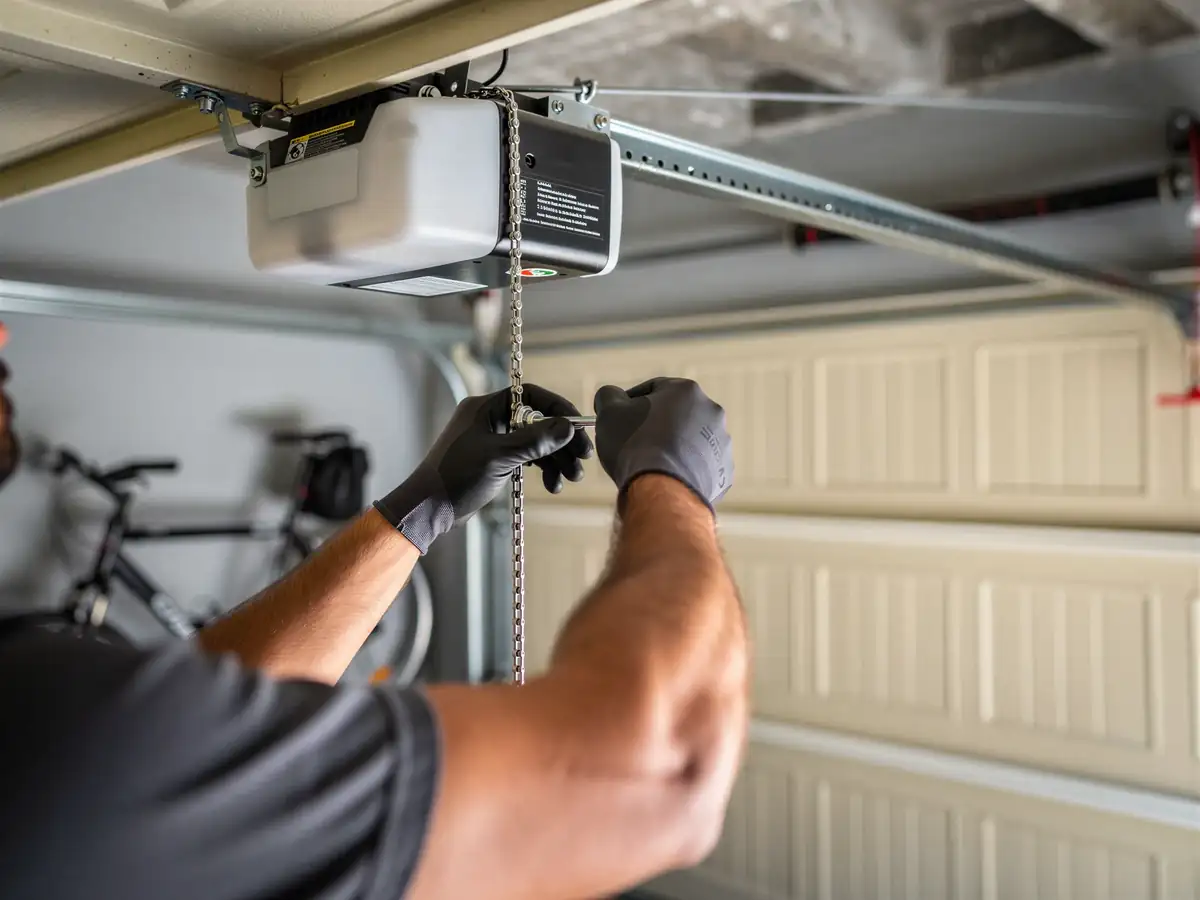
A close second is an opener that runs but the door doesn't move, or moves and reverses halfway - usually a sensor knocked out of alignment or a limit setting that's drifted. Given the median household income here is $110,716, we see more owners who've already had a smart opener installed, and those units throw more error codes than they used to lift-and-lower models, which actually makes diagnosis faster, not slower, once we're looking at the panel.
Can You Do This Yourself
Clearing the track, tightening visible hardware, replacing weatherstripping
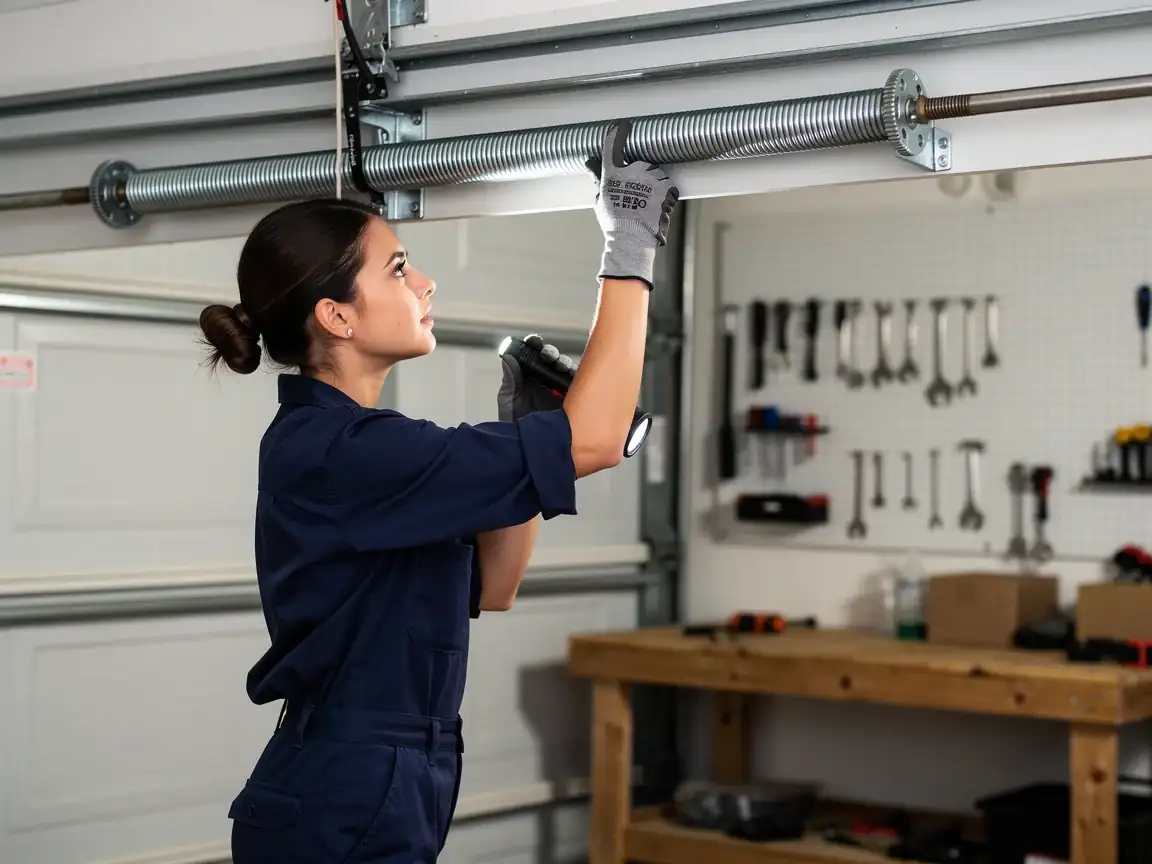
And lubricating hinges and rollers are reasonable owner jobs, and we'd rather you do them than pay us to. A torsion spring is not on that list - the tension involved can break a hand or worse, and we say that plainly rather than soften it. If your door is from the early part of this area's build range and has never had the spring replaced, that's not a DIY afternoon.
One honest limit on our end
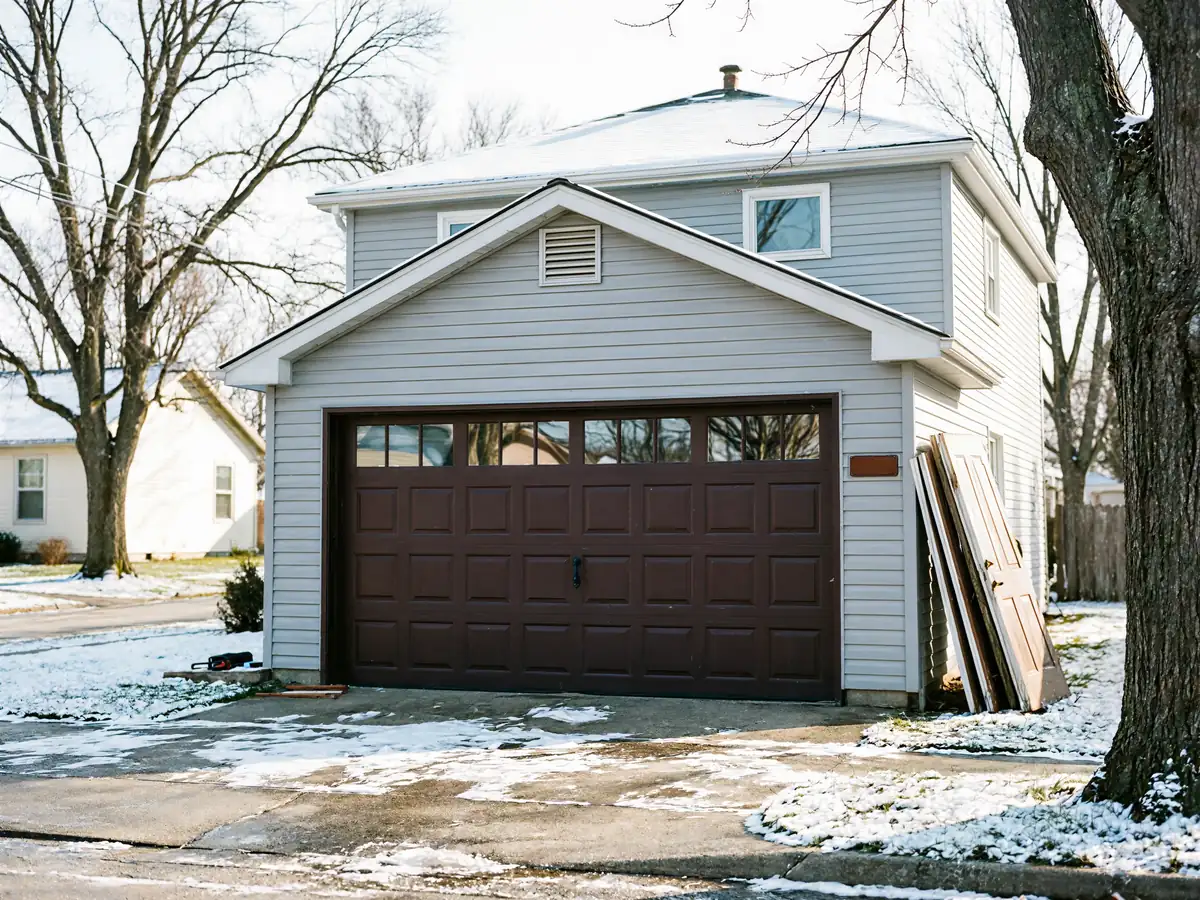
If a door's frame or opening is non-standard for reasons tied to an older build, we may need to order a part rather than carry it on the truck, and that can push a same-visit fix into a second trip. We'd rather tell you that up front than promise a fix we can't finish.