Maintaining Older Garage Door Hardware in Webster Groves
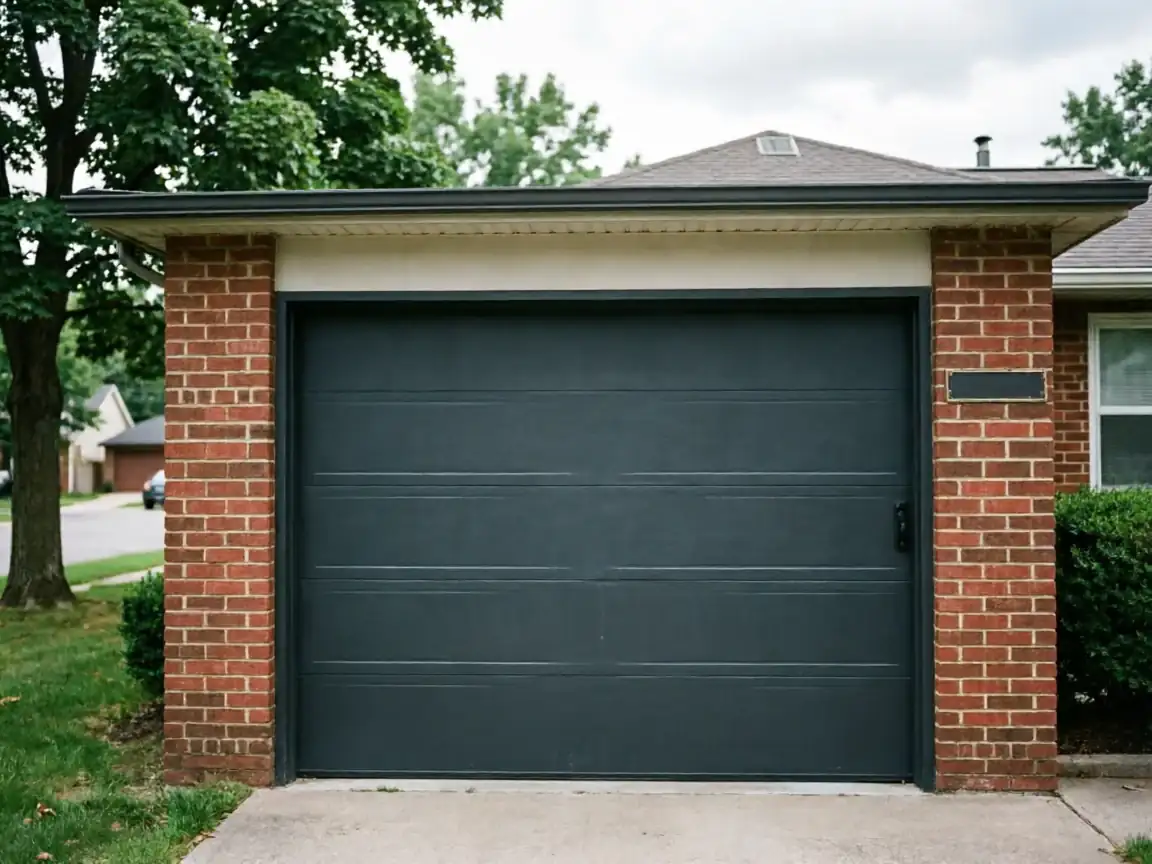
Webster Groves' 1951 median build year means older torsion springs and dated track hardware. Chesterfield Garage Door Pros services these aging systems on the 13-mile route out from the shop.
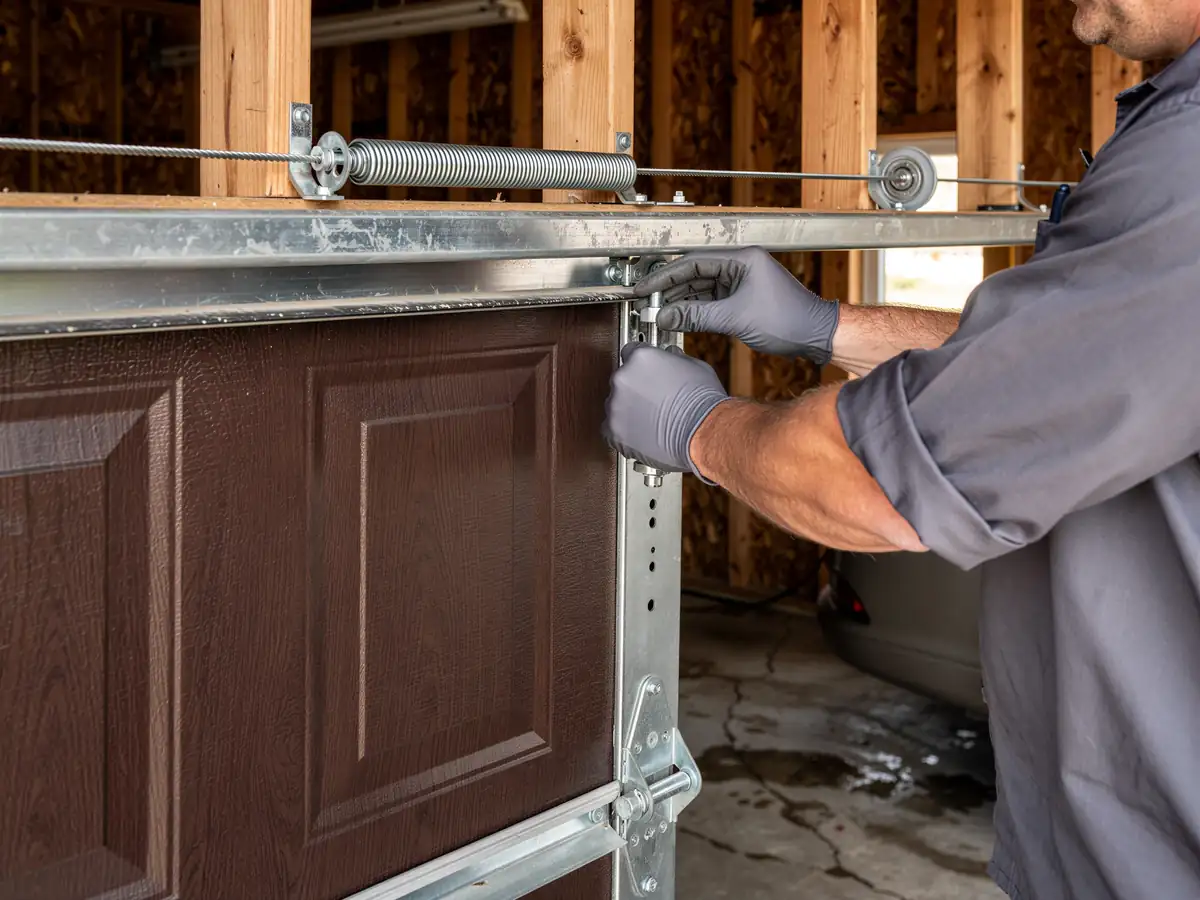
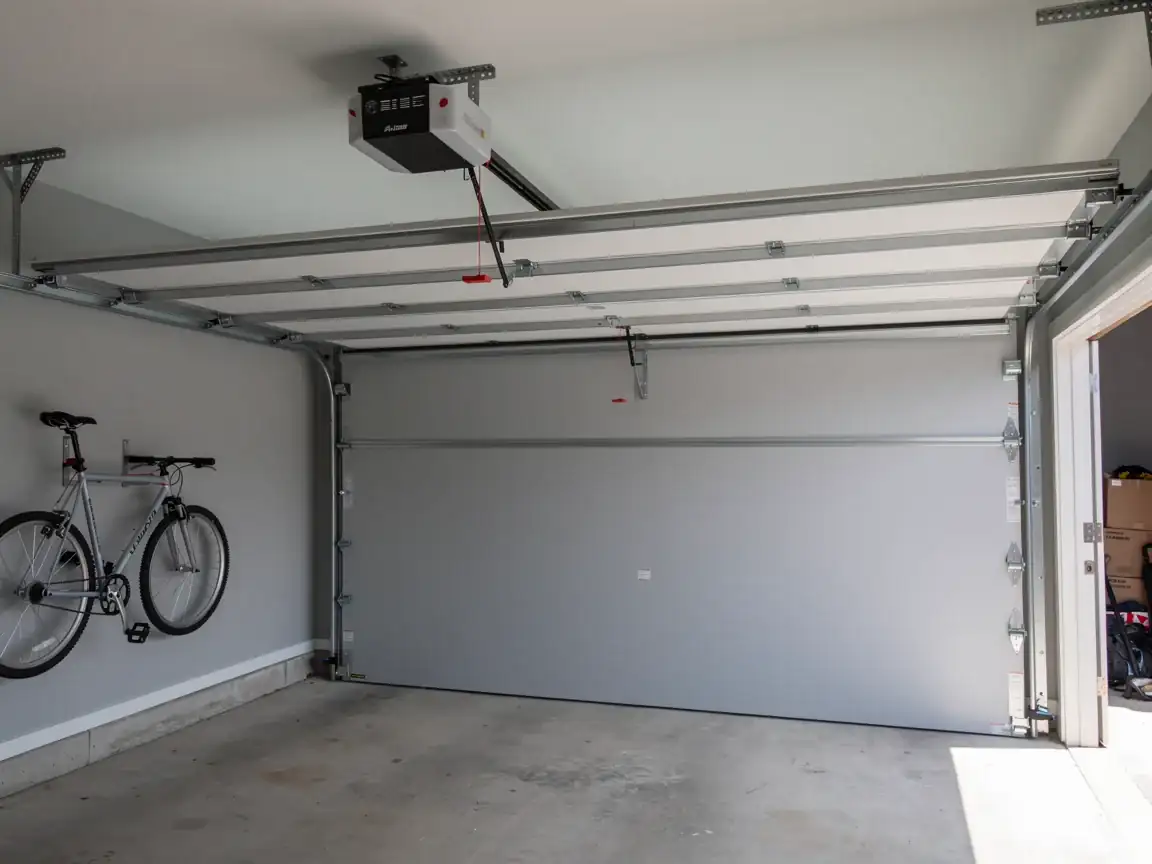
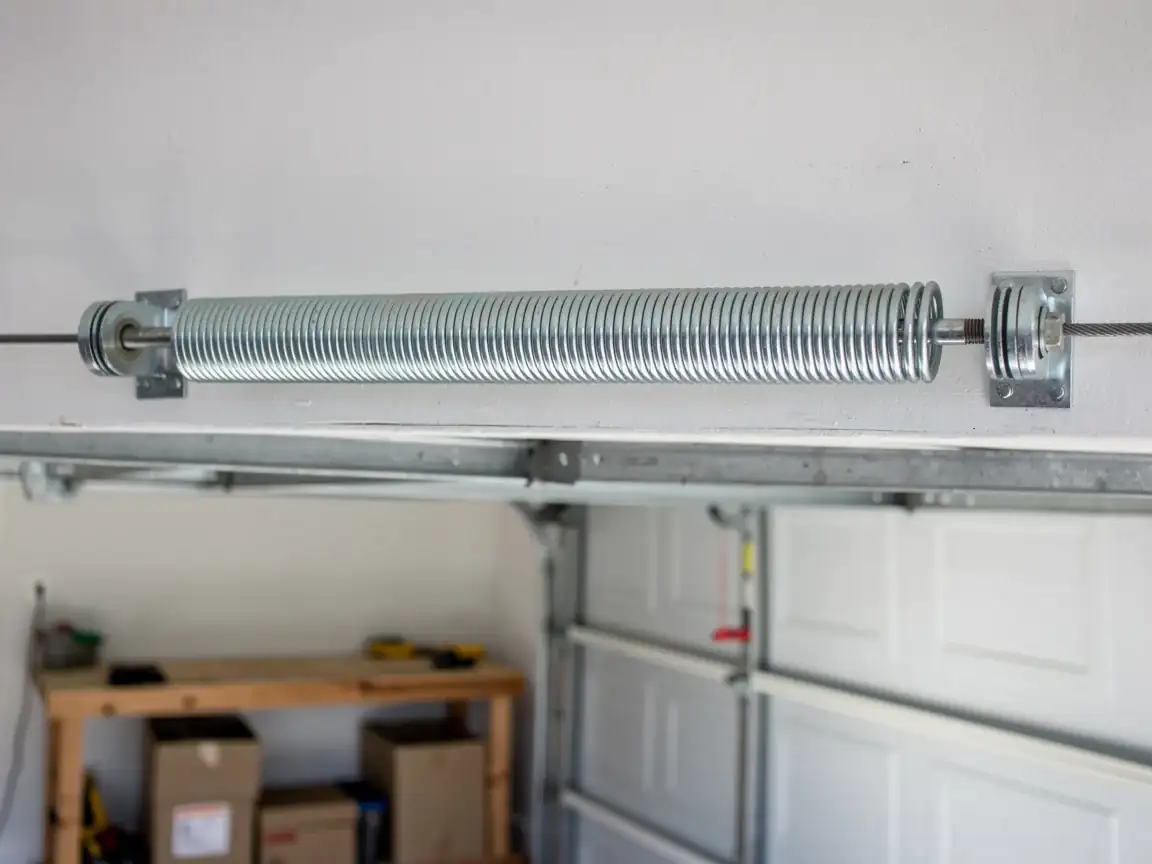
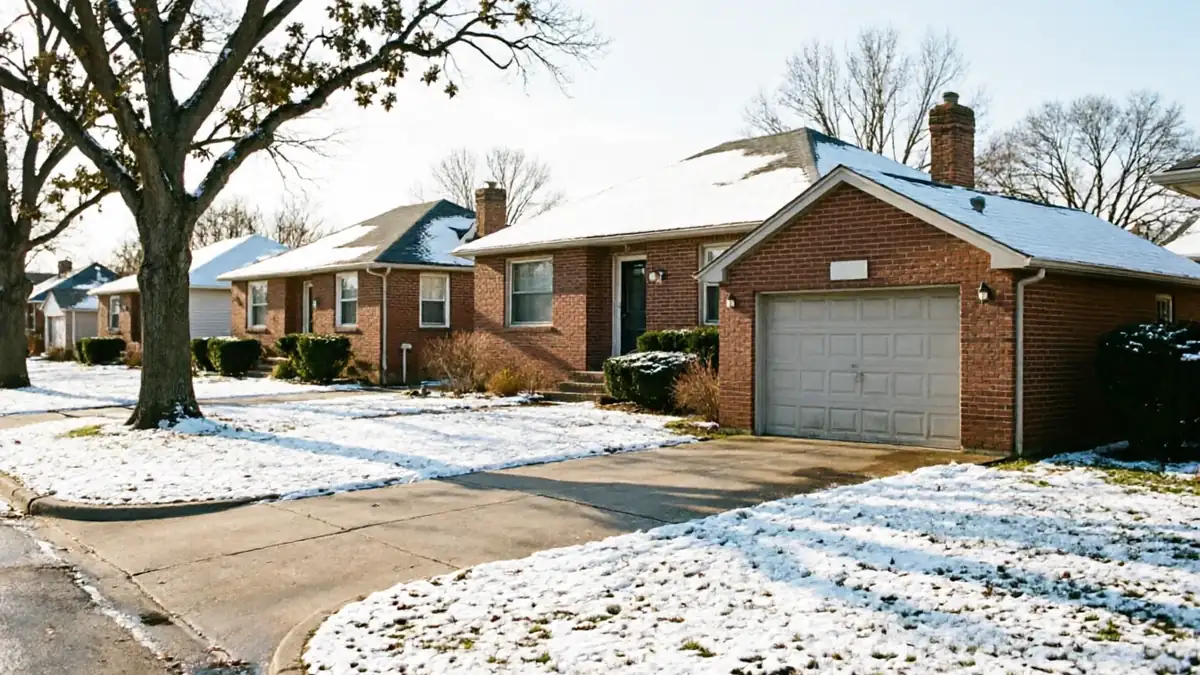
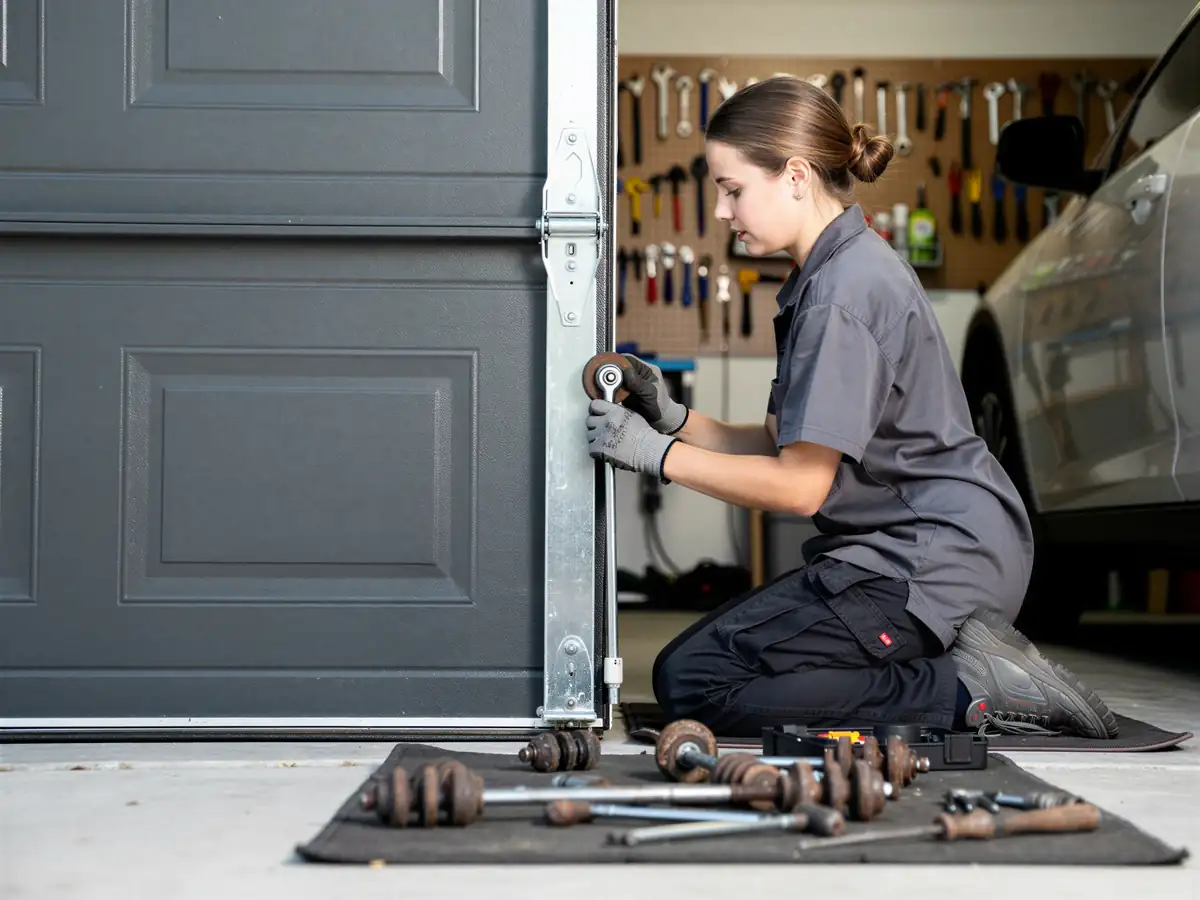
The median home in Webster Groves went up around 1951, which puts it ahead of most of the rest of this service area - housing here generally runs 1947 to 2011, with the bulk of it dating to the 1960s and '70s. A house that old was likely fitted with a torsion spring system before the industry settled on the cycle-rated springs that are standard now, and the track hardware tends to be the older style of bracket that newer parts don't always bolt straight onto.\n\nBecause of that, the truck carries a wider range of torsion spring sizes than a stop in a newer subdivision would need, along with adapter hardware for older track brackets, extra roller sets, and lubricant rated for cold-weather swings rather than a one-size product. Webster Groves' median household income runs well above the service area's overall median, and on these calls that often means the owner wants the heavier-duty spring and hinge upgrade rather than the base replacement part - so both get loaded before the drive out.\n\nWhat doesn't always come along is a part for a door opener model that's been discontinued for a decade. If the house still has its original 1950s-era hardware on the opener side, that's usually a special-order item, not a truck stock item.
How Long It Takes
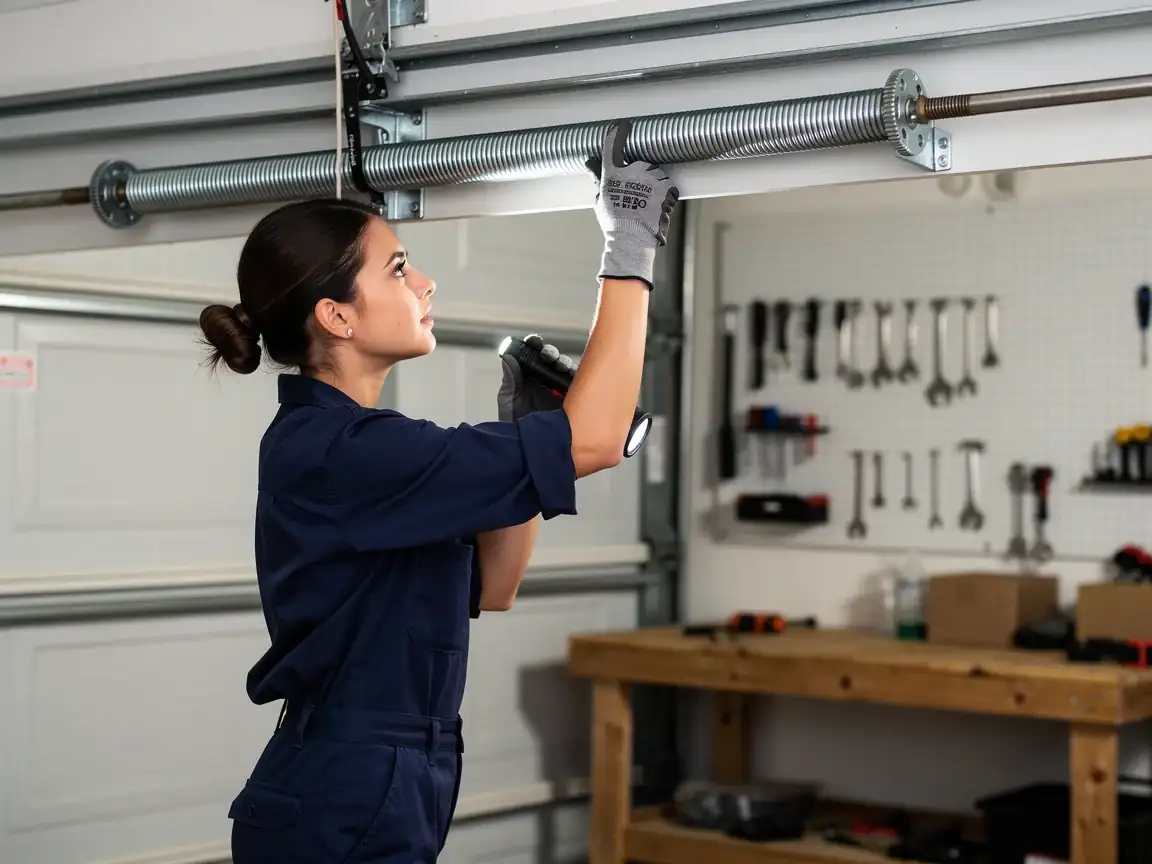
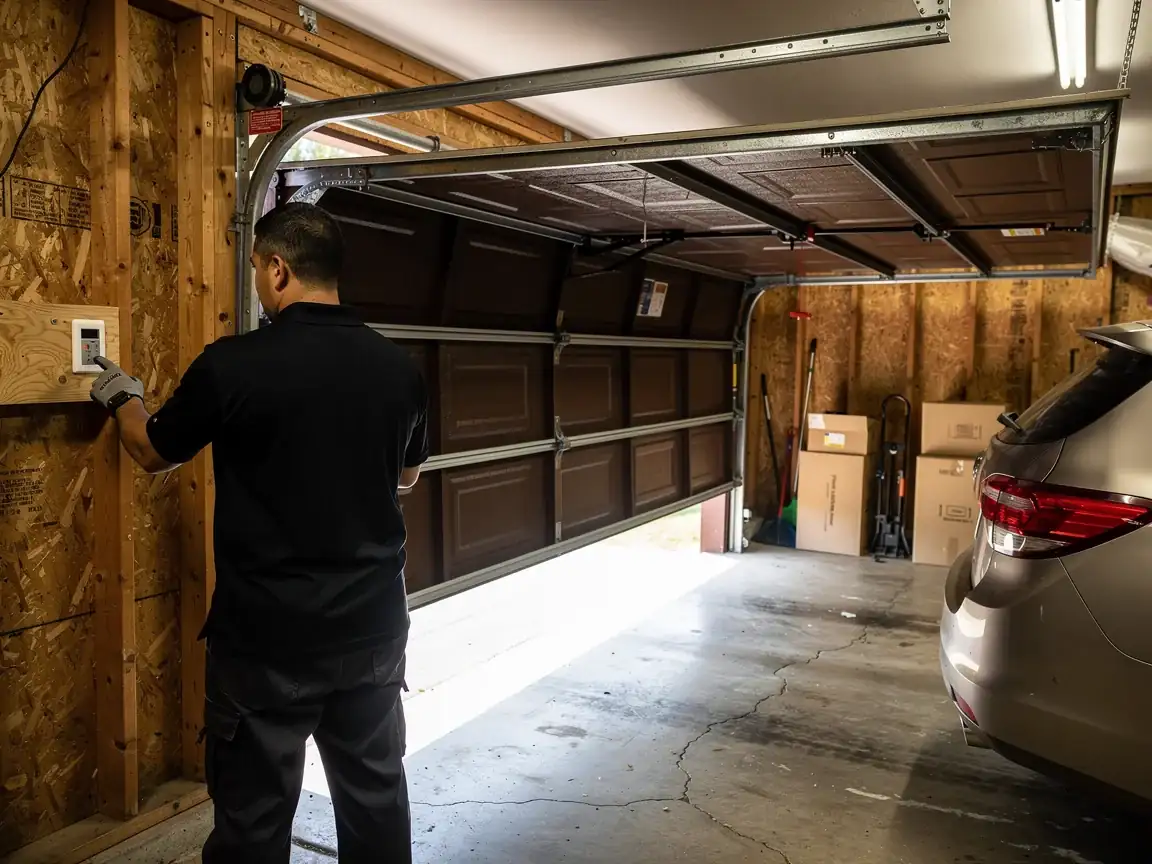
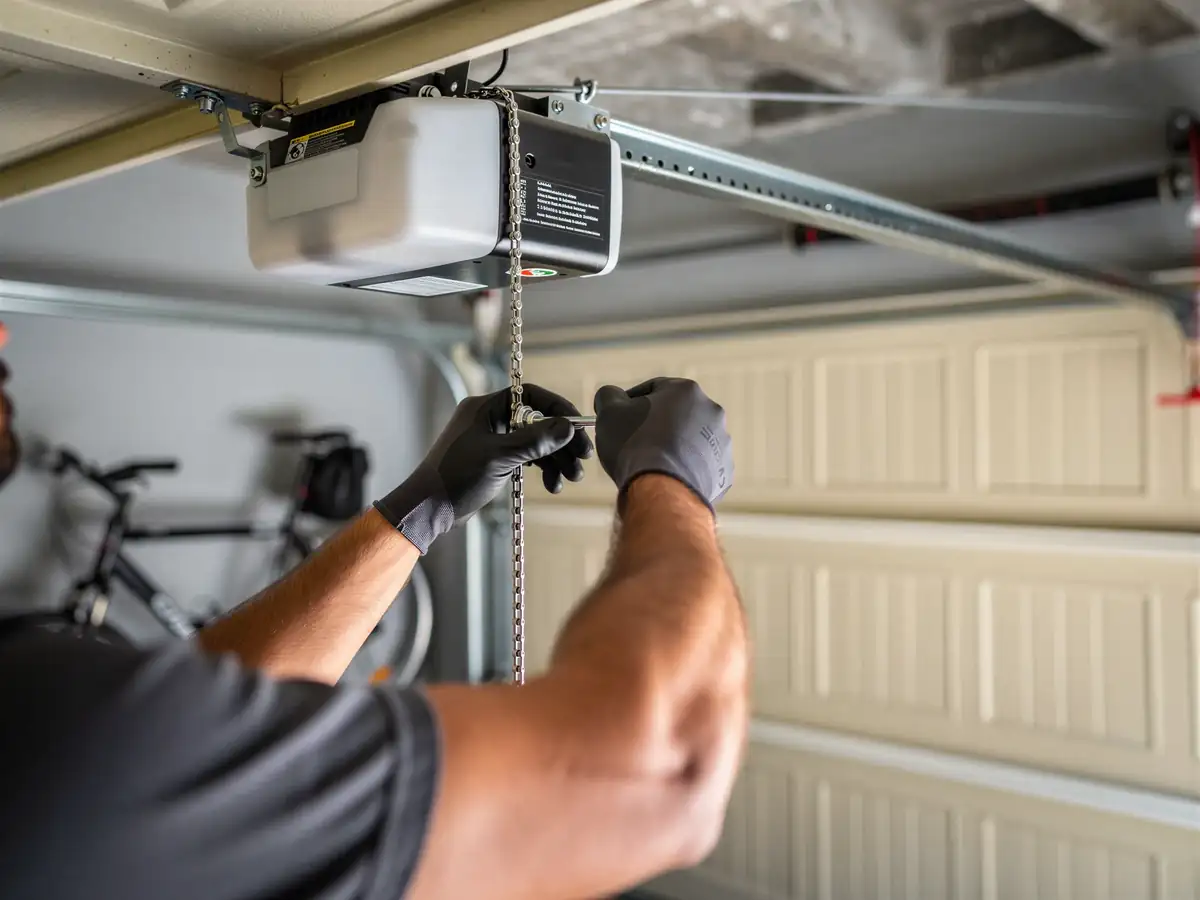
A standard maintenance visit - spring check, track alignment, roller and cable inspection, lubrication, balance test - runs the same length of time whether the house is old or new. What changes in Webster Groves is what happens after the inspection. On a home built in 1951, it's common to find original brackets that need a bolt pattern adjustment before new rollers will seat correctly, which adds time the base service call doesn't account for.\n\nWebster Groves sits about 13 miles out from the shop in Chesterfield, on the far side of the service area alongside Sunset Hills, Brentwood, and Crestwood. That distance doesn't change how long the work on the door takes, but it does mean these stops get scheduled in blocks with other far-side calls rather than squeezed in as a quick add-on between closer jobs.\n\nIf a part has to be special-ordered because of the age of the hardware, the maintenance visit itself still finishes on schedule - it's the follow-up repair, if one's needed, that waits on the part.
The Symptom
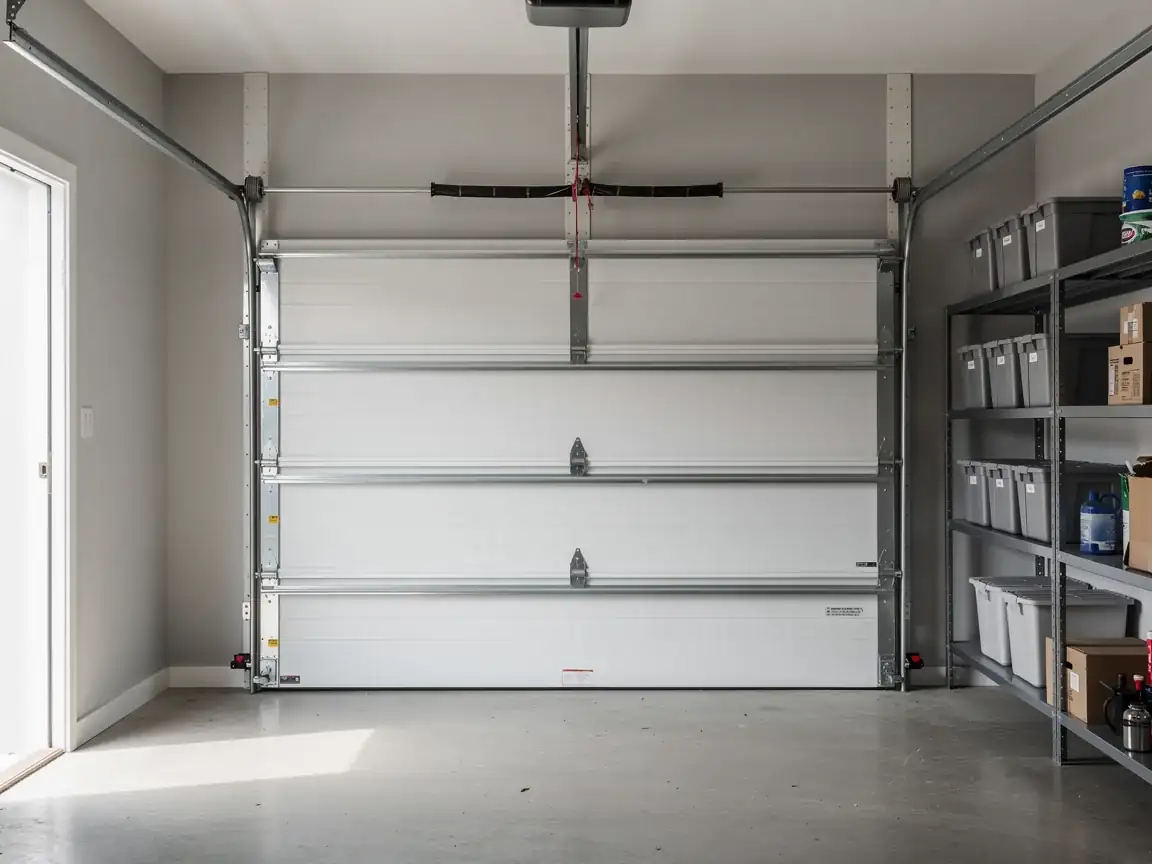
The complaint that shows up most on the older end of Webster Groves' housing stock is a door that feels heavier than it used to, or one where the opener strains and reverses partway up. Nine times out of ten that's a torsion spring that's lost tension - normal after decades on the same hardware, but worse on a house from 1951 than on one from the 1970s simply because the spring has had that much longer to cycle.\n\nA second pattern: hinges and rollers that have loosened at the track brackets rather than at the hinge pin itself. On original 1950s-era track mounting, the wood framing the bracket is screwed into has had seventy-plus years to dry out and shrink, so the whole bracket works loose even when the roller and hinge are fine. Tightening the roller doesn't fix that - the bracket mount does.\n\nWebster Groves is a smaller, mostly built-out pocket of the service area - something like 9,641 households, compared to roughly 274,722 across all 55 communities this company covers - so this pattern of aging original hardware on original framing shows up more consistently here than in the newer construction further out.
Can You Do This Yourself
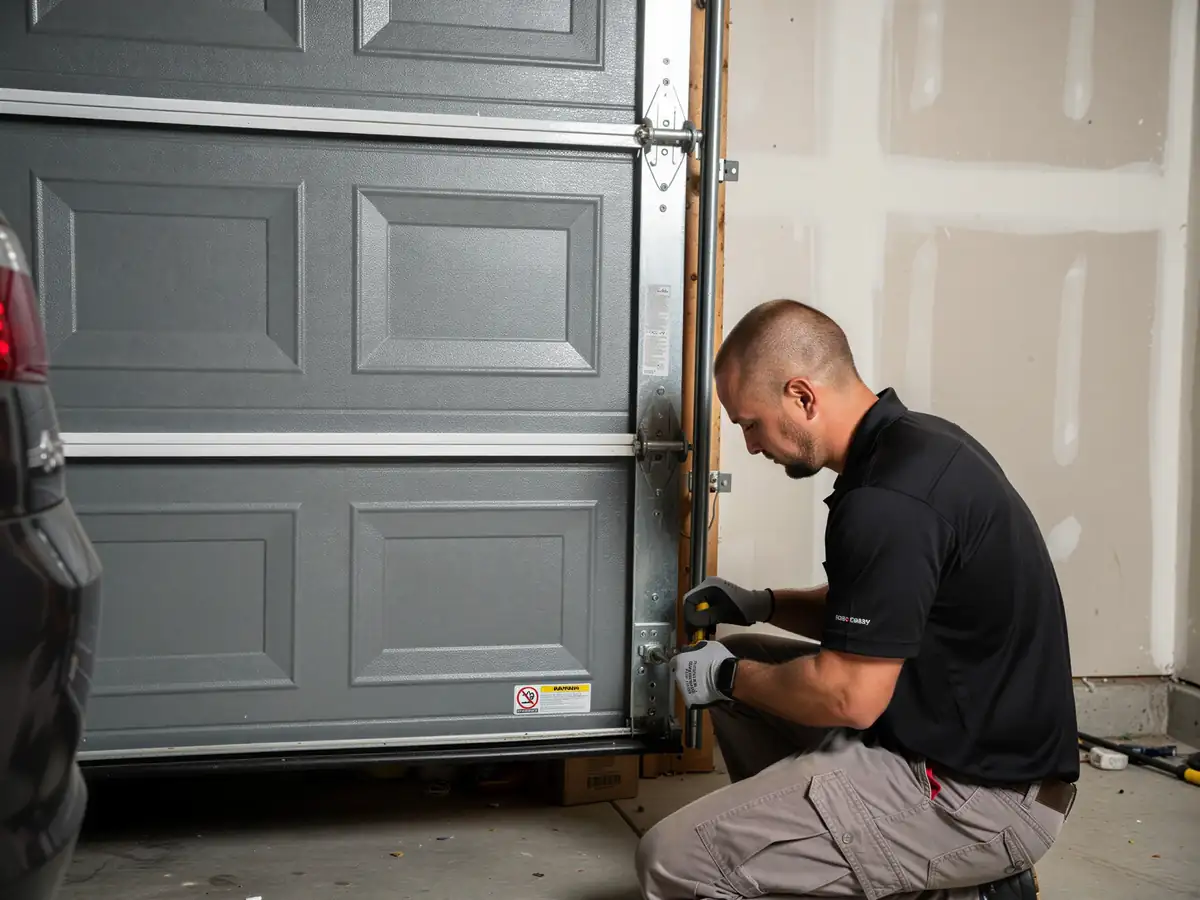
Lubricating rollers and hinges, vacuuming out the track, and tightening visible bolts on the bracket are all fine to do yourself, and doing them twice a year will catch a loose bracket before it becomes a bent track. A cold-weather-rated silicone lubricant works better than household oil, especially given how this area's winters run.\n\nWhat isn't a do-it-yourself job is anything involving the torsion spring itself - adjusting tension, replacing a worn spring, or working near one that's already lost tension. That's true everywhere, but it matters more on a 1951-era door where the spring and its mounting hardware are both past the point anyone can vouch for their condition. A spring under tension that lets go is not a minor accident.\n\nThe honest limit here: if the track brackets have pulled loose from original wood framing, that's a mounting repair, not a lubrication fix, and it's not something to patch with a longer screw and hope. It needs the bracket reset or, on some of the older houses, the framing reinforced before the bracket goes back on.
How it works
From “it’s stuck” to “it’s fixed”
01
Tell us what’s wrong
Describe the symptom - won’t open, loud bang, opener runs but the door won’t move.
02
On-site diagnosis
A technician tests the door under power and by hand and finds what actually failed.
03
Clear, up-front plan
You get the fix that’s needed and what drives the cost - before any work starts.
04
Repaired & tested
The repair is done, the door is set true and tested, and the work area left clean.
Not sure which repair your door needs in Chesterfield, MO? Describe what it’s doing - every job starts with a diagnosis.
Why does a 1951 house need different maintenance than a newer one in the area?
The spring, track brackets, and hinge hardware have simply had longer to wear, and in many cases they're the original parts from a 1950s build rather than a 1960s or '70s replacement. The adjustment and part sizing differ enough that a generic maintenance checklist misses what's actually loose or fatigued on an older system.
How far out is Webster Groves from the shop?
About 13 miles from Chesterfield, on the far edge of the area this company routes to, similar in distance to Sunset Hills, Brentwood, and Crestwood. That doesn't change what a maintenance visit covers, but these stops are usually scheduled alongside other far-side calls.
Can I just tighten the bracket myself if it's loose?
If the bracket itself is sound and just needs a bolt snugged, yes. But on older Webster Groves homes the problem is often the wood framing underneath the bracket, which has shrunk with age - tightening into dried-out wood doesn't hold, and the bracket works loose again within weeks.
Do you carry parts for a 1950s-era opener?
Not always on the truck. Current roller, cable, and spring stock covers most of what shows up on these calls, but an opener motor or control board from a discontinued 1950s or '60s model is usually a special-order part rather than something carried standard.
Ready to get your garage door sorted?
Tell us what it’s doing and where you are in Chesterfield - we’ll take it from there.