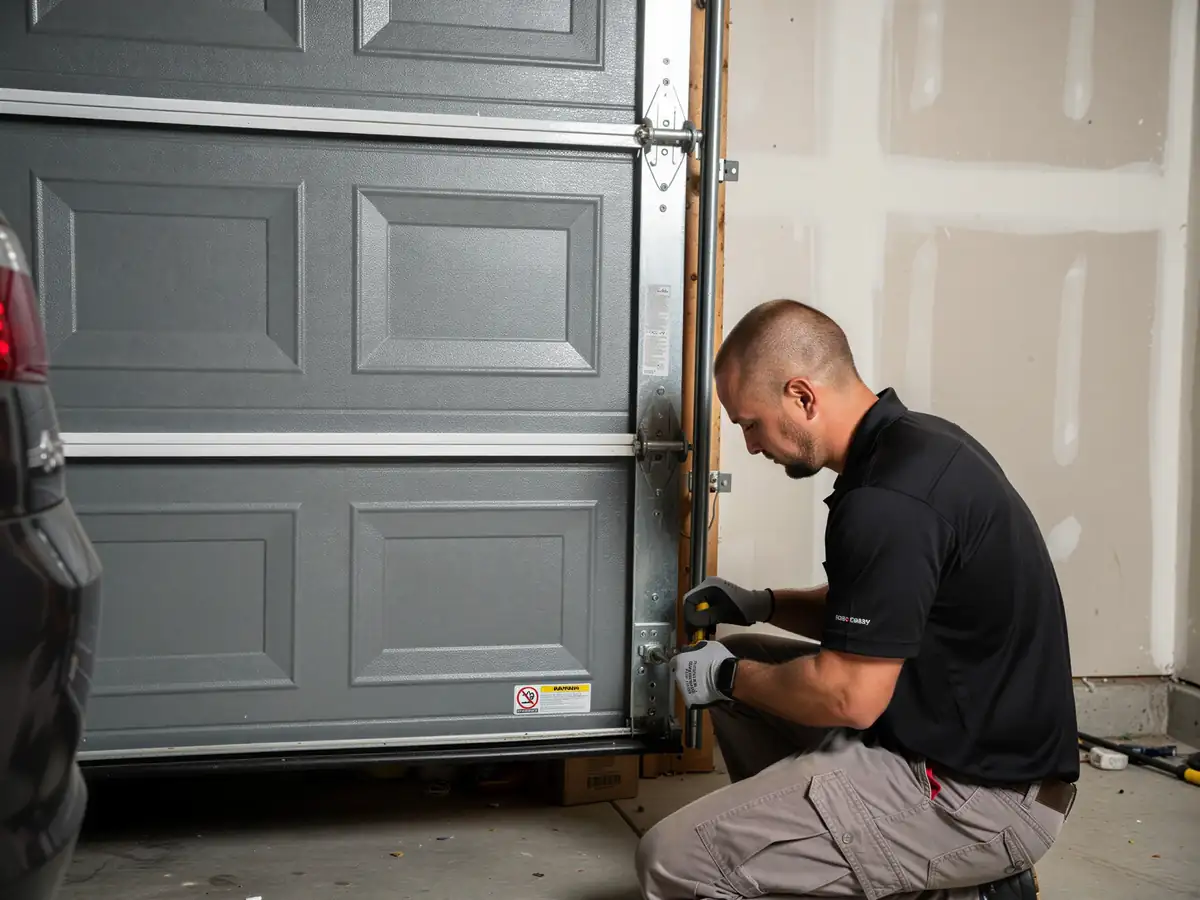
What Is on the Truck
The fault we see most in Maryland Heights isn't exotic
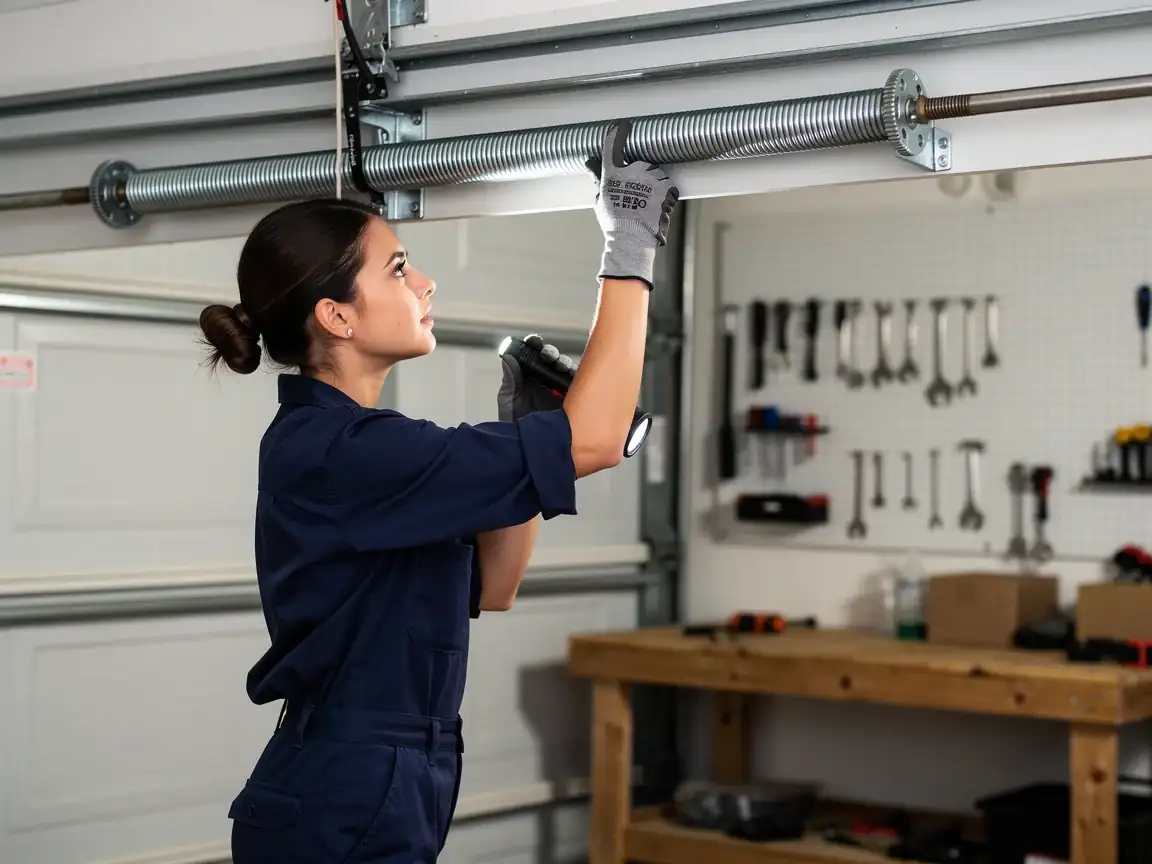
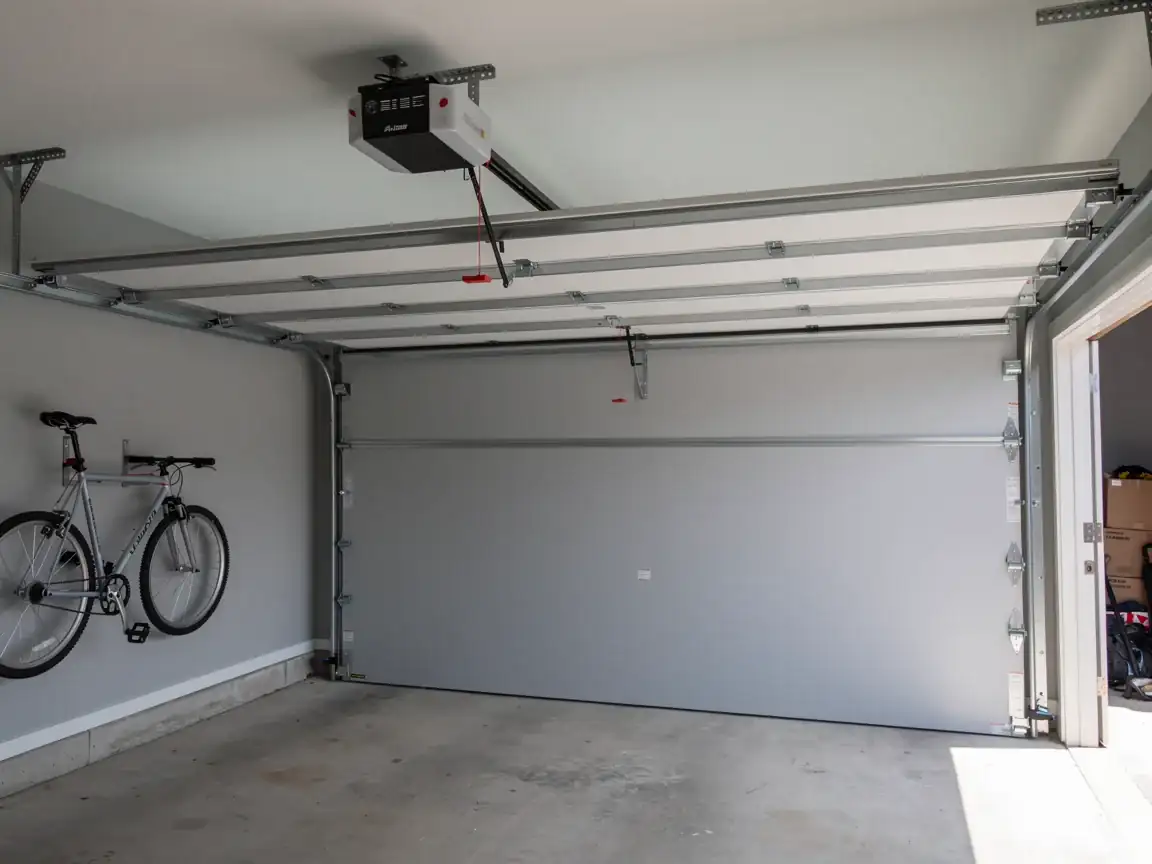
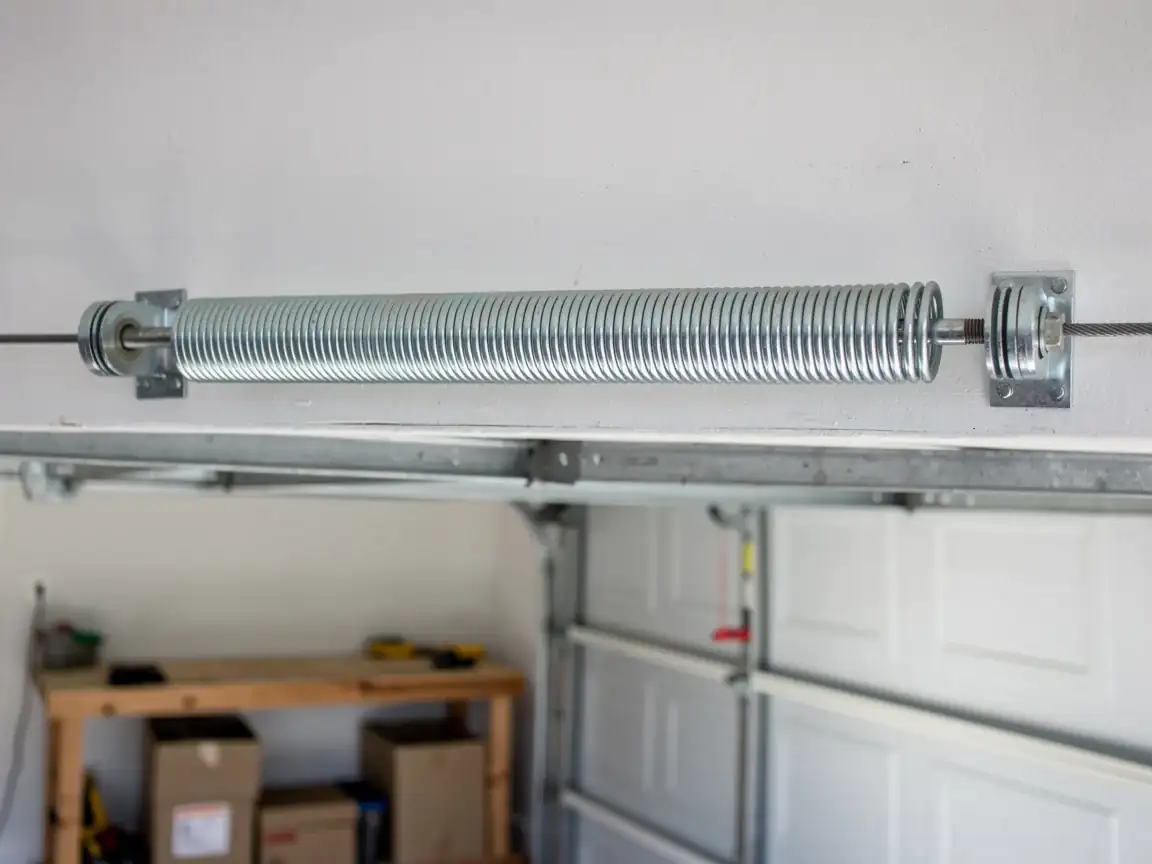
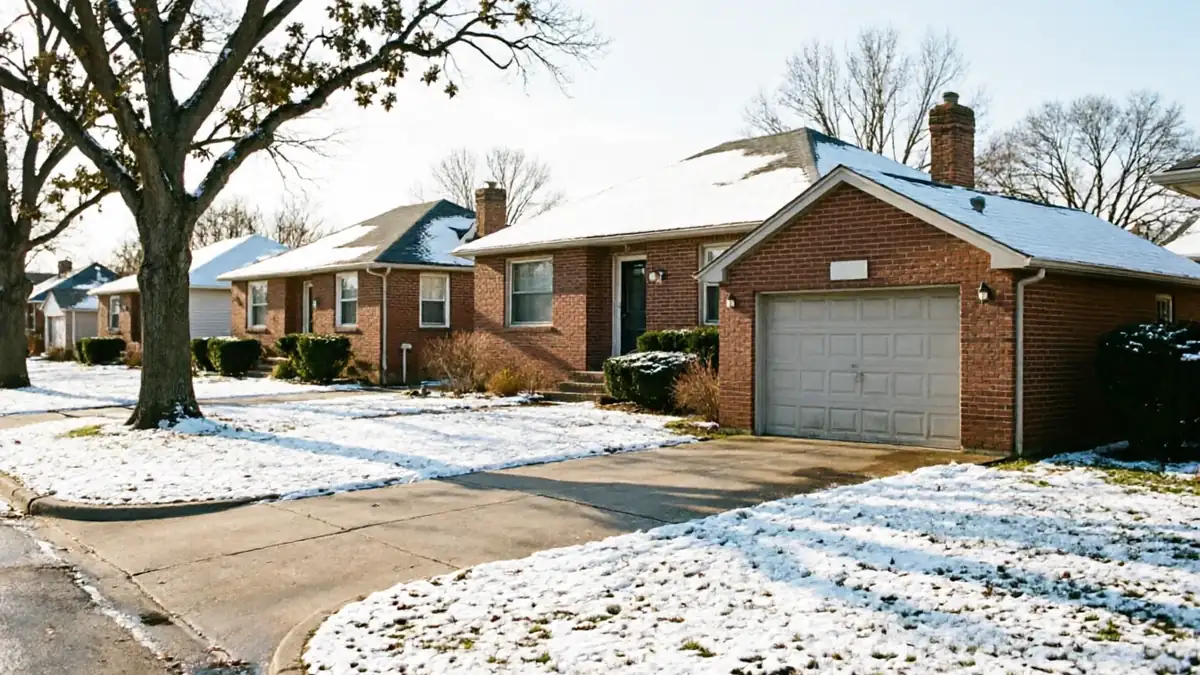
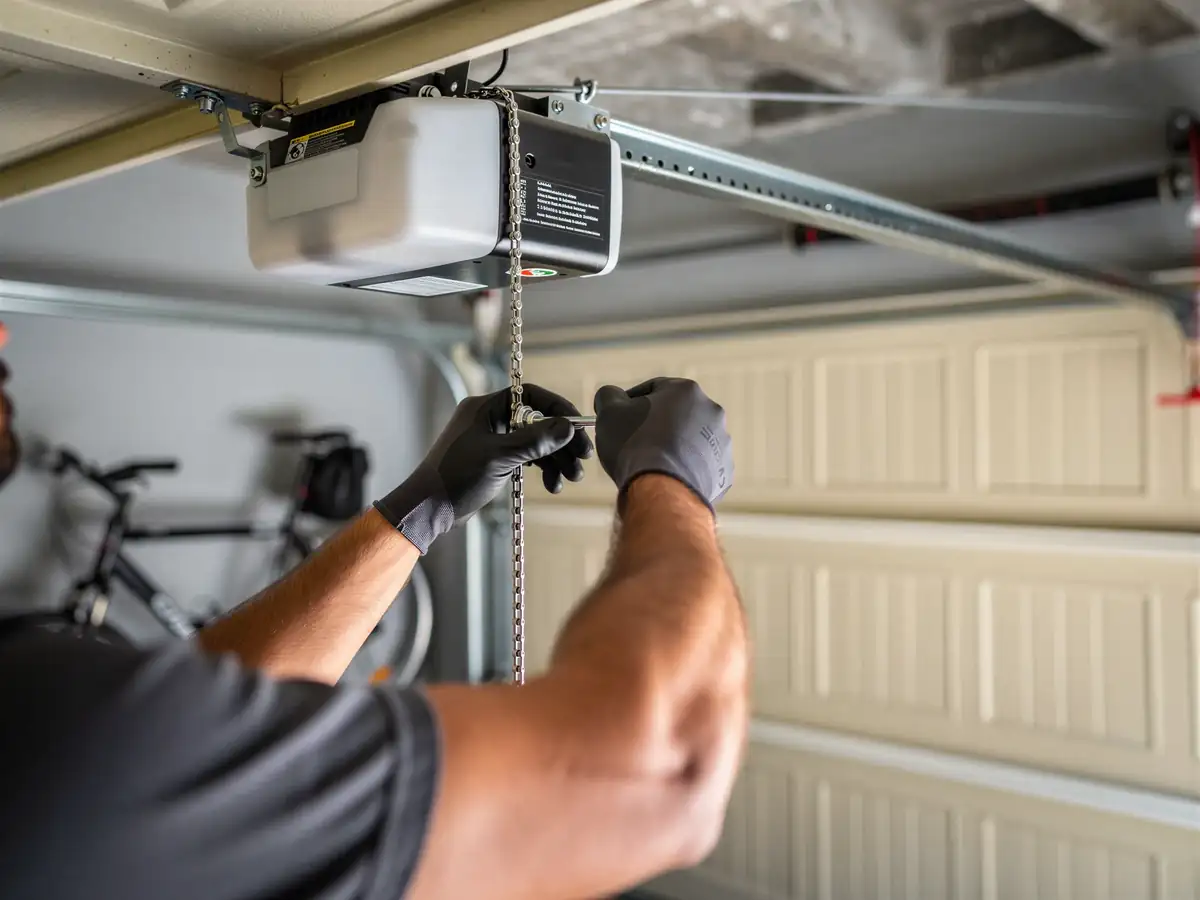
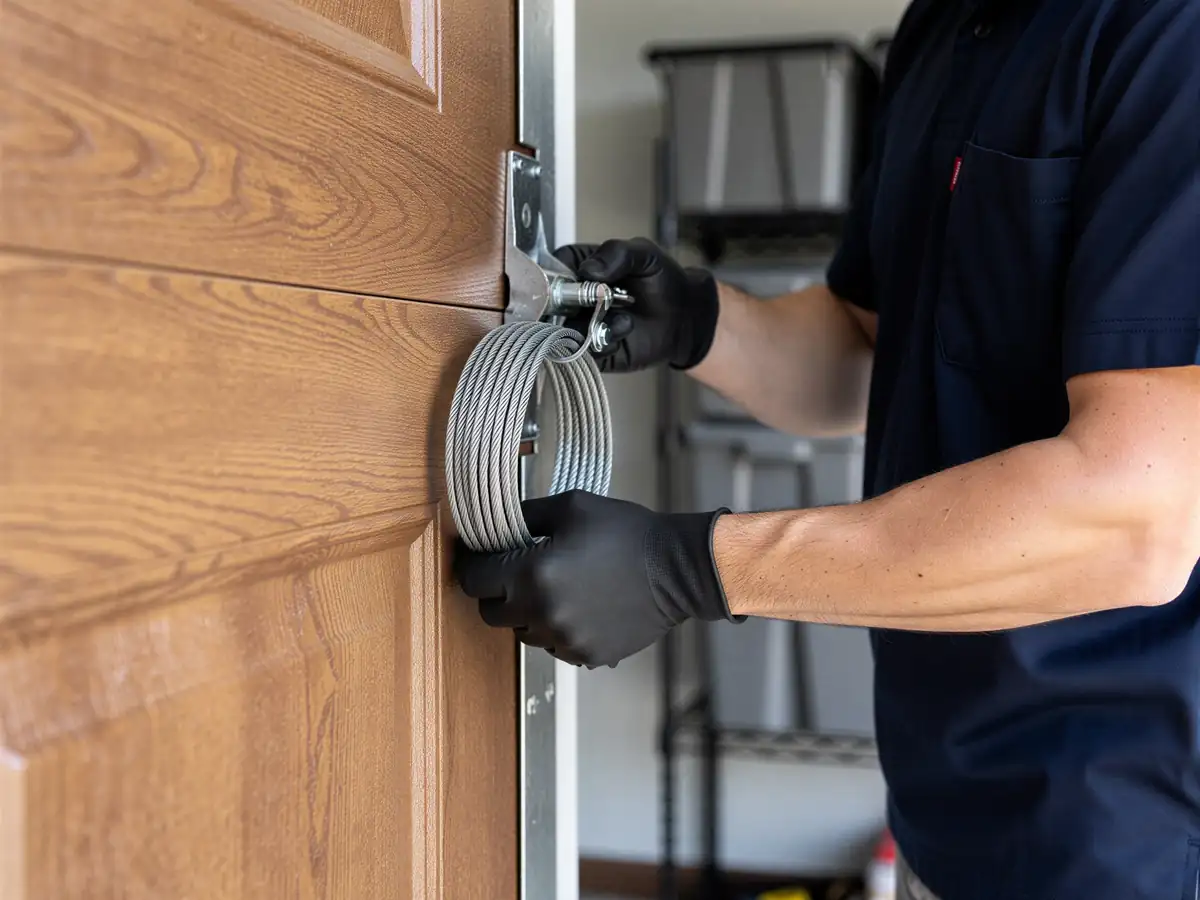
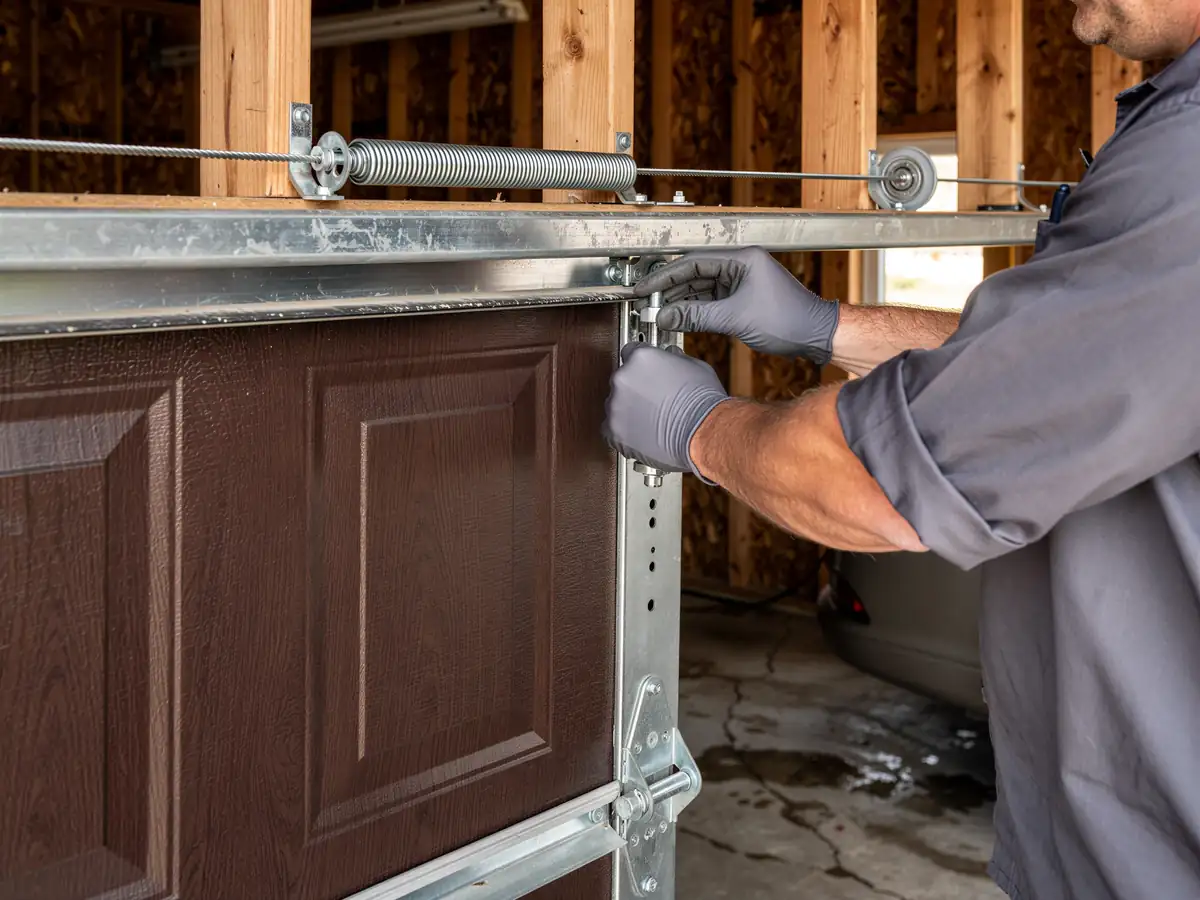
It's age catching up with hardware nobody's touched since the house was built. With a median build year around 1974 here, a lot of these doors are still running on their original torsion or extension springs, original track, and openers that predate the photo-eye safety sensors required on newer units. That means the truck carries both sides of the catalog: the older-style springs sized for heavier wood-panel doors as well as the lighter steel hardware that replaced them.
This area sits in the same cold-moderate climate band as the rest of the region
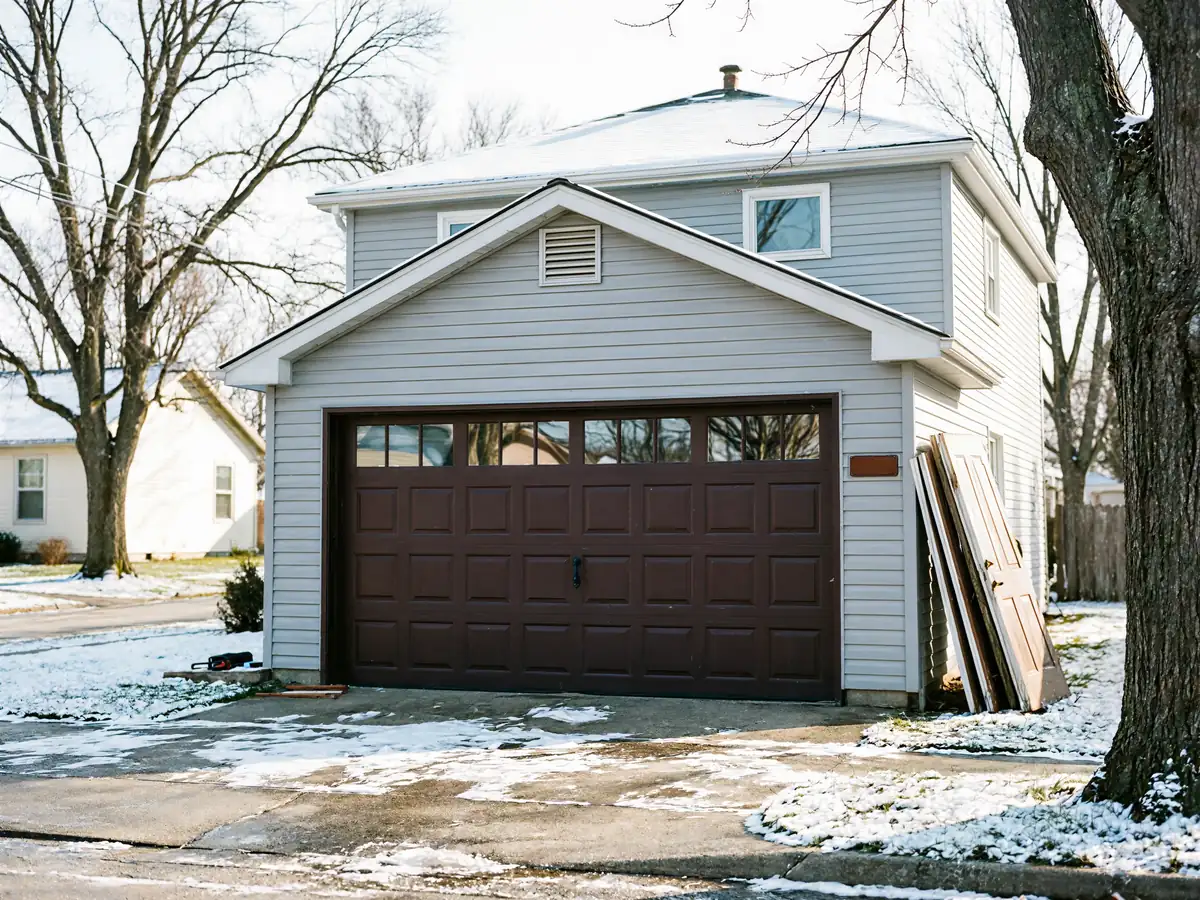
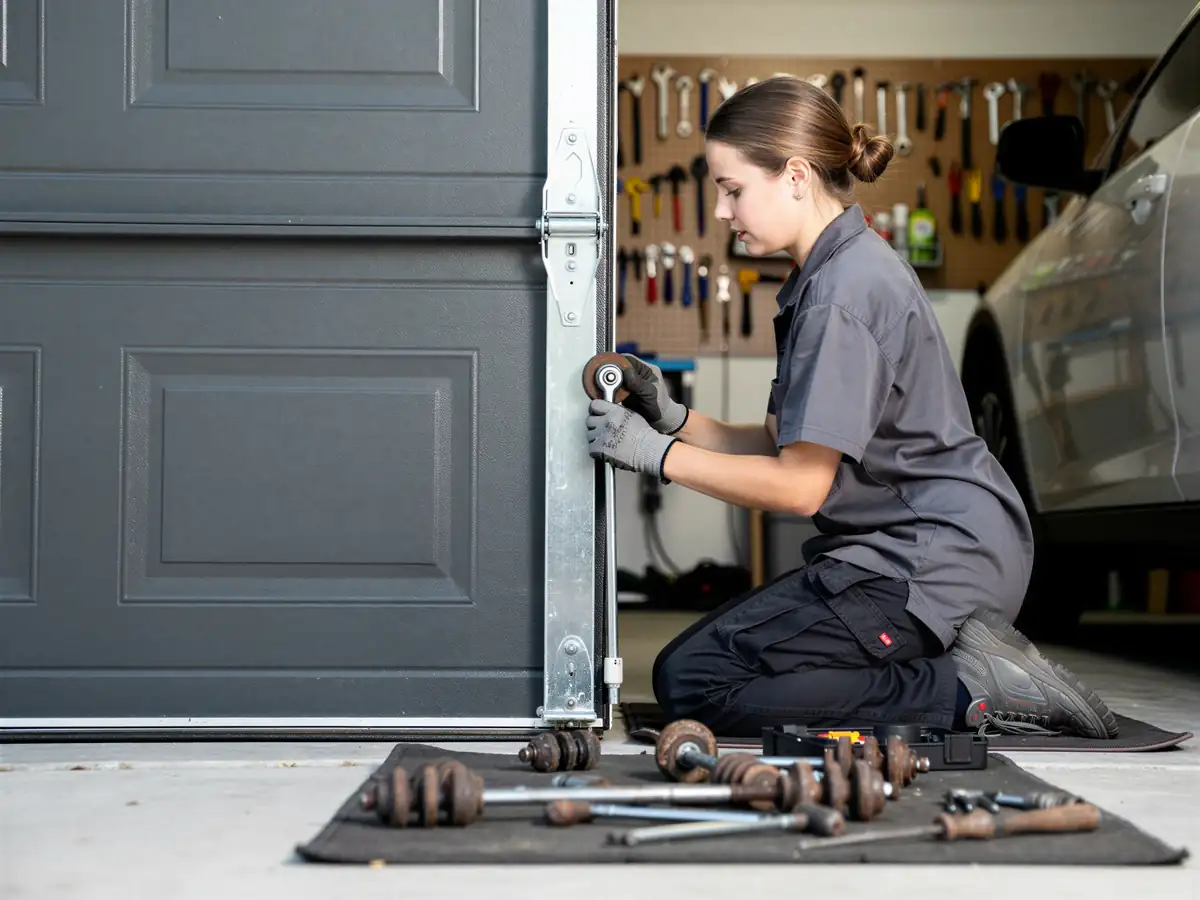
And cold snaps are when old cable and brittle extension springs actually let go - not gradually, but all at once on a January morning. We stock torsion springs in the common sizes for doors from the 1960s-70s building wave, plus rollers, cables, and hinges to match. One thing we don't carry on the truck: specialty or custom panel sections for doors with no identifiable manufacturer markings left. Those get ordered, and we'll tell you that up front rather than guess at a fit.
How Long It Takes
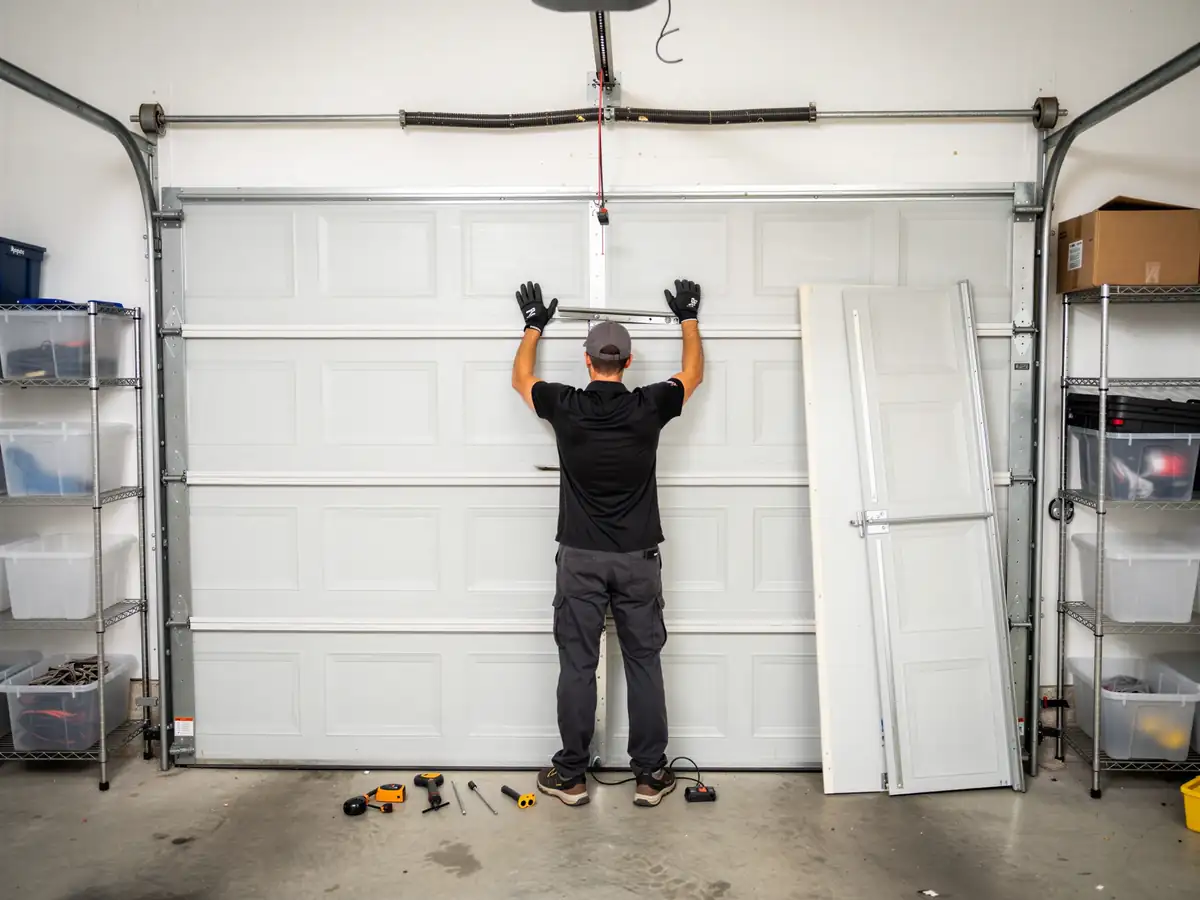
Most Maryland Heights calls are a spring, cable, or opener job, and those get done in one visit once we're on site. Getting there is the only variable worth mentioning: it's a 7-mile run from our Chesterfield shop, not a next-door dispatch, so we ask for a window rather than an exact minute.
A straightforward broken spring or snapped cable on a standard door is usually a same-visit fix start to finish. Where it stretches out is a door old enough - and with roughly 12,702 households in Maryland Heights, there are plenty from that 1974-era wave - that the track or hardware has been bent or reworked over the years in a way that isn't obvious until the door's apart. We'd rather find that out and tell you than rush a patch that fails in six months.
How to Book
Call it in and describe what the door is doing - won't open, opens partway and reverses, makes a bang before it quits. That tells us which parts to load before we make the 7-mile drive out from Chesterfield, which matters more here than it would for a job five minutes from the shop.
Maryland Heights households sit at a median income of roughly $86,485, in line with the rest of the area we cover, and most of these jobs are repair rather than full replacement - a new spring set or opener board, not a new door. If your door is original to a 1974 build and the track or panels are failing along with the spring, we'll say so plainly: sometimes replacement is the better spend than another repair on fifty-year-old steel.
What Can Go Wrong
The specific failure pattern in Maryland Heights traces straight back to the build year
A 1974 house means the garage door hardware is now pushing fifty years old in a lot of cases, and steel fatigues on a schedule whether or not anyone's been using the door hard. Torsion springs rated for a few thousand cycles start snapping around the same age range across this whole stretch of 1960s-70s housing stock.
Cold is the other half of it
In a cold-moderate climate, metal contracts, lubricant stiffens, and a spring or cable that's been marginal all year tends to fail on the coldest mornings rather than gradually. Add an opener from that same era with no photo-eye sensor, and you've got a door that can keep closing on something in its path - worth flagging to anyone still running original equipment. What we can't do is make fifty-year-old panels or a bent track behave like new; past a certain point, repair is a delay, not a fix.