What Is on the Truck
Chesterfield sits at the center of a service area where houses were built anywhere from 1947 to 2011
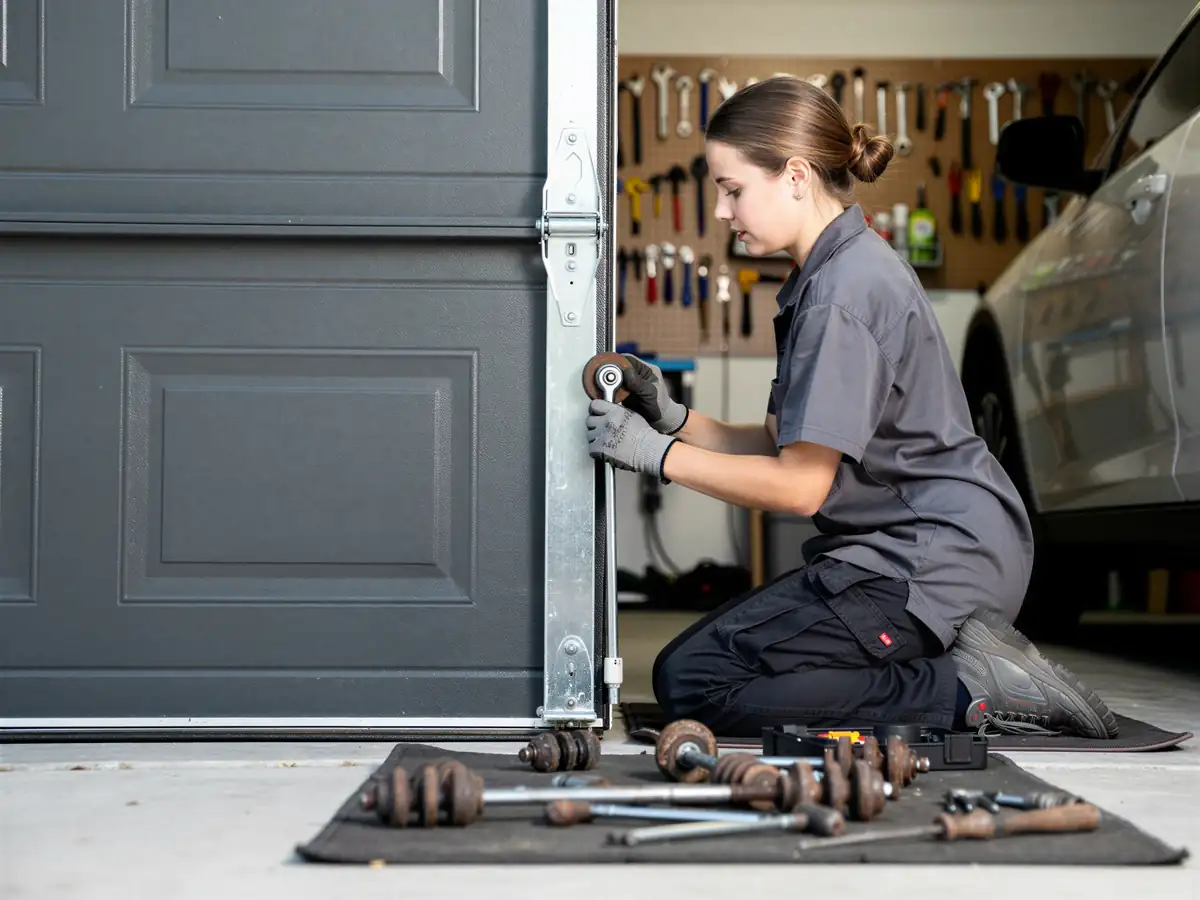
With a lot of that stock landing in the 1960s and 70s. Maryland Heights runs a little later than the area median - most of its houses date to around 1974, which is five years past the service-wide median of 1969. That five-year gap matters more than it sounds. By the mid-70s, builders had mostly moved off steel rollers with open bearings and onto nylon rollers with sealed bearings as standard equipment on new openers and tracks. So when we come out to Maryland Heights, we're loading rollers sized for that generation of track - slightly different stem length and wheel diameter than what we'd pull for a house built in the late 60s closer to the middle of the service area. We carry both nylon and steel options on the truck because not every door here has been touched since it was installed, but the 1974-era hardware is what we plan around first.
We travel the 7 miles from Chesterfield with stock for both
But we don't carry every roller variant ever made - if your track turns out to be a less common width, that's a return trip, not a guess.
- 7 miles
How Long It Takes
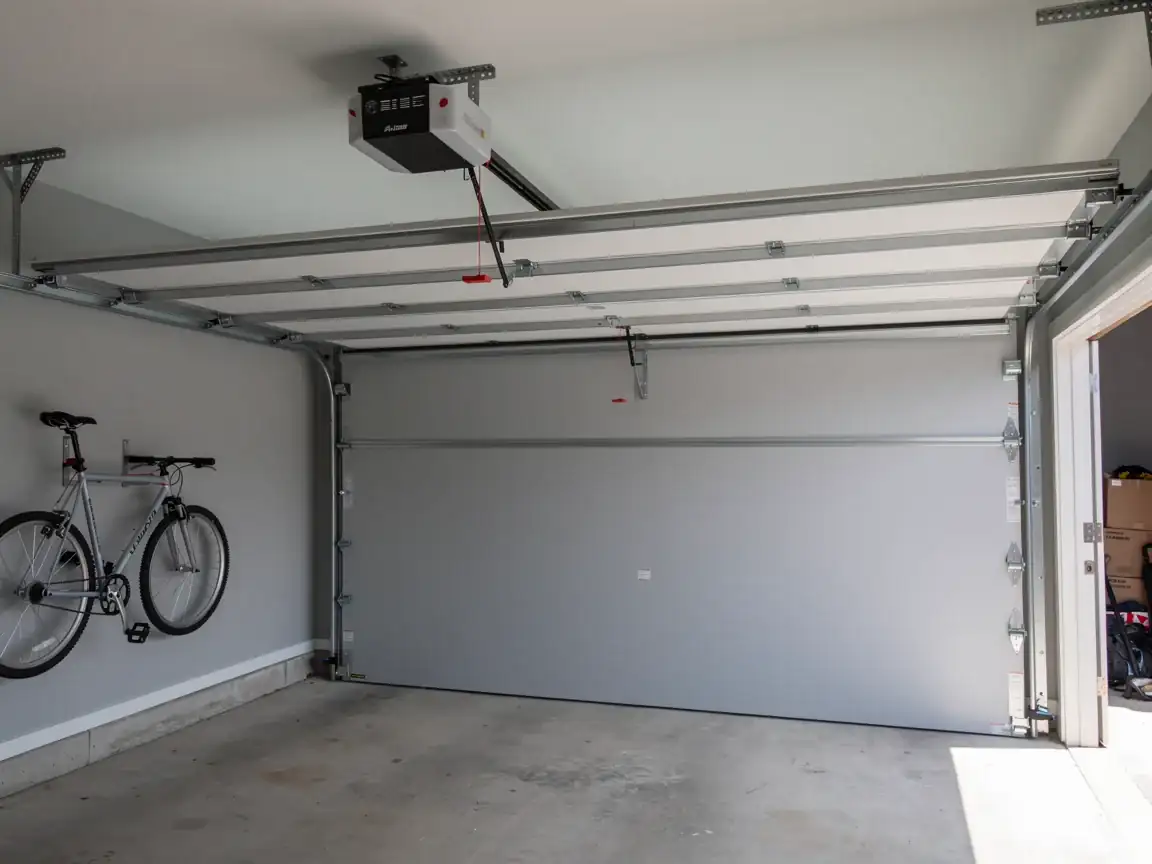
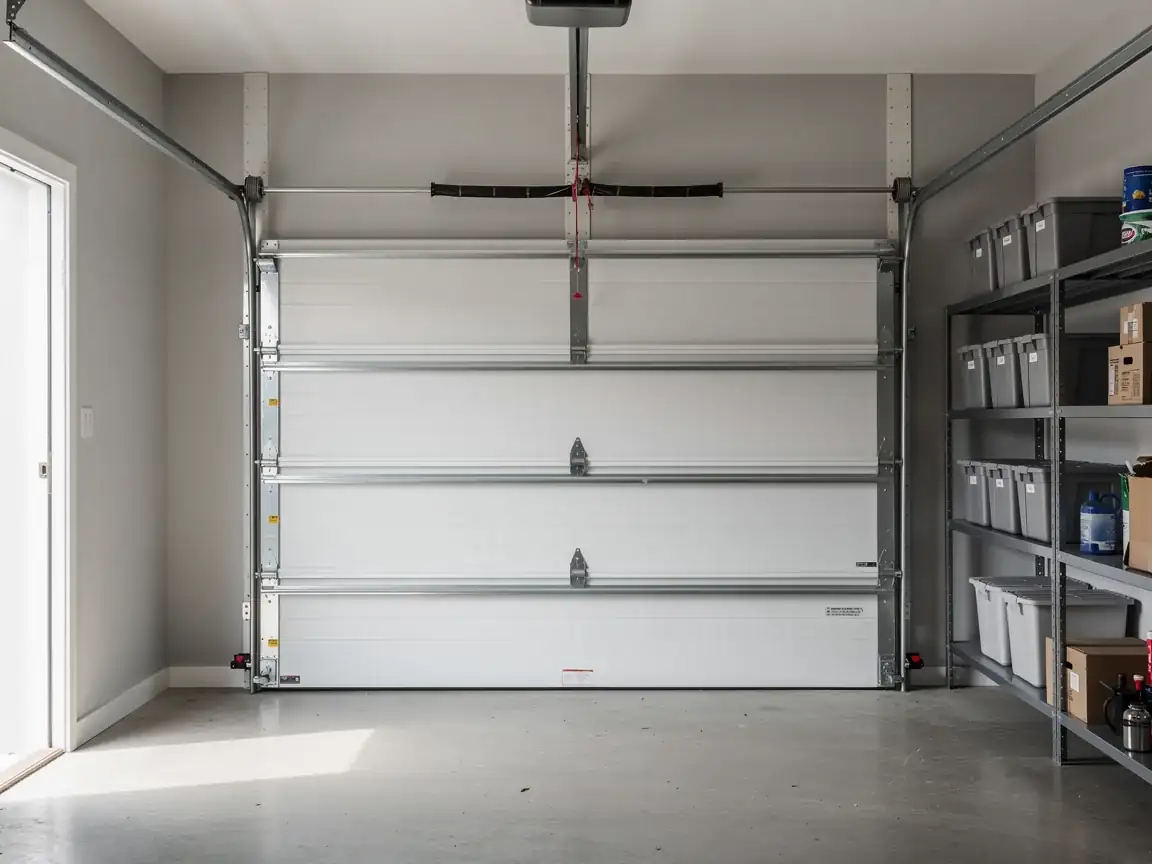
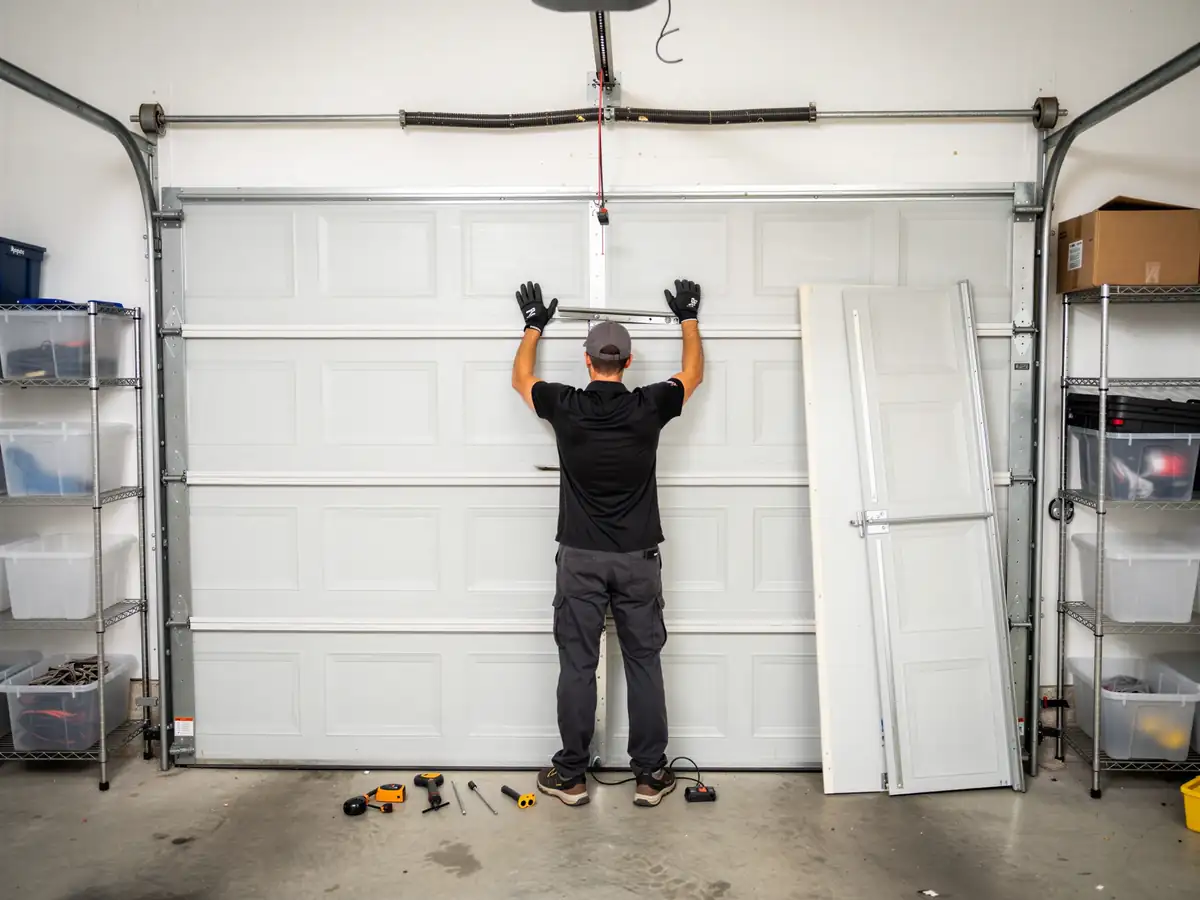
A straight roller swap - all ten rollers on a double door, nylon for nylon or steel for nylon - runs on the shorter end of a service call once we're on site, because the track doesn't need realignment if it's still square. Houses in the 1974 range around Maryland Heights tend to have tracks that have held their shape better than the older steel-stud construction found closer to the 1947 end of the service area's range, so we're not usually fighting a bent rail on top of the roller job.
What adds time is corrosion. Cold-moderate winters mean road salt and freeze-thaw cycling work on bearings and roller stems over the years, and a roller that's rusted onto its shaft can take longer to drive out than one that just wore down cleanly. We budget extra time for that possibility rather than promise a single number for every door, because we haven't seen your track yet.
How to Book
We run this job out of Chesterfield and cover Maryland Heights as part of that territory - it's a 7-mile run, not a separate branch, so we schedule it the same way we schedule anywhere else in the service area. Tell us the door's rough age against that 1974 build-year marker when you call; it helps us pull the right rollers before we leave the shop instead of guessing on site.
If you're not sure whether your issue is the rollers or something else on the door, say what you're hearing - a grinding at the top of the track versus a bang partway up usually points to different parts, and we'd rather ask than assume. You can also see the other towns we reach from Chesterfield and what a roller job runs city-wide before you book.
What Can Go Wrong
The most common roller failure on a 1974-era door is a cracked nylon roller wheel that's been quietly shedding bits of plastic into the track for months before it finally jams or pops out
Once a wheel's gone that far, the stem is usually fine, but we won't reuse it next to a fresh roller - mismatched wear on the same track just moves the problem down the line.
The honest limitation
If the track itself is bent or the roller has been grinding long enough to score the rail, a roller swap alone won't fix the noise. That's a track repair or replacement job, and we'll tell you straight if that's what we're looking at rather than sell you ten new rollers on a track that's going to chew through them again in a year.