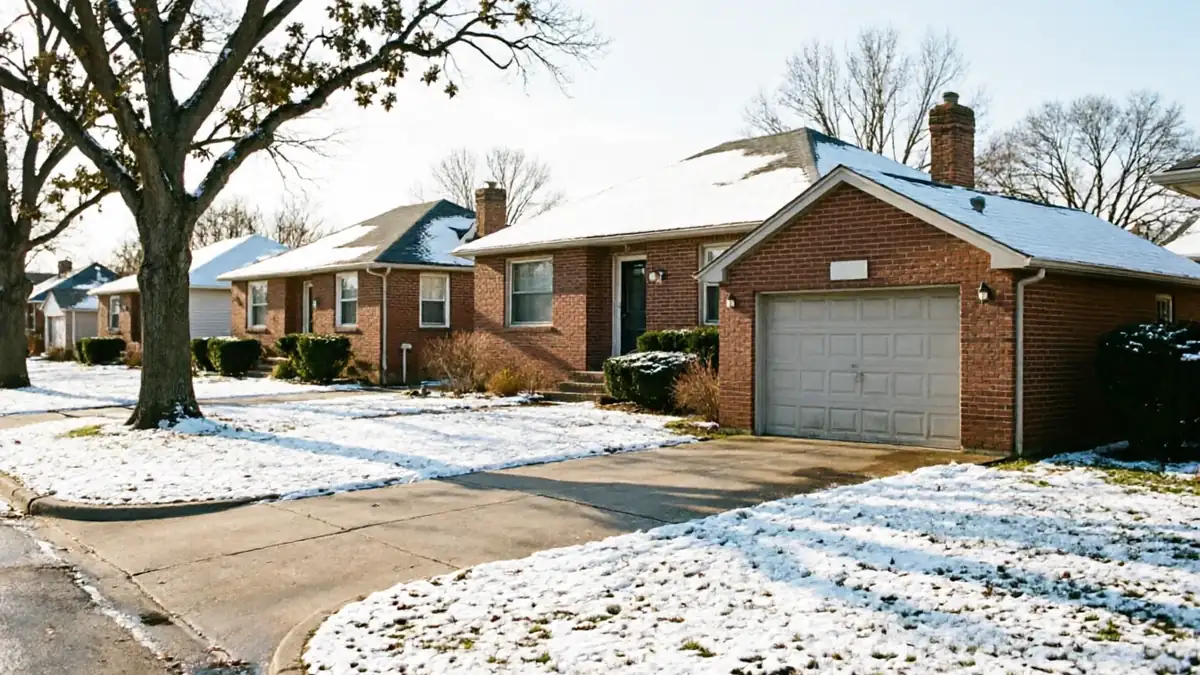
Most Maryland Heights garages date to 1974 - original springs and openers are common. Chesterfield Garage Door Pros services the 7-mile run from Chesterfield.
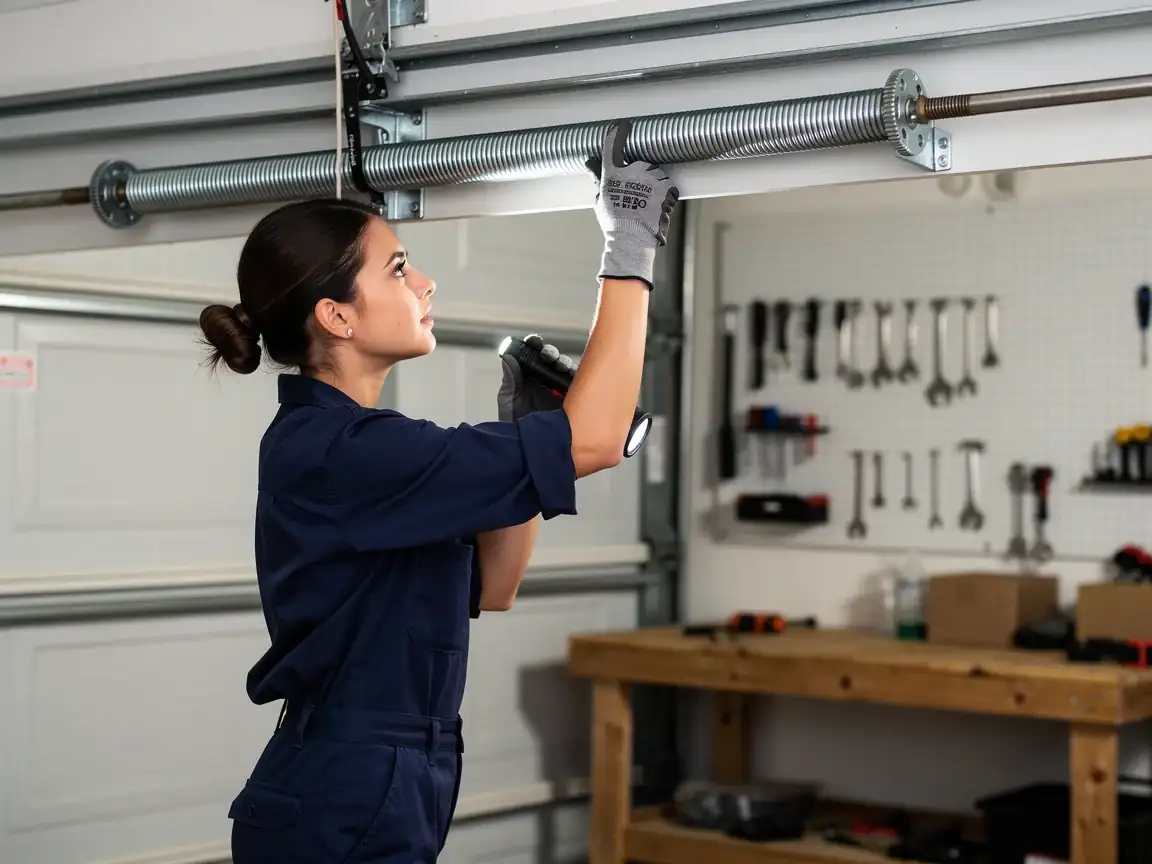
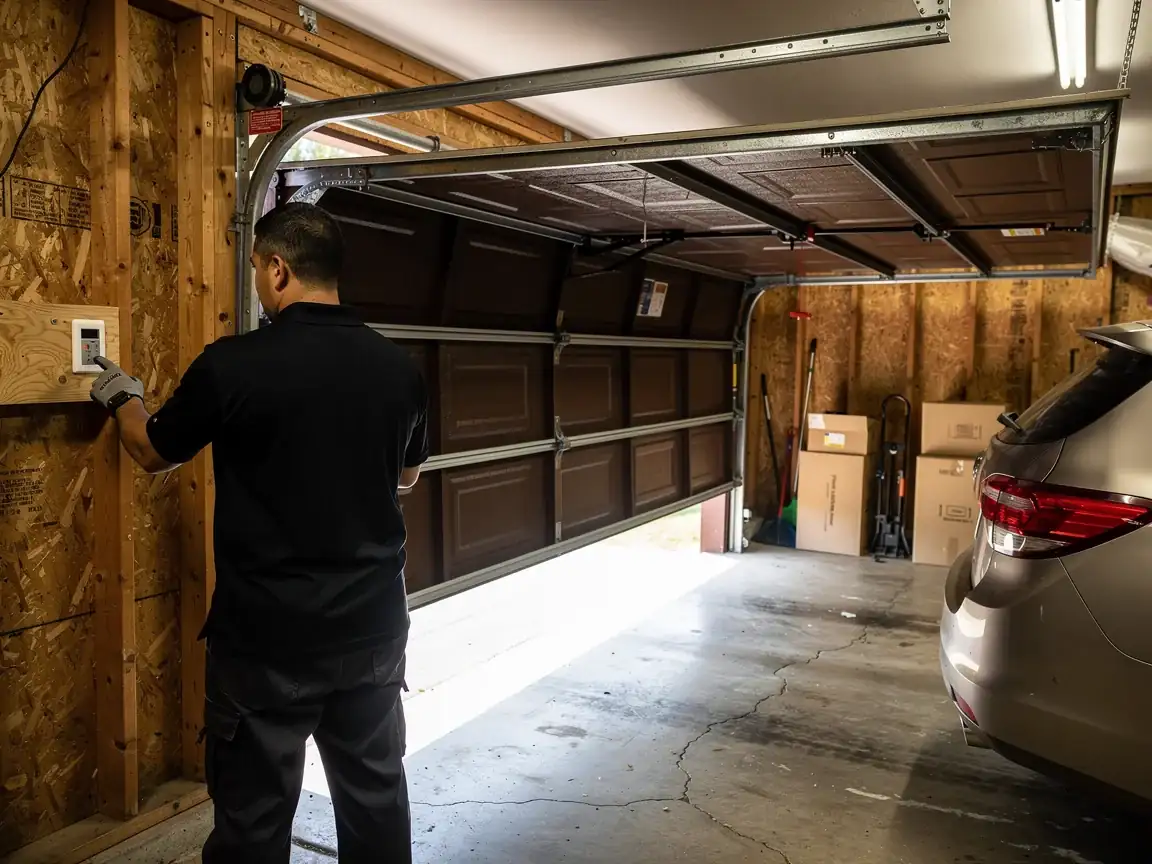
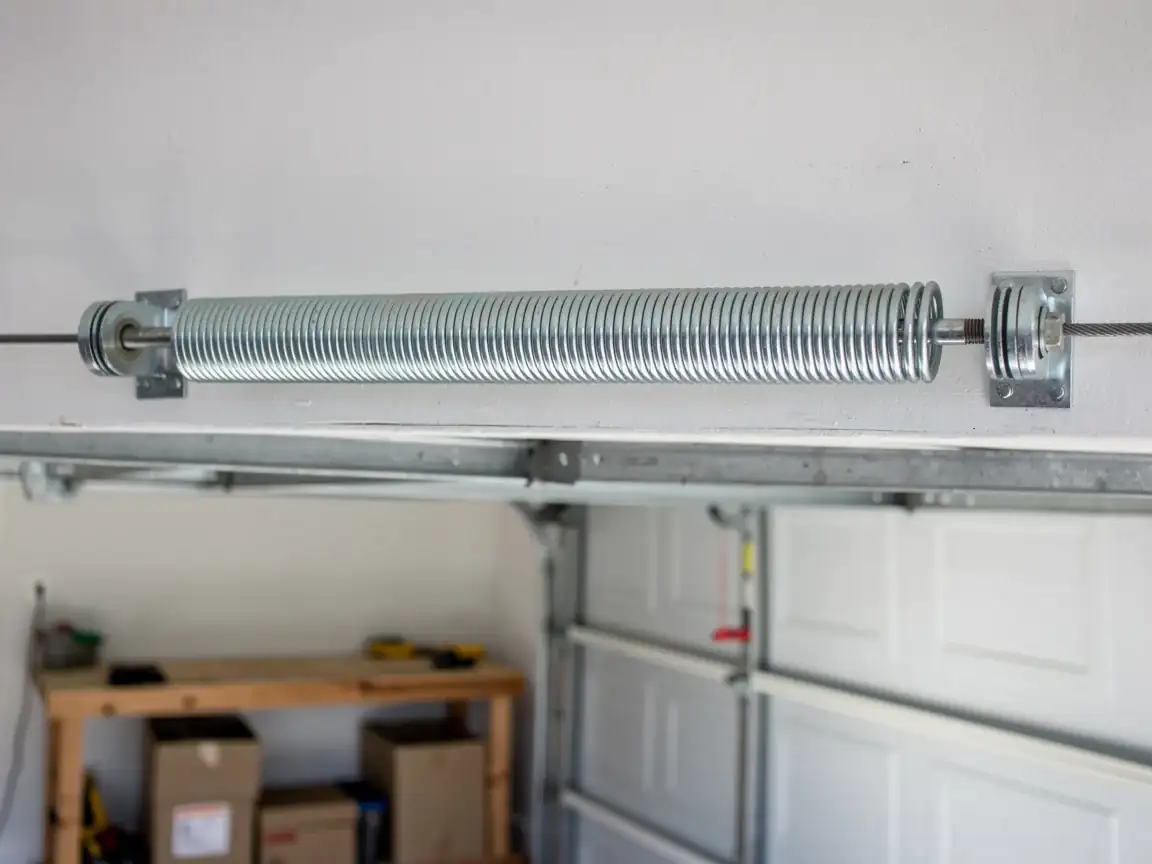
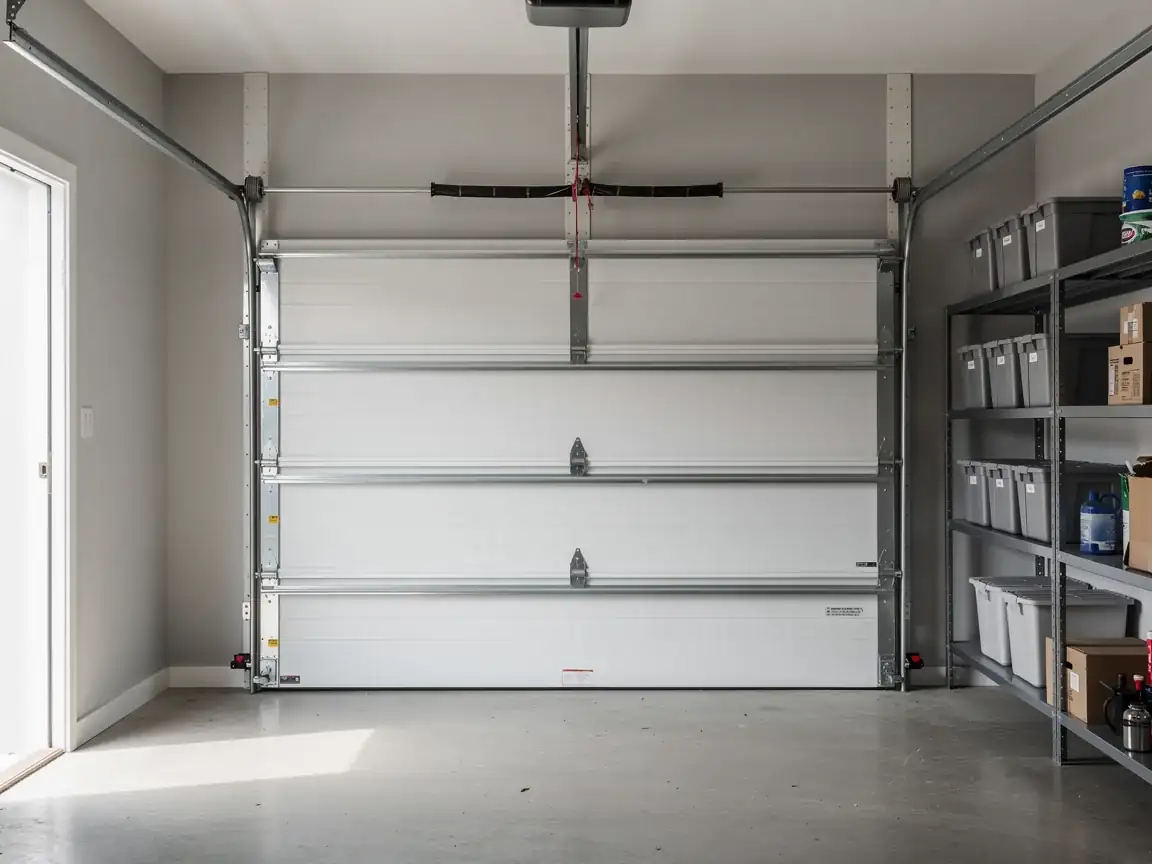
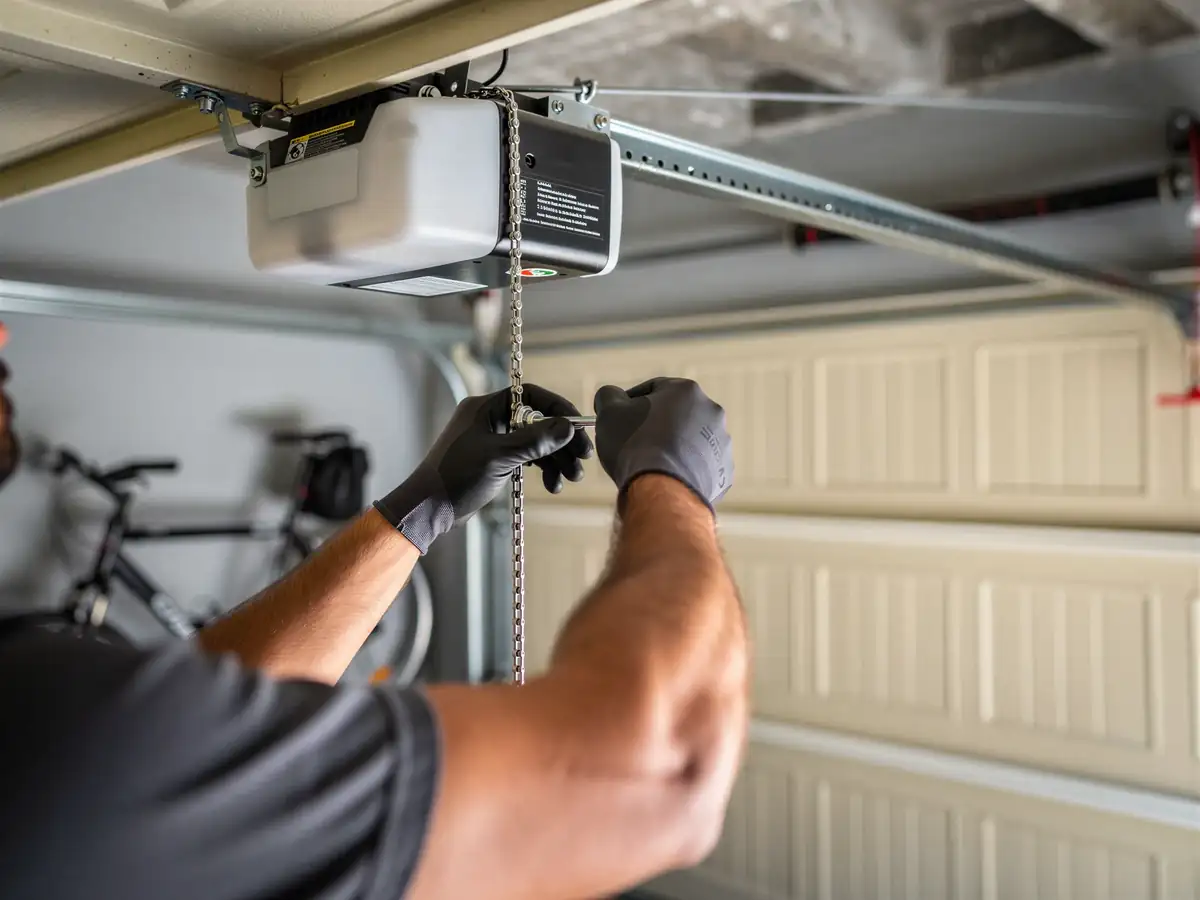
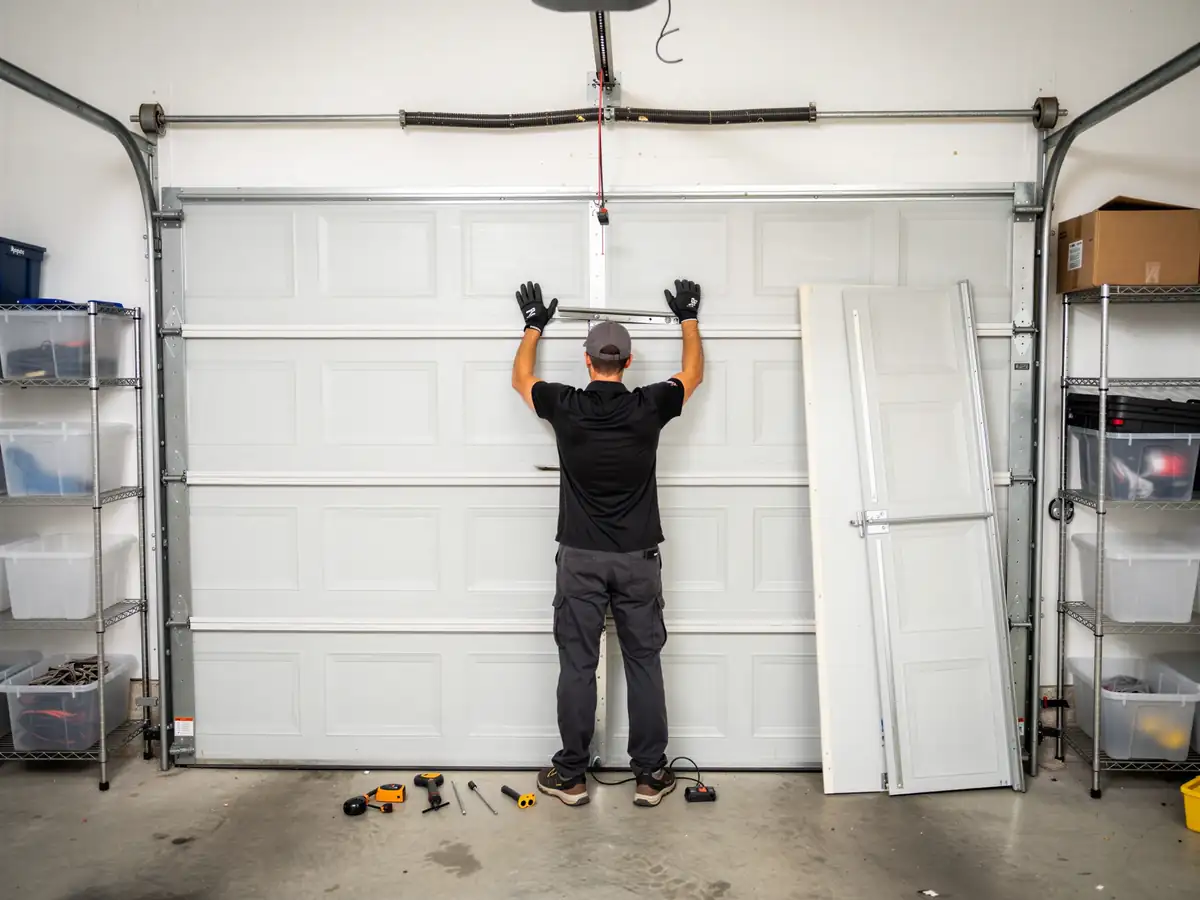
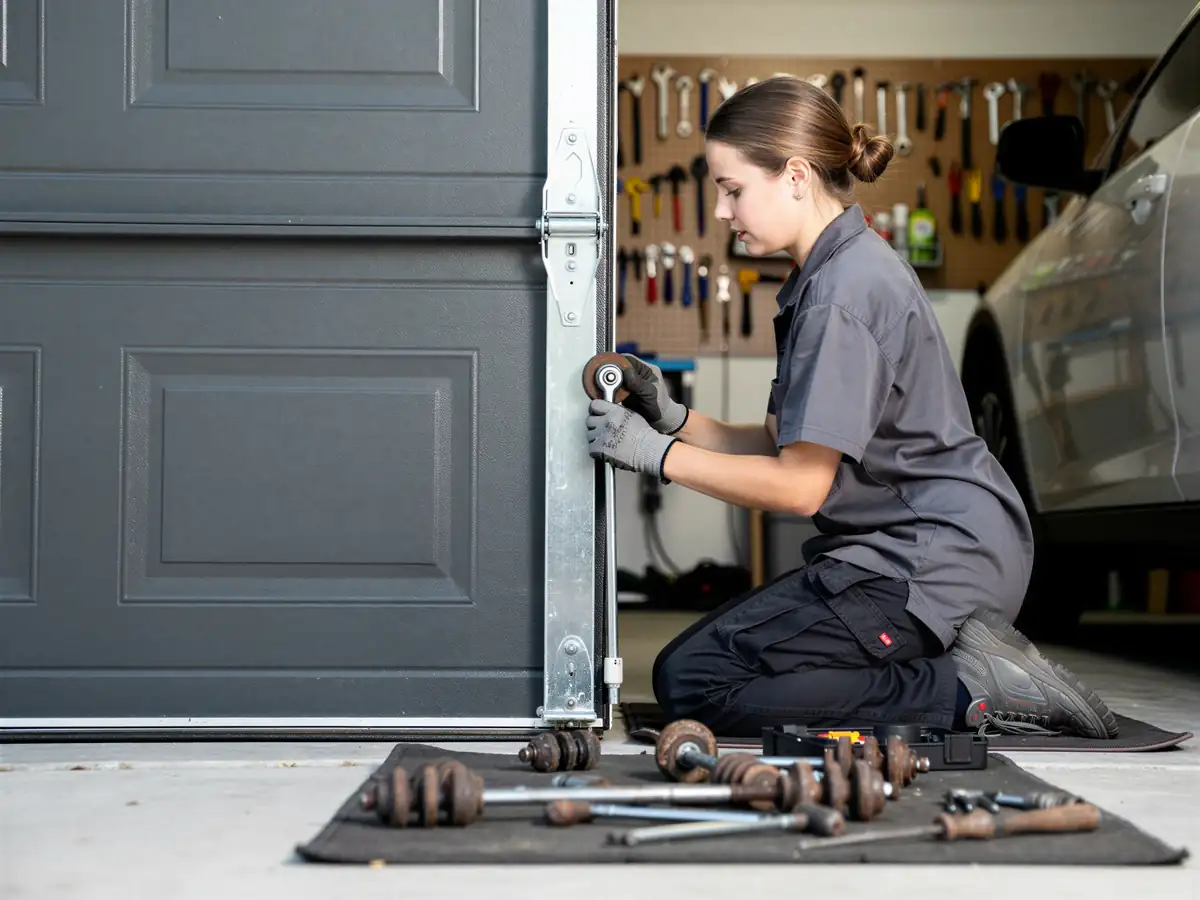
The median house in Maryland Heights went up around 1974, which puts a lot of these garages at 50 years old, give or take. That matters for what we bring before we even see the door. A house built in that window usually came with an extension-spring setup or an early torsion system, and a lot of those originals are still hanging there, never swapped, because nothing forced the issue until now. So the truck carries torsion springs in the sizes common to that mid-70s build-out, plus the older-style extension hardware and safety cables that a lot of newer trucks don't bother stocking anymore. We also carry rollers and hinges sized for steel panel doors from that era, since the panel gauge and track width shifted some in later decades. If your opener is original too, we carry drive gears and sprockets for the chain and screw-drive units that were common on houses this age, not just the belt-drive kits that come standard on everything built in the last ten years. One honest limit: if the exact panel pattern on a 1970s door has been discontinued, we may need to order it rather than carry it, and that can add a few days to a full-panel repair.
How Long It Takes
We run this job from Chesterfield, about 7 miles out, so travel time isn't the long pole in most repairs. What takes time is diagnosing hardware this age correctly rather than guessing. A torsion spring that's original to a 1974 build has had five decades of winter cold-cycling on it, and in this region's cold winters that stiffens the coil and shortens the spring's remaining life faster than a mild climate would. We check wind load on the cable drums and the condition of the end bearing plates before we touch anything, since a worn bearing plate on a 50-year-old door is a common reason a spring repair alone doesn't fix the noise. Straightforward spring and roller jobs are same-visit work once we're on site. If the opener is original and the gear set has stripped, that's usually also a same-visit fix. Where it slows down is a full panel replacement on a door this old, since matching the original steel gauge and seam pattern sometimes means a short order wait rather than a stock pull off the truck.
How to Book
Call ahead and tell us the approximate age of your house if you know it. For Maryland Heights that's often enough on its own to tell us whether we're likely dealing with original torsion hardware, an early-generation opener, or a door that's already been replaced once since 1974. We book the visit out of Chesterfield and work the run through this side of the service area, so you don't need to describe landmarks or cross streets beyond your address. If you're not sure whether what you're hearing is a spring issue or a track issue, describe the sound and the behavior when you call - a grinding chain, a door that stutters, a cable that's frayed - and we'll bring the right parts the first time instead of guessing twice.
What Can Go Wrong
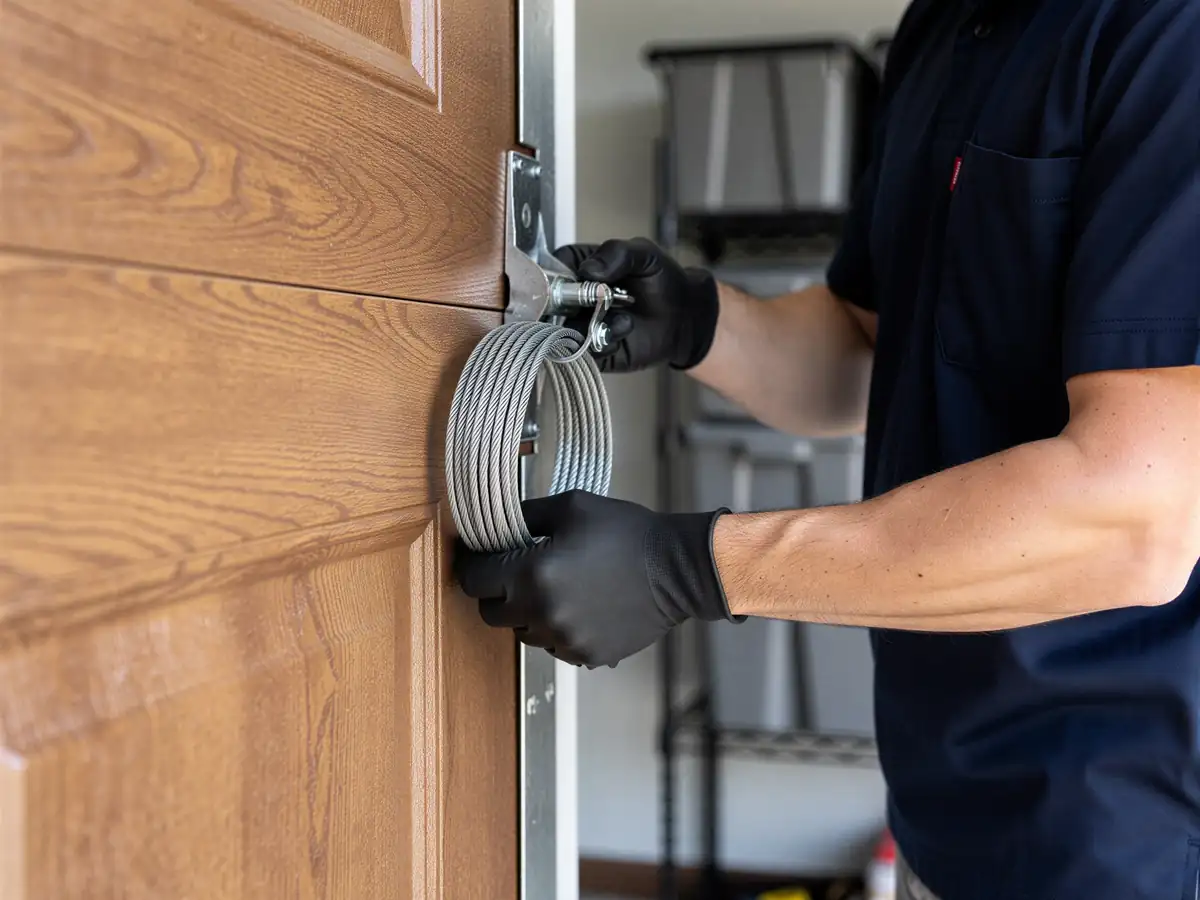
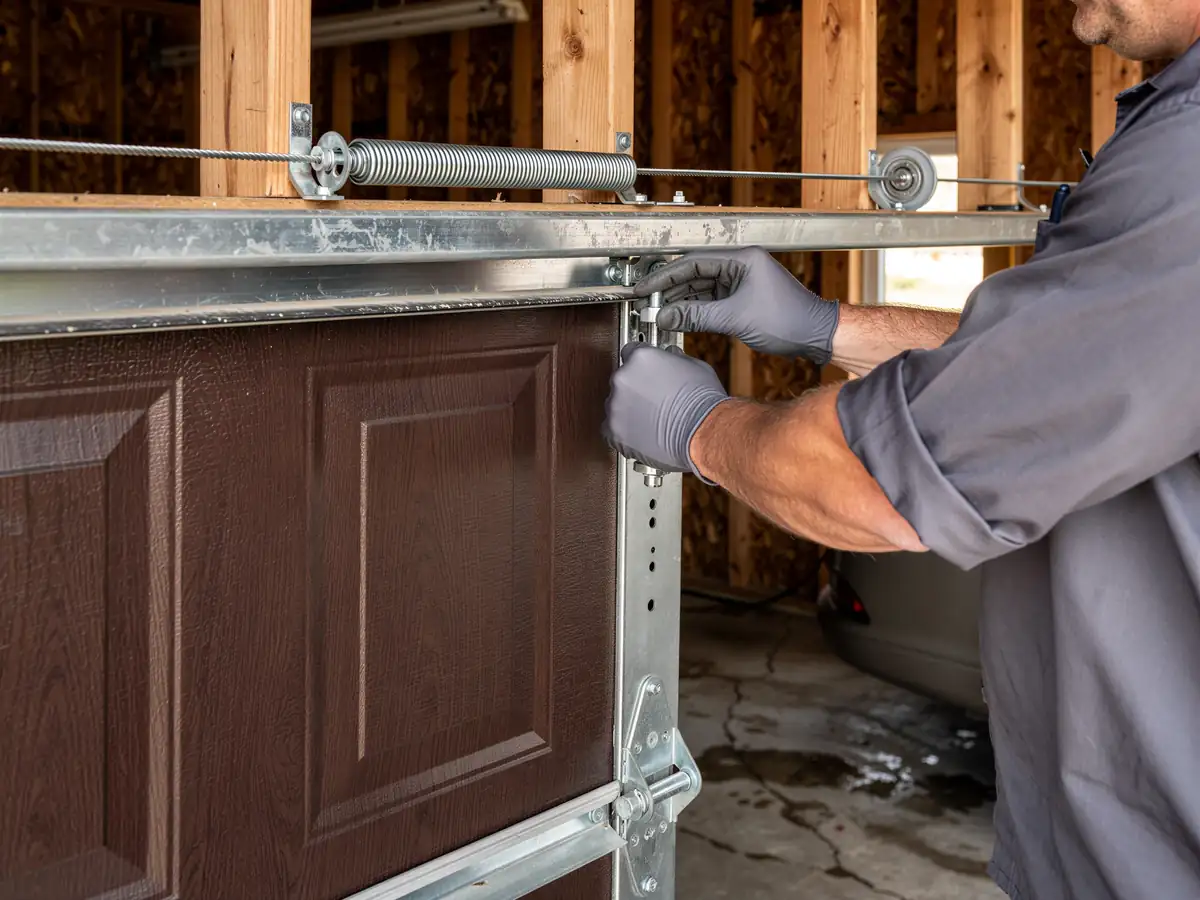
The most common failure on a house from this build year is a torsion spring that finally reaches the end of its cycle count, usually announced by a loud bang in the garage rather than a slow warning. Close behind that is a worn extension spring cable fraying at the drum end, which on original hardware has never been replaced and is overdue by any standard. Openers from the mid-1970s to early-1980s era often run on a chain-drive unit with a worn sprocket, and when that gear strips, the door won't lift even though the motor still hums. Cold-weather stiffening is a real factor here - a region with a cold moderate climate band puts more stress on old springs and grease-starved tracks each winter than a milder climate would, so symptoms that seem sudden in January are often years in the making. We won't pretend every old door is worth saving: if the track is bent beyond true and the panels have rusted through at the seams, replacement costs less over time than chasing repairs on a door that's fighting you at every point.
How it works
From “it’s stuck” to “it’s fixed”
01
Tell us what’s wrong
Describe the symptom - won’t open, loud bang, opener runs but the door won’t move.
02
On-site diagnosis
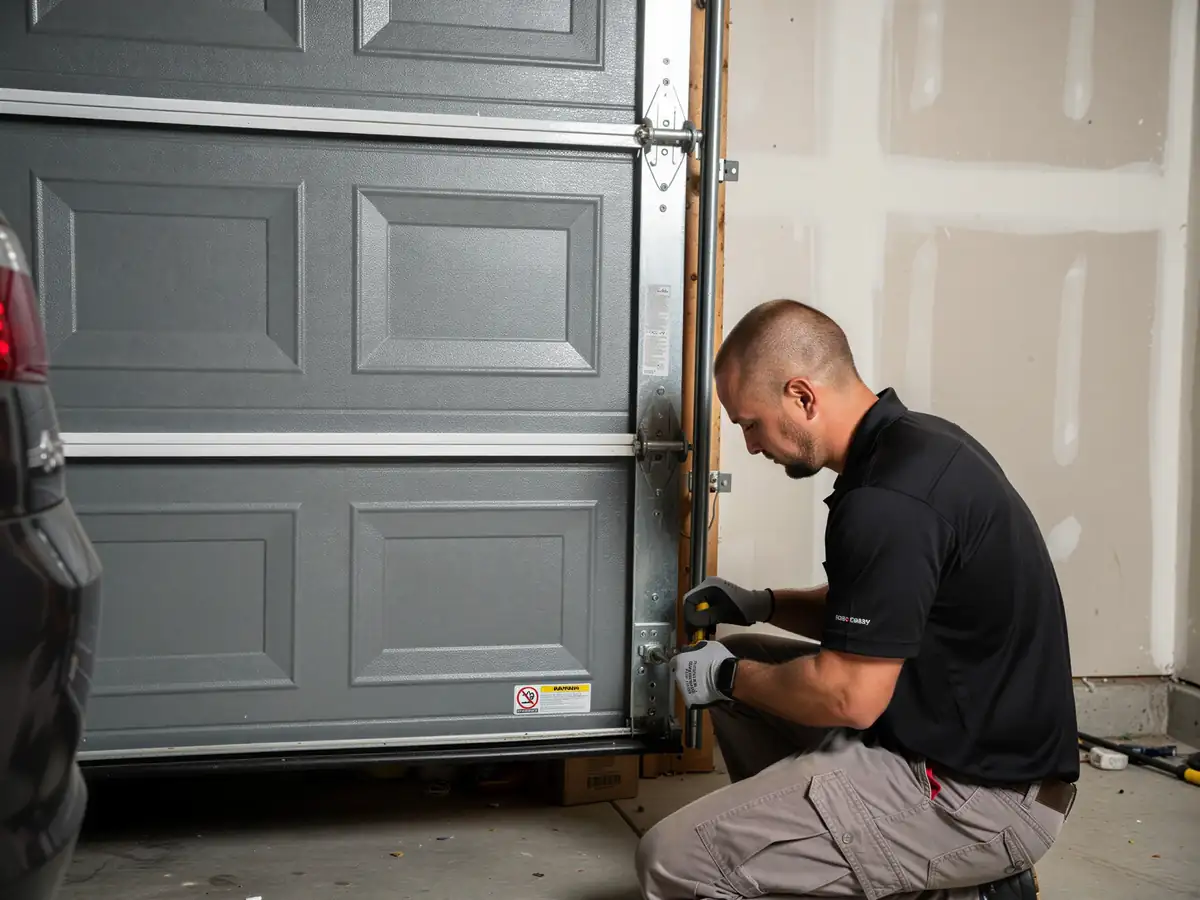
A technician tests the door under power and by hand and finds what actually failed.
03
Clear, up-front plan
You get the fix that’s needed and what drives the cost - before any work starts.
04
Repaired & tested
The repair is done, the door is set true and tested, and the work area left clean.
Not sure which repair your door needs in Chesterfield, MO? Describe what it’s doing - every job starts with a diagnosis.
Is my garage door original to the house if it was built in the 1970s?
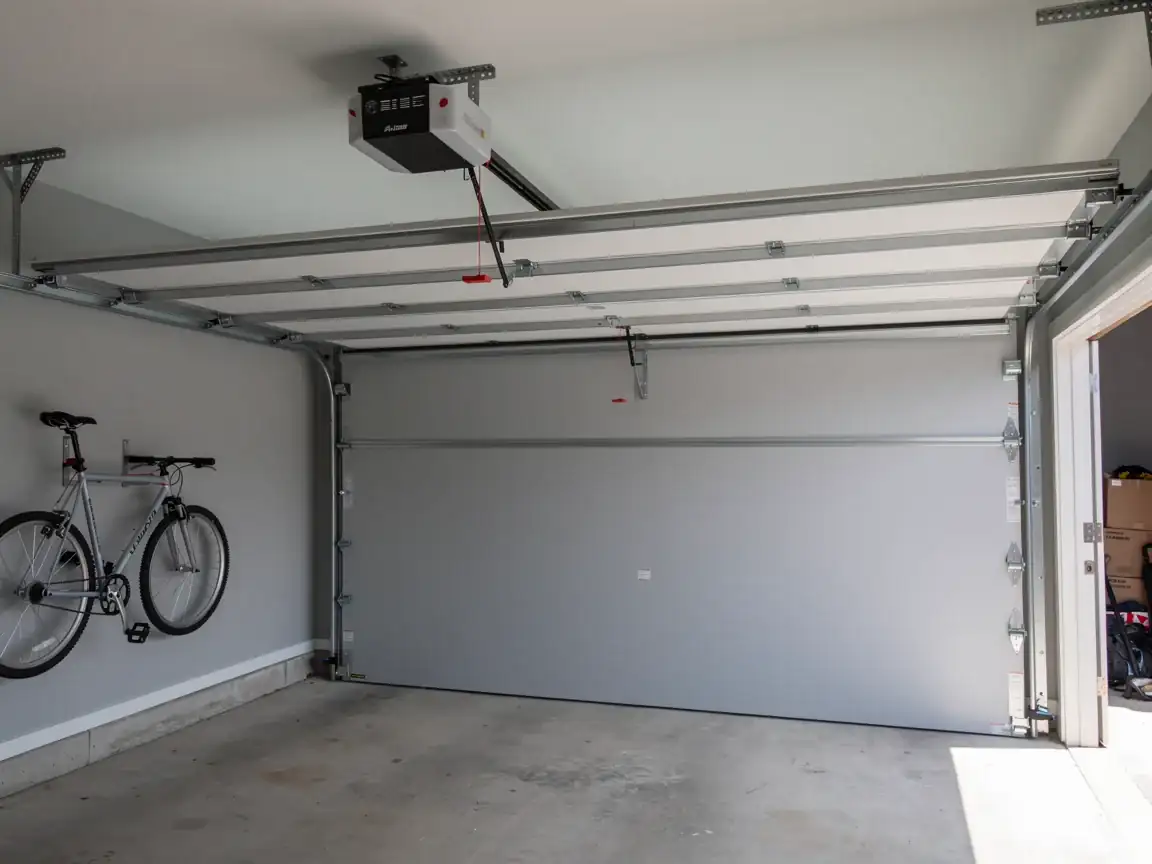
It's common. A lot of Maryland Heights houses from that era still have their original torsion or extension spring setup and sometimes the original opener. We can tell you on the visit by checking the spring winding style, the drum type, and the opener's drive mechanism against what was typical for that build period.
Do you have a branch in Maryland Heights?
No, we run this area from Chesterfield, about 7 miles out. There's no separate depot here, just a direct service run, so call Chesterfield directly to book.
Why did my spring break in winter with no warning?
Cold weather stiffens steel and shortens the remaining life of a spring that's already near the end of its cycle count. In a cold moderate climate like this one, a spring that's been quietly weakening for years often lets go on one of the coldest mornings of the season, not gradually.
Should I replace the whole door or just fix the spring?
Depends on the panels and track. If the steel is rusted through at the seams or the track is bent, a spring fix alone won't solve the underlying problem and replacement is usually the better money. We'll tell you straight which situation yours is.
Ready to get your garage door sorted?
Tell us what it’s doing and where you are in Chesterfield - we’ll take it from there.