The Cost of This Job
Kirkwood's median household income is $117,439, well above the $86,641 median across our wider service area, and that gap actually changes the math on this job. At that income level, most homeowners here aren't trying to stretch a 10-year-old roller set another two years - they replace the full run of rollers in one visit, often upgrading from steel to sealed nylon rather than patching one or two bad ones at a time. On a door from the early 1960s, mixing old steel rollers with new nylon ones on the same track usually isn't worth doing; the track wear is uneven enough that you end up back here within a year. We'll tell you straight when a partial swap makes sense and when it doesn't - we won't sell a full set if two rollers are the actual problem, but we also won't recommend patching track-worn hardware just to save a trip.
What Is on the Truck
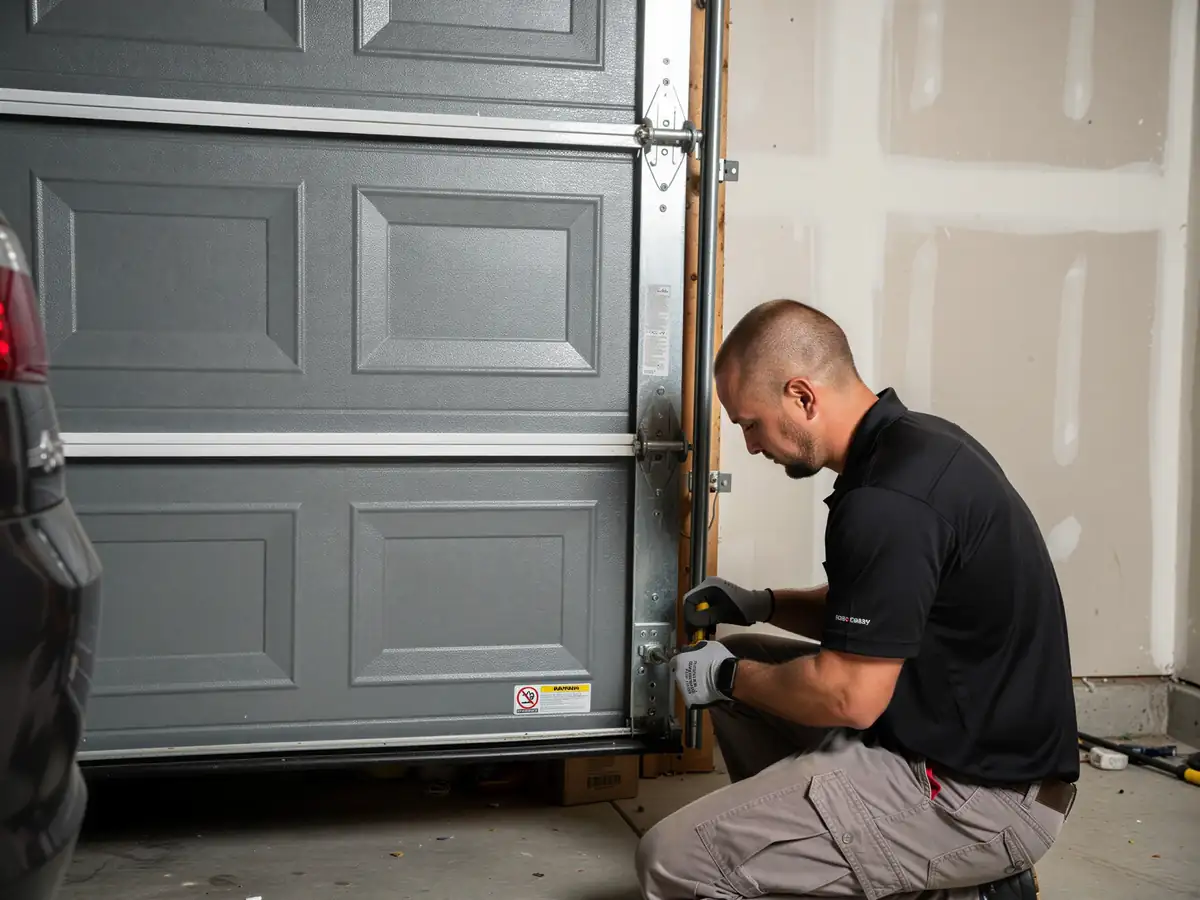
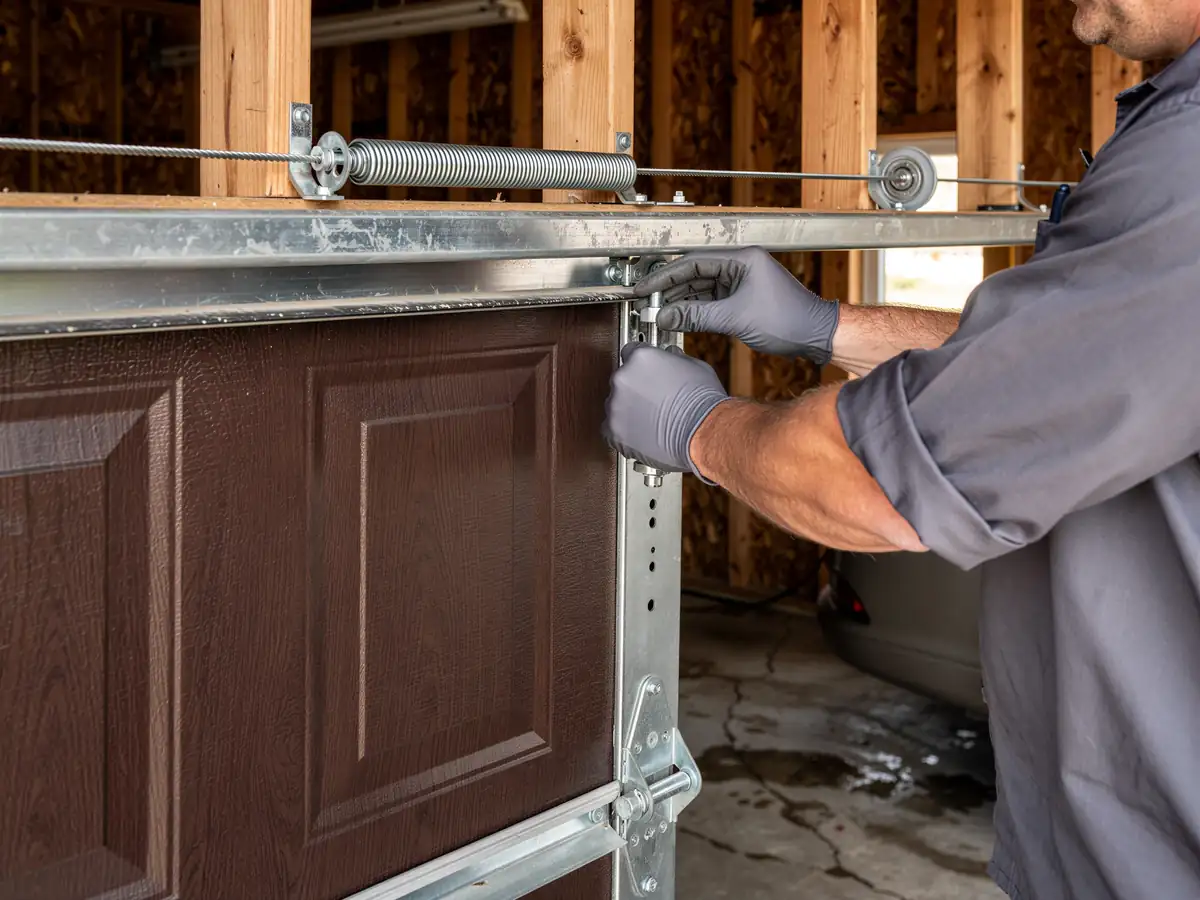
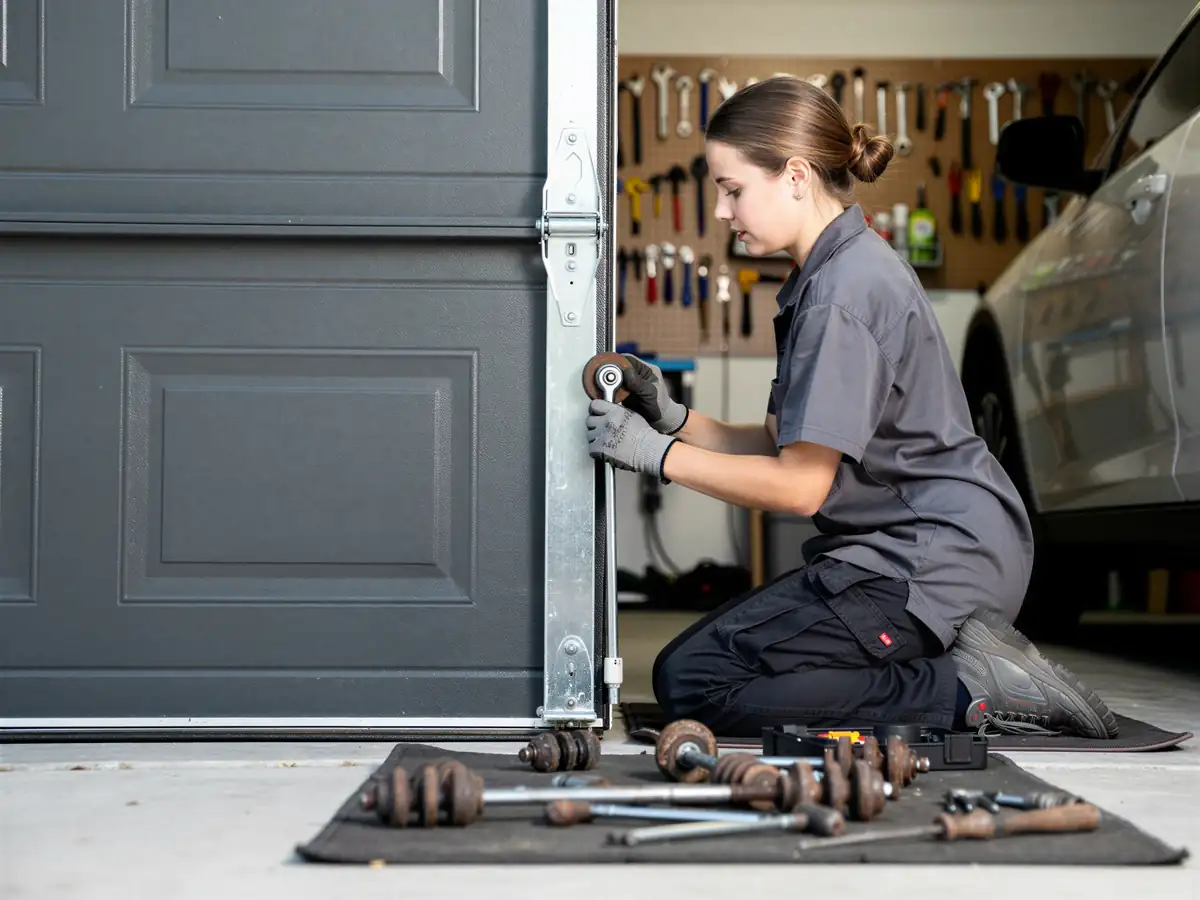
For Kirkwood calls we carry both 7-ball steel rollers and sealed nylon rollers, since houses in this area date to a median build year of 1963 - six years older than the 1969 median across the broader service area - and that older stock still has a mix of both. Steel rollers are noisier and wear tracks faster but are often what's already mounted and what a budget repair calls for. Nylon rollers run quieter and don't need the lubrication steel does, which matters in our cold winters when grease stiffens up and steel rollers start to squeal on the first cold morning. We also bring stem length options, because doors from this era weren't built to one standard stem size the way newer doors are, and the wrong stem means the roller binds in the track within weeks.
Why It Happens Here
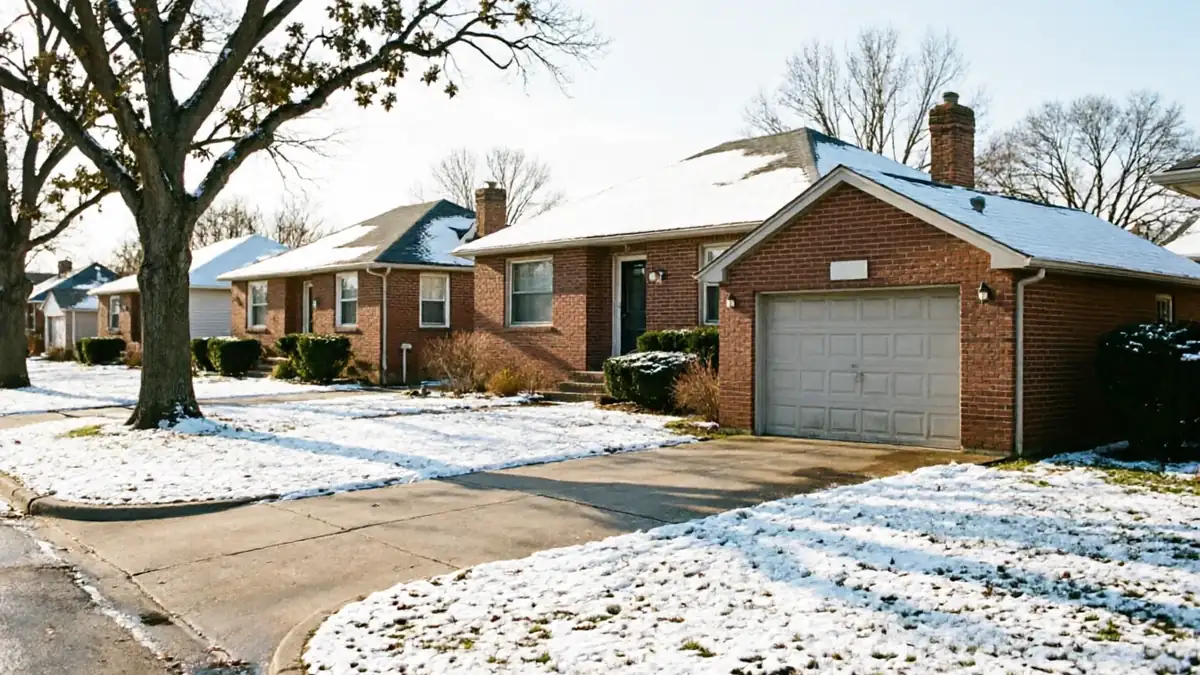
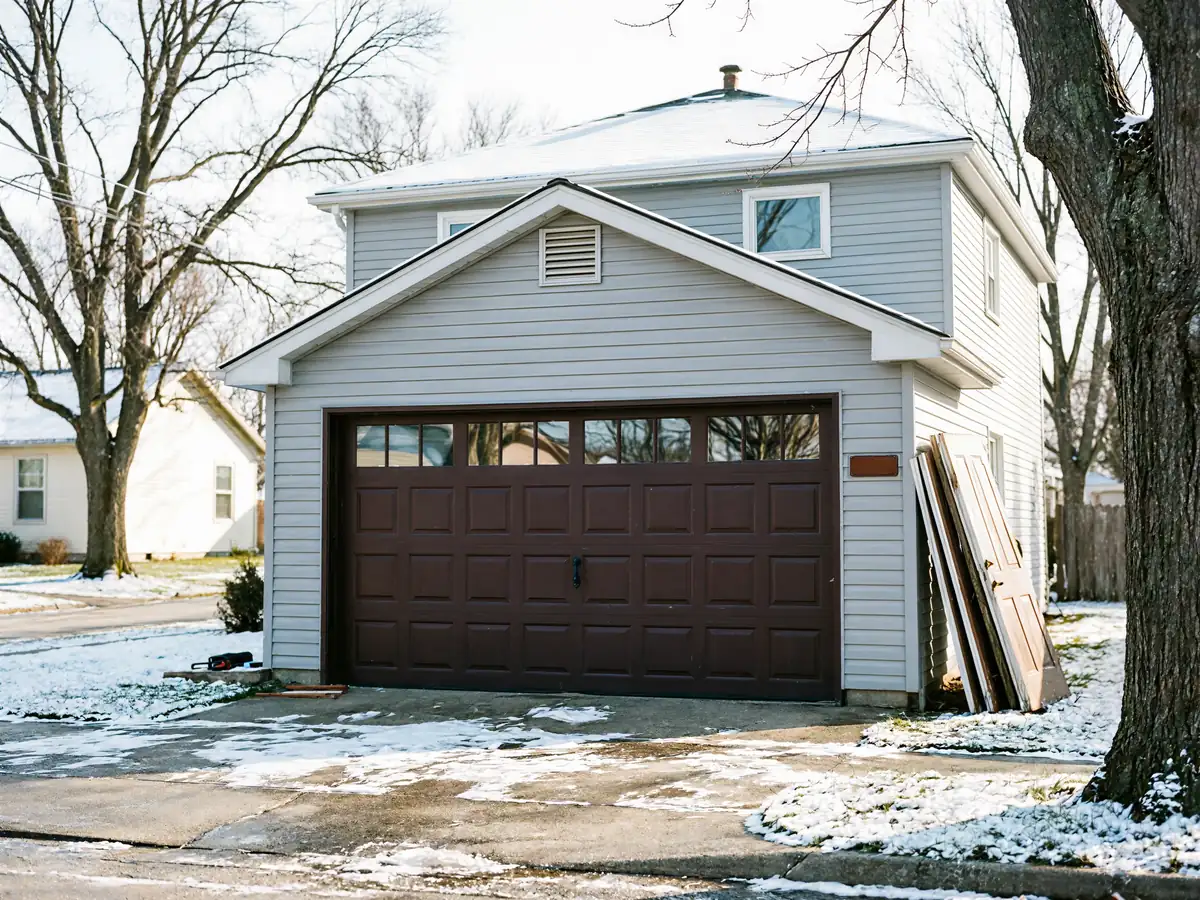
Houses in Kirkwood went up mostly in the early-to-mid 1960s, several years ahead of the 1969 median build year for the rest of our coverage area, and that earlier construction wave means more doors still running on the original steel roller hardware from the factory. Steel rollers have a harder life in our cold, moderate climate - the metal contracts in winter, grease thickens, and the roller doesn't spin so much as scrape through the first few cycles of a cold morning, which accelerates wear on both the roller and the track. In newer construction elsewhere in the service area, nylon rollers are more common from the start, so this particular failure pattern shows up less. It's less about the town and more about when the houses here were built and what the builders put on the door at the time.