The Cost of This Job
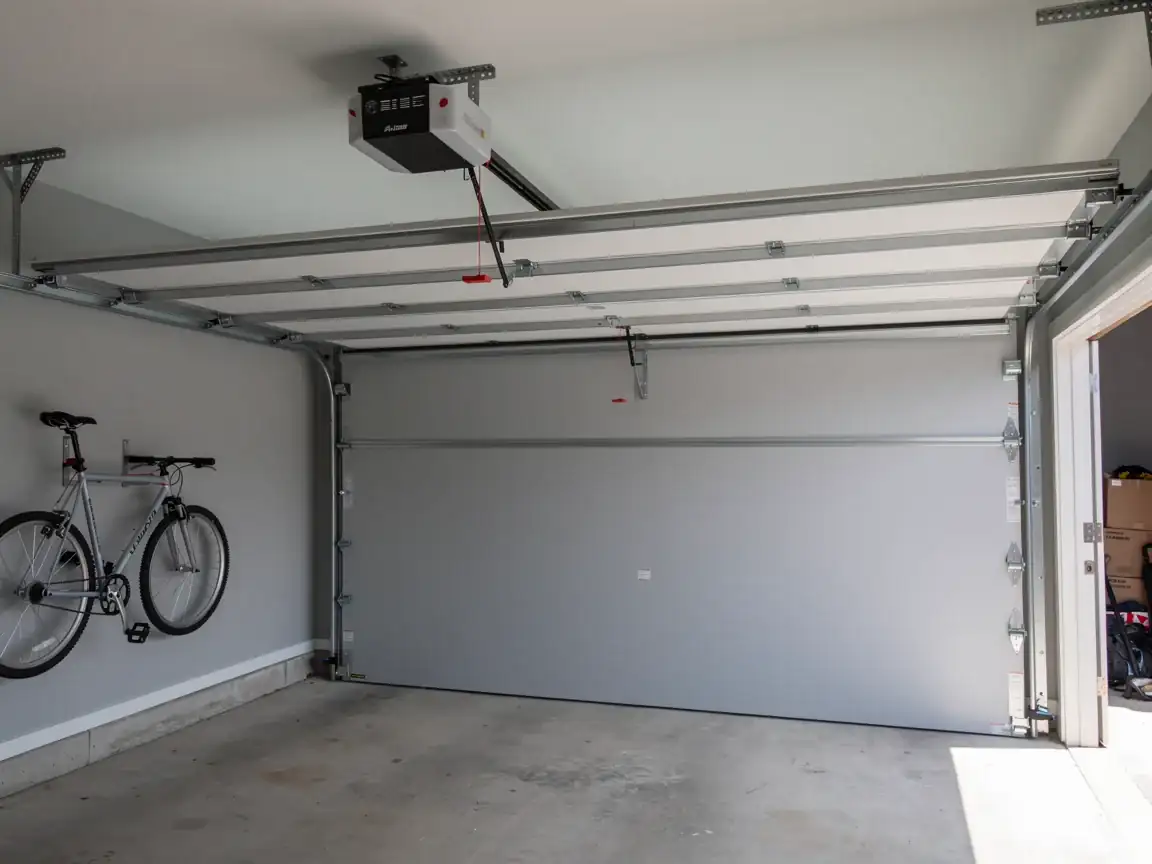
We don't quote a number sight unseen, because opener repair in Kirkwood splits two ways depending on the house. A household here sits well above the service area's $86,641 median income at $117,439, and in practice that shows up as more calls asking for a full belt-drive replacement with battery backup rather than a patch on a chain-drive unit from the 1970s. Straight repairs - a logic board, a sensor eye, a worn gear sprocket - cost less than swapping the whole opener, but if the motor's cooked or the unit predates modern safety reversal, replacement is usually the better spend rather than chasing a second failure six months later. We'll tell you flat out when a repair isn't worth doing. That's the one honest limit here: we're not going to sell you a $40 part fix on a motor that's going to fail again in a year.
What Is on the Truck
Because Kirkwood's housing runs older than much of the newer construction we see elsewhere in the service area, the truck carries parts sized for that gap: chain-drive gear kits, replacement logic boards for openers that predate current wireless keypad standards, and the low-voltage wire nuts and connectors that older garages actually used. We also carry sensor eye pairs and travel-limit switches, since a misaligned or failed safety sensor is one of the most common reasons an opener in an older garage refuses to close. We stock belt-drive openers with battery backup on the truck as a stock item, not a special order, because that's the unit most Kirkwood homeowners end up choosing once they see what a repair on a decades-old motor would run. What we don't carry is every obsolete control board ever made - some units from the 1960s and '70s need a part we'd have to source, and we'll say so upfront rather than stall you on-site.
Why It Happens Here
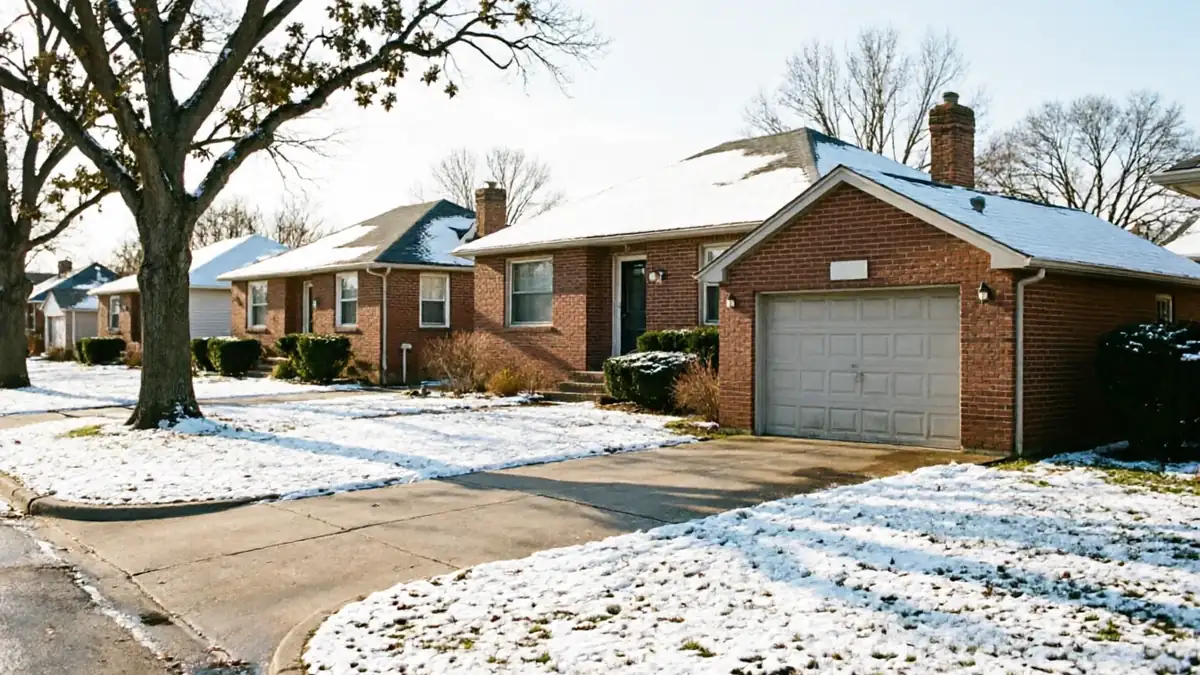
The pattern in Kirkwood traces straight back to when the houses went up. A median build year of 1963 puts this town slightly ahead of the 1969 median across the roughly 274,722 households in our wider service area, and that few years matters for openers specifically: it's the window before manufacturers standardized on safety reversal sensors and before wiring runs were sized for anything heavier than a light switch. A chain-drive opener installed in a garage from that era was built to lift a lighter original door, not the insulated steel panel doors many owners have since swapped in - so the motor strains, the gear wears faster, and the opener fails years before a unit installed in a newer Clarkson Valley or Town and Country build would. Cold winters here don't help; stiff grease and contracted metal on an aging motor make an already-tired gear more likely to strip on the first hard freeze of the season.